
No products in the cart.
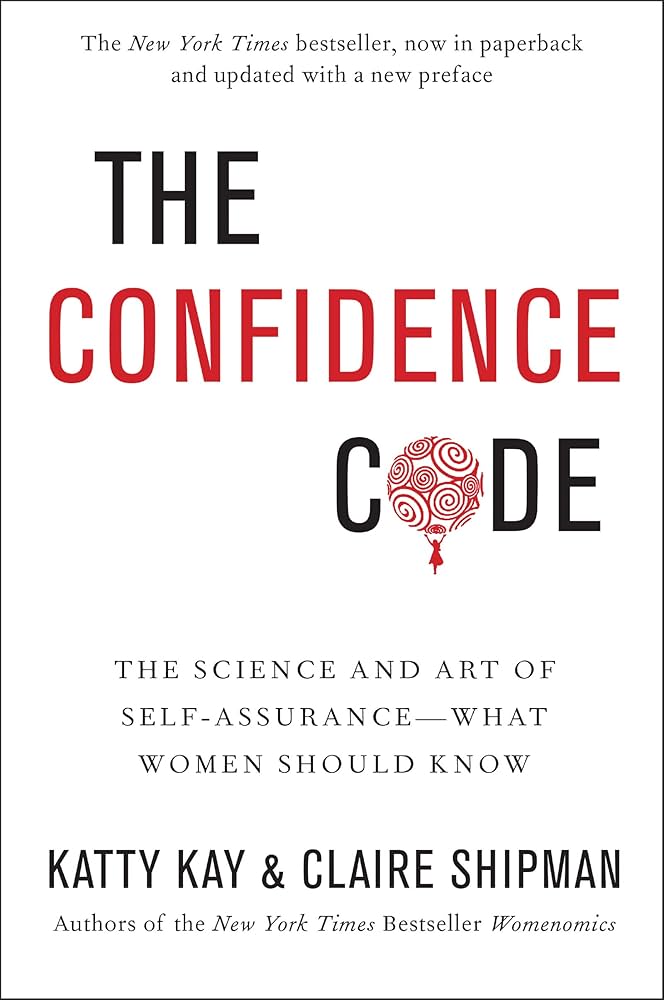
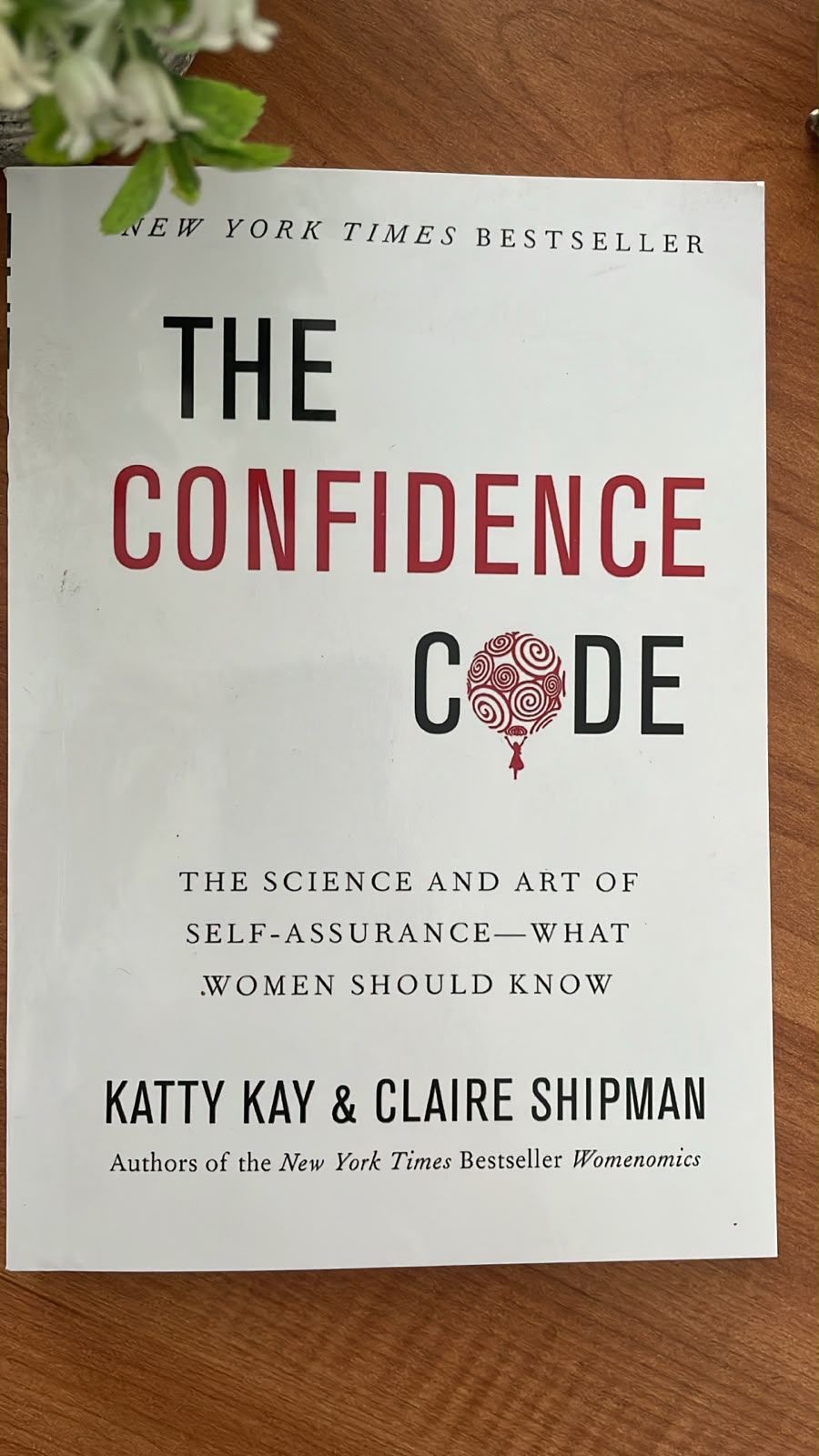

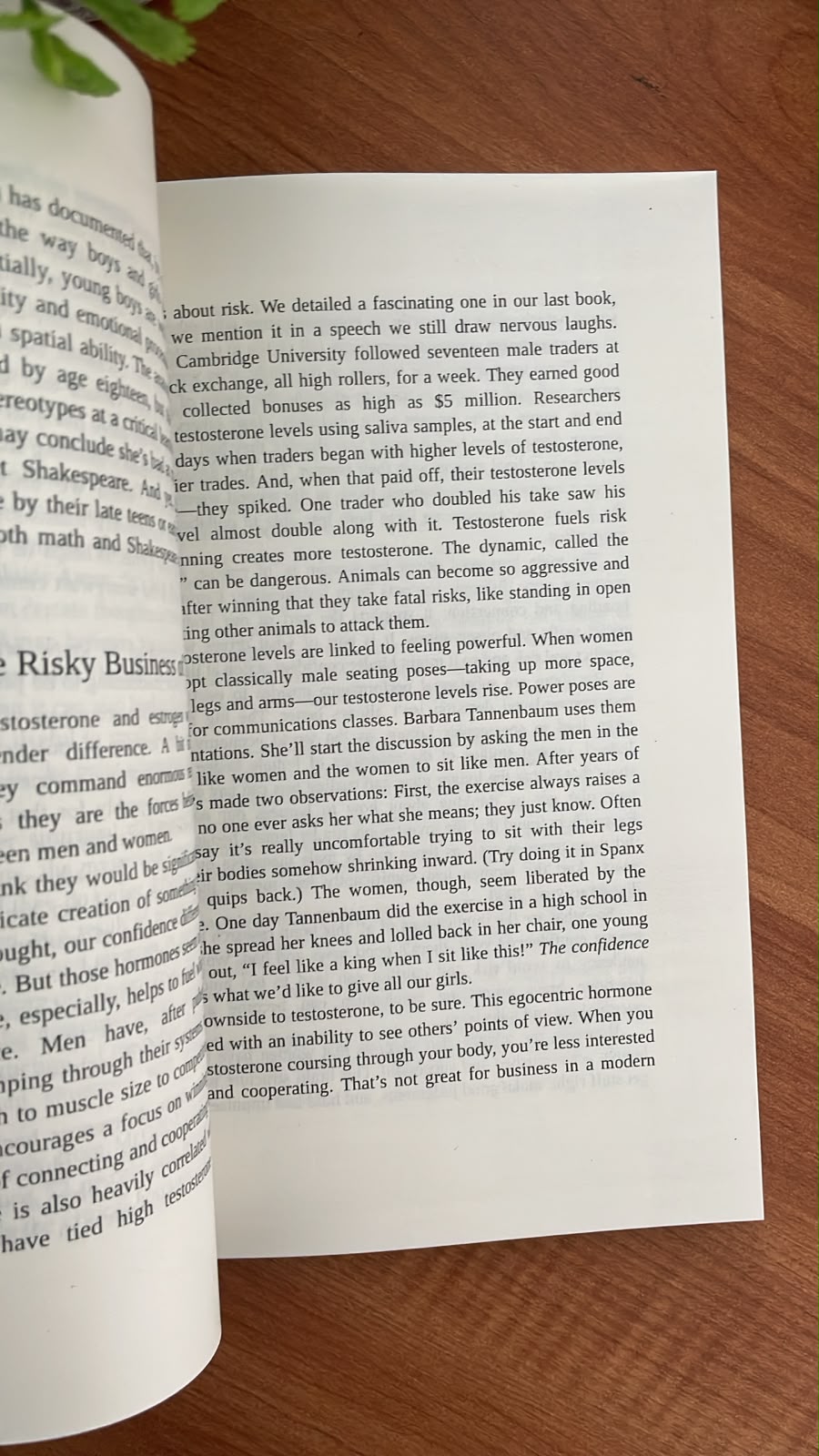
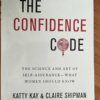



Confident Code by Katty Kay and Claire Shipman


රු1,900.00
3 X Rs. 633.33 or 8% Cashback with


or 3 X රු633.33 with


or up to 4 X රු475.00 with


The Confidence Code is more than just a self-help book—it’s a guide to unlocking your full potential. It shows that confidence isn’t about being perfect; it’s about taking action despite fear and trusting yourself enough to move forward.
6 in stock
The Confidence Code – Book Description
The Confidence Code by Katty Kay and Claire Shipman is an insightful personal-development book about confidence, self-belief and the power of taking action.
The book explores why some people appear naturally confident while others struggle with self-doubt, even when they are highly capable.
The Confidence Code combines research, real-life experiences and practical ideas to examine how confidence develops.
It is especially valuable for readers who want to understand their own behaviour, overcome hesitation and become more willing to take meaningful risks.
Why Read The Confidence Code?
The Confidence Code explores an important question: why can confidence sometimes matter just as much as competence?
A person may have excellent skills, knowledge and experience but still hesitate to speak up or pursue an opportunity.
Self-doubt can prevent talented people from demonstrating what they are capable of achieving.
The book encourages readers to understand confidence as something that can be strengthened rather than something only a lucky few naturally possess.
Understanding Confidence
Confidence is more than simply feeling good about yourself.
It can affect how people communicate, make decisions and respond to challenges.
The Confidence Code examines why confident people may be more willing to act despite uncertainty.
They may not always know that they will succeed.
Instead, they are willing to try, learn from the result and continue moving forward.
This creates an important relationship between confidence and action.
Confidence and Competence
Being skilled and being confident are not always the same thing.
Someone can be highly competent but still question their abilities.
Another person may have less experience but feel comfortable putting themselves forward.
The Confidence Code encourages readers to recognise this difference.
Building competence is important, but learning to trust your abilities can also influence your opportunities.
The book encourages readers to stop waiting until they feel completely prepared before taking action.
The Importance of Taking Action
One of the strongest ideas in The Confidence Code is that confidence can grow through action.
Waiting until fear disappears may prevent people from moving forward.
Taking a small step can be more effective.
Trying something new provides experience.
Experience provides information.
That information can gradually make future decisions easier.
This process can help people build confidence through repeated action.
Overcome Self-Doubt
Self-doubt can appear even among successful people.
People may question whether they are qualified enough or prepared enough.
They may worry about making mistakes or being judged by others.
The Confidence Code encourages readers to recognise these thoughts without allowing them to control every decision.
Confidence does not require eliminating every doubt.
Instead, it can involve learning to move forward even when uncertainty remains.
Learn From Failure
Fear of failure can prevent people from trying.
However, mistakes are often an important part of learning.
The Confidence Code encourages readers to reconsider how they view failure.
A mistake can provide valuable feedback.
It can reveal what needs improvement and help someone prepare more effectively for the next attempt.
Seeing failure as information rather than permanent defeat can make it easier to take intelligent risks.
Stop Overthinking
Overthinking can become a major obstacle to confidence.
People sometimes analyse every possible outcome until they become unable to make a decision.
The Confidence Code encourages readers to recognise when careful thinking becomes unnecessary hesitation.
Not every decision requires perfect certainty.
Sometimes progress requires choosing a reasonable direction and adjusting as new information becomes available.
Taking action can often provide answers that thinking alone cannot.
Build Confidence Through Experience
Confidence can strengthen when people repeatedly challenge themselves.
The first attempt at something difficult may feel uncomfortable.
The second attempt may feel slightly easier.
Over time, repeated experience can reduce uncertainty.
The Confidence Code shows why confidence can be connected to practice and experience.
Rather than expecting instant transformation, readers can focus on small improvements.
The Confidence Gap
An important part of The Confidence Code examines differences in how confidence can appear among women and men.
Highly capable women may sometimes underestimate their abilities or hesitate before pursuing opportunities.
The book explores how social expectations, behaviour and personal experiences can influence confidence.
Understanding these patterns can help readers recognise when unnecessary self-doubt may be limiting their choices.
Confidence in the Workplace
Confidence can play an important role in professional life.
People need to communicate ideas, accept responsibility and sometimes make decisions without complete information.
The Confidence Code explores how hesitation can affect career opportunities.
Professionals may benefit from becoming more comfortable expressing opinions and accepting challenging assignments.
Confidence can also help people communicate their abilities more effectively.
Speak Up and Share Your Ideas
Good ideas have little impact if they are never communicated.
Some people remain silent because they worry that their ideas are not good enough.
Others may wait until they can present something perfectly.
The Confidence Code encourages readers to participate more actively.
Speaking up does not mean pretending to know everything.
It means becoming comfortable contributing your perspective.
Take Intelligent Risks
Growth often involves uncertainty.
Applying for a new position, starting a project or learning a new skill may involve the possibility of failure.
Avoiding every risk may feel safe.
However, it can also prevent valuable opportunities.
The Confidence Code encourages readers to become more comfortable with reasonable risks.
Confidence can help people move toward opportunities even when success is not guaranteed.
Confidence Is Not Perfection
Confident people still make mistakes.
They can still feel nervous.
They may also experience moments of uncertainty.
The Confidence Code challenges the idea that confidence means always feeling completely certain.
Real confidence can involve accepting uncertainty while trusting yourself to respond effectively.
This perspective can remove some of the pressure to appear perfect.
7 Powerful Lessons From The Confidence Code
Readers can explore lessons such as:
- Take Action – Confidence grows when you stop waiting and begin doing.
- Accept Imperfection – You do not need to be perfect before moving forward.
- Learn From Failure – Mistakes can become useful learning experiences.
- Stop Overthinking – Too much analysis can prevent progress.
- Trust Your Abilities – Recognise the skills and experience you already possess.
- Take Smart Risks – Growth often requires stepping outside your comfort zone.
- Keep Practising – Confidence can strengthen through repeated experience.
What You Can Learn From The Confidence Code
Readers can explore ideas about:
- Building self-confidence
- Overcoming self-doubt
- Understanding confidence and competence
- Taking action despite uncertainty
- Managing fear of failure
- Reducing overthinking
- Taking intelligent risks
- Developing stronger self-belief
- Speaking up with confidence
- Learning from mistakes
- Building professional confidence
- Making better decisions
- Becoming comfortable with challenges
- Creating personal growth
- Developing a more confident mindset
Who Should Read The Confidence Code?
The Confidence Code is suitable for readers interested in confidence, psychology, leadership and personal development.
It can be valuable for students entering new environments.
Professionals may appreciate its ideas about communication and workplace confidence.
Leaders and entrepreneurs can also benefit from understanding how confidence influences decision-making.
The book is particularly relevant for women interested in understanding the relationship between confidence, competence and professional opportunities.
A Practical Guide to Greater Confidence
The Confidence Code reminds readers that confidence does not require becoming fearless.
Instead, confidence can develop when people take action despite uncertainty.
Small challenges can create experience.
Experience can gradually strengthen self-belief.
The book encourages readers to become less focused on perfection and more willing to participate, experiment and learn.
For anyone who wants to understand self-doubt, build stronger confidence and become more willing to take action, The Confidence Code by Katty Kay and Claire Shipman is a valuable addition to a personal-development collection.
Learn more about The Confidence Code by Katty Kay and Claire Shipman, including its insights on self-confidence, decision-making, and personal growth, on the official HarperCollins website.
Be the first to review “Confident Code by Katty Kay and Claire Shipman”
Related products

Out of stock
Non-Fiction & Knowledge
රු1,500.00
3 X Rs. 500.00 or 8% Cashback with
or 3 X රු500.00 with
or up to 4 X රු375.00 with
-34%

Self-Help & Psychology
Original price was: රු2,350.00.රු1,550.00Current price is: රු1,550.00.
3 X Rs. 516.67 or 8% Cashback with
or 3 X රු516.67 with
or up to 4 X රු387.50 with
-24%

Out of stock
Non-Fiction & Knowledge
Original price was: රු2,500.00.රු1,900.00Current price is: රු1,900.00.
3 X Rs. 633.33 or 8% Cashback with
or 3 X රු633.33 with
or up to 4 X රු475.00 with
-24%

Non-Fiction & Knowledge
Original price was: රු2,300.00.රු1,750.00Current price is: රු1,750.00.
3 X Rs. 583.33 or 8% Cashback with
or 3 X රු583.33 with
or up to 4 X රු437.50 with
-26%
Non-Fiction & Knowledge
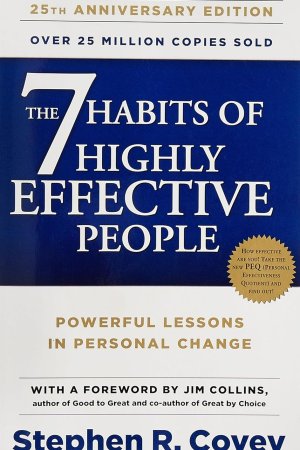
The 7 Habits of Highly Effective People by Stephen R. Covey – Blue Cover
Original price was: රු2,300.00.රු1,700.00Current price is: රු1,700.00.
3 X Rs. 566.67 or 8% Cashback with
or 3 X රු566.67 with
or up to 4 X රු425.00 with
-14%

Out of stock
Self-Help & Psychology
Original price was: රු2,900.00.රු2,500.00Current price is: රු2,500.00.
3 X Rs. 833.33 or 8% Cashback with
or 3 X රු833.33 with
or up to 4 X රු625.00 with

Non-Fiction & Knowledge
රු1,550.00
3 X Rs. 516.67 or 8% Cashback with
or 3 X රු516.67 with
or up to 4 X රු387.50 with

Out of stock
Non-Fiction & Knowledge
රු1,900.00
3 X Rs. 633.33 or 8% Cashback with
or 3 X රු633.33 with
or up to 4 X රු475.00 with
Reviews
There are no reviews yet.