
No products in the cart.
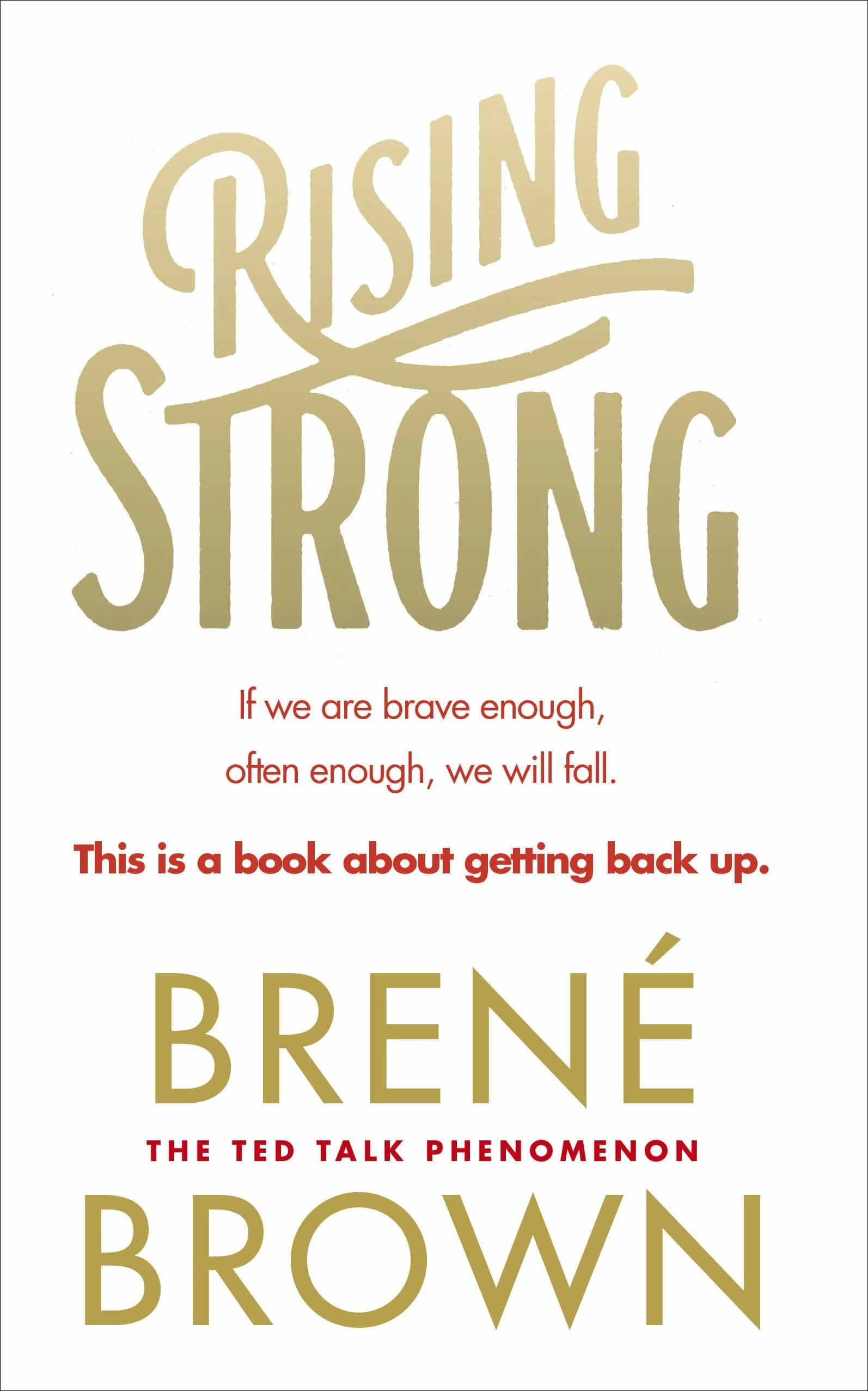
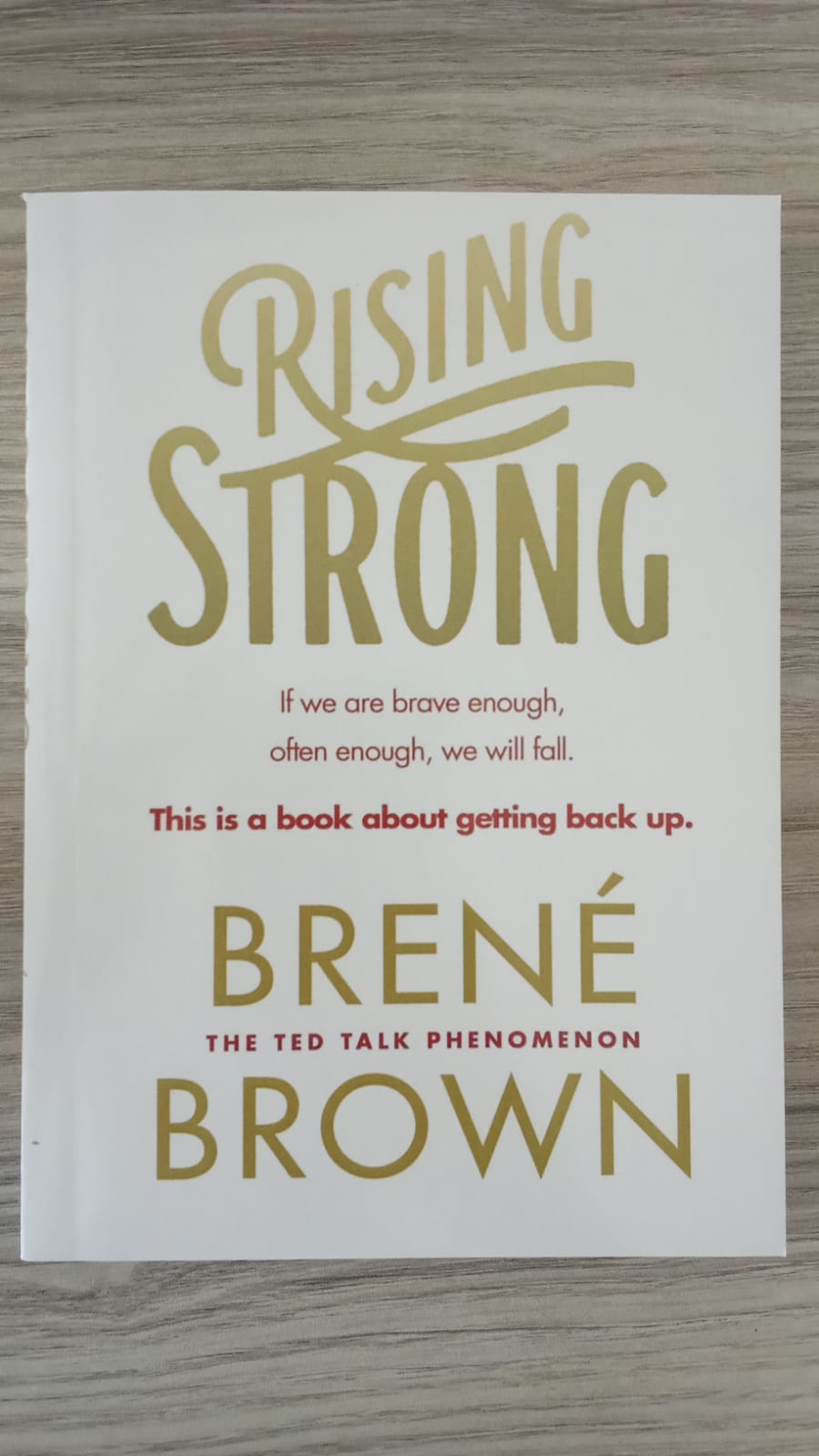

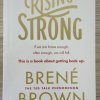


Rising Strong by Dan Heath

රු1,850.00
3 X Rs. 616.67 or 8% Cashback with


or 3 X රු616.67 with


or up to 4 X රු462.50 with


Short Description – Rising Strong
Rising Strong by Dan Heath is a motivational self-help book that teaches how to overcome failure, setbacks, and emotional struggles. It shows how resilience, self-awareness, and courage help individuals rebuild confidence and grow stronger after difficult experiences.
6 in stock
Purchase & earn 19 points!
Category: Self-Help & Psychology
Rising Strong by Brene Brown is a powerful personal-development book about what happens when courage does not produce the outcome we hoped for—and how we can learn from failure, disappointment, conflict and heartbreak instead of allowing those experiences to define us.
It is easy to talk about courage before something goes wrong.
Take the risk.
Speak honestly.
Start the business.
Apply for the opportunity.
Trust someone.
Lead boldly.
Love fully.
But what happens when the risk fails?
What happens when someone rejects you?
When a relationship breaks?
When a project collapses?
When you make a mistake?
When you feel embarrassed, angry or ashamed?
That difficult middle is the focus of Rising Strong by Brene Brown.
Brown argues that living courageously inevitably involves falling sometimes. The real challenge is learning how to understand what happened, examine the story we created about it, face difficult emotions and use the experience to move forward with greater self-awareness.
Drawing on her research into vulnerability, courage, shame and worthiness, Brown organizes the process of rising after difficulty into three major stages:
The Reckoning
The Rumble
The Revolution
Together, these stages provide a framework for examining emotional reactions, questioning assumptions and transforming difficult experiences into learning.
Rising Strong by Brene Brown – Book Overview
Rising Strong by Brene Brown begins with a simple reality:
If we choose to live courageously, eventually something will go wrong.
Courage does not guarantee success.
Vulnerability does not guarantee that people will respond kindly.
Honesty does not guarantee agreement.
Trying something difficult does not guarantee achievement.
The important question therefore becomes:
What do we do after the fall?
Brown studies the process of getting back up—not by pretending the failure did not matter, but by examining it carefully.
Vulnerability Comes Before the Fall
Vulnerability is central to Brené Brown’s work.
Being vulnerable means entering situations where the outcome is uncertain and we cannot completely control how other people will respond.
Examples include:
Telling someone how you truly feel.
Starting a new business.
Applying for a promotion.
Showing creative work to others.
Admitting a mistake.
Trying again after failure.
Building a relationship.
Asking for help.
Every one of these actions contains uncertainty.
That uncertainty is what makes courage necessary.
Courage Does Not Guarantee Victory
One of the most useful ideas in Rising Strong by Brene Brown is that courage should not be judged only by whether the result was successful.
You can act courageously and still:
Lose.
Fail.
Be rejected.
Feel embarrassed.
Make a mistake.
A courageous action is not automatically a successful action.
This distinction matters because otherwise people begin avoiding risk simply to avoid feeling like failures.
The Reckoning
The first stage of Brown’s process is The Reckoning.
This begins with recognizing that something is happening emotionally.
Many people react before understanding what they are feeling.
An email arrives.
Your body becomes tense.
Someone criticizes your work.
You immediately become defensive.
A friend ignores a message.
You assume they are angry.
The Reckoning asks us to notice the emotional reaction before automatically treating our first interpretation as fact.
Recognize the Emotion
Emotional awareness sounds simple.
In practice, it can be difficult.
People may say:
“I am angry.”
when underneath the anger is:
Fear.
Embarrassment.
Jealousy.
Shame.
Disappointment.
Feeling unimportant.
Feeling excluded.
Identifying the deeper emotion can completely change how we respond.
Curiosity Instead of Immediate Judgment
Brown encourages curiosity about emotional reactions.
Instead of:
“Why am I being stupid?”
try:
“Why did that affect me so strongly?”
Instead of:
“They clearly don’t respect me.”
ask:
“What evidence do I actually have?”
Curiosity creates space between the event and the reaction.
That space can prevent unnecessary conflict.
The Story We Create
Humans are natural storytellers.
Something happens.
Then our minds quickly create an explanation.
Your manager does not reply.
The mind says:
“They hate my work.”
A friend cancels.
The mind says:
“They don’t value me.”
Someone looks unhappy.
The mind says:
“I must have done something wrong.”
The problem is that the explanation may feel true long before it has been verified.
Facts Versus Interpretation
A powerful practice inspired by Rising Strong by Brene Brown is separating what happened from the meaning we assigned to it.
For example:
Fact: My manager asked me to revise the report.
Interpretation: My manager thinks I am incompetent.
Those are not the same statement.
The first may be true.
The second is a conclusion.
Recognizing the difference helps us respond more intelligently.
The Rumble
The second stage is The Rumble.
This is where we examine the story more deeply.
What happened?
What did I assume?
What am I afraid of?
What part of this situation is actually mine to own?
What information am I missing?
What might another person be experiencing?
This stage can be uncomfortable because it requires honesty.
Rumble With the Story
The purpose is not to replace every negative thought with a positive thought.
The goal is accuracy.
Maybe you did make a mistake.
Maybe someone did behave badly.
Maybe a relationship really is unhealthy.
Rising strong does not mean pretending everything is wonderful.
It means understanding the situation more clearly.
Accountability
Personal growth requires the ability to say:
I contributed to this problem.
That can be difficult.
It is easier to believe:
They caused everything.
Or:
I caused everything.
Reality is often more complicated.
Healthy accountability asks:
What belongs to me?
What does not?
Responsibility Without Self-Attack
There is an important difference between:
“I made a poor decision.”
and:
“I am a terrible person.”
The first creates an opportunity for change.
The second turns a behavior into identity.
Rising Strong by Brene Brown repeatedly emphasizes examining difficult experiences without allowing shame to permanently define us.
Shame
Shame tells us that something is fundamentally wrong with who we are.
Failure can trigger shame very quickly.
The project failed.
Therefore:
I am useless.
The relationship ended.
Therefore:
I am unlovable.
I made a mistake.
Therefore:
I am a bad person.
These conclusions make recovery much harder.
Guilt Versus Shame
A useful distinction in Brown’s wider work is between criticizing a behavior and condemning the entire self.
Guilt can say:
“I did something I regret.”
Shame says:
“I am bad.”
The first can support accountability.
The second often encourages hiding, defensiveness and withdrawal.
Perfectionism
Perfectionism can make rising after failure especially difficult.
If your identity depends on never making mistakes, every mistake becomes threatening.
A healthy standard says:
I want to do excellent work.
Perfectionism says:
If my work is imperfect, people may discover that I am not good enough.
Those are very different motivations.
Failure as Information
Rising Strong by Brene Brown encourages readers to engage with failure rather than hiding from it.
A business failure can reveal:
Poor timing.
Weak customer demand.
Bad assumptions.
Execution problems.
A failed examination can reveal:
Knowledge gaps.
Poor preparation.
Weak study methods.
A conflict can reveal:
Communication problems.
Unspoken expectations.
The fall contains information.
But we have to be willing to examine it.
Defensiveness
Defensiveness often appears when feedback threatens our identity.
Imagine hearing:
“This section of the project needs improvement.”
The brain may translate that into:
“You are incompetent.”
Then instead of listening, we begin protecting ourselves.
Recognizing this reaction makes it easier to receive useful feedback without accepting unfair criticism.
Emotional Armor
People protect themselves in many ways.
Sarcasm.
Perfectionism.
Avoidance.
Overworking.
Pretending not to care.
Controlling everything.
These strategies may reduce vulnerability temporarily.
They can also block:
Trust.
Creativity.
Connection.
Learning.
There is often a cost to constant self-protection.
Relationships
The principles in Rising Strong by Brene Brown are especially useful in relationships.
Many conflicts are not caused only by what happened.
They are intensified by the stories each person creates.
One person thinks:
“They ignored me because I don’t matter.”
The other thinks:
“They are angry because they never appreciate how busy I am.”
Now both people are reacting to assumptions.
Ask Instead of Assume
Sometimes the strongest communication tool is simply asking.
“Can you help me understand what happened?”
“I interpreted your comment this way. Is that what you meant?”
“I felt excluded. Can we talk about it?”
This requires vulnerability because the answer may be uncomfortable.
But assumptions often create even more pain.
Generosity
Brown also explores the value of making more generous interpretations of other people’s behavior where appropriate.
This does not mean ignoring abuse, dishonesty or harmful behavior.
It means resisting the automatic assumption that every mistake was intentionally designed to hurt us.
Someone can:
Fail.
Forget.
Communicate badly.
Become overwhelmed.
without necessarily being malicious.
Boundaries
Generosity without boundaries can become unhealthy.
You can understand someone’s behavior and still say:
That is not acceptable.
You can forgive someone and still reduce contact.
You can care about someone and still protect yourself.
Compassion does not require unlimited access to your time, energy or trust.
Trust
Trust is not built through dramatic promises alone.
It develops through repeated smaller actions.
Keeping commitments.
Respecting confidentiality.
Showing up.
Telling the truth.
Admitting mistakes.
Respecting boundaries.
When trust is damaged, rebuilding it usually requires consistent evidence rather than one emotional conversation.
Grief
Rising strong also applies to losses that cannot simply be “fixed.”
Not every painful experience becomes a motivational success story.
Some experiences involve:
Death.
Separation.
Lost opportunities.
Permanent change.
Rising strong does not mean returning to exactly who you were before.
Sometimes recovery means learning how to live with a reality that has changed.
The Revolution
The third stage is The Revolution.
This is where the lessons from the Reckoning and Rumble begin changing how we live.
Insight alone is not enough.
We need to develop different patterns.
That may mean:
Having difficult conversations sooner.
Recognizing emotional triggers.
Setting clearer boundaries.
Taking responsibility faster.
Asking questions instead of assuming.
Allowing ourselves to try again.
Change Through Practice
Personal growth rarely happens because we read one sentence and suddenly become completely different.
Change requires repetition.
Notice.
Question.
Reflect.
Respond differently.
Repeat.
Eventually the new response becomes more natural.
Integration
Rising strong is not about deleting difficult experiences.
It is about integrating them into your story.
You may say:
I failed.
I was hurt.
I made mistakes.
I learned.
I changed.
I continued.
All of those can be true simultaneously.
Resilience
Resilience is often imagined as toughness.
Never cry.
Never stop.
Never struggle.
Brown presents a more emotionally realistic version.
Resilience can include:
Feeling the pain.
Recognizing the fear.
Talking about what happened.
Seeking support.
Learning.
Trying again.
Resilience Is Not Denial
Pretending everything is fine is not the same as recovering.
A person may return to work quickly and still be deeply affected.
Real resilience involves processing what happened rather than simply becoming productive again.
Courage After Failure
The second attempt can require more courage than the first.
Before the first failure, you may not fully understand the risk.
Afterward, you know exactly what disappointment feels like.
Trying again means choosing uncertainty with more awareness.
That is why rising can be difficult.
Leadership
Rising Strong by Brene Brown is also highly relevant to leaders.
Organizations often claim they want:
Innovation.
Creativity.
Experimentation.
But experimentation includes failure.
If every mistake produces humiliation, employees quickly learn not to take risks.
Psychological Safety
Teams perform better when people can:
Ask questions.
Admit uncertainty.
Report problems.
Challenge assumptions.
A culture where everyone hides mistakes may look strong temporarily.
In reality, hidden errors can become much larger.
Leaders Must Own Mistakes
A leader saying:
“I made the wrong call.”
can be powerful.
It communicates that accountability does not automatically destroy credibility.
Sometimes admitting an error actually increases trust because people see that honesty matters more than ego.
Failure at Work
Professionals can apply Rising Strong by Brene Brown after:
A rejected proposal.
A failed product launch.
A difficult performance review.
A lost customer.
A missed promotion.
Instead of immediately creating a personal story about worth, examine the evidence.
What happened?
What was controllable?
What needs to change?
What does not belong to you?
Entrepreneurs
Entrepreneurs experience uncertainty constantly.
A business idea may fail.
Advertising may not convert.
A product may have weak demand.
A supplier may cause problems.
The emotional response can easily become:
“I am not capable of running a business.”
A better approach is to separate:
Business result
from
personal identity.
Then use the result as information.
Students
Students can use the same process after receiving poor marks.
Instead of:
“I am bad at this subject.”
ask:
Did I understand the concepts?
Did I practice enough?
Was my study method effective?
Did I manage time badly?
Specific questions produce specific improvements.
Creativity
Creative work is especially vulnerable because the work often feels personal.
A writer receives criticism.
A designer’s concept is rejected.
An artist receives no response.
It is easy to interpret criticism of the work as criticism of the person.
Learning to separate those two things makes creative persistence easier.
Parenting
Parents can also model rising strong.
Children learn from watching adults respond to mistakes.
A parent who says:
“I was wrong. I’m sorry.”
teaches accountability.
A parent who never admits mistakes teaches that authority matters more than truth.
The Power of Apology
A useful apology is not:
“I’m sorry you felt bad.”
It involves acknowledging what happened and taking responsibility for one’s part.
Real repair requires more than ending the uncomfortable conversation.
Forgiveness
Forgiveness can be complex.
It does not necessarily mean:
Forgetting.
Trusting immediately.
Allowing harmful behavior again.
Sometimes forgiveness and boundaries need to exist together.
Owning Your Story
One of the central ideas in Rising Strong by Brene Brown is that difficult experiences can either remain hidden sources of shame or become stories we understand and own.
Owning a story means being able to acknowledge:
This happened.
This hurt.
This was my part.
This was not my part.
This is what I learned.
This is what I choose next.
You Are Not the Worst Thing You Have Done
People are more complicated than individual moments.
A mistake can deserve accountability without becoming a permanent identity.
This creates room for growth.
You Are Also Not Only Your Success
The opposite matters too.
If identity depends entirely on:
Grades.
Sales.
Job title.
Awards.
Money.
Success becomes fragile.
A setback can then feel like total collapse.
A stronger identity includes values beyond achievement.
Self-Compassion
Self-compassion does not mean avoiding responsibility.
It means treating yourself with enough humanity to face responsibility honestly.
People often hide mistakes because they cannot tolerate what the mistake seems to say about them.
Compassion can make honesty easier.
Emotional Literacy
Understanding emotions is a skill.
You can improve at identifying:
Anger.
Fear.
Envy.
Shame.
Disappointment.
Grief.
Relief.
Joy.
The more accurately we name emotions, the more choices we gain about how to respond.
Is Rising Strong a Self-Help Book?
Yes.
It fits well under:
Self-Help & Personal Development
and also overlaps with:
Psychology.
Leadership.
Relationships.
Emotional intelligence.
The book combines research-based discussion with personal stories and practical reflection.
Is Rising Strong Part of a Series?
Not in the sense of a fictional series.
However, it is closely connected to Brené Brown’s wider work on:
Vulnerability.
Courage.
Shame.
Belonging.
Leadership.
Readers often encounter her books together because the themes build on one another.
Do You Need to Read Daring Greatly First?
No.
You can read Rising Strong independently.
However, Daring Greatly explores vulnerability and courage in depth, while Rising Strong focuses especially on what happens after courage results in failure, disappointment or emotional difficulty.
They complement each other well.
Other Brené Brown Books
Readers who enjoy Rising Strong by Brene Brown may also be interested in:
The Gifts of Imperfection
Daring Greatly
Braving the Wilderness
Dare to Lead
Atlas of the Heart
Each explores different aspects of emotional courage, belonging, leadership and human connection.
Brené Brown
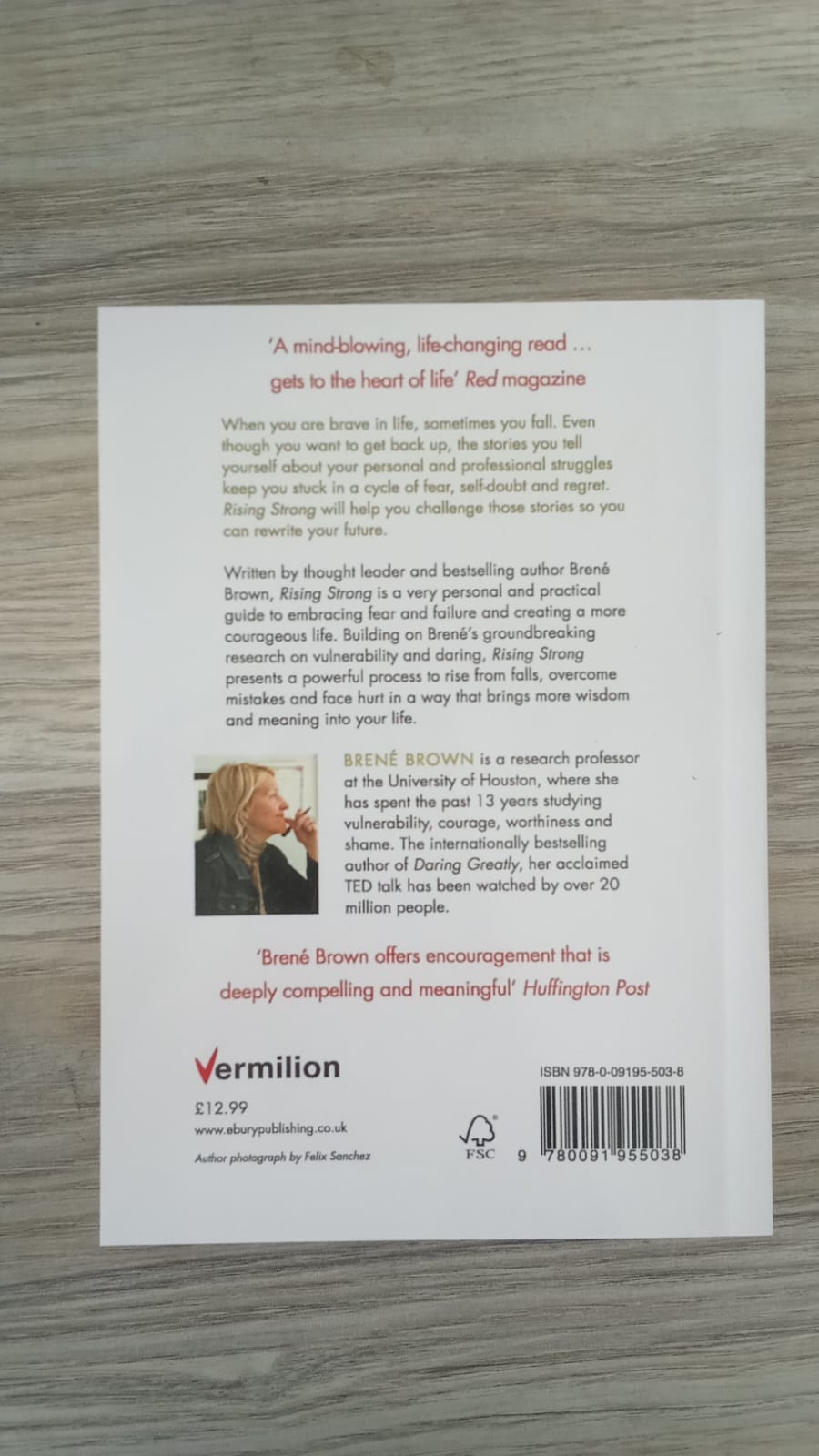
Brené Brown is a researcher, author and speaker whose work has focused extensively on courage, vulnerability, shame and empathy. Penguin Random House identifies her as a research professor at the University of Houston and Professor of Practice at the University of Texas at Austin’s McCombs School of Business.
Edition Details
Different editions of Rising Strong have different ISBNs and page counts.
The U.S. Random House paperback is:
Author: Brené Brown
ISBN: 9780812985801
Pages: 352
Publisher: Random House
Paperback Publication: April 4, 2017
A common UK Vermilion paperback is:
ISBN: 9780091955038
Pages: 336
Publisher/Imprint: Vermilion
So for WooCommerce, use the ISBN and page count printed on your physical copy.
Important Themes
Rising Strong by Brene Brown explores:
- Resilience
- Vulnerability
- Courage
- Failure
- Shame
- Emotional awareness
- Self-compassion
- Accountability
- Trust
- Relationships
- Boundaries
- Leadership
- Storytelling
- Personal growth
- Disappointment
- Grief
- Perfectionism
- Curiosity
- Recovery
- Authenticity
7 Powerful Lessons From Rising Strong by Brene Brown
- Courage guarantees uncertainty, not success. Choosing vulnerability means accepting that sometimes the outcome will hurt.
- Notice the emotion before believing the story. Our minds quickly create explanations for what happened, but those explanations are not always accurate.
- Separate facts from assumptions. What actually happened may be very different from the meaning we immediately assigned to it.
- Own your part without turning mistakes into identity. Accountability helps us grow, while shame can trap us in the belief that one failure defines who we are.
- Get curious about difficult emotions. Anger, defensiveness, jealousy and disappointment often contain information about deeper fears and needs.
- Resilience requires learning, not pretending. Rising strong does not mean denying pain. It means processing the experience and discovering what can be learned from it.
- A difficult chapter does not have to determine the ending. We cannot always control what happens, but we can influence what we understand, what we change and what we choose next.
Why Read Rising Strong by Brene Brown?
Rising Strong by Brene Brown is an excellent choice for readers interested in:
Personal development.
Emotional intelligence.
Resilience.
Vulnerability.
Overcoming failure.
Leadership.
Relationships.
Self-awareness.
Shame resilience.
Mental strength.
Communication.
Personal growth.
Courage.
Recovering from setbacks.
It may be particularly helpful for someone who has already experienced a disappointment and is asking:
What now?
Instead of simply telling readers to “stay positive,” Brown focuses on the emotionally messy process between falling and actually getting back up.
Who Should Read This Book?
Rising Strong by Brene Brown may especially appeal to:
- Readers recovering from failure or disappointment
- Students
- Entrepreneurs
- Leaders and managers
- Teachers
- Parents
- Creative professionals
- People working on emotional awareness
- Readers interested in vulnerability
- People struggling with perfectionism
- Readers of psychology and personal development
- Anyone wanting to understand their emotional reactions more clearly
Rising Strong by Brene Brown – Falling Is Not the End of the Story
Rising Strong by Brene Brown is ultimately about the part of courage that is less glamorous.
Everyone likes the beginning.
The brave decision.
The big goal.
The honest conversation.
The new opportunity.
Everyone also likes the ending.
Success.
Growth.
Healing.
Achievement.
But between those two moments there is often a difficult middle.
The mistake.
The rejection.
The embarrassment.
The disagreement.
The failure.
The moment when you wonder whether taking the risk was worth it.
Brown focuses on that middle.
Because that is where we usually create the stories that shape what happens next.
We can decide:
I failed, therefore I should never try again.
Or:
I failed. What happened?
What did I learn?
What was mine to own?
What was outside my control?
What needs to change?
Those questions do not make failure painless.
They make it useful.
Rising strong is therefore not about becoming someone who never falls.
That person does not exist.
It is about becoming someone who can fall, face the truth about what happened and eventually stand again with greater clarity.
For readers interested in courage, resilience, emotional intelligence, leadership, relationships and meaningful personal growth, Rising Strong by Brene Brown offers a practical and compassionate framework for understanding how difficult experiences can become part of a stronger story rather than the end of one.
Learn more about Rising Strong by Brené Brown on the official Brené Brown website.
Explore more personal development and psychology books at Bargain Books.
Be the first to review “Rising Strong by Dan Heath” Cancel reply
Related products

Non-Fiction & Knowledge
රු1,550.00
Purchase & earn 16 points!
3 X Rs. 516.67 or 8% Cashback with
or 3 X රු516.67 with
or up to 4 X රු387.50 with
-24%

Non-Fiction & Knowledge
3 X Rs. 583.33 or 8% Cashback with
or 3 X රු583.33 with
or up to 4 X රු437.50 with
-24%

Out of stock
Non-Fiction & Knowledge
3 X Rs. 533.33 or 8% Cashback with
or 3 X රු533.33 with
or up to 4 X රු400.00 with
-39%

Out of stock
Self-Help & Psychology
3 X Rs. 500.00 or 8% Cashback with
or 3 X රු500.00 with
or up to 4 X රු375.00 with

Out of stock
Self-Help & Psychology
රු2,200.00
Purchase & earn 22 points!
3 X Rs. 733.33 or 8% Cashback with
or 3 X රු733.33 with
or up to 4 X රු550.00 with

Out of stock
Non-Fiction & Knowledge
රු1,600.00
Purchase & earn 16 points!
3 X Rs. 533.33 or 8% Cashback with
or 3 X රු533.33 with
or up to 4 X රු400.00 with
-23%

Non-Fiction & Knowledge
3 X Rs. 566.67 or 8% Cashback with
or 3 X රු566.67 with
or up to 4 X රු425.00 with
-21%

Non-Fiction & Knowledge
7 Secrets to Investing Like Warren Buffett by Mary Buffett & Sean Seah
3 X Rs. 500.00 or 8% Cashback with
or 3 X රු500.00 with
or up to 4 X රු375.00 with
Reviews
There are no reviews yet.