
No products in the cart.
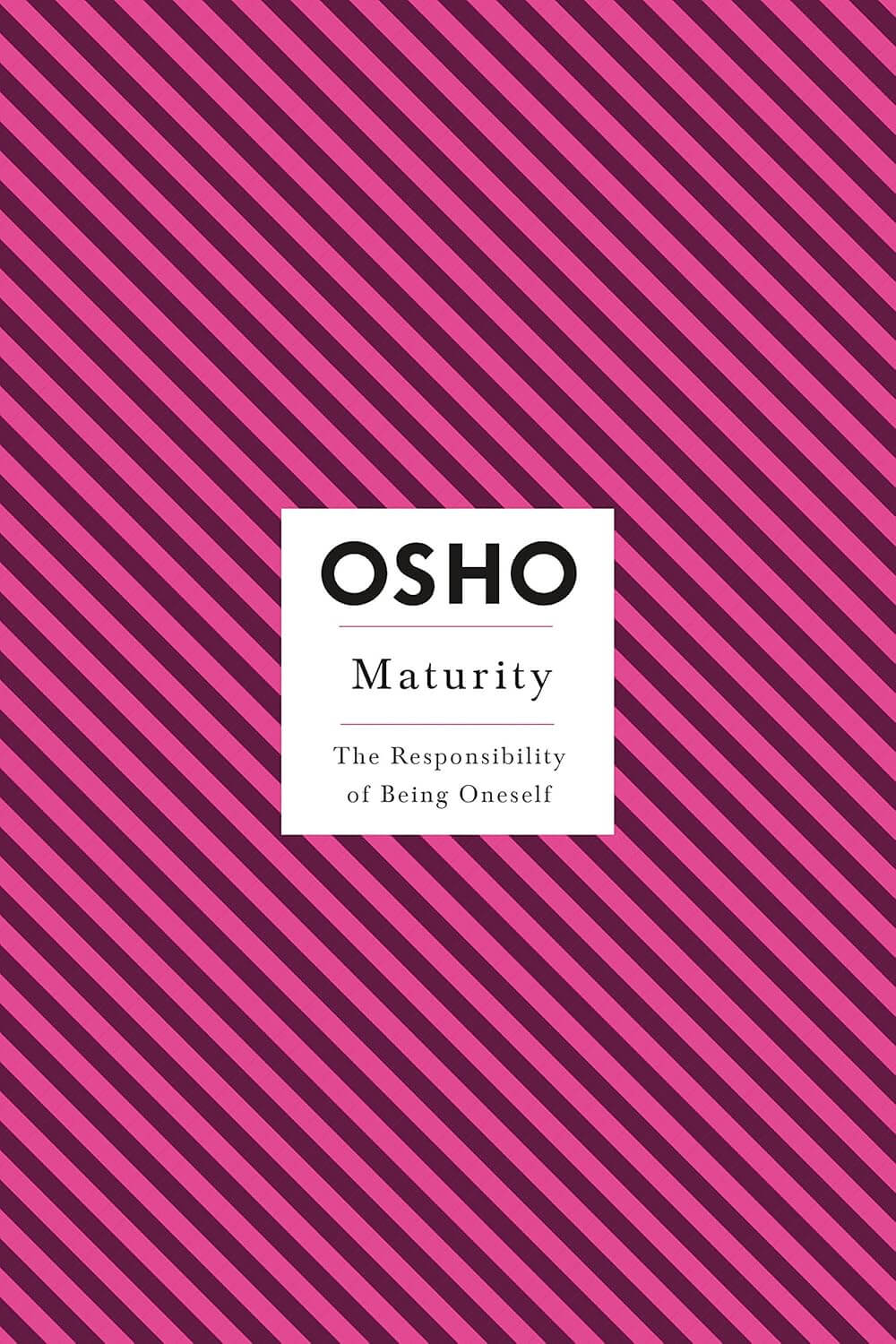








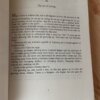
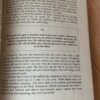
Maturity: The Responsibility of Being Oneself (Osho Insights for a New Way of Living) by Osho


රු900.00
3 X Rs. 300.00 or 8% Cashback with


or 3 X රු300.00 with


or up to 4 X රු225.00 with


Book Details / WooCommerce
| Field | Enter This |
|---|---|
| Title | Maturity: The Responsibility of Being Oneself |
| Author | Osho |
| ISBN-13 | 9780312205614 |
| ISBN-10 | 0312205619 |
| Series | Osho Insights for a New Way of Living |
| Series Position | 3 |
| Format | Trade Paperback |
| Publisher | St. Martin’s Publishing Group |
| Imprint | St. Martin’s Griffin / currently St. Martin’s Essentials |
| Publication Date | 30 November 1999 |
| Pages | 208 |
| Language | English |
| Audience | Adult / General |
| Genre | Self-Help / Spirituality / Personal Development |
| Weight | Approx. 0.204 kg |
| Length | Approx. 20.8 cm |
| Width | Approx. 14.0 cm |
| Height / Thickness | Approx. 1.5 cm |
| Dimensions | Approx. 20.8 × 14.0 × 1.5 cm |
1 in stock
What Does It Really Mean to Become Mature?
Maturity: The Responsibility of Being Oneself by Osho is a reflective work of spirituality and personal development examining the difference between simply growing older and genuinely growing as a person.
Part of the popular Osho Insights for a New Way of Living series, the book challenges the assumption that age automatically creates wisdom or maturity.
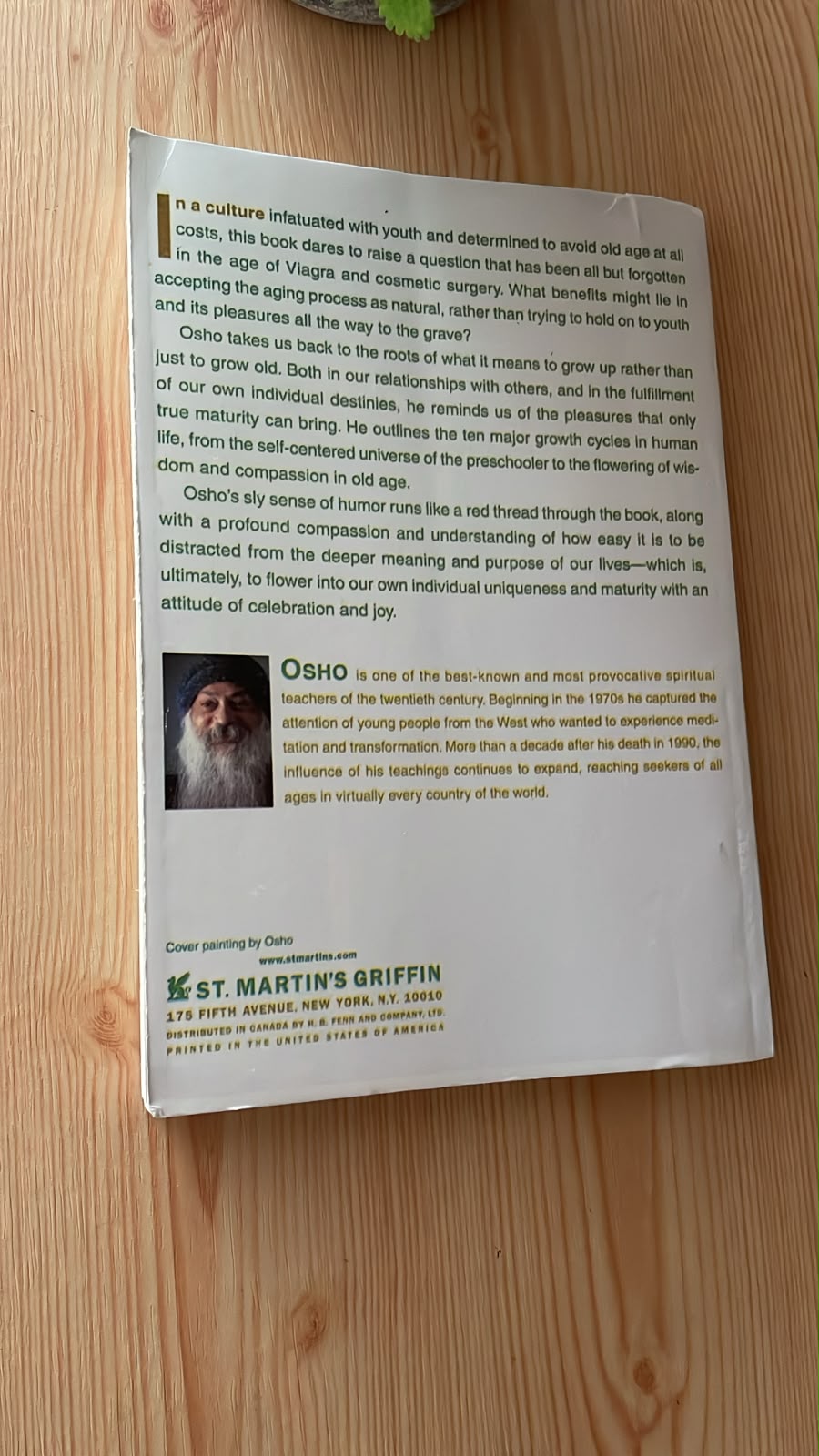
Macmillan describes the book as an exploration of what it means to grow up rather than simply grow old, including the ways relationships, experience and the natural process of ageing may contribute to personal development.
From Osho’s philosophical perspective, maturity is closely connected with awareness, responsibility, authenticity and the ability to learn from experience.
Maturity Versus Ageing
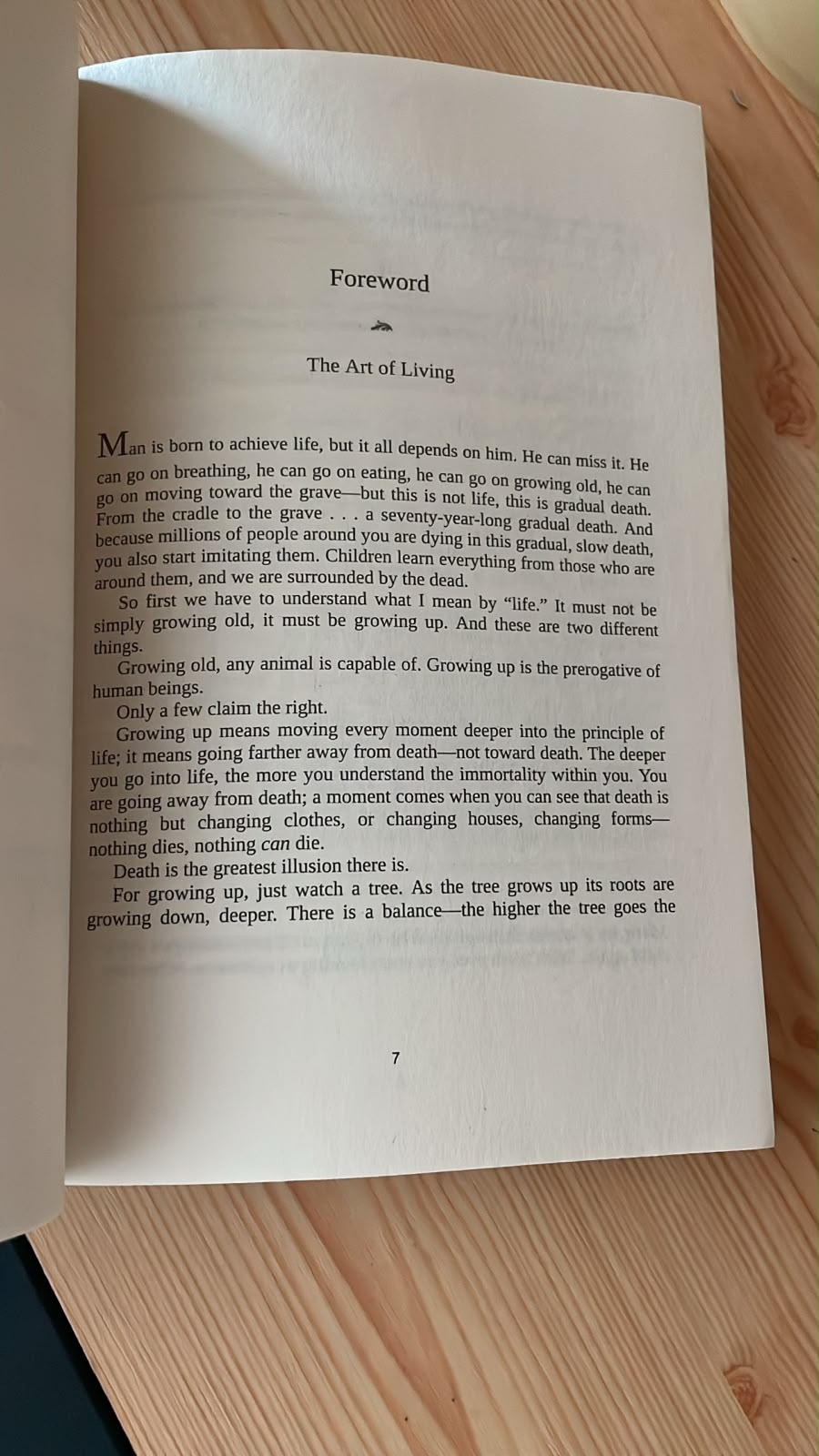
One of the book’s most important distinctions is between ageing and maturity.
Ageing happens naturally.
Everyone becomes older as time passes.
Maturity, according to Osho, requires something more.
He associates maturity with awareness: experiencing life attentively enough to learn from what happens rather than simply repeating the same patterns.
Macmillan’s published excerpt makes this distinction explicit, describing ageing as physical while maturity comes through inner growth and awareness.
This means that someone can become older without necessarily becoming wiser.
At the same time, difficult experiences do not automatically create maturity simply because they happened.
Osho argues that what matters is whether a person becomes more conscious through those experiences.
The Responsibility of Being Oneself
The subtitle is central to the book:
The Responsibility of Being Oneself
Osho repeatedly questions how much of a person’s identity comes from genuine self-understanding and how much comes from:
- Family expectations
- Social pressure
- Religion
- Politics
- Education
- Cultural traditions
- Fear of other people’s opinions
- Habit
In his view, maturity involves gradually taking responsibility for the way you live rather than allowing other people to determine every important choice.
That does not mean ignoring everyone else.
Instead, the book encourages readers to examine whether they are acting authentically or simply performing the role others expect.
Awareness and Experience
Awareness is one of the strongest recurring themes.
Osho argues that two people may go through similar experiences but learn very different things from them.
One person may simply repeat the same reaction again and again.
Another may observe what happened, understand something about themselves, and respond differently the next time.
Macmillan’s excerpt describes maturity as developing when experience is combined with awareness.
This connects Maturity closely with another Osho title:
Awareness: The Key to Living in Balance
Both books focus on observing habits, reactions and conditioning rather than living entirely through automatic patterns.
Growing Up Without Losing Innocence
Osho also explores the unusual relationship between maturity and innocence.
Ordinarily, people may assume that being mature means becoming harder, more suspicious or more serious.
Osho presents a different view.
His philosophical ideal of maturity involves recovering a kind of openness and simplicity after gaining experience and awareness.
The official Macmillan excerpt describes this as a form of “reclaimed” innocence rather than the untested innocence of childhood.
In this framework, a mature person is not someone who knows everything.
Instead, maturity includes remaining open enough to continue learning.
The Ten Stages of Growth
Macmillan’s official description says Osho discusses ten major growth cycles in human life, moving from the self-centred world of early childhood toward the possibility of wisdom and compassion in later life.
The discussion allows Osho to examine ageing as more than physical decline.
Instead, he asks what opportunities different periods of life might provide for:
- Learning
- Independence
- Self-awareness
- Responsibility
- Relationships
- Compassion
- Wisdom
- Acceptance
The book is therefore particularly relevant to readers thinking about ageing, adulthood and personal change.
Learning from Mistakes
Another important theme is the way people respond to mistakes.
Osho argues that simply feeling regret does not automatically create growth.
Someone may regret the same behaviour repeatedly while continuing to reproduce it.
From his perspective, genuine learning happens when awareness changes the way a person responds the next time a similar situation appears.
This connects maturity with responsibility.
Rather than constantly blaming circumstances or other people, the reader is encouraged to examine their own patterns.
Accepting Life’s Opposites
The book also considers the relationship between:
- Happiness and sadness
- Pleasure and pain
- Youth and old age
- Success and disappointment
- Life and death
Osho challenges the desire to keep only the pleasant half of experience.
His spiritual philosophy proposes that greater maturity involves accepting that life contains both positive and difficult experiences.
This should be understood as Osho’s philosophical and spiritual position, not as a claim that suffering, illness or psychological distress should simply be endured without appropriate support.
Relationships and Maturity
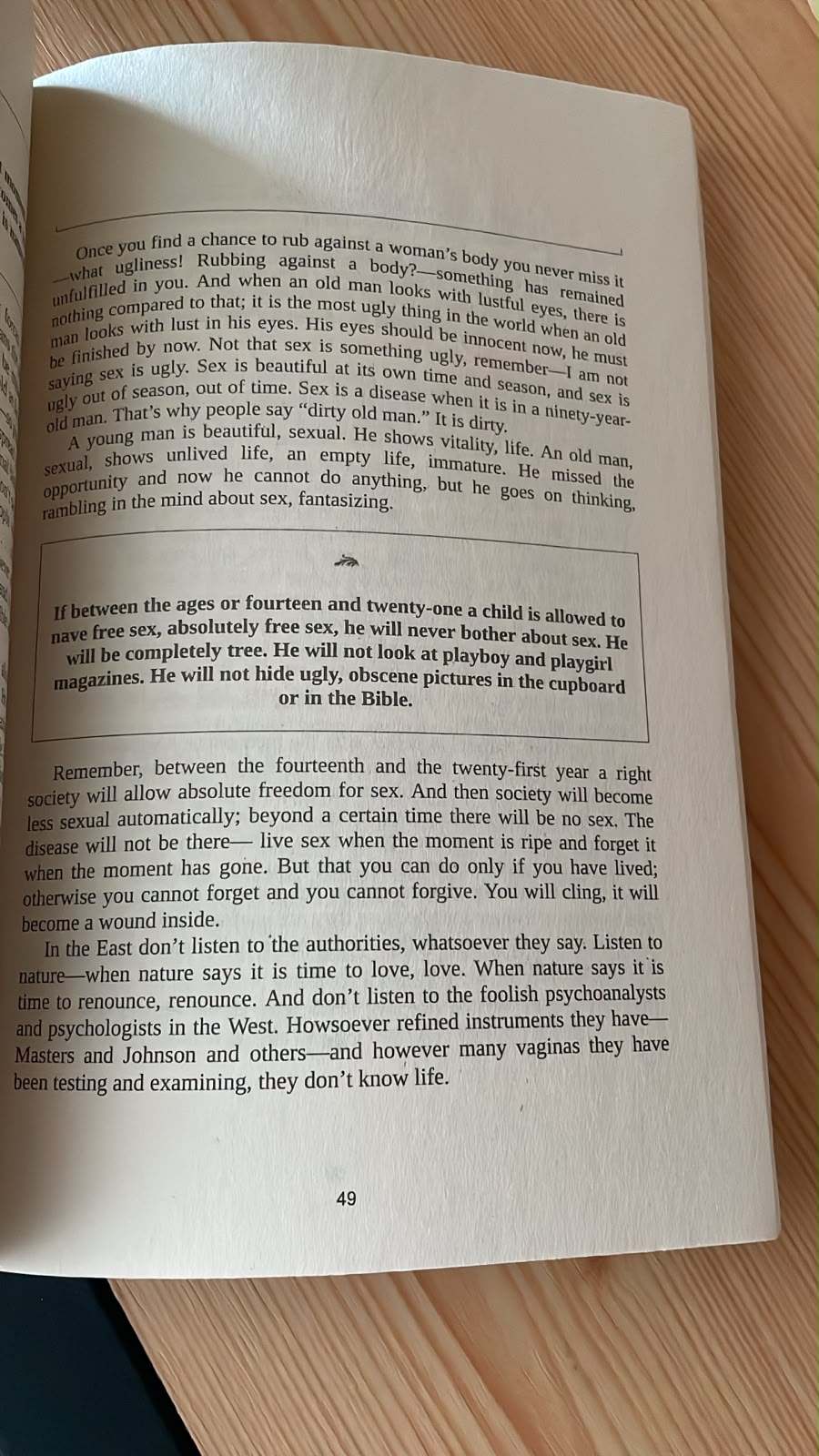
Relationships provide another important test of personal maturity.
Osho examines the tendency to depend heavily on approval from other people.
If someone constantly changes their behaviour to satisfy everyone around them, he argues that authentic self-expression becomes difficult.
Maturity, in his framework, includes learning to relate to others without losing one’s own sense of identity.
This does not mean selfishness.
Instead, it means taking responsibility for one’s actions rather than making other people responsible for one’s identity or happiness.
Is Maturity a Psychology Book?
Not in the academic or clinical sense.
Although the book discusses:
- Human development
- Behaviour
- Relationships
- Awareness
- Ageing
- Emotional responses
- Personal identity
its framework comes primarily from Osho’s spiritual philosophy.
It should therefore be categorised mainly as:
- Self-Help
- Personal Development
- Spirituality
- Philosophy
- Mindfulness-style reflection
It should not be marketed as an evidence-based psychology textbook or clinical mental-health treatment.
Osho Insights for a New Way of Living
Pan Macmillan currently lists Maturity as Book #3 in this collection.
The current sequence includes:
- Courage
- Creativity
- Maturity
- Awareness
- Intimacy
- Intuition
- Freedom
- Intelligence
- Compassion
- Joy
- Trust
- Happiness
- Forgiveness
Each title focuses on a separate aspect of personal development.
You do not need to read Books 1 and 2 before starting Maturity.
Who Will Enjoy Maturity?
This book may particularly appeal to readers interested in:
- Personal growth
- Spirituality
- Self-awareness
- Ageing and personal development
- Authenticity
- Responsibility
- Meditation
- Conscious living
- Philosophy
- Relationships
- Self-reflection
- Osho’s teachings
Readers who enjoyed Awareness: The Key to Living in Balance, Intelligence: The Creative Response to Now or Joy: The Happiness That Comes from Within may find Maturity a natural addition to their collection.
About Osho
Osho was an Indian spiritual teacher whose talks and teachings were later compiled into numerous books.
His published works explore subjects including:
- Meditation
- Awareness
- Creativity
- Freedom
- Relationships
- Intuition
- Intelligence
- Personal responsibility
- Consciousness
- Inner transformation
Maturity applies these themes specifically to growing older, becoming more aware and accepting responsibility for one’s own life.
For Sri Lankan readers interested in reflective self-development and spiritual philosophy, Maturity: The Responsibility of Being Oneself offers an accessible exploration of ageing, awareness, independence and authentic living.
Be the first to review “Maturity: The Responsibility of Being Oneself (Osho Insights for a New Way of Living) by Osho”
Related products
Non-Fiction & Knowledge
රු2,250.00
3 X Rs. 750.00 or 8% Cashback with
or 3 X රු750.00 with
or up to 4 X රු562.50 with
Out of stock
Non-Fiction & Knowledge
රු1,500.00
3 X Rs. 500.00 or 8% Cashback with
or 3 X රු500.00 with
or up to 4 X රු375.00 with
රු2,000.00
3 X Rs. 666.67 or 8% Cashback with
or 3 X රු666.67 with
or up to 4 X රු500.00 with
-14%
Out of stock
Self-Help & Psychology
Original price was: රු2,900.00.රු2,500.00Current price is: රු2,500.00.
3 X Rs. 833.33 or 8% Cashback with
or 3 X රු833.33 with
or up to 4 X රු625.00 with
-28%
Self-Help & Psychology
Original price was: රු1,800.00.රු1,300.00Current price is: රු1,300.00.
3 X Rs. 433.33 or 8% Cashback with
or 3 X රු433.33 with
or up to 4 X රු325.00 with
Out of stock
Self-Help & Psychology
රු1,500.00
3 X Rs. 500.00 or 8% Cashback with
or 3 X රු500.00 with
or up to 4 X රු375.00 with
-29%
Self-Help & Psychology
Original price was: රු1,750.00.රු1,250.00Current price is: රු1,250.00.
3 X Rs. 416.67 or 8% Cashback with
or 3 X රු416.67 with
or up to 4 X රු312.50 with
Non-Fiction & Knowledge
රු1,550.00
3 X Rs. 516.67 or 8% Cashback with
or 3 X රු516.67 with
or up to 4 X රු387.50 with
Reviews
There are no reviews yet.