
No products in the cart.
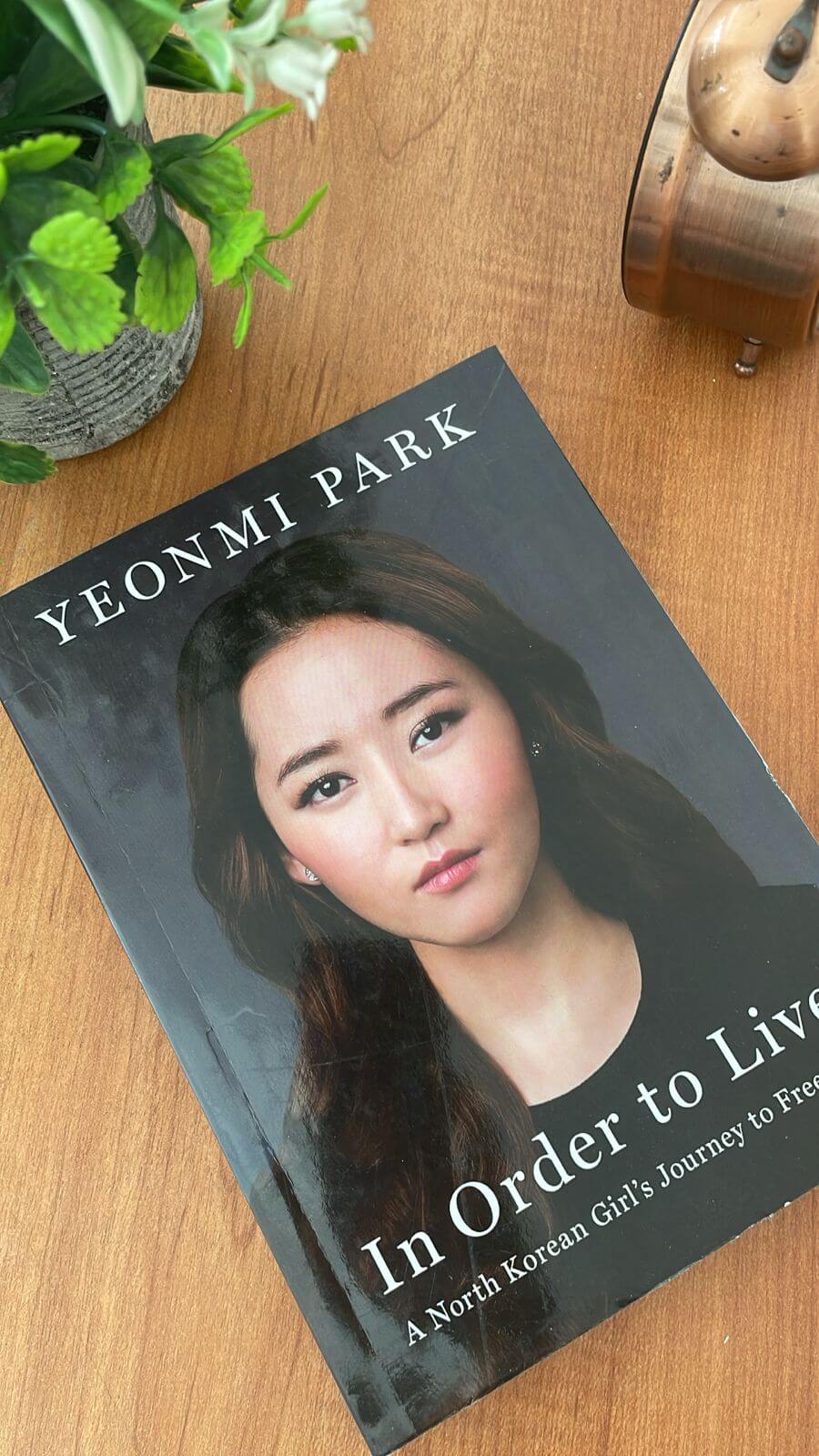

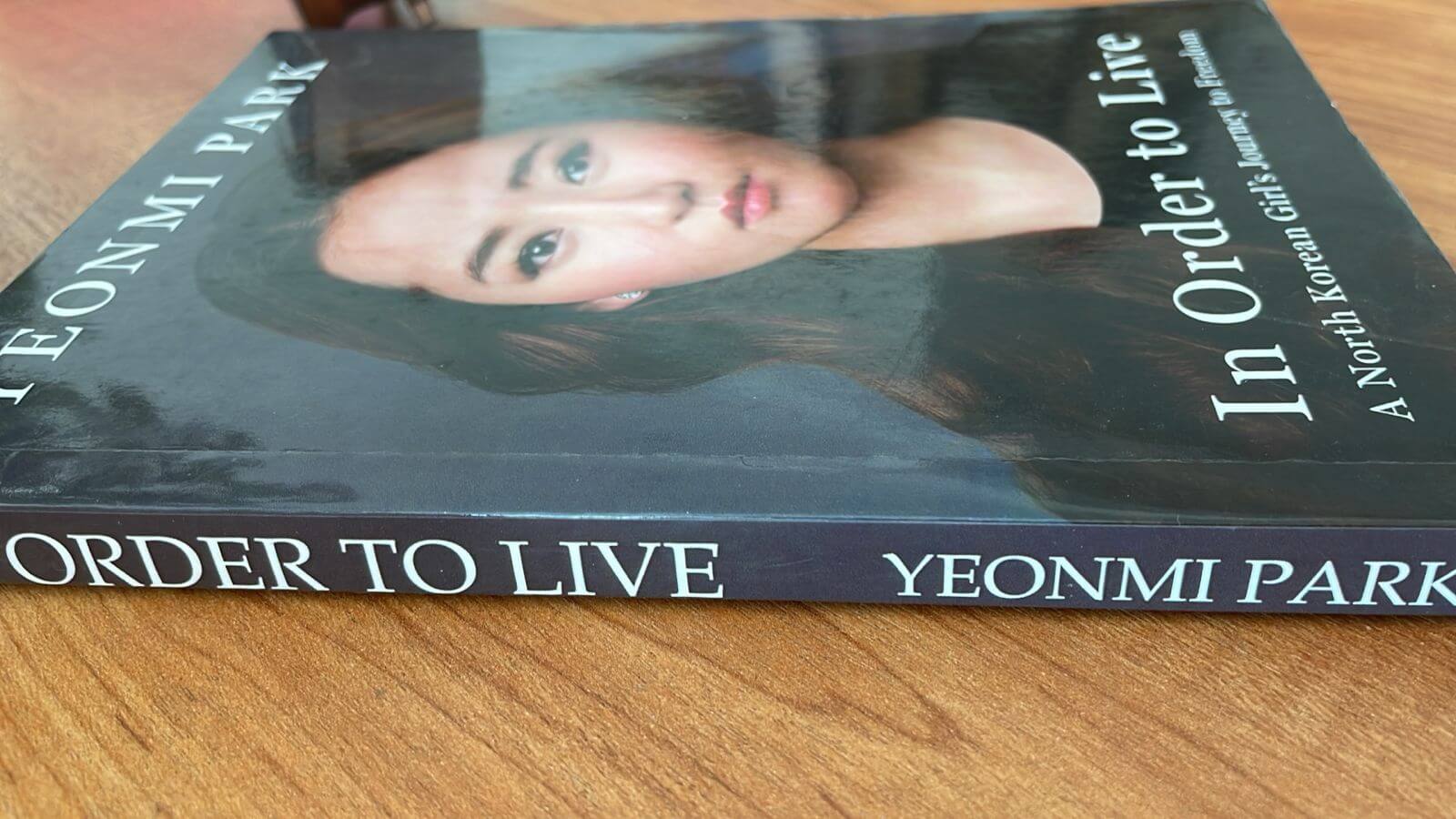
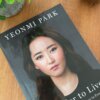
In Order To Live by Yeonmipark
රු1,800.00
3 X Rs. 600.00 or 8% Cashback with


or 3 X රු600.00 with


or up to 4 X රු450.00 with


In Order to Live by Yeonmi Park is a powerful memoir recounting Park’s childhood in North Korea, her escape with her mother into China, the exploitation and hardship she says they endured, and their eventual journey toward South Korea and freedom. A moving story of survival, family, resilience, education, and the value of personal freedom.
6 in stock
In Order to Live by Yeonmi Park is a powerful and deeply personal memoir about survival, freedom, family, fear, resilience, identity, and the extraordinary lengths people may go to in search of a better life.
Written with Maryanne Vollers, the memoir follows Yeonmi Park’s account of growing up in North Korea, escaping across the border into China with her mother, surviving exploitation and hardship, and eventually reaching South Korea.
For many people, freedom is something so ordinary that it becomes almost invisible.
The freedom to travel.
Choose what to read.
Access information.
Express an opinion.
Choose a career.
Watch whatever you want.
Question authority.
Plan your own future.
In Order to Live by Yeonmi Park explores what freedom can mean to someone who says she grew up without many of these choices.
The story is difficult.
At times, it is disturbing.
But it is also a memoir about survival and the determination to continue even when the path ahead seems impossible.
In Order to Live by Yeonmi Park – Book Overview
In Order to Live by Yeonmi Park begins with Park’s childhood in North Korea.
She describes growing up in a society where the government influenced many aspects of everyday life and where access to outside information was extremely limited.
Her childhood was also shaped by economic hardship and hunger.
According to Park’s memoir, her family struggled for basic necessities, and food insecurity became one of the realities that shaped her understanding of the world.
For a child, large political systems can feel distant.
Hunger does not.
Cold does not.
Fear does not.
Those immediate experiences give the memoir its emotional force.
Park describes learning about society not through political theory but through what happened to her family and community.
Growing Up in North Korea
One of the central sections of In Order to Live by Yeonmi Park describes childhood under North Korea’s political system.
Park recounts a world where information was tightly controlled and the leadership was treated with extraordinary reverence.
For children growing up within such a system, the messages surrounding them can feel completely normal.
If everyone repeats the same ideas, it becomes difficult to imagine alternatives.
That creates an important theme in the memoir:
How do people question a world when they have been shown almost no other version of it?
Park describes gradually discovering that the outside world was different from what she had been taught.
That realization becomes part of her larger journey toward freedom.
Hunger and Survival
Hunger is one of the strongest recurring themes in In Order to Live by Yeonmi Park.
For people who have reliable access to food, hunger is often temporary.
Miss breakfast.
Wait until lunch.
But extreme food insecurity changes the way people think.
Food becomes central.
Every decision can revolve around obtaining enough to survive.
The memoir describes how deprivation shaped Park’s childhood and affected her family.
This gives the story an important perspective.
Political oppression is not experienced only through speeches, laws, or ideology.
It can also be experienced through everyday shortages.
A family’s struggle to find food can become part of a much larger political story.
Family
Family is another emotional foundation of In Order to Live by Yeonmi Park.
Park’s journey is not simply an individual adventure.
Her parents.
Her sister.
Her mother.
Each becomes part of the story.
Families living under severe pressure often make decisions that would be difficult to imagine under ordinary circumstances.
Protect someone.
Hide something.
Cross a border.
Take a dangerous risk.
Park’s relationship with her mother becomes especially important during the escape and the difficult period that follows.
Their survival becomes interconnected.
Crossing Into China
One of the major turning points in In Order to Live by Yeonmi Park occurs when Park and her mother cross the border into China.
Leaving North Korea does not immediately create safety.
Instead, according to the memoir, it begins another dangerous stage of their journey.
They enter China without legal protection.
That vulnerability makes them easier to exploit.
This creates an important distinction:
Escaping one dangerous situation does not always mean immediately reaching freedom.
Sometimes people fleeing oppression enter another environment where they remain vulnerable.
Park’s account describes betrayal, trafficking, exploitation, fear, and the constant danger of being discovered and sent back.
Human Trafficking and Exploitation
Readers should know that In Order to Live by Yeonmi Park contains extremely difficult material involving trafficking and sexual exploitation.
Park recounts how she and her mother were sold after crossing into China.
The memoir describes serious psychological and physical hardship during this period.
These experiences make the book emotionally demanding.
But they also highlight the vulnerability of people who live without legal status.
Someone who cannot safely contact authorities becomes easier to exploit.
Someone afraid of deportation may have very few options.
The memoir therefore expands beyond one person’s story and raises wider questions about refugees, trafficking, borders, and human rights.
The Meaning of Freedom
Freedom becomes increasingly important throughout In Order to Live by Yeonmi Park.
But freedom is not presented simply as crossing a border.
Physical escape is only one part.
Real freedom can include:
- Freedom of movement
- Freedom of thought
- Freedom of expression
- Access to information
- Education
- Personal choice
- Safety
- Legal protection
- The ability to imagine a different future
Park’s journey suggests that freedom must sometimes be learned.
A person who grows up without certain choices may not immediately know how to use them.
Suddenly having many possibilities can be exciting but also confusing.
Information Changes Everything
Information is one of the most fascinating themes in In Order to Live by Yeonmi Park.
What happens when someone discovers that much of what they believed about the world may have been incomplete or distorted?
That realization can be psychologically difficult.
People build their identities around stories.
Stories about country.
Family.
History.
Leadership.
Morality.
When those stories change, identity can change too.
Park’s memoir describes how exposure to information from outside North Korea helped reshape her understanding of the world.
This becomes part of her intellectual journey toward independence.
A Dangerous Journey Toward Freedom
After years of difficulty in China, Park and her mother eventually attempt another dangerous journey.
Their goal is to reach a place where they can live more safely.
In Order to Live by Yeonmi Park describes a route involving missionaries and a difficult crossing through the Gobi Desert toward Mongolia.
The journey involves cold.
Fear.
Uncertainty.
Physical exhaustion.
And the constant possibility that everything could go wrong.
For readers, this part of the memoir can be difficult to imagine.
But it demonstrates what freedom may be worth to someone who believes remaining where they are offers no safe future.
Reaching South Korea
Eventually, Park and her mother reach South Korea.
That achievement might sound like the natural ending of the story.
But In Order to Live by Yeonmi Park makes clear that reaching physical safety does not immediately erase the past.
A new country means new possibilities.
But also:
A new culture.
New systems.
New expectations.
New information.
New social rules.
And memories of everything that happened before.
Freedom therefore becomes not only a destination but a process.
Someone may escape physically long before they fully recover emotionally.
Education
Education becomes extremely important in Park’s new life.
Learning gives her opportunities to understand the world differently.
Reading becomes particularly meaningful.
Books introduce perspectives that were previously unavailable.
This is one of the most powerful ideas in In Order to Live by Yeonmi Park.
Education is not simply about passing exams.
It can influence how someone understands:
Politics.
History.
Freedom.
Identity.
Human rights.
Personal possibility.
Access to knowledge can completely reshape the way a person understands their own life.
Reading and Rebuilding a Worldview
Park describes reading as an important part of rebuilding her understanding of the world.
Books allowed her to encounter ideas beyond the boundaries of her previous experience.
In Order to Live by Yeonmi Park demonstrates how powerful reading can become when information itself has once been restricted.
A book can appear ordinary.
But books can introduce:
Different political systems.
Different moral arguments.
Different cultures.
Different histories.
Different possibilities.
Reading therefore becomes connected to freedom of thought.
Survival and Memory
Writing the memoir required Park to revisit difficult experiences.
Memory can be complicated after trauma.
People may avoid certain memories because recalling them is painful.
In Order to Live by Yeonmi Park explores the relationship between memory and survival.
Sometimes surviving requires focusing on the next moment.
What do I need to do today?
Where do I sleep?
How do I stay safe?
Only later does someone have the emotional space to examine what happened.
Memoir becomes one way of organizing those experiences into a story.
Resilience
Resilience is one of the strongest themes in In Order to Live by Yeonmi Park.
Resilience does not mean someone is unaffected by suffering.
It means continuing despite it.
Park’s memoir describes repeated situations where the future looked uncertain.
Hunger.
Family problems.
Escape.
Trafficking.
Danger.
Displacement.
Yet the story continues.
That continuation itself becomes meaningful.
The memoir encourages readers to consider how much human beings can endure while still searching for another possibility.
Freedom Can Be Easy to Take for Granted
Readers living in relatively open societies may finish In Order to Live by Yeonmi Park thinking differently about ordinary freedoms.
Choosing a book.
Searching the internet.
Criticizing a public figure.
Travelling somewhere.
Watching a foreign film.
Choosing what to study.
These actions may seem completely normal.
But the memoir encourages readers to see them as privileges that are not equally available everywhere.
Freedom often becomes most visible when someone describes life without it.
Human Rights
The story also raises larger questions about human rights.
What rights should every person have simply because they are human?
Food?
Safety?
Education?
Freedom of thought?
Freedom of movement?
Protection from exploitation?
In Order to Live by Yeonmi Park places these questions inside one individual story.
That makes large political issues more personal.
Statistics can describe millions of people.
Memoirs describe one person.
Sometimes understanding one person’s experiences makes larger issues easier to comprehend emotionally.
Identity After Escape
Leaving a country does not mean leaving identity behind.
Park’s relationship with North Korea is complex.
It is the place where she was born.
The location of childhood memories.
The place connected to family.
At the same time, it is also connected to deprivation and fear in her account.
In Order to Live by Yeonmi Park explores the difficulty of carrying both truths.
People can love aspects of where they come from while strongly criticizing the system that governed their lives.
Identity rarely fits into simple categories.
Hope
Despite the extreme hardship described in the book, hope remains important.
Hope does not mean assuming everything will work out.
Sometimes hope means simply believing that another possibility exists.
Another country.
Another life.
Another future.
Another day.
The title In Order to Live captures this determination.
Survival requires action.
Sometimes frightening action.
Sometimes uncertain action.
But the belief that life can become different gives people a reason to continue.
Mature Content Warning
Readers should know that In Order to Live by Yeonmi Park contains serious and potentially distressing material.
Themes include:
- Hunger
- Political oppression
- Human trafficking
- Sexual exploitation
- Violence
- Family separation
- Death
- Poverty
- Fear
- Refugee experiences
- Psychological trauma
- Physical hardship
Readers sensitive to these subjects may wish to review detailed content warnings before beginning the memoir.
7 Powerful Lessons From In Order to Live
In Order to Live by Yeonmi Park contains many difficult and meaningful ideas, but seven lessons stand out:
- Freedom should never be taken for granted – Everyday choices can become extraordinarily valuable when people are denied them.
- Information has power – Access to books, media, education, and different perspectives can transform how someone understands the world.
- Human beings can survive extraordinary hardship – Resilience does not erase pain, but it can make another future possible.
- Family can become a source of strength – Shared hardship can create powerful bonds.
- Escaping danger does not always mean reaching safety immediately – Refugees and undocumented migrants can remain vulnerable to exploitation.
- Education can rebuild a life – Learning can provide both practical opportunities and intellectual freedom.
- Hope can survive even in extreme circumstances – Believing that another life is possible can provide the strength to keep moving.
Why Read In Order to Live by Yeonmi Park?
In Order to Live by Yeonmi Park is an excellent choice for readers interested in:
- Memoirs
- Autobiographies
- North Korea
- Korean history
- Human rights
- Freedom
- Refugee stories
- Survival
- Resilience
- Women’s experiences
- Political history
- Inspirational true stories
- Asian history
- Personal growth
- Social issues
The memoir combines one person’s account with larger questions about freedom, political systems, migration, exploitation, education, and human dignity.
Who Should Read This Book?
In Order to Live by Yeonmi Park may especially appeal to:
- Memoir readers
- History readers
- University students
- Political-science students
- Readers interested in North Korea
- Human-rights readers
- Readers interested in Asian history
- People interested in refugee experiences
- Readers who enjoy survival stories
- Readers interested in women’s experiences
- People interested in freedom and political systems
- Readers who enjoy powerful personal narratives
It is especially suitable for readers who want to understand political and social issues through an individual human story rather than through statistics alone.
A Powerful Memoir About Survival and Freedom
In Order to Live by Yeonmi Park tells a story shaped by hunger, fear, family, escape, exploitation, survival, and the search for freedom.
Park recounts a childhood in North Korea where her understanding of the outside world was limited.
She describes escaping with her mother into China.
But escape does not immediately bring safety.
Instead, the memoir recounts years of exploitation and uncertainty before another dangerous journey eventually leads toward South Korea.
Once there, another journey begins.
Learning.
Reading.
Understanding freedom.
Reconsidering the past.
Rebuilding identity.
And deciding how to tell a story that contains experiences Park says she once wanted to forget.
The result is a memoir about more than crossing borders.
It is about what happens when a person moves from a world of restricted choices into one filled with possibilities.
For readers interested in North Korea, human rights, survival, freedom, resilience, refugees, Asian history, and powerful personal memoirs, In Order to Live by Yeonmi Park offers an intense and thought-provoking story about the determination to build a new life after extraordinary hardship.
Learn more about In Order to Live by Yeonmi Park on the official Penguin Random House website.
Explore more memoir and biography books at Bargain Books.
Be the first to review “In Order To Live by Yeonmipark”
Related products

Needs Category Review
Naruto Manga Book Set of 28 – 48 Volumes by Masashi Kishimoto witout box
රු16,900.00
3 X Rs. 5,633.33 or 8% Cashback with
or 3 X රු5,633.33 with
or up to 4 X රු4,225.00 with
-17%

Needs Category Review
Original price was: රු30.00.රු25.00Current price is: රු25.00.
3 X Rs. 8.33 or 8% Cashback with
or 3 X රු8.33 with
or up to 4 X රු6.25 with
Needs Category Review
රු9,590.00
3 X Rs. 3,196.67 or 8% Cashback with
or 3 X රු3,196.67 with
or up to 4 X රු2,397.50 with
Needs Category Review
රු1,650.00
3 X Rs. 550.00 or 8% Cashback with
or 3 X රු550.00 with
or up to 4 X රු412.50 with
-17%
Needs Category Review
Original price was: රු30.00.රු25.00Current price is: රු25.00.
3 X Rs. 8.33 or 8% Cashback with
or 3 X රු8.33 with
or up to 4 X රු6.25 with
Out of stock
Needs Category Review
රු950.00
3 X Rs. 316.67 or 8% Cashback with
or 3 X රු316.67 with
or up to 4 X රු237.50 with
Needs Category Review
How To Fail At Almost Everything And Still Win Big by Scott Adams
රු1,900.00
3 X Rs. 633.33 or 8% Cashback with
or 3 X රු633.33 with
or up to 4 X රු475.00 with
Children & Young Adult
රු2,600.00
3 X Rs. 866.67 or 8% Cashback with
or 3 X රු866.67 with
or up to 4 X රු650.00 with
Reviews
There are no reviews yet.