
No products in the cart.
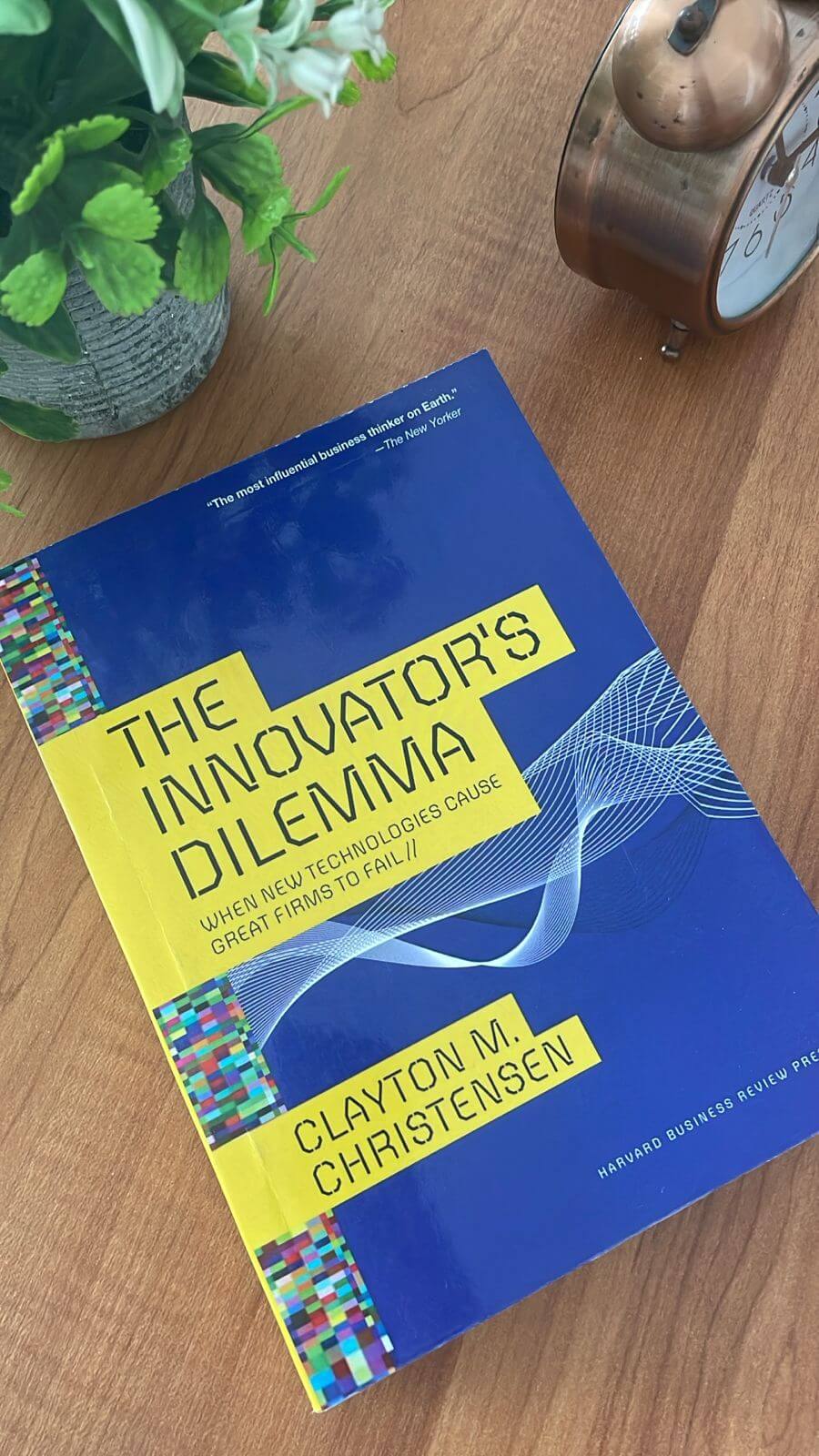
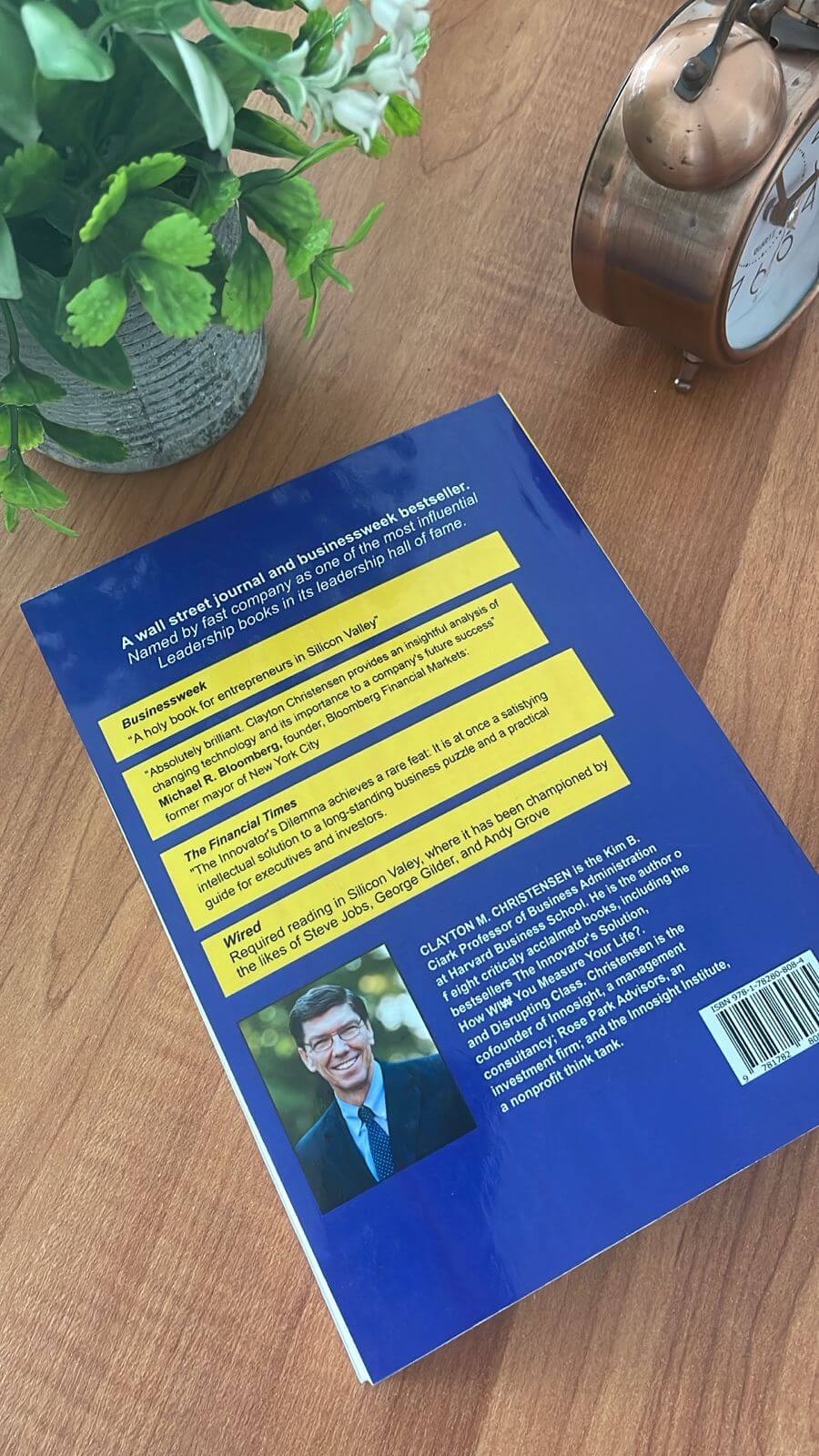








The Investor’s Dilemma by Louis Lowenstein is a thought-provoking investment book about mutual funds, fees, fund managers, conflicts of interest, investor behaviour, active management, long-term thinking, and how ordinary investors can make more informed financial decisions.
Millions of people invest through mutual funds.
The basic idea sounds attractive.
Investors combine their money.
Professional managers select securities.
Experts manage the portfolio.
Individual investors gain access to diversification and professional experience.
But Louis Lowenstein asks a much more uncomfortable question:
Are mutual funds always being managed primarily in the interests of the investors who provide the money?
That question forms the foundation of The Investor’s Dilemma by Louis Lowenstein.
Lowenstein examines the structure of the mutual-fund industry and argues that incentives can sometimes become misaligned.
Fund companies may want to increase assets under management.
Managers may focus heavily on short-term performance.
High fees may reduce investor returns.
Frequent trading can create additional costs.
Marketing may receive more attention than long-term investment discipline.
The result is a system in which the investor and the organization managing the investor’s money may not always have exactly the same priorities.
Rather than simply criticizing the industry, Lowenstein also explores how investors can think more rationally about fund selection and long-term investing.
The Investor’s Dilemma by Louis Lowenstein – Book Overview
The full title of the book is:
The Investor’s Dilemma: How Mutual Funds Are Betraying Your Trust and What to Do About It
That subtitle immediately explains the book’s central concern.
Mutual funds can provide valuable investment opportunities.
But investors need to understand how the industry operates.
Who earns money?
What fees are charged?
How are managers rewarded?
How much trading occurs?
What conflicts of interest exist?
How does marketing influence investor behaviour?
The Investor’s Dilemma by Louis Lowenstein encourages investors to look behind the fund name and past-performance numbers.
A fund may advertise excellent historical results.
But historical performance alone does not automatically tell investors:
How much risk was taken.
How much turnover occurred.
How high the expenses were.
Whether the same manager remains.
Whether the investment strategy is repeatable.
Understanding those details can lead to better decisions.
The Mutual-Fund Promise
Mutual funds are designed to make investing easier.
Instead of researching dozens of individual companies, an investor can purchase shares in a fund.
Professional managers then allocate the money.
This structure can provide:
- Diversification
- Professional management
- Convenience
- Access to markets
- Easier portfolio administration
These advantages are real.
But The Investor’s Dilemma by Louis Lowenstein argues that convenience should not prevent investors from examining the underlying incentives.
A professional manager is still operating inside a business.
That business has revenue goals.
Expenses.
Employees.
Marketing departments.
Shareholders or owners.
Understanding that business structure can help investors evaluate whether their interests are properly aligned.
Assets Under Management
One major issue is the importance of assets under management.
Investment-management firms generally earn fees based partly on the amount of money they manage.
That creates an obvious incentive.
More investor money can mean more revenue.
The problem appears when growing the size of the fund becomes more important than producing good long-term results for existing investors.
The Investor’s Dilemma by Louis Lowenstein asks readers to examine this tension.
A successful small fund may attract large amounts of new money.
But managing billions can be more difficult than managing millions.
Investment opportunities that worked when the fund was small may become harder to use at a larger scale.
Growth therefore does not automatically benefit existing investors.
Fees Matter More Than They Appear
Fees may look small.
One percent.
One and a half percent.
A management charge here.
Another expense there.
But long-term investing involves compounding.
That means small annual costs can become significant over many years.
The Investor’s Dilemma by Louis Lowenstein encourages readers to pay attention to expenses rather than focusing only on returns.
Suppose two investments produce similar results before expenses.
The fund with lower costs may leave substantially more money for the investor over the long term.
This leads to an important principle:
Investment returns belong to the investor only after costs are deducted.
Fees therefore deserve serious attention.
The Problem With High Expenses
A fund charging higher fees must produce better investment results simply to deliver the same return as a lower-cost alternative.
That creates an additional hurdle.
Imagine:
Fund A earns 8% before expenses and charges 0.5%.
Fund B earns 8% before expenses and charges 2%.
The underlying investment performance is identical.
But the investor receives very different results.
This simple example illustrates why costs matter.
The Investor’s Dilemma by Louis Lowenstein encourages investors to consider whether the fees they pay are justified by the value they receive.
Conflicts of Interest
A major theme in The Investor’s Dilemma by Louis Lowenstein is conflicts of interest.
The investor wants:
Good long-term returns.
Reasonable risk.
Low unnecessary costs.
The fund company may also want:
More assets.
More management fees.
More products.
More customers.
These goals can overlap.
But not always.
A conflict appears when decisions that benefit the investment company do not equally benefit the fund investor.
Recognizing these conflicts does not mean assuming every mutual fund is bad.
It means evaluating incentives carefully.
Investment Management Is Also a Business
This may sound obvious, but it is easy to forget.
A mutual fund is an investment product.
The organization offering it is also operating a business.
That business wants revenue.
Customers.
Growth.
The Investor’s Dilemma by Louis Lowenstein encourages readers to distinguish between investment performance and the commercial success of the fund company.
A fund company can become highly profitable even if many individual investors receive mediocre results.
Understanding this distinction can help investors ask better questions.
Marketing Versus Investment Quality
Investment products are often marketed aggressively.
Advertisements may highlight:
Recent performance.
Awards.
Star ratings.
Popular sectors.
Famous managers.
But strong marketing does not automatically mean strong investing.
The Investor’s Dilemma by Louis Lowenstein encourages readers to avoid choosing funds based solely on promotional messages.
Ask instead:
What does this fund own?
How does the manager select investments?
How much does it cost?
How frequently does it trade?
How long has the strategy existed?
What risks are being taken?
These questions focus on substance rather than advertising.
Past Performance Can Be Misleading
Investors naturally look at past returns.
A fund that gained 25% last year looks attractive.
But investing based purely on recent performance can become dangerous.
A fund may have benefited from:
A temporary market trend.
A concentrated bet.
An unusually strong sector.
A favourable economic environment.
High risk.
The Investor’s Dilemma by Louis Lowenstein reminds investors that past performance is information—not a guarantee.
The important question is whether the underlying strategy remains sensible.
Performance Chasing
Performance chasing happens when investors move money toward investments that have recently performed well.
Technology rises.
Money floods into technology funds.
Energy rises.
Money moves into energy.
Another sector becomes popular.
Investors follow.
The problem is timing.
By the time an investment becomes extremely popular, much of the price increase may already have happened.
The Investor’s Dilemma by Louis Lowenstein encourages a more disciplined approach.
Buy based on value and strategy, not simply excitement.
Turnover and Excessive Trading
Another issue is portfolio turnover.
A manager can constantly buy and sell securities.
This may create the appearance of active management.
But activity itself does not guarantee value.
More trading can create:
Transaction costs.
Taxes in some situations.
Greater portfolio disruption.
More opportunities for poor decisions.
The Investor’s Dilemma by Louis Lowenstein encourages investors to examine whether fund managers are investing with discipline or simply trading frequently.
A good investor does not need to constantly do something.
Patience can be valuable.
Activity Is Not the Same as Progress
This lesson applies beyond mutual funds.
People often feel productive when they are active.
The same psychological pattern can appear in investing.
Buy.
Sell.
Change funds.
React to news.
Rebalance constantly.
But investing rewards outcomes, not activity.
The Investor’s Dilemma by Louis Lowenstein supports a more thoughtful approach.
Sometimes the intelligent action is no action.
Value Investing
Lowenstein gives significant attention to a value-oriented approach.
Value investing asks investors to focus on the relationship between price and underlying value.
A company may be popular.
That does not automatically mean its shares are attractive.
A company may be unpopular.
That does not automatically mean it is a bad investment.
The important question is:
What is the investment worth relative to the price being paid?
This approach connects The Investor’s Dilemma by Louis Lowenstein with the broader tradition of investors such as Benjamin Graham and Warren Buffett.
Think Like an Owner
One of the most useful ways to approach stock investing is to remember that shares represent ownership in businesses.
Instead of seeing a stock simply as a moving ticker symbol, consider:
What does the company sell?
How profitable is it?
Does it have debt?
How strong is management?
Does it have a competitive advantage?
What are its long-term prospects?
The Investor’s Dilemma by Louis Lowenstein encourages readers to approach investing with this businesslike mindset.
The Importance of Rational Investors
One chapter specifically explores the search for rational investors.
Rational investing sounds simple.
But markets are emotional.
Fear.
Greed.
Excitement.
Regret.
FOMO.
Panic.
These emotions can influence professionals as well as beginners.
The Investor’s Dilemma by Louis Lowenstein encourages investors to develop a process that reduces emotional decision-making.
Market Psychology
Markets are created by people.
People respond to narratives.
Recent events.
Media.
Social pressure.
Price movements.
During a boom, optimism can become extreme.
During a crash, pessimism can become equally extreme.
Lowenstein’s approach encourages investors to recognize that market prices may reflect emotion as well as underlying business value.
That creates both risk and opportunity.
Long-Term Thinking
Long-term investors have an advantage if they are willing to ignore some short-term noise.
A fund may have one weak quarter.
A company may experience temporary difficulty.
The market may decline.
These events do not automatically destroy long-term value.
The Investor’s Dilemma by Louis Lowenstein encourages investors to focus on sustainable investment principles rather than constantly reacting to temporary movements.
Index Funds Versus Active Management
The book’s criticism of the mutual-fund industry naturally raises questions about active management.
Can professional managers consistently outperform after costs?
How should investors evaluate them?
When are higher fees justified?
These questions remain central to modern investing.
Passive and index-based investing can offer:
Lower costs.
Broad diversification.
Lower turnover.
Simple strategies.
Active management may offer potential advantages when managers genuinely identify valuable opportunities.
The Investor’s Dilemma by Louis Lowenstein encourages investors to examine the evidence rather than automatically assuming professional activity guarantees better performance.
Manager Incentives
How is a fund manager rewarded?
Does compensation depend heavily on assets under management?
Short-term performance?
Long-term performance?
Business growth?
These questions matter because incentives influence behaviour.
The Investor’s Dilemma by Louis Lowenstein encourages readers to look beyond the individual manager and understand the system around them.
Even talented professionals may behave differently when incentives reward short-term results.
Short-Term Pressure
Fund managers may know that poor short-term performance can cause investors to withdraw money.
This creates pressure.
A manager may start thinking:
What will perform well next quarter?
What does the market expect?
What are competitors buying?
Rather than:
What investments offer the best long-term value?
This difference matters.
The Investor’s Dilemma by Louis Lowenstein explores how short-term pressures can weaken long-term investment discipline.
Herd Behaviour
Professional investors can follow crowds just as individuals do.
If nearly every fund owns the same popular companies, managers may feel safer owning them too.
If the investment fails, everyone failed.
But choosing something different creates career risk.
The Investor’s Dilemma by Louis Lowenstein helps readers understand why investment institutions may sometimes behave similarly despite employing highly intelligent professionals.
Following the crowd can feel professionally safer than being independently wrong.
Fund Size Can Become a Problem
A fund that performs well attracts more investors.
More investors mean more money.
But there is a potential paradox.
The strategy that created excellent performance when the fund was smaller may become difficult when it grows enormously.
A manager may need to purchase larger companies.
Opportunities become harder to exploit.
Liquidity matters more.
The Investor’s Dilemma by Louis Lowenstein encourages readers to remember that bigger does not always mean better.
Study the Fund, Not Only the Brand
Large investment companies may offer dozens or hundreds of funds.
The company name alone tells you very little about each product.
Before investing, consider:
Objective.
Strategy.
Expenses.
Manager.
Portfolio holdings.
Turnover.
Risk.
Historical consistency.
The Investor’s Dilemma by Louis Lowenstein promotes this deeper level of analysis.
Investor Responsibility
The book criticizes parts of the fund industry, but investors also have responsibilities.
Investors choose where to place money.
They can compare fees.
Read fund information.
Avoid chasing performance.
Ask questions.
The Investor’s Dilemma by Louis Lowenstein therefore does not encourage passive distrust.
It encourages informed participation.
The investor’s best protection is knowledge.
Know What You Own
Many people invest through funds without knowing what the fund actually contains.
They may own several funds that hold many of the same stocks.
That creates the appearance of diversification without as much real diversification as expected.
Understanding holdings can therefore be useful.
The Investor’s Dilemma by Louis Lowenstein encourages investors to look beneath the label.
Avoid Unnecessary Complexity
The financial industry can make investing appear extremely complicated.
Different products.
Strategies.
Ratings.
Metrics.
Research reports.
Specialized terminology.
But complexity can sometimes hide something simple.
How much does it cost?
What does it own?
Why should it perform well?
What could go wrong?
The Investor’s Dilemma by Louis Lowenstein encourages investors to keep these basic questions in mind.
Patience
Patience is one of the most underrated investing skills.
Investors often believe they must constantly search for the next opportunity.
But long-term compounding requires time.
A sensible strategy may look boring.
That does not make it ineffective.
The Investor’s Dilemma by Louis Lowenstein encourages readers to resist unnecessary trading and short-term thinking.
Costs Compound Too
People understand that investment returns compound.
But costs compound negatively.
Every dollar paid in unnecessary fees is a dollar that is no longer invested.
That lost amount also cannot generate future returns.
This makes investment expenses especially important over long periods.
One of the most practical lessons from The Investor’s Dilemma by Louis Lowenstein is therefore:
Never ignore costs simply because the percentage looks small.
Transparency Matters
Investors should understand what they are paying and why.
Clear disclosure improves decision-making.
The fund industry becomes harder to evaluate when expenses, incentives, or strategies are difficult to understand.
The Investor’s Dilemma by Louis Lowenstein supports greater scrutiny of fund structures and relationships.
Investors should not feel embarrassed to ask basic questions.
If a product cannot be explained clearly, that itself may deserve attention.
Value Over Excitement
Financial markets constantly produce exciting stories.
The next revolutionary technology.
The hottest fund.
The newest strategy.
But excitement can become expensive.
The Investor’s Dilemma by Louis Lowenstein encourages readers to return to fundamentals.
Price.
Value.
Cost.
Risk.
Strategy.
Discipline.
These ideas may be less exciting than chasing the newest trend.
But they can be far more useful.
7 Powerful Lessons From The Investor’s Dilemma
The Investor’s Dilemma by Louis Lowenstein contains many useful ideas, but seven lessons stand out:
- Understand the incentives behind mutual funds – The interests of fund companies and individual investors may not always be perfectly aligned.
- Pay close attention to fees – Small annual costs can significantly reduce long-term returns through compounding.
- Do not chase recent performance – Last year’s winning fund is not automatically tomorrow’s best investment.
- Activity does not guarantee value – Frequent trading can create additional costs without necessarily improving results.
- Think in terms of price and underlying value – A value-oriented mindset can help investors avoid market excitement and speculation.
- Remain rational when others become emotional – Fear and greed influence professional and individual investors alike.
- Take responsibility for understanding your investments – Knowing what you own, what it costs, and why you own it is one of the best forms of investor protection.
Why Read The Investor’s Dilemma by Louis Lowenstein?
The Investor’s Dilemma by Louis Lowenstein is an excellent choice for readers interested in:
- Investing
- Mutual funds
- Personal finance
- Value investing
- Investment management
- Financial markets
- Long-term investing
- Portfolio management
- Investor psychology
- Fund fees
- Active management
- Index funds
- Market behaviour
- Financial literacy
- Warren Buffett
- Benjamin Graham
The book is particularly valuable for readers who want to understand the business structure behind investment funds instead of looking only at advertised returns.
Who Should Read This Book?
The Investor’s Dilemma by Louis Lowenstein may especially appeal to:
- Individual investors
- Mutual-fund investors
- Finance students
- Business students
- Long-term investors
- Value-investing readers
- Personal-finance readers
- Investment professionals
- Portfolio-management students
- Readers interested in Wall Street
- Investors concerned about fees
- People comparing active and passive investment strategies
- Readers who enjoyed The Intelligent Investor
- Anyone interested in becoming a more informed investor
Because the book was published in 2008, some specific industry examples reflect that period, but its broader questions about fees, incentives, conflicts of interest, performance chasing, fund selection, and investment discipline remain useful concepts for studying investor behaviour.
A Powerful Examination of the Mutual-Fund Industry
The Investor’s Dilemma by Louis Lowenstein challenges investors to ask questions that are easy to overlook.
Who benefits from this fund?
How much am I paying?
Why is the manager trading?
Is strong recent performance sustainable?
Does the investment strategy make sense?
Is the fund company focused primarily on investment results or increasing assets under management?
These questions matter because investing is not simply about choosing products.
It is about understanding incentives.
Costs.
Value.
Risk.
Behaviour.
And time.
Lowenstein’s message is not that every mutual fund should be avoided.
It is that investors should stop assuming professional management automatically guarantees that their interests come first.
Look carefully.
Understand what you own.
Pay attention to costs.
Avoid emotional performance chasing.
Think independently.
And approach investing with the patience and discipline of a long-term owner.
For readers interested in mutual funds, value investing, personal finance, investor psychology, fund fees, active management, Wall Street, and long-term wealth building, The Investor’s Dilemma by Louis Lowenstein offers an insightful critique of the investment-management industry and a useful framework for becoming a more informed investor.
Learn more about The Investor’s Dilemma by Louis Lowenstein on Google Books.
Explore more investing and finance books at Bargain Books.
Be the first to review “INVESTOR’S DILEMMA by Clayton M. Christensen”
Related products
-17%

Needs Category Review
Original price was: රු30.00.රු25.00Current price is: රු25.00.
3 X Rs. 8.33 or 8% Cashback with


or 3 X රු8.33 with


or up to 4 X රු6.25 with


Needs Category Review
Hobbit & The Lord of the Rings Book Set by J. R. R. Tolkiens
රු8,000.00
3 X Rs. 2,666.67 or 8% Cashback with
or 3 X රු2,666.67 with
or up to 4 X රු2,000.00 with
Out of stock
Needs Category Review
රු10,500.00
3 X Rs. 3,500.00 or 8% Cashback with
or 3 X රු3,500.00 with
or up to 4 X රු2,625.00 with

Needs Category Review
රු1,800.00
3 X Rs. 600.00 or 8% Cashback with
or 3 X රු600.00 with
or up to 4 X රු450.00 with

Out of stock
Needs Category Review
රු18,700.00
3 X Rs. 6,233.33 or 8% Cashback with
or 3 X රු6,233.33 with
or up to 4 X රු4,675.00 with
Out of stock
Needs Category Review
රු17,900.00
3 X Rs. 5,966.67 or 8% Cashback with
or 3 X රු5,966.67 with
or up to 4 X රු4,475.00 with

Needs Category Review
3 X Rs. 0.00 or 8% Cashback with
or 3 X රු0.00 with
or up to 4 X රු0.00 with

Needs Category Review
රු1,750.00
3 X Rs. 583.33 or 8% Cashback with
or 3 X රු583.33 with
or up to 4 X රු437.50 with
Reviews
There are no reviews yet.