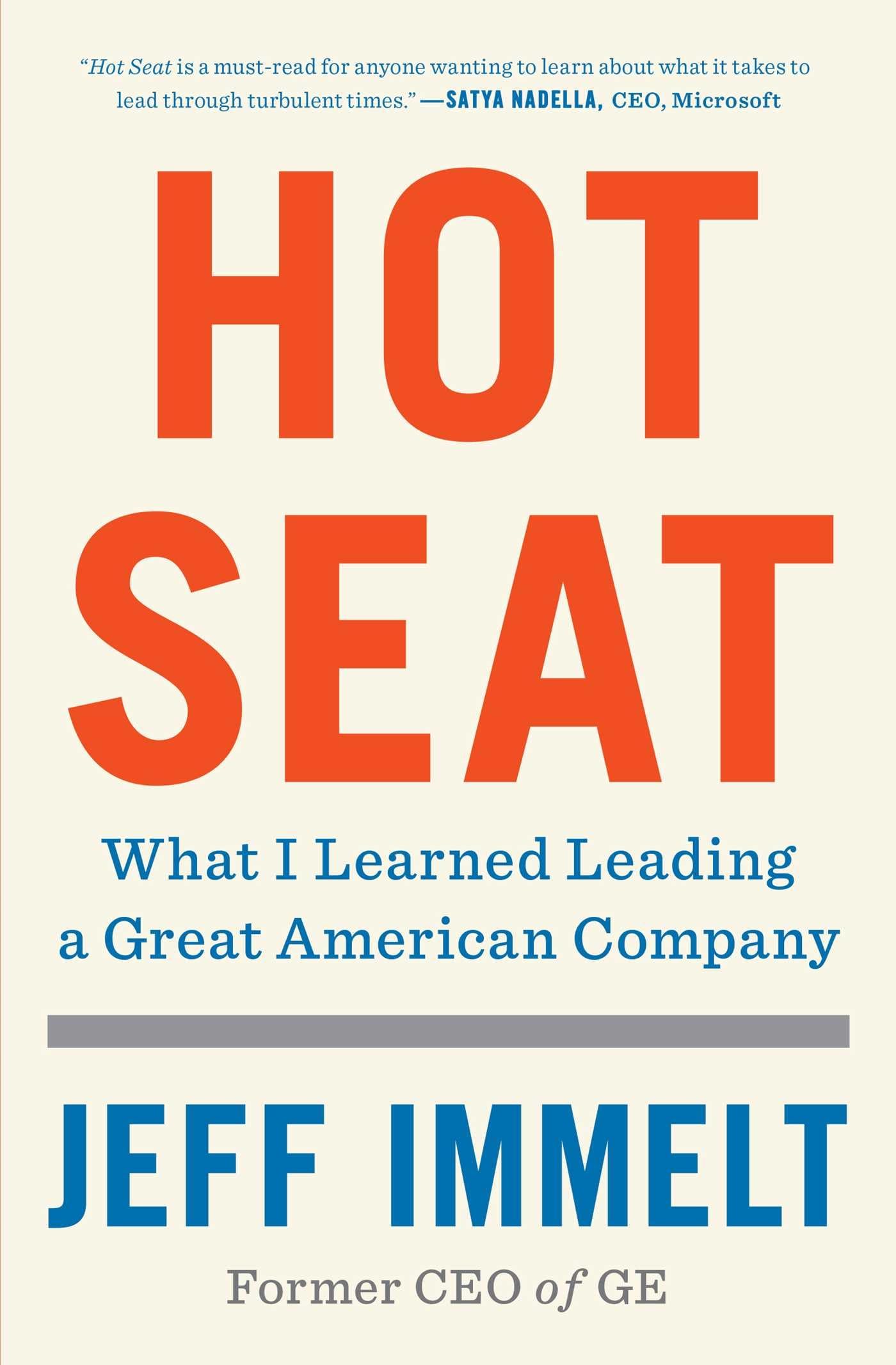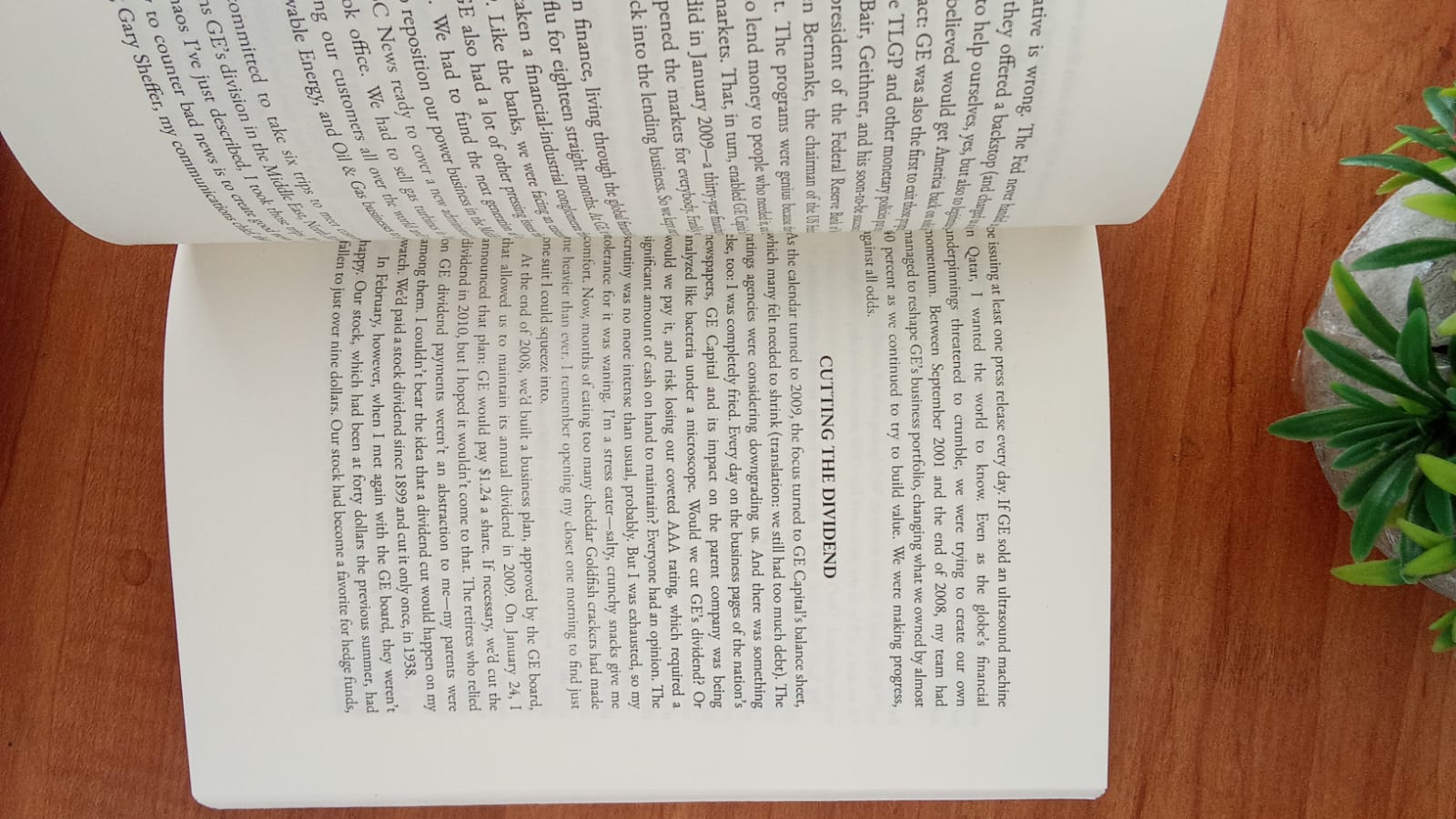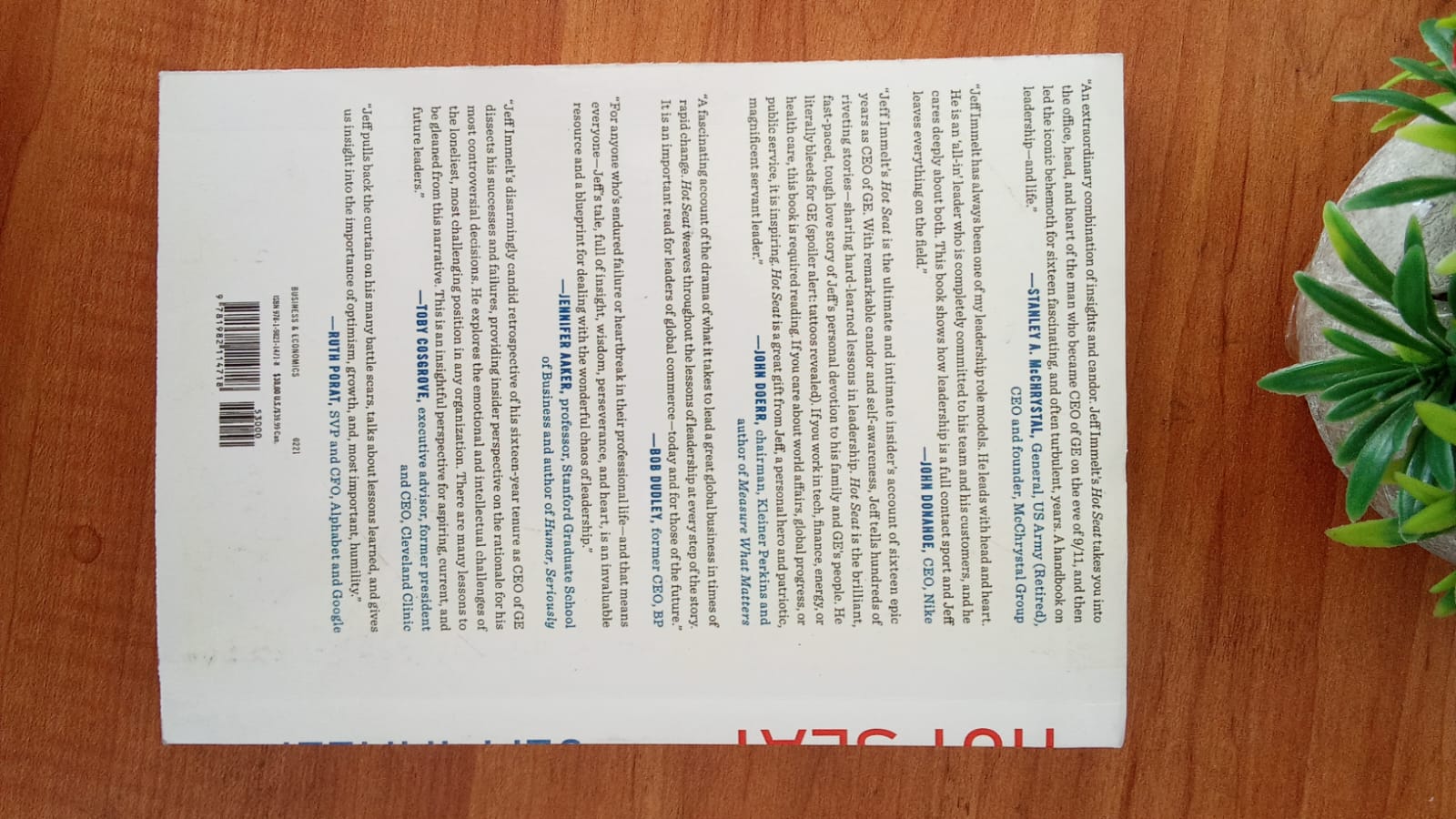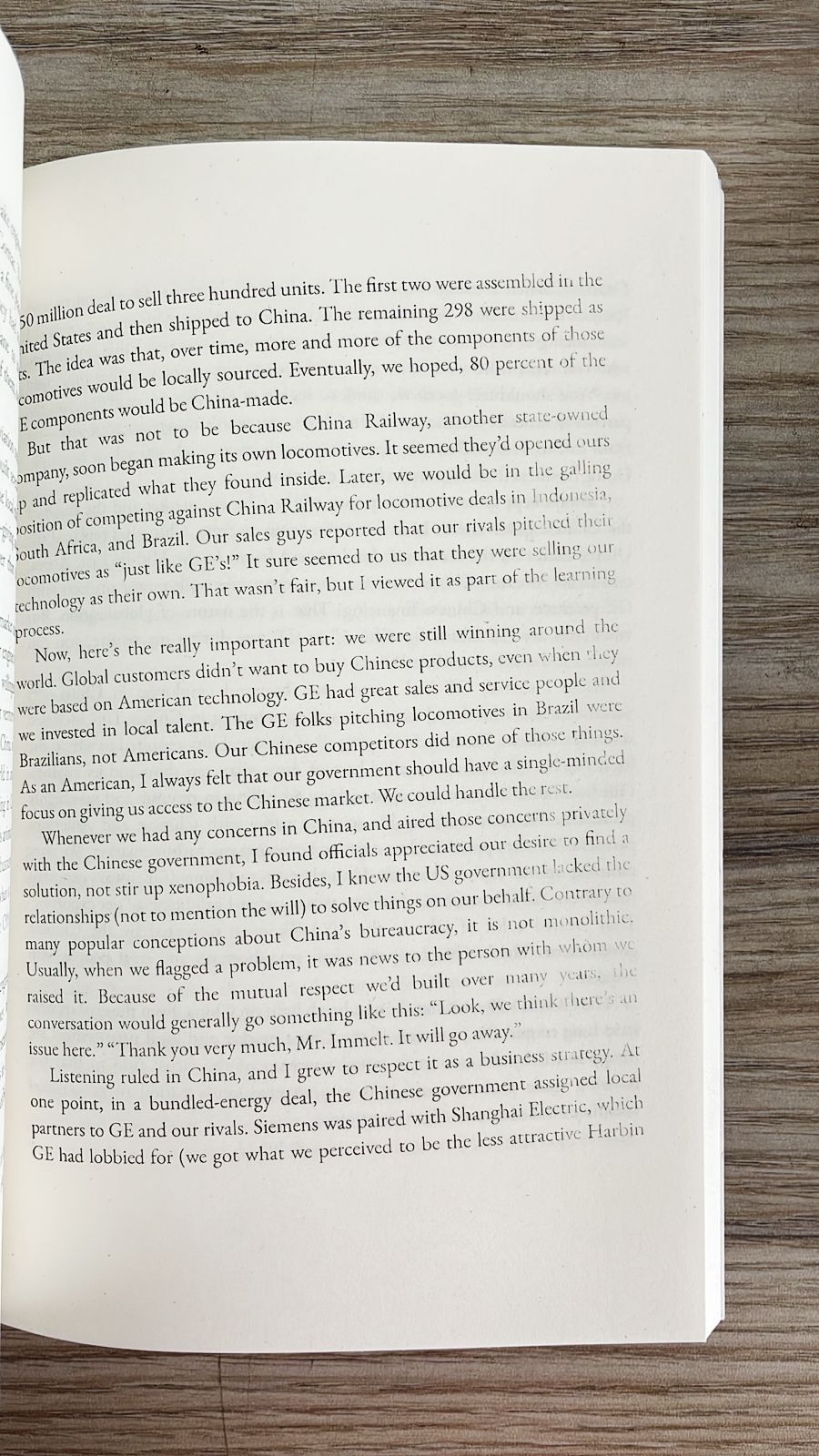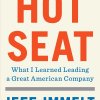
Hot Seat by Jeff Immelt is a candid business memoir and leadership guide from the former CEO of General Electric, one of the most influential American companies of its era. Drawing on sixteen years at the top of GE, Immelt reflects on leadership, crisis management, innovation, corporate transformation, decision-making, teamwork, criticism, failure, and the enormous pressure that comes with running a global organization.
Jeff Immelt became CEO of General Electric in September 2001.
Less than a week later, the September 11 terrorist attacks transformed the world and immediately created extraordinary challenges for the company.
It was an almost unimaginable beginning to a new leadership role.
Over the following sixteen years, Immelt would face the global financial crisis, changing technology, international competition, major restructuring, difficult acquisitions and sales, and constant pressure from investors.
Rather than presenting his career as a perfect success story, Hot Seat by Jeff Immelt examines both achievements and mistakes.
That honesty makes the book especially valuable for readers who want realistic leadership lessons rather than simple success formulas.
Hot Seat by Jeff Immelt – Book Overview
Hot Seat by Jeff Immelt tells the story of what it feels like to make decisions when the consequences affect thousands of employees, investors, customers, and businesses around the world.
Immelt succeeded legendary GE CEO Jack Welch.
Taking over from such a famous leader was already difficult.
Then 9/11 happened.
From that point forward, Immelt’s leadership would be tested repeatedly.
He needed to manage crises while also trying to transform GE for a new economic environment.
The company had enormous strengths, but Immelt believed it also needed more innovation, technology, global reach, and diversity.
His attempts to transform GE produced successes, setbacks, criticism, and important lessons.
Leadership During Crisis
One of the strongest themes in Hot Seat by Jeff Immelt is leadership during crisis.
Leaders rarely get to choose when difficult events happen.
A crisis may arrive immediately after someone accepts a new position.
Markets may collapse.
Customers may disappear.
A natural disaster may affect operations.
Political events may disrupt global business.
Immelt’s experience demonstrates that leaders must often make important decisions before they have complete information.
Waiting until every uncertainty disappears may not be possible.
The ability to remain calm, communicate clearly, and make decisions becomes especially important when everyone else is looking for direction.
The Importance of Making Decisions
Decision-making is central to Hot Seat by Jeff Immelt.
Leaders are often evaluated not only by what they decide, but by when they decide it.
A correct decision made too late can still create problems.
An early decision made without enough information can create different risks.
Immelt reflects on how difficult it can be to find the right balance.
Executives must gather information, listen to experts, consider different possibilities, and eventually choose a direction.
Avoiding a decision is also a decision.
This makes leadership uncomfortable.
There may never be a moment when every person agrees and every risk is removed.
Learning From Mistakes
One of the most valuable qualities of Hot Seat by Jeff Immelt is its willingness to discuss mistakes.
Business memoirs can sometimes focus heavily on success.
Immelt takes a more reflective approach.
He considers decisions that worked and decisions that did not.
This makes the book particularly useful for managers and entrepreneurs.
Failure can provide information that success sometimes hides.
A successful decision may have involved luck.
A failed decision can reveal weaknesses in strategy, timing, communication, or execution.
Strong leaders need enough confidence to make decisions and enough humility to examine those decisions later.
Leading General Electric
General Electric was an enormous and complex organization.
Managing a company of that scale required Immelt to think across multiple industries, countries, teams, and economic environments.
Hot Seat by Jeff Immelt gives readers an inside perspective on what happens when a leader must manage both daily performance and long-term transformation.
Short-term results matter.
Investors expect performance.
Employees need direction.
Customers expect reliability.
But leaders also need to prepare organizations for the future.
This can create tension.
A decision that supports long-term transformation may produce short-term discomfort.
The challenge is deciding when that discomfort is worth accepting.
Innovation and Transformation
Innovation is another major theme in Hot Seat by Jeff Immelt.
Immelt believed GE needed to become more technology-focused and globally competitive.
Large companies often face a difficult problem.
Their existing businesses may still generate significant revenue, so changing direction can feel unnecessary.
But markets do not remain stable forever.
New technologies emerge.
Competitors change.
Customer expectations evolve.
A company that protects yesterday’s success too aggressively may struggle tomorrow.
Immelt’s experiences show why transformation must begin before an organization reaches an obvious crisis.
The Global Financial Crisis
The 2008–09 global financial crisis became one of the biggest challenges discussed in Hot Seat by Jeff Immelt.
Large financial disruptions create pressure across many parts of an organization simultaneously.
Access to capital can change.
Customers become cautious.
Investors become nervous.
Business forecasts become unreliable.
Leaders must make decisions quickly while circumstances continue changing.
Immelt reflects on what it meant to lead GE through this period and how the crisis challenged assumptions that previously appeared stable.
The experience demonstrates why risk management matters even when conditions look strong.
Communication During Difficult Times
Communication is another important lesson in Hot Seat by Jeff Immelt.
Employees need information during uncertain periods.
If leaders remain silent, rumours and fear can fill the gap.
Clear communication does not require pretending everything is fine.
Sometimes the most useful message is an honest explanation of what is known, what is uncertain, and what the organization plans to do next.
Leaders also need to communicate repeatedly.
One announcement may not be enough during a long crisis.
Consistency helps employees understand priorities and remain focused.
Perseverance Under Criticism
Senior leaders often face criticism from investors, employees, media, competitors, and the public.
Hot Seat by Jeff Immelt explores what it means to continue leading while decisions are constantly examined and second-guessed.
Criticism can be useful.
It may reveal problems leadership has overlooked.
But leaders also need to distinguish useful criticism from noise.
Trying to satisfy everyone can make decisive leadership impossible.
Immelt emphasizes remaining focused on the team and the goals the organization is trying to achieve.
Perseverance does not mean refusing to change direction.
It means continuing to work through pressure while remaining willing to learn.
Building Strong Teams
No CEO runs a major company alone.
Hot Seat by Jeff Immelt repeatedly highlights the importance of people.
Leaders need teams capable of providing expertise, challenging assumptions, executing strategy, and communicating across an organization.
Hiring talented people is only the beginning.
Leaders must also create an environment where those people can perform effectively.
That means establishing priorities, encouraging honest discussion, and holding people accountable.
A strong leadership team should not simply agree with the CEO.
Different perspectives can help prevent serious mistakes.
Customers and Long-Term Relationships
Another useful lesson in Hot Seat by Jeff Immelt is the importance of remaining close to customers.
Large organizations can easily become focused on internal systems, financial targets, and corporate politics.
But companies ultimately exist because customers choose their products or services.
Understanding customer needs can help leaders identify opportunities earlier.
It can also reveal problems before internal reports make them obvious.
Immelt’s leadership philosophy placed significant emphasis on customers and long-term business relationships.
Managing Change
Change is uncomfortable for organizations because employees become familiar with existing structures.
A new strategy can create uncertainty.
A restructuring can affect responsibilities.
Selling or acquiring businesses can change company identity.
Hot Seat by Jeff Immelt shows why transformation requires more than an announcement.
Leaders must repeatedly explain why the change matters.
They must provide direction while acknowledging uncertainty.
They also need patience because organizational culture rarely changes immediately.
Reputation and Responsibility
Leading a famous company creates additional responsibility.
Every major decision can attract attention.
Hot Seat by Jeff Immelt demonstrates that reputation is built over time but can change quickly.
Leaders therefore need to consider how business decisions affect employees, customers, investors, communities, and the organization’s long-term credibility.
Not every stakeholder will agree with every choice.
However, leaders still need to understand the wider consequences of their actions.
Why Read Hot Seat by Jeff Immelt?
Hot Seat by Jeff Immelt is an excellent choice for readers interested in:
- Leadership
- Business management
- General Electric
- Crisis management
- Corporate transformation
- Decision-making
- Innovation
- Strategy
- Global business
- Team leadership
- Communication
- Business failures and lessons
- CEO memoirs
- Organizational change
The book offers practical lessons from real leadership experience rather than purely theoretical management ideas.
Who Should Read This Book?
Hot Seat by Jeff Immelt may especially appeal to:
- CEOs and executives
- Business owners
- Entrepreneurs
- Managers
- Team leaders
- Startup founders
- MBA and business students
- Corporate professionals
- Strategy professionals
- Investors
- Leadership students
- Readers interested in General Electric
- Readers of business biographies and memoirs
It can be particularly useful for anyone responsible for making decisions during uncertainty.
A Powerful and Candid Leadership Memoir
Hot Seat by Jeff Immelt provides a rare view of leadership from someone who spent sixteen years responsible for one of the world’s most recognized corporations.
Immelt’s tenure included major successes, difficult crises, controversial decisions, and serious challenges.
Instead of rewriting that history as a simple story of victory, he examines what he learned from both good and bad outcomes.
The result is a leadership book about reality rather than perfection.
Leaders will face uncertainty.
Some decisions will fail.
Criticism is unavoidable.
Markets will change.
Unexpected crises will happen.
The important question is how leaders respond.
Through lessons about decision-making, crisis management, communication, innovation, perseverance, teamwork, and transformation, Hot Seat by Jeff Immelt offers a practical and candid account of what it means to lead when the pressure is highest.
Learn more about Hot Seat by Jeff Immelt on the official Simon & Schuster website.
Explore more business and leadership books at Bargain Books.


Reviews
There are no reviews yet.