
No products in the cart.


Emotional Intelligence 2.0 by Patrick Lencion


රු1,950.00
3 X Rs. 650.00 or 8% Cashback with


or 3 X රු650.00 with


or up to 4 X රු487.50 with


Emotional Intelligence 2.0 by Patrick Lencioni provides practical strategies to improve emotional awareness, control reactions, and build stronger personal and professional relationships.
3 in stock
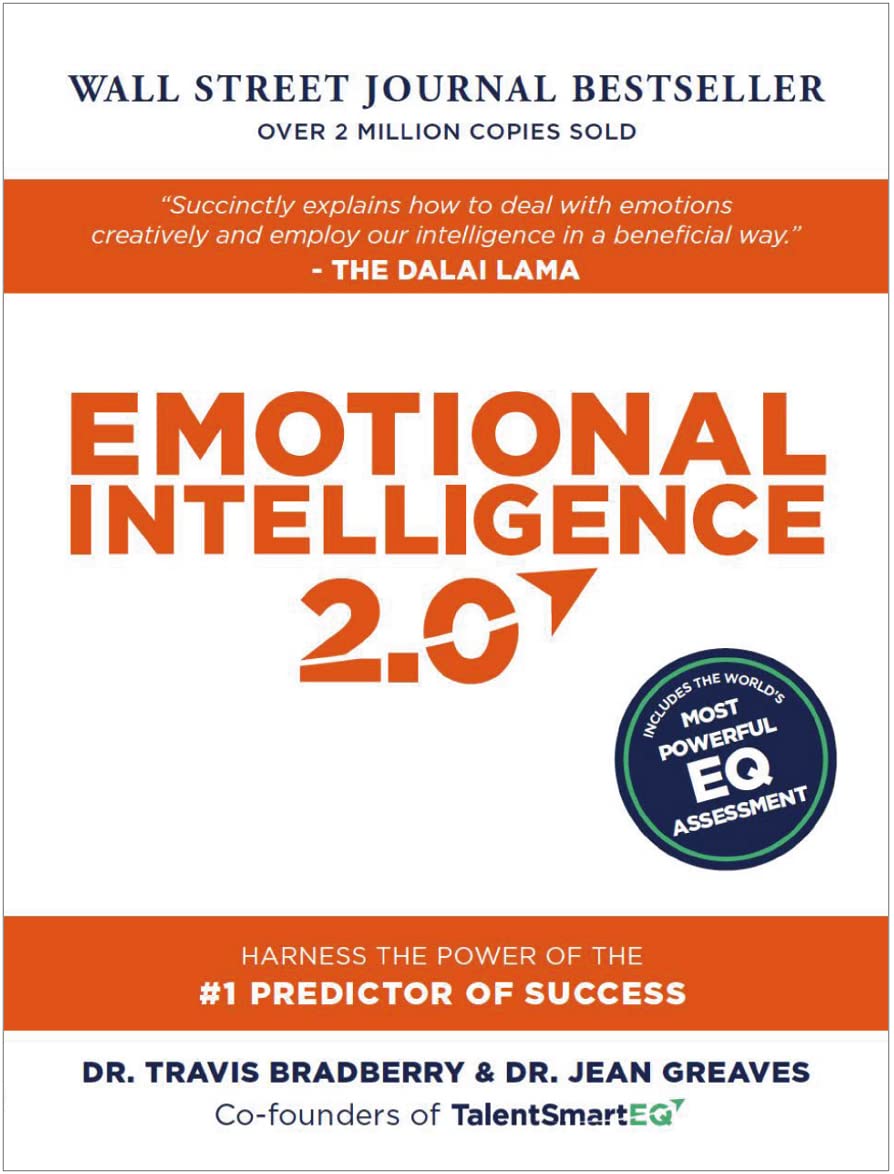
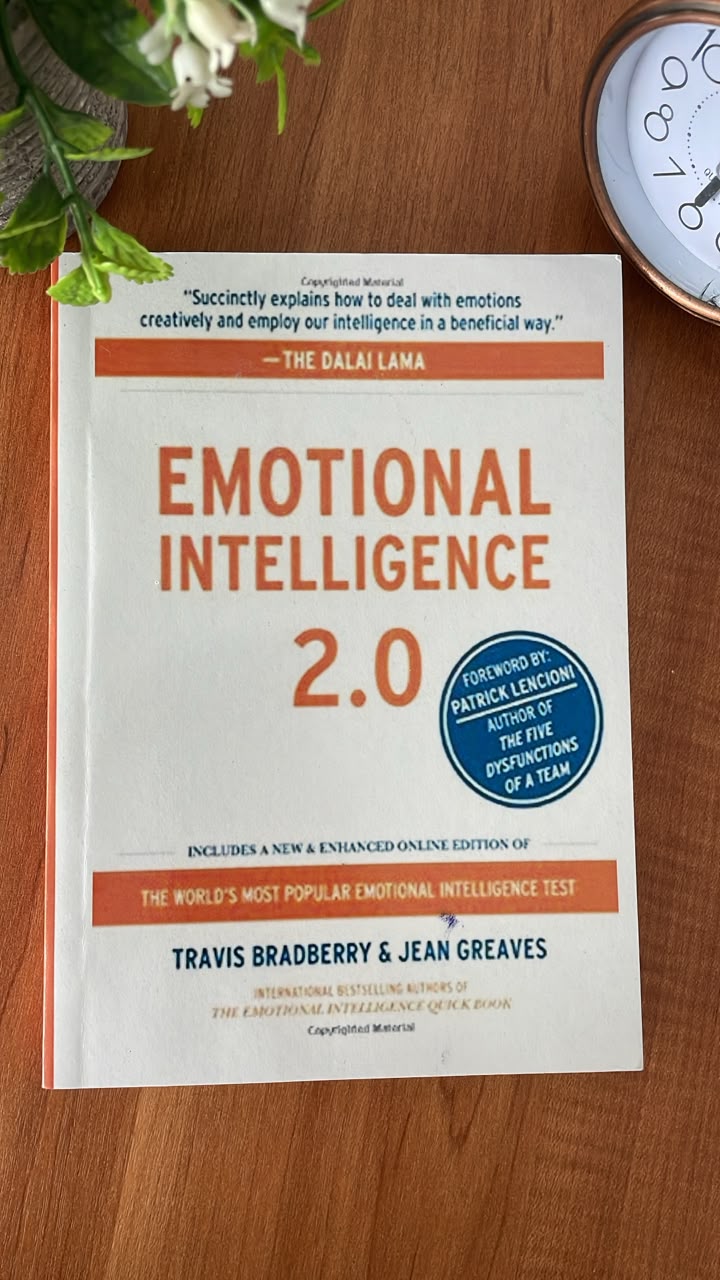
Emotional Intelligence 2.0 by Travis Bradberry and Jean Greaves is a practical guide to understanding emotions, improving communication, managing reactions and building stronger personal and professional relationships.
Knowing what emotional intelligence means is one thing.
Knowing how to improve it is another.
That is where Emotional Intelligence 2.0 focuses most of its attention.
The book organizes emotional intelligence into four core skills:
- Self-Awareness
- Self-Management
- Social Awareness
- Relationship Management
TalentSmartEQ uses these same four skills as the foundation of its emotional-intelligence framework.
Why Read Emotional Intelligence 2.0?
Emotional Intelligence 2.0 is useful because emotions influence almost every part of life.
They affect how you respond to criticism.
How you handle pressure.
How you communicate.
How you resolve disagreements.
How you understand other people.
And how effectively you work with a team.
The book focuses on practical improvement rather than theory alone.
Readers are encouraged to identify weaknesses and develop specific emotional skills over time.
Emotional Intelligence 2.0 and Self-Awareness
Self-awareness is the ability to recognize and understand your own emotions.
This sounds simple.
But many people react emotionally before they fully understand what they are feeling.
You might feel angry.
Frustrated.
Embarrassed.
Jealous.
Nervous.
Or disappointed.
If you cannot recognize that emotion, it may control your behaviour.
Emotional Intelligence 2.0 treats self-awareness as one of the four essential EQ skills.
Understand What You Are Feeling
Imagine receiving negative feedback at work.
Your first reaction may be:
“They are wrong.”
You might immediately defend yourself.
But self-awareness allows you to notice:
“I feel defensive right now.”
That small moment of awareness gives you another choice.
You can pause.
Listen.
Then decide whether the feedback contains something useful.
This is one reason emotional intelligence can improve decision-making.
Emotional Intelligence 2.0 and Self-Management
Self-management is the second core skill.
It involves using awareness of your emotions to manage behaviour effectively.
The goal is not to eliminate emotions.
Anger can tell you something is wrong.
Fear can warn you about risk.
Excitement can create motivation.
But strong emotions should not automatically control your decisions.
Emotional Intelligence 2.0 teaches readers to recognize emotional reactions and respond more deliberately.
Pause Before Reacting
Someone sends you an irritating message.
You want to respond immediately.
That reaction may make the situation worse.
Instead:
Pause.
Read it again.
Consider what the person actually meant.
Then respond.
A simple pause can prevent a temporary emotion from creating a bigger problem.
This skill can improve relationships at work and at home.
Emotional Intelligence 2.0 and Social Awareness
Social awareness is the ability to understand what other people may be feeling.
It involves paying attention.
Listening carefully.
Observing tone and behaviour.
Considering another person’s perspective.
TalentSmartEQ identifies social awareness as the third core emotional-intelligence skill.
Someone may say:
“I’m fine.”
But their voice or behaviour may suggest something different.
Social awareness helps you recognize those signals.
Develop Greater Empathy
Empathy does not mean agreeing with everyone.
It means understanding how a situation may look from another person’s perspective.
A customer may be angry because they feel ignored.
An employee may seem unmotivated because they feel overwhelmed.
A friend may become quiet because they are worried.
Understanding the emotion behind behaviour can improve communication.
That makes empathy valuable in leadership, relationships and teamwork.
Emotional Intelligence 2.0 and Relationship Management
Relationship management is the fourth core skill.
It brings the other three together.
You need self-awareness to understand your own reactions.
You need self-management to control those reactions.
You need social awareness to understand another person.
Then you can communicate more effectively.
Emotional Intelligence 2.0 treats relationship management as one of the central skills readers can intentionally strengthen.
Communicate More Effectively
Good communication is not simply saying exactly what you think.
Timing matters.
Tone matters.
Listening matters.
The other person’s emotional state matters.
Imagine giving criticism to an employee.
You could say:
“This is terrible.”
Or you could explain specifically what needs improvement and what successful performance looks like.
Both communicate dissatisfaction.
Only one creates a useful path forward.
Emotional intelligence helps people communicate with greater awareness.
Emotional Intelligence 2.0 at Work
EQ can be especially useful in professional environments.
Most jobs involve other people.
Customers.
Managers.
Coworkers.
Employees.
Suppliers.
Business partners.
Technical knowledge may help you complete tasks.
But emotional skills help you manage relationships.
That can influence teamwork, leadership and communication.
TalentSmartEQ specifically uses the book’s four-skill framework in workplace EQ development programs.
Emotional Intelligence 2.0 for Leaders
Leadership requires emotional control.
A leader who panics can spread fear.
A leader who becomes angry at every mistake can discourage employees from reporting problems.
A leader who refuses criticism can create blind spots.
Strong leaders need to understand both themselves and the people they manage.
Emotional Intelligence 2.0 therefore has clear applications for supervisors, managers and business owners.
Emotional Intelligence 2.0 and Conflict
Conflict is unavoidable.
People disagree.
Priorities clash.
Messages are misunderstood.
Emotions rise.
The important question is how people respond.
Low emotional awareness can make conflict personal.
Strong emotional awareness can help people focus on the actual problem.
Instead of:
“You never listen.”
Try:
“I don’t think my concern was understood. Can we go through it again?”
That small difference can change the entire conversation.
Understand Your Triggers
Everyone has emotional triggers.
Certain situations create stronger reactions than others.
Maybe criticism makes you defensive.
Being interrupted makes you angry.
Being ignored makes you frustrated.
Uncertainty creates anxiety.
Recognizing those triggers makes them easier to manage.
Emotional Intelligence 2.0 encourages intentional development of EQ rather than waiting for emotional habits to improve automatically.
Emotional Intelligence 2.0 and Decision-Making
Emotions influence decisions.
Fear can make someone avoid an opportunity.
Excitement can make someone ignore risk.
Anger can encourage impulsive decisions.
Pride can prevent someone from admitting a mistake.
Emotional intelligence helps people notice these influences.
Before making an important decision, ask:
What am I feeling?
Why?
Is this emotion temporary?
What facts am I ignoring?
Would I make the same decision tomorrow?
These questions can create better judgment.
Emotional Intelligence 2.0 and Feedback
Feedback can be uncomfortable.
Many people instinctively become defensive.
But feedback can also reveal weaknesses.
Strong self-management makes it easier to listen without immediately arguing.
Social awareness helps you understand the intention behind the feedback.
Relationship management helps you respond constructively.
This shows how the four EQ skills can work together.
Emotional Intelligence 2.0 and Personal Relationships
EQ is not limited to the workplace.
It can also improve:
- Friendships
- Family relationships
- Romantic relationships
- Parenting
- Everyday communication
Many relationship problems begin with misunderstanding.
One person reacts emotionally.
The other reacts to that reaction.
The problem grows.
Emotional awareness can interrupt this cycle.
Listen to Understand
Many people listen while preparing what they want to say next.
That is not the same as listening to understand.
Good listening means paying attention to:
Words.
Tone.
Body language.
Emotion.
Context.
Sometimes another person does not want a solution.
They want to feel heard.
Social awareness helps recognize that difference.
Emotional Intelligence 2.0 Can Be Practiced
One of the book’s strongest ideas is that emotional intelligence can be developed through practice.
TalentSmartEQ’s supporting materials include action plans that ask readers to select an EQ skill and choose strategies to practice deliberately.
Improvement therefore requires repetition.
Choose one skill.
Practice.
Observe your behaviour.
Ask for feedback.
Adjust.
Then continue.
Build Better Emotional Habits
Emotional habits develop over time.
If your normal response to disagreement is anger, changing that pattern may take practice.
If you usually avoid difficult conversations, becoming more direct may feel uncomfortable initially.
But repeated behaviour can gradually become easier.
The important part is consistency.
Emotional Intelligence 2.0 for Entrepreneurs
Entrepreneurs deal with uncertainty every day.
Customers complain.
Employees make mistakes.
Sales change.
Projects fail.
Competitors appear.
Cash flow creates pressure.
An entrepreneur who reacts emotionally to every issue can create instability.
A business owner with stronger emotional control can respond more deliberately.
This makes EQ especially relevant to entrepreneurship.
Emotional Intelligence 2.0 for Students
Students also face emotionally demanding situations.
Exams.
Deadlines.
Competition.
Group projects.
Presentations.
Poor results.
Feedback.
Strong emotional skills can help students remain focused when stress increases.
A disappointing grade can become:
“I failed.”
Or:
“What should I improve before the next test?”
That change in thinking can support resilience.
Emotional Intelligence 2.0 for Managers
Managers need more than technical ability.
They need people skills.
A manager must recognize when:
An employee is confused.
Someone feels ignored.
A team member is becoming frustrated.
Conflict is developing.
Motivation is falling.
Strong emotional intelligence helps managers respond before small problems become larger ones.
7 Powerful Lessons From Emotional Intelligence 2.0
- Know Yourself – Recognizing your emotions is the foundation of emotional intelligence.
- Manage Your Reactions – Feeling something strongly does not mean you must act immediately.
- Understand Other People – Social awareness improves empathy and communication.
- Build Better Relationships – Use emotional awareness to manage interactions more effectively.
- Identify Emotional Triggers – Understanding what causes strong reactions gives you greater control.
- Practice EQ Skills – Emotional intelligence can improve through deliberate practice.
- Apply EQ Everywhere – The four core skills can improve work, leadership and personal relationships.
The Four Core Skills in Emotional Intelligence 2.0
The book is built around:
1. Self-Awareness
Recognize your emotions and understand how they affect you.
2. Self-Management
Control emotional reactions and choose more effective behaviour.
3. Social Awareness
Understand the emotions and perspectives of other people.
4. Relationship Management
Use emotional awareness to communicate, handle conflict and build stronger relationships.
What You Can Learn From Emotional Intelligence 2.0
Readers can explore:
- Emotional intelligence
- EQ
- Self-awareness
- Self-management
- Social awareness
- Relationship management
- Empathy
- Leadership
- Communication
- Emotional control
- Conflict management
- Workplace relationships
- Teamwork
- Personal development
- Decision-making
- Personal growth
Who Should Read Emotional Intelligence 2.0?
Emotional Intelligence 2.0 is suitable for professionals who want to improve communication and workplace relationships.
Managers can use its ideas to develop stronger leadership skills.
Entrepreneurs can apply the strategies while managing employees and customers.
Students can use the concepts to better handle stress, feedback and social situations.
Anyone interested in psychology, personal development and better relationships can benefit from the practical EQ framework.
A Powerful Practical Guide to Improving EQ
Emotional Intelligence 2.0 takes emotional intelligence beyond theory.
It gives readers a structured framework based on four core skills:
Self-awareness.
Self-management.
Social awareness.
Relationship management.
The book then encourages readers to turn those concepts into action through deliberate practice and development strategies.
For readers interested in improving leadership, communication, relationships and self-control, Emotional Intelligence 2.0 by Travis Bradberry and Jean Greaves is a practical addition to any personal-development or business bookshelf.
Book Details
Title: Emotional Intelligence 2.0
Authors: Travis Bradberry & Jean Greaves
Foreword: Patrick Lencioni
Category: Personal Development / Psychology / Business / Leadership
Original Publication: 2009
Original Publisher: TalentSmart.
A widely catalogued original hardcover edition is:
ISBN-13: 9780974320625
Format: Hardcover
Pages: 255
Publisher: TalentSmart
Publication Year: 2009.
Edition Note
Emotional Intelligence 2.0 has been issued in different printings and updated editions.
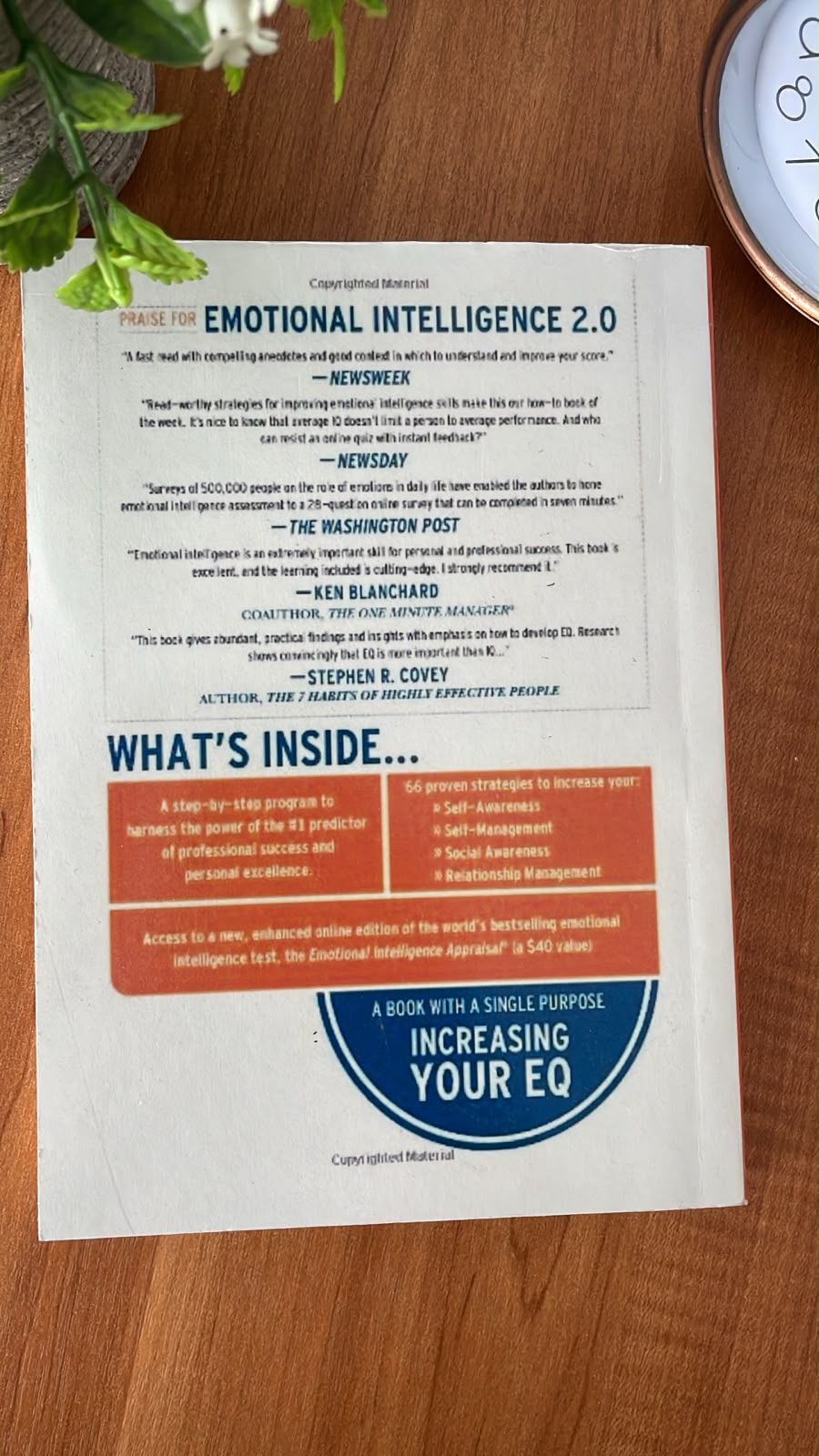
Some newer listings describe a 2021-updated edition with 66 strategies, while older copies may differ in presentation and supplementary assessment access.
So use the ISBN and page count printed on your physical copy if they differ from the details above. https://yourwebsite.com/emotional-intelligence/
Be the first to review “Emotional Intelligence 2.0 by Patrick Lencion”
Related products
-24%
Non-Fiction & Knowledge
Original price was: රු2,300.00.රු1,750.00Current price is: රු1,750.00.
3 X Rs. 583.33 or 8% Cashback with
or 3 X රු583.33 with
or up to 4 X රු437.50 with
-28%
Self-Help & Psychology
Original price was: රු1,800.00.රු1,300.00Current price is: රු1,300.00.
3 X Rs. 433.33 or 8% Cashback with
or 3 X රු433.33 with
or up to 4 X රු325.00 with
Non-Fiction & Knowledge
රු2,250.00
3 X Rs. 750.00 or 8% Cashback with
or 3 X රු750.00 with
or up to 4 X රු562.50 with
-13%

Out of stock
Non-Fiction & Knowledge
Original price was: රු3,900.00.රු3,400.00Current price is: රු3,400.00.
3 X Rs. 1,133.33 or 8% Cashback with
or 3 X රු1,133.33 with
or up to 4 X රු850.00 with

Non-Fiction & Knowledge
රු1,550.00
3 X Rs. 516.67 or 8% Cashback with
or 3 X රු516.67 with
or up to 4 X රු387.50 with
-14%
Out of stock
Self-Help & Psychology
Original price was: රු2,900.00.රු2,500.00Current price is: රු2,500.00.
3 X Rs. 833.33 or 8% Cashback with
or 3 X රු833.33 with
or up to 4 X රු625.00 with
-21%
Non-Fiction & Knowledge
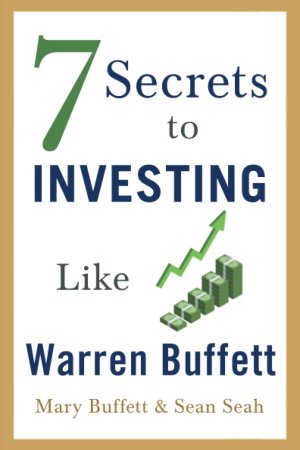
7 Secrets to Investing Like Warren Buffett by Mary Buffett & Sean Seah
Original price was: රු1,900.00.රු1,500.00Current price is: රු1,500.00.
3 X Rs. 500.00 or 8% Cashback with
or 3 X රු500.00 with
or up to 4 X රු375.00 with
Out of stock
Non-Fiction & Knowledge
රු1,500.00
3 X Rs. 500.00 or 8% Cashback with
or 3 X රු500.00 with
or up to 4 X රු375.00 with
Reviews
There are no reviews yet.