
No products in the cart.
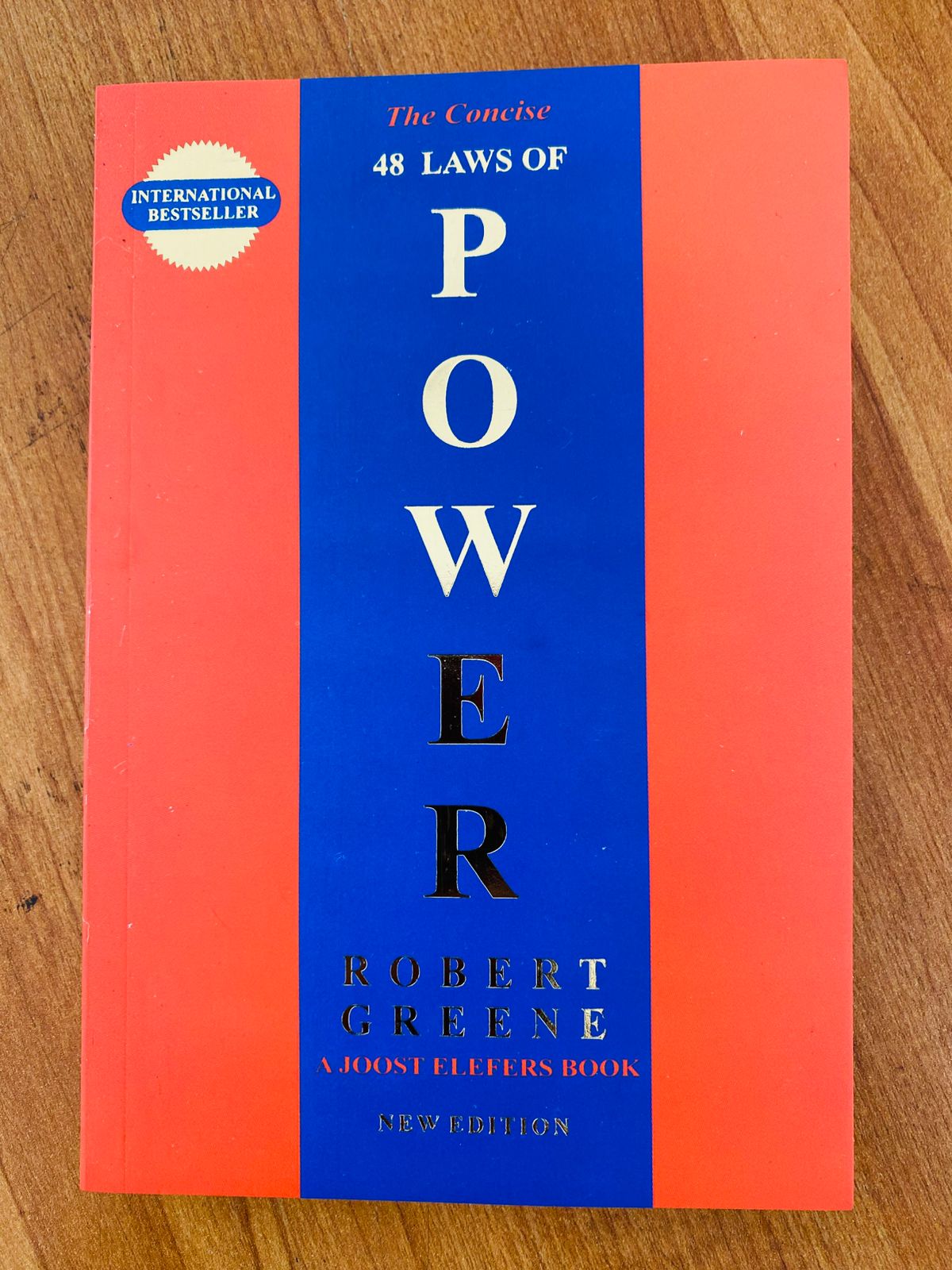
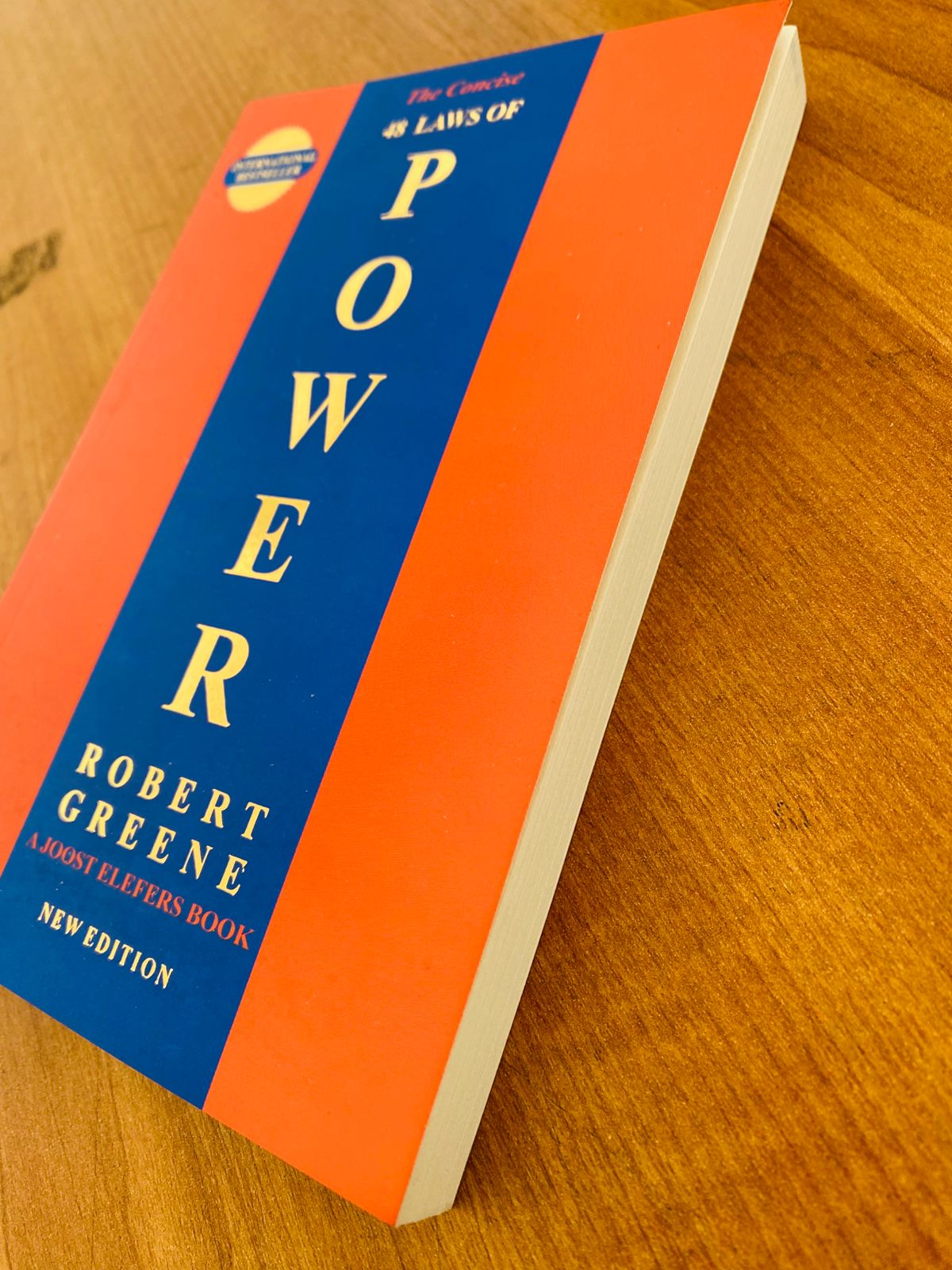









Concise 48 Laws of Power by Robert Greene
Concise 48 Laws of Power by Robert Greene is a compact guide to understanding power, influence, strategy and human behaviour.
Based on Greene’s bestselling work The 48 Laws of Power, this concise edition presents the central ideas in a shorter and more accessible format.
The Concise 48 Laws of Power explores how power operates in relationships, workplaces, organisations and competitive environments.
It is ideal for readers interested in psychology, leadership, business, strategy and personal development.
Why Read Concise 48 Laws of Power?
Concise 48 Laws of Power introduces readers to 48 principles focused on influence, decision-making and social dynamics.
Robert Greene uses examples from history to demonstrate how powerful individuals gained influence, protected their positions and responded to competition.
The book also explores mistakes that caused leaders and influential figures to lose authority.
By studying these examples, readers can better recognise patterns of behaviour in professional and social situations.
Understand How Power Works
Power is not limited to politics or leadership positions.
It can appear in workplaces, businesses, friendships, negotiations and everyday interactions.
The Concise 48 Laws of Power encourages readers to observe how people communicate, compete and influence one another.
Understanding these dynamics can make it easier to recognise manipulation, avoid unnecessary conflicts and respond more thoughtfully.
The book focuses strongly on observation.
Readers are encouraged to understand a situation before reacting emotionally.
48 Laws of Strategy and Influence
The Concise 48 Laws of Power is organised around 48 different laws.
Each law examines a particular aspect of power or strategic behaviour.
Some laws focus on reputation.
Others explore timing, communication, leadership, alliances, competition and self-control.
Together, the 48 laws provide a broad framework for understanding how influence can be gained, maintained or lost.
Readers can study the book from beginning to end or return to individual laws when they want to explore a particular situation.
Learn From History
One of the most distinctive features of Robert Greene’s writing is his use of historical examples.
Kings, military leaders, political figures, strategists and influential personalities appear throughout his work.
These examples demonstrate how decisions can create very different consequences.
The Concise 48 Laws of Power uses history as a source of lessons about ambition, leadership and human behaviour.
This approach makes many of the principles easier to remember and understand.
Protect Your Reputation
Reputation plays an important role in the book.
The way people perceive you can affect trust, opportunities and influence.
Greene encourages readers to think carefully about how their actions shape the opinions of others.
A strong reputation can take years to build.
However, careless decisions can damage it quickly.
The Concise 48 Laws of Power therefore highlights the importance of consistency, awareness and thoughtful communication.
Think Before You Act
Impulsive decisions can create unnecessary problems.
One of the recurring ideas in Concise 48 Laws of Power is the importance of thinking ahead.
Before making an important move, readers are encouraged to consider possible consequences.
How might another person respond?
What could happen next?
Could the situation create unexpected risks?
Developing this habit can help people make more strategic decisions.
The Importance of Timing
Having a good idea is not always enough.
Timing can influence whether an action succeeds or fails.
The Concise 48 Laws of Power explores the value of patience and choosing the right moment.
Sometimes immediate action is necessary.
In other situations, waiting can create a stronger position.
Greene encourages readers to observe circumstances carefully instead of rushing into every opportunity.
Control Your Emotions
Emotional reactions can make difficult situations worse.
Anger, fear, pride and frustration may cause people to act before they fully understand what is happening.
The Concise 48 Laws of Power encourages greater emotional awareness.
Remaining calm can help readers evaluate situations more clearly.
It can also reduce the chance of making decisions that they later regret.
Observe Other People Carefully
Understanding other people is an important part of strategic thinking.
People may not always clearly explain what they want.
Their actions, habits and reactions can reveal important information.
Concise 48 Laws of Power encourages readers to pay attention to patterns of behaviour.
This can help them understand motivations, strengths and weaknesses.
Observation can be especially useful in leadership, negotiation and competitive situations.
Power and Leadership
Many of the ideas in the book can be applied to leadership.
Effective leaders need to understand people, communicate clearly and manage difficult situations.
They also need to protect trust and maintain credibility.
The Concise 48 Laws of Power provides perspectives on authority, reputation and influence that may be useful for managers, entrepreneurs and professionals.
Readers can consider how these lessons apply to both leading others and managing their own behaviour.
What You Can Learn From Concise 48 Laws of Power
Readers can explore lessons about:
- Power and influence
- Strategic thinking
- Leadership
- Reputation
- Human psychology
- Communication
- Negotiation
- Competition
- Emotional control
- Timing
- Observation
- Decision-making
- Social dynamics
- Long-term planning
- Protecting your position
Who Should Read This Book?
Concise 48 Laws of Power is suitable for readers interested in psychology, business, strategy and personal development.
Entrepreneurs may find the lessons relevant to competition and negotiation.
Managers can explore ideas about leadership and authority.
Students and professionals may enjoy the historical examples and observations about human behaviour.
Readers who already enjoy Robert Greene’s books may also appreciate this shorter edition.
A Compact Robert Greene Classic
One of the main advantages of Concise 48 Laws of Power is its accessible format.
The book presents major ideas from The 48 Laws of Power in a more condensed form.
This can make it easier for busy readers to explore Greene’s core principles.
It can also serve as a convenient reference for readers who want to revisit particular laws.
Develop a More Strategic Mindset
Concise 48 Laws of Power encourages readers to become more observant, patient and deliberate.
Instead of reacting immediately to difficult situations, the book promotes careful analysis and strategic thinking.
Its lessons explore how reputation, timing, communication and human behaviour can influence outcomes.
For readers interested in understanding influence and developing a stronger awareness of social dynamics, Concise 48 Laws of Power by Robert Greene is a valuable addition to a psychology, business or personal-development collection.
Learn more about Robert Greene and The 48 Laws of Power, including his ideas on power, influence, strategy, and human behaviour, through Robert Greene’s official website.
Be the first to review “Concise 48 Laws of Power by Robert Greene”
Related products
-17%

Out of stock
Non-Fiction & Knowledge
Original price was: රු2,900.00.රු2,400.00Current price is: රු2,400.00.
3 X Rs. 800.00 or 8% Cashback with


or 3 X රු800.00 with


or up to 4 X රු600.00 with

-34%

Self-Help & Psychology
Original price was: රු2,350.00.රු1,550.00Current price is: රු1,550.00.
3 X Rs. 516.67 or 8% Cashback with
or 3 X රු516.67 with
or up to 4 X රු387.50 with

Out of stock
Self-Help & Psychology
රු1,900.00
3 X Rs. 633.33 or 8% Cashback with
or 3 X රු633.33 with
or up to 4 X රු475.00 with

Non-Fiction & Knowledge
රු1,950.00
3 X Rs. 650.00 or 8% Cashback with
or 3 X රු650.00 with
or up to 4 X රු487.50 with
-28%

Self-Help & Psychology
Original price was: රු1,800.00.රු1,300.00Current price is: රු1,300.00.
3 X Rs. 433.33 or 8% Cashback with
or 3 X රු433.33 with
or up to 4 X රු325.00 with
-24%

Out of stock
Non-Fiction & Knowledge
Original price was: රු2,500.00.රු1,900.00Current price is: රු1,900.00.
3 X Rs. 633.33 or 8% Cashback with
or 3 X රු633.33 with
or up to 4 X රු475.00 with

Out of stock
Self-Help & Psychology
රු2,200.00
3 X Rs. 733.33 or 8% Cashback with
or 3 X රු733.33 with
or up to 4 X රු550.00 with

Out of stock
Non-Fiction & Knowledge
රු1,500.00
3 X Rs. 500.00 or 8% Cashback with
or 3 X රු500.00 with
or up to 4 X රු375.00 with
Reviews
There are no reviews yet.