
No products in the cart.
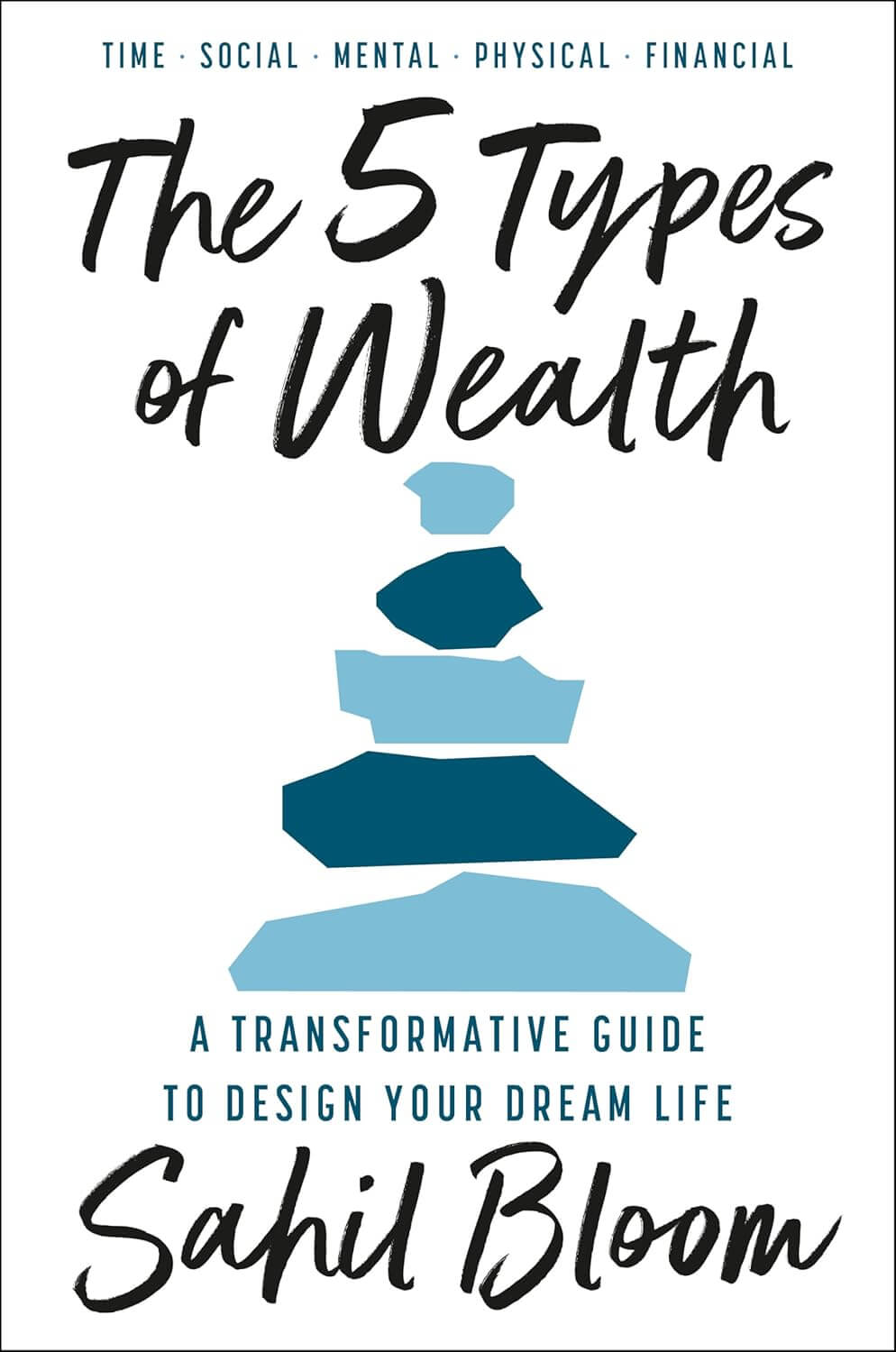
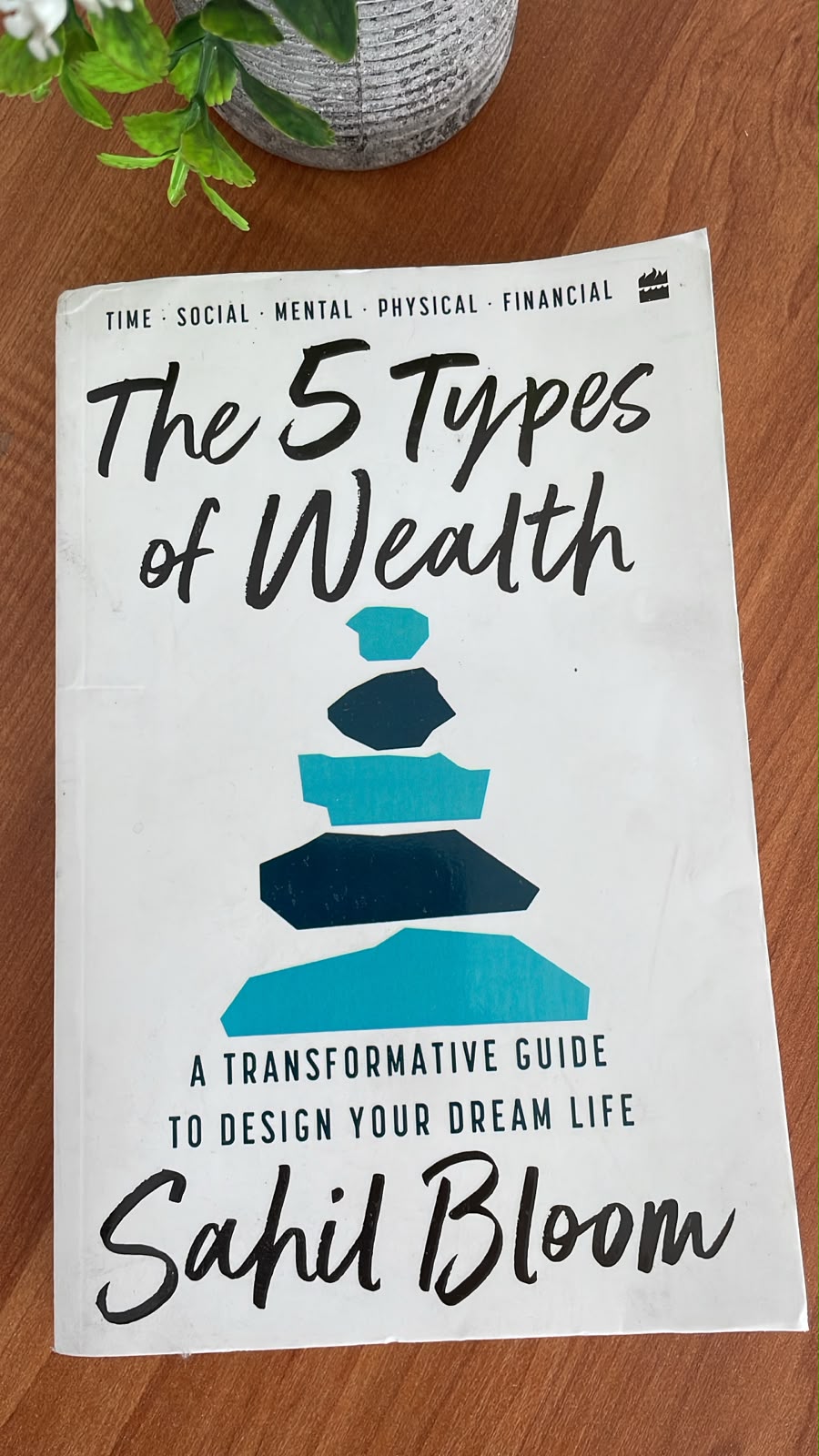
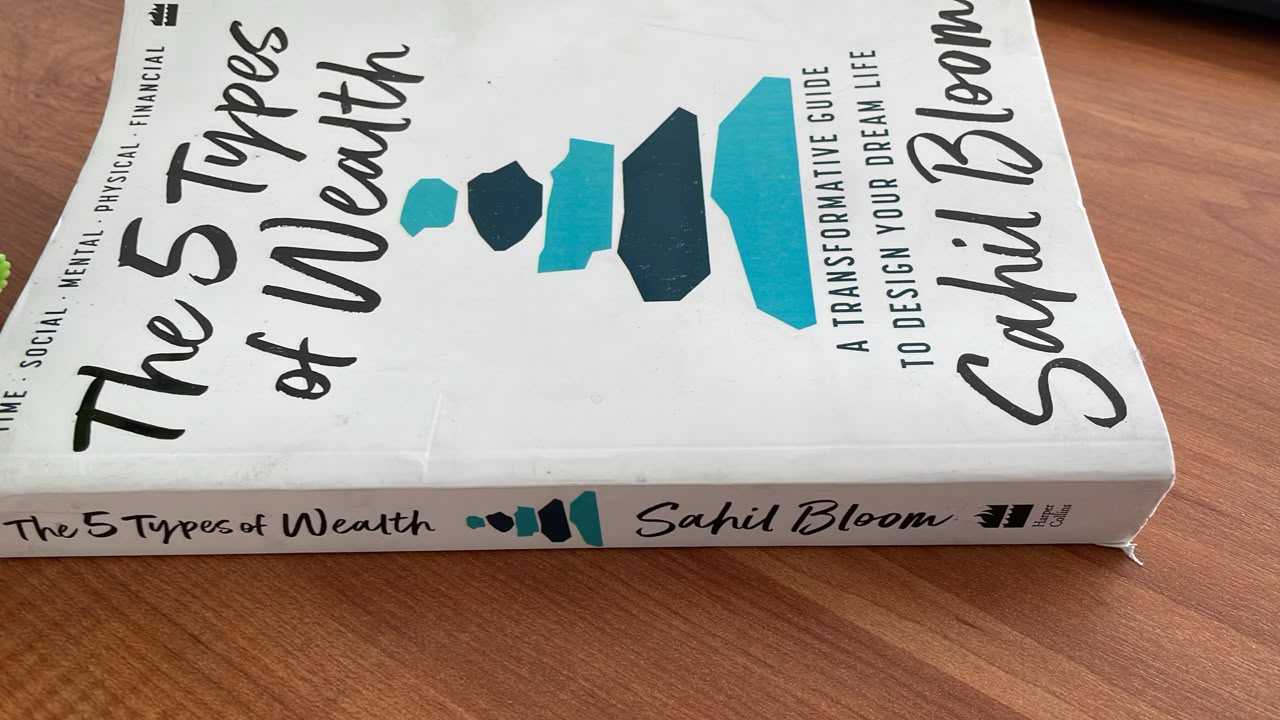

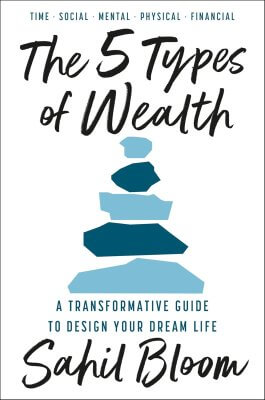
The 5 Types of Wealth by Sahil Bloom


රු1,900.00
3 X Rs. 633.33 or 8% Cashback with


or 3 X රු633.33 with


or up to 4 X රු475.00 with


5 Types of Wealth by Sahil Bloom is a practical personal-development guide that challenges the idea that money is the only measure of a wealthy life.
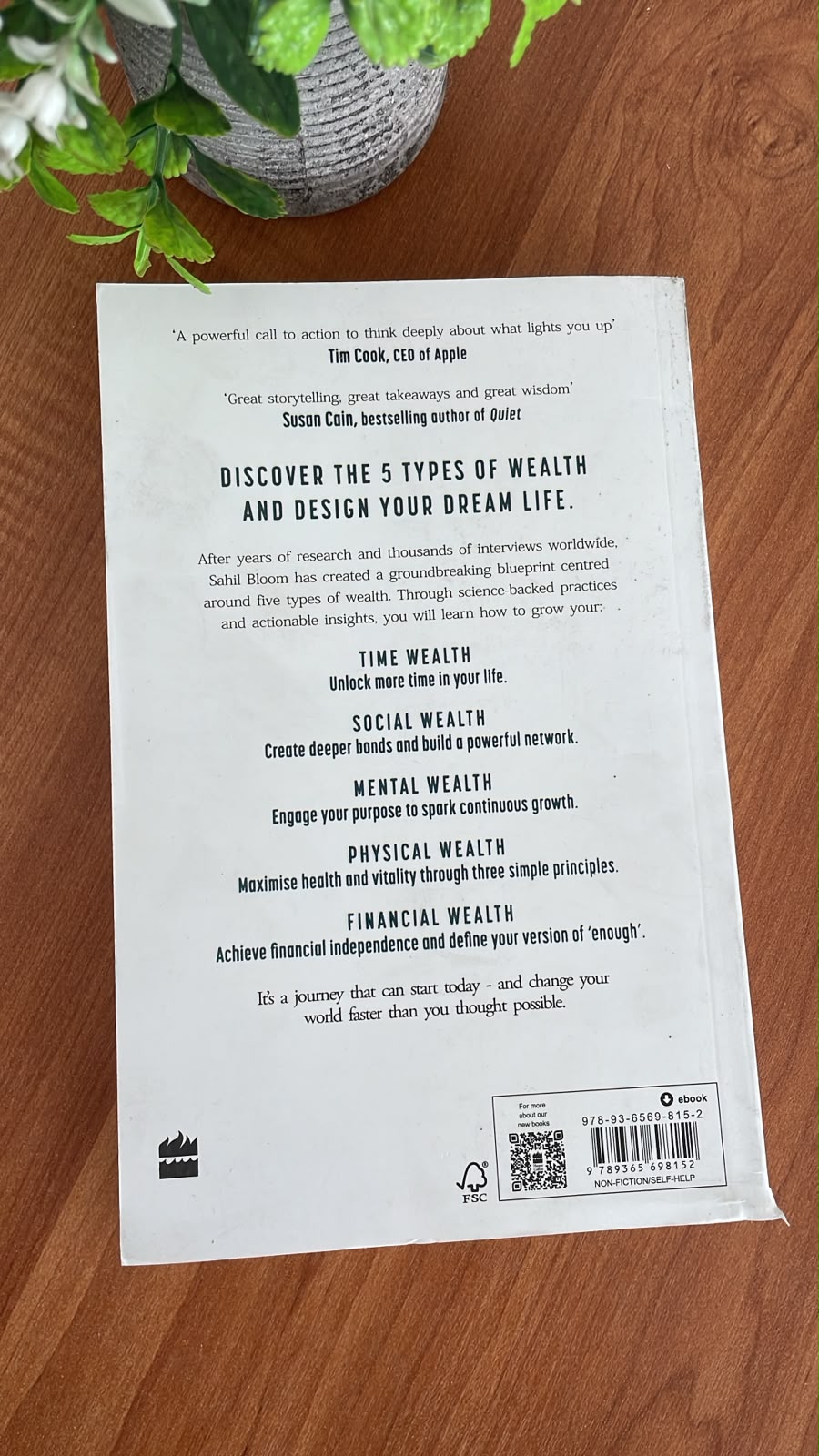
Bloom presents five interconnected forms of wealth: Time Wealth, Social Wealth, Mental Wealth, Physical Wealth and Financial Wealth. He argues that lasting fulfilment comes from paying attention to all five rather than maximizing money while neglecting health, relationships or time.
Drawing on research, personal experimentation and interviews, the book offers practical frameworks for deciding what matters, developing stronger relationships, finding purpose, improving physical well-being and defining what “enough” means financially.
Product details:
- Title: The 5 Types of Wealth
- Subtitle: A Transformative Guide to Design Your Dream Life
- Author: Sahil Bloom
- Publisher: HarperCollins Publishers
- Imprint: William Collins
- Format: Paperback
- Language: English
- ISBN-13: 9780008623210
- ISBN-10: 000862321X
- Publication year: 2025
- Pages: Approximately 400
- Dimensions: Approximately 23.4 × 15.3 × 3.1 cm
- Weight: Approximately 490 g
- Categories: Personal Development, Self-Help, Happiness and Personal Success
- Key themes: Time, relationships, purpose, health, money and fulfilment
Out of stock
Email when stock available
The 5 Types of Wealth by Sahil Bloom
5 Types of Wealth by Sahil Bloom is a practical guide to building a life that feels rich in more ways than money alone.
The central idea is simple: financial success matters, but it is only one part of a fulfilling life.
Bloom presents five interconnected forms of wealth that can help readers evaluate what they truly value and make more intentional decisions.
5 Types of Wealth
The five forms of wealth are:
- Time Wealth
- Social Wealth
- Mental Wealth
- Physical Wealth
- Financial Wealth
Bloom argues that focusing exclusively on financial wealth can create imbalance.
Someone may have a large income but little time.
Another person may have professional success but weak relationships.
Someone else may have enough money but poor health.
The goal is not to maximize one area at the expense of everything else.
It is to create a life where the five forms of wealth work together.
Time Wealth
Time Wealth is about having greater control over how you spend your days.
Money can be earned again.
Time cannot.
This makes time one of the most valuable resources people possess.
Readers are encouraged to consider:
- What deserves more of my time?
- What deserves less?
- Which activities give me energy?
- Which commitments constantly drain me?
- Am I spending enough time with people who matter?
Time Wealth is not necessarily about having nothing to do.
It is about having greater freedom to choose what deserves your attention.
Spend Time on What Matters
Many people say family, health or personal growth is important.
Their calendars may tell a different story.
5 Types of Wealth encourages readers to compare stated priorities with actual behaviour.
If something genuinely matters, it should receive meaningful time.
This can involve creating clearer boundaries around work.
It can also mean reducing activities that provide little value.
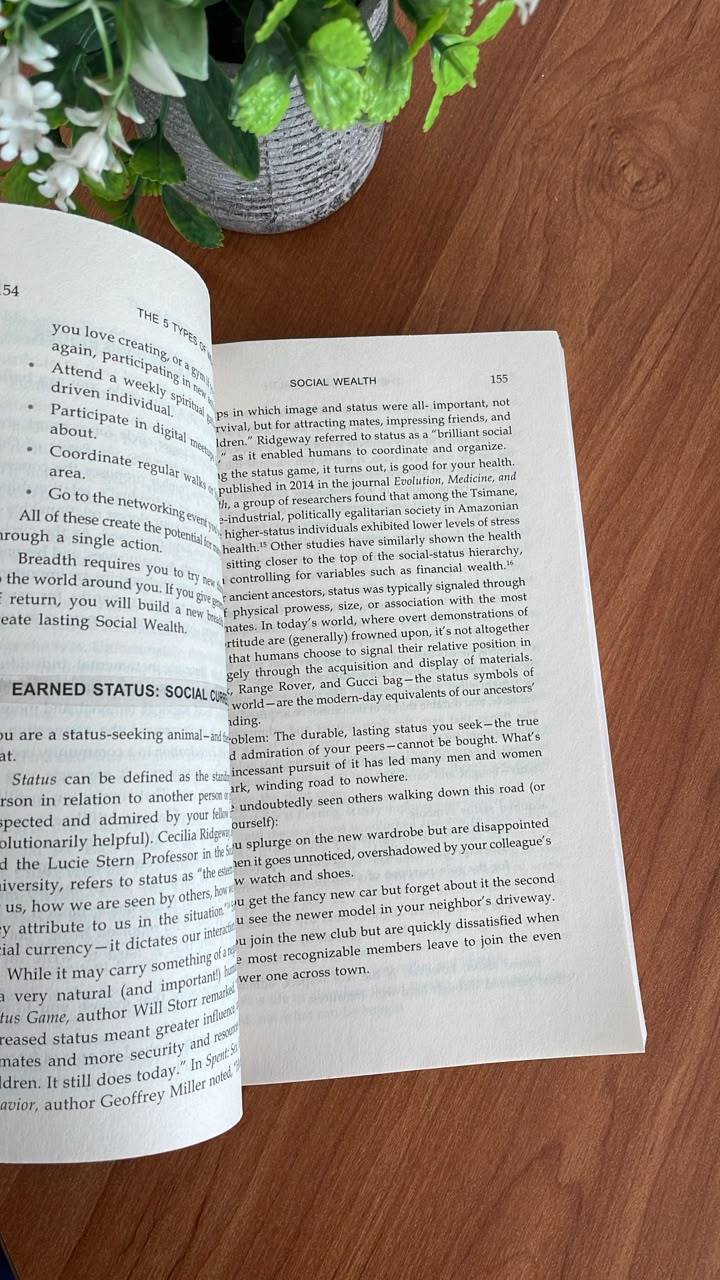
Social Wealth
Social Wealth focuses on relationships.
Strong relationships can provide belonging, support, connection and meaning.
Bloom encourages readers to invest deliberately in family, friendships and professional relationships.
This does not require knowing hundreds of people.
A smaller number of strong relationships may provide more value than a large network of shallow connections.
Build Deeper Relationships
Relationships need maintenance.
A friendship that receives no attention can gradually weaken.
Family members can also become distant when work and other responsibilities constantly take priority.
Practical ways to strengthen Social Wealth may include:
- Calling family regularly
- Scheduling time with close friends
- Being fully present during conversations
- Helping people without expecting immediate return
- Maintaining meaningful traditions
- Creating new shared experiences
The goal is connection rather than simply contact.
Mental Wealth
Mental Wealth concerns purpose, growth, curiosity and the way people engage with life.
A wealthy mind continues to learn.
It also has a sense of direction.
Bloom encourages readers to consider what gives them energy and meaning.
This may involve work, creativity, learning, service or another form of contribution.
Find and Develop Purpose
Purpose does not always arrive as one dramatic revelation.
It can develop through repeated action.
People often learn what matters by trying things.
Readers can ask:
- Which activities make me feel engaged?
- What problems do I enjoy solving?
- What am I curious about?
- What skills do I want to develop?
- Where can I contribute?
The answers can change throughout life.
That is normal.
Mental Wealth involves continuing to evolve.
Keep Learning
Personal growth requires curiosity.
A person can build Mental Wealth by reading, studying, experimenting and seeking unfamiliar perspectives.
Useful habits may include:
- Reading regularly
- Learning new skills
- Asking better questions
- Writing or journaling
- Seeking mentors
- Taking on difficult projects
- Reflecting on mistakes
Learning helps people adapt when circumstances change.
Physical Wealth
Physical Wealth is about having the health and vitality needed to enjoy life.
Financial success becomes less valuable if poor health prevents someone from using the freedom it creates.
Bloom’s framework emphasizes movement, nutrition and recovery as key foundations of physical well-being.
Invest in Your Future Body
Health habits create long-term effects.
Exercise performed today may help maintain strength and independence years later.
Sleep affects energy and concentration.
Food choices influence how the body functions.
The broader lesson is that health should be treated as an asset worth protecting.
Readers may consider:
- Am I moving enough?
- Am I developing strength?
- Is my sleep consistent?
- Does my diet support my goals?
- Do I recover properly?
Small improvements can accumulate.
Financial Wealth
Financial Wealth is still an important part of the framework.
Money creates security, options and flexibility.
The difference is that Bloom does not treat it as the only score that matters.
Readers are encouraged to define what enough means personally.
Without a clear definition, the pursuit of money can continue indefinitely.
Define What Enough Means
Financial goals become more useful when connected to real needs.
Someone may want enough money to:
- Support a family
- Own a home
- Travel
- Retire securely
- Leave an unwanted job
- Start a business
- Give to others
- Gain greater control over time
Once the purpose becomes clearer, the financial target can become more meaningful.
Income, Expenses and Investing
The Financial Wealth section also emphasizes basic principles such as generating income, managing expenses and investing for the long term.
The objective is not simply accumulation.
It is creating sufficient financial strength to support the life you want.
Money becomes a tool rather than the entire purpose.
Avoid Lifestyle Inflation
As income increases, spending often increases with it.
This can make higher earnings feel surprisingly ineffective.
A person earning much more money may still feel financially stressed if expenses rise equally fast.
5 Types of Wealth encourages readers to think more deliberately about spending.
Greater income should ideally increase freedom rather than simply increase consumption.
Wealth Requires Balance
One of the most important lessons in 5 Types of Wealth is that the five areas influence one another.
Physical health can affect mental performance.
Strong relationships can support emotional well-being.
Financial security can create more control over time.
Time can be invested in relationships and health.
The categories are separate enough to evaluate individually, but they work together in real life.
Your Wealth Profile Will Change
Different forms of wealth may matter more during different life stages.
A recent graduate may focus heavily on Mental Wealth and Financial Wealth.
A new parent may place greater emphasis on Time and Social Wealth.
Someone approaching retirement may prioritize health and relationships.
There is no single perfect allocation.
The goal is awareness.
Ask Better Questions
5 Types of Wealth encourages readers to question the default path.
Instead of automatically pursuing the next promotion, larger salary or bigger house, ask whether the goal actually supports the life you want.
Questions might include:
- What am I optimizing for?
- What am I sacrificing?
- Which type of wealth is weakest?
- Which type is strongest?
- What would improve my life most right now?
Better questions can produce better decisions.
Do a Personal Wealth Audit
Readers can turn the framework into a simple exercise.
Rate each category from 1 to 10:
Time Wealth: How much control do I have over my time?
Social Wealth: How strong are my important relationships?
Mental Wealth: Am I growing and living with purpose?
Physical Wealth: Am I protecting my health and energy?
Financial Wealth: Do I have financial stability and a clear plan?
The lowest score may reveal where additional attention is needed.
Avoid Trying to Fix Everything at Once
A low score does not mean every area needs immediate transformation.
Choose one practical improvement.
For example:
Time Wealth: Remove one unnecessary weekly commitment.
Social Wealth: Call a close friend every Friday.
Mental Wealth: Read for twenty minutes daily.
Physical Wealth: Walk consistently.
Financial Wealth: Automate monthly savings.
Small changes are easier to sustain.
Build Systems Around Priorities
Good intentions are often not enough.
Systems make priorities visible.
If relationships matter, schedule time for them.
If health matters, create a regular exercise routine.
If learning matters, block time to read.
If financial independence matters, automate saving and investing.
A priority becomes more real when it appears in behaviour.
About Sahil Bloom
Sahil Bloom is an entrepreneur, investor and writer known for explaining ideas about personal growth, decision-making and living intentionally.
Penguin Random House identifies him as the owner of SRB Holdings and managing partner of SRB Ventures.
He studied economics, sociology and public policy at Stanford University and was also a member of Stanford’s baseball team.
The 5 Types of Wealth is his major book-length framework for redefining what a wealthy life means.
Who Should Read This Book?
5 Types of Wealth may appeal to:
- Professionals
- Entrepreneurs
- Students
- Parents
- Business owners
- Personal-development readers
- People thinking about work-life balance
- Readers interested in financial freedom
- People reassessing their priorities
- Anyone interested in building a more intentional life
The framework is broad enough to apply at many stages of life.
Product Details
Product title: The 5 Types of Wealth
Subtitle: A Transformative Guide to Design Your Dream Life
Author: Sahil Bloom
Publisher: HarperCollins Publishers
Imprint: William Collins
Format: Paperback
Language: English
ISBN-13: 9780008623210
ISBN-10: 000862321X
Publication year: 2025
Page count: Approximately 400 pages
Dimensions: Approximately 234 × 153 × 31 mm
Weight: Approximately 490 grams
Categories: Personal Development, Self-Help and Personal Success
Key themes: Time, relationships, mental growth, health, finances and fulfilment
Why Choose 5 Types of Wealth?
5 Types of Wealth provides a simple framework for questioning a common assumption: that being wealthy is mainly about having more money.
Sahil Bloom expands the definition to include time, relationships, mental growth and physical health.
The five-part structure makes the book easy to apply.
Readers can identify which form of wealth currently needs the most attention and begin making small changes.
For readers interested in personal growth, meaningful success and designing a more balanced life, 5 Types of Wealth is a valuable addition to a self-development bookshelf.
Explore our complete self-help and personal development books collection to discover more titles about habits, happiness, purpose, money and meaningful success.
View the official publication details for
The 5 Types of Wealth by Sahil Bloom
.
Be the first to review “The 5 Types of Wealth by Sahil Bloom”
Related products
-14%

Out of stock
Self-Help & Psychology
Original price was: රු2,900.00.රු2,500.00Current price is: රු2,500.00.
3 X Rs. 833.33 or 8% Cashback with
or 3 X රු833.33 with
or up to 4 X රු625.00 with
-19%

Out of stock
Non-Fiction & Knowledge
Original price was: රු2,650.00.රු2,150.00Current price is: රු2,150.00.
3 X Rs. 716.67 or 8% Cashback with
or 3 X රු716.67 with
or up to 4 X රු537.50 with
-34%
Non-Fiction & Knowledge
Original price was: රු2,250.00.රු1,490.00Current price is: රු1,490.00.
3 X Rs. 496.67 or 8% Cashback with
or 3 X රු496.67 with
or up to 4 X රු372.50 with
-24%
Non-Fiction & Knowledge
Original price was: රු2,300.00.රු1,750.00Current price is: රු1,750.00.
3 X Rs. 583.33 or 8% Cashback with
or 3 X රු583.33 with
or up to 4 X රු437.50 with
-13%
Out of stock
Non-Fiction & Knowledge
Original price was: රු3,900.00.රු3,400.00Current price is: රු3,400.00.
3 X Rs. 1,133.33 or 8% Cashback with
or 3 X රු1,133.33 with
or up to 4 X රු850.00 with
-17%
Out of stock
Non-Fiction & Knowledge
Original price was: රු2,900.00.රු2,400.00Current price is: රු2,400.00.
3 X Rs. 800.00 or 8% Cashback with
or 3 X රු800.00 with
or up to 4 X රු600.00 with
-24%
Out of stock
Non-Fiction & Knowledge
Original price was: රු2,100.00.රු1,600.00Current price is: රු1,600.00.
3 X Rs. 533.33 or 8% Cashback with
or 3 X රු533.33 with
or up to 4 X රු400.00 with
-39%

Out of stock
Self-Help & Psychology
Original price was: රු2,450.00.රු1,500.00Current price is: රු1,500.00.
3 X Rs. 500.00 or 8% Cashback with
or 3 X රු500.00 with
or up to 4 X රු375.00 with
Reviews
There are no reviews yet.