
No products in the cart.
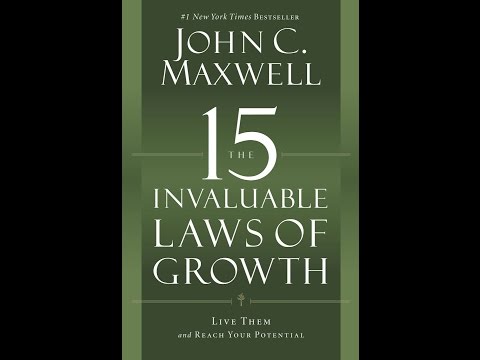
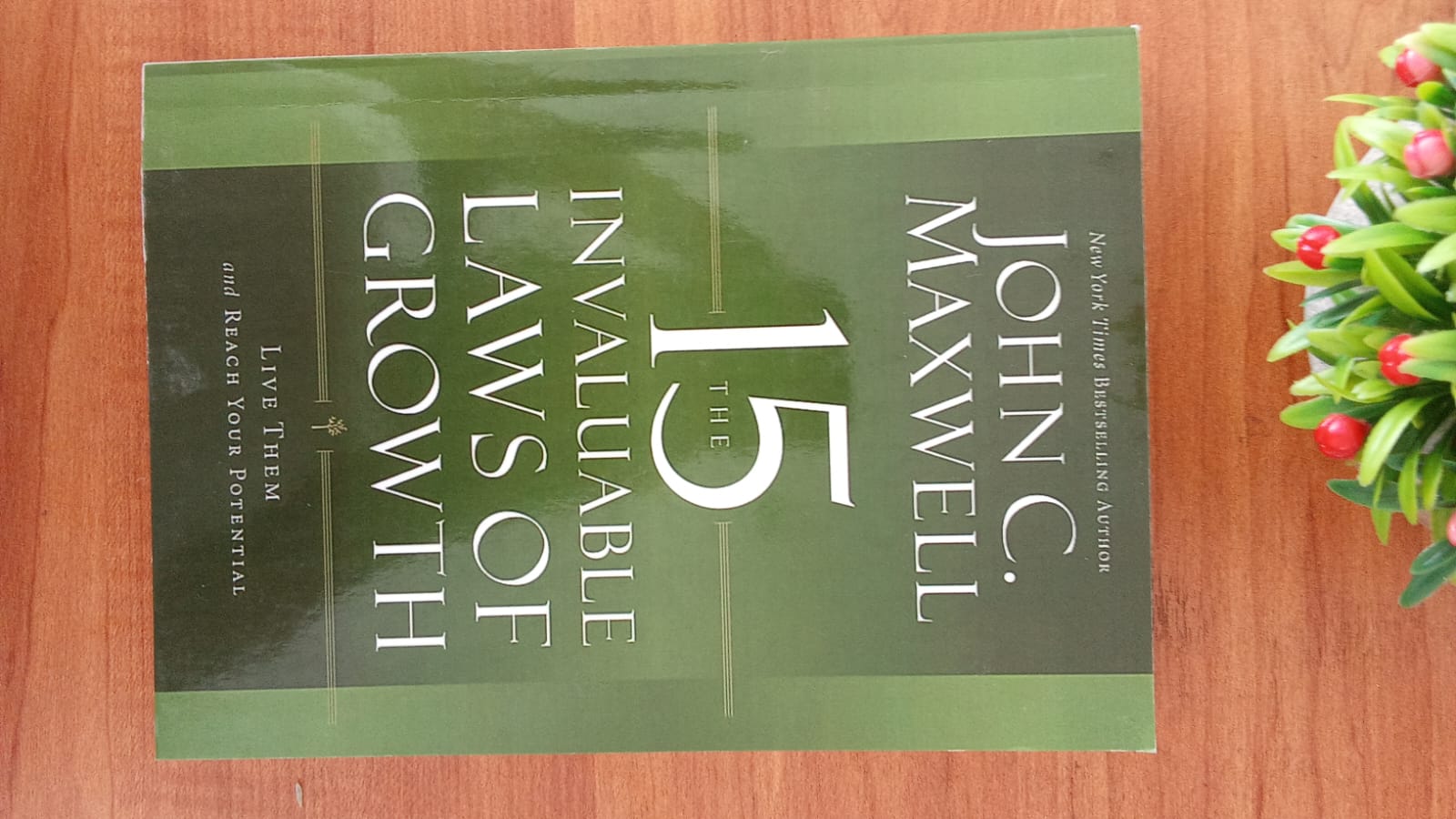




The 15 Invaluable Laws of Growth by John C. Maxwell

රු2,300.00
3 X Rs. 766.67 or 8% Cashback with


or 3 X රු766.67 with


or up to 4 X රු575.00 with


15 Invaluable Laws of Growth by John C Maxwell is a practical personal-development guide built around fifteen principles for becoming more intentional about growth.
Maxwell explores ideas including knowing yourself, valuing yourself, learning from others, stretching beyond your comfort zone and using your own development to make a positive contribution to other people.
Among the principles are the Law of the Mirror, Law of Awareness, Law of Modeling, Law of the Rubber Band and Law of Contribution.
The book is ideal for professionals, managers, entrepreneurs, emerging leaders and anyone who wants to become a more intentional lifelong learner.
Product details:
- Full title: The 15 Invaluable Laws of Growth
- Subtitle: Live Them and Reach Your Potential
- Author: John C. Maxwell
- Publisher/Imprint: Center Street
- Format: Trade Paperback
- Pages: 288
- Language: English
- ISBN-13: 9781599953670
- ISBN-10: 1599953676
- Publication date: 2 September 2014
- Dimensions: Approximately 20.3 × 2.3 × 13.2 cm
- Weight: Approximately 227 g
- Categories: Personal Development, Self-Help and Leadership
- Key themes: Growth, self-awareness, discipline, learning, mentorship and contribution
6 in stock
A Practical Guide to Personal Growth and Success – The 15 Invaluable Laws of Growth by John C. Maxwell
15 Invaluable Laws of Growth by John C Maxwell is a practical guide to becoming more intentional about personal development, learning and reaching your potential.
John C. Maxwell presents growth as something that should not be left to chance. Instead, readers are encouraged to understand themselves, stretch beyond comfortable limits and develop habits that support continuous improvement.
15 Invaluable Laws of Growth by John C Maxwell
15 Invaluable Laws of Growth by John C Maxwell is organised around principles that help readers think differently about personal development.
The central message is straightforward: simply getting older or gaining experience does not automatically guarantee meaningful growth.
Personal growth requires intention.
Readers need to identify where they want to improve and repeatedly take actions that move them in that direction.
Growth Must Be Intentional
Many people expect improvement to happen naturally with time.
Experience can certainly teach valuable lessons, but only when those experiences are examined and applied.
Intentional growth means deciding that development is a priority.
That may involve:
- Reading
- Learning new skills
- Seeking feedback
- Finding mentors
- Reflecting on mistakes
- Accepting new responsibilities
- Leaving comfortable routines
- Helping other people grow
Small improvements can become significant when they are repeated consistently.
The Law of Awareness
One of Maxwell’s key principles is the Law of Awareness.
The idea is that people need to understand themselves before they can determine the most useful direction for growth.
Self-awareness may include understanding:
- Strengths
- Weaknesses
- Interests
- Values
- Habits
- Skills
- Motivations
- Long-term goals
Without this awareness, people may spend years working hard without moving toward a future they genuinely want.
Ask yourself:
What am I naturally good at?
Which areas need improvement?
What kind of work gives me energy?
What do I want to become better at?
Clearer answers can make personal-development decisions easier.
The Law of the Mirror
The Law of the Mirror focuses on recognising personal value.
People who consistently see themselves as incapable may avoid opportunities that could help them grow.
They may hesitate to apply for a better position, begin a business, learn a difficult skill or accept greater responsibility.
Healthy self-respect does not mean believing you are better than everyone else.
It means believing that you are worth investing effort in.
Readers can begin by asking:
- Do I believe I can improve?
- Which negative beliefs are limiting me?
- What progress have I already made?
- Which strengths have I ignored?
- What would I attempt if I believed improvement was possible?
Growth becomes difficult when someone has already decided that they cannot change.
The Law of Modeling
Learning from other people can accelerate development.
The Law of Modeling highlights the importance of finding examples worth following.
Trying to discover everything independently can be slow.
Mentors, experienced colleagues, teachers and successful professionals can provide useful lessons.
A good model may demonstrate:
- Discipline
- Communication
- Leadership
- Problem solving
- Decision making
- Professional standards
- Relationship building
- Resilience
This does not mean copying another person’s entire life.
The objective is to identify useful behaviours and principles that can be adapted to your own circumstances.
Choose Mentors Carefully
Not everyone who appears successful is automatically a good mentor.
Readers should look beyond visible achievements.
Consider whether the person demonstrates values, behaviour and results that are genuinely worth learning from.
Useful questions include:
- What has this person actually achieved?
- How do they treat other people?
- What habits contribute to their success?
- Do their values match mine?
- What mistakes can I learn from?
- Which skills could they help me develop?
Books can also act as a form of mentorship when direct access to experienced people is limited.
The Law of the Rubber Band
Growth often requires tension between where you currently are and where you could be.
This is the idea behind Maxwell’s Law of the Rubber Band.
A rubber band becomes useful when it is stretched.
Similarly, people often discover new abilities when they move beyond routines that have become too comfortable.
Growth may require:
- Taking on a difficult project
- Speaking publicly
- Learning unfamiliar technology
- Managing a team
- Starting a business
- Asking for feedback
- Entering a new market
- Developing a new professional skill
Stretching should be challenging without becoming reckless.
The objective is productive discomfort.
Leave the Comfort Zone Gradually
People do not need to change everything at once.
A useful approach is to increase the challenge gradually.
For example, someone who wants to improve public speaking might begin by speaking during a small team meeting.
Later, they might present to a department.
Eventually, they may feel comfortable speaking to larger audiences.
Progressive challenges help create competence and confidence.
Learn from Mistakes
Mistakes can become valuable when they are examined honestly.
Failure alone does not guarantee learning.
A person can repeat the same mistake many times without improving.
Reflection creates the lesson.
After a setback, ask:
- What happened?
- What was within my control?
- What did I misunderstand?
- What should I do differently?
- What did this experience teach me?
- What action comes next?
This turns disappointment into useful information.
Develop Consistent Habits
Personal growth usually comes from repeated actions rather than occasional bursts of motivation.
Motivation changes.
Habits create consistency.
Readers can develop routines around:
- Reading
- Exercise
- Planning
- Reflection
- Professional learning
- Networking
- Writing
- Skill practice
- Goal review
Even thirty minutes of intentional learning each day can accumulate into substantial development over time.
Create a Personal Growth Plan
15 Invaluable Laws of Growth by John C Maxwell can be used as the basis for a practical development plan.
Start by identifying one area where improvement would have a meaningful effect.
Then define the result you want.
For example:
Goal: Improve leadership communication.
Possible actions might include:
- Read one communication book
- Ask the team for feedback
- Practise active listening
- Prepare more carefully for meetings
- Review one difficult conversation each week
- Learn from a strong communicator
Specific actions make personal growth measurable.
The Importance of Reflection
Busy people often move directly from one experience to another.
Reflection creates an opportunity to understand what those experiences actually taught.
A simple weekly review could ask:
- What went well?
- What went badly?
- What did I learn?
- Which decision would I change?
- What should I repeat?
- What needs improvement next week?
This process can turn ordinary experiences into development opportunities.
Measure Yourself Against Your Potential
Personal development should not depend entirely on comparison with other people.
Someone else may have different advantages, opportunities, responsibilities or goals.
A more useful question is whether you are becoming more capable than you were previously.
Track improvements in areas such as:
- Knowledge
- Discipline
- Communication
- Leadership
- Relationships
- Decision making
- Productivity
- Confidence
Progress can be gradual while still being meaningful.
Become a Lifelong Learner
One of the larger ideas in 15 Invaluable Laws of Growth by John C Maxwell is lifelong learning.
Graduating from school or reaching a senior position should not mark the end of development.
Industries change.
Technology changes.
Markets change.
People change.
A willingness to continue learning helps individuals adapt rather than becoming dependent on knowledge that may eventually become outdated.
Learn from Different Sources
Growth does not need to come from one type of education.
Readers can learn from:
- Books
- Courses
- Podcasts
- Mentors
- Colleagues
- Customers
- Workshops
- Professional communities
- Experience
- Feedback
Different sources provide different perspectives.
The important part is applying useful lessons rather than simply collecting information.
The Law of Contribution
Personal development eventually creates the ability to help other people develop.
This idea is reflected in Maxwell’s Law of Contribution.
Knowledge becomes more valuable when it can be used to improve a team, organisation, family or community.
A growing leader may contribute by:
- Mentoring a colleague
- Training employees
- Sharing useful knowledge
- Creating opportunities
- Giving constructive feedback
- Helping someone solve a problem
- Encouraging emerging leaders
Growth becomes larger than personal achievement.
Developing Yourself Helps You Develop Others
Managers and leaders have a particular responsibility to continue improving.
A leader who stops learning can eventually limit the development of the entire team.
Improving your own communication, judgement and leadership ability gives you more to offer other people.
This creates a positive cycle.
You learn.
You apply.
You improve.
Then you help someone else improve.
Useful for Leaders and Professionals
15 Invaluable Laws of Growth by John C Maxwell may appeal to:
- Managers
- Team leaders
- Entrepreneurs
- Business owners
- Students
- Professionals
- Coaches
- Teachers
- Emerging leaders
- Readers interested in self-development
The principles can be applied in both personal and professional situations.
Apply One Law at a Time
Trying to change fifteen areas simultaneously may become overwhelming.
A simpler approach is to focus on one principle at a time.
Choose the law that currently feels most relevant.
Identify one behaviour connected with it.
Practise that behaviour consistently.
Review the result.
Then continue to another area.
This makes personal development manageable rather than theoretical.
About John C. Maxwell
John C. Maxwell is a bestselling author, speaker and leadership teacher whose books focus on leadership, teamwork and personal development.
His works include The 21 Irrefutable Laws of Leadership, The 5 Levels of Leadership and The 15 Invaluable Laws of Growth.
His writing frequently presents personal and leadership development through memorable laws and structured frameworks.
Product Details
Product title: The 15 Invaluable Laws of Growth
Subtitle: Live Them and Reach Your Potential
SEO product title: 15 Invaluable Laws of Growth by John C Maxwell
Author: John C. Maxwell
Publisher/Imprint: Center Street
Format: Trade Paperback
Language: English
Page count: 288 pages
ISBN-13: 9781599953670
ISBN-10: 1599953676
Publication date: 2 September 2014
Dimensions: Approximately 203 × 132 × 23 mm
Weight: Approximately 227 grams
Categories: Personal Development, Self-Help and Leadership
Key themes: Self-awareness, intentional growth, mentorship, stretching, learning and contribution
Why Choose 15 Invaluable Laws of Growth by John C Maxwell?
15 Invaluable Laws of Growth by John C Maxwell offers a structured way to think about personal development instead of leaving improvement to chance.
Readers are encouraged to understand themselves, recognise their value, learn from strong examples, move beyond comfortable limits and eventually use their development to help others.
The book is suitable for professionals, entrepreneurs, managers and anyone who wants to become a more intentional lifelong learner.
For readers interested in self-improvement, leadership and reaching greater potential, 15 Invaluable Laws of Growth by John C Maxwell is a practical addition to a personal-development bookshelf.
Explore our complete self-help and personal development books collection to discover more titles about leadership, habits, mindset and lifelong learning.
Be the first to review “The 15 Invaluable Laws of Growth by John C. Maxwell”
Related products
-19%

Out of stock
Non-Fiction & Knowledge
Original price was: රු2,650.00.රු2,150.00Current price is: රු2,150.00.
3 X Rs. 716.67 or 8% Cashback with
or 3 X රු716.67 with
or up to 4 X රු537.50 with

Out of stock
Self-Help & Psychology
රු1,500.00
3 X Rs. 500.00 or 8% Cashback with
or 3 X රු500.00 with
or up to 4 X රු375.00 with
-14%

Out of stock
Self-Help & Psychology
Original price was: රු2,900.00.රු2,500.00Current price is: රු2,500.00.
3 X Rs. 833.33 or 8% Cashback with
or 3 X රු833.33 with
or up to 4 X රු625.00 with
-29%

Self-Help & Psychology
Original price was: රු1,750.00.රු1,250.00Current price is: රු1,250.00.
3 X Rs. 416.67 or 8% Cashback with
or 3 X රු416.67 with
or up to 4 X රු312.50 with

Non-Fiction & Knowledge
රු2,450.00
3 X Rs. 816.67 or 8% Cashback with
or 3 X රු816.67 with
or up to 4 X රු612.50 with
-26%
Non-Fiction & Knowledge
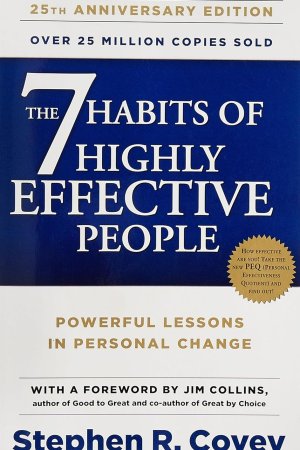
The 7 Habits of Highly Effective People by Stephen R. Covey – Blue Cover
Original price was: රු2,300.00.රු1,700.00Current price is: රු1,700.00.
3 X Rs. 566.67 or 8% Cashback with
or 3 X රු566.67 with
or up to 4 X රු425.00 with

Out of stock
Self-Help & Psychology
රු2,200.00
3 X Rs. 733.33 or 8% Cashback with
or 3 X රු733.33 with
or up to 4 X රු550.00 with
-34%

Self-Help & Psychology
Original price was: රු2,350.00.රු1,550.00Current price is: රු1,550.00.
3 X Rs. 516.67 or 8% Cashback with
or 3 X රු516.67 with
or up to 4 X රු387.50 with
Reviews
There are no reviews yet.