
No products in the cart.
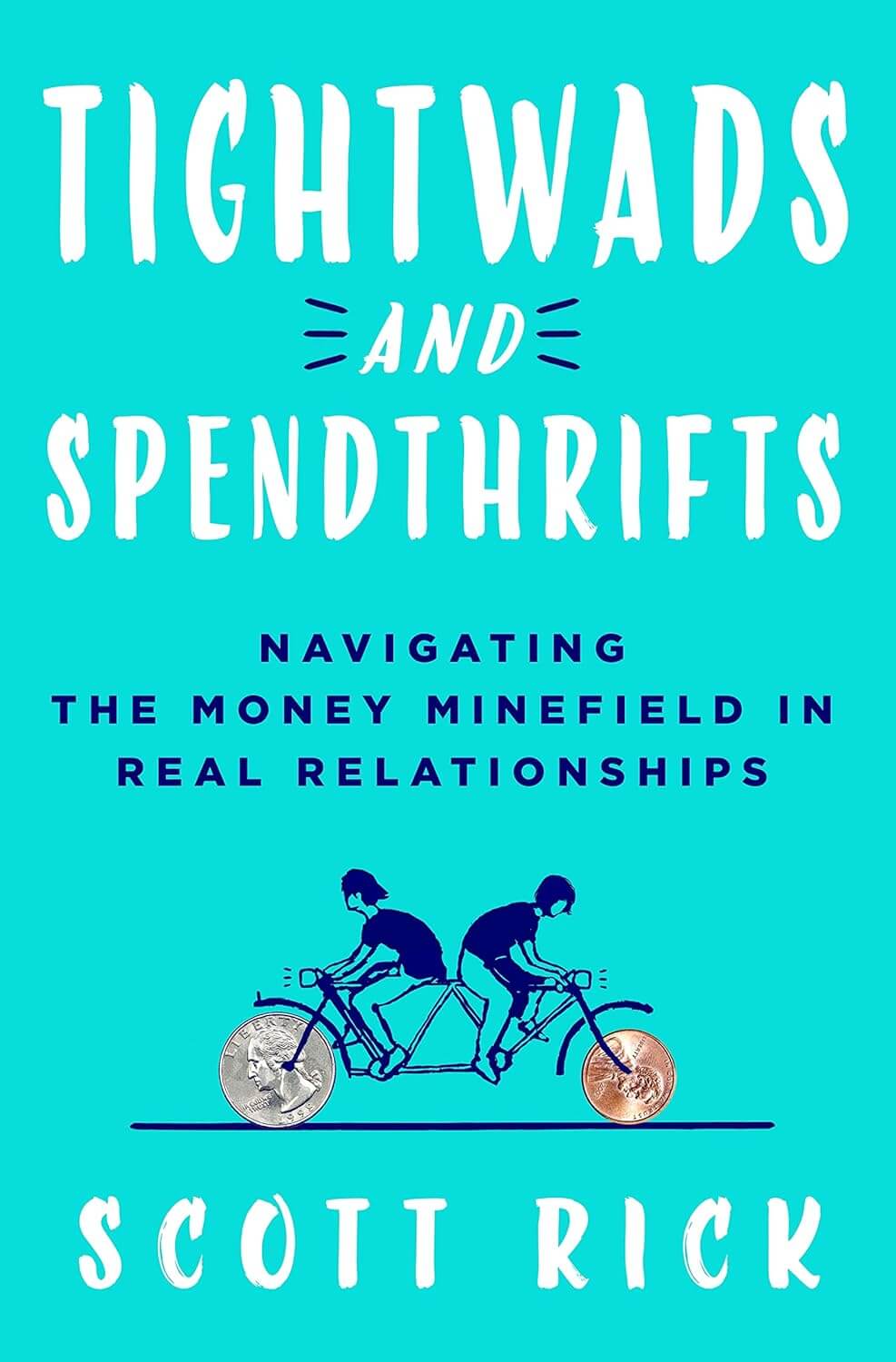
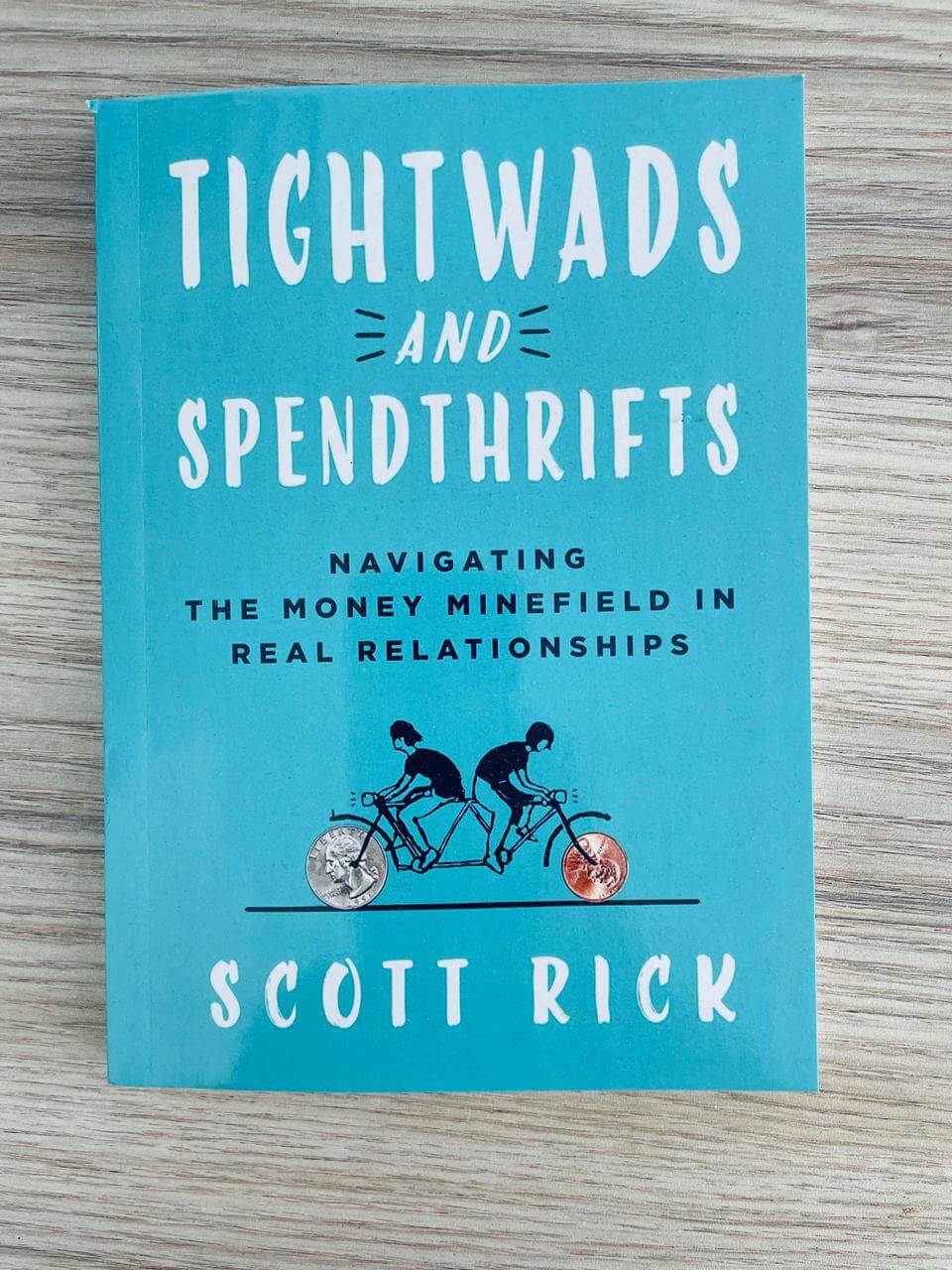
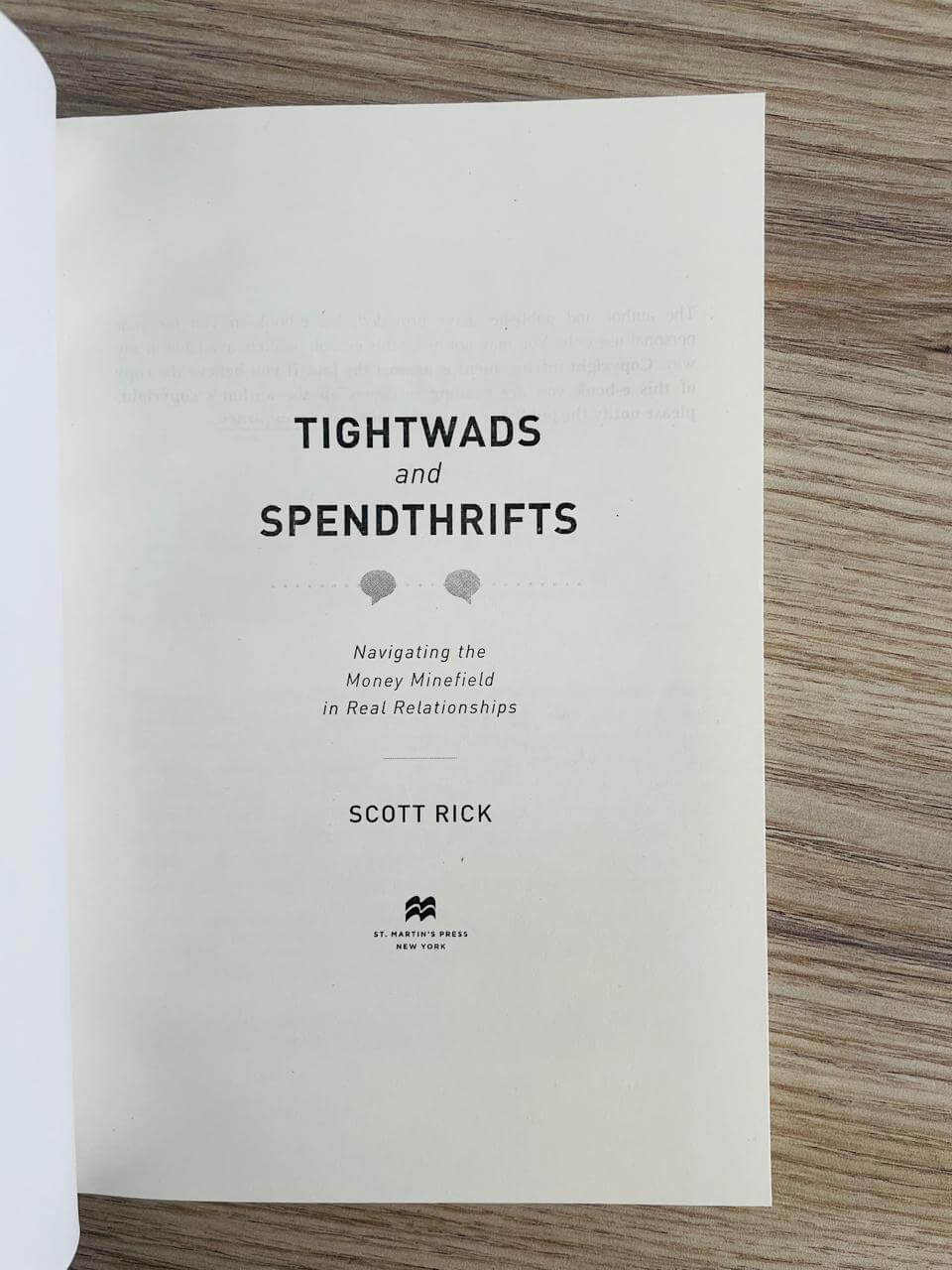
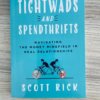




Tightwads and Spendthrifts: Navigating the Money Minefield in Real Relationships by Scott Rick

රු1,750.00
3 X Rs. 583.33 or 8% Cashback with


or 3 X රු583.33 with


or up to 4 X රු437.50 with


Book Details
- Title: Tightwads and Spendthrifts: Navigating the Money Minefield in Real Relationships
- Author: Scott Rick
- Genre: Personal Finance, Psychology, Self-Improvement
- Language: English
- Category: Finance & Relationships
- Topics Covered: Money Psychology, Relationships, Spending Habits, Behavioral Economics, Financial Communication
- Recommended For: Couples, Families, Financial Readers, Self-Improvement Enthusiasts
- Indian locally published copy
6 in stock
Tightwads and Spendthrifts by Scott Rick
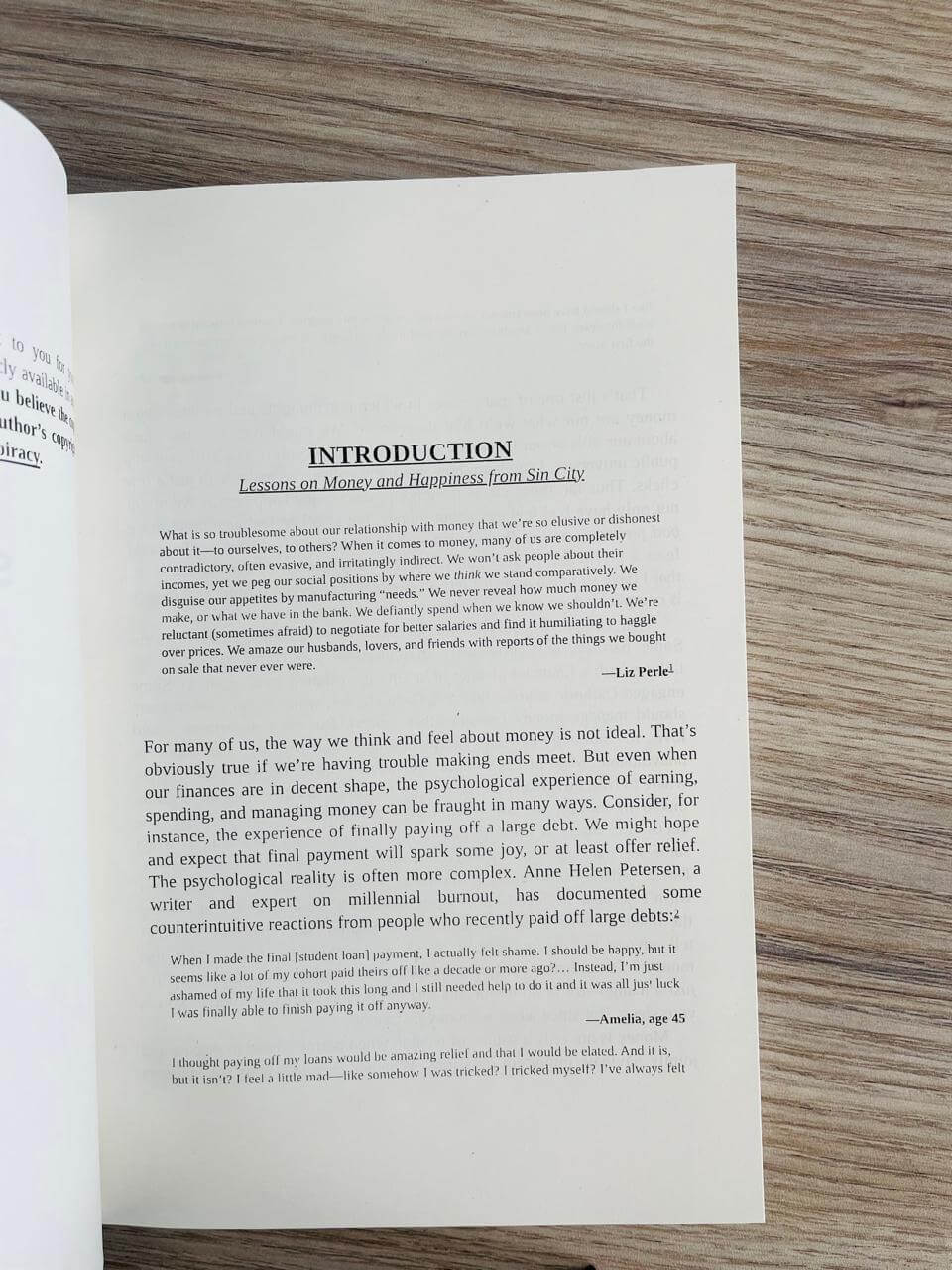
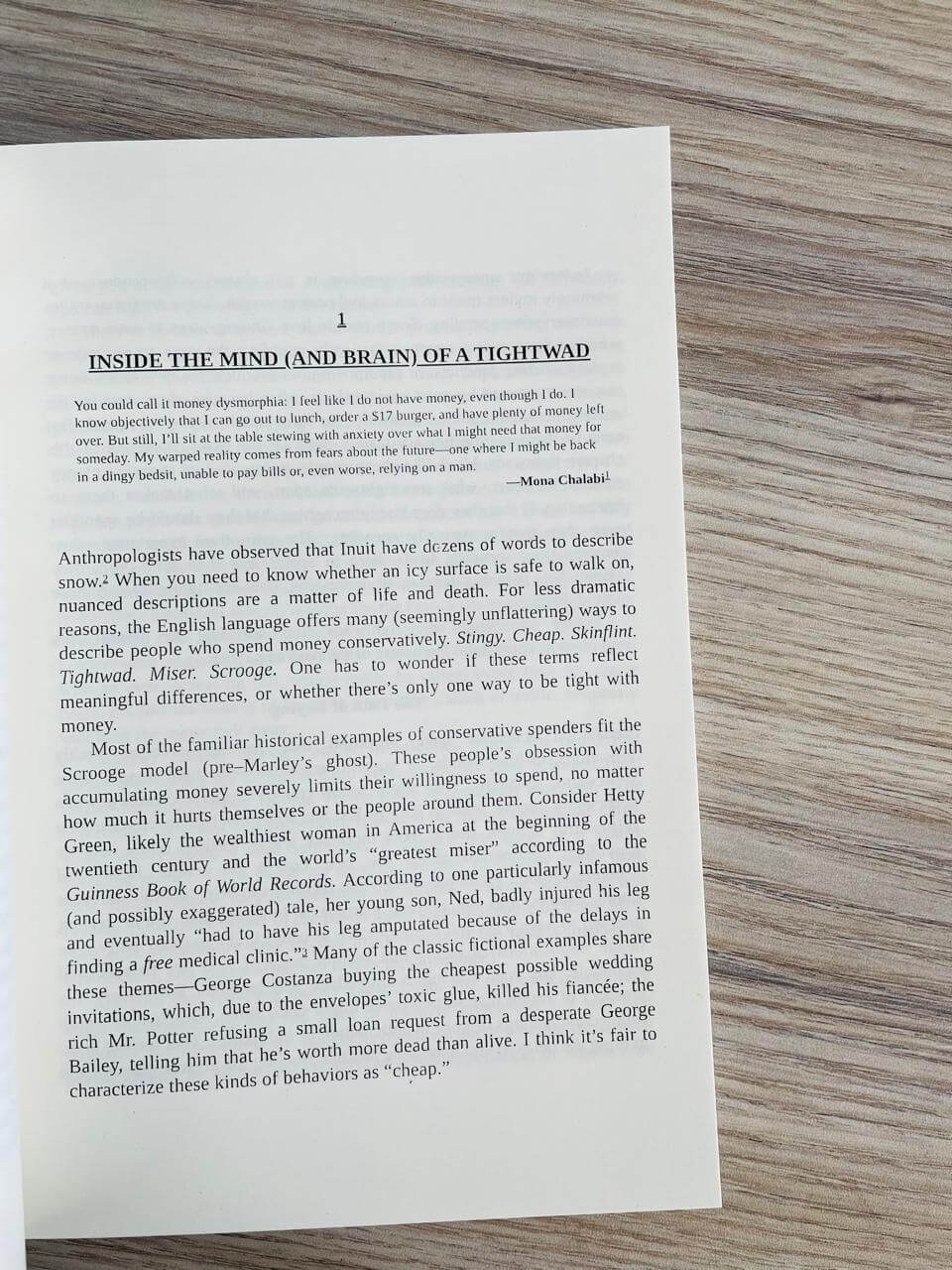
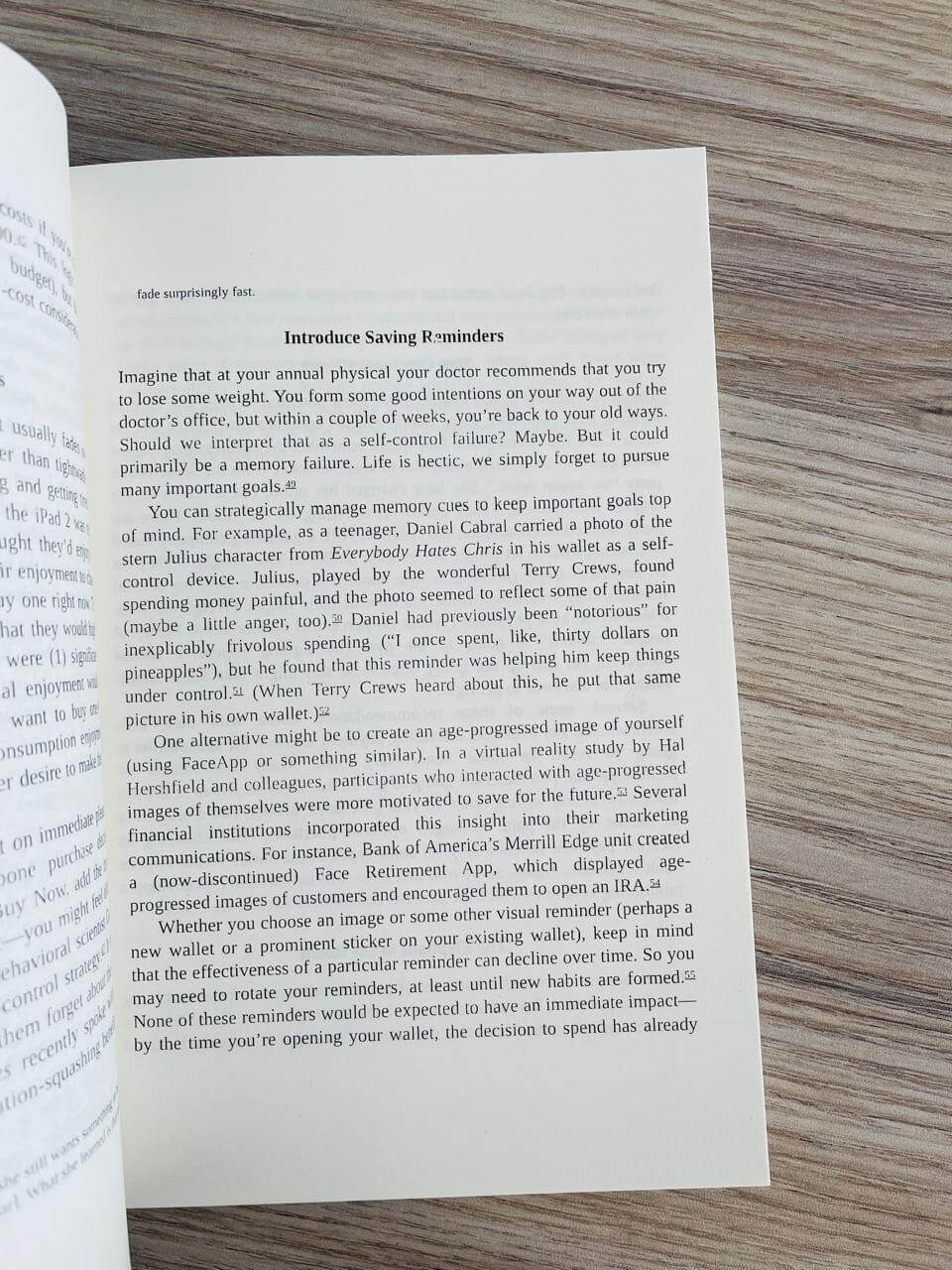
Tightwads and Spendthrifts by Scott Rick is a practical guide to understanding the psychology of money, spending habits, financial conflict, and how couples can make better money decisions together.
Money problems are rarely only about numbers.
Two people can earn similar incomes and still feel completely differently about spending.
One person may feel uncomfortable every time money leaves the bank account.
Another may find spending enjoyable and struggle to understand why their partner worries so much.
Scott Rick explores these differences through behavioral science and relationship psychology.
About Tightwads and Spendthrifts
Tightwads and Spendthrifts examines two broad spending tendencies.
Tightwads often experience a strong psychological “pain of paying.”
They may spend less than they would ideally like, even when they can comfortably afford something.
Spendthrifts experience less of that pain.
They may find it easier to spend and can sometimes spend more than they later believe was sensible.
Neither style is automatically better.
Both can create problems.
The challenge becomes especially interesting when a tightwad and a spendthrift enter a relationship together.
Why Couples Fight About Money
Financial disagreements often appear to be about a specific purchase.
But the deeper issue may be very different.
One partner may see spending as freedom.
The other may see it as risk.
One may value experiences.
The other may prioritize security.
These differences can create tension even when both people genuinely want the relationship to succeed.
Rick encourages couples to understand the psychology behind their money habits before trying to solve every disagreement with rules or budgets.
7 Powerful Lessons from Tightwads and Spendthrifts
1. Understand Your Own Money Personality
One of the most important lessons in Tightwads and Spendthrifts is self-awareness.
Before criticizing a partner’s spending, understand your own tendencies.
Do you feel guilty spending money even when you can afford it?
Do you regularly make purchases and regret them later?
Do you avoid financial conversations?
Recognizing your own pattern makes better communication possible.
2. Tightwads Are Not Simply “Good Savers”
Saving money can be valuable.
But extreme reluctance to spend can also create problems.
A tightwad may avoid experiences that would genuinely improve life.
They may refuse reasonable purchases.
They may also create tension by treating every expense as a threat.
The book shows that underspending can sometimes be as emotionally complicated as overspending.
3. Spendthrifts Are Not Simply Irresponsible
Spendthrifts can also be misunderstood.
They may value experiences, generosity, convenience, or enjoyment.
Their willingness to spend is not automatically evidence of carelessness.
However, spending without enough consideration can create debt or conflict.
The goal is not to shame either personality type.
It is to understand the strengths and risks of each.
4. Money Conversations Need Honesty
Couples sometimes avoid discussing money until a problem appears.
That can make the eventual argument much worse.
Tightwads and Spendthrifts encourages couples to talk about financial expectations early.
How much should be saved?
What purchases require discussion?
How should bills be divided?
What does financial security mean to each person?
Clear conversations reduce surprises.
5. Different Spending Styles Can Attract
Scott Rick’s research found that tightwads and spendthrifts can be attracted to one another.
At first, the difference may seem appealing.
A tightwad may admire a partner’s spontaneity.
A spendthrift may appreciate the other person’s discipline.
But those same differences can later become sources of frustration.
Understanding that pattern can help couples respond with more empathy.
6. Financial Decisions Are Emotional
Money decisions are rarely completely rational.
A person may understand mathematically that they can afford something and still feel anxious.
Another may know they should save and still feel a strong desire to spend.
Emotions influence financial behavior.
Recognizing that can make conversations more productive than simply telling someone they are “wrong.”
7. Couples Need Shared Financial Rules
Different personalities do not have to become identical.
Instead, couples can create systems that work for both people.
That may include joint accounts.
It may include separate personal spending allowances.
It may involve agreed savings goals.
A good system reduces the number of decisions that need to become arguments.
The Pain of Paying
One of the most interesting concepts in Tightwads and Spendthrifts is the “pain of paying.”
Paying for something can create emotional discomfort.
Some people experience that discomfort very strongly.
Others experience much less.
This difference can explain why two people react so differently to the same purchase.
A tightwad may think a dinner is unnecessarily expensive.
A spendthrift may focus more on the enjoyment of the experience.
Neither person is necessarily ignoring the price.
They simply experience the transaction differently.
Money and Happiness
The book also explores the connection between money and happiness.
Spending more does not automatically create happiness.
But refusing to spend can also reduce quality of life.
Money can support meaningful experiences.
It can create security.
It can reduce stress.
The important question is how spending aligns with personal values.
A useful financial life requires more than simply accumulating money.
It also requires knowing when money should be used.
Financial Compatibility
People often discuss romantic compatibility.
Financial compatibility receives less attention.
Yet money affects housing, travel, children, retirement, lifestyle, and daily decisions.
Two people do not need identical financial personalities.
But they do need a way to make decisions together.
That requires communication.
It also requires compromise.
Joint and Separate Money
Different couples organize finances in different ways.
Some combine everything.
Others keep finances mostly separate.
Many use a mixture.
Scott Rick explores how financial structure can influence relationships.
The best solution may depend on the personalities involved.
A system that works for one couple may fail for another.
The key is creating a structure that feels fair and understandable to both partners.
Who Gets the Final Say?
One of the hardest questions in financial relationships is whose opinion should matter most when partners disagree.
If one person wants to save and the other wants to spend, compromise is not always obvious.
Tightwads and Spendthrifts encourages couples to move beyond simply winning the argument.
They should consider the type of decision being made.
They should also consider long-term goals and each partner’s financial psychology.
This creates a more balanced approach.
Spending and Identity
Money habits can become part of identity.
Someone may proudly describe themselves as careful with money.
Another may see generosity and enjoyment as central values.
Conflict becomes more difficult when criticism of spending feels like criticism of identity.
Understanding this connection can help couples discuss money with less judgment.
Avoiding Financial Shame
Shame can make money problems worse.
A spender may hide purchases.
A saver may hide anxiety.
Both behaviors reduce trust.
Open conversations work better when partners can admit mistakes without expecting immediate humiliation.
The goal should be problem-solving.
Not punishment.
Creating a Financial Game Plan
A strong financial plan should reflect shared priorities.
Couples can discuss savings targets.
They can establish spending limits.
They can create categories for personal purchases.
They can also decide which large expenses require agreement.
The more clearly these expectations are defined, the fewer decisions need to become stressful negotiations.
Who Should Read This Book?
Tightwads and Spendthrifts is ideal for couples, married partners, people preparing for long-term relationships, and readers interested in behavioral economics.
It may also appeal to people interested in personal finance psychology.
Financial advisors may find the concepts useful when working with couples.
Anyone who has wondered why another person thinks so differently about money may find the book especially valuable.
About Scott Rick
Scott Rick is a behavioral scientist and marketing professor at the University of Michigan’s Ross School of Business.
His research focuses on consumer behavior, spending psychology, financial decision-making, and relationships.
He is especially known for research into the tightwad-spendthrift spectrum and the psychological “pain of paying.”
Readers can learn more through the official Macmillan page for Tightwads and Spendthrifts.
Product Details
Title: Tightwads and Spendthrifts
Subtitle: Navigating the Money Minefield in Real Relationships
Author: Scott Rick
Genre: Personal Finance / Behavioral Economics / Relationships / Psychology
Language: English
Publisher: St. Martin’s Press
Publication Date: January 9, 2024
Print ISBN-13: 9781250280077
Format: Hardcover
Pages: Approximately 230–240 pages depending on cataloguing source
The publisher and Google Books list the book at 240 pages, while some library catalogues record 230 pages.
Always check the page count and format printed on your physical copy before entering final WooCommerce specifications.
Explore More Finance and Psychology Books
Tightwads and Spendthrifts shows that financial conflict is often more psychological than mathematical.
One person may fear spending.
Another may struggle to slow down.
Both can benefit from understanding why they behave the way they do.
The book encourages couples to communicate openly, create shared systems, and make financial decisions that respect both personalities.
Readers interested in money, behavioral economics, and financial decision-making can explore more Business, Finance & Economics Books at Bargain Books.
Readers interested in relationships and behavior can also explore Self-Help & Psychology Books at Bargain Books.
For anyone who wants to understand why couples argue about money and how different spending personalities can work together, Tightwads and Spendthrifts offers a research-based and practical guide.
Be the first to review “Tightwads and Spendthrifts: Navigating the Money Minefield in Real Relationships by Scott Rick”
Related products
-34%

Self-Help & Psychology
Original price was: රු2,350.00.රු1,550.00Current price is: රු1,550.00.
3 X Rs. 516.67 or 8% Cashback with
or 3 X රු516.67 with
or up to 4 X රු387.50 with
-13%
Out of stock
Non-Fiction & Knowledge
Original price was: රු3,900.00.රු3,400.00Current price is: රු3,400.00.
3 X Rs. 1,133.33 or 8% Cashback with
or 3 X රු1,133.33 with
or up to 4 X රු850.00 with
-26%
Non-Fiction & Knowledge
The 7 Habits of Highly Effective People by Stephen R. Covey – Blue Cover
Original price was: රු2,300.00.රු1,700.00Current price is: රු1,700.00.
3 X Rs. 566.67 or 8% Cashback with
or 3 X රු566.67 with
or up to 4 X රු425.00 with
Out of stock
Self-Help & Psychology
රු1,900.00
3 X Rs. 633.33 or 8% Cashback with
or 3 X රු633.33 with
or up to 4 X රු475.00 with
-34%
Non-Fiction & Knowledge
Original price was: රු2,250.00.රු1,490.00Current price is: රු1,490.00.
3 X Rs. 496.67 or 8% Cashback with
or 3 X රු496.67 with
or up to 4 X රු372.50 with

Non-Fiction & Knowledge
රු1,900.00
3 X Rs. 633.33 or 8% Cashback with
or 3 X රු633.33 with
or up to 4 X රු475.00 with
-24%
Non-Fiction & Knowledge
Original price was: රු2,300.00.රු1,750.00Current price is: රු1,750.00.
3 X Rs. 583.33 or 8% Cashback with
or 3 X රු583.33 with
or up to 4 X රු437.50 with
-19%
Out of stock
Non-Fiction & Knowledge
Original price was: රු2,650.00.රු2,150.00Current price is: රු2,150.00.
3 X Rs. 716.67 or 8% Cashback with
or 3 X රු716.67 with
or up to 4 X රු537.50 with
Reviews
There are no reviews yet.