
No products in the cart.
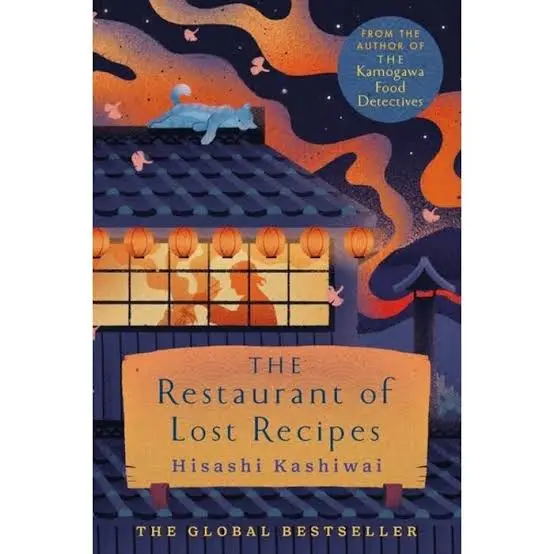
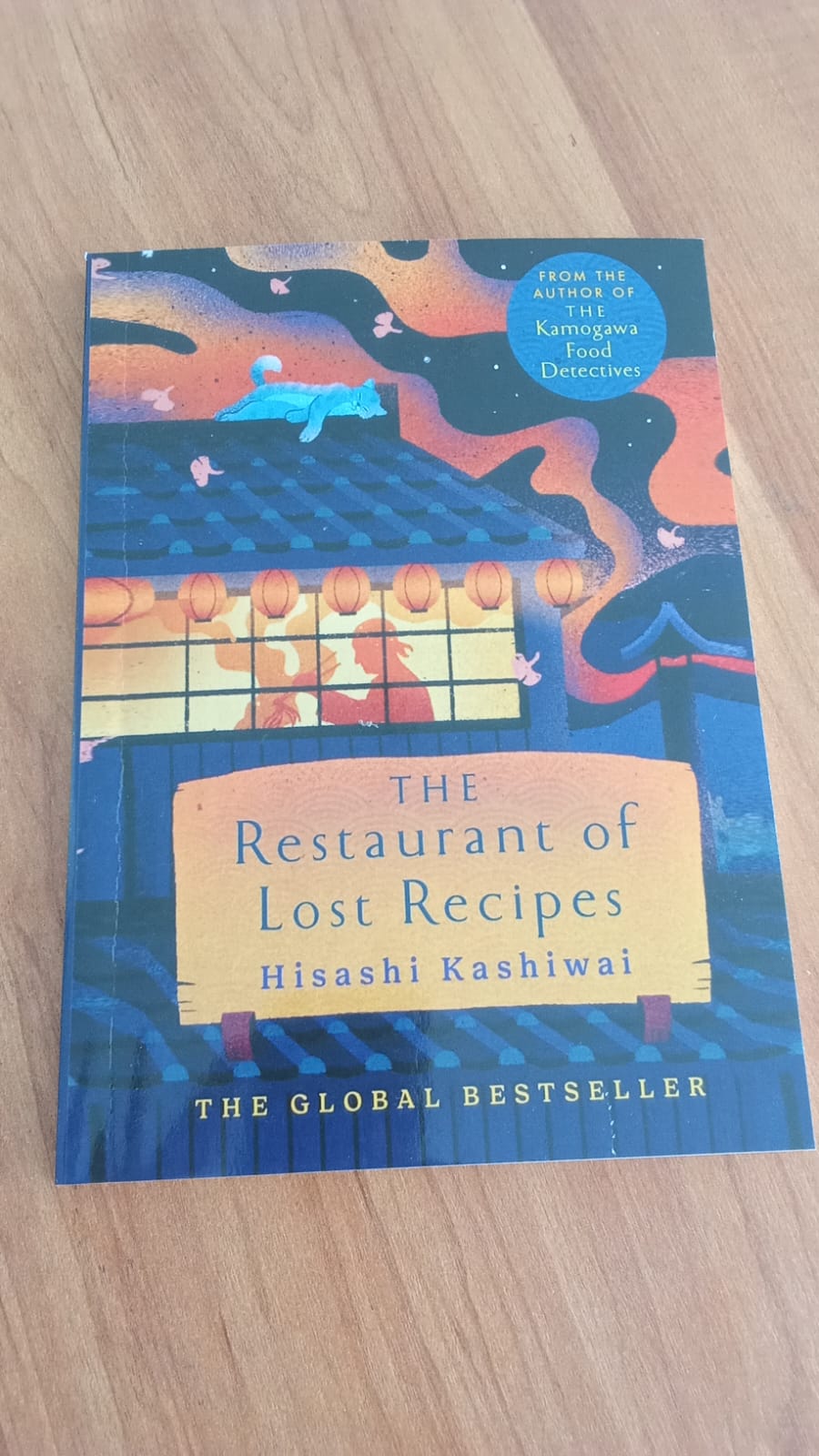
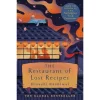
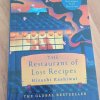

Restaurant Of Lost Recipes by Hisashi Kashiwai


රු1,450.00
3 X Rs. 483.33 or 8% Cashback with


or 3 X රු483.33 with


or up to 4 X රු362.50 with


The Restaurant of Lost Recipes by Hisashi Kashiwai is the heartwarming second book in the Kamogawa Food Detectives series. Hidden down a quiet Kyoto backstreet, chef Nagare Kamogawa and his daughter Koishi help customers recreate dishes from their most treasured memories. From a father’s long-lost bento lunch to a celebratory plate of tempura, each culinary mystery reveals stories of family, grief, regret, love and healing. Translated by Jesse Kirkwood, this cozy Japanese novel is perfect for readers who enjoy food-centered fiction, emotional mysteries and comforting stories in the style of Before the Coffee Gets Cold.
Out of stock
Email when stock available
Category: Contemporary Fiction
The Restaurant of Lost Recipes by Hisashi Kashiwai is a warm, comforting Japanese novel about food, memory, family and the extraordinary emotional power of tasting a beloved dish from the past one more time.
Hidden down a quiet Kyoto backstreet is the Kamogawa Diner.
It does not advertise like an ordinary restaurant.
It is not easy to find.
And the people who eventually arrive there are usually searching for much more than lunch.
The diner is run by Nagare Kamogawa, a talented chef and former detective, together with his daughter Koishi.
Together, they have created an unusual service.
They are food detectives.
Customers arrive with memories of meals they can no longer recreate.
A lunchbox prepared by a parent.
A dish connected with a lost relationship.
A celebration meal from a better time.
A taste from childhood.
Often, the customer does not know the complete recipe.
Sometimes they barely remember the ingredients.
What they remember is the feeling.
Nagare and Koishi listen.
Ask questions.
Investigate.
Follow clues.
Then attempt to recreate the lost dish as accurately as possible.
But the meal is rarely only about food.
When customers finally taste what they have been searching for, they often rediscover something about themselves.
The Restaurant of Lost Recipes by Hisashi Kashiwai turns cooking into a form of emotional investigation, showing how taste can unlock memories that have remained buried for years.
The Restaurant of Lost Recipes by Hisashi Kashiwai – Book Overview
The Restaurant of Lost Recipes by Hisashi Kashiwai is the second English-language installment in the Kamogawa Food Detectives series.
The first book, The Kamogawa Food Detectives, introduces Nagare, Koishi and their unusual Kyoto restaurant.
This second volume returns to the same comforting setting with a new group of customers searching for meals from their past.
Pan Macmillan describes the series as interconnected but readable separately, meaning readers can enjoy this volume on its own, although beginning with Book 1 provides more familiarity with Nagare and Koishi.
The Kamogawa Diner
The Kamogawa Diner is the emotional center of the series.
At first glance, it is simply a restaurant.
But its real purpose is unusual.
People come because they want to recover something they thought was gone.
Not an expensive gourmet dish.
Not necessarily something famous.
Often, the requested food is ordinary.
That is exactly why it matters.
A simple meal can carry decades of memory.
Nagare Kamogawa
Nagare is both chef and investigator.
His previous detective experience helps him reconstruct missing details.
A customer may remember:
Where they ate.
Who cooked.
What season it was.
A particular smell.
A side dish.
A type of container.
One small ingredient.
Nagare treats those fragments like clues.
Then he investigates until the forgotten meal becomes possible again.
Koishi Kamogawa
Koishi usually handles the initial conversations with customers.
She listens carefully to what they remember and what they leave unsaid.
Her role matters because the true reason someone wants a dish may be more complicated than the request itself.
A customer may say:
“I want to taste this meal again.”
What they may really mean is:
“I want to understand my father.”
“I want to remember who I used to be.”
“I want to say goodbye.”
“I want to know whether I made the right choice.”
Food becomes the doorway into those deeper emotions.
Food as Memory
One of the strongest ideas in The Restaurant of Lost Recipes by Hisashi Kashiwai is that memory is sensory.
A smell can bring back childhood.
A flavour can remind you of someone who died.
A particular texture can return you to a kitchen you have not entered for decades.
Memory does not always arrive through deliberate thinking.
Sometimes it arrives through taste.
Why Certain Meals Matter So Much
A favourite meal can contain far more than ingredients.
It may contain:
A parent waking early to prepare lunch.
A celebration after good news.
A family gathering.
A difficult goodbye.
A childhood routine.
A person who is no longer present.
That is why recreating a lost recipe can become emotionally powerful.
The Olympic Swimmer
One of the memorable customers is a young swimmer who longs for the bento lunchbox his estranged father once prepared for him.
At first, the request sounds culinary.
But the emotional story behind it involves family, distance and unresolved feelings.
The meal becomes a way of examining a relationship he has not fully understood.
The Former Pop Star
Another customer is a singer whose career never developed the way she once hoped.
She remembers the tempura she ate when celebrating her only successful record.
Recreating the dish means revisiting a moment when the future still seemed open.
That creates a difficult question:
Do we want to return to the past because it was truly better?
Or because memory has made it feel better?
Nostalgia
Nostalgia is central to The Restaurant of Lost Recipes by Hisashi Kashiwai.
But the book does not simply argue that the past was perfect.
Sometimes memory becomes idealized.
A dish may bring comfort.
It may also reveal regret.
The act of remembering can therefore help someone move forward instead of remaining trapped in what used to be.
Healing Fiction
The novel fits comfortably within the growing category often described as healing fiction.
These books frequently feature:
Gentle pacing.
Everyday settings.
Small communities.
Emotional problems rather than huge external battles.
Hope.
Food or cafés.
Personal transformation.
Readers who enjoy Before the Coffee Gets Cold may find a similar emotional comfort here, though the premise and characters are distinct. The publisher itself recommends the series to fans of that book.
Is There Magic?
The Kamogawa Food Detectives series can sometimes feel magical because of how precisely Nagare reconstructs forgotten dishes.
But The Restaurant of Lost Recipes by Hisashi Kashiwai is not primarily a fantasy novel.
The “magic” comes from:
Research.
Cooking.
Memory.
Human understanding.
That makes the emotional effect feel grounded.
A Cozy Mystery Element
The novel also contains a light mystery structure.
Each customer brings a culinary puzzle.
What exactly was the dish?
Who prepared it?
Where did the ingredients come from?
Why did it taste the way it did?
Nagare investigates these questions almost like a detective solving a case.
Penguin Random House categorizes the book under literary fiction and cozy mystery.
Food Detectives
The phrase food detectives perfectly describes the Kamogawas.
Their investigations involve more than finding recipes online.
The meals are personal.
A dish may depend on:
A regional ingredient.
An old shop.
A specific cooking technique.
A family habit.
A seasonal product.
Even the exact environment in which it was eaten.
The detective work becomes a form of reconstructing personal history.
Food and Identity
Food can reveal where someone comes from.
What their family valued.
What region shaped them.
What memories they carry.
A person may forget exact conversations but still remember:
Mother’s soup.
Father’s lunchbox.
Grandmother’s sweets.
A dish served after school.
That connection makes food part of identity.
Kyoto
Kyoto provides the perfect setting for The Restaurant of Lost Recipes by Hisashi Kashiwai.
The city is associated with:
Tradition.
Seasonal cuisine.
Old neighbourhoods.
Historic restaurants.
Craftsmanship.
The quiet backstreet setting makes the Kamogawa Diner feel like a place someone discovers when they truly need it.
Japanese Cuisine
Food descriptions are one of the pleasures of the novel.
Readers encounter Japanese dishes prepared with attention to:
Season.
Ingredients.
Presentation.
Texture.
Memory.
The novel is therefore likely to appeal strongly to food lovers.
Comfort Food
Comfort food does not need to be sophisticated.
What makes it comforting is usually personal association.
One person’s perfect comfort meal may mean nothing to someone else.
The Kamogawa Diner understands this.
The most important meal is not necessarily the chef’s most impressive recipe.
It is the meal the customer cannot forget.
Parents and Children
Family relationships appear repeatedly in The Restaurant of Lost Recipes by Hisashi Kashiwai.
Parents often express love through food without saying it directly.
A packed lunch.
A favourite dinner.
A snack waiting after school.
Years later, those small gestures can become more meaningful than they seemed at the time.
The Things We Understand Too Late
Children may not understand why parents behaved a certain way.
Parents may struggle to communicate.
People move apart.
Years pass.
Then one memory suddenly becomes important.
Food can become the evidence of love that was never properly explained.
Regret
Several customers arrive carrying regret.
What if I had chosen differently?
What if I had spoken sooner?
What if I understood that person better?
Food cannot rewrite the past.
But revisiting a memory may change how someone understands it.
Closure
This is an important distinction.
The Kamogawa Diner cannot bring the past back permanently.
Instead, it gives customers a chance to look at that past more clearly.
Sometimes closure does not mean forgetting.
It means finally understanding.
Grief
Grief also runs through several stories.
Food often becomes connected to people who are no longer alive.
Recreating a dish can temporarily restore a sense of closeness.
The book treats these emotions gently rather than sensationally.
Home
One of the most beautiful questions raised by The Restaurant of Lost Recipes by Hisashi Kashiwai is:
What does home taste like?
For one person, it might be soup.
For another, fried rice.
For another, cake.
Home is not always an address.
Sometimes home is a flavour.
Community
The Kamogawa Diner also represents community.
Customers arrive individually, but their stories form part of a larger pattern.
Everyone has lost something.
Everyone remembers something.
Everyone hopes food might reconnect them with a part of life they thought had disappeared.
Listening
Koishi and Nagare do something very simple that is surprisingly powerful.
They listen.
They do not immediately judge the customer.
They gather information.
Ask thoughtful questions.
This allows people to tell stories they may not have discussed for years.
Why Listening Matters
People often begin solving emotional problems simply by explaining them carefully.
A story becomes clearer when spoken aloud.
Sometimes the customer realizes the requested dish represents something deeper before the investigation is even complete.
Cooking as Care
Preparing food for another person is one of the oldest forms of care.
Someone chooses ingredients.
Uses time.
Pays attention.
Serves something meant specifically for you.
The novel repeatedly shows how cooking can communicate emotions that people struggle to express directly.
The Father-Daughter Relationship
Nagare and Koishi’s own relationship provides continuity between the different customer stories.
They are not simply employees solving cases.
They are family.
Their interactions add warmth, humour and emotional depth.
Is The Restaurant of Lost Recipes a Romance?
No.
There are stories involving love and relationships, but The Restaurant of Lost Recipes by Hisashi Kashiwai is primarily contemporary/healing fiction with light mystery elements.
Readers looking specifically for a central romance should know that romance is not the main focus.
Is It a Mystery?
Yes, but not in the traditional murder-mystery sense.
Each chapter has a food-related mystery:
What was the dish?
How was it prepared?
Where did it come from?
What emotional truth is connected to it?
The mystery structure is gentle and character-focused.
Is It Sad?
Parts can be emotional.
Characters deal with:
Grief.
Estrangement.
Regret.
Lost relationships.
Death.
Disappointment.
But the overall tone is hopeful and comforting rather than bleak.
Is It a Standalone?
It can be read independently, but it is officially Book 2.
The series begins with:
Book 1 – The Kamogawa Food Detectives
Book 2 – The Restaurant of Lost Recipes
Penguin Random House and Pan Macmillan both identify this volume as the second book.
Do You Need to Read The Kamogawa Food Detectives First?
Not strictly.
Pan Macmillan describes the books as interconnected stories that can be read separately.
However, I recommend reading The Kamogawa Food Detectives first if you want to understand Nagare, Koishi and the diner from their introduction.
Similar Books
Readers who enjoy The Restaurant of Lost Recipes by Hisashi Kashiwai may also enjoy books centered around comforting Japanese settings, memory and everyday emotional transformation.
Its publisher specifically positions it for readers of Before the Coffee Gets Cold.
Hisashi Kashiwai
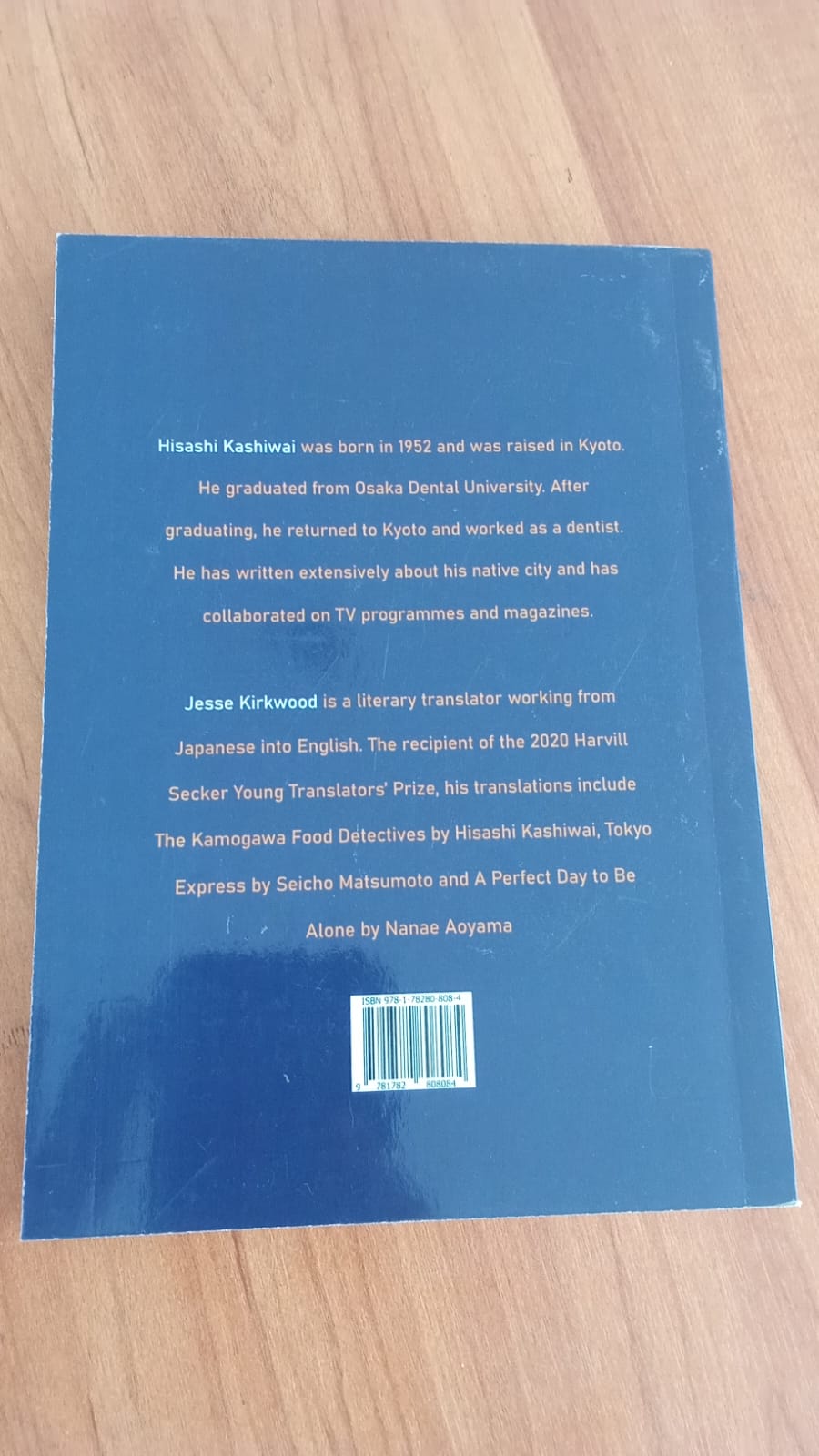
Hisashi Kashiwai was born in 1952 and raised in Kyoto.
He studied at Osaka Dental University and later worked as a dentist in Kyoto.
He has also written extensively about his native city and contributed to television programs and magazines.
His close connection with Kyoto helps give the Kamogawa stories their strong sense of place.
Jesse Kirkwood
Jesse Kirkwood is the English-language translator, not the co-author.
He translates literature from Japanese into English and has also translated titles including Tokyo Express, The Blanket Cats and The Full Moon Coffee Shop.
For your WooCommerce listing, I recommend:
Author: Hisashi Kashiwai
Translator: Jesse Kirkwood
rather than putting both names in the Author field.
Edition Details
Because several English editions exist, use the information printed on your exact physical copy.
Verified editions include:
U.S. Hardcover
- Publisher: G.P. Putnam’s Sons
- ISBN: 9780593717790
- 224 pages
- Published October 8, 2024
UK Paperback
- Publisher: Pan Books
- ISBN: 9781035009640
- 224 pages
- Published April 3, 2025
UK Hardback
- Publisher: Mantle
- ISBN: 9781035009626
- Published October 3, 2024
Your procurement file currently lists 9781035032433, which I could not verify against the publisher records I found.
So check your physical barcode before publishing the ISBN.
Content Considerations
The Restaurant of Lost Recipes by Hisashi Kashiwai is generally gentle, but it includes emotional themes such as:
- Grief and bereavement
- Death of loved ones
- Estranged parents and children
- Regret
- Relationship loss
- Career disappointment
- Family conflict
- Loneliness
- Memories of people who are no longer alive
These themes are handled in a warm, reflective way rather than through graphic or disturbing material.
Important Themes
The Restaurant of Lost Recipes by Hisashi Kashiwai explores:
- Food and memory
- Family
- Japanese cuisine
- Nostalgia
- Grief
- Healing
- Kyoto
- Parents and children
- Regret
- Reconciliation
- Identity
- Home
- Love
- Cooking
- Community
- Lost recipes
- Second chances
- Understanding the past
- Comfort food
- Human connection
7 Heartwarming Reasons to Read The Restaurant of Lost Recipes by Hisashi Kashiwai
- Every meal carries an emotional mystery. The Kamogawas do not simply recreate recipes—they investigate the memories, places and relationships connected to them.
- The Kyoto setting creates a wonderful cozy atmosphere. The hidden backstreet diner feels like somewhere readers could stumble upon while wandering through the city.
- Food becomes a language of love and memory. A lunchbox, tempura or simple home-cooked meal can reveal emotions that characters were never able to express directly.
- The stories are emotional without becoming overwhelmingly dark. Grief, regret and estrangement are explored gently, with healing and understanding always remaining possible.
- Nagare and Koishi make a lovable father-daughter team. Their combination of culinary skill, detective work and warm conversation gives the series its unique personality.
- It is perfect for fans of comforting Japanese fiction. Readers who enjoy reflective, food-centered stories such as Before the Coffee Gets Cold are likely to appreciate its warm episodic structure.
- It reminds us that ordinary moments can become our most important memories. The meals customers seek are rarely luxurious. They matter because of who prepared them and what was happening in their lives at the time.
Why Read The Restaurant of Lost Recipes by Hisashi Kashiwai?
The Restaurant of Lost Recipes by Hisashi Kashiwai is an excellent choice for readers interested in Japanese fiction, cozy books, healing fiction, food novels, family stories, culinary mysteries and emotionally comforting reads.
It may especially appeal to readers who enjoy stories about:
Food.
Memory.
Kyoto.
Family.
Parents and children.
Nostalgia.
Second chances.
Quiet emotional transformation.
The novel does not depend on huge plot twists or nonstop action.
Its pleasure comes from smaller discoveries.
A forgotten ingredient.
An old restaurant.
A childhood memory.
A realization about a parent.
A meal finally understood years after it was first eaten.
Who Should Read This Book?
The Restaurant of Lost Recipes by Hisashi Kashiwai may especially appeal to:
- Fans of Japanese fiction
- Food lovers
- Readers of healing fiction
- Fans of Before the Coffee Gets Cold
- Readers who enjoyed The Kamogawa Food Detectives
- Cozy mystery readers
- Readers interested in Kyoto and Japanese culture
- People who enjoy emotional family stories
- Readers who prefer gentle, character-driven fiction
- Anyone who associates certain foods with important people or memories
The Restaurant of Lost Recipes by Hisashi Kashiwai – Every Memory Has a Flavour
The Restaurant of Lost Recipes by Hisashi Kashiwai begins with an idea almost everyone can understand.
There is probably a meal you remember.
Maybe you have not eaten it in years.
Perhaps nobody makes it anymore.
Maybe the person who cooked it is gone.
You may not remember every ingredient.
You may not even remember exactly how it tasted.
But you remember how you felt.
That is the kind of memory Nagare and Koishi investigate.
Customers enter the Kamogawa Diner believing they are searching for food.
Often they discover they are searching for something else.
A parent.
A lost version of themselves.
A moment before life changed.
Forgiveness.
Understanding.
Closure.
The remarkable thing is that the Kamogawas cannot change history.
They cannot undo a broken relationship.
They cannot bring someone back from the dead.
They cannot restore a lost career.
What they can do is recreate one sensory doorway into the past.
A taste.
A smell.
A plate placed on a table.
And sometimes that is enough for someone to see their own story differently.
That is what makes The Restaurant of Lost Recipes by Hisashi Kashiwai such a comforting novel.
It understands that food is never only food.
Recipes carry people.
Places.
Seasons.
Conversations.
Love.
Arguments.
Loss.
Years can disappear, but one familiar flavour can suddenly bring everything back.
For readers who enjoy warm Japanese fiction, comforting food stories, quiet mysteries and novels about memory and human connection, The Restaurant of Lost Recipes by Hisashi Kashiwai is a gentle reminder that sometimes the thing we think we have lost is still waiting somewhere inside us.
Learn more about The Restaurant of Lost Recipes by Hisashi Kashiwai on the official Penguin Random House website.
Explore more Japanese fiction and feel-good books at Bargain Books.
Be the first to review “Restaurant Of Lost Recipes by Hisashi Kashiwai” Cancel reply
Related products

Contemporary Fiction
රු2,300.00
Purchase & earn 23 points!
3 X Rs. 766.67 or 8% Cashback with
or 3 X රු766.67 with
or up to 4 X රු575.00 with

රු1,950.00
Purchase & earn 20 points!
3 X Rs. 650.00 or 8% Cashback with
or 3 X රු650.00 with
or up to 4 X රු487.50 with

Out of stock
Contemporary Fiction
රු1,600.00
Purchase & earn 16 points!
3 X Rs. 533.33 or 8% Cashback with
or 3 X රු533.33 with
or up to 4 X රු400.00 with

Contemporary Fiction
රු1,900.00
Purchase & earn 19 points!
3 X Rs. 633.33 or 8% Cashback with
or 3 X රු633.33 with
or up to 4 X රු475.00 with
-29%

Classics & Literary Fiction
3 X Rs. 500.00 or 8% Cashback with
or 3 X රු500.00 with
or up to 4 X රු375.00 with

Out of stock
Contemporary Fiction
රු1,600.00
Purchase & earn 16 points!
3 X Rs. 533.33 or 8% Cashback with
or 3 X රු533.33 with
or up to 4 X රු400.00 with
-7%

Contemporary Fiction
3 X Rs. 833.33 or 8% Cashback with
or 3 X රු833.33 with
or up to 4 X රු625.00 with

Out of stock
Classics & Literary Fiction
රු1,800.00
Purchase & earn 18 points!
3 X Rs. 600.00 or 8% Cashback with
or 3 X රු600.00 with
or up to 4 X රු450.00 with
Reviews
There are no reviews yet.