No products in the cart.
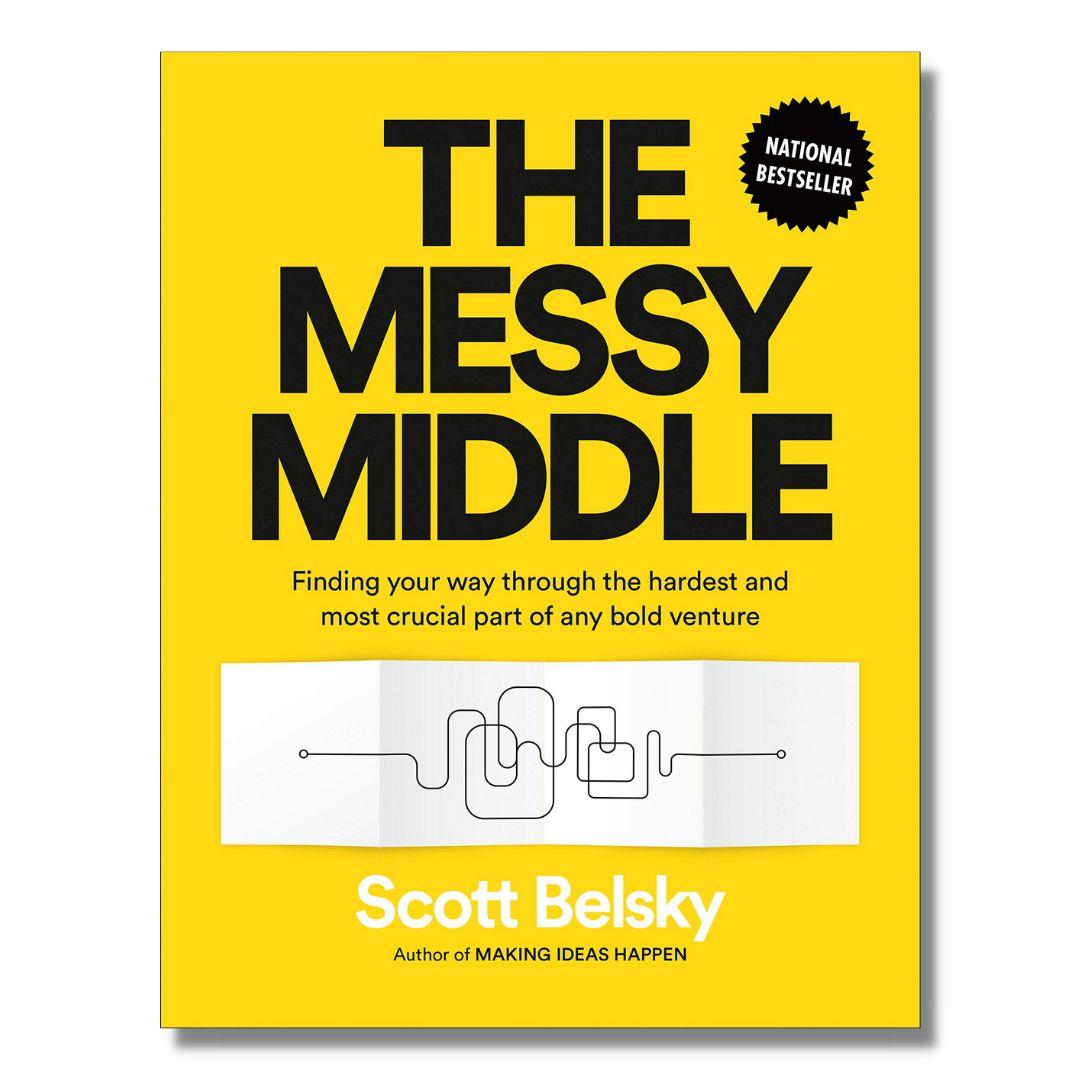
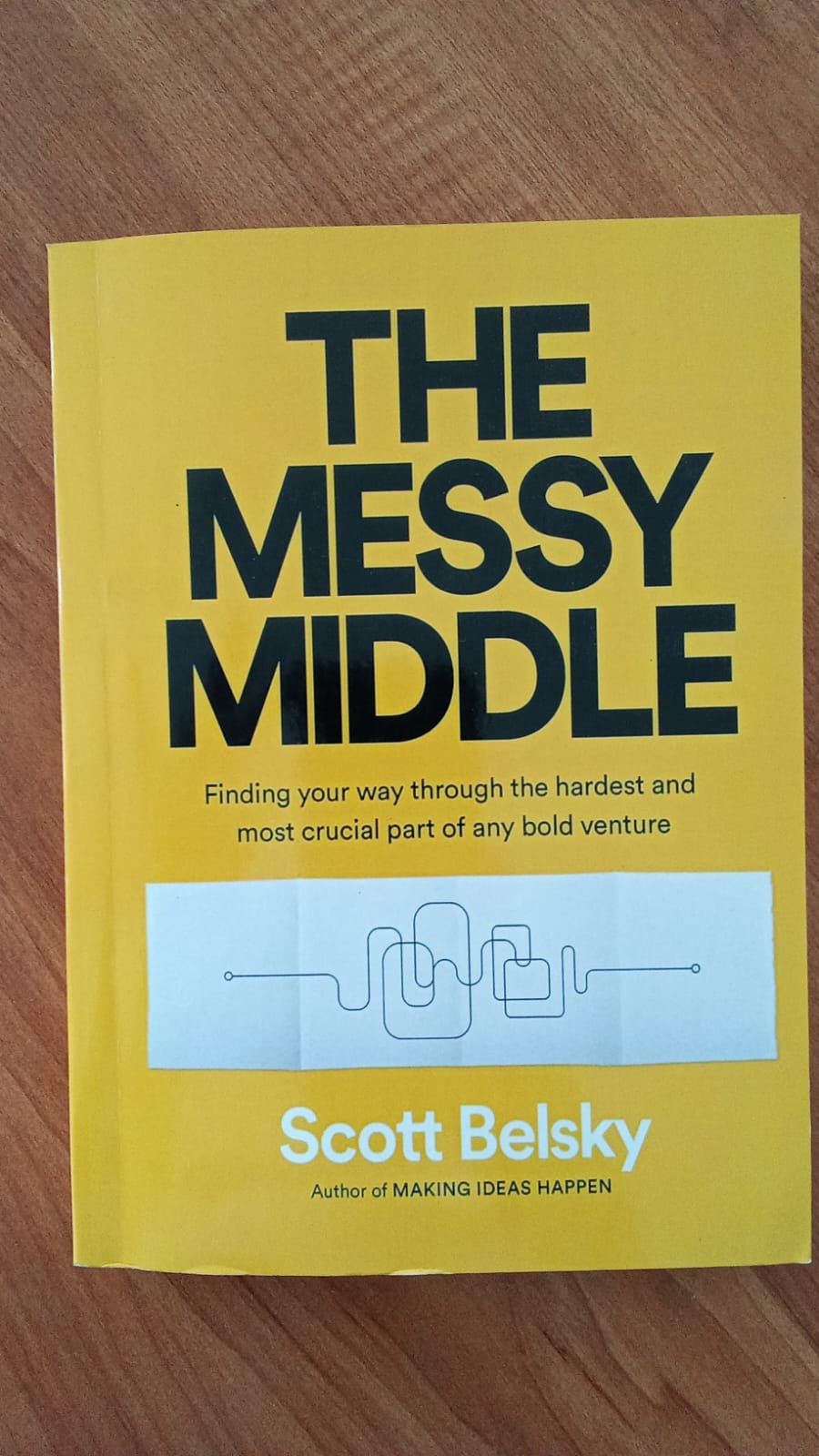
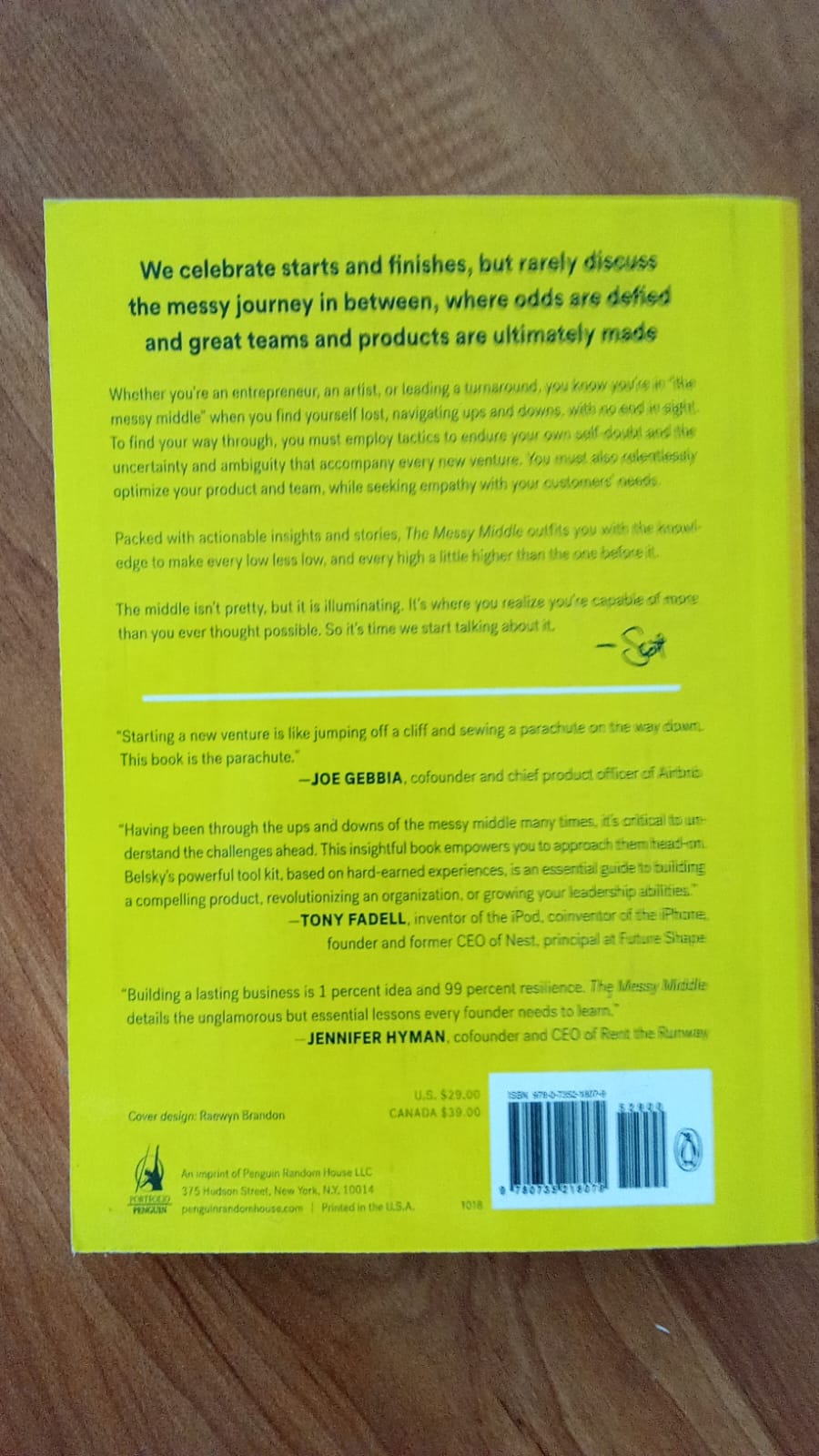
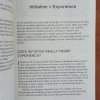

Messy Middle by Scott Belsky
රු2,500.00
3 X Rs. 833.33 or 8% Cashback with


or 3 X රු833.33 with


or up to 4 X රු625.00 with


The Messy Middle by Scott Belsky is a practical entrepreneurship and leadership guide to navigating the difficult stage between starting an ambitious venture and successfully finishing it. Organized around more than 100 lessons on Enduring, Optimizing and Finishing, Scott Belsky explores resilience, product development, hiring, customer needs, leadership, focus, failure, scaling and execution. Ideal for entrepreneurs, startup founders, managers, creators and anyone working through the unpredictable middle of a bold business or creative project.
6 in stock
Messy Middle – Book Description
The Messy Middle by Scott Belsky is a practical business and entrepreneurship guide to surviving, understanding and mastering the most difficult part of any ambitious journey—the long, unpredictable stretch between an exciting beginning and a successful finish.
People love beginnings.
A new business launches.
A creative idea appears.
A startup raises money.
A new product begins development.
Everyone feels excited.
People also love endings.
The company succeeds.
The product launches.
The project receives recognition.
The entrepreneur sells the business.
The goal is achieved.
But between those two moments is the part rarely celebrated:
The messy middle.
This is where:
Motivation changes.
Plans fail.
Customers react differently than expected.
Employees leave.
Strategies need to change.
Money becomes tight.
Growth creates new problems.
Success is followed by disappointment.
Progress becomes difficult to measure.
And founders begin wondering whether the original idea was worth pursuing at all.
Scott Belsky argues that this middle period is not simply an inconvenience on the road to success.
It is often where the most important work happens.
The Messy Middle by Scott Belsky contains more than 100 lessons designed to help entrepreneurs, leaders and creators navigate this uncertain period.
The book is organized around three major ideas:
Endure – Survive the difficult periods and maintain enough resilience to keep moving.
Optimize – Study what is working, improve systems, strengthen teams and make better decisions.
Finish – Recognize when and how to complete, launch, exit or move on from a venture.
Drawing from Belsky’s experience as an entrepreneur, investor, founder of Behance and former Adobe executive, along with insights from other entrepreneurs and creative leaders, the book provides an honest look at what building something meaningful actually feels like.
The Messy Middle by Scott Belsky – Book Overview
The Messy Middle by Scott Belsky focuses on the stage of a venture that receives the least attention.
Books often tell success stories backward.
Someone creates a company.
The company struggles.
Then it becomes successful.
In retrospect, the path looks almost logical.
But living through that process feels completely different.
While you are in the middle, you do not know:
Whether the product will work.
Whether customers will care.
Whether the team will survive.
Whether the next strategy will succeed.
Whether the business will run out of money.
Whether you should continue.
Whether you should change direction.
Or whether you should stop.
That uncertainty is what makes the middle messy.
Why the Middle Is So Difficult
At the beginning, excitement provides energy.
Everything feels possible.
The idea is new.
The team is enthusiastic.
The future looks enormous.
But novelty fades.
Then reality appears.
The business still needs customers.
Employees need management.
Products need improvement.
Competitors react.
Systems break.
Deadlines move.
And the founder still needs to keep going.
This is where discipline becomes more important than excitement.
Success Is Rarely a Straight Line
One of the strongest ideas in The Messy Middle by Scott Belsky is that progress is rarely smooth.
A business may have:
An excellent month.
Then a terrible one.
A successful product launch.
Then customer complaints.
A major client.
Then an unexpected cancellation.
A breakthrough.
Then a setback.
The emotional pattern can feel like a roller coaster.
Successful founders learn not to interpret every high as permanent victory or every low as permanent failure.
Endure
The first major section of the book focuses on endurance.
Before you can optimize or finish something ambitious, you need to survive long enough to reach those stages.
Endurance requires:
Resilience.
Patience.
Perspective.
Self-awareness.
Emotional control.
Long-term thinking.
The Entrepreneurial Roller Coaster
Entrepreneurship can create extreme emotional changes.
Morning:
A customer places a large order.
Excitement.
Afternoon:
A key employee resigns.
Stress.
Evening:
A major investor expresses interest.
Hope.
Next morning:
A system fails.
Panic.
If your emotional state changes completely with every event, decision-making becomes difficult.
Do Not Let the Highs Become Too High
Success can be dangerous.
A successful month can create:
Overconfidence.
Excess spending.
Poor hiring decisions.
Unrealistic expectations.
The temptation to expand too quickly.
Celebrate progress.
But remain grounded.
Do Not Let the Lows Become Too Low
Failure can also distort thinking.
One difficult week does not necessarily mean:
The company is doomed.
The idea was terrible.
You should immediately quit.
Look at patterns rather than isolated events.
Short-Circuit Your Reward System
Long projects can become emotionally difficult because rewards arrive slowly.
A founder may work for months without seeing clear results.
Belsky encourages creators to develop ways of recognizing progress during the journey.
Small milestones matter.
A successful prototype.
The first paying customer.
Improved retention.
A strong hire.
A difficult problem solved.
These achievements can provide motivation before the final goal arrives.
Celebrate Progress
You do not need to wait until the company becomes enormous before acknowledging success.
Celebrate:
The first order.
The first hundred customers.
The first profitable month.
The successful launch.
The difficult bug fixed.
The process improvement.
Progress deserves recognition.
Persistence
Persistence is essential.
But persistence does not mean repeating the same strategy forever.
A founder should remain committed to the mission while being willing to change the method.
That distinction matters.
Stay Flexible
You may have imagined one path.
Reality may reveal another.
Customers may use the product differently.
A marketing channel may fail.
A different customer group may become more interested.
Strong entrepreneurs learn from reality.
Optimism and Realism
Founders need optimism.
Without optimism, starting something difficult would be almost impossible.
But optimism without realism becomes dangerous.
You must believe the venture can succeed while still honestly recognizing:
Weaknesses.
Risks.
Bad numbers.
Customer complaints.
Operational problems.
Keep Going Without Lying to Yourself
A useful entrepreneurial mindset is:
Hopeful about the future, honest about the present.
Do not ignore problems because you want the company to succeed.
Problems become easier to solve when acknowledged early.
Optimize
The second major part of The Messy Middle by Scott Belsky focuses on optimization.
Once something begins working, the challenge changes.
Now you need to ask:
Why is it working?
How can we make it better?
Can we repeat the result?
Can we scale it?
Study What Works
Founders often spend enormous energy fixing weaknesses.
That matters.
But strengths deserve attention too.
If one product performs exceptionally well, ask:
Why?
If customers love one feature, ask:
Why?
If one advertising channel converts better, ask:
Why?
Success contains information.
Double Down on Strengths
Sometimes growth does not require creating ten new things.
It requires becoming much better at the thing that already works.
If customers clearly value one part of your product, strengthen it.
Avoid Feature Creep
Product teams often want to keep adding:
Features.
Options.
Menus.
Functions.
Complexity.
But additional features do not automatically create additional value.
Sometimes they make the product harder to understand.
Simplicity
Good products often feel simple because difficult decisions were made behind the scenes.
The customer should not need to understand every internal complexity.
They should be able to understand:
What is this?
Why do I need it?
How do I use it?
Customer Feedback
Customers are one of the most valuable sources of information.
But listening requires judgment.
Customers may tell you:
What they dislike.
What they want.
Where they are confused.
What problem they need solved.
The founder must interpret these signals carefully.
Listen for Patterns
One complaint may be unusual.
Twenty customers reporting the same issue indicate something important.
Look for patterns.
Patterns help separate:
Noise.
From useful information.
Build What Customers Need
The founder may love one feature.
If customers do not care about it, that attachment can become dangerous.
The market does not reward effort simply because something was difficult to build.
Value must exist for the customer.
Product Market Fit
A major entrepreneurial challenge is finding a strong connection between:
A product.
And a real customer need.
When this begins happening, growth becomes easier.
Customers return.
They recommend the product.
They complain when it disappears.
They become willing to pay.
Retention Matters
Acquiring customers can create impressive growth numbers.
But if customers immediately leave, the business has a deeper problem.
Retention reveals whether the product is actually creating lasting value.
Understand Why Customers Stay
Ask loyal customers:
Why do you keep using this?
What would you miss if it disappeared?
Their answers may reveal your true competitive advantage.
Focus
The middle becomes especially dangerous when teams lose focus.
Opportunities appear everywhere.
New products.
New markets.
Partnerships.
Features.
Marketing ideas.
Every opportunity creates another demand on attention.
Say No
A company cannot pursue everything.
Every yes costs:
Time.
Money.
People.
Attention.
Leadership energy.
Focus requires saying no to attractive ideas that do not support the current priority.
Priorities
Ask:
What are the three most important things right now?
If a team cannot answer that clearly, execution becomes scattered.
The Problem With Too Many Projects
Too many projects create:
Slow progress.
Confusion.
Burnout.
Poor quality.
Unclear accountability.
Fewer priorities can produce faster results.
Team Building
A venture eventually becomes bigger than the founder.
Growth requires other people.
Hiring therefore becomes one of the most important responsibilities.
Hire Carefully
A talented person who damages team culture can create enormous problems.
Skills matter.
But so do:
Character.
Communication.
Reliability.
Adaptability.
Judgment.
Hire for the Stage You Are In
A startup with ten employees needs different capabilities from a company with ten thousand employees.
The best person for one stage may not be the best person for another.
Culture
Culture is not simply:
Office decorations.
Company slogans.
Free snacks.
Culture is the collection of behaviors a team repeatedly accepts and rewards.
What happens when someone makes a mistake?
How do managers behave?
How are customers treated?
How does the company respond under pressure?
That is culture.
Protect Culture Through Behavior
Leaders shape culture through:
What they reward.
What they ignore.
What they tolerate.
What they personally demonstrate.
Employees notice behavior more than posters on the wall.
Leadership
In the beginning, founders often do everything themselves.
Sales.
Marketing.
Product.
Hiring.
Operations.
Customer service.
Eventually, this becomes impossible.
Leadership requires moving from doing everything to enabling others to succeed.
Delegation
Delegation is difficult because founders often think:
I can do this faster myself.
That may be true today.
But if you always do everything yourself, the organization never develops.
Let Other People Own Problems
Ownership gives employees room to:
Think.
Experiment.
Improve.
Develop judgment.
Micromanagement can destroy this.
The Founder Must Evolve
The skills required to start a company are not identical to those required to scale it.
Early founder:
Moves quickly.
Improvises.
Handles everything.
Scaling leader:
Delegates.
Builds systems.
Develops managers.
Sets priorities.
Communicates.
The founder must evolve with the business.
Systems
Growth without systems creates chaos.
What works for ten customers may fail with ten thousand.
Companies eventually need repeatable systems for:
Sales.
Inventory.
Hiring.
Customer service.
Finance.
Operations.
Technology.
Document What Works
If only one person knows how a critical process works, the company has a risk.
Document:
Steps.
Responsibilities.
Standards.
Decision rules.
Good systems reduce unnecessary dependence on memory.
Process Without Bureaucracy
Systems are useful.
Bureaucracy is dangerous.
A startup can become slow if every decision requires:
Five meetings.
Three approvals.
Ten forms.
The goal is structure that improves execution, not structure that exists for its own sake.
Speed
Speed matters in competitive markets.
But moving quickly does not mean moving carelessly.
The best teams learn quickly.
Make Decisions
Indecision can become expensive.
Teams spend weeks discussing something that could have been tested quickly.
When a decision is reversible, consider moving faster.
Experiment
Instead of arguing endlessly:
Test.
Launch a small version.
Measure.
Learn.
Improve.
Experiments convert opinions into information.
Data
Data can improve decisions.
But not every important decision can be reduced entirely to a dashboard.
Good leadership combines:
Data.
Experience.
Customer understanding.
Judgment.
Avoid Vanity Metrics
Large numbers can feel impressive.
Downloads.
Followers.
Website visits.
But ask:
Does this metric actually matter?
A better business question might involve:
Retention.
Profitability.
Conversion.
Customer satisfaction.
Repeat purchases.
Measure the Right Things
If you measure the wrong thing, people optimize the wrong behavior.
Choose metrics connected to real business value.
Competition
Competitors can provide useful information.
What are they doing well?
What do customers like about them?
Where are they weak?
But excessive obsession with competitors can become distracting.
Focus on Customers More Than Competitors
Competitors matter.
Customers matter more.
Winning is not simply doing the opposite of another company.
It is creating greater value for the people you serve.
Creativity
The Messy Middle by Scott Belsky applies not only to startups but also to creative projects.
A writer may begin with excitement.
Then struggle with the middle of a manuscript.
A designer may love the first concept.
Then spend weeks refining details.
A filmmaker may have a vision.
Then face hundreds of production problems.
Creative work also has a messy middle.
Ideas Are Easy, Execution Is Difficult
People often overvalue the idea.
An idea may take minutes.
Execution can take years.
The difference between a concept and a finished product is enormous.
Motivation Changes
You cannot rely on the excitement that existed on day one.
Long-term creative work requires habits and discipline.
Build Momentum
When motivation is low, reduce the size of the next action.
Do not think:
Finish the entire project.
Think:
What useful thing can I complete today?
Momentum often returns after action.
Imperfection
Creators frequently delay because they want the work to be perfect.
But perfection can become a form of procrastination.
At some point:
Publish.
Launch.
Ship.
Then learn.
Finish
The third major section of The Messy Middle by Scott Belsky focuses on finishing.
Finishing is surprisingly difficult.
Some people are excellent starters.
They generate ideas constantly.
But they struggle to complete anything.
The Final Mile
As a project approaches completion, resistance can increase.
Suddenly everyone notices:
Small flaws.
Missing details.
Unresolved questions.
The temptation appears to:
Delay.
Redesign.
Add another feature.
Change direction.
Finishing requires discipline.
Done Can Be Better Than Perfect
A product hidden forever cannot help customers.
A manuscript never published cannot reach readers.
A business idea permanently under development cannot generate revenue.
At some point, work needs to enter the world.
Know When to Stop Adding
Additional work has diminishing returns.
The first ten improvements may transform the product.
The next hundred may barely matter.
Recognize when the value of another change is smaller than the cost of delay.
Launch
Launching something can feel frightening because the work is finally exposed.
People can:
Judge it.
Reject it.
Criticize it.
Ignore it.
But feedback requires exposure.
Resistance Near the Finish Line
The closer people get to completion, the more reasons they may find to delay.
This is partly because finishing creates uncertainty.
While something remains unfinished, its potential remains perfect.
Once released, reality judges it.
Let the Market Teach You
A real customer can provide more useful information than endless internal debate.
Launch responsibly.
Observe.
Learn.
Improve.
Knowing When to Quit
Not every project deserves infinite persistence.
One of the hardest entrepreneurial skills is knowing the difference between:
A difficult period that requires endurance.
And a fundamentally broken direction that requires change.
Quitting Is Not Always Failure
Sometimes stopping is intelligent.
A market disappears.
Customers consistently reject the product.
The economics do not work.
A better opportunity emerges.
Continuing only because of pride can waste years.
Sunk Cost
People often think:
We have already spent so much money.
We have already worked for two years.
Therefore we must continue.
But past investment cannot be recovered simply by investing more.
Future decisions should consider future value.
Finish Strong
When a project succeeds, finishing well still matters.
A company exit.
A product launch.
A leadership transition.
A completed creative work.
Endings affect:
Reputation.
Relationships.
Future opportunities.
Reputation
How you leave something can become part of how people remember you.
Treat:
Employees.
Partners.
Customers.
Investors.
with respect during transitions.
The Long Game
One venture is rarely the entire story.
Entrepreneurs often:
Build.
Learn.
Exit.
Start again.
The lessons from one messy middle become valuable during the next.
Experience Compounds
Your first venture teaches:
Hiring.
Sales.
Customer psychology.
Operations.
Leadership.
Failure.
Your next venture begins with more knowledge.
Experience becomes an asset.
Scott Belsky
Scott Belsky is an entrepreneur, author and investor.
He founded Behance, the online platform for creative professionals that was later acquired by Adobe.
He also served as Chief Product Officer at Adobe.
His career has placed him inside the worlds of:
Startups.
Product development.
Creative industries.
Technology.
Investment.
This background gives The Messy Middle by Scott Belsky a practical perspective.
Behance
Behance became an important online community for showcasing creative work.
Building the platform gave Belsky firsthand experience with the uncertainty he describes in the book.
He experienced the gap between:
Having an idea.
And building a successful organization around it.
Lessons From Other Founders
The book also draws on conversations and experiences involving entrepreneurs, artists, writers and executives.
The official publisher notes examples connected with companies such as:
Airbnb.
Pinterest.
Uber.
Sweetgreen.
These additional perspectives reinforce the idea that messy middles appear across many industries.
Startups
Startups may find the book especially relevant because uncertainty is part of their nature.
A startup is searching for:
A workable product.
A market.
Customers.
A scalable model.
Often all at once.
Existing Businesses
Established companies can also experience messy middles.
A new:
Website.
ERP system.
Product category.
Store location.
Transformation project.
Marketing strategy.
may begin with enthusiasm before becoming complicated.
The same principles apply.
The Messy Middle for Small Businesses
Small-business owners often experience this phase intensely.
They may simultaneously manage:
Customers.
Inventory.
Employees.
Cash flow.
Marketing.
Suppliers.
Technology.
Growth.
The problem is rarely a lack of work.
It is deciding which work matters most.
Cash Flow
A growing company can still fail if it runs out of cash.
Growth requires financial discipline.
Revenue is not the same as available cash.
Founders should understand:
Expenses.
Margins.
Working capital.
Runway.
Growth Creates New Problems
People imagine growth solving problems.
Often it changes them.
Small company problem:
Not enough customers.
Growing company problem:
Too many orders for existing systems.
Growth creates the need for:
Processes.
People.
Technology.
Management.
Scaling
Scaling means increasing output without increasing chaos at the same rate.
This requires systems.
A business cannot depend forever on the founder remembering everything.
Avoid Premature Scaling
Hiring too quickly.
Opening too many locations.
Spending heavily before demand is proven.
These can damage promising businesses.
Scale when evidence supports it.
Customer Experience
Growth should not destroy what customers originally loved.
A company can become larger while becoming less personal.
Protect the reasons customers trusted you.
Brand
A strong brand is built through repeated experiences.
What customers:
See.
Receive.
Hear.
Feel.
all influence brand perception.
Brand is not only a logo.
Communication
During difficult periods, leaders need to communicate.
Silence creates speculation.
Employees wonder:
Is the company in trouble?
What is changing?
What should I prioritize?
Clear communication reduces unnecessary uncertainty.
Transparency
Leaders do not need to share every confidential detail.
But teams need enough context to understand decisions.
Context improves execution.
Burnout
The messy middle can also create burnout.
Long hours.
Constant uncertainty.
Financial pressure.
Responsibility.
Repeated setbacks.
These can accumulate.
Sustainable Performance
Working harder is not always the answer.
Sometimes the system needs improvement.
Better:
Priorities.
Delegation.
Processes.
Rest.
Staffing.
can produce more progress than permanent overwork.
Protect Your Energy
Founders are part of the business system.
If the leader becomes completely exhausted, decision quality suffers.
Sustainable ambition matters.
Perspective
During difficult periods, everything can feel permanent.
A setback feels like:
This will never work.
A success feels like:
We finally solved everything.
Both interpretations may be wrong.
Keep perspective.
Ask Better Questions
Instead of:
Why is this so difficult?
ask:
What is this teaching us?
Instead of:
Why aren’t customers buying?
ask:
What assumption about customers may be wrong?
Better questions create better decisions.
Learning
The messy middle is essentially a learning environment.
Every:
Customer complaint.
Failed experiment.
Employee problem.
Unexpected success.
contains information.
Strong organizations learn faster.
Build a Learning Culture
Do not punish every mistake.
Separate:
Careless repeated errors.
From intelligent experiments that failed.
If employees fear failure completely, innovation disappears.
Postmortems
After something goes wrong, ask:
What happened?
Why?
What signals did we miss?
What system should change?
Avoid turning every review into a search for someone to blame.
The Importance of Self-Awareness
Founders bring their own personalities into the company.
Strengths can become weaknesses when overused.
Confidence can become arrogance.
Attention to detail can become micromanagement.
Speed can become recklessness.
Self-awareness improves leadership.
Know Your Weaknesses
You do not need to become excellent at everything.
Sometimes the better solution is hiring someone stronger in an area where you are weak.
Feedback for Leaders
Senior leaders need honest feedback.
But employees may be afraid to provide it.
Create environments where people can challenge ideas respectfully.
Is The Messy Middle a Business Book?
Yes.
The Messy Middle by Scott Belsky is primarily a book about:
Entrepreneurship.
Business building.
Leadership.
Product development.
Creative projects.
Startups.
Execution.
It is especially relevant to people building something uncertain.
Is It Only for Startup Founders?
No.
Its lessons can also apply to:
Artists.
Writers.
Designers.
Managers.
Product teams.
Small-business owners.
Project leaders.
Anyone working through a long, difficult project.
Is It a Step-by-Step Startup Manual?
Not exactly.
The book is structured as more than 100 lessons rather than one rigid formula.
This makes it useful for opening at different points depending on the challenge you currently face.
Is It Good for Beginners?
Yes.
New entrepreneurs can learn what the middle of the journey may actually feel like.
This can reduce unrealistic expectations about startup success.
Is It Useful for Experienced Entrepreneurs?
Yes.
Experienced founders may recognize many situations immediately.
The lessons can provide language and frameworks for challenges they have already experienced.
Is This a Motivational Book?
Partly.
It contains encouragement about endurance and resilience.
But it also deals with practical areas such as:
Hiring.
Management.
Customers.
Product development.
Optimization.
Finishing.
The goal is not simply motivation.
It is better execution.
Important Themes
The Messy Middle by Scott Belsky explores:
- Entrepreneurship
- Startups
- Business growth
- Resilience
- Leadership
- Product development
- Creativity
- Team building
- Hiring
- Customer needs
- Optimization
- Execution
- Focus
- Decision-making
- Failure
- Persistence
- Scaling
- Project management
- Finishing
- Long-term thinking
7 Powerful Lessons From The Messy Middle by Scott Belsky
There are many lessons in The Messy Middle by Scott Belsky, but seven stand out:
- The middle is where most of the real work happens – Beginnings and endings receive attention, but success is usually determined during the long period of uncertainty between them.
- Do not overreact to temporary highs or lows – Entrepreneurship naturally creates emotional volatility, so decisions should be based on patterns and evidence rather than one good or bad day.
- Study your strengths as carefully as your weaknesses – When something works, understand why and consider investing more heavily in that advantage.
- Focus requires saying no – Every new idea consumes limited attention, so strong teams protect a small number of meaningful priorities.
- Great products and businesses require continuous optimization – Customer feedback, data, experiments and operational improvements turn an early idea into something durable.
- Finishing is a skill – Perfectionism, fear and endless additions can prevent good work from reaching customers; eventually, teams must launch and learn from reality.
- Persistence should be combined with adaptability – Stay committed to meaningful goals while remaining willing to change methods when evidence shows a better path.
Why Read The Messy Middle by Scott Belsky?
The Messy Middle by Scott Belsky is an excellent choice for readers interested in:
- Entrepreneurship
- Startup books
- Scott Belsky
- Business growth
- Leadership
- Product management
- Creative projects
- Building a company
- Business strategy
- Startup resilience
- Team management
- Customer experience
- Scaling businesses
- Project execution
- Founder mindset
- Business failure
- Business success
- Innovation
- Creative leadership
- Finishing ambitious projects
It is particularly valuable for people who have already started something and discovered that maintaining momentum is much harder than beginning.
Who Should Read This Book?
The Messy Middle by Scott Belsky may especially appeal to:
- Entrepreneurs
- Startup founders
- Small-business owners
- CEOs
- Managers
- Product managers
- Project managers
- Creative professionals
- Designers
- Writers
- Technology teams
- Business students
- Marketing leaders
- Team leaders
- People launching new products
- Anyone currently struggling through the difficult middle of an ambitious project
The Messy Middle by Scott Belsky – Survive the Middle and Give Your Idea a Chance to Succeed
The Messy Middle by Scott Belsky focuses on the part of success stories people usually remove when telling them later.
The confusion.
The bad weeks.
The wrong hires.
The unsuccessful experiments.
The customer complaints.
The uncertainty.
The moments when the founder asks:
Should we continue?
Years later, a successful company may appear inevitable.
It never felt inevitable while it was being built.
That is the central truth behind the book.
Beginning requires courage.
Finishing requires discipline.
But the middle requires almost everything.
Patience.
Adaptability.
Leadership.
Focus.
Resilience.
Judgment.
Creativity.
Self-awareness.
The ability to continue after failure.
The humility to change when something is not working.
And the discipline to strengthen what is working instead of constantly chasing something new.
The messy middle is not evidence that the project is failing.
Messiness is often a natural part of building something that did not previously exist.
A business begins with assumptions.
Then customers provide reality.
A founder begins with a plan.
Then the market changes it.
A team begins with excitement.
Then actual execution reveals what needs improvement.
That process can feel frustrating.
But it is also where the idea becomes real.
The goal is not to eliminate every difficult moment.
The goal is to become better at navigating them.
Endure when endurance is required.
Optimize when something begins working.
Finish when the moment arrives.
For entrepreneurs, leaders, creators and anyone building something ambitious, The Messy Middle by Scott Belsky is a practical reminder that the uncomfortable part between the exciting start and the celebrated finish is not something to be ashamed of.
It may be the most important part of the journey.
Learn more about The Messy Middle by Scott Belsky on Scott Belsky’s official website.
Explore more business and entrepreneurship books at Bargain Books.
Be the first to review “Messy Middle by Scott Belsky”
Related products
Out of stock
රු1,500.00
3 X Rs. 500.00 or 8% Cashback with
or 3 X රු500.00 with
or up to 4 X රු375.00 with

Out of stock
Business
රු2,700.00
3 X Rs. 900.00 or 8% Cashback with
or 3 X රු900.00 with
or up to 4 X රු675.00 with
Entrepreneurship
රු1,600.00
3 X Rs. 533.33 or 8% Cashback with
or 3 X රු533.33 with
or up to 4 X රු400.00 with
Business, Finance & Economics
රු1,950.00
3 X Rs. 650.00 or 8% Cashback with
or 3 X රු650.00 with
or up to 4 X රු487.50 with
Out of stock
Entrepreneurship
රු1,700.00
3 X Rs. 566.67 or 8% Cashback with
or 3 X රු566.67 with
or up to 4 X රු425.00 with
Out of stock
Business, Finance & Economics
රු1,900.00
3 X Rs. 633.33 or 8% Cashback with
or 3 X රු633.33 with
or up to 4 X රු475.00 with
Entrepreneurship
රු1,990.00
3 X Rs. 663.33 or 8% Cashback with
or 3 X රු663.33 with
or up to 4 X රු497.50 with
Reviews
There are no reviews yet.