
No products in the cart.
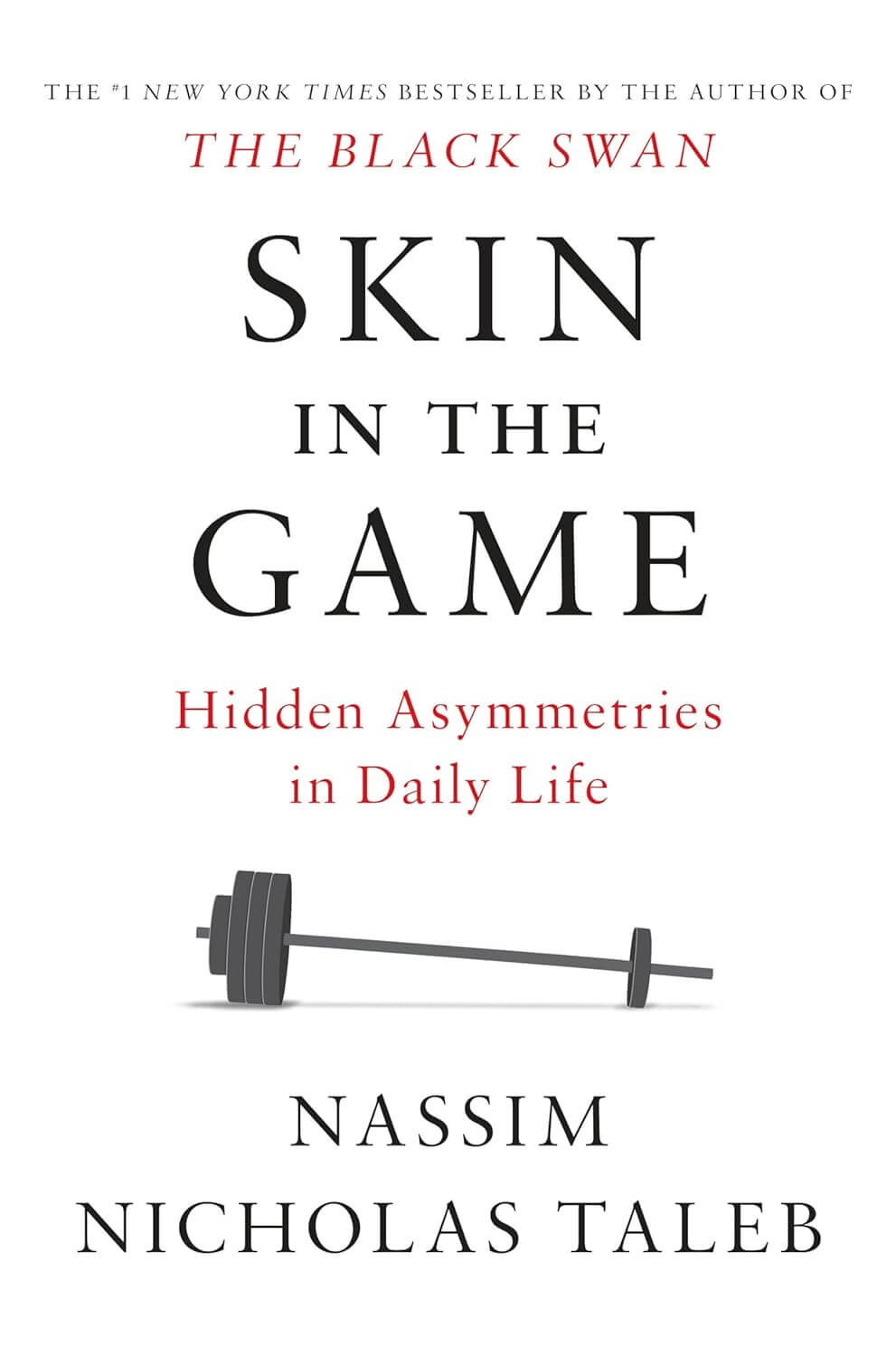
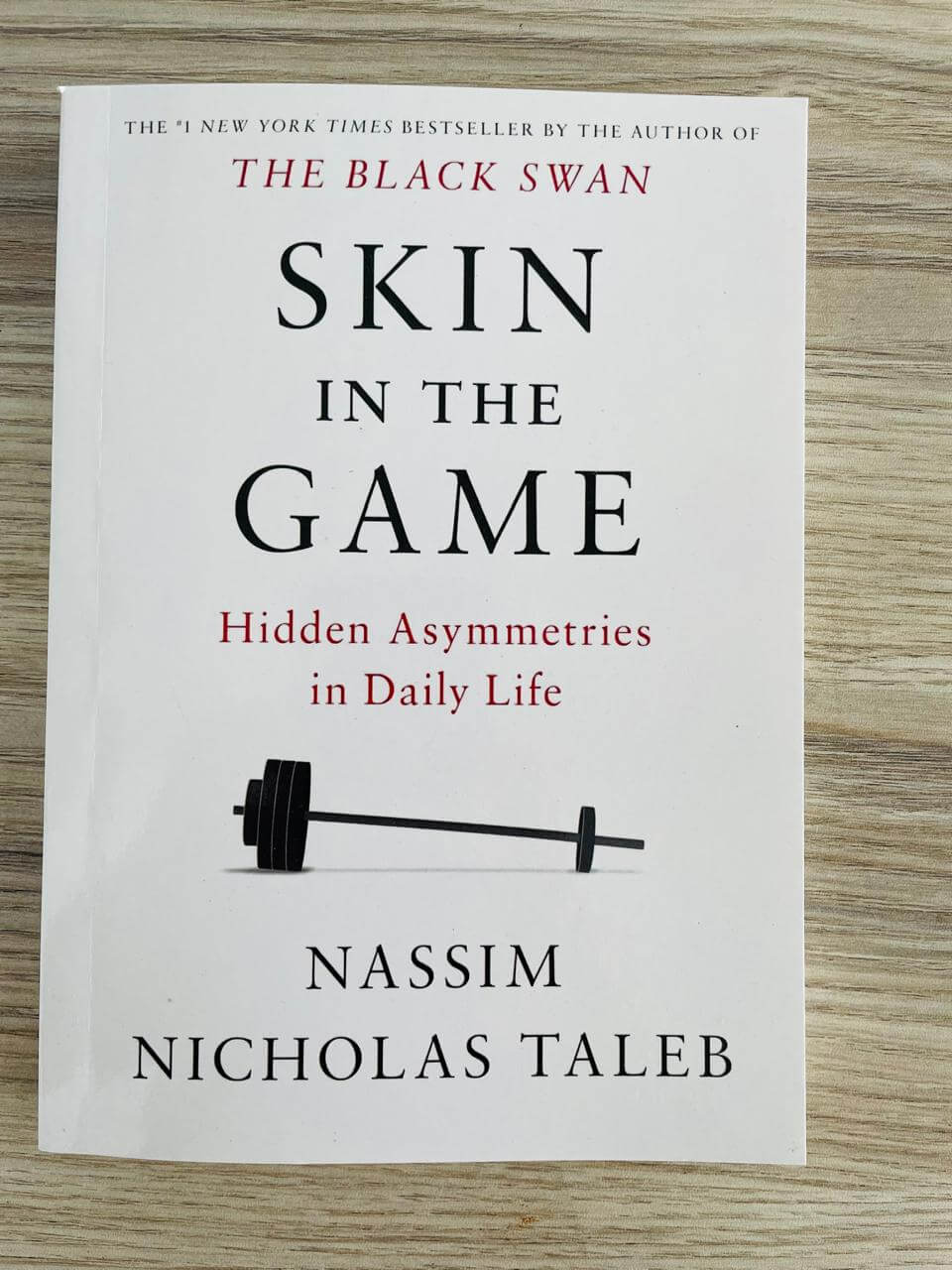
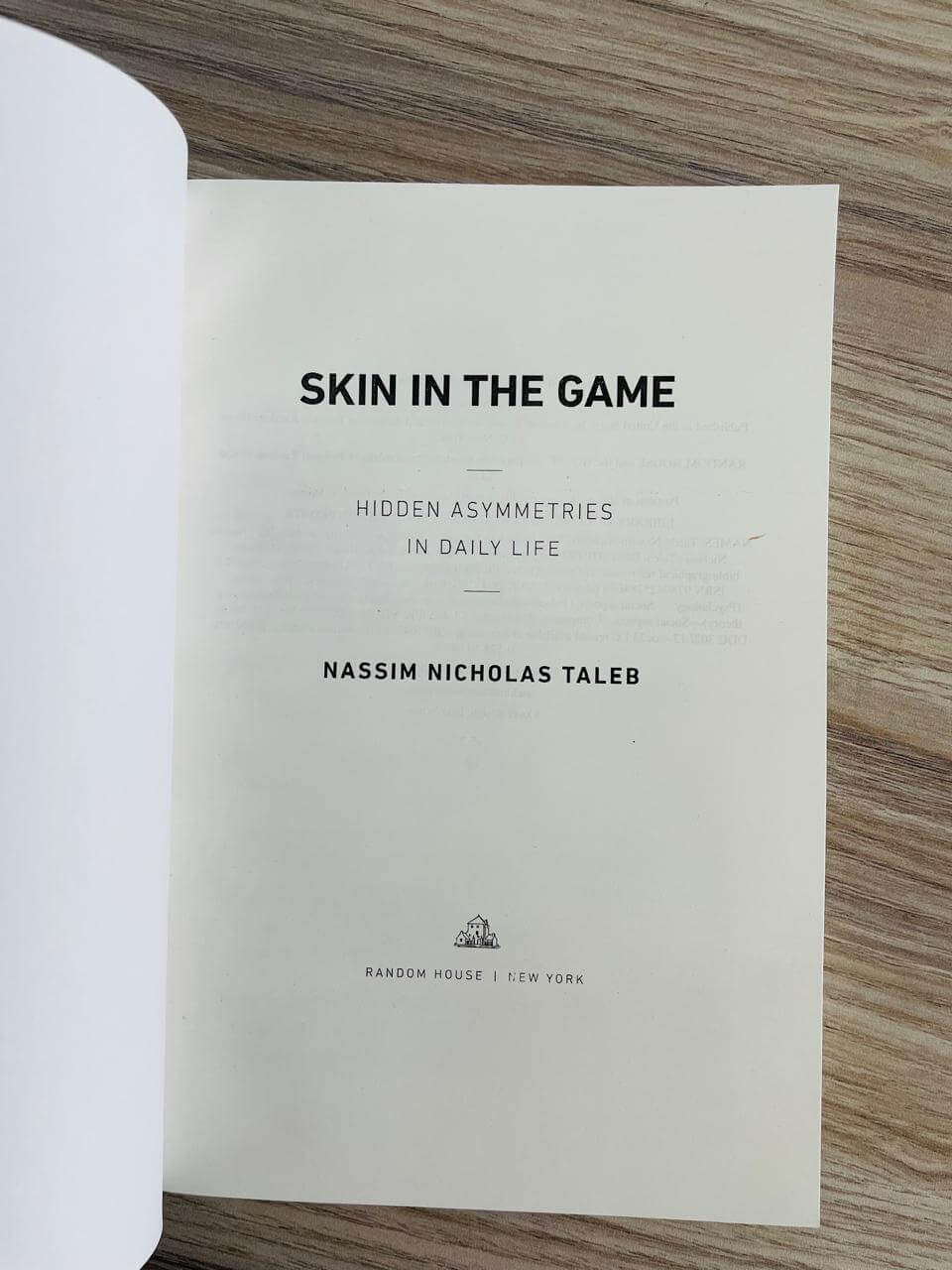
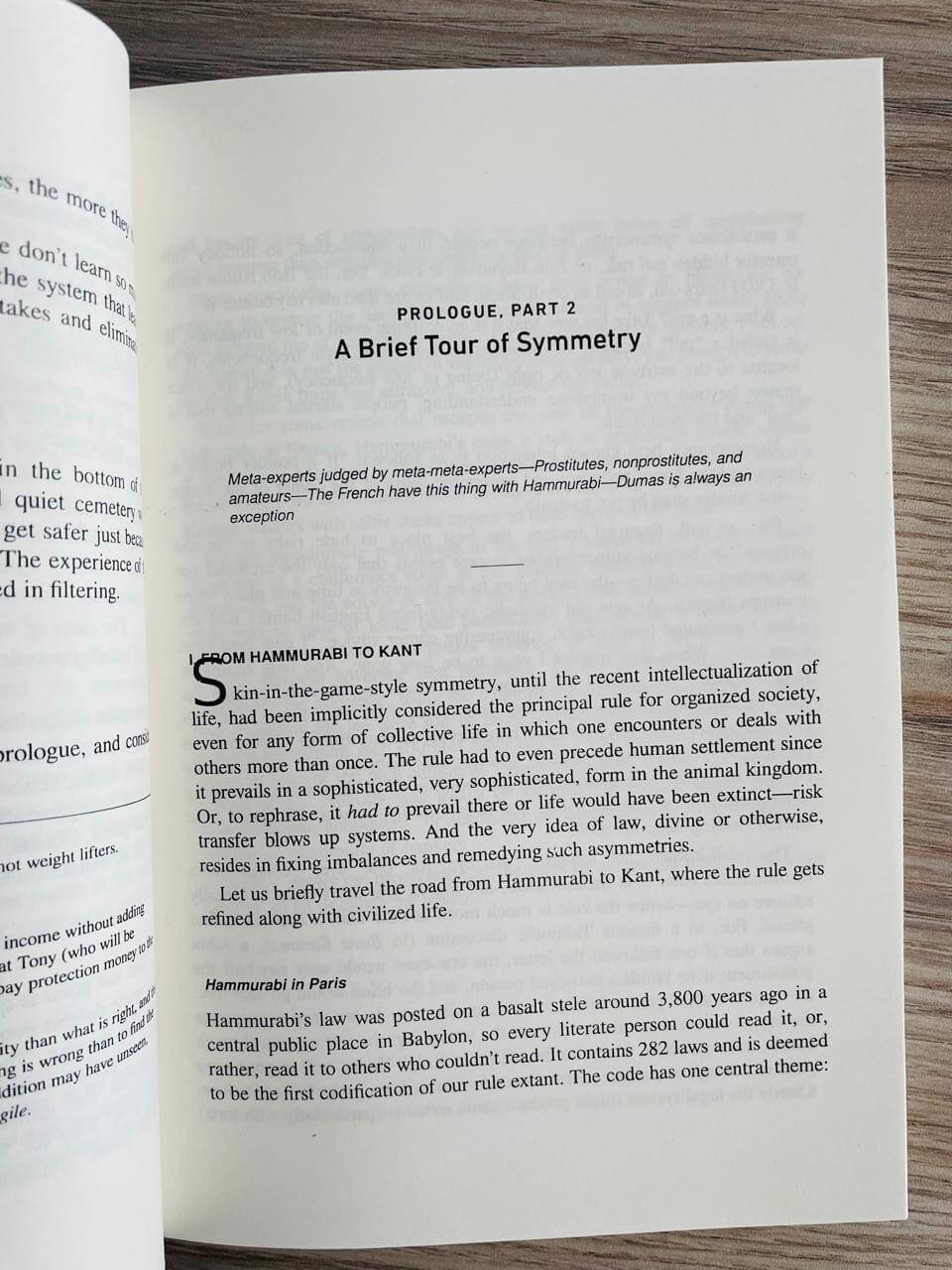
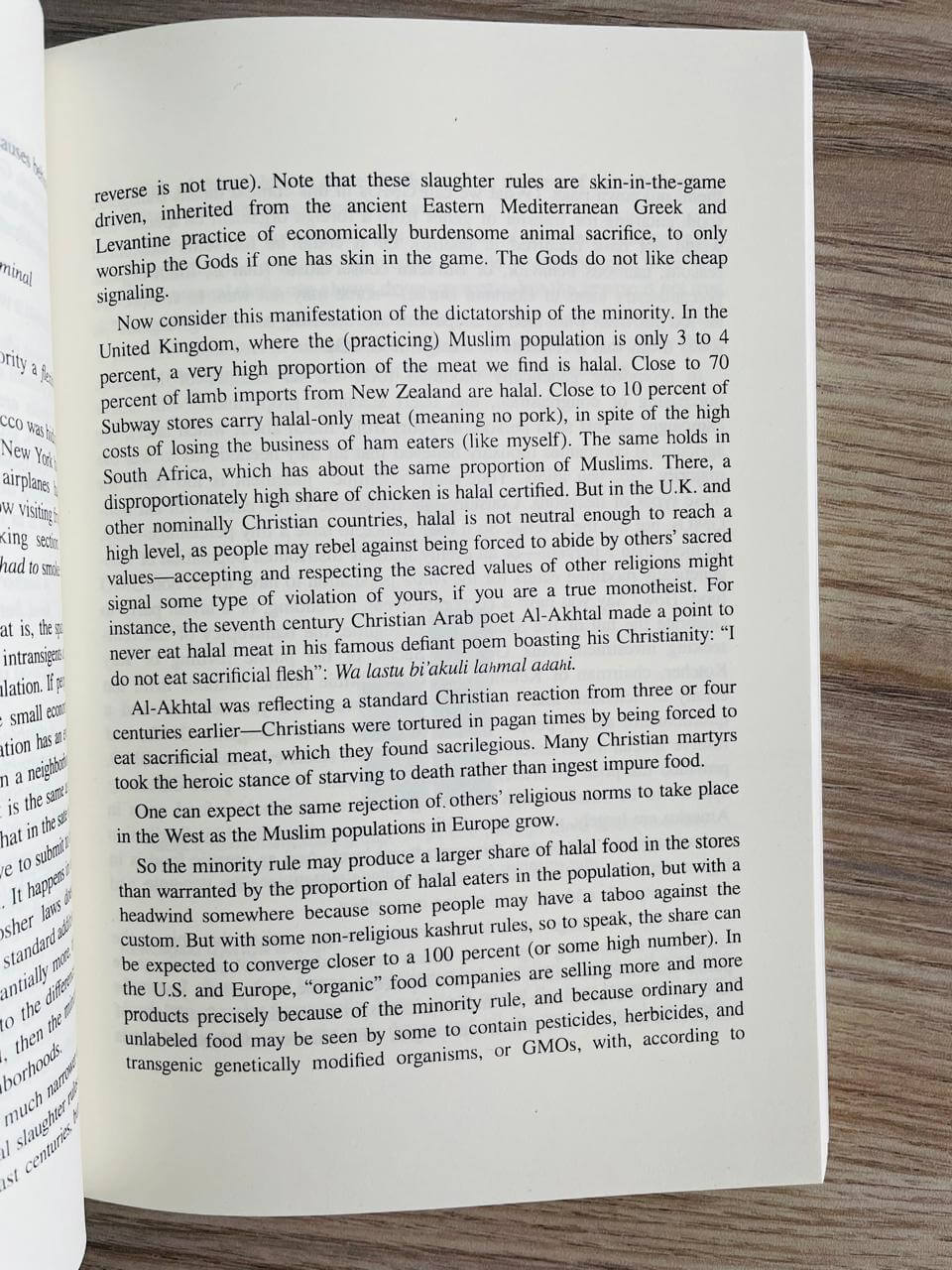
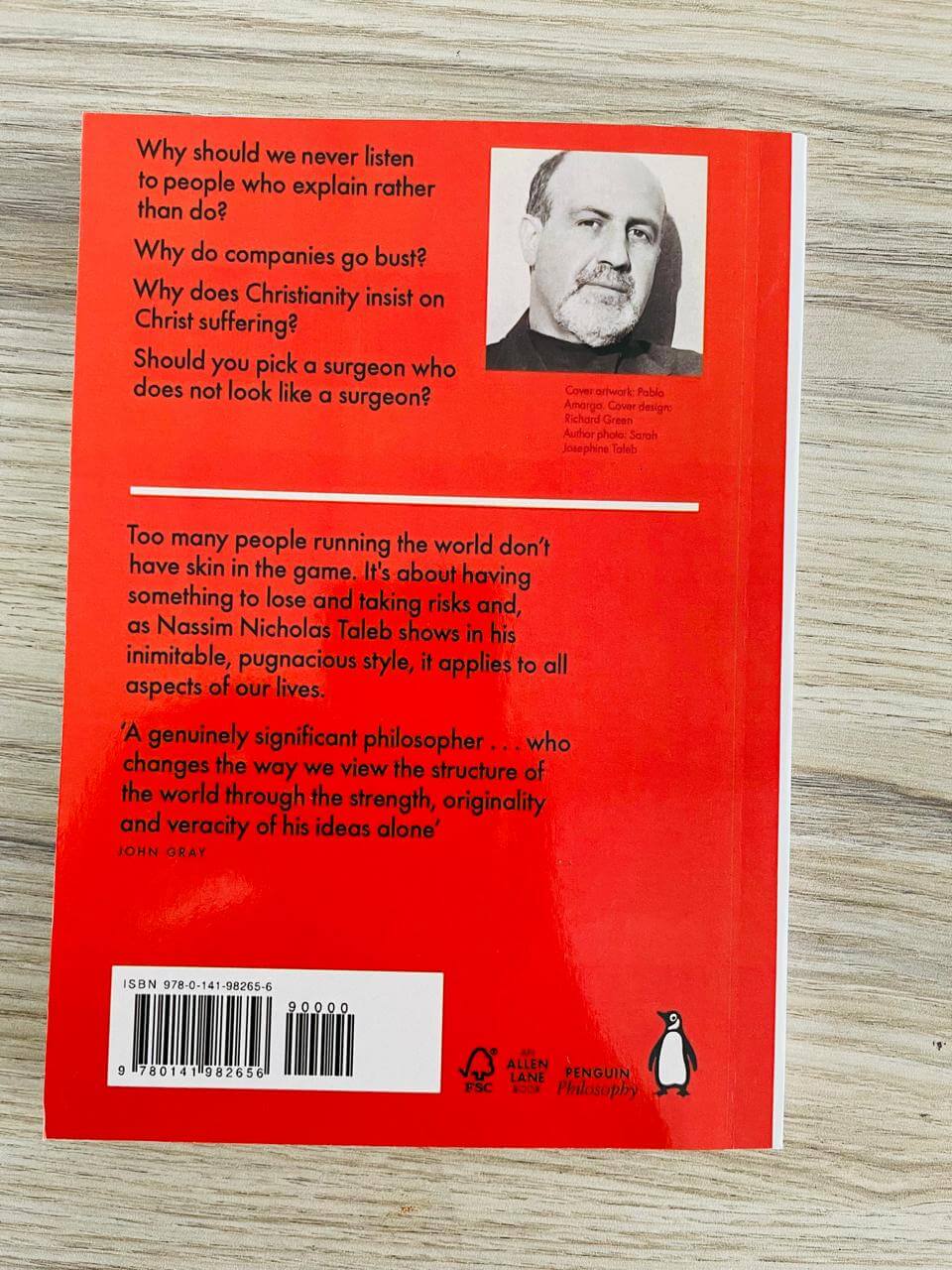
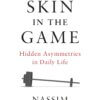
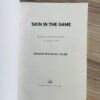

Skin In The Game by Nassim Nicholas Taleb

රු1,900.00
3 X Rs. 633.33 or 8% Cashback with


or 3 X රු633.33 with


or up to 4 X රු475.00 with


Book Details
- Title: Skin in the Game
- Author: Nassim Nicholas Taleb
- Genre: Philosophy, Economics, Business, Psychology
- Language: English
- Category: Business & Philosophy
- Series: Incerto Series
- Topics Covered: Risk, Decision-Making, Ethics, Accountability, Uncertainty
- Recommended For: Investors, Entrepreneurs, Business Leaders, Critical Thinkers
- Indian locally published copy
10 in stock
Skin in the Game by Nassim Nicholas Taleb
Skin in the Game by Nassim Nicholas Taleb is a thought-provoking book about risk, responsibility, fairness, uncertainty, and decision-making.
Taleb argues that people should experience some of the consequences of the decisions they make.
When someone receives the benefits of a decision while transferring all the risks to others, problems can easily develop.
The book applies this idea to business, investing, politics, leadership, economics, everyday life, and society.
About Skin in the Game
Skin in the Game carries the subtitle Hidden Asymmetries in Daily Life.
The central idea is simple.
People making important decisions should have something to lose when those decisions go wrong.
Taleb describes this as a form of symmetry between reward and risk.
If someone can gain from success but suffers no consequences from failure, their incentives may become distorted.
This principle appears repeatedly throughout the book.
7 Powerful Lessons from Skin in the Game
1. Share the Risk
One of the book’s strongest ideas is that decision-makers should share the risks created by their decisions.
Someone advising others to take a major risk should not remain completely protected from the consequences.
This principle can apply to business, investing, management, politics, and personal relationships.
Shared risk can create stronger incentives for responsible decisions.
2. Actions Matter More Than Words
Taleb encourages readers to pay attention to what people actually do.
Statements and promises can be easy to make.
Actions often reveal much more.
A person willing to risk their own money, reputation, time, or career may demonstrate stronger conviction than someone who gives advice without personal exposure.
This creates a useful way of evaluating credibility.
3. Understand Hidden Incentives
People do not always act for the reasons they publicly claim.
Financial rewards, professional status, reputation, and personal risk can influence behaviour.
The book encourages readers to examine those incentives.
Ask who benefits if a decision succeeds.
Then ask who suffers if it fails.
These questions can reveal hidden asymmetries.
4. Fairness Requires Responsibility
Skin in the Game connects risk-sharing with fairness.
Taleb argues that people should not be able to repeatedly transfer the negative consequences of their choices to others.
This applies especially when someone receives the reward but another person carries the risk.
Responsibility therefore becomes an important part of fairness.
5. Simple Solutions Can Be Powerful
Complexity does not automatically mean intelligence.
Taleb is often suspicious of complicated systems that remove people from the consequences of their decisions.
Simple rules can sometimes create stronger accountability.
One such rule is straightforward: do not ask others to accept risks you would never accept yourself.
6. Small Groups Can Have Large Influence
The book also explores how determined minorities can sometimes influence much larger groups.
A small number of people with strong preferences may change the behaviour of an entire system.
Taleb uses this idea to examine markets, culture, religion, food choices, and social behaviour.
It challenges the assumption that the majority always determines outcomes.
7. Risk Teaches Lessons Theory Cannot
There is a difference between understanding something intellectually and experiencing it directly.
Real exposure to risk changes how people think.
A business owner risking personal capital may evaluate an opportunity differently from someone analysing it only from a spreadsheet.
Direct experience creates knowledge that theory alone may not provide.
Risk and Responsibility
Risk is one of the central themes in Skin in the Game.
Taleb does not argue that people should avoid all risk.
Instead, he focuses on who carries the consequences.
Risk can be reasonable when the person making the decision also accepts the potential loss.
Problems appear when risk is transferred to people who had little control over the original decision.
This creates what Taleb describes as an asymmetry.
Business and Investing
The ideas in the book have clear applications to business.
Entrepreneurs usually have significant exposure to the success or failure of their companies.
They may risk money, time, reputation, and career opportunities.
This can encourage careful decision-making.
The same idea applies to investing.
People behave differently when their own money is involved.
Real exposure can create discipline that theoretical knowledge cannot always provide.
Leadership and Decision-Making
Good leadership involves more than giving instructions.
Leaders influence decisions that affect employees, customers, investors, and communities.
Taleb’s framework suggests that leaders should remain connected to the consequences of those decisions.
A leader protected from every negative outcome may take risks that others would never accept.
Accountability helps reduce this problem.
Incentives and Human Behaviour
People respond to incentives.
This sounds obvious, but incentives can be difficult to recognize.
A person may publicly support one idea while privately benefiting from another.
Financial systems can reward behaviour that creates long-term problems.
Organizations can also encourage employees to meet targets without considering the wider consequences.
Understanding incentives can therefore help explain behaviour that otherwise seems irrational.
Ethics and Fairness
Skin in the Game is also a book about ethics.
Taleb connects morality with consequences.
If people impose risks on others, they should be willing to share some of those risks.
This idea has existed in different forms throughout history.
The book draws from philosophy, ancient societies, economics, business, politics, and mathematics to explore the principle.
Who Should Read This Book?
Skin in the Game is suitable for readers interested in business, economics, investing, philosophy, risk management, leadership, and decision-making.
Entrepreneurs may appreciate its discussion of real-world risk.
Investors may find its ideas about incentives and uncertainty useful.
Managers can apply its principles to accountability and leadership.
Readers interested in philosophy may enjoy Taleb’s broader arguments about ethics, fairness, and responsibility.
The book can also appeal to anyone who wants to think more carefully about advice and expertise.
About Nassim Nicholas Taleb
Nassim Nicholas Taleb is an author, researcher, and former risk practitioner known for his work on probability, uncertainty, and decision-making.
His books include Fooled by Randomness, The Black Swan, The Bed of Procrustes, Antifragile, and Skin in the Game.
Together, these works form his multi-volume Incerto collection.
Readers can learn more about the book on the official Penguin Random House Skin in the Game page.
Product Details
Title: Skin in the Game
Subtitle: Hidden Asymmetries in Daily Life
Author: Nassim Nicholas Taleb
Genre: Business / Economics / Philosophy / Risk Management
Language: English
Original Publication: 2018
Series: IncertoA common Penguin paperback edition contains 304 pages and carries ISBN 9780141982656.
Edition details can vary, so check your physical copy before adding the final ISBN, dimensions, weight, or page count.
Explore More Business Books
Skin in the Game challenges readers to think differently about risk, responsibility, advice, incentives, and fairness.
Its central question is simple but powerful.
Who receives the reward, and who carries the risk?
That question can be applied to business, investing, politics, leadership, and everyday decisions.
Readers interested in similar titles can explore more Business, Finance & Economics Books at Bargain Books.
For readers interested in uncertainty, decision-making, accountability, and the hidden incentives shaping human behaviour, Skin in the Game offers plenty of ideas to consider.
Be the first to review “Skin In The Game by Nassim Nicholas Taleb”
Related products
-24%
Out of stock
Non-Fiction & Knowledge
Original price was: රු2,500.00.රු1,900.00Current price is: රු1,900.00.
3 X Rs. 633.33 or 8% Cashback with
or 3 X රු633.33 with
or up to 4 X රු475.00 with
Out of stock
Non-Fiction & Knowledge
රු1,600.00
3 X Rs. 533.33 or 8% Cashback with
or 3 X රු533.33 with
or up to 4 X රු400.00 with
-13%

Out of stock
Non-Fiction & Knowledge
Original price was: රු3,900.00.රු3,400.00Current price is: රු3,400.00.
3 X Rs. 1,133.33 or 8% Cashback with
or 3 X රු1,133.33 with
or up to 4 X රු850.00 with
-21%
Non-Fiction & Knowledge
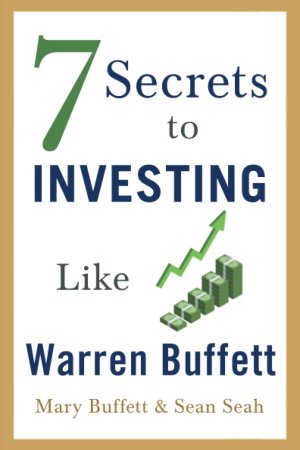
7 Secrets to Investing Like Warren Buffett by Mary Buffett & Sean Seah
Original price was: රු1,900.00.රු1,500.00Current price is: රු1,500.00.
3 X Rs. 500.00 or 8% Cashback with
or 3 X රු500.00 with
or up to 4 X රු375.00 with
-17%
Out of stock
Non-Fiction & Knowledge
Original price was: රු2,900.00.රු2,400.00Current price is: රු2,400.00.
3 X Rs. 800.00 or 8% Cashback with
or 3 X රු800.00 with
or up to 4 X රු600.00 with
-26%
Non-Fiction & Knowledge
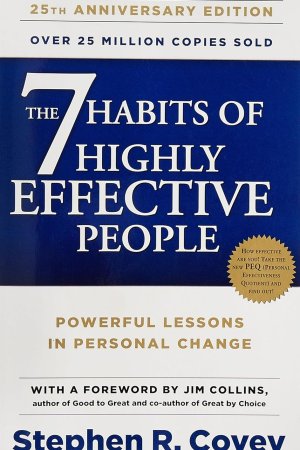
The 7 Habits of Highly Effective People by Stephen R. Covey – Blue Cover
Original price was: රු2,300.00.රු1,700.00Current price is: රු1,700.00.
3 X Rs. 566.67 or 8% Cashback with
or 3 X රු566.67 with
or up to 4 X රු425.00 with
-24%
Out of stock
Non-Fiction & Knowledge
Original price was: රු2,100.00.රු1,600.00Current price is: රු1,600.00.
3 X Rs. 533.33 or 8% Cashback with
or 3 X රු533.33 with
or up to 4 X රු400.00 with

Out of stock
Self-Help & Psychology
රු1,500.00
3 X Rs. 500.00 or 8% Cashback with
or 3 X රු500.00 with
or up to 4 X රු375.00 with
Reviews
There are no reviews yet.