
No products in the cart.
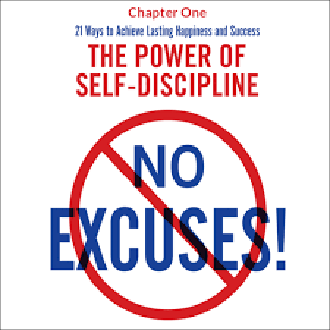
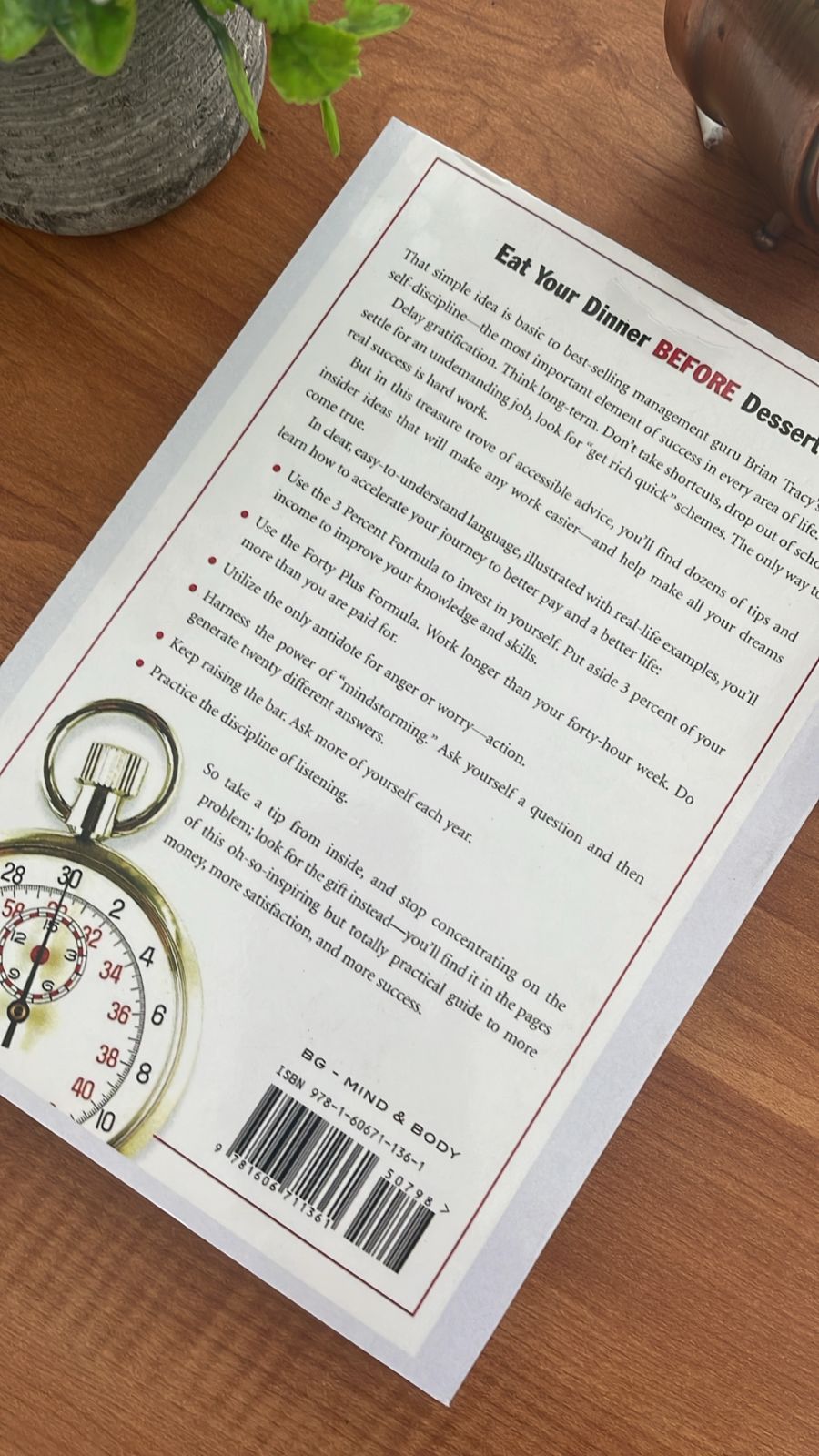
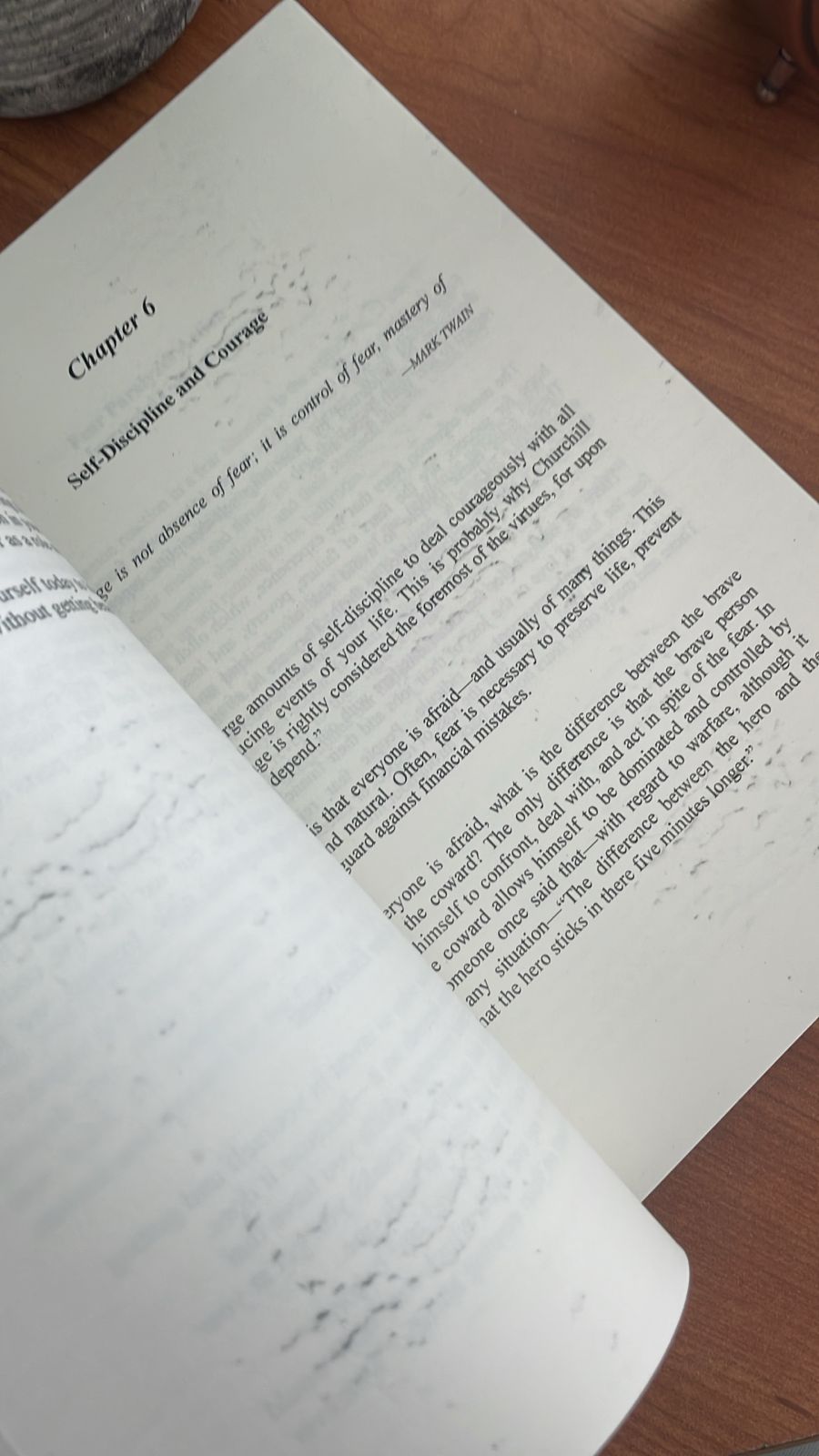
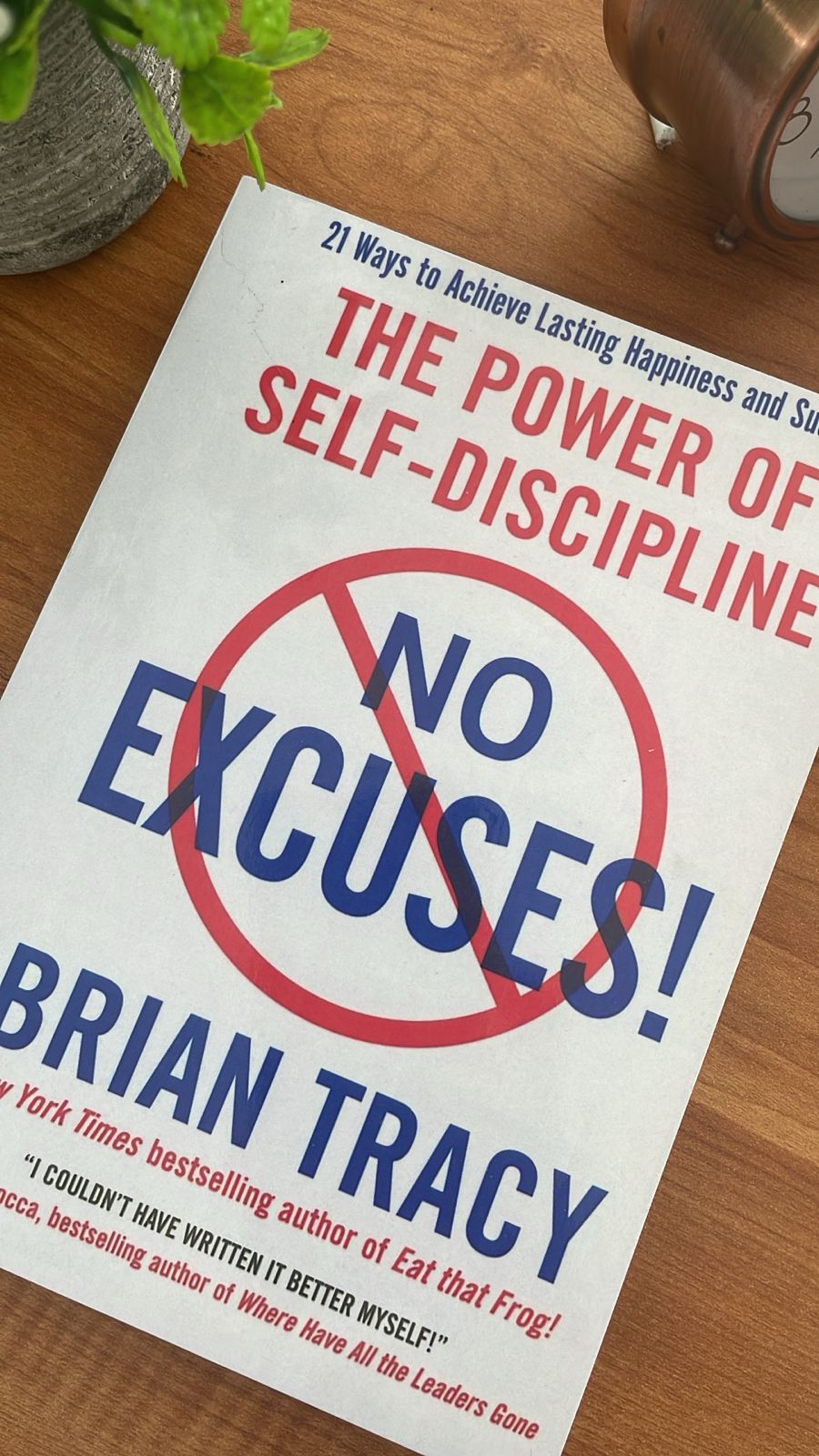
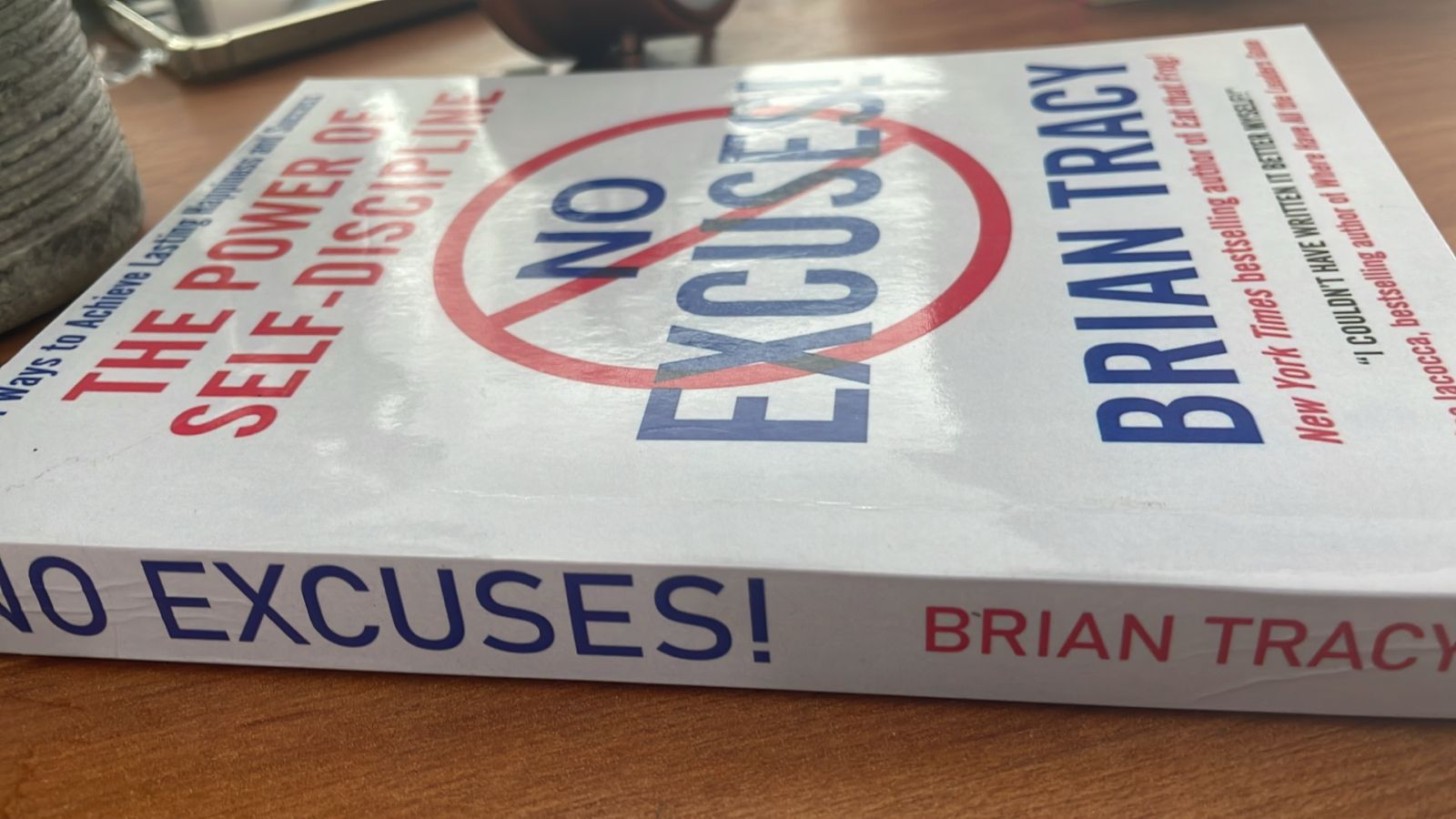
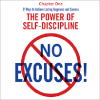





Power of Self Discipline by Brian Tracy is a practical self-help and personal-development guide about developing the discipline needed to stop making excuses, overcome procrastination, pursue meaningful goals and improve the major areas of your life.
Most people know what they should do.
Exercise.
Save money.
Study.
Finish the important project.
Wake up on time.
Stop wasting hours online.
Make the difficult phone call.
Work consistently toward a goal.
The problem is rarely knowing.
The problem is doing.
Brian Tracy argues that self-discipline is the ability to make yourself do what needs to be done, when it needs to be done, whether you feel like doing it or not.
That simple ability can influence almost everything.
Your career.
Money.
Health.
Relationships.
Goals.
Happiness.
And peace of mind.
The official title of the book is No Excuses!: The Power of Self-Discipline, and its 21 chapters show how discipline can be applied across personal goals, business and financial success, and everyday life.
Instead of blaming luck, circumstances or other people, Tracy encourages readers to develop greater personal responsibility.
The central question becomes:
What can I do differently?
This makes Power of Self Discipline by Brian Tracy especially useful for readers who frequently begin goals with enthusiasm but struggle to follow through once motivation disappears.
Power of Self Discipline by Brian Tracy – Book Overview
Power of Self Discipline by Brian Tracy is based on one central idea:
Success often depends less on knowing what to do and more on consistently doing it.
Many people already know the basics.
To improve your finances:
Spend carefully.
Save.
Increase your earning ability.
To improve your health:
Eat better.
Exercise.
Rest.
To improve your career:
Develop useful skills.
Work well.
Manage time.
Continue learning.
Yet knowing these principles does not automatically create results.
Self-discipline closes the gap between:
Intention
and
Action.
No Excuses
The official title begins with an important phrase:
No Excuses!
Tracy wants readers to stop creating explanations for why progress cannot happen.
Common excuses include:
I do not have enough time.
I am too tired.
I will start next week.
I need more motivation.
I am not lucky.
Other people had better opportunities.
Some circumstances are genuinely difficult.
Not every obstacle can be solved through willpower alone.
But Tracy’s practical question remains useful:
What part of this situation can I control?
Personal Responsibility
One of the strongest themes in Power of Self Discipline by Brian Tracy is personal responsibility.
Blaming someone else may feel emotionally satisfying.
But it does not automatically improve the situation.
Responsibility means saying:
This may not be entirely my fault.
But what I do next is still my responsibility.
That mindset creates action.
Self-Discipline and Success
Tracy connects success strongly with the ability to delay immediate comfort for a better future result.
For example:
Watching entertainment feels easier than studying.
Spending money feels easier than saving.
Sleeping longer feels easier than exercising.
Avoiding a difficult task feels easier than starting it.
Self-discipline means choosing the action that serves the longer-term goal.
The Path of Least Resistance
One problem Tracy discusses is the natural tendency to choose the easiest available option.
Human beings often prefer:
Comfort.
Convenience.
Immediate pleasure.
The problem is that many worthwhile results require temporary discomfort.
Learning.
Exercise.
Building a company.
Developing a skill.
Saving money.
All require giving up something easier in the present.
Immediate Gratification
A second major enemy of discipline is immediate gratification.
The short-term reward says:
Do this now.
The long-term goal says:
Wait.
This conflict happens everywhere.
Buy now versus save.
Scroll now versus study.
Eat whatever you want now versus improve health.
Skip the work now versus finish the project.
The disciplined decision considers future consequences.
Self-Discipline and Character
Character is often revealed when nobody is watching.
It is easy to appear disciplined when:
The manager is present.
The teacher is watching.
A deadline is five minutes away.
Real discipline develops when you follow through without external pressure.
That builds self-trust.
Keeping Promises to Yourself
Every time you repeatedly tell yourself:
I will do this,
then avoid doing it, confidence can weaken.
Why?
Because part of you stops trusting your own promises.
Discipline helps rebuild that trust.
Start with small commitments.
Then keep them.
Discipline and Self-Esteem
Confidence does not only come from positive thinking.
Confidence can come from evidence.
You promised yourself you would study.
You studied.
You said you would exercise.
You exercised.
You set a deadline.
You met it.
Repeated action creates evidence that you can rely on yourself.
Self-Discipline and Goals
Goals receive an entire chapter in the book.
A vague wish sounds like:
I want to become successful.
A stronger goal sounds like:
I want to achieve a specific result by a specific time.
Then the important question becomes:
What must happen between now and then?
Write Goals Down
Writing forces clarity.
Instead of:
I want more money,
write:
I want to save a specific amount.
Instead of:
I want to learn English,
write:
I will study English for 30 minutes every weekday.
Instead of:
I want better sales,
write:
I will contact ten potential customers every working day.
Specific goals produce clearer actions.
Break Big Goals Into Smaller Tasks
Large goals can create paralysis.
Write a book.
Build a business.
Finish university.
Lose a large amount of weight.
These feel enormous.
Discipline becomes easier when the next action is smaller.
Write one page.
Contact one supplier.
Study one chapter.
Walk for thirty minutes.
Progress becomes manageable.
Daily Goal Setting
Brian Tracy often emphasizes reviewing goals regularly.
The purpose is not magical manifestation.
The purpose is attention.
When your goal stays visible, you are more likely to notice actions connected with it.
Personal Excellence
Power of Self Discipline by Brian Tracy also focuses on continually improving your abilities.
Whatever industry you work in, ask:
What skills would make me more valuable?
Communication?
Sales?
Coding?
Marketing?
Leadership?
Financial knowledge?
Writing?
Negotiation?
Learning creates more options.
Continuous Learning
A career can stagnate when someone stops learning after formal education ends.
Technology changes.
Markets change.
Customer expectations change.
Skills that were valuable five years ago may become less valuable.
Discipline includes continuing to learn when nobody forces you.
Courage
Courage receives its own chapter in No Excuses!.
Many goals are blocked less by ability than by fear.
Fear of:
Failure.
Rejection.
Embarrassment.
Criticism.
Making the wrong choice.
Courage means acting appropriately even when uncertainty remains.
Fear of Failure
People sometimes avoid trying because failure could hurt.
But avoiding every possible failure also eliminates many opportunities.
A useful question is:
What will happen if I never try?
Sometimes the cost of inaction is greater than the risk of failure.
Persistence
Motivation is strongest at the beginning.
Everything feels exciting.
Then progress slows.
The work becomes repetitive.
Results take longer than expected.
This is where persistence matters.
Persistence is the discipline to continue after the emotional excitement disappears.
Discipline at Work
The book’s second major section deals with self-discipline in business, sales and finances.
Workplace discipline includes:
Starting important tasks quickly.
Avoiding unnecessary distractions.
Finishing work.
Meeting deadlines.
Improving skills.
Taking responsibility.
Being reliable.
These behaviours build professional reputation.
Do the Important Work First
Being busy is not the same as being productive.
Someone can spend an entire day:
Answering minor messages.
Moving files.
Attending unnecessary meetings.
Checking notifications.
And still avoid the task that actually matters.
Discipline means identifying high-value work and giving it priority.
Time Management
Time management receives a dedicated chapter.
Everyone gets the same twenty-four hours.
But people use those hours differently.
Useful time-management habits include:
Planning.
Prioritizing.
Reducing unnecessary interruptions.
Starting difficult work earlier.
Finishing high-value tasks.
Procrastination
Procrastination often happens because a task feels:
Large.
Boring.
Difficult.
Unclear.
Uncomfortable.
Waiting for motivation may not solve the problem.
A useful strategy is to reduce the starting point.
Do five minutes.
Write the first paragraph.
Open the spreadsheet.
Make the first call.
Action often creates momentum.
The Hardest Task
If one task matters much more than everything else, completing it early can transform the day.
Otherwise, the difficult task remains mentally present while you spend hours doing easier work.
Self-Discipline and Leadership
Leadership requires discipline because leaders influence other people through example.
A manager who demands punctuality but is always late loses credibility.
A leader who demands accountability but avoids responsibility creates frustration.
People notice behaviour more than slogans.
Lead Yourself First
Before leading other people, develop the ability to manage:
Your time.
Your emotions.
Your commitments.
Your priorities.
Self-leadership is the foundation of leadership.
Self-Discipline and Business
Running a business requires many tasks that are not exciting.
Bookkeeping.
Following up.
Inventory.
Customer complaints.
Staff management.
Marketing.
Planning.
Systems.
Successful businesses are often built through consistent execution rather than occasional bursts of inspiration.
Discipline in Sales
Sales also receives a dedicated chapter.
Salespeople face frequent rejection.
That makes discipline essential.
A salesperson may need to:
Prospect.
Follow up.
Make calls.
Handle objections.
Ask for the sale.
Repeat.
The emotional difficulty of rejection makes consistency valuable.
Rejection Is Not Identity
A customer saying no does not mean:
You are a failure.
It means:
That sale did not happen.
Separate outcome from identity.
Then learn and continue.
Self-Discipline and Money
Financial discipline means choosing long-term stability over constant consumption.
That may involve:
Saving.
Budgeting.
Avoiding unnecessary debt.
Learning about money.
Investing carefully.
Increasing earning ability.
Financial success rarely comes from one disciplined decision.
It usually comes from years of repeated decisions.
Pay Yourself First
A useful financial principle is to save before spending everything else.
If savings happen only after every desire is satisfied, there may be nothing left.
Automatic saving can reduce the amount of willpower required.
Discipline Should Become a System
This is an important modern interpretation of the book.
You should not rely on willpower for every decision.
Create systems.
Prepare meals in advance.
Automate savings.
Block distracting websites.
Schedule workouts.
Use recurring calendar time for important work.
Good systems make disciplined behavior easier.
Self-Discipline and Problem Solving
Problem solving is another dedicated chapter.
When problems appear, emotional reactions can waste energy.
A disciplined approach asks:
What exactly is the problem?
What caused it?
What options exist?
What information is missing?
What is the next action?
Clarity reduces panic.
Define the Problem Properly
A badly defined problem creates bad solutions.
Instead of:
Sales are terrible,
ask:
Which products declined?
Which customer segment?
Compared with what period?
What changed?
Specific questions create better decisions.
Self-Discipline and Happiness
The third section of the book moves beyond business into what Tracy calls the good life.
This is important.
The book is not arguing that discipline exists only to make people work more.
It also applies discipline to:
Health.
Fitness.
Marriage.
Children.
Friendship.
Peace of mind.
Happiness
Constant achievement does not automatically produce happiness.
A person can be successful professionally and still feel deeply unsatisfied.
A good life needs balance.
That includes:
Relationships.
Health.
Meaning.
Rest.
Personal growth.
Personal Health
Health habits often require discipline because consequences are delayed.
One unhealthy meal usually does not create immediate disaster.
One skipped night of sleep may not either.
But repeated habits accumulate.
The same is true positively.
Regular movement.
Reasonable nutrition.
Adequate sleep.
Preventive medical care.
Small habits compound.
Physical Fitness
Tracy includes physical fitness as its own chapter.
Exercise is one of the clearest examples of discipline.
Most people understand its benefits.
The challenge is consistency.
The best exercise plan is not necessarily the most extreme.
It is one you can sustain safely.
Do Not Turn Discipline Into Self-Punishment
Discipline should improve life.
It should not become:
Extreme sleep deprivation.
Overtraining.
Starvation.
Working without rest.
Ignoring illness.
Punishing yourself for mistakes.
Sustainable discipline includes recovery.
Marriage and Relationships
The book also applies discipline to marriage and friendship.
Relationships require intentional behaviour.
Listening.
Showing appreciation.
Being present.
Keeping promises.
Managing anger.
Making time.
Love may be emotional.
Healthy relationships also involve habits.
Self-Discipline and Children
Parenting requires consistency.
Rules that change constantly become confusing.
Children often learn more from what adults repeatedly do than from what adults repeatedly say.
A parent teaching discipline therefore also needs to model it.
Friendship
Friendships can disappear when nobody makes the effort to maintain them.
Work gets busy.
Life changes.
Months pass.
Relationships need attention.
Send the message.
Make the call.
Meet.
Remember important events.
Consistency strengthens connection.
Peace of Mind
The final chapter deals with peace of mind.
This is a useful ending because discipline should ultimately help create a life with less chaos.
Unfinished tasks.
Uncontrolled spending.
Constant procrastination.
Broken promises.
Neglected health.
All can create stress.
Discipline helps create order.
Motivation Versus Discipline
Motivation asks:
Do I feel like doing this?
Discipline asks:
Does this need to be done?
Motivation is useful.
But feelings change.
A system based entirely on motivation becomes unreliable.
Build Habits
The strongest form of discipline eventually requires less daily decision-making.
When something becomes a habit, the question changes from:
Should I do this today?
to:
This is simply what I do.
Examples include:
Reading every morning.
Exercising at a fixed time.
Saving automatically.
Planning tomorrow before finishing work.
Habits reduce friction.
Environment Matters
Brian Tracy emphasizes personal responsibility, but modern behavior research also makes an important addition:
Environment matters.
If your phone is beside you while studying, distraction is easy.
If unhealthy food is constantly visible, temptation increases.
If your workspace is chaotic, focus becomes harder.
Discipline becomes easier when the environment supports the desired action.
Remove Temptation
You do not receive extra points for making discipline unnecessarily difficult.
If social media distracts you:
Log out.
Block it.
Move the phone.
If spending is the issue:
Remove saved card details.
If waking early matters:
Prepare clothes the night before.
Design the environment.
Start Small
A common mistake is trying to transform everything simultaneously.
New diet.
5 AM wake-up.
Two-hour workout.
Three books per week.
No entertainment.
New business.
The plan collapses.
A better approach is building one reliable habit at a time.
Track Progress
What gets measured becomes easier to evaluate.
Track:
Study hours.
Savings.
Workout sessions.
Sales calls.
Pages written.
But do not become obsessed with numbers that do not represent meaningful progress.
Discipline Is Not Perfection
Missing one day does not erase progress.
Making one mistake does not mean the system has failed.
The important thing is returning quickly.
A disciplined person is not someone who never breaks routine.
It is someone who does not allow one broken routine to become permanent.
Avoid the All-or-Nothing Trap
People often think:
I already ruined today.
I will restart Monday.
That turns one mistake into several days.
Instead:
Restart at the next decision.
Not next week.
No Excuses Does Not Mean No Compassion
This distinction matters.
Personal responsibility is useful.
Self-hatred is not.
Some circumstances genuinely require:
Rest.
Medical care.
Mental-health support.
Financial help.
Workplace changes.
Professional advice.
Self-discipline should help people take constructive action, not blame themselves for circumstances completely outside their control.
Who Is Brian Tracy?
Brian Tracy is a business and personal-development author and speaker known for books and training on goals, productivity, sales, leadership and achievement. His official site lists No Excuses – The Power of Self-Discipline among his major books.
Official Book Structure
No Excuses!: The Power of Self-Discipline contains 21 chapters arranged in three major parts:
Part I – Self-Discipline and Personal Success
Success, character, responsibility, goals, personal excellence, courage and persistence.
Part II – Self-Discipline in Business, Sales and Finances
Work, leadership, business, sales, money, time management and problem solving.
Part III – Self-Discipline and the Good Life
Happiness, health, physical fitness, marriage, children, friendship and peace of mind.
Edition Note
The original book was published in 2010 and is commonly listed at 304 pages. Different editions and reprints exist, so use the ISBN, format and page count printed on your physical copy when completing WooCommerce product attributes.
Important Themes
Power of Self Discipline by Brian Tracy explores self-discipline, responsibility, goal setting, procrastination, persistence, courage, work, leadership, business, sales, money, time management, problem solving, happiness, health, fitness, marriage, parenting, friendship and peace of mind.
7 Powerful Lessons From Power of Self Discipline by Brian Tracy
- Take responsibility for what you can control. Progress accelerates when energy moves away from excuses and toward useful action.
- Choose long-term results over immediate comfort. Many important goals require temporarily doing something harder instead of choosing the easiest option available.
- Turn goals into specific actions. A goal becomes more achievable when it has a clear result, a deadline and a next step.
- Do important work before easy work. Productivity improves when high-value tasks receive attention before minor distractions consume the day.
- Persistence matters after motivation disappears. Most goals become difficult after the initial excitement fades; discipline keeps progress moving during that stage.
- Apply discipline beyond your career. Money and work matter, but health, relationships, happiness and peace of mind also require consistent attention.
- Build systems so discipline becomes easier. Habits, schedules, automation and supportive environments reduce the amount of daily willpower required to stay consistent.
Why Read Power of Self Discipline by Brian Tracy?
Power of Self Discipline by Brian Tracy is a strong choice for readers interested in self-improvement, productivity, success, motivation, goal setting, time management, financial discipline, leadership and personal development.
It may especially help readers who often experience this pattern:
Set ambitious goal.
Feel motivated.
Start strongly.
Lose motivation.
Stop.
Feel guilty.
Start again.
The book attempts to break that cycle by shifting attention from temporary motivation toward consistent behavior.
The central message is simple:
Do not wait until you feel perfect.
Decide what matters.
Then take the next useful action.
Who Should Read This Book?
Power of Self Discipline by Brian Tracy may especially appeal to students, entrepreneurs, business owners, managers, sales professionals, employees, freelancers, people trying to build better habits and anyone who struggles with procrastination or inconsistent motivation.
It is also useful for readers who prefer practical self-help built around short principles and exercises rather than highly theoretical psychology.
Power of Self Discipline by Brian Tracy – Do What Needs to Be Done
Power of Self Discipline by Brian Tracy ultimately addresses the gap between the life people say they want and the actions they repeatedly take.
Most goals are easy to describe.
I want to become healthier.
I want to earn more.
I want to save.
I want to study.
I want to build a successful business.
The difficult part comes afterward.
Doing the work when nobody is watching.
Continuing when progress feels slow.
Saying no to an easy distraction.
Getting back on track after a mistake.
That is where self-discipline becomes valuable.
Discipline does not guarantee that every goal will succeed.
Markets change.
Health changes.
Unexpected problems happen.
Other people influence outcomes.
But discipline improves one thing you can influence:
Your response.
You can prepare.
Act.
Learn.
Adjust.
Repeat.
And over enough time, repeated useful actions can create very different results from repeated excuses.
For readers who want a straightforward guide to becoming more consistent with goals, work, money, time, health and relationships, Power of Self Discipline by Brian Tracy offers a practical framework built around one powerful principle:
Stop waiting for perfect motivation.
Take responsibility for the next action.
Learn more about The Power of Self-Discipline by Brian Tracy on the official Brian Tracy website.
Explore more personal development and motivational books at Bargain Books.
Be the first to review “Power Of Self Discipline by Brian Tracy”
Related products
-33%

Self-Help & Psychology
Original price was: රු2,300.00.රු1,550.00Current price is: රු1,550.00.
3 X Rs. 516.67 or 8% Cashback with


or 3 X රු516.67 with


or up to 4 X රු387.50 with

-24%
Non-Fiction & Knowledge
Original price was: රු2,300.00.රු1,750.00Current price is: රු1,750.00.
3 X Rs. 583.33 or 8% Cashback with
or 3 X රු583.33 with
or up to 4 X රු437.50 with
-14%

Out of stock
Self-Help & Psychology
Original price was: රු2,900.00.රු2,500.00Current price is: රු2,500.00.
3 X Rs. 833.33 or 8% Cashback with
or 3 X රු833.33 with
or up to 4 X රු625.00 with
-24%

Out of stock
Non-Fiction & Knowledge
Original price was: රු2,100.00.රු1,600.00Current price is: රු1,600.00.
3 X Rs. 533.33 or 8% Cashback with
or 3 X රු533.33 with
or up to 4 X රු400.00 with
-28%

Self-Help & Psychology
Original price was: රු1,800.00.රු1,300.00Current price is: රු1,300.00.
3 X Rs. 433.33 or 8% Cashback with
or 3 X රු433.33 with
or up to 4 X රු325.00 with

Out of stock
Non-Fiction & Knowledge
රු1,500.00
3 X Rs. 500.00 or 8% Cashback with
or 3 X රු500.00 with
or up to 4 X රු375.00 with
-34%

Self-Help & Psychology
Original price was: රු2,350.00.රු1,550.00Current price is: රු1,550.00.
3 X Rs. 516.67 or 8% Cashback with
or 3 X රු516.67 with
or up to 4 X රු387.50 with
-21%
Non-Fiction & Knowledge
7 Secrets to Investing Like Warren Buffett by Mary Buffett & Sean Seah
Original price was: රු1,900.00.රු1,500.00Current price is: රු1,500.00.
3 X Rs. 500.00 or 8% Cashback with
or 3 X රු500.00 with
or up to 4 X රු375.00 with
Reviews
There are no reviews yet.