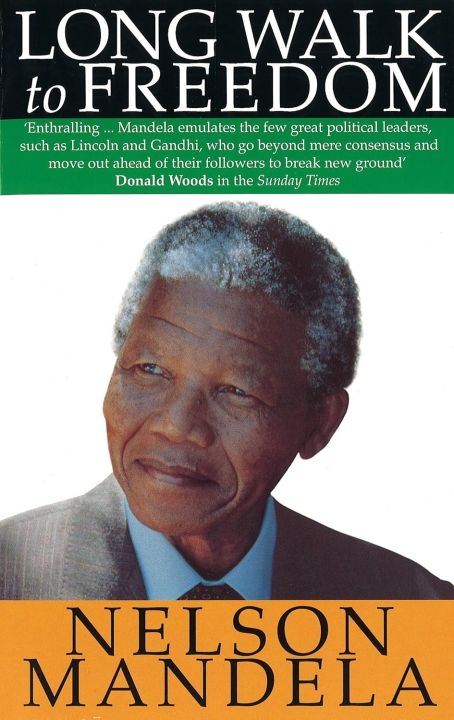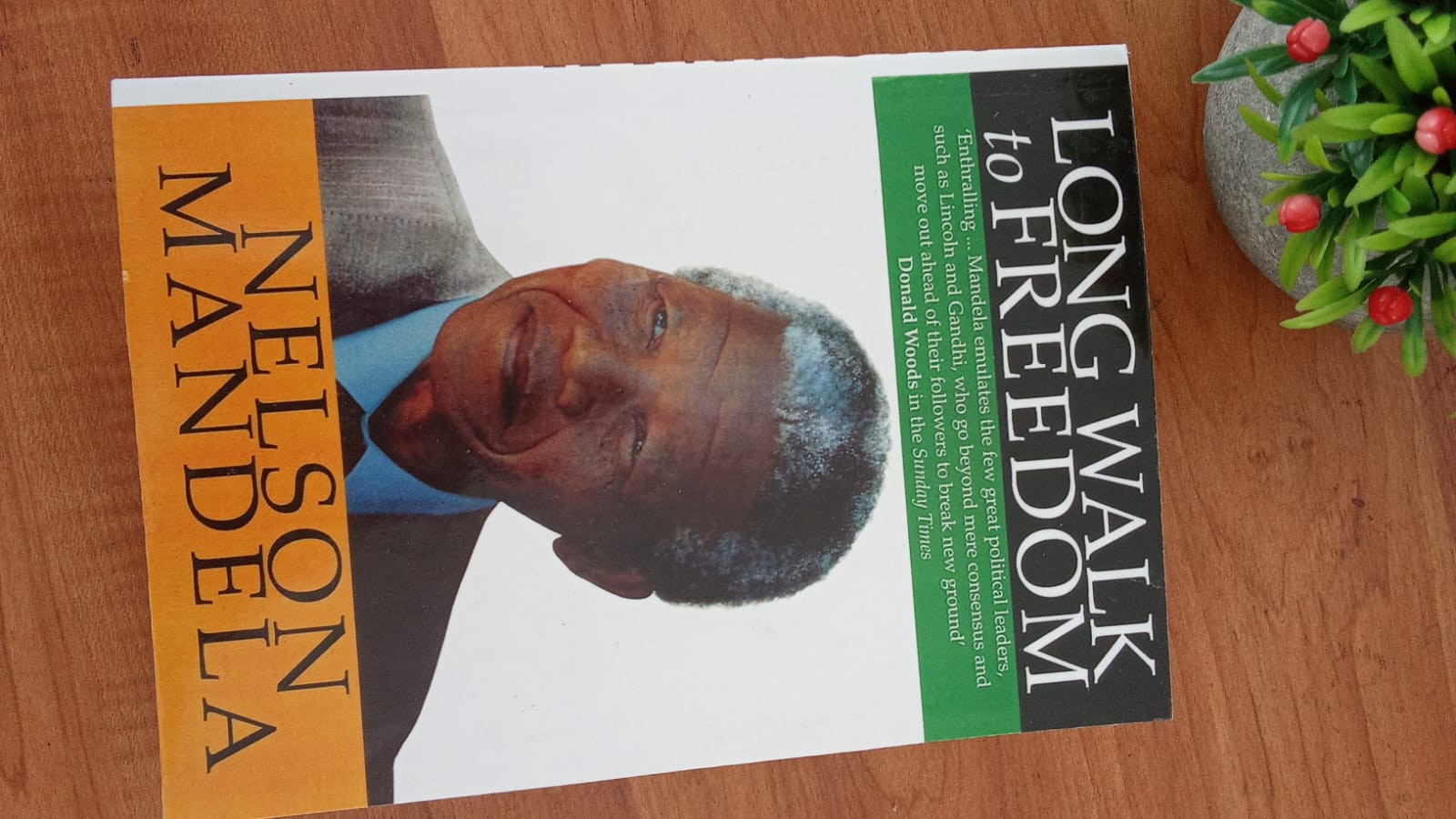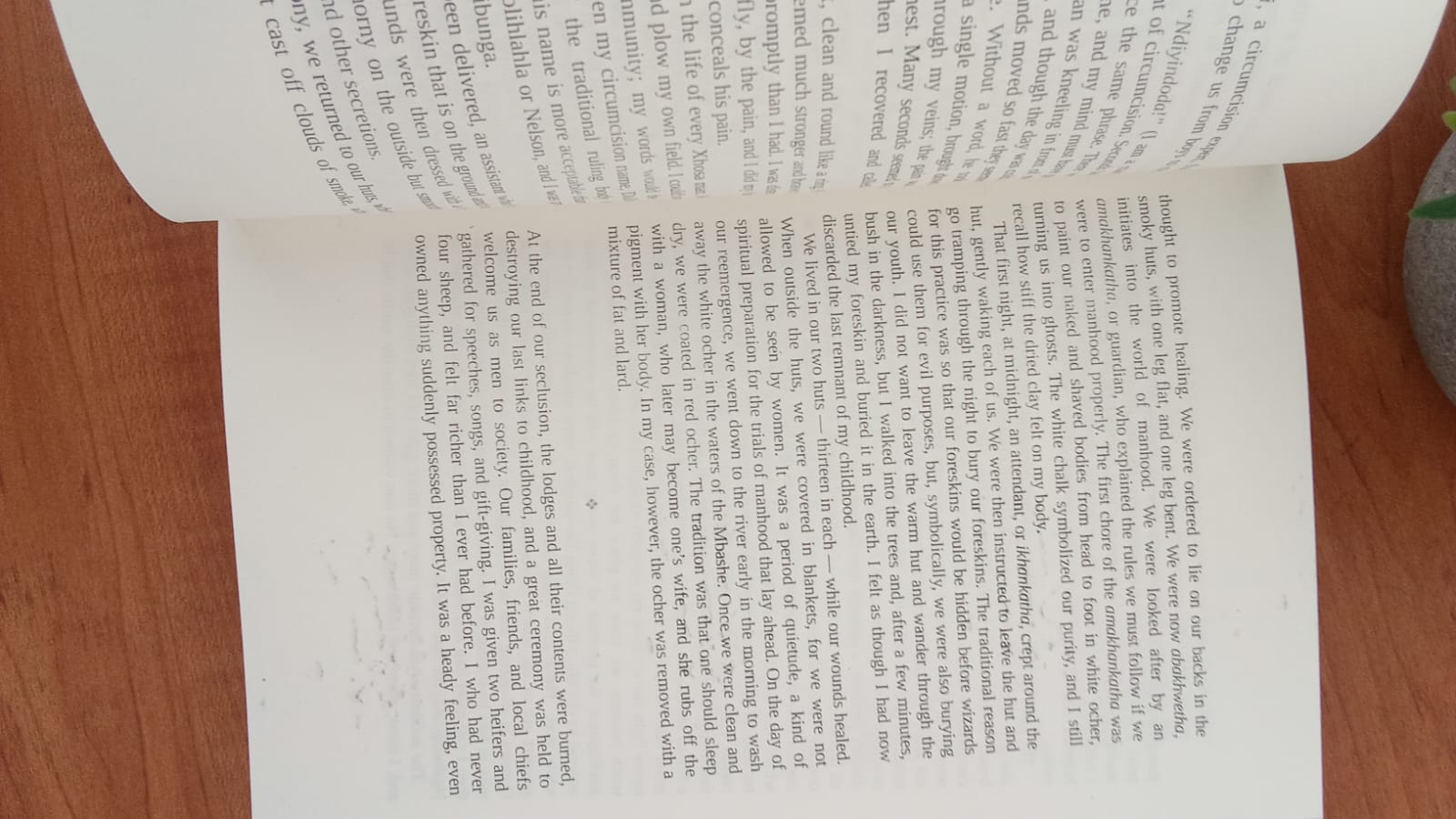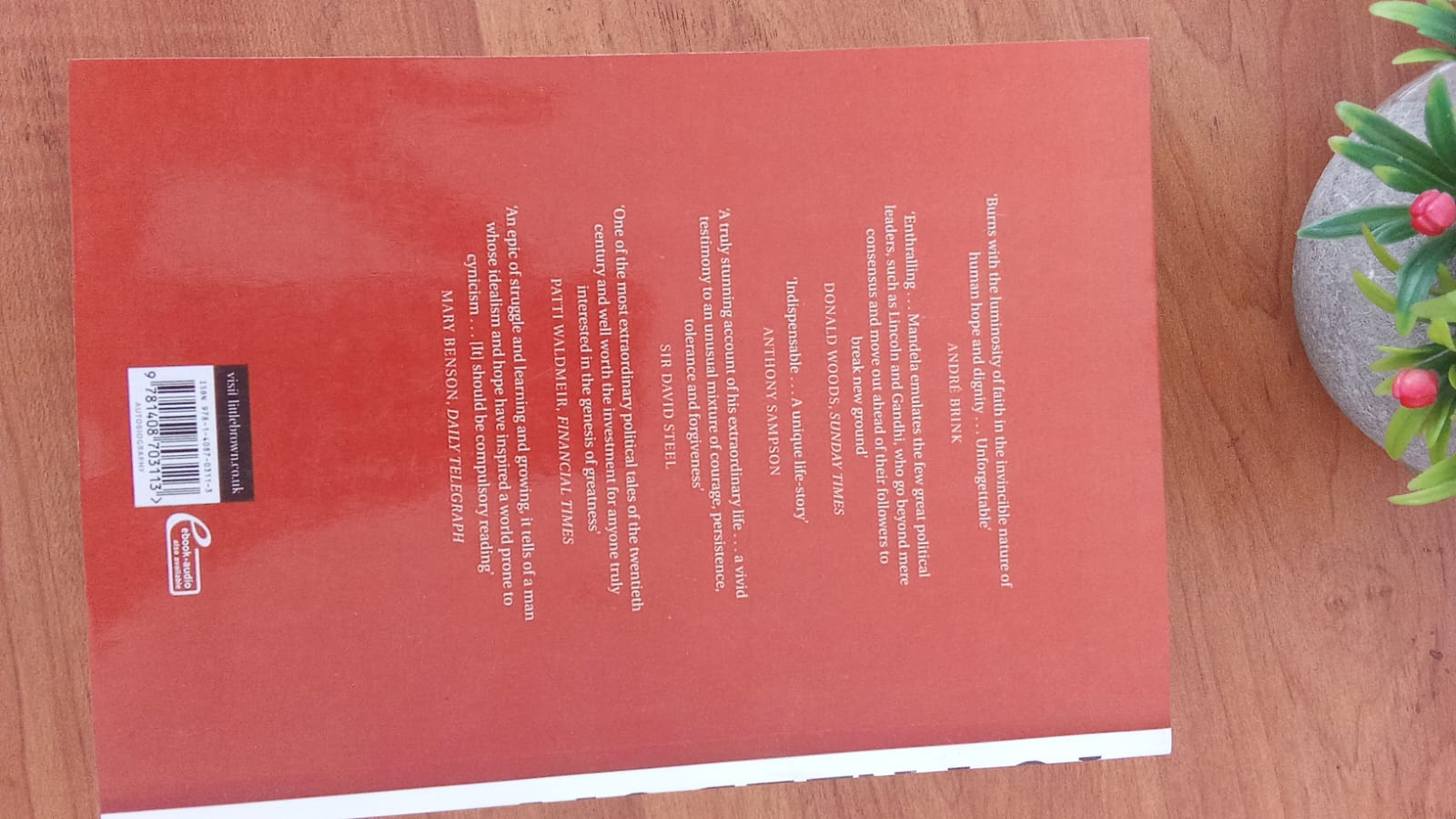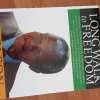
Long Walk to Freedom is the powerful autobiography of Nelson Mandela, one of the most influential leaders of the 20th century. This book tells the story of his journey from a rural village in South Africa to becoming the country’s first Black president. More than just a personal memoir, it is a story of resilience, sacrifice, justice, and the long struggle against apartheid. The central idea of Long Walk to Freedom is that true freedom is not only about breaking chains but also about living with dignity, equality, and responsibility toward others. Mandela shows that leadership is built through courage, patience, and an unwavering commitment to justice.
Rather than focusing only on political events, the book deeply explores Mandela’s personal growth, his values, and the emotional cost of fighting for freedom. Readers learn that greatness is not born overnight — it is shaped through hardship, discipline, and purpose.
Freedom Begins With Awareness and Purpose
One of the earliest lessons in Long Walk to Freedom is the importance of awareness. Mandela’s journey begins with his realization of the injustice faced by Black South Africans under apartheid. As a young man, he did not immediately become a revolutionary. Instead, his understanding grew gradually through experience, education, and observation.
He explains that true change begins when people recognize injustice and decide to act. Without awareness, people accept unfair systems as normal. Mandela’s story teaches that purpose gives direction to life, especially when facing challenges. His transformation from a student to an ակտիվ freedom fighter shows how awareness can shape destiny.
The Stages of Struggle and Growth
The book follows a clear progression of Mandela’s life — from childhood to activism, imprisonment, and finally leadership. Each stage presents different challenges and lessons. Readers learn how he:
-
Developed discipline and leadership skills early in life
-
Became involved in the African National Congress (ANC)
-
Faced increasing oppression and legal restrictions
-
Endured long years of imprisonment without losing hope
-
Emerged as a leader ready to unite a divided nation
Because the story follows a real-life journey, Long Walk to Freedom feels deeply authentic and inspiring rather than theoretical.
Leadership and Emotional Strength
A major strength of Long Walk to Freedom is its focus on leadership. Mandela shows that true leadership is not about power, but about responsibility and service. Even during his 27 years in prison, he remained mentally strong and emotionally balanced.
He emphasizes patience, self-control, and the ability to understand others — even opponents. Mandela believed that anger alone could not build a nation. Instead, emotional intelligence and forgiveness were necessary to create lasting peace. His ability to lead without bitterness is one of the most powerful lessons in the book.
Facing Hardship and Sacrifice
No journey to freedom is easy. Mandela’s life was filled with sacrifice — time away from family, personal loss, and years of isolation. Long Walk to Freedom makes it clear that meaningful change often comes at a high cost.
However, Mandela teaches that sacrifice is not meaningless when it serves a greater purpose. Instead of breaking him, hardship strengthened his resolve. Readers learn that resilience is built through enduring difficulties without losing hope or values.
Justice, Equality, and the Fight Against Apartheid
The core of the book revolves around the struggle against apartheid — a system of racial segregation and discrimination in South Africa. Mandela explains how deeply this system affected every aspect of life.
Through his experiences, readers understand that justice is not given freely; it must be fought for. Yet, Mandela also highlights that the goal is not revenge, but equality. His vision was always about creating a country where all people could live together peacefully.
Forgiveness and Reconciliation
One of the most powerful messages in Long Walk to Freedom is forgiveness. After spending decades in prison, Mandela chose reconciliation over revenge. This decision helped South Africa transition peacefully into democracy.
He teaches that holding onto anger only continues the cycle of conflict. True freedom includes the ability to forgive and move forward. This perspective makes the book not only political but deeply human and emotional.
Life After Freedom and Leadership
After his release, Mandela faced a new challenge — leading a nation. Freedom was not the end of the journey but the beginning of a new responsibility. As president, he focused on unity, nation-building, and healing divisions.
He shows that leadership requires continuous effort, humility, and vision. Success is not about personal achievement but about improving the lives of others.
Who Should Read This Book
This book is ideal for:
-
Readers interested in history and real-life struggles
-
Those seeking inspiration and motivation
-
Leaders and students of leadership
-
Anyone interested in justice, equality, and human rights
-
Readers who enjoy powerful autobiographies
The lessons also apply to personal growth, resilience, and understanding human values.
Explore More Books
Explore more inspiring biographies and self-growth books here:
https://bargainbooks.lk
Here is the official Wikipedia link for Long Walk to Freedom:
Read Long Walk to Freedom on Wikipedia
Lasting Impact
After reading Long Walk to Freedom, readers often feel inspired by Mandela’s strength, patience, and wisdom. Instead of reacting with anger, they learn the power of discipline and forgiveness


Reviews
There are no reviews yet.