
No products in the cart.
-19%
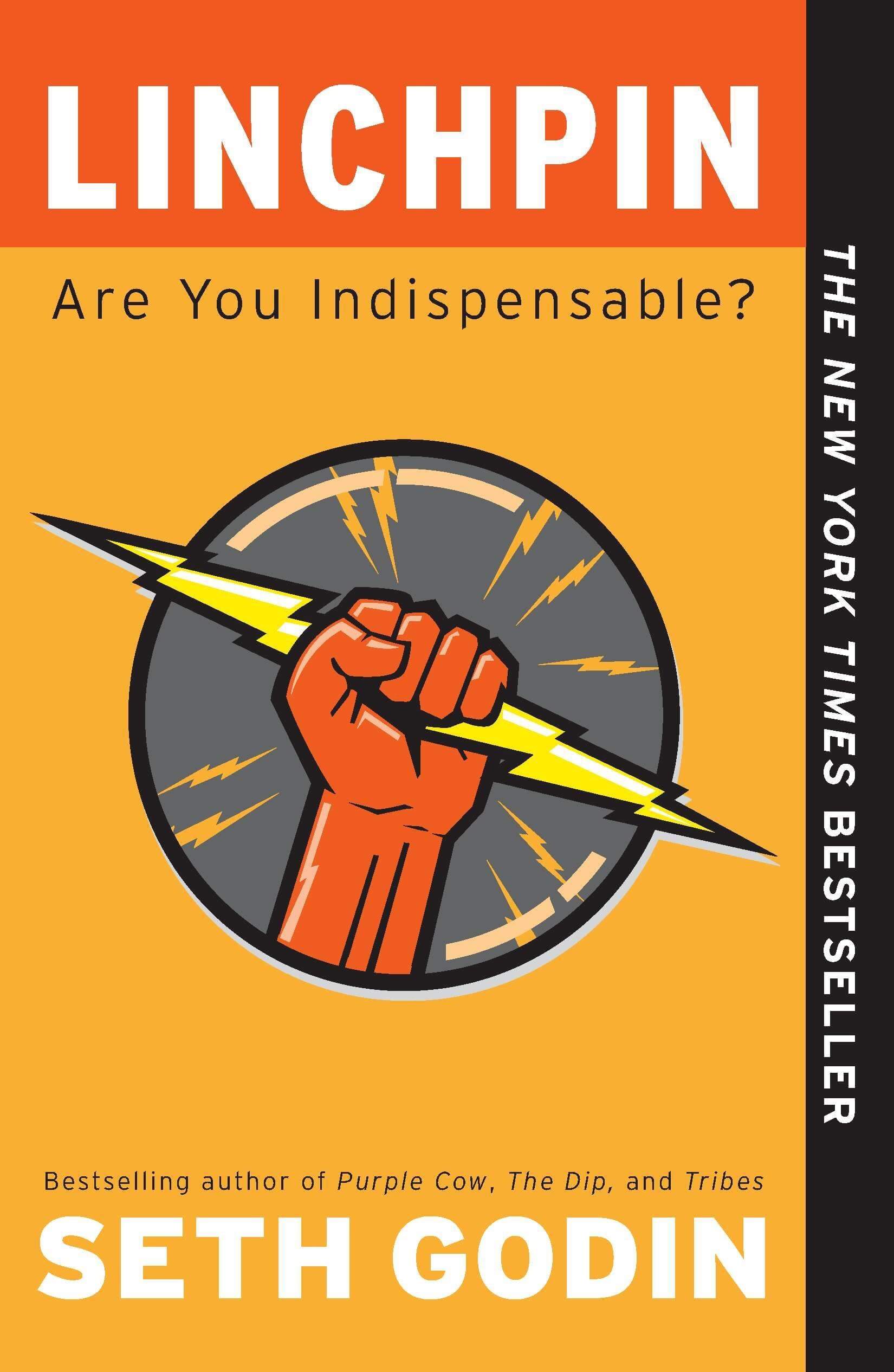
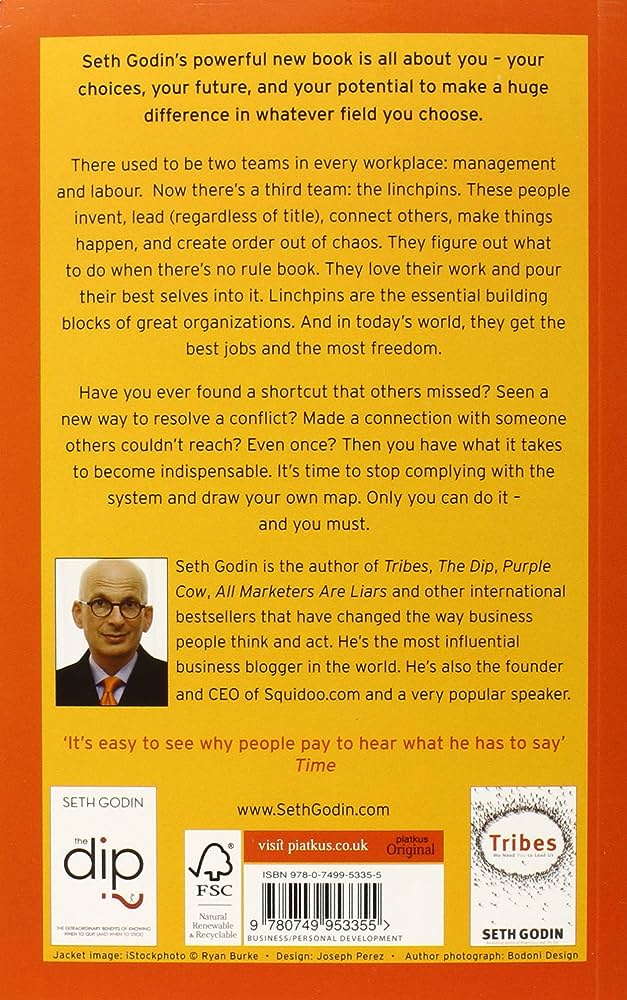

Linchpin by Seth Godin

Original price was: රු2,600.00.රු2,100.00Current price is: රු2,100.00.
3 X Rs. 700.00 or 8% Cashback with


or 3 X රු700.00 with


or up to 4 X රු525.00 with


Linchpin by Seth Godin is a powerful business and personal-development book about becoming more valuable and indispensable at work. Seth Godin explains why creativity, initiative, emotional labor, generosity, problem-solving and leadership are increasingly important in a world where routine work can be automated or replaced. Ideal for employees, entrepreneurs, managers, students and professionals who want to stand out, create meaningful work and become the person who makes things happen.
Out of stock
Email when stock available
Linchpin by Seth Godin is a powerful business and personal-development book about becoming someone who creates exceptional value instead of simply following instructions.
For generations, the traditional career formula seemed straightforward:
Go to school.
Get good grades.
Find a secure job.
Follow instructions.
Work hard.
Wait for promotion.
Repeat.
Seth Godin argues that this formula is becoming less reliable.
Modern organizations do not only need people who can perform predictable tasks.
They increasingly need people who can:
Solve difficult problems.
Create ideas.
Connect people.
Take initiative.
Lead without waiting for permission.
Handle uncertainty.
Bring humanity into their work.
These people are what Godin calls linchpins.
A linchpin is someone who becomes difficult to replace because they contribute something that cannot easily be written into a manual.
They bring:
Judgment.
Creativity.
Generosity.
Emotional intelligence.
Leadership.
Original thinking.
The central message of Linchpin by Seth Godin is not that you should become indispensable by hiding information or making others dependent on you.
It is almost the opposite.
You become valuable by giving more.
Creating more.
Solving more.
Connecting more.
And bringing something uniquely human to your work.
Linchpin by Seth Godin – Book Overview
Linchpin by Seth Godin challenges the idea that the safest career is one built entirely around obedience.
Factories were designed around predictable systems.
Managers created instructions.
Workers followed them.
That model worked extremely well in industrial economies.
But many modern jobs are different.
Customers expect personalization.
Technology changes quickly.
Competition is global.
AI and automation increasingly handle repetitive tasks.
Organizations therefore need people capable of doing things that cannot always be standardized.
This is where the linchpin becomes valuable.
What Is a Linchpin?
A linchpin is the small piece that can hold important parts of a system together.
In the workplace, Godin uses the term for people who become essential because they contribute more than their formal job description.
They may be the person who:
Calms an unhappy customer.
Finds a creative solution.
Connects two departments.
Sees an opportunity others missed.
Takes responsibility when something goes wrong.
Improves a process without being told.
Inspires coworkers.
Makes people feel understood.
Their value comes from judgment and initiative.
Indispensable Does Not Mean Irreplaceable
No employee is literally impossible to replace.
Companies change.
People leave.
Businesses close.
The idea is not to make yourself permanently irreplaceable.
Instead, Linchpin by Seth Godin encourages readers to become so useful, creative and generous that their contribution becomes unusually valuable.
Following Instructions Is No Longer Enough
A person can perform every assigned task correctly and still remain easy to replace.
Why?
Because if the job can be completely described in a checklist, someone else—or increasingly, software—may eventually perform it.
Godin’s challenge is:
What do you contribute beyond the checklist?
The Industrial Model of Work
Traditional industrial work rewarded:
Consistency.
Compliance.
Predictability.
Standardization.
Workers were often trained to minimize variation.
Modern knowledge work frequently rewards the opposite:
Insight.
Adaptability.
Creativity.
Human connection.
Judgment.
The shift changes what makes an employee valuable.
Creativity
Creativity is central to Linchpin by Seth Godin.
Creativity does not mean everyone must become:
A painter.
Musician.
Designer.
Writer.
Creativity can exist in almost any job.
A cashier can creatively solve a customer problem.
A manager can design a better workflow.
A salesperson can communicate value differently.
A software engineer can simplify a difficult process.
Creativity means bringing original judgment to a situation.
Art
Godin uses the word art more broadly than traditional artistic work.
Art is something personal and generous.
It is work that contains part of you.
A thoughtful customer interaction can be art.
A brilliant presentation can be art.
A carefully designed spreadsheet can be art.
A beautifully solved technical problem can be art.
What matters is that the work contains judgment and human contribution.
Work as Art
When work becomes art, the question changes from:
“What is the minimum I need to do?”
to:
“What can I create here that matters?”
That mindset can completely change how someone approaches a job.
Emotional Labor
One of the most important ideas in Linchpin by Seth Godin is emotional labor.
Emotional labor means doing difficult interpersonal work.
For example:
Remaining calm with an angry customer.
Showing patience.
Making someone feel welcome.
Encouraging a team.
Handling conflict professionally.
Offering empathy.
This kind of work cannot always be measured easily.
But it can create enormous value.
Emotional Intelligence at Work
Technical skill can get someone hired.
Emotional intelligence may help them become trusted.
People remember how you make them feel.
An employee who combines competence with empathy can become far more valuable than someone who has technical ability but creates constant conflict.
Generosity
Generosity is another major theme.
Godin encourages people to give their best work rather than constantly asking:
What will I get back?
This does not mean accepting exploitation.
It means understanding that value often grows through contribution.
Teach someone.
Share an idea.
Help a colleague.
Solve a customer problem.
Generosity builds reputation and trust.
Give Gifts
Godin often describes exceptional work as a gift.
A gift is something created because you want to contribute.
Not because every action has already been priced and negotiated.
This can make work feel more meaningful.
Initiative
Linchpins do not wait for perfect instructions.
They notice what needs to happen and act.
This may mean:
Fixing a problem.
Starting a conversation.
Creating a proposal.
Helping a customer.
Improving a process.
Initiative separates someone who simply occupies a position from someone who actively creates value.
Stop Waiting for Permission
Many people have good ideas but wait.
They think:
Someone should ask me.
Management should decide.
It isn’t my responsibility.
Godin challenges this mindset.
Leadership can begin before a formal promotion.
Leadership Without a Title
You do not need to be CEO to lead.
Leadership can mean:
Taking responsibility.
Helping others.
Making decisions.
Creating direction.
Building trust.
Anyone can demonstrate leadership through behavior.
Problem-Solving
Problems are opportunities to become valuable.
Anyone can follow a process when everything works perfectly.
Value becomes visible when something goes wrong.
The website fails.
A customer complains.
A shipment is delayed.
The team disagrees.
A project becomes unclear.
A linchpin asks:
What can I do?
Judgment
Many important decisions cannot be reduced to rules.
Customer situations differ.
Markets change.
People behave unpredictably.
This requires judgment.
Good judgment develops from:
Experience.
Attention.
Knowledge.
Empathy.
Reflection.
Judgment is difficult to automate completely.
The Resistance
One of the most memorable ideas in Linchpin by Seth Godin is the resistance.
The resistance is the internal voice that says:
Do not take the risk.
Do not share the idea.
Do not stand out.
Do not publish.
Do not start.
What if people laugh?
What if it fails?
The resistance encourages safety.
But excessive safety can prevent meaningful work.
The Lizard Brain
Godin also discusses the primitive part of the mind that reacts strongly to:
Fear.
Social rejection.
Uncertainty.
Risk.
This is often described as the lizard brain.
When someone prepares to do something important, fear may become louder.
That does not always mean the action is wrong.
Sometimes fear appears precisely because the work matters.
Fear of Criticism
Many people avoid original work because original work can be judged.
If you simply follow instructions, failure can be blamed on the instructions.
If you create something new, the result feels personal.
That makes creativity emotionally risky.
Ship the Work
One of Seth Godin’s recurring principles is the importance of shipping.
Ideas have limited value if they never leave your head.
A perfect project that is never completed creates no impact.
Shipping means:
Finish.
Publish.
Deliver.
Launch.
Submit.
Send.
Real work reaches another person.
Perfectionism
Perfectionism often disguises fear.
You tell yourself:
It is not ready.
I need another week.
I need more research.
I need one more change.
Sometimes improvement is necessary.
But sometimes endless improvement is simply avoidance.
Done Can Be Better Than Perfect
A useful idea from Linchpin by Seth Godin is that finishing meaningful work often matters more than endlessly polishing it.
You can:
Ship.
Learn.
Improve.
Then ship again.
Progress creates feedback.
The Map
Godin contrasts people who require a map with people capable of creating one.
A map tells you exactly where to go.
In many modern jobs, the map does not exist.
The problem is new.
The customer is different.
The market changed.
The solution must be invented.
A linchpin becomes valuable when there is no map.
When Instructions Stop
Anyone can look competent when detailed instructions exist.
The real test comes when instructions stop.
What do you do then?
Freeze?
Wait?
Or think?
That moment reveals initiative.
Making Your Own Map
Creating a map means deciding:
What matters?
What should happen next?
What risks are acceptable?
Which problem should be solved first?
This requires responsibility.
Responsibility
With freedom comes responsibility.
If you want more autonomy, you must accept that some decisions may be wrong.
A person who refuses all responsibility usually receives less freedom.
Taking Ownership
Ownership means thinking:
This is my problem too.
Instead of:
Someone else will fix it.
This mindset is powerful in:
Business.
Leadership.
Customer service.
Project work.
Being Remarkable
Seth Godin frequently writes about becoming remarkable.
Remarkable means worth talking about.
Not necessarily loud.
Not necessarily famous.
Simply valuable enough that people notice.
A remarkable employee might be the person customers specifically ask for.
Connection
Humans need connection.
A linchpin often becomes valuable because they connect:
People.
Ideas.
Departments.
Customers.
Opportunities.
They make relationships work.
Connecting People
Imagine two departments that constantly misunderstand each other.
One person understands both sides and helps them communicate.
That person may not have the highest title.
But their contribution can be extremely valuable.
Building Trust
Trust compounds.
If people know that you:
Keep promises.
Communicate honestly.
Take responsibility.
Deliver quality work.
they begin trusting your judgment.
Trust creates influence.
Reputation
Your reputation is built from repeated actions.
Not one motivational speech.
Not one good day.
Repeated behavior.
Do you:
Deliver?
Help?
Communicate?
Keep promises?
Solve problems?
Over time, these patterns become your professional reputation.
The New World of Work
The ideas in Linchpin by Seth Godin are increasingly relevant in a world shaped by:
Automation.
Artificial intelligence.
Remote work.
Global competition.
Digital platforms.
Rapid technological change.
The more routine work becomes automated, the more valuable human judgment may become.
Automation
Machines are excellent at:
Repetition.
Consistency.
Calculation.
Processing large amounts of information.
Humans create particular value through:
Empathy.
Context.
Creativity.
Relationships.
Ethical judgment.
The challenge is developing those strengths.
AI and Linchpin Thinking
AI can help people:
Write.
Analyze.
Code.
Research.
Automate.
But merely using tools does not automatically create exceptional value.
The deeper question remains:
What problem are you solving?
For whom?
Why does it matter?
How can your judgment improve the result?
Skills Versus Humanity
Technical skills matter.
But technical skills alone may become less differentiating as tools become easier to use.
Human abilities such as:
Leadership.
Communication.
Empathy.
Creativity.
Decision-making.
may therefore become even more important.
Careers
Linchpin by Seth Godin encourages readers to think differently about career security.
Traditional thinking says:
Find a safe job.
Godin’s approach is closer to:
Become someone who continually creates value.
A job can disappear.
Your ability to:
Learn.
Create.
Connect.
Lead.
can move with you.
Job Security
No company can guarantee permanent job security.
Markets change.
Businesses restructure.
Technology changes roles.
A stronger form of security may come from becoming highly capable and adaptable.
Learn Continuously
Linchpins keep learning.
They ask:
What is changing?
What skill do I need?
What can I understand better?
Continuous learning makes adaptation easier.
Curiosity
Curious people notice opportunities.
They ask:
Why does this happen?
Can this be improved?
What does the customer really need?
What happens if we try something else?
Curiosity often comes before innovation.
Customer Service
Customer service is a perfect example of emotional labor.
A script can handle ordinary questions.
But difficult situations require judgment.
A great employee can transform an angry customer into a loyal one.
That interaction is difficult to standardize.
Sales
In sales, linchpin behavior may involve:
Understanding the customer’s problem.
Building trust.
Giving honest advice.
Finding a solution.
Rather than simply pushing a product.
Great salespeople create relationships.
Retail
In retail, a linchpin may:
Remember customers.
Recommend the right product.
Solve complaints gracefully.
Train coworkers.
Improve displays.
Notice operational problems.
Small actions can create significant business value.
Entrepreneurship
Entrepreneurs naturally face situations without clear maps.
They need to decide:
What to build.
How to market.
Who to hire.
How to price.
How to respond to customers.
There are rarely perfect instructions.
That makes the ideas in Linchpin by Seth Godin highly relevant to founders.
Managers
Managers can create environments that either encourage or destroy linchpin behavior.
If employees are punished every time they take initiative, they eventually stop taking initiative.
Good management creates appropriate space for:
Judgment.
Creativity.
Responsibility.
Leaders Should Create More Leaders
A strong leader does not make everyone dependent on them.
They develop others.
Teach.
Delegate.
Trust.
Create opportunities.
This multiplies value.
Employee Mindset
You do not need to own the company to act like someone who cares.
This does not mean working without boundaries.
It means approaching your responsibilities with ownership.
Do More Than the Job Description
A job description defines basic expectations.
It does not define your maximum contribution.
You can add value through:
Communication.
Organization.
Ideas.
Support.
Leadership.
But Avoid Exploitation
Becoming a linchpin does not mean accepting unlimited unpaid work or unhealthy treatment.
Healthy professional value should still include:
Boundaries.
Fairness.
Respect.
Sustainable effort.
Generosity should not require self-destruction.
Authenticity
Trying to copy another successful person perfectly may reduce your uniqueness.
Your contribution comes from your combination of:
Experience.
Personality.
Knowledge.
Perspective.
Values.
Use what is uniquely yours.
Be Human
Businesses sometimes try to remove all emotion from work.
But customers and employees are human.
People respond to:
Kindness.
Respect.
Humor.
Attention.
Authenticity.
These qualities can create loyalty.
Relationships Are an Asset
Professional relationships matter.
Not because you should manipulate people for opportunities.
But because trust creates collaboration.
Help people before you need something.
Generosity Builds Networks
A generous network grows differently from a transactional one.
Instead of constantly asking:
What can this person do for me?
ask:
How can I contribute?
Over time, generous people often become highly connected.
The Economy of Gifts
Godin emphasizes that gifts create relationships.
When someone receives something valuable that was not mechanically required, they remember it.
This may be:
Advice.
Attention.
A solution.
An introduction.
Great work.
Work With Meaning
Many people want work to feel meaningful.
Meaning often increases when you believe your contribution matters to someone.
Ask:
Who benefits from what I do?
This can transform even ordinary tasks.
Purpose
Purpose does not always require changing careers.
Sometimes purpose comes from changing how you approach the work you already have.
A salesperson can help people choose wisely.
A teacher can change a student’s confidence.
A developer can make someone’s work easier.
Choose to Care
Caring is a choice.
Two people can perform the same job.
One does the minimum.
The other genuinely cares about the outcome.
Customers and coworkers usually notice the difference.
Courage
Becoming a linchpin requires courage.
You may need to:
Speak up.
Offer an idea.
Take responsibility.
Try something new.
Accept criticism.
Leadership requires emotional risk.
Criticism
If you create meaningful work, someone may dislike it.
Criticism does not automatically mean the work is bad.
Original work creates disagreement.
The alternative is creating nothing that matters enough to criticize.
Failure
Failure is part of creating.
If every project succeeds, you may not be taking meaningful risks.
The goal is not to fail carelessly.
It is to learn from intelligent experiments.
Learn Quickly
After failure, ask:
What happened?
What did I assume?
What can I change?
Then improve.
Failure becomes useful when it produces learning.
Persistence
The resistance does not disappear after one victory.
Fear returns.
Every new challenge may trigger it again.
Persistence means continuing to create despite repeated discomfort.
Discipline
Creative work is not only inspiration.
It also requires discipline.
Show up.
Work.
Finish.
Ship.
Repeat.
Consistency produces results.
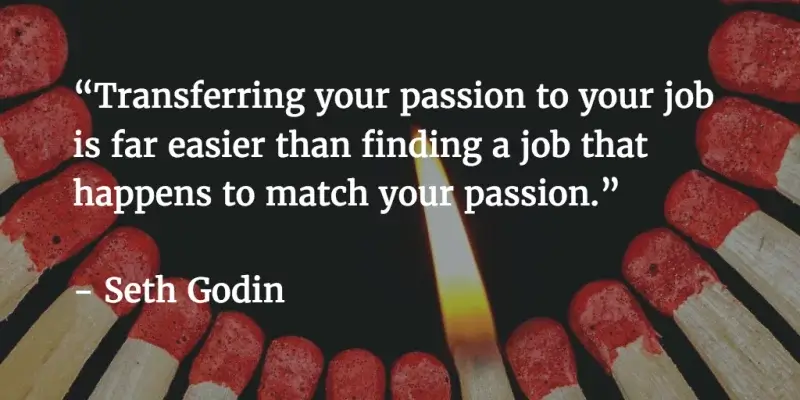
Passion
Godin challenges simplistic advice like:
Just follow your passion.
Sometimes passion grows after competence.
Doing meaningful work well can create deeper engagement.
Become Excellent
Excellence creates confidence.
The more capable you become, the more options you have.
Develop your craft.
Study.
Practice.
Improve.
Then combine skill with initiative.
Skill + Initiative
A highly skilled person who never acts may create little impact.
An enthusiastic person with no skill may also struggle.
The strongest combination is:
Competence.
Initiative.
The Value Equation
A simple way to think about the message of Linchpin by Seth Godin is:
Skill + Judgment + Initiative + Generosity = Exceptional Value
This is not a formal equation from the book, but it captures its overall philosophy.
Why Average Is Risky
Average once felt safe.
Do exactly what everyone else does.
But if thousands of people can perform the same work in exactly the same way, price becomes the main difference.
Being distinctive creates stronger value.
Become Difficult to Compare
When your work is unique, comparison becomes harder.
A remarkable consultant cannot easily be compared only by hourly rate.
A remarkable salesperson cannot be evaluated only by how many calls they make.
Unique value changes the conversation.
Your Personal Brand
Although the book is not primarily about social-media branding, its ideas connect with personal reputation.
What are you known for?
Reliability?
Creativity?
Problem-solving?
Leadership?
Your repeated actions create your brand.
School and Obedience
Godin also critiques educational systems that sometimes reward:
Memorization.
Following instructions.
Avoiding mistakes.
But modern work often requires:
Experimentation.
Questions.
Original thought.
Students should develop both academic knowledge and independent thinking.
Students Can Become Linchpins
A student can practice linchpin behavior by:
Starting projects.
Helping classmates.
Solving problems.
Developing useful skills.
Creating work publicly.
Leadership can begin before employment.
Entrepreneurs and Small Businesses
Small businesses especially benefit from linchpins.
In a small team, one creative person can dramatically improve:
Customer service.
Marketing.
Operations.
Sales.
Technology.
Culture.
The impact is visible quickly.
Marketing
Good marketing requires empathy.
What does the customer want?
What problem are they trying to solve?
What story connects with them?
This requires more than simply posting advertisements.
It requires understanding people.
Innovation
Innovation begins when someone refuses to assume:
This is how we always do it.
Instead ask:
Is there a better way?
That single question can create major improvements.
Process Improvement
You do not need to invent a billion-dollar product to innovate.
Innovation can be:
Reducing a five-step process to three.
Automating repetitive work.
Making instructions clearer.
Improving customer communication.
Small improvements compound.
Teamwork
A linchpin does not need to dominate the team.
Sometimes the most valuable person is the one who helps everyone else perform better.
They:
Share knowledge.
Encourage.
Connect.
Resolve conflict.
Team value matters more than personal attention.
Ego
If every contribution must produce public recognition, generosity becomes difficult.
Some of the best work happens quietly.
The goal is impact.
Not constant applause.
Humility
Confidence and humility can coexist.
You can believe:
I can contribute.
while also saying:
I can learn from others.
That combination makes collaboration easier.
Trust Yourself
At some point, you must make decisions without complete certainty.
That requires trusting your judgment.
You may still be wrong.
But refusing every decision is also a decision.
Decide
Linchpins make decisions.
They do not wait forever for perfect information.
They gather enough information.
Think.
Then act.
Build a Portfolio of Work
One way to demonstrate value is through completed projects.
Ideas are invisible.
Finished work creates evidence.
Create:
Projects.
Articles.
Systems.
Designs.
Case studies.
Solutions.
Your work becomes proof.
The Power of Shipping Repeatedly
One finished project may be luck.
Ten finished projects create a pattern.
The more you ship, the more opportunities you create for:
Feedback.
Learning.
Recognition.
Improvement.
Become Known for Something
Ask:
What do I want coworkers or customers to say when my name comes up?
Maybe:
They always solve difficult problems.
They are great with customers.
They explain technical things clearly.
They always deliver.
That reputation can become career capital.
Career Capital
Skills and reputation create options.
The more value you can demonstrate, the less dependent you become on one specific job.
This can create confidence.
Value Before Title
Do not wait for a leadership title before practicing leadership.
Do not wait for promotion before becoming reliable.
Build the capability first.
Titles may follow.
Responsibility Creates Opportunity
People who consistently handle responsibility well are often trusted with more responsibility.
Trust grows from evidence.
Build Relationships Before You Need Them
Do not only contact people when you need:
A job.
Money.
A favor.
Instead, build real relationships over time.
Support people.
Share ideas.
Stay connected.
Respect Everyone
A linchpin understands that status does not determine human value.
Treat:
Customers.
Cleaners.
Managers.
Interns.
Suppliers.
with respect.
People remember character.
Long-Term Thinking
Exceptional work often does not produce immediate rewards.
Reputation compounds over time.
One good interaction may seem small.
Hundreds of good interactions create a brand.
The Future of Work
As routine tasks continue becoming automated, Linchpin by Seth Godin feels increasingly relevant.
The safest career strategy may not be:
Learn one routine and repeat it forever.
A better strategy may be:
Keep learning.
Create value.
Develop judgment.
Build relationships.
Adapt.
7 Powerful Lessons From Linchpin
There are many ideas in Linchpin by Seth Godin, but seven stand out:
- Do more than simply follow instructions – Routine work is easier to replace, while judgment, creativity and initiative create distinctive value.
- Treat your best work as art – Art can exist in any profession when you bring creativity, care and personal judgment to what you do.
- Emotional labor is valuable – Empathy, patience, leadership, trust and human connection can be as important as technical skill.
- Do not let the resistance control you – Fear of criticism, failure and standing out often prevents people from doing their most important work.
- Ship your work – Ideas become valuable only when they are finished, delivered and exposed to real feedback.
- Create the map when no map exists – People become especially valuable when they can solve unfamiliar problems without waiting for perfect instructions.
- Generosity creates influence – Sharing knowledge, helping people and creating value can build trust, reputation and stronger professional relationships.
Why Read Linchpin by Seth Godin?
Linchpin by Seth Godin is an excellent choice for readers interested in:
- Seth Godin books
- Business
- Leadership
- Career development
- Personal development
- Entrepreneurship
- Creativity
- Innovation
- Productivity
- Workplace success
- Emotional intelligence
- Professional growth
- Personal branding
- Initiative
- Problem-solving
- Future of work
- Employee development
- Business mindset
- Modern careers
- Becoming indispensable
It is especially useful for people who want to move beyond simply completing assigned tasks and start creating greater value.
Who Should Read This Book?
Linchpin by Seth Godin may especially appeal to:
- Employees
- Entrepreneurs
- Business owners
- Managers
- Team leaders
- Sales professionals
- Marketers
- Creatives
- Software professionals
- Students
- Young professionals
- Freelancers
- Consultants
- Career changers
- People preparing for leadership roles
- Anyone who feels replaceable at work
- Anyone wanting to build a stronger professional reputation
Become the Person Who Makes Things Happen
Linchpin by Seth Godin challenges a comfortable idea.
The idea that doing exactly what you are told is enough.
In a world of:
Automation.
AI.
Global competition.
Constant change.
following instructions alone may no longer create strong career security.
The alternative is not working endlessly.
It is becoming more human.
Think.
Create.
Care.
Solve.
Connect.
Lead.
Give.
When everyone else waits for instructions, take appropriate initiative.
When the problem has no obvious solution, think creatively.
When a customer is frustrated, bring empathy.
When a coworker needs help, contribute.
When you have an idea, turn it into finished work.
When fear says:
Do not stand out.
recognize the resistance.
And continue.
A linchpin is valuable because they bring something that cannot easily be reduced to a checklist.
Their judgment.
Their relationships.
Their creativity.
Their generosity.
Their courage.
For readers interested in career development, leadership, creativity, business, entrepreneurship and becoming more valuable in a rapidly changing workplace, Linchpin by Seth Godin offers a challenging and motivating way to rethink what meaningful work can look like.
Learn more about Linchpin by Seth Godin on Seth Godin’s official website.
Explore more business and personal development books at Bargain Books.
| Author | Seth Godin |
|---|---|
| Type | Paperback Printed Book |
| ISBN/ISSN | 0749953659, 978-0749953652 |
| Language | English |
| Pages | 256 |
Be the first to review “Linchpin by Seth Godin”
Related products
-24%
Out of stock
Non-Fiction & Knowledge
Original price was: රු2,500.00.රු1,900.00Current price is: රු1,900.00.
3 X Rs. 633.33 or 8% Cashback with
or 3 X රු633.33 with
or up to 4 X රු475.00 with
-34%

Self-Help & Psychology
Original price was: රු2,350.00.රු1,550.00Current price is: රු1,550.00.
3 X Rs. 516.67 or 8% Cashback with
or 3 X රු516.67 with
or up to 4 X රු387.50 with
Non-Fiction & Knowledge
රු1,550.00
3 X Rs. 516.67 or 8% Cashback with
or 3 X රු516.67 with
or up to 4 X රු387.50 with
Out of stock
Non-Fiction & Knowledge
රු1,800.00
3 X Rs. 600.00 or 8% Cashback with
or 3 X රු600.00 with
or up to 4 X රු450.00 with
-19%
Out of stock
Non-Fiction & Knowledge
Original price was: රු2,650.00.රු2,150.00Current price is: රු2,150.00.
3 X Rs. 716.67 or 8% Cashback with
or 3 X රු716.67 with
or up to 4 X රු537.50 with
-24%
Out of stock
Non-Fiction & Knowledge
Original price was: රු2,100.00.රු1,600.00Current price is: රු1,600.00.
3 X Rs. 533.33 or 8% Cashback with
or 3 X රු533.33 with
or up to 4 X රු400.00 with
-24%
Out of stock
Non-Fiction & Knowledge
Original price was: රු2,100.00.රු1,600.00Current price is: රු1,600.00.
3 X Rs. 533.33 or 8% Cashback with
or 3 X රු533.33 with
or up to 4 X රු400.00 with
-24%
Non-Fiction & Knowledge
Original price was: රු2,300.00.රු1,750.00Current price is: රු1,750.00.
3 X Rs. 583.33 or 8% Cashback with
or 3 X රු583.33 with
or up to 4 X රු437.50 with
Reviews
There are no reviews yet.