No products in the cart.
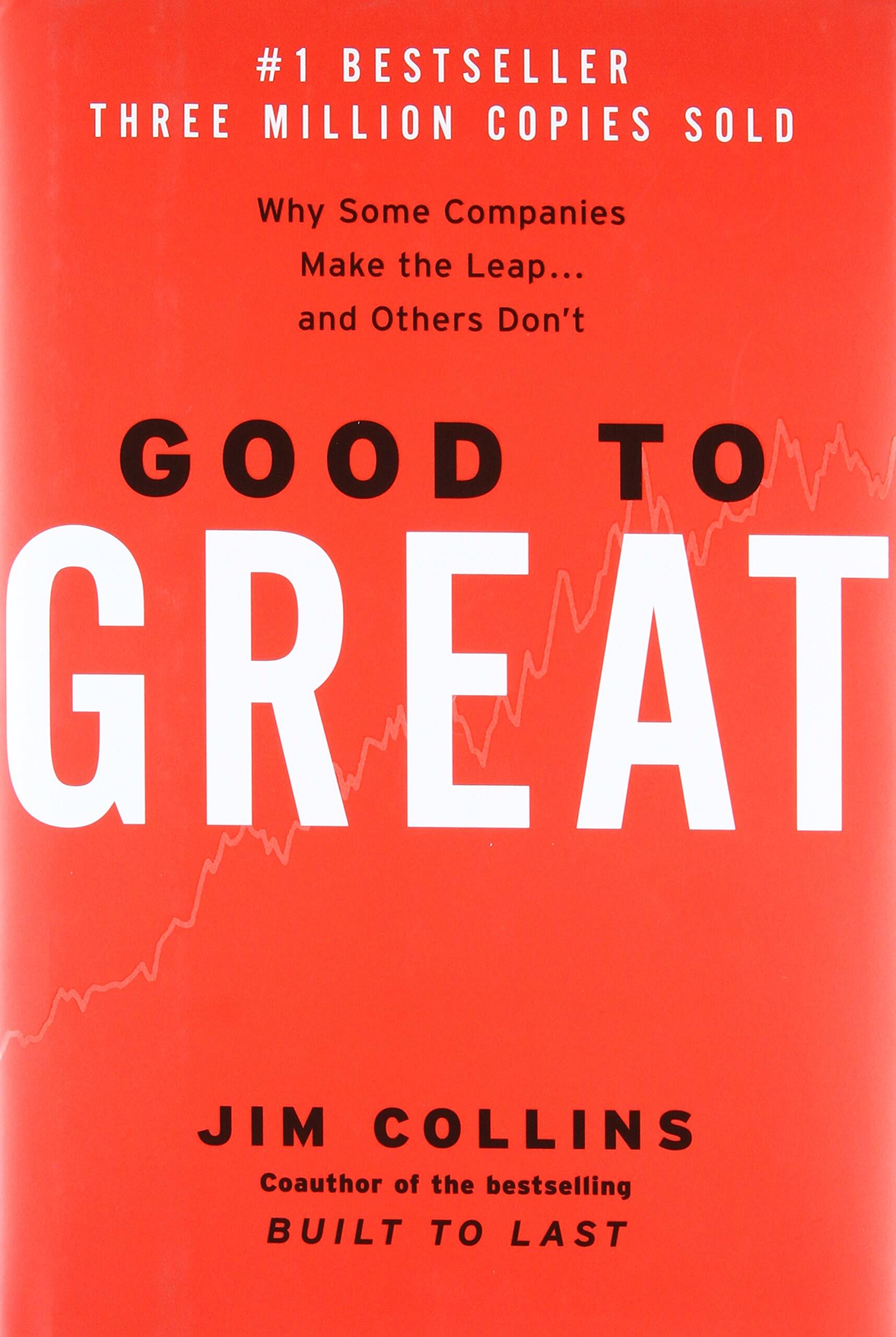
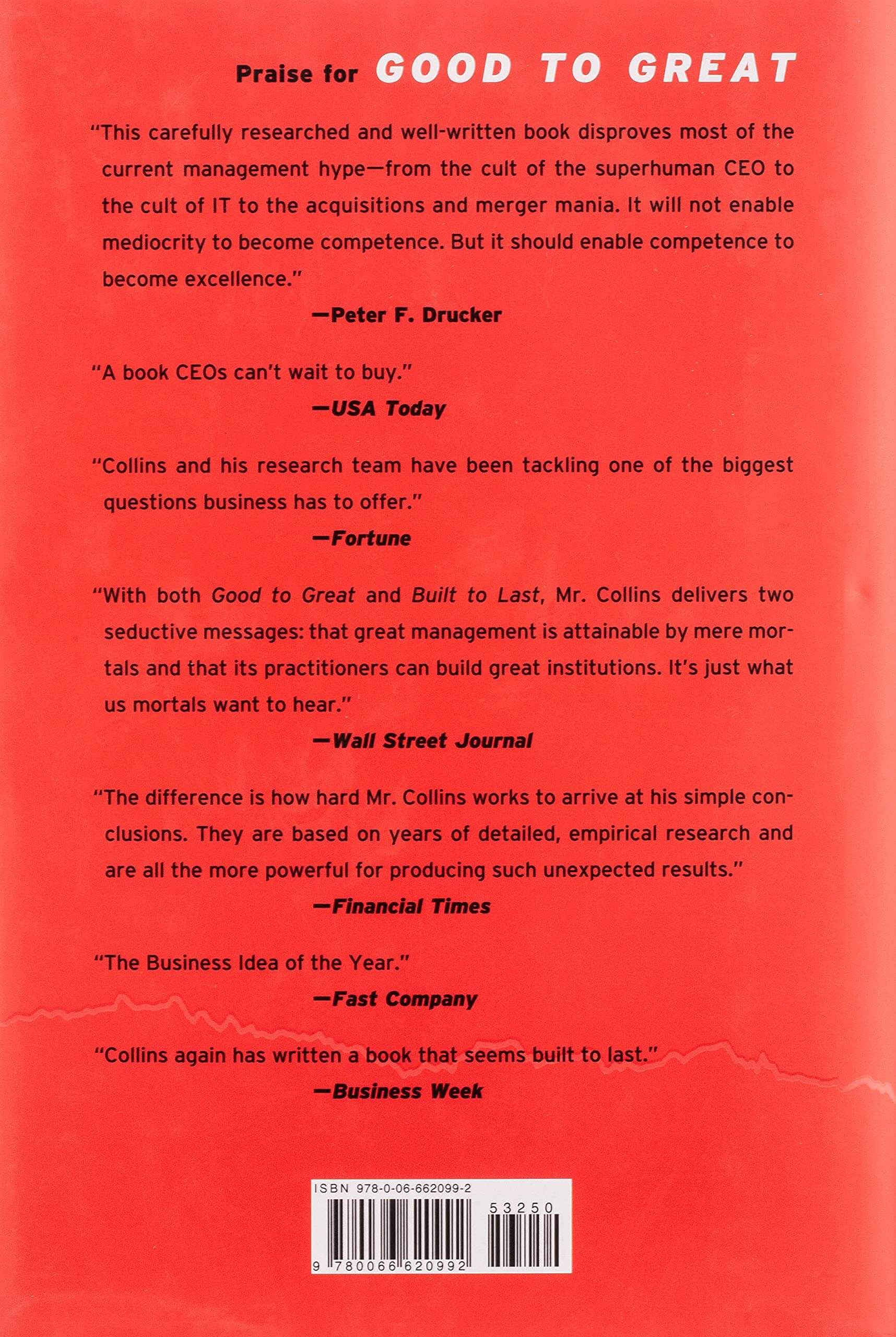


Good to Great by Jim Collins
Good to Great by Jim Collins is one of the most influential modern business books about leadership, management and building successful organizations. It explores a simple but important question: why do some companies make the leap from being merely good to becoming truly great, while others remain average?
Rather than relying only on personal opinions or inspirational stories, Jim Collins and his research team studied companies over many years and compared organizations that achieved exceptional long-term performance with similar companies that failed to make the same transformation.
The result is a practical framework containing ideas that leaders, entrepreneurs and managers can use to think differently about people, strategy, discipline and sustainable business growth.
Why Read Good to Great by Jim Collins?
One of the biggest strengths of Good to Great by Jim Collins is that it challenges many traditional assumptions about business success.
People often assume that extraordinary companies require celebrity CEOs, dramatic restructuring, revolutionary technology or a completely new business strategy.
Collins’ research suggests something different.
Companies that successfully move from good to great tend to build their success gradually through disciplined leadership, disciplined people, disciplined thinking and disciplined action.
Instead of searching for one magical solution, they develop a combination of practices that reinforce one another over time.
This makes the book particularly useful for readers who want to understand how lasting business success is created.
Level 5 Leadership
One of the most famous concepts in Good to Great is Level 5 Leadership.
Collins found that many of the leaders associated with successful good-to-great transformations did not behave like stereotypical celebrity CEOs.
Instead, they combined strong professional determination with personal humility.
They cared deeply about the success of the organization but did not necessarily seek personal attention or recognition.
This idea challenges the assumption that effective leaders must always be loud, charismatic or dominant.
According to the Good to Great framework, leadership effectiveness is more closely connected to disciplined decision-making, responsibility and commitment to the organization’s long-term success.
First Who, Then What
Another important lesson is “First Who, Then What.”
Many business leaders begin with strategy.
They decide where they want the company to go and then look for people who can execute that plan.
Good to Great suggests considering the problem differently.
First, get the right people involved.
Then decide exactly where the organization should go.
Collins uses the famous metaphor of getting the right people “on the bus” before deciding where to drive it.
The principle emphasizes how important hiring, team structure and people decisions can be.
A brilliant strategy becomes much harder to execute if the organization does not have capable and motivated people.
For entrepreneurs and managers, this idea can be especially valuable when building a growing team.
Confront the Brutal Facts
Successful organizations also need to understand reality.
Good leaders should remain optimistic about the future while still being willing to face uncomfortable facts about their current situation.
Ignoring declining sales, unhappy customers, ineffective employees or changing competitors does not make those problems disappear.
The Good to Great framework therefore emphasizes disciplined thought and the importance of confronting reality before making strategic decisions.
Organizations need environments where employees can share concerns, data can challenge assumptions and leaders are willing to reconsider their ideas.
This helps companies respond to problems before they become impossible to manage.
The Hedgehog Concept
The Hedgehog Concept is another well-known idea from Good to Great by Jim Collins.
Instead of trying to become excellent at everything, companies should develop a clear understanding of what they can potentially do exceptionally well.
The concept encourages leaders to think carefully about where their organization has genuine strengths and where it can create the greatest long-term value.
Clarity is important.
Businesses frequently become distracted by new opportunities, competitors or trends.
A company may begin offering too many products, entering too many markets or pursuing strategies that do not match its strengths.
The Hedgehog Concept encourages greater focus.
It asks organizations to understand what matters most and concentrate their energy there.
Build a Culture of Discipline
Discipline is another central idea throughout Good to Great.
However, Collins is not simply describing strict rules or controlling managers.
A strong culture of discipline means having people who understand their responsibilities and consistently make decisions that support the organization’s goals.
When disciplined people operate within a clear framework, companies may need fewer complicated controls.
Employees understand what matters.
Managers understand priorities.
And resources can be directed toward activities that support the organization’s strategy.
This combination of responsibility and focus can help businesses operate more effectively.
The Flywheel Effect
One of the most memorable ideas in Good to Great by Jim Collins is the Flywheel Effect.
Imagine pushing a huge, heavy flywheel.
The first push barely moves it.
You push again.
And again.
Slowly, the wheel begins moving faster.
Eventually, the accumulated momentum makes each additional push more powerful.
Collins uses this image to explain how successful companies often grow.
Major transformations are not always created by one dramatic event.
Instead, progress can come from many consistent decisions and actions working in the same direction over a long period of time.
For entrepreneurs, this is a powerful reminder that sustainable success often requires patience.
A new product may not immediately succeed.
A brand may take years to develop.
A business process may improve gradually.
But consistent progress can eventually create significant momentum.
Technology Is Not the Entire Strategy
Technology can be extremely valuable, but Good to Great argues against treating technology alone as the answer to every business problem.
Successful organizations use technology intelligently when it supports their existing strategy and strengths.
Simply purchasing new software, implementing artificial intelligence or following the latest digital trend will not automatically transform an organization.
Technology works best when the company already understands what it wants to achieve.
This lesson remains highly relevant for businesses today.
The question should not simply be:
“What new technology should we use?”
A better question may be:
“How can technology help us execute our strategy more effectively?”
Greatness Comes From Conscious Choices
Jim Collins’ official description of the book emphasizes that greatness is not primarily determined by circumstances but is substantially shaped by conscious choices and discipline.
This is one of the most encouraging ideas in the book.
Companies cannot control everything.
Economic conditions change.
Competitors appear.
Technology evolves.
Customer behaviour changes.
But leaders can control many important decisions inside their organizations.
They can choose whom to hire.
They can choose what to prioritize.
They can choose whether to confront difficult information.
And they can choose whether to remain disciplined when attractive distractions appear.
Who Should Read Good to Great?
This book is an excellent choice for readers interested in:
- Business management
- Entrepreneurship
- Leadership
- Business strategy
- Company growth
- Team building
- Organizational culture
- Decision making
- Long-term business success
- Management systems
- Employee development
- Strategic thinking
It is particularly useful for business owners, entrepreneurs, managers, executives and students who want to understand why certain organizations consistently perform better than others.
Is Good to Great Worth Reading?
If you are building a company or leading a team, Good to Great by Jim Collins provides a useful framework for thinking about sustainable success.
The book does not promise instant growth.
Instead, it emphasizes disciplined leadership, carefully chosen people, focused strategy and consistent execution.
The concepts are memorable enough to apply in real business situations.
When hiring someone, you can think about “First Who, Then What.”
When deciding where to focus, you can consider the Hedgehog Concept.
When progress feels slow, you can remember the Flywheel Effect.
And when the organization faces difficult information, you can remember the importance of confronting the brutal facts.
These principles make Good to Great more than simply a book about large corporations.
Many of its ideas can also be applied to smaller businesses, teams and organizations.
Buy Good to Great by Jim Collins in Sri Lanka
If you are searching for Good to Great by Jim Collins in Sri Lanka, this bestselling business and leadership book is a valuable addition to your professional reading collection.
Jim Collins has spent decades researching exceptional organizations, and his books have sold more than 11 million copies collectively. His work includes Good to Great, Built to Last, Great by Choice and other influential business titles.
Whether you are an entrepreneur starting a company, a manager leading employees, a business student learning strategy or an experienced leader trying to improve an organization, Good to Great by Jim Collins provides practical ideas for moving beyond acceptable performance toward lasting excellence.
Learn how disciplined people, disciplined thinking and disciplined action can help transform a good organization into a truly great one.
Learn more about Good to Great by Jim Collins on Jim Collins’ official website.
Explore more business and leadership books at Bargain Books.
| Author | Jim Collins |
|---|---|
| Language | English |
| Type | Paperback Printed Book (Second Quality Copy) |
Be the first to review “Good to Great by Jim Collins”
Related products
-33%

Self-Help & Psychology
Original price was: රු2,300.00.රු1,550.00Current price is: රු1,550.00.
3 X Rs. 516.67 or 8% Cashback with


or 3 X රු516.67 with

or up to 4 X රු387.50 with

-34%
Non-Fiction & Knowledge
Original price was: රු2,250.00.රු1,490.00Current price is: රු1,490.00.
3 X Rs. 496.67 or 8% Cashback with
or 3 X රු496.67 with
or up to 4 X රු372.50 with
-26%
Non-Fiction & Knowledge
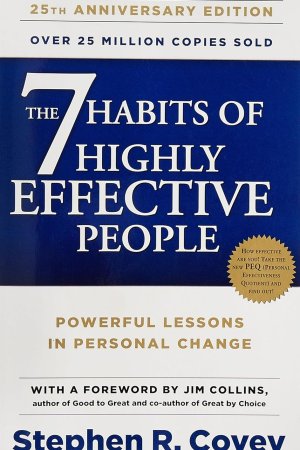
The 7 Habits of Highly Effective People by Stephen R. Covey – Blue Cover
Original price was: රු2,300.00.රු1,700.00Current price is: රු1,700.00.
3 X Rs. 566.67 or 8% Cashback with
or 3 X රු566.67 with
or up to 4 X රු425.00 with
Out of stock
Self-Help & Psychology
රු1,900.00
3 X Rs. 633.33 or 8% Cashback with
or 3 X රු633.33 with
or up to 4 X රු475.00 with
-17%
Out of stock
Non-Fiction & Knowledge
Original price was: රු2,900.00.රු2,400.00Current price is: රු2,400.00.
3 X Rs. 800.00 or 8% Cashback with
or 3 X රු800.00 with
or up to 4 X රු600.00 with
-23%

Non-Fiction & Knowledge
Original price was: රු2,200.00.රු1,700.00Current price is: රු1,700.00.
3 X Rs. 566.67 or 8% Cashback with
or 3 X රු566.67 with
or up to 4 X රු425.00 with
-24%
Out of stock
Non-Fiction & Knowledge
Original price was: රු2,500.00.රු1,900.00Current price is: රු1,900.00.
3 X Rs. 633.33 or 8% Cashback with
or 3 X රු633.33 with
or up to 4 X රු475.00 with
රු2,000.00
3 X Rs. 666.67 or 8% Cashback with
or 3 X රු666.67 with
or up to 4 X රු500.00 with
Reviews
There are no reviews yet.