
No products in the cart.
-6%
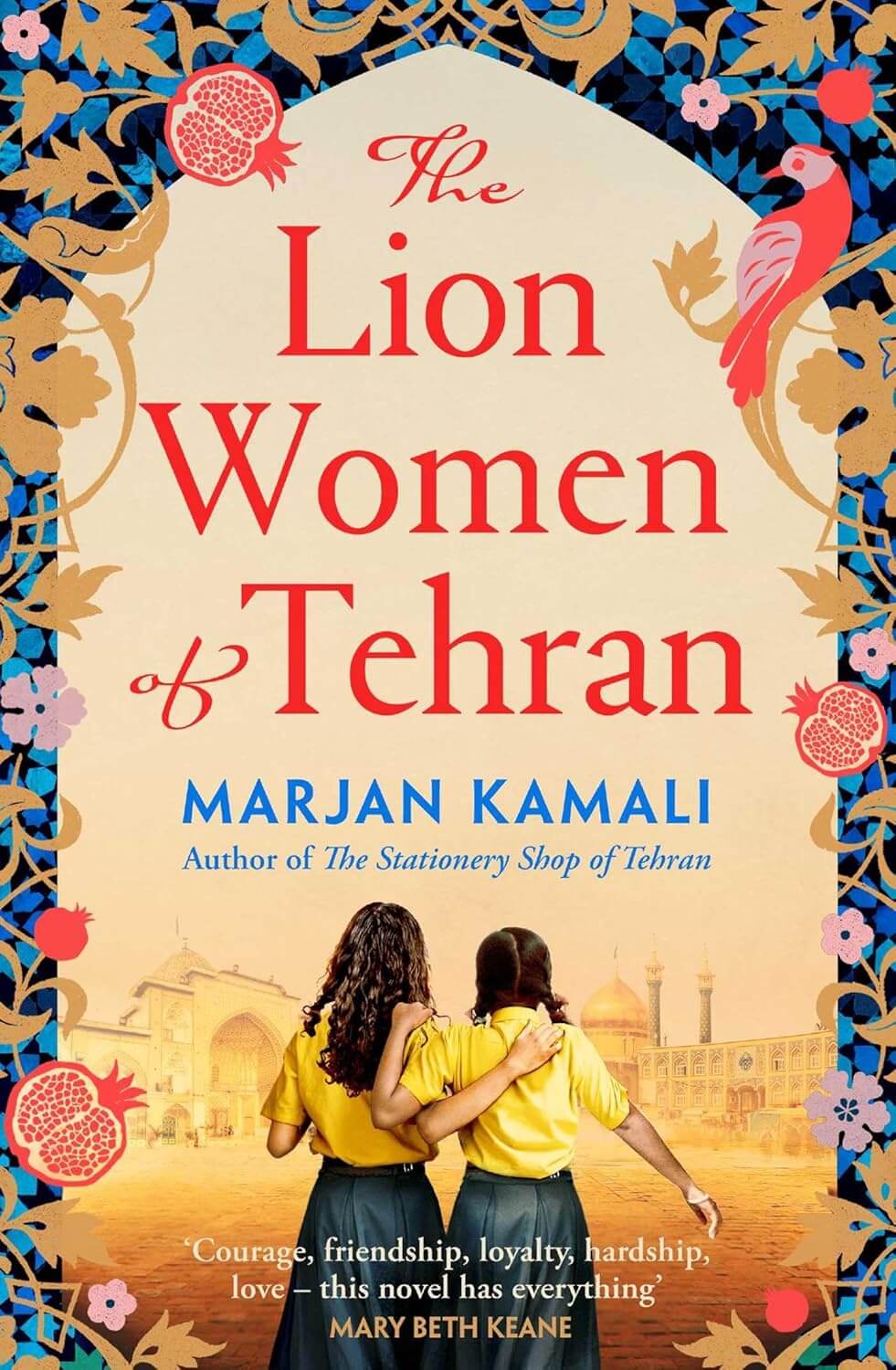
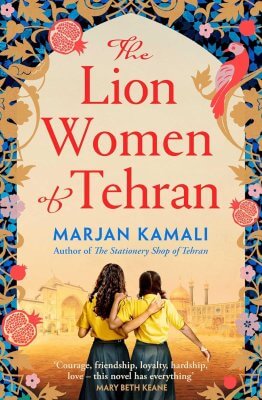
The Lion Women of Tehran by Marjan Kamali | Powerful Historical Fiction Paperback


Original price was: රු1,700.00.රු1,600.00Current price is: රු1,600.00.
3 X Rs. 533.33 or 8% Cashback with


or 3 X රු533.33 with


or up to 4 X රු400.00 with


From the bestselling author of The Stationery Shop comes a stirring novel about friendship, courage, and resistance in 1950s Tehran. The Lion Women of Tehran is a powerful tale of women defying the odds in a world that wants to silence them.
Genre: Historical Fiction, Women’s Fiction
Author: Marjan Kamali (The Stationery Shop)
Format: PaperbackSetting: 1950s Tehran, IranThemes: Women’s empowerment, political resistance, friendship, freedom
Writing Style: Rich, lyrical, emotionally immersive
Ideal For: Fans of Kristin Hannah, Lisa See, and Khaled Hosseini
Gift Idea: Great for book clubs, history lovers, and readers who admire bold female characters
Out of stock
Email when stock available
The Lion Women of Tehran by Marjan Kamali is a moving historical novel about friendship, courage, class, feminism, political change, betrayal and the powerful influence childhood relationships can have across an entire lifetime.
Set primarily in Tehran, Iran, the story begins in the 1950s with a young girl named Ellie.
At only seven years old, Ellie once lives a comfortable and privileged life. But after the unexpected death of her father, everything changes.
Ellie and her mother lose much of the security they once knew and move from their comfortable surroundings to a small home in downtown Tehran.
For Ellie, the change feels enormous.
She is grieving.
Lonely.
Confused.
And struggling with a mother who is deeply unhappy about their circumstances.
Then Ellie meets Homa.
Homa is warm, brave, passionate and full of energy.
The friendship between the two girls becomes one of the most important relationships of Ellie’s life.
Together, they explore Tehran, wander through the Grand Bazaar, cook in Homa’s family kitchen, share dreams and imagine the women they will one day become.
They want to become:
Lion women.
Strong women.
Courageous women.
Women capable of shaping their own futures.
But life, social class and politics begin pulling them in different directions.
As Iran changes, Ellie and Homa change too.
And one devastating act of betrayal will alter both of their lives.
The Lion Women of Tehran by Marjan Kamali – Book Overview
The Lion Women of Tehran by Marjan Kamali is both a deeply personal friendship story and a sweeping historical novel.
At its emotional centre are two girls:
Ellie.
Homa.
Their lives begin in very different circumstances, but friendship allows them to build a world together.
They play.
Cook.
Explore.
Talk about their dreams.
Imagine adulthood.
Their friendship becomes a source of happiness during a difficult period in Ellie’s childhood.
But as they grow older, social pressures become more powerful.
Class matters.
Family expectations matter.
Politics matter.
Gender matters.
The opportunities available to women become connected to forces far beyond the girls themselves.
This gives the novel both emotional and historical depth.
Ellie
Ellie is one of the novel’s central characters.
Her life changes dramatically after the death of her father.
She moves from comfort into financial difficulty.
This exposes her to a different part of Tehran and eventually leads her to Homa.
Ellie’s character is shaped by:
Grief.
Social class.
Family pressure.
Friendship.
Fear.
Privilege.
Regret.
Her journey demonstrates how circumstances can influence the choices people make.
Homa
Homa has a very different personality.
She is:
Bold.
Idealistic.
Passionate.
Courageous.
She grows into someone deeply interested in justice and women’s rights.
Homa wants a meaningful life.
She does not simply want to accept every limitation society places around her.
This makes her an especially powerful character.
Ellie and Homa
The friendship between Ellie and Homa drives The Lion Women of Tehran by Marjan Kamali.
They meet as children.
Their friendship develops naturally through:
School.
Food.
Neighborhood adventures.
Family life.
Shared dreams.
The relationship feels powerful because it begins before either girl fully understands the political and social forces that will later shape them.
Childhood Friendship
Childhood friendships can influence people for decades.
A childhood friend often knows a version of you that later friends never meet.
They remember:
Your family.
Your fears.
Your dreams.
Your younger self.
That makes separation especially painful.
The novel explores how a friendship formed in childhood can continue influencing identity long after circumstances change.
Social Class
Class is an important theme in The Lion Women of Tehran by Marjan Kamali.
Ellie begins life in privilege.
Then circumstances change.
For a period, she experiences a very different social environment.
Through Homa, she encounters a family and lifestyle different from the one she previously knew.
Later, when Ellie’s circumstances improve, she returns to a more privileged world.
That shift affects the friendship.
Privilege
Privilege can influence:
Education.
Social circles.
Opportunities.
Expectations.
Confidence.
The novel shows how privilege can create invisible distance between people who once felt equal.
Ellie may love Homa deeply, but the society around them continually reminds them that their positions are different.
Returning to Privilege
Eventually, Ellie and her mother are given the opportunity to return to their previous bourgeois lifestyle.
Ellie enters a prestigious girls’ school.
Her social world changes.
New friends appear.
Old memories begin fading.
Homa becomes more distant.
This transition raises an uncomfortable question:
How easily can circumstances change who we become?
Homa Returns
Years later, Homa unexpectedly returns to Ellie’s life.
The childhood friendship is suddenly given another chance.
But both girls have changed.
Their dreams are becoming more serious.
They are growing into young women.
And the political environment around them is becoming increasingly unstable.
Tehran
Tehran is not simply a background location.
It becomes part of the emotional identity of the novel.
Readers experience:
Neighborhood streets.
Family homes.
Schools.
Markets.
Food.
Social divisions.
Political tensions.
The Grand Bazaar.
The city changes alongside Ellie and Homa.
The Grand Bazaar
As children, Ellie and Homa wander through Tehran’s famous Grand Bazaar.
These scenes create warmth and nostalgia.
They remind readers that before politics and betrayal complicate everything, their friendship is built from ordinary moments.
Walking.
Talking.
Eating.
Playing.
Dreaming.
Those simple moments later become powerful memories.
Iranian Culture
The Lion Women of Tehran by Marjan Kamali introduces readers to Iranian culture through everyday life rather than treating the country only as a political setting.
Readers encounter:
Food.
Family.
Customs.
Language.
Social expectations.
Celebrations.
Community life.
This creates a richer portrait of Iran.
Food
Food plays an emotional role throughout many family stories.
Meals can carry:
Memory.
Love.
Tradition.
Identity.
Home.
The scenes involving cooking and family kitchens help give the friendship warmth.
Food connects Ellie with Homa’s family and later becomes connected to memory.
Women in Iranian Society
The position of women is one of the most important themes in The Lion Women of Tehran by Marjan Kamali.
Ellie and Homa grow up with expectations about what women should become.
But they also have ambitions.
They want:
Education.
Independence.
Meaningful work.
Choice.
Freedom.
The tension between social expectation and individual ambition becomes increasingly important.
What Is a Lion Woman?
The phrase lion woman represents strength.
As young girls, Ellie and Homa imagine becoming women who are:
Brave.
Independent.
Strong.
Capable.
Unwilling to disappear.
The meaning of that dream becomes deeper as they grow older.
Being strong becomes much more difficult when society itself is changing.
Feminism
Feminism is central to Homa’s development.
She becomes increasingly aware of the limitations placed on women.
Questions emerge about:
Education.
Career.
Marriage.
Political participation.
Legal rights.
Personal freedom.
The novel places these struggles inside a friendship story, making political change deeply personal.
Political Activism
Homa is drawn toward political activism and social change.
She wants to improve the world around her.
Political activism can be inspiring.
But in unstable political environments, it can also become dangerous.
The stakes become increasingly high.
Iran in the 1950s
The early sections take place during a transformative period in Iranian history.
The country was experiencing intense political debate and social change.
Different groups had competing visions for Iran’s future.
Politics increasingly affected ordinary people.
This historical context gradually becomes inseparable from Ellie and Homa’s lives.
Political Turmoil
One of the strengths of The Lion Women of Tehran by Marjan Kamali is that political change is not presented only through dates and politicians.
Readers see how instability affects:
Friendships.
Families.
Education.
Relationships.
Future plans.
Political history becomes personal history.
Women and Political Change
Political change can affect women differently.
Rights that appear secure can become uncertain.
New opportunities can appear.
Old restrictions can return.
Homa’s story is closely connected to the changing struggle over women’s place within society.
Courage
Courage appears in many forms.
Homa’s courage is often visible.
She speaks.
Challenges.
Acts.
Ellie’s courage can be quieter.
She has to confront:
Memory.
Regret.
Responsibility.
Sometimes the greatest courage is facing something from your own past.
Betrayal
Betrayal is one of the central themes in The Lion Women of Tehran by Marjan Kamali.
Without revealing the important details, a devastating betrayal changes the relationship between Ellie and Homa.
The consequences are enormous.
This event becomes one of the emotional foundations of the story.
One Decision Can Change Everything
Sometimes life changes through years of gradual decisions.
Other times one moment changes everything.
One careless decision.
One choice made from fear.
One act of betrayal.
The novel explores the long-term consequences of such a moment.
Guilt
Guilt can remain long after an event ends.
A person may build an entirely new life and still carry one memory.
That guilt can influence:
Relationships.
Identity.
Self-worth.
Happiness.
Ellie’s emotional journey demonstrates how difficult it can be to escape the past.
Regret
Regret asks:
What if I had acted differently?
What if I had been braver?
What if I had told the truth?
What if I could return?
But the past cannot be rewritten.
The only question becomes:
What can I do now?
Forgiveness
Forgiveness is therefore another important theme.
Can friendship survive betrayal?
Can another person forgive you?
Can you forgive yourself?
The answers are not simple.
Forgiveness does not erase consequences.
But it may create the possibility of moving forward.
Friendship and Loyalty
True friendship requires more than shared memories.
It also requires loyalty.
But people sometimes fail the people they love.
Fear.
Pressure.
Self-interest.
Family expectations.
can influence decisions.
The novel explores what happens when loyalty is tested under extreme circumstances.
Growing Apart
Many friendships change naturally.
People:
Move.
Change schools.
Enter different social circles.
Develop different beliefs.
Childhood closeness can disappear.
The story captures the sadness of recognizing that someone who once knew everything about you has become distant.
Finding Each Other Again
Reconnection can be powerful because both people carry memories of who they once were.
But reconnecting does not guarantee that everything returns to normal.
Time changes people.
New experiences create new versions of them.
Coming of Age
The Lion Women of Tehran by Marjan Kamali is also a coming-of-age story.
Ellie and Homa grow from children into women.
Their early dreams encounter:
Reality.
Politics.
Love.
Responsibility.
Fear.
Social expectations.
Their understanding of themselves changes.
Ambition
Both women want meaningful futures.
Ambition becomes important because women have not always been encouraged to imagine unlimited possibilities.
The dream of becoming lion women represents more than career success.
It represents the right to choose.
Education
Education can create independence.
It can provide:
Knowledge.
Career opportunities.
Confidence.
Social mobility.
For young women in changing societies, education can become especially powerful.
Marriage and Expectations
Marriage is another institution affected by social expectations.
Women may face pressure about:
Who to marry.
When to marry.
How to behave.
What responsibilities to accept.
The novel explores how personal decisions exist inside larger cultural structures.
Mothers and Daughters
Family relationships also influence the women’s development.
Parents carry:
Fear.
Expectations.
Class values.
Cultural assumptions.
Children may inherit those beliefs even when they do not consciously choose them.
Ellie’s Mother
Ellie’s mother is deeply affected by loss and changing social status.
Her dissatisfaction influences Ellie.
She also has strong ideas about class and the kind of future Ellie should have.
This adds another layer to Ellie’s choices.
Family Influence
People like to believe they make decisions independently.
But family influences:
Values.
Fear.
Career.
Marriage.
Social relationships.
Ellie’s life demonstrates how powerful those influences can become.
Fear
Fear shapes important decisions.
Fear of losing:
Status.
Security.
Family approval.
Safety.
Freedom.
Fear can make ordinary people behave in ways they later regret.
This makes the novel psychologically realistic.
Courage Versus Safety
Homa and Ellie often represent different responses to uncertainty.
One may be more willing to challenge the world.
The other may be more concerned with safety.
Neither position is always simple.
The reader is encouraged to understand the pressures behind both.
Political Repression
Political activism can become dangerous when authorities respond with repression.
Speaking publicly.
Organizing.
Challenging institutions.
can carry serious consequences.
This raises the stakes for characters who want social change.
Women’s Rights
The novel invites readers to consider how quickly rights can change.
Progress is not always permanent.
Social freedoms can:
Expand.
Contract.
Become contested.
This makes Homa’s ambitions especially significant.
Immigration
Later parts of the story extend beyond Iran.
Immigration creates another major theme:
What happens when someone builds a life in another country while emotionally remaining connected to home?
A person may physically leave.
Memory does not.
Home
What is home?
The country where you were born?
The city where you grew up?
The house where your family lives?
The place where your children live?
For immigrants, home can become complicated.
You may belong to more than one place while feeling completely at home in neither.
Memory
Memory connects the different periods of the novel.
Childhood streets.
Food.
Friendship.
Mistakes.
Loss.
All continue existing inside people long after places and circumstances change.
Nostalgia
Nostalgia can make the past feel warmer than it actually was.
We remember:
Friendship.
Food.
Laughter.
Places.
But memory can also contain:
Pain.
Fear.
Regret.
The novel balances both.
Identity
Ellie’s identity is shaped by many forces.
Family.
Social class.
Iran.
Friendship.
Marriage.
Immigration.
Guilt.
This makes her a complicated and human protagonist.
Becoming the Woman You Imagined
As children, Ellie and Homa dream about becoming lion women.
But adulthood raises another question:
Did I become the person I thought I would become?
Most adults eventually face some version of this question.
Childhood dreams meet adult reality.
Female Friendship
One reason The Lion Women of Tehran by Marjan Kamali stands out is its focus on female friendship.
Many novels place romantic love at the center.
Here, one of the most emotionally significant relationships is between two women who first meet as children.
Their friendship influences the direction of both lives.
Friendship Can Be a Great Love Story
Friendship can contain:
Love.
Jealousy.
Loyalty.
Betrayal.
Loss.
Forgiveness.
Devotion.
The emotional stakes can be just as high as romantic relationships.
History Through Women’s Lives
Historical fiction often focuses on:
Wars.
Kings.
Governments.
Military leaders.
This novel approaches history through women.
Their homes.
Schools.
Friendships.
Ambitions.
Rights.
Daily choices.
That gives political history a human perspective.
Historical Fiction
The Lion Women of Tehran by Marjan Kamali is a strong choice for historical-fiction readers because it combines large historical change with intimate personal storytelling.
Readers experience history through characters rather than through a textbook.
Political History Without Losing the Human Story
Political context matters.
But the novel remains emotionally focused.
Readers care about historical events because those events affect people they have come to know.
That is one of the strengths of historical fiction.
Love
Romantic and family relationships appear throughout the novel, but the deepest form of love may be the friendship between Ellie and Homa.
Their connection survives in memory even during separation.
Loss
Loss appears in many forms.
Death.
Lost friendship.
Lost opportunities.
Lost versions of a country.
Lost versions of ourselves.
The novel demonstrates that grief is not limited to death.
Second Chances
Can someone repair damage from decades earlier?
There may be no way to undo the past.
But there may still be an opportunity to:
Speak.
Listen.
Apologize.
Understand.
Act differently.
That possibility gives the story hope.
Redemption
Redemption does not mean pretending a mistake did not happen.
It means accepting responsibility and trying to become someone better afterward.
This becomes especially powerful when consequences cannot simply be reversed.
The Cost of Silence
Silence can protect someone temporarily.
But silence can also create larger consequences.
The novel invites readers to think about when speaking becomes a moral responsibility.
The Power of Women’s Voices
Homa represents a refusal to remain silent.
She wants women to have:
Rights.
Opportunities.
Representation.
A voice.
This gives the title additional meaning.
A lion woman does not disappear quietly when something important needs to be said.
Marjan Kamali
Marjan Kamali is known for emotionally rich fiction connected with Iranian history, culture, family and identity.
Readers may also recognize her as the author of:
The Stationery Shop
Like The Lion Women of Tehran, her fiction often combines:
Love.
Memory.
Iranian culture.
Political history.
Loss.
Human relationships.
Readers of The Stationery Shop
Readers who enjoyed The Stationery Shop may especially appreciate The Lion Women of Tehran by Marjan Kamali.
Both novels connect personal relationships with historical changes in Iran.
However, The Lion Women of Tehran places female friendship and women’s political awakening much more strongly at its centre.
A Standalone Novel
The Lion Women of Tehran by Marjan Kamali is a standalone novel.
You do not need to read any other Marjan Kamali book first.
Readers can begin directly with this story.
Not a Series
There is no prerequisite reading order.
This makes the book suitable for readers discovering Marjan Kamali for the first time.
Book Club Read
The novel is especially well suited to book clubs because it raises many discussion questions.
For example:
How does class influence friendship?
What does loyalty require?
Can betrayal ever be forgiven?
How much responsibility do people carry for decisions made under pressure?
How do women’s rights change during political upheaval?
What does home mean after immigration?
These questions make the story highly discussable.
Similar Reading Appeal
The official publisher compares the book’s appeal with works such as The Kite Runner and My Brilliant Friend.
Readers who enjoy emotionally powerful stories involving:
Friendship.
Political history.
Class.
Betrayal.
Identity.
may therefore find this novel especially compelling.
Content Considerations
The Lion Women of Tehran by Marjan Kamali deals with serious historical and emotional subjects.
Readers should be aware of themes involving:
- Death and grief
- Political unrest
- Political repression
- Violence
- Betrayal
- Gender inequality
- Social discrimination
- Family conflict
- Loss
- Difficult historical events
The novel is emotionally intense in places, but these themes support its exploration of friendship, courage and women’s lives.
7 Powerful Reasons to Read The Lion Women of Tehran
There are many reasons to read The Lion Women of Tehran by Marjan Kamali, but seven stand out:
- Ellie and Homa share an unforgettable friendship – Their bond begins in childhood and becomes the emotional foundation of a story spanning decades.
- The novel brings 1950s Tehran vividly to life – Markets, kitchens, schools, family traditions and neighborhoods provide a rich portrait of Iranian life.
- It explores women’s rights and feminism through personal experience – Homa’s ambitions and activism connect political issues with the lives of ordinary women.
- Class adds complexity to the friendship – Ellie and Homa’s different social positions influence their opportunities, relationships and choices.
- The story explores betrayal, guilt and forgiveness – One devastating decision creates consequences that continue across many years.
- Historical change becomes deeply personal – Iranian political upheaval is shown through its impact on friendship, family, identity and women’s futures.
- It celebrates the idea of becoming a “lion woman” – Courage, independence, loyalty and finding one’s voice give the novel an inspiring emotional core.
Why Read The Lion Women of Tehran by Marjan Kamali?
The Lion Women of Tehran by Marjan Kamali is an excellent choice for readers interested in:
- Marjan Kamali books
- Historical fiction
- Iranian fiction
- Female friendship
- Women’s fiction
- Feminism
- Political history
- Tehran
- Iran
- Women’s rights
- Coming-of-age novels
- Friendship and betrayal
- Immigration
- Family relationships
- Class differences
- Courage
- Forgiveness
- Book club fiction
- Emotional historical novels
- Middle Eastern literature
It is particularly suitable for readers who enjoy stories where intimate relationships unfold against major historical change.
Who Should Read This Book?
The Lion Women of Tehran by Marjan Kamali may especially appeal to:
- Historical-fiction readers
- Marjan Kamali fans
- Readers who enjoyed The Stationery Shop
- Readers interested in Iran
- Readers interested in women’s history
- Fans of female-friendship stories
- Book club readers
- Readers interested in feminism
- Readers who enjoy multigenerational or decades-spanning stories
- Readers interested in immigration and identity
- Fans of emotionally powerful fiction
- Readers who enjoy stories about betrayal and forgiveness
- Readers interested in political and social history
- Readers who enjoyed The Kite Runner
- Readers who enjoy character-driven novels
Friendship, Courage and the Women We Become
The Lion Women of Tehran by Marjan Kamali begins with something simple:
Two lonely girls becoming friends.
They walk through Tehran.
Cook together.
Play.
Share dreams.
Imagine their futures.
They promise themselves they will become strong women.
Lion women.
But growing up changes everything.
Class enters the friendship.
Family expectations become stronger.
Politics becomes dangerous.
Women’s rights become increasingly important.
Choices carry consequences.
And one act of betrayal creates damage that cannot simply be forgotten.
Yet beneath the history, politics and regret remains the memory of two girls who once believed the world could belong to them.
That is what gives the novel its emotional power.
It asks readers to think about the people who shape us when we are young.
The choices we make when we are afraid.
The guilt we carry.
The possibility of forgiveness.
And what it truly means to become courageous.
For readers interested in historical fiction, Iranian culture, women’s rights, friendship, betrayal, immigration, political change and deeply emotional character-driven stories, The Lion Women of Tehran by Marjan Kamali is a moving and memorable novel about the friendships and decisions that can shape an entire lifetime.
Learn more about The Lion Women of Tehran by Marjan Kamali on the official Simon & Schuster website.
Explore more literary and historical fiction books at Bargain Books.
Be the first to review “The Lion Women of Tehran by Marjan Kamali | Powerful Historical Fiction Paperback”
Related products
-17%

Classics & Literary Fiction
Original price was: රු2,400.00.රු1,990.00Current price is: රු1,990.00.
3 X Rs. 663.33 or 8% Cashback with
or 3 X රු663.33 with
or up to 4 X රු497.50 with

Out of stock
Classics & Literary Fiction
රු2,590.00
3 X Rs. 863.33 or 8% Cashback with
or 3 X රු863.33 with
or up to 4 X රු647.50 with
Out of stock
Classics & Literary Fiction
රු1,750.00
3 X Rs. 583.33 or 8% Cashback with
or 3 X රු583.33 with
or up to 4 X රු437.50 with
-22%

Out of stock
Classics & Literary Fiction
Original price was: රු2,250.00.රු1,750.00Current price is: රු1,750.00.
3 X Rs. 583.33 or 8% Cashback with
or 3 X රු583.33 with
or up to 4 X රු437.50 with
Out of stock
Classics & Literary Fiction
රු1,750.00
3 X Rs. 583.33 or 8% Cashback with
or 3 X රු583.33 with
or up to 4 X රු437.50 with
-11%

Out of stock
Classics & Literary Fiction
Original price was: රු1,800.00.රු1,600.00Current price is: රු1,600.00.
3 X Rs. 533.33 or 8% Cashback with
or 3 X රු533.33 with
or up to 4 X රු400.00 with
-19%
Out of stock
Classics & Literary Fiction
Original price was: රු2,600.00.රු2,100.00Current price is: රු2,100.00.
3 X Rs. 700.00 or 8% Cashback with
or 3 X රු700.00 with
or up to 4 X රු525.00 with
-28%

Out of stock
Classics & Literary Fiction
Original price was: රු1,800.00.රු1,300.00Current price is: රු1,300.00.
3 X Rs. 433.33 or 8% Cashback with
or 3 X රු433.33 with
or up to 4 X රු325.00 with
Reviews
There are no reviews yet.