
No products in the cart.
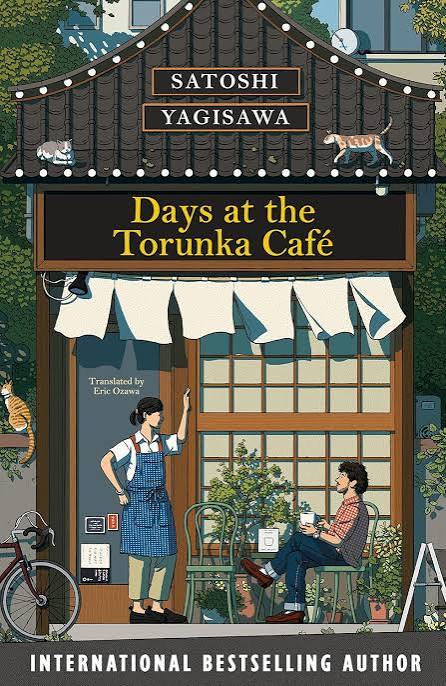
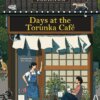
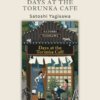
More Days at the Torunka Café by Satoshi Yagisawa

රු1,750.00
3 X Rs. 583.33 or 8% Cashback with


or 3 X රු583.33 with


or up to 4 X රු437.50 with


Return to the warm and peaceful Torunka Café in Satoshi Yagisawa’s heartwarming sequel.
Three new stories unfold around the café:
Chiyoko, remembering her first love after hearing an old melody.
Kota, struggling with hidden feelings for Shizuku.
Ayako, an illustrator facing burnout and uncertainty about her future.
A gentle Japanese novel about memory, friendship, love, change and the small everyday moments that bring people together.
Author: Satoshi Yagisawa
Translator: Eric Ozawa
Series: Torunka Café #2
Format: Paperback
Pages: 224
Genre: Japanese Fiction / Healing Fiction / Literary Fiction
20 in stock
More Days at the Torunka Café by Satoshi Yagisawa
Return to the Warm and Quiet Torunka Café
More Days at the Torunka Café by Satoshi Yagisawa welcomes readers back to a peaceful café tucked away on a narrow side street in Tokyo.
The Torunka Café is more than a place to drink coffee.
It is a place where people pause.
Where memories return.
Where strangers meet at exactly the right moment.
And where small, ordinary experiences can quietly change the direction of someone’s life.
This second volume follows three connected stories involving people who find themselves drawn to the café during important moments in their lives.
The English publisher describes the novel as a collection of three heartwarming stories centred on Chiyoko, Kota, and Ayako, each facing a different kind of emotional crossroads.
Chiyoko and the Memory of First Love
One of the stories follows Chiyoko, an elderly woman who has been visiting the Torunka Café for around twenty years.
She often sits quietly with her knitting.
One day, a piece of Chopin music playing inside the café brings back memories she thought had faded long ago.
The music reminds her of her youth.
And of the first person she ever loved.
Her story explores how memories can remain hidden for decades and then suddenly return through a sound, a place or a familiar feeling.
For Chiyoko, the café becomes a bridge between the woman she is today and the young woman she once was.
Kota and the Feelings He Cannot Express
Another story focuses on Kota, the childhood friend of Shizuku, the café owner’s daughter.
Kota cares deeply about Shizuku.
He wants to protect her.
But his feelings are more complicated than he is willing to admit.
He believes that being strong means handling everything himself.
Then an unexpected encounter involving a film crew forces him to reconsider both his limits and the way he sees his relationship with Shizuku.
His story explores:
- Friendship
- Hidden feelings
- Responsibility
- Growing up
- Vulnerability
- Learning when to accept help
Rather than presenting strength as independence alone, the novel shows that trusting other people can also require courage.
Ayako and a Life at a Crossroads
The third major story follows Ayako, an illustrator who loves quotations but feels uncertain about the direction of her own life.
She has reached a point where her career no longer feels as fulfilling as it once did.
She feels tired.
Uncertain.
And unsure whether she should keep moving in the same direction.
Then she unexpectedly meets an old friend.
That chance encounter begins to change the way she thinks about her work and her future.
Ayako’s story may especially resonate with readers who have experienced:
- Creative burnout
- Career uncertainty
- Self-doubt
- Fear of changing direction
- The feeling of being stuck
Her journey reminds readers that sometimes a new beginning arrives through a very small moment.
The Comfort of Everyday Life
More Days at the Torunka Café is not a fast-paced novel built around dramatic twists.
Its strength comes from quiet moments.
A cup of coffee.
Music playing in the background.
A conversation.
A familiar face.
An unexpected reunion.
The novel shows how ordinary moments can carry emotional importance.
This makes it a strong example of the increasingly popular Japanese healing fiction / cosy fiction style.
Japanese Healing Fiction
Readers who enjoy books about:
- Cafés
- Bookshops
- Quiet neighbourhoods
- Everyday relationships
- Memory
- Connection
- Second chances
may particularly enjoy this novel.
The Torunka Café functions almost like another character.
People enter carrying problems, memories and uncertainty.
They leave with something slightly different.
Not necessarily a perfect answer.
But often a little more hope.
Three Stories, One Café
The novel is structured around three major stories.
Although each focuses on different characters, they are connected by the Torunka Café and its familiar community.
This gives the book a gentle episodic structure.
Each section can stand emotionally on its own, while together they create a wider portrait of people searching for connection and direction.
Major Themes
Memory
The past continues to influence the present, sometimes in unexpected ways.
First Love
Chiyoko’s story explores how early love can remain emotionally meaningful even after many years.
Friendship
Several characters discover how important long-term friendships can be during moments of change.
Connection
The café brings together people who might otherwise never have met.
Change
Characters face personal turning points and must decide whether to remain where they are or move forward.
Creativity
Ayako’s story looks at burnout, uncertainty and what it means to rediscover motivation.
Everyday Happiness
The novel suggests that happiness does not always arrive through huge life events.
Sometimes it appears through small experiences.
Is More Days at the Torunka Café Part of a Series?
Yes.
It is Book 2 of the Torunka Café series. English-edition catalogues identify it as the second Torunka Café title.
Reading Order
1. Days at the Torunka Café
2. More Days at the Torunka Café
Should You Read Book 1 First?
Recommended, but not absolutely necessary.
The stories in this volume focus on their own characters and emotional journeys, but reading Days at the Torunka Café first will help readers understand the café, Shizuku and the surrounding community better.
Who Will Enjoy This Book?
This title may especially appeal to readers who enjoy:
- Japanese fiction
- Healing fiction
- Cosy fiction
- Café novels
- Slice-of-life fiction
- Emotional contemporary fiction
- Quiet character-driven stories
- Books about memory
- Books about friendship
- Satoshi Yagisawa
- Toshikazu Kawaguchi
- Michiko Aoyama
- Before the Coffee Gets Cold
- Days at the Morisaki Bookshop
About Satoshi Yagisawa
Satoshi Yagisawa is a Japanese novelist born in Chiba, Japan.
He is best known internationally for:
- Days at the Morisaki Bookshop
- More Days at the Morisaki Bookshop
- Days at the Torunka Café
- More Days at the Torunka Café
His debut novel, Days at the Morisaki Bookshop, won the Chiyoda Literature Prize and later became an international bestseller.
His writing often focuses on ordinary people, quiet neighbourhoods, books, cafés, relationships and the small experiences that help people find their way forward.
For Sri Lankan readers who enjoy soft, comforting Japanese fiction with themes of memory, connection, hope and everyday life, More Days at the Torunka Café is a strong choice.
Be the first to review “More Days at the Torunka Café by Satoshi Yagisawa”
Related products

Out of stock
Classics & Literary Fiction
රු1,500.00
3 X Rs. 500.00 or 8% Cashback with
or 3 X රු500.00 with
or up to 4 X රු375.00 with
-20%

Contemporary romance
Original price was: රු2,050.00.රු1,650.00Current price is: රු1,650.00.
3 X Rs. 550.00 or 8% Cashback with
or 3 X රු550.00 with
or up to 4 X රු412.50 with
Classics & Literary Fiction
රු1,750.00
3 X Rs. 583.33 or 8% Cashback with
or 3 X රු583.33 with
or up to 4 X රු437.50 with
-26%

Contemporary romance
Original price was: රු1,950.00.රු1,450.00Current price is: රු1,450.00.
3 X Rs. 483.33 or 8% Cashback with
or 3 X රු483.33 with
or up to 4 X රු362.50 with
-18%

Out of stock
Fiction & Literature
Original price was: රු2,750.00.රු2,250.00Current price is: රු2,250.00.
3 X Rs. 750.00 or 8% Cashback with
or 3 X රු750.00 with
or up to 4 X රු562.50 with
-48%

Classics & Literary Fiction
Original price was: රු3,000.00.රු1,550.00Current price is: රු1,550.00.
3 X Rs. 516.67 or 8% Cashback with
or 3 X රු516.67 with
or up to 4 X රු387.50 with
Classics & Literary Fiction
රු1,850.00
3 X Rs. 616.67 or 8% Cashback with
or 3 X රු616.67 with
or up to 4 X රු462.50 with
-28%

Out of stock
Classics & Literary Fiction
Original price was: රු1,800.00.රු1,300.00Current price is: රු1,300.00.
3 X Rs. 433.33 or 8% Cashback with
or 3 X රු433.33 with
or up to 4 X රු325.00 with
Reviews
There are no reviews yet.