
No products in the cart.



Get Good With Money by Tiffany Aliche

රු1,800.00
3 X Rs. 600.00 or 8% Cashback with


or 3 X රු600.00 with


or up to 4 X රු450.00 with


Product Description:
Get Good with Money by Tiffany Aliche is a practical and empowering personal finance guide that helps you take control of your money and build long-term financial stability. Through a simple 10-step plan, the book teaches how to budget, save, manage debt, and invest wisely. With clear advice and real-life strategies, it makes financial success achievable for anyone. Perfect for beginners and anyone looking to improve their financial habits, this book provides the tools to create a secure and confident financial future.
1 in stock
Get Good with Money by Tiffany Aliche is a practical personal-finance guide for anyone who wants to stop feeling confused, stressed, or overwhelmed about money.
You do not need to be rich.
You do not need to understand complicated investments.
And you do not need to have perfect finances before you begin.
Instead, Tiffany Aliche teaches readers how to build a strong financial foundation step by step.
Budget.
Save.
Pay down debt.
Improve credit.
Increase income.
Invest.
Protect yourself.
Build net worth.
Choose the right financial professionals.
Plan what happens to your money and assets in the future.
These areas form Aliche’s concept of financial wholeness—when the different parts of your financial life are working together rather than fighting against one another.
Why Read Get Good with Money?
Get Good with Money is ideal for readers who want straightforward guidance rather than complicated financial theory.
Readers can expect help with:
- Budgeting
- Saving money
- Emergency funds
- Paying off debt
- Credit scores
- Increasing income
- Investing
- Insurance
- Net worth
- Financial planning
- Estate planning
- Money habits
- Financial confidence
- Long-term wealth
The book also includes worksheets, checklists, tools, and practical exercises designed to turn financial knowledge into action.
Get Good with Money and Financial Wholeness
The most important idea in Get Good with Money is financial wholeness.
Many personal-finance books focus mainly on becoming rich.
Earn more.
Invest aggressively.
Reach financial independence.
Retire early.
Aliche takes a slightly different approach.
She argues that the first goal should be building a financial life that is stable across multiple areas.
A person may have a high salary but enormous debt.
Another person may have money saved but no insurance.
Someone else may invest while constantly missing bills.
These individual strengths do not automatically create a strong financial foundation.
Financial wholeness means improving the entire system.
Aliche presents it as something people can work toward regardless of their current income level.
Get Good with Money Step 1: Build a Budget
The first step is budgeting.
A budget should tell your money where to go.
Not simply tell you afterward where it disappeared.
Aliche encourages readers to build a written budget and partially automate it through tools such as:
Automatic transfers.
Automatic savings.
Online bill payments.
Separate accounts.
The goal is to reduce the number of money decisions you need to make every day.
A good budget should help you understand:
How much comes in.
How much must go out.
What expenses are essential.
What can be reduced.
And how much can be directed toward your goals.
Budgeting forms the foundation of the wider system in Get Good with Money.
The Noodle Budget
One practical concept in the book is the “noodle budget.”
This is essentially your stripped-down financial baseline.
Imagine your income suddenly falls.
What would you absolutely need to survive?
Housing.
Food.
Utilities.
Transportation.
Essential bills.
The noodle budget helps you understand your minimum necessary monthly expenses.
That number becomes especially useful when calculating emergency savings.
It also helps you separate genuine needs from expenses that could temporarily be reduced.
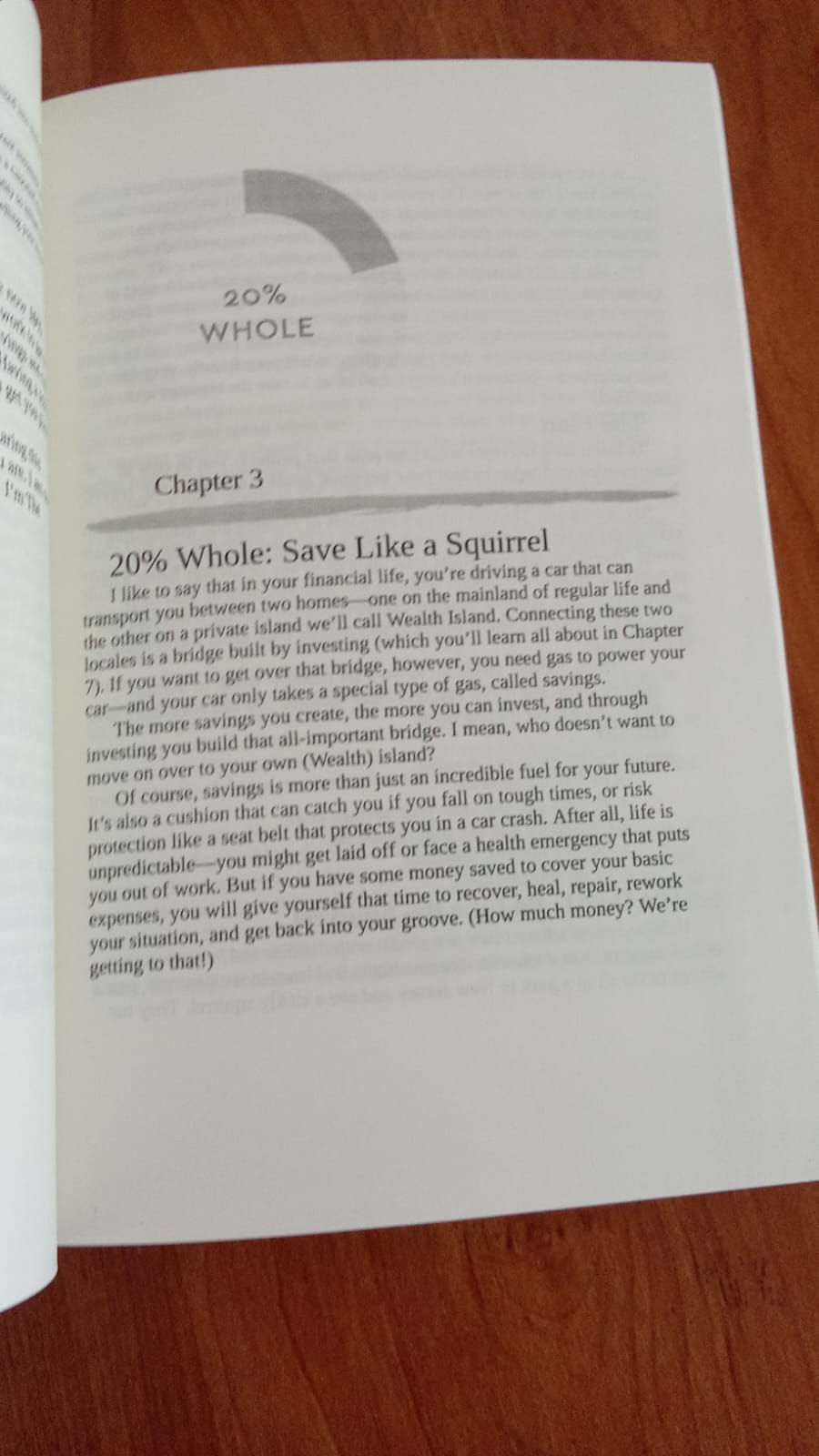
Get Good with Money Step 2: Save Like a Squirrel
The second step focuses on saving.
Aliche recommends building enough emergency savings to cover at least several months of necessary expenses.
Savings can also be divided by purpose.
For example:
Emergency savings for unexpected financial problems.
Goal savings for things such as a home, car, trip, or other major purchase.
Investing money for longer-term wealth creation.
Separating savings by purpose can make financial goals easier to understand.
Instead of thinking:
“I need to save more.”
You can think:
“I need this amount for emergencies, this amount for my short-term goal, and this amount for my future.”
That makes saving much more concrete.
Get Good with Money Step 3: Dig Out of Debt
Debt can create enormous emotional pressure.
Ignoring it usually makes that pressure worse.
Get Good with Money encourages readers to first create a complete picture.
Write down:
Who you owe.
How much you owe.
Interest rates.
Minimum payments.
Due dates.
Then create a repayment strategy.
Once the situation is visible, it becomes easier to make a plan.
The goal is not simply to feel guilty about debt.
It is to understand it clearly and begin reducing it systematically.
Get Good with Money Step 4: Improve Your Credit
Credit affects many areas of financial life.
Borrowing.
Interest rates.
Mortgages.
Loans.
And sometimes even other financial opportunities.
Aliche encourages readers to understand the factors affecting their credit rather than treating the credit score as a mysterious number.
Check your report.
Understand what is helping.
Identify what is hurting.
Then create a specific improvement plan.
The book’s financial-wholeness framework treats good credit as one component of stability rather than the entire definition of financial success.
Get Good with Money and Earning More
Sometimes spending is the problem.
Sometimes income is the problem.
Sometimes both are.
One of the useful ideas in Get Good with Money is identifying which situation applies to you.
You can cut expenses only so far.
Eventually, some financial goals require more income.
That may mean:
Negotiating salary.
Developing skills.
Changing jobs.
Starting additional income streams.
Building a business.
Or creating opportunities for advancement.
The book includes tools intended to help readers distinguish between a “spend too much” problem and a “don’t make enough” problem.
Get Good with Money and Investing
Saving protects money.
Investing gives money the opportunity to grow.
These are different functions.
Keeping every dollar in cash may feel safe.
But long-term goals such as retirement often require some type of investment strategy.
Aliche approaches investing after building the financial foundation.
That sequencing matters.
The idea is not:
“Forget your bills and start trading.”
Instead:
Build stability.
Understand your finances.
Create savings.
Manage debt.
Then begin using investments as part of a longer-term wealth strategy.
This makes Get Good with Money approachable for readers who are nervous about investing.
Protect What You Build
Building wealth is only one side of financial planning.
You also need to protect it.
Unexpected events can create serious financial problems.
Illness.
Disability.
Property damage.
Death.
Other emergencies.
That is why insurance appears in the financial-wholeness framework.
The book includes guidance around assessing different insurance needs rather than assuming that wealth building is only about accumulation.
Get Good with Money and Net Worth
Income is important.
But income is not the same as wealth.
Someone may earn a large salary while having very little left after debts.
Another person may earn less but steadily build assets.
Net worth helps provide a wider view.
At a basic level, net worth considers what you own compared with what you owe.
Tracking it over time can help you see whether your overall financial position is improving.
Get Good with Money incorporates net worth into its broader system of building long-term financial stability.
Build a Money Team
You do not need to become an expert in every financial subject.
Eventually, you may need professional help.
Possible professionals include:
Financial planners.
Accountants.
Insurance professionals.
Estate-planning attorneys.
Tax professionals.
The challenge is choosing reliable people.
Aliche’s framework includes building a trusted money team rather than depending blindly on one person or trying to handle every complex financial issue alone.
Get Good with Money and Leaving a Legacy
The tenth stage focuses on estate planning.
People sometimes assume estate planning is only for millionaires.
It is not.
If you have:
Money.
Property.
Personal belongings.
Investments.
Insurance.
Children.
Dependents.
Or specific wishes about what should happen after your death,
planning ahead can matter.
Aliche includes estate planning as the final part of financial wholeness because a complete financial system should consider not only your life today but what happens to your assets later.
The 10 Steps in Get Good with Money
The framework can be summarized as:
- Budget Building
- Save Like a Squirrel
- Dig Out of Debt
- Improve Your Credit
- Strengthen Your Earning Ability
- Invest
- Build Appropriate Insurance Protection
- Grow Your Net Worth
- Build Your Money Team
- Leave a Legacy
Aliche explains that the first half focuses largely on building financial stability, while the later steps focus more on growing and protecting wealth.
Get Good with Money Is Not a Get-Rich-Quick Book
This is important.
Get Good with Money does not promise instant wealth.
There is no magical stock.
No secret cryptocurrency.
No overnight millionaire formula.
The publisher describes financial wholeness specifically as an alternative to complicated or get-rich-quick money systems.
The approach is slower.
Build the foundation.
Create systems.
Improve habits.
Protect against emergencies.
Invest consistently.
Grow over time.
That makes the book especially useful for beginners.
Tiffany Aliche’s Own Money Story
Aliche’s advice is partly shaped by her own financial experience.
She had been a preschool teacher with savings when economic circumstances and poor financial advice contributed to major financial difficulties.
She later rebuilt her financial life and developed the system that became the basis of Get Good with Money.
That personal story helps explain the tone.
The book is less about judging people for financial mistakes and more about teaching them how to rebuild.
Get Good with Money for Beginners
If terms like these feel confusing:
Credit score.
Net worth.
Insurance.
Investing.
Estate planning.
Emergency fund.
Get Good with Money is designed to make them more approachable.
Aliche’s background as an educator strongly influences the structure.
Instead of assuming readers already know financial terminology, she organizes the material like a sequence of lessons.
That teaching style is one reason the book can work well as an introduction to personal finance.
Get Good with Money and Automation
Automation appears repeatedly in the book.
Why?
Because financial success should not depend entirely on remembering to make the perfect choice every week.
You can automate:
Bills.
Savings.
Transfers.
Debt payments.
Investment contributions.
This turns a good intention into a system.
Instead of saying:
“I’ll save whatever is left at the end of the month.”
you can automatically move money toward savings first.
Systems can make consistency easier.
10 Powerful Lessons From Get Good with Money
1. Know Where Your Money Goes
You cannot improve a financial system you do not understand.
2. Build Emergency Savings
Unexpected expenses become less damaging when you have a financial buffer.
3. Make a Real Debt Plan
Knowing exactly what you owe is the first step toward reducing it.
4. Understand Your Credit
Do not treat your credit score like a mystery.
Learn what affects it and create a plan for improvement.
5. Increasing Income Matters Too
You cannot reduce expenses forever.
Sometimes earning more is the necessary solution.
6. Invest for the Future
Saving creates security while investing can support long-term wealth growth.
7. Protect Yourself
Insurance and emergency planning help prevent one crisis from destroying years of progress.
8. Track Net Worth
Income alone does not tell you whether you are building wealth.
9. Get Professional Help When Necessary
A trustworthy money team can help with complex financial decisions.
10. Build a Complete Financial System
The central lesson of Get Good with Money is that budgeting, saving, debt, credit, investing, protection, and long-term planning should work together.
What You Can Expect From Get Good with Money
Readers can expect:
- Personal finance
- Budgeting
- Saving
- Debt repayment
- Emergency funds
- Credit improvement
- Increasing income
- Investing
- Insurance
- Net worth
- Financial planning
- Estate planning
- Worksheets
- Checklists
- Money-management systems
- Beginner-friendly financial education
Who Should Read Get Good with Money?
Get Good with Money is ideal for:
Personal-finance beginners.
Young professionals.
People trying to pay off debt.
Readers trying to build an emergency fund.
Anyone who wants to improve their credit.
People interested in investing but unsure where to begin.
Readers trying to organize their entire financial life.
Anyone overwhelmed by money.
People who prefer practical steps over complicated theory.
Readers of books such as The Psychology of Money, I Will Teach You to Be Rich, and Broke Millennial may also find this book useful.
A Powerful Guide to Becoming Financially Whole
Get Good with Money is ultimately about making money feel manageable.
Not perfect.
Not instantly abundant.
Manageable.
Know what you earn.
Know what you spend.
Build savings.
Deal with debt.
Improve credit.
Increase earning power.
Invest.
Protect yourself.
Understand your net worth.
Get qualified help.
Plan for the future.
When these areas begin working together, money becomes less chaotic.
That is what Tiffany Aliche means by financial wholeness.
For readers looking for a practical, encouraging, beginner-friendly guide to budgeting, saving, debt, credit, investing, insurance, and long-term wealth building, Get Good with Money provides a clear step-by-step roadmap.
Book Details
Title: Get Good with Money
Full Title: Get Good with Money: Ten Simple Steps to Becoming Financially Whole
Author: Tiffany Aliche / The Budgetnista
Genre: Personal Finance / Money Management / Self-Improvement
Original Publication Date: March 30, 2021
Original Publisher: Rodale Books / Harmony
Original Hardcover Length: 368 pages.
Original Hardcover Edition
ISBN-13: 9780593232743
ISBN-10: 0593232747
Format: Hardcover
Publication Date: March 30, 2021
Pages: 368.
Current Paperback Edition
A newer Rodale Books paperback edition is listed as:
ISBN-13: 9780593232767
Format: Paperback
Publication Date: March 31, 2026
Pages: 384
Dimensions: approximately 5 3/16 × 8 inches.
Edition Note
The 2021 hardcover is 368 pages, while the newer 2026 paperback is 384 pages, so do not copy the page count or ISBN from another edition.
Use the ISBN printed on your physical copy before entering exact edition details on your website.
Learn more about Get Good with Money by Tiffany Aliche on the official Penguin Random House website.
Explore more personal finance and business books at Bargain Books.
Be the first to review “Get Good With Money by Tiffany Aliche”
Related products
-21%
Non-Fiction & Knowledge
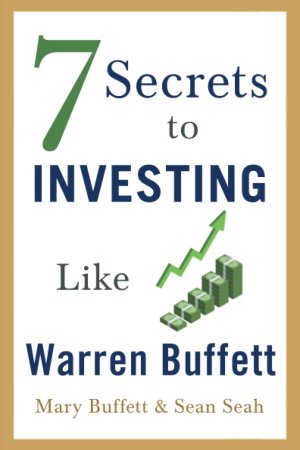
7 Secrets to Investing Like Warren Buffett by Mary Buffett & Sean Seah
Original price was: රු1,900.00.රු1,500.00Current price is: රු1,500.00.
3 X Rs. 500.00 or 8% Cashback with
or 3 X රු500.00 with
or up to 4 X රු375.00 with
Out of stock
Self-Help & Psychology
රු2,200.00
3 X Rs. 733.33 or 8% Cashback with
or 3 X රු733.33 with
or up to 4 X රු550.00 with
රු2,000.00
3 X Rs. 666.67 or 8% Cashback with
or 3 X රු666.67 with
or up to 4 X රු500.00 with
-39%
Out of stock
Self-Help & Psychology
Original price was: රු2,450.00.රු1,500.00Current price is: රු1,500.00.
3 X Rs. 500.00 or 8% Cashback with
or 3 X රු500.00 with
or up to 4 X රු375.00 with

Non-Fiction & Knowledge
රු1,550.00
3 X Rs. 516.67 or 8% Cashback with
or 3 X රු516.67 with
or up to 4 X රු387.50 with
-24%
Non-Fiction & Knowledge
Original price was: රු2,300.00.රු1,750.00Current price is: රු1,750.00.
3 X Rs. 583.33 or 8% Cashback with
or 3 X රු583.33 with
or up to 4 X රු437.50 with
Out of stock
Non-Fiction & Knowledge
රු1,600.00
3 X Rs. 533.33 or 8% Cashback with
or 3 X රු533.33 with
or up to 4 X රු400.00 with

Out of stock
Autobiography
රු2,750.00
3 X Rs. 916.67 or 8% Cashback with
or 3 X රු916.67 with
or up to 4 X රු687.50 with
Reviews
There are no reviews yet.