
No products in the cart.
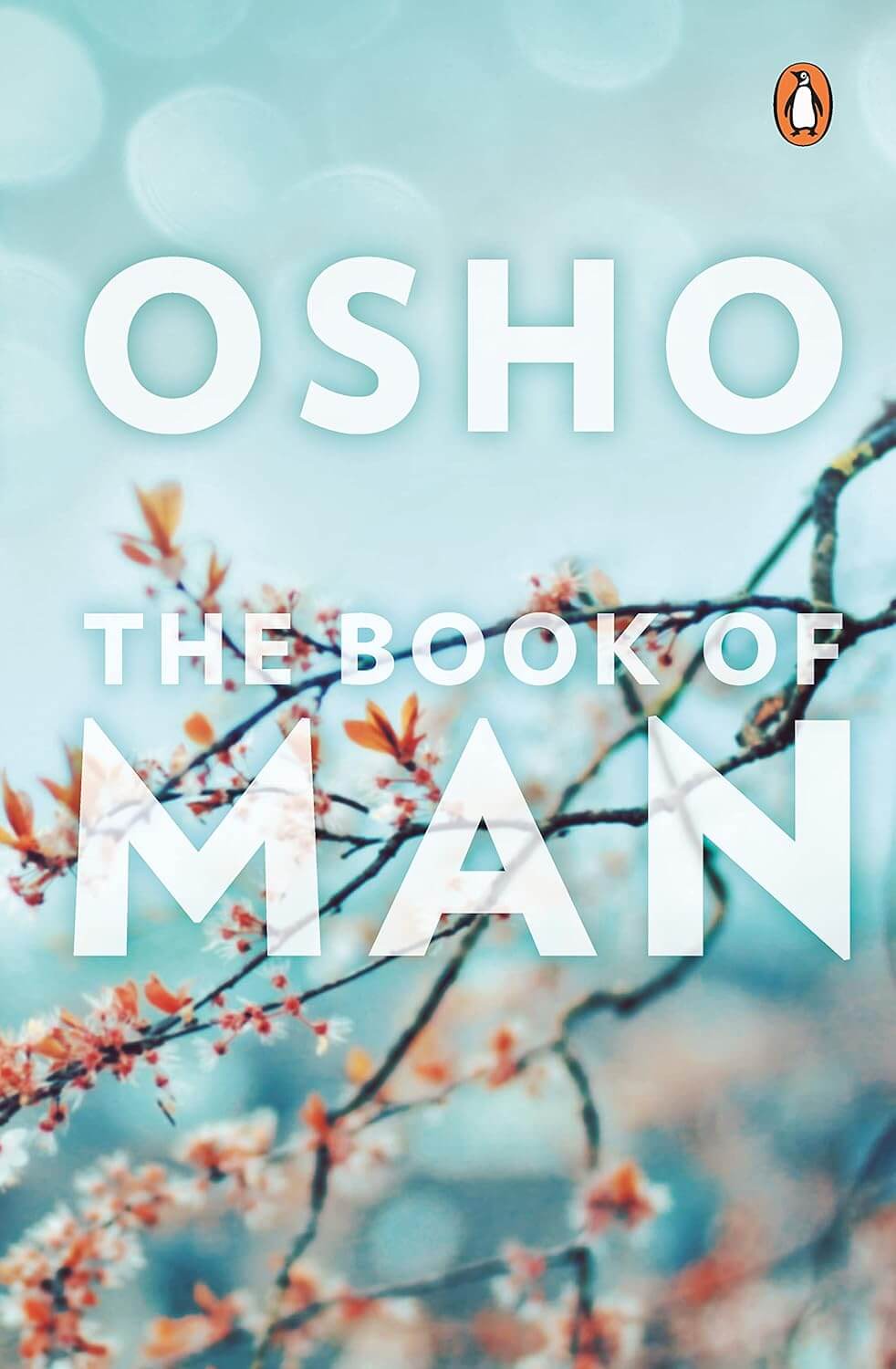
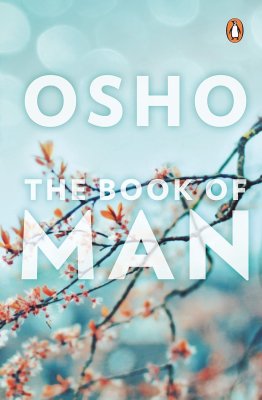
Book of Man by Osho
රු1,350.00
3 X Rs. 450.00 or 8% Cashback with


or 3 X රු450.00 with


or up to 4 X රු337.50 with


The Book of Man is a compelling collection of discourses by spiritual teacher Osho that explores the psychological and spiritual evolution of men. He examines how societal conditioning—from childhood roles like “Son” and “Husband” to figures of power like “Priest” and “Politician”—distorts our innate nature. Through candid storytelling, humor, and wisdom, Osho invites readers to reclaim authenticity, innocence, creativity, and inner freedom—embracing the ideal union of earthly zest and spiritual consciousness, as exemplified by the metaphorical “Zorba the Buddha”
Out of stock
Email when stock available
The Book of Man by Osho
Book of Man by Osho is a philosophical and spiritual book about identity, consciousness, freedom, creativity, relationships, social expectations, and discovering your authentic self.
Penguin Random House India describes the book as a collection of Osho’s discourses examining different stages and roles associated with man and his inner development.
It combines serious ideas with anecdotes, observations, humour, and provocative questions.
The result is a reflective book for readers interested in philosophy, spirituality, self-development, and human behaviour.
Why Read Book of Man?
Book of Man challenges readers to question the identities society gives them.
People may define themselves through career, family, status, religion, nationality, or social expectations.
Osho asks what remains when these external labels are removed.
His focus is on discovering a more natural and conscious way of living.
The Search for Your Original Self
One of the central questions of the book is how a person can reconnect with their original self.
Osho argues that people can become separated from their inner nature while pursuing success, recognition, power, and approval.
This can create a gap between how someone appears externally and what they actually feel internally.
The book encourages greater awareness of that difference.
Social Conditioning
Society teaches people how they are expected to behave.
Some expectations can be useful.
Others may become restrictive.
Book of Man examines how social conditioning can influence ideas about strength, success, masculinity, relationships, authority, and personal identity.
Osho encourages readers to question assumptions instead of accepting every inherited belief automatically.
Strength and Vulnerability
Traditional ideas of strength can sometimes discourage vulnerability.
People may feel pressure to hide fear.
They may suppress sadness.
They may avoid expressing affection.
Penguin’s description specifically notes Osho’s argument that men may suppress qualities such as love and compassion while trying to appear strong.
The book challenges that definition of strength.
Creativity and Natural Expression
Creativity is another important theme.
Osho connects personal freedom with the ability to express yourself naturally.
A person constantly worried about approval may become hesitant.
They may avoid experimenting.
They may choose safety even when they want something different.
Greater self-awareness can create more room for creativity.
Different Roles of Man
Book of Man is organized around a series of identities and roles.
Penguin’s official description says the discourses move through figures such as Adam, the Slave, the Son, the Priest, the Politician, the Rebel, and Zorba.
These figures are used as symbolic ways of examining human behaviour.
Each role represents a different relationship with society, authority, identity, and consciousness.
The Rebel
The rebel is especially important in Osho’s thinking.
This does not simply mean someone who rejects everything.
Instead, the rebel represents an individual who questions inherited assumptions and attempts to live more consciously.
Independence requires awareness.
Otherwise, rebellion can become another automatic reaction.
Zorba the Buddha
One of Osho’s best-known ideas in this book is the image of Zorba the Buddha.
Penguin summarizes this ideal as a combination of material life and spiritual consciousness.
The idea is that a person does not necessarily need to reject ordinary life in order to become spiritually aware.
Enjoyment and awareness do not have to be opposites.
Material Life and Spiritual Life
Many philosophies create a division between worldly life and spiritual life.
Osho often challenges that division.
He argues for a way of living that can appreciate physical existence while also developing awareness.
This makes Book of Man different from spiritual books that focus primarily on withdrawal or renunciation.
Freedom and Responsibility
Freedom is one of the strongest ideas throughout the book.
But genuine freedom is not simply doing anything you want.
Freedom also creates responsibility.
When people stop blaming society, family, tradition, or authority for every decision, they become more responsible for the lives they create.
That can be uncomfortable.
It can also be empowering.
Relationships and Identity
The book also examines how relationships influence identity.
A person may understand themselves as a son, husband, father, friend, worker, leader, or follower.
These roles can be meaningful.
Problems arise when a role completely replaces the individual underneath it.
Book of Man encourages readers to examine the difference between relationships and identity.
Awareness Instead of Automatic Behaviour
A recurring theme in Osho’s work is awareness.
Many actions happen automatically.
People repeat habits.
They respond emotionally without understanding why.
They follow social expectations without questioning them.
Awareness creates a small space between experience and reaction.
That space can make different choices possible.
Success and the Search for Approval
Book of Man also questions conventional ideas about success.
Money and achievement can be useful.
But they may not automatically create fulfilment.
A person can achieve external success while still feeling disconnected internally.
Osho’s critique focuses especially on the pursuit of worldly power and success when it causes people to lose touch with creativity, compassion, and inner awareness.
Philosophy With Humour
The book deals with serious subjects.
However, it is not written like a conventional academic philosophy textbook.
Penguin describes the collection as combining wisdom, wit, anecdotes, and repartee.
That style can make difficult ideas easier to approach.
Readers may agree strongly with some passages and disagree with others.
The book is designed to provoke reflection.
7 Powerful Lessons from Book of Man
1. Question inherited identities.
Not every label given by society needs to define you.
2. Strength does not require emotional suppression.
Compassion and vulnerability can exist alongside courage.
3. Awareness creates choice.
Understanding your habits can help you respond differently.
4. Success is not only external.
Achievement without inner satisfaction may still feel incomplete.
5. Creativity needs freedom.
Constant fear of judgment can restrict expression.
6. Material and spiritual life do not have to be enemies.
Osho’s Zorba-the-Buddha idea tries to integrate both.
7. Authenticity requires self-examination.
Knowing yourself involves questioning roles, beliefs, and expectations.
About Osho
Osho was an Indian spiritual teacher and thinker associated with the Rajneesh movement.
Penguin Random House India describes him as a controversial mystic and spiritual teacher whose work explored consciousness, meditation, personal freedom, and human behaviour.
His books are largely based on talks and discourses delivered to audiences.
The Book of Man is presented in that conversational style.
Book Details
Penguin Random House India lists a paperback edition with these details:
Title: The Book of Man
Author: Osho
Language: English
Format: Paperback
Publisher/Imprint: Penguin Ananda
Publication: March 2013
Pages: 292
ISBN: 9780143420606
An older Penguin Books edition listed by Google Books was published in 2004 with 277 pages and ISBN 9780143032311, so check your physical copy before entering edition-specific information.
Perfect for Readers Interested In
Book of Man is a strong choice for readers interested in:
- Philosophy
- Spirituality
- Osho books
- Self-awareness
- Consciousness
- Personal growth
- Meditation
- Identity
- Freedom
- Human behaviour
- Self-development
- Eastern philosophy
It is especially suitable for readers who enjoy books that question traditional assumptions about society and identity.
Buy Book of Man in Sri Lanka
Looking for Book of Man in Sri Lanka?
Osho’s thought-provoking collection is a strong choice for readers interested in consciousness, identity, personal freedom, creativity, compassion, spirituality, and self-discovery.
Explore Osho’s reflections on the different roles people adopt and his vision of living with greater awareness and authenticity.
Add Book of Man to your philosophy and spirituality collection today.
https://www.penguin.co.in/book/the-book-of-man/
Be the first to review “Book of Man by Osho”
Related products
-13%

Out of stock
Non-Fiction & Knowledge
Original price was: රු3,900.00.රු3,400.00Current price is: රු3,400.00.
3 X Rs. 1,133.33 or 8% Cashback with
or 3 X රු1,133.33 with
or up to 4 X රු850.00 with
-26%
Non-Fiction & Knowledge
The 7 Habits of Highly Effective People by Stephen R. Covey – Blue Cover
Original price was: රු2,300.00.රු1,700.00Current price is: රු1,700.00.
3 X Rs. 566.67 or 8% Cashback with
or 3 X රු566.67 with
or up to 4 X රු425.00 with
-29%

Self-Help & Psychology
Original price was: රු1,750.00.රු1,250.00Current price is: රු1,250.00.
3 X Rs. 416.67 or 8% Cashback with
or 3 X රු416.67 with
or up to 4 X රු312.50 with
Non-Fiction & Knowledge
රු1,950.00
3 X Rs. 650.00 or 8% Cashback with
or 3 X රු650.00 with
or up to 4 X රු487.50 with
-14%
Out of stock
Self-Help & Psychology
Original price was: රු2,900.00.රු2,500.00Current price is: රු2,500.00.
3 X Rs. 833.33 or 8% Cashback with
or 3 X රු833.33 with
or up to 4 X රු625.00 with
Out of stock
Autobiography
රු2,750.00
3 X Rs. 916.67 or 8% Cashback with
or 3 X රු916.67 with
or up to 4 X රු687.50 with
රු2,000.00
3 X Rs. 666.67 or 8% Cashback with
or 3 X රු666.67 with
or up to 4 X රු500.00 with
Non-Fiction & Knowledge
රු2,450.00
3 X Rs. 816.67 or 8% Cashback with
or 3 X රු816.67 with
or up to 4 X රු612.50 with
Reviews
There are no reviews yet.