
No products in the cart.
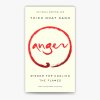
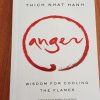


Anger by Thich Nhat Hanh
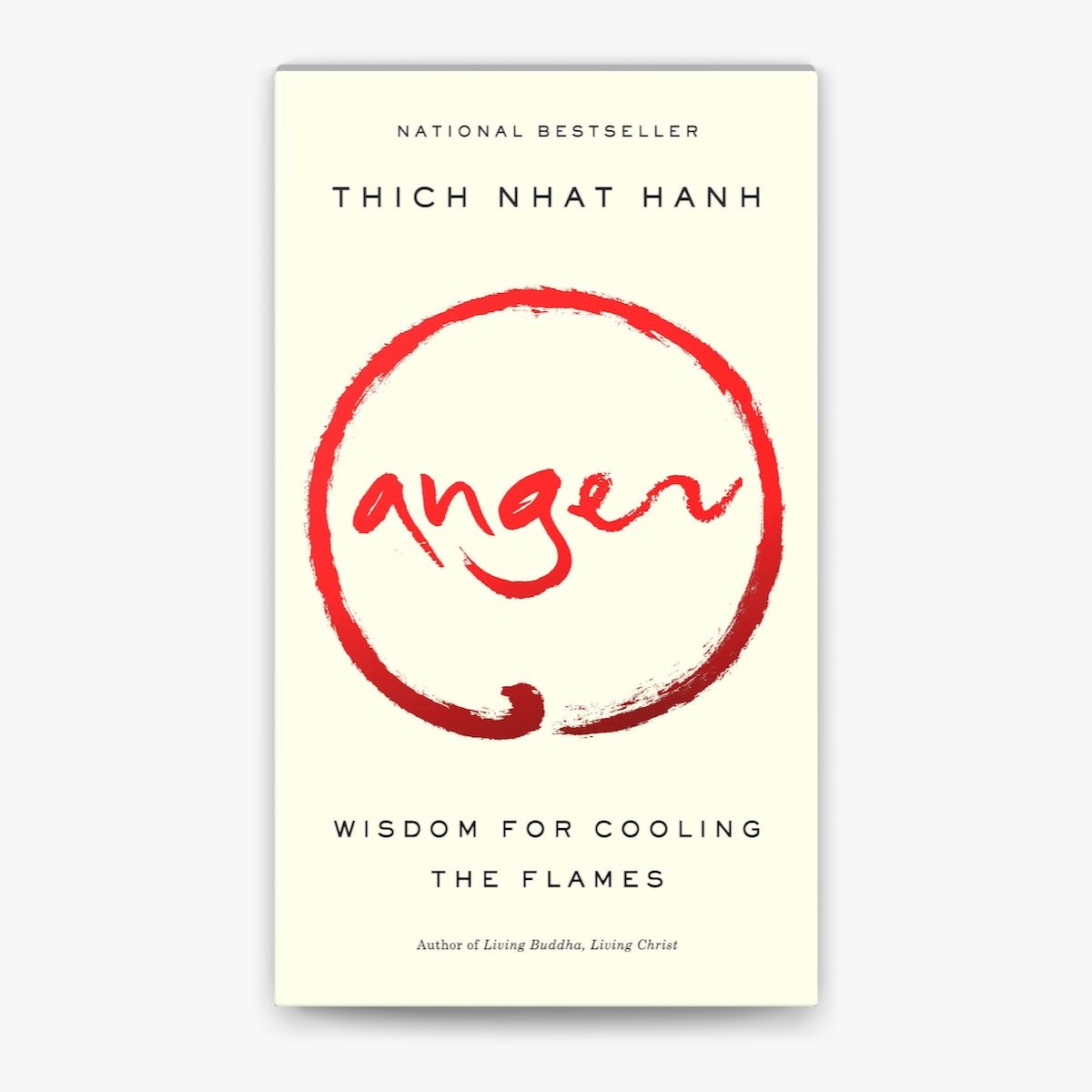
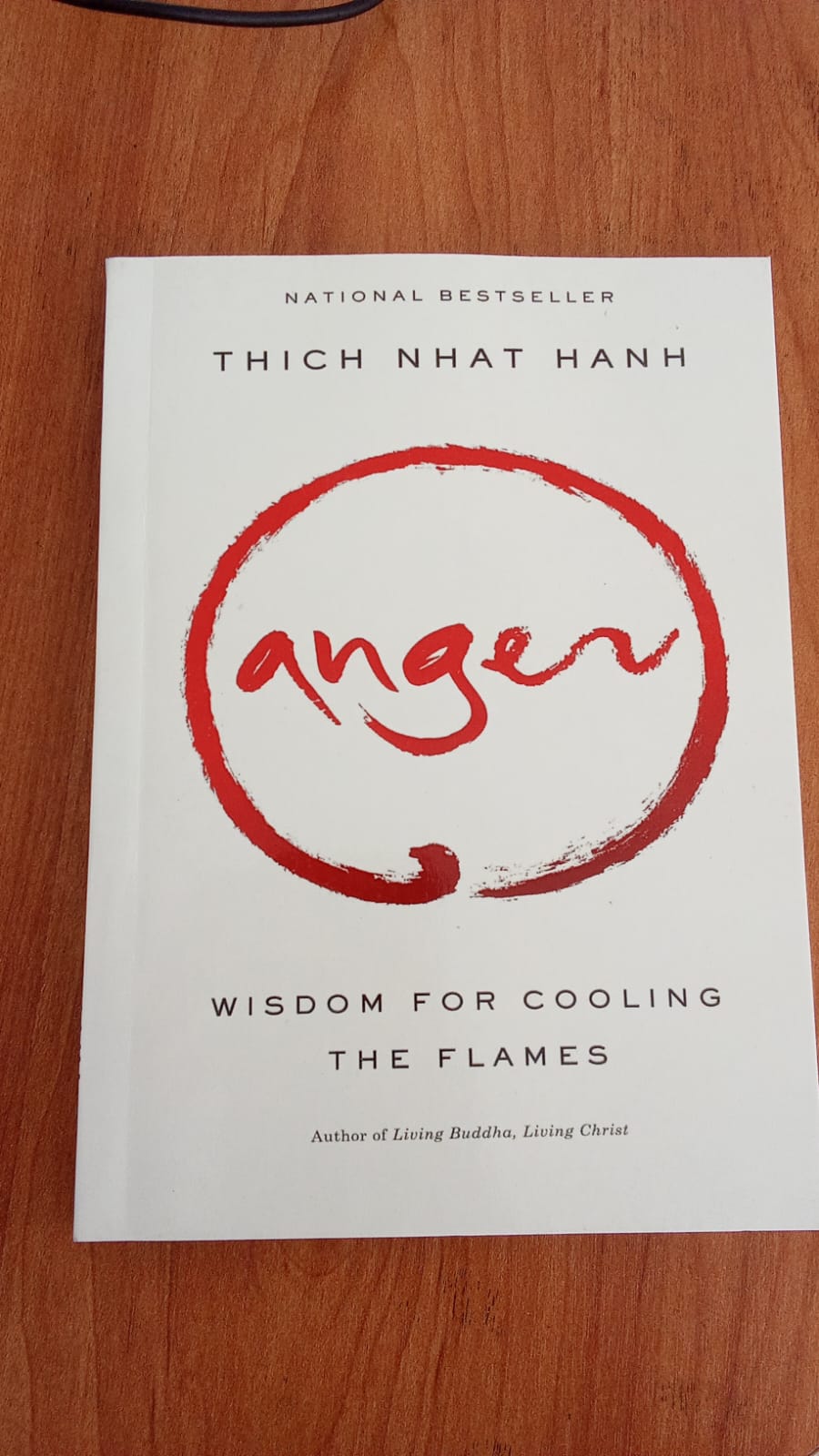
Anger by Thich Nhat Hanh is a thoughtful guide to understanding one of our strongest and most difficult emotions.
Instead of treating anger as something that should simply be ignored or suppressed, the book encourages readers to understand where it comes from.
Through mindfulness and compassionate awareness, readers can learn healthier ways to respond when anger appears.
The book offers practical ideas for creating greater peace within ourselves and our relationships.
Why Read Anger by Thich Nhat Hanh?
Anger by Thich Nhat Hanh is ideal for readers interested in mindfulness, emotional well-being, personal development, and healthier relationships.
Anger can influence the way we speak, think, and behave.
When we react immediately, we may say or do things that we later regret.
The book encourages readers to create space between an emotion and their reaction.
That small pause can make a significant difference.
Understanding Anger
Anger is a natural human emotion.
However, problems can appear when we allow anger to control our actions.
Thich Nhat Hanh encourages readers to observe anger instead of immediately fighting against it.
Understanding the emotion can help us recognize what may be underneath it.
Pain, disappointment, fear, misunderstanding, or unmet expectations can sometimes contribute to angry reactions.
Mindfulness and Emotional Awareness
Mindfulness plays an important role throughout Anger by Thich Nhat Hanh.
Mindfulness involves paying attention to what is happening in the present moment.
When anger appears, awareness can help us recognize the feeling before reacting automatically.
This does not mean pretending the anger does not exist.
Instead, it means acknowledging the emotion and giving ourselves time to understand it.
Learning to Pause
One valuable lesson from the book is the importance of slowing down.
When someone says something upsetting, the immediate reaction may be to respond defensively.
A pause creates another possibility.
We can breathe.
We can notice what we are feeling.
We can choose our words more carefully.
This simple change can prevent small disagreements from becoming larger conflicts.
Compassion Instead of Conflict
Anger by Thich Nhat Hanh also explores compassion.
When we are angry, it can be difficult to consider another person’s perspective.
However, understanding that other people may also be experiencing pain can change the way we respond.
Compassion does not mean accepting harmful behaviour.
It means trying to understand situations without allowing anger alone to determine our actions.
Improving Communication
Communication becomes especially difficult when emotions are intense.
People may interrupt each other.
They may raise their voices.
They may say things they do not truly mean.
Mindful communication encourages people to listen carefully and speak with greater awareness.
This can make difficult conversations more constructive.
Listening Deeply
Listening is another important part of healthy communication.
Sometimes people listen only while waiting for their opportunity to respond.
Deep listening requires greater attention.
It involves trying to understand what the other person is experiencing.
This approach can reduce misunderstanding and create more space for meaningful conversations.
Anger and Relationships
Anger by Thich Nhat Hanh is especially relevant to relationships.
Conflict can happen between partners, friends, parents, children, colleagues, and family members.
Repeated angry reactions can gradually damage trust.
Learning to understand emotions and communicate calmly can help create healthier relationships.
The lessons in the book can therefore be applied to many areas of everyday life.
Transforming Difficult Emotions
The goal is not simply to eliminate every uncomfortable emotion.
Difficult emotions are part of being human.
Instead, the book encourages readers to develop a healthier relationship with those emotions.
When anger is understood rather than ignored, it can become an opportunity for learning.
We may discover something about our needs, fears, expectations, or relationships.
The Power of Breathing
Mindful breathing is one of the simplest practices associated with Thich Nhat Hanh’s teachings.
Paying attention to the breath can help bring awareness back to the present moment.
When emotions feel overwhelming, slowing down and breathing consciously can create valuable mental space.
This can help people respond more thoughtfully rather than reacting immediately.
Creating Inner Peace
Anger by Thich Nhat Hanh ultimately encourages readers to develop greater inner peace.
Peace does not mean that difficult situations will disappear.
People will still experience disagreement, frustration, disappointment, and stress.
The difference lies in how we respond.
Developing awareness can make it easier to handle difficult moments without allowing them to control us.
Practical Lessons for Everyday Life
This book is a great choice for readers interested in:
- Mindfulness
- Anger management
- Emotional awareness
- Inner peace
- Meditation
- Personal growth
- Self-development
- Better communication
- Healthy relationships
- Compassion
- Stress management
- Buddhist philosophy
Many of the ideas can be considered in everyday situations rather than only during formal meditation.
A Guide for Better Relationships
The lessons in Anger by Thich Nhat Hanh can be especially useful for anyone who wants to improve communication.
Understanding our own emotions can help us speak more clearly.
Understanding another person’s feelings can help us listen with greater patience.
Together, these skills can reduce unnecessary conflict.
They can also help build stronger and more compassionate relationships.
About Thich Nhat Hanh
Thich Nhat Hanh was a Vietnamese Zen Buddhist teacher, author, poet, and peace activist.
He became widely known for making mindfulness practices accessible to people around the world.
His teachings frequently explore peace, compassion, mindfulness, relationships, suffering, and emotional awareness.
Readers interested in his teachings can explore additional resources through Plum Village.
A Thoughtful Personal Development Book
Anger by Thich Nhat Hanh is not only for people who consider themselves angry.
Almost everyone experiences frustration or conflict.
The book offers ideas that can help readers understand these experiences more clearly.
It encourages greater patience with ourselves as well as with other people.
This makes it a valuable addition to a mindfulness or personal-development collection.
Build Your Self-Development Collection
Readers who enjoy this book can also explore more Self-Development Books, Mindfulness Books, and Psychology Books available in our bookstore.
Books about emotional awareness can help readers develop healthier habits and understand themselves more deeply.
Anger provides an accessible introduction to using mindfulness when dealing with difficult emotions.
Buy Anger by Thich Nhat Hanh in Sri Lanka
Looking for Anger by Thich Nhat Hanh in Sri Lanka?
This insightful guide is an excellent choice for readers interested in mindfulness, emotional well-being, peaceful communication, and stronger relationships.
Discover practical ideas for understanding anger rather than allowing it to control your actions.
Add this meaningful Thich Nhat Hanh book to your collection today.https://plumvillage.org/about/thich-nhat-hanh
Be the first to review “Anger by Thich Nhat Hanh”
Related products

Out of stock
Non-Fiction & Knowledge
රු1,500.00
3 X Rs. 500.00 or 8% Cashback with


or 3 X රු500.00 with


or up to 4 X රු375.00 with

-24%

Out of stock
Non-Fiction & Knowledge
Original price was: රු2,500.00.රු1,900.00Current price is: රු1,900.00.
3 X Rs. 633.33 or 8% Cashback with
or 3 X රු633.33 with
or up to 4 X රු475.00 with

Out of stock
Self-Help & Psychology
රු2,200.00
3 X Rs. 733.33 or 8% Cashback with
or 3 X රු733.33 with
or up to 4 X රු550.00 with
Non-Fiction & Knowledge
රු2,450.00
3 X Rs. 816.67 or 8% Cashback with
or 3 X රු816.67 with
or up to 4 X රු612.50 with
-34%
Non-Fiction & Knowledge
Original price was: රු2,250.00.රු1,490.00Current price is: රු1,490.00.
3 X Rs. 496.67 or 8% Cashback with
or 3 X රු496.67 with
or up to 4 X රු372.50 with
-23%

Non-Fiction & Knowledge
Original price was: රු2,200.00.රු1,700.00Current price is: රු1,700.00.
3 X Rs. 566.67 or 8% Cashback with
or 3 X රු566.67 with
or up to 4 X රු425.00 with
-34%

Self-Help & Psychology
Original price was: රු2,350.00.රු1,550.00Current price is: රු1,550.00.
3 X Rs. 516.67 or 8% Cashback with
or 3 X රු516.67 with
or up to 4 X රු387.50 with
-14%
Out of stock
Self-Help & Psychology
Original price was: රු2,900.00.රු2,500.00Current price is: රු2,500.00.
3 X Rs. 833.33 or 8% Cashback with
or 3 X රු833.33 with
or up to 4 X රු625.00 with
Reviews
There are no reviews yet.