
No products in the cart.
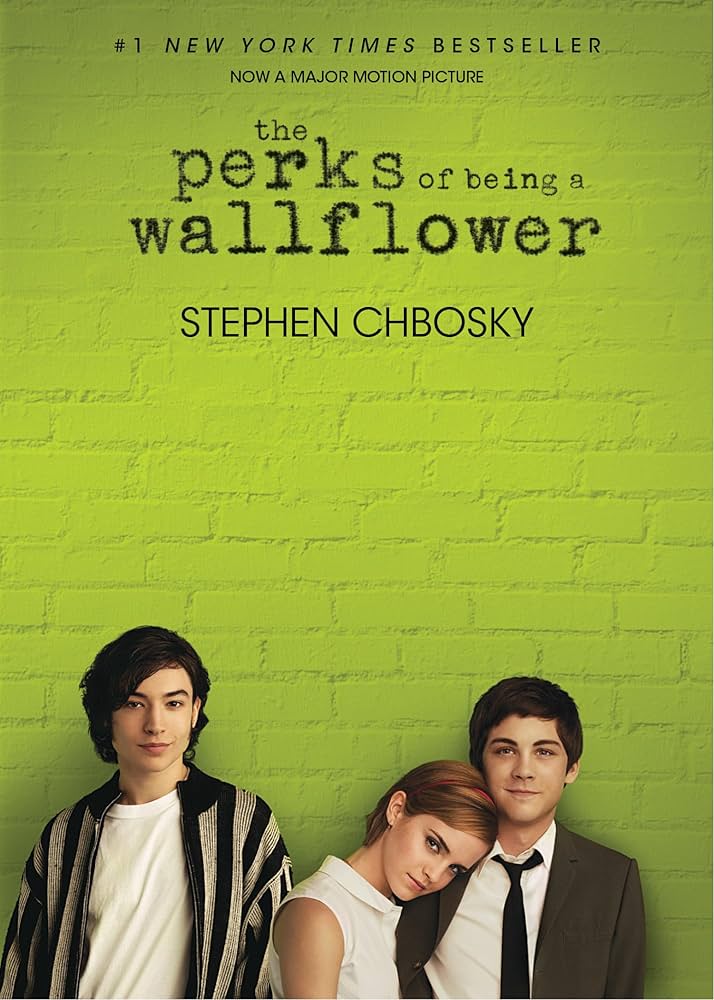
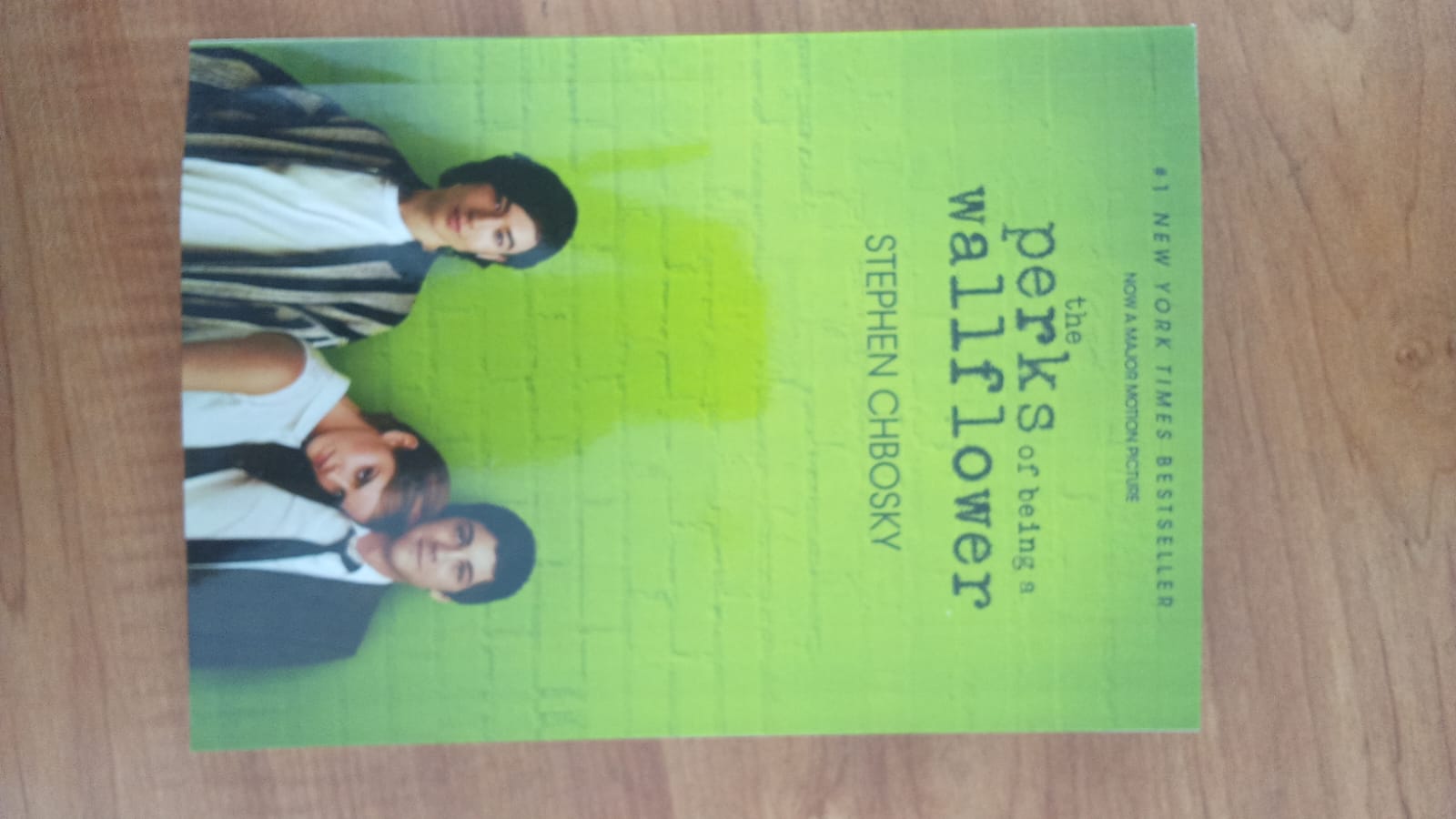
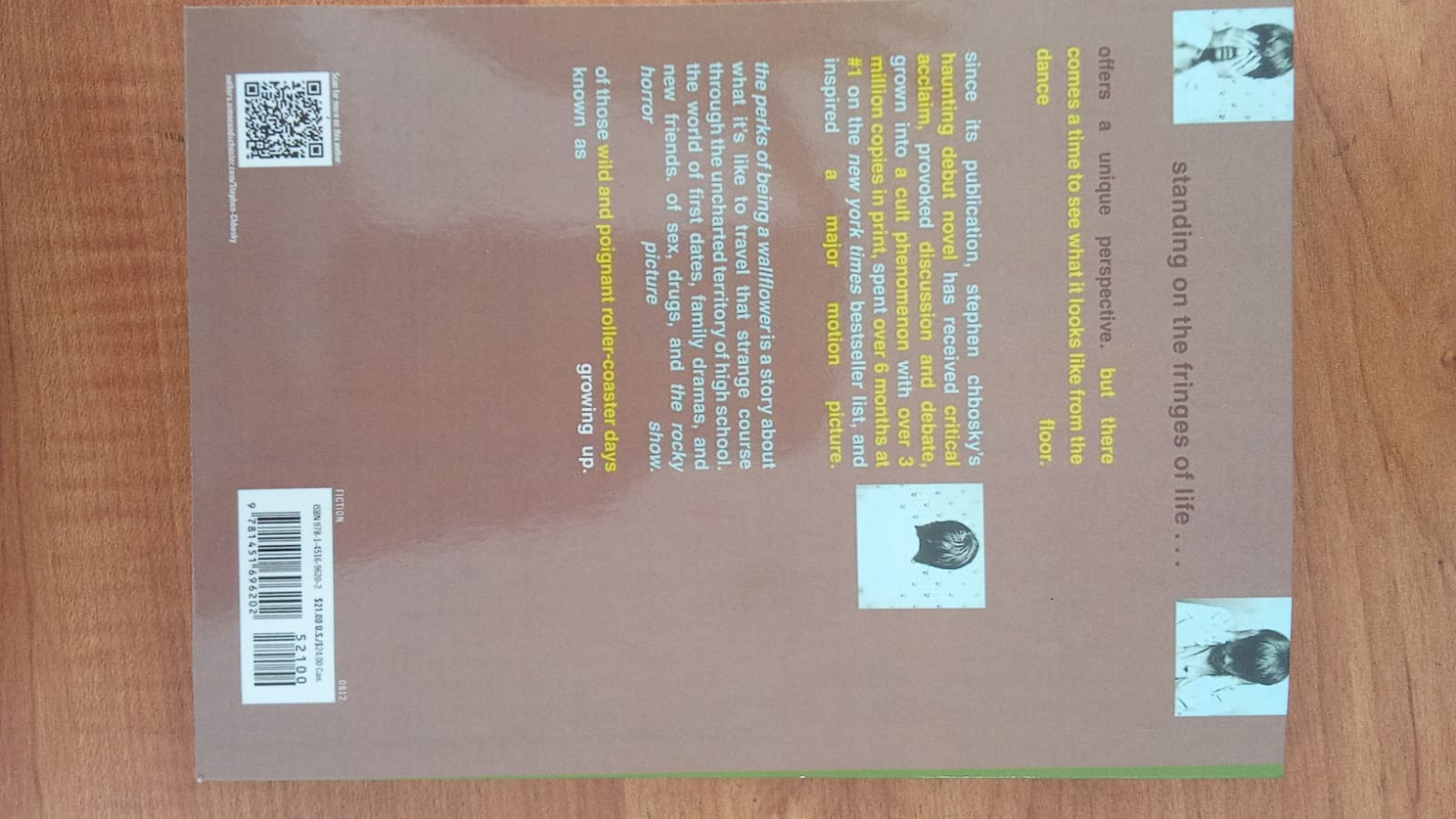

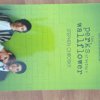
Perks Of Being A Wallflower by Stephen Chbosky


රු1,500.00
3 X Rs. 500.00 or 8% Cashback with


or 3 X රු500.00 with


or up to 4 X රු375.00 with


The Perks of Being a Wallflower by Stephen Chbosky is a deeply moving coming-of-age novel told through the letters of Charlie, a quiet and observant teenager beginning his first year of high school. Through his friendships with Sam and Patrick, Charlie discovers music, first love, acceptance and moments of feeling truly alive while gradually confronting grief and unresolved trauma from his past. Honest, emotional and unforgettable, this standalone YA classic explores friendship, mental health, identity, family and the courage to stop watching life from the sidelines and begin participating in it.
1 in stock
The Perks of Being a Wallflower by Stephen Chbosky is a moving, intimate coming-of-age novel about friendship, first love, mental health, trauma and the difficult but beautiful process of learning how to participate fully in life.
Fifteen-year-old Charlie is about to begin his freshman year of high school.
He is intelligent.
Observant.
Sensitive.
Quiet.
And far more comfortable watching life happen than becoming the center of it.
Charlie writes anonymous letters to someone he has never met, sharing the things he cannot easily say aloud.
His fears.
His memories.
His friendships.
His family.
His first experiences with love.
His confusion about growing up.
And the painful emotions he does not yet completely understand.
At school, Charlie eventually meets Patrick and Sam, two older students who welcome him into their group.
For the first time in a long while, Charlie begins to feel that he belongs somewhere.
Through them, he discovers parties, music, friendship, love, heartbreak and the thrill of being accepted for exactly who he is.
But beneath those experiences, Charlie carries unresolved pain.
As the school year moves forward, memories and emotions he has tried to keep buried begin returning.
The Perks of Being a Wallflower by Stephen Chbosky is therefore not simply a story about high school.
It is a story about what happens when someone who has spent years observing life finally begins stepping into it.
The Perks of Being a Wallflower by Stephen Chbosky – Book Overview
The Perks of Being a Wallflower by Stephen Chbosky is written in an epistolary format, meaning the story unfolds through letters.
Charlie addresses the letters to an unnamed recipient.
This gives the book an unusually intimate voice.
It can feel less like reading a conventional novel and more like listening to someone quietly tell you things they have never told anybody else.
Because Charlie writes honestly, readers experience his confusion almost in real time.
He does not always understand his own emotions.
He sometimes notices details without recognizing their significance.
That makes the reader an active participant in understanding him.
Charlie
Charlie is the heart of the novel.
He is what people might call a wallflower.
Someone who stands at the edges.
Observes.
Listens.
Notices things other people miss.
This can make Charlie thoughtful and compassionate.
But it can also make him passive.
He sometimes allows other people to make decisions because he is afraid of:
Hurting someone.
Disappointing someone.
Being rejected.
A major part of his growth involves learning that kindness does not require disappearing.
What Does “Wallflower” Mean?
A wallflower is often someone who remains on the edge of social situations rather than joining the center of activity.
Charlie embodies this idea.
He watches.
He understands.
He remembers.
But one of the novel’s key questions is:
Is observing life enough?
At some point, Charlie must learn to participate.
Participate
One of the most important ideas in The Perks of Being a Wallflower by Stephen Chbosky is the need to participate in your own life.
It is possible to become so focused on:
Other people’s feelings.
Other people’s problems.
Other people’s happiness.
that you forget you are also a person whose needs matter.
Charlie has to learn this gradually.
Patrick
Patrick becomes one of Charlie’s closest friends.
He is funny, energetic and openly himself in ways Charlie finds inspiring.
But Patrick also carries personal struggles of his own.
His storyline explores friendship, sexuality, secrecy, heartbreak and the emotional consequences of being forced to hide an important relationship.
Sam
Sam becomes deeply important to Charlie.
He admires her.
Trusts her.
And develops romantic feelings for her.
But Charlie’s feelings for Sam also teach him that love is not simply about wanting someone.
It involves:
Respect.
Timing.
Honesty.
Understanding boundaries.
And seeing someone as a complete person rather than only as an idealized dream.
Charlie, Sam and Patrick
Together, Sam and Patrick help Charlie experience a version of teenage life he had previously been watching from a distance.
They introduce him to:
Friends.
Parties.
Music.
Driving at night.
The Rocky Horror Picture Show.
Conversations about love.
Moments of absolute joy.
For Charlie, these experiences matter because they create connection.
Friendship
Friendship is arguably even more central than romance in The Perks of Being a Wallflower by Stephen Chbosky.
Charlie discovers that the right friends can make a previously hostile world feel survivable.
Friendship gives him:
A place to go.
People who listen.
People who invite him.
People who notice when something is wrong.
Found Family
Sam, Patrick and their wider group become something like a chosen family for Charlie.
This does not replace his biological family.
Instead, it creates another kind of belonging.
Many teenagers discover that friends can become essential emotional support during years when they are still trying to understand themselves.
Feeling Infinite
One of the most famous emotional ideas associated with the novel is the feeling of being infinite.
These moments occur when ordinary life suddenly feels enormous.
Music playing.
Friends nearby.
Driving through the night.
A brief moment where everything feels completely alive.
The novel understands why teenage memories can feel so intense.
Music
Music plays an important role throughout The Perks of Being a Wallflower by Stephen Chbosky.
Songs become connected to:
Memory.
Identity.
Friendship.
Romance.
Emotion.
Charlie and his friends share music in the way people often share parts of themselves.
A song can communicate something that is difficult to explain directly.
Mixtapes
The novel takes place before modern streaming playlists became normal.
Mixtapes therefore carry special meaning.
Creating one required deliberately selecting:
Songs.
Order.
Mood.
Message.
Giving someone a mixtape could be a deeply personal gesture.
Books
Charlie also reads extensively.
His English teacher, Bill, recognizes his intelligence and gives him additional books.
Literature becomes another way Charlie understands people and himself.
Books allow him to encounter perspectives beyond his immediate life.
Bill
Bill is one of Charlie’s most important mentors.
Instead of simply seeing a quiet student, Bill notices Charlie’s potential.
A good teacher can sometimes change a student’s direction simply by recognizing something nobody else has noticed.
Bill encourages Charlie intellectually but also challenges some of his assumptions about relationships and self-worth.
We Accept the Love We Think We Deserve
One of the book’s central ideas concerns self-worth and relationships.
People sometimes remain in unhealthy relationships because their expectations have been shaped by how they see themselves.
If someone believes they deserve very little, poor treatment may begin to feel normal.
The novel encourages readers to question that pattern.
Love Is Not Enough by Itself
Caring about someone does not automatically make a relationship healthy.
Relationships also require:
Respect.
Communication.
Boundaries.
Honesty.
Mutual effort.
This idea appears repeatedly through different characters.
First Love
Charlie’s feelings for Sam capture many aspects of first love.
Excitement.
Idealization.
Jealousy.
Confusion.
Fear.
Hope.
But first love also becomes part of learning that another person cannot solve every emotional problem for you.
High School
The novel captures high school as a mixture of:
Excitement.
Awkwardness.
Cruelty.
Friendship.
Experimentation.
Loneliness.
Discovery.
For some students, high school feels like the beginning of life.
For others, it feels like something they must survive.
Charlie experiences both.
Being Different
Many characters in The Perks of Being a Wallflower by Stephen Chbosky feel different from the people around them.
Charlie feels socially different.
Patrick experiences the difficulties of being gay in an environment where acceptance is not guaranteed.
Sam carries experiences that influence how she sees herself.
The novel gives these characters space to exist without pretending their challenges are simple.
Identity
Adolescence involves trying to answer:
Who am I?
What do I actually like?
Which beliefs are mine?
Which came from my family?
Who do I want around me?
Charlie does not have immediate answers.
That uncertainty is part of growing up.
Mental Health
Mental health is a major part of Charlie’s story.
He experiences emotional distress that becomes increasingly difficult to ignore.
The novel treats his struggles as something requiring real support rather than simply something that can be fixed by friendship or romance.
That distinction is important.
Friends can help.
Love can help.
Professional care may also be necessary.
Trauma
Trauma sits beneath much of The Perks of Being a Wallflower by Stephen Chbosky.
Charlie carries memories he has not fully processed.
The novel gradually reveals why certain emotions and situations affect him so intensely.
Importantly, trauma can influence someone even when they do not consciously understand what happened.
Memory
Memory is not always neat.
People may:
Avoid memories.
Misinterpret them.
Remember fragments.
Understand them differently later.
Charlie’s relationship with memory becomes essential to understanding his behavior.
Aunt Helen
Charlie frequently thinks about his Aunt Helen.
His memories of her are emotionally complicated.
Without revealing the novel’s most important late development, readers should understand that Charlie’s relationship with the past is not as straightforward as it initially appears.
This is one reason avoiding major spoilers is worthwhile.
Grief
Charlie also carries grief.
Before the novel begins, his friend Michael has died by suicide.
That loss affects Charlie deeply.
Grief does not follow a simple timeline.
Someone may seem fine one day and overwhelmed another.
Suicide and Loss
Because the story includes suicide and serious mental-health themes, readers should approach it with awareness.
The novel can be meaningful for people who have experienced loss, but it may also be emotionally difficult for some readers.
Family
Charlie’s family plays an important role.
His parents.
Brother.
Sister.
Extended family.
The household contains love but also conflict and things that are difficult to discuss openly.
This gives the story a realistic feeling.
Families can care deeply about one another while still misunderstanding each other.
Charlie’s Sister
Charlie’s relationship with his sister helps explore:
Dating.
Abuse.
Family loyalty.
Silence.
Charlie has to learn that supporting someone may sometimes mean refusing to pretend harmful behavior is acceptable.
Domestic Abuse
The novel includes relationship violence.
This provides another example of the gap between:
Loving someone
and
being treated safely by them.
Readers should understand that violence in relationships is not presented as romantic.
Sexuality
Sexuality is part of the characters’ coming-of-age experiences.
The novel includes discussions of:
Sex.
Attraction.
Consent.
Relationships.
Sexual identity.
These subjects are handled within the broader context of teenagers trying to understand adulthood.
Patrick’s Story
Patrick’s relationship illustrates the damaging effects of shame and secrecy.
He cares deeply about someone who is unwilling or unable to acknowledge the relationship openly.
The situation demonstrates how prejudice can force people into emotionally painful compromises.
Homophobia
The book includes homophobia and bullying.
These elements reflect the social environment surrounding Patrick’s storyline.
Modern readers should know that some scenes involve discriminatory language and attitudes.
Parties
Parties become spaces where Charlie experiments with social belonging.
They can be joyful.
Chaotic.
Uncomfortable.
These experiences expose him to a wider social world beyond school classrooms.
Alcohol and Drugs
Teen drinking and drug use appear in The Perks of Being a Wallflower by Stephen Chbosky.
The novel depicts characters experimenting with substances.
This should be considered part of the book’s mature content.
Growing Up
Growing up is not presented as becoming perfectly confident.
Instead, Charlie gradually becomes more capable of:
Speaking.
Choosing.
Setting boundaries.
Understanding himself.
Accepting help.
Participation is progress.
Introversion Is Not a Problem
One useful distinction is that Charlie does not need to become an extrovert.
Quiet people do not need to become loud to live meaningful lives.
His challenge is not being introverted.
His challenge is allowing fear, trauma and excessive self-erasure to keep him from fully participating.
Listening
Charlie is an excellent listener.
This makes people trust him.
Listening is a genuine strength.
But a healthy relationship cannot consist of one person always listening while never expressing their own needs.
Boundaries
Charlie often struggles with boundaries.
He sometimes accepts situations because he wants other people to remain happy.
Learning boundaries means understanding that saying:
No.
I disagree.
That hurts me.
I want something different.
does not automatically make someone selfish.
Being Present
The novel repeatedly celebrates moments of genuine presence.
Not planning.
Not worrying.
Not replaying the past.
Simply experiencing life.
That is part of what those “infinite” moments represent.
Coming-of-Age Fiction
The Perks of Being a Wallflower by Stephen Chbosky is best classified primarily as a young adult coming-of-age novel.
Romance is present, but it is not simply a romance novel.
The story is broader.
It focuses on:
Identity.
Friendship.
Trauma.
Family.
Mental health.
Growing up.
Your approved Children & Young Adult > Young Adult Fiction category is therefore a strong primary category.
Is The Perks of Being a Wallflower a Standalone?
Yes.
The Perks of Being a Wallflower by Stephen Chbosky is a complete standalone novel.
There is no required sequel.
Readers can experience Charlie’s entire central coming-of-age story within this one book.
Is It a Romance?
Romance is important, especially Charlie’s feelings for Sam, but the book is more accurately described as:
Young Adult / Coming-of-Age / Literary Fiction
rather than primarily romance.
For your website, I would keep Young Adult Fiction as the primary category and Romance only as a secondary category if you want broader discovery.
Is It Suitable for Teen Readers?
Simon & Schuster lists several editions for teenage readers; for example, the 2019 MTV Books hardcover is categorized for Grade 9 and up / age 14 and up.
However, age suitability should also consider the book’s mature themes.
Content Considerations
The Perks of Being a Wallflower by Stephen Chbosky contains potentially sensitive themes including:
- Depression and mental-health crises
- Suicide and grief
- Childhood sexual abuse
- Sexual assault/trauma
- Domestic/relationship violence
- Alcohol use
- Drug use
- Sexual situations and discussions
- Homophobia
- Bullying
- Family conflict
- Emotional distress
- Hospitalization and psychiatric care
These themes are important to the story and can be emotionally intense.
For readers currently experiencing serious mental-health difficulties, the novel should not be treated as a substitute for professional support.
Film Adaptation
The Perks of Being a Wallflower was adapted into a 2012 film.
Stephen Chbosky wrote and directed the film adaptation himself, giving the movie an unusually direct connection to the original author.
The film stars Logan Lerman as Charlie, Emma Watson as Sam and Ezra Miller as Patrick.
Readers who enjoyed the movie may appreciate the novel’s greater access to Charlie’s internal thoughts.
Book or Movie First?
For a first experience, reading the novel before watching the film can be especially effective because Charlie’s letters reveal details of his inner world that naturally work differently on screen.
However, because Chbosky adapted his own novel, the film remains a particularly close companion to the book.
Stephen Chbosky
Stephen Chbosky is an American author, screenwriter and director.
He wrote the novel and later wrote and directed its feature-film adaptation. Simon & Schuster also notes his work on projects including Rent and Jericho.
Edition Note
There are several editions, so do not copy an ISBN from another seller without checking your physical copy.
Examples include:
- Original MTV Books trade paperback: ISBN 9780671027346, 240 pages.
- 2012 media tie-in paperback: ISBN 9781451696196, 224 pages.
- 2019 hardcover: ISBN 9781982110994, 240 pages.
- UK 20th-anniversary edition: ISBN 9781471180811, 256 pages.
Your current BargainBooks category sheet does not show an ISBN for Product ID 12425, so check the barcode on your physical copy before entering the ISBN into WooCommerce.
Important Themes
The Perks of Being a Wallflower by Stephen Chbosky explores:
- Coming of age
- Friendship
- First love
- Mental health
- Trauma
- Identity
- Grief
- Family
- Belonging
- Introversion
- Self-worth
- Music
- Literature
- Sexuality
- Acceptance
- Abuse
- Memory
- Growing up
- Participation
- Healing
7 Powerful Reasons to Read The Perks of Being a Wallflower by Stephen Chbosky
- Charlie is an unforgettable narrator. His letters are vulnerable, observant and deeply personal, making readers feel as though they are being trusted with thoughts he cannot easily share anywhere else.
- The friendships feel genuinely meaningful. Sam and Patrick do more than give Charlie a social life; they help him discover belonging, joy and the possibility of being accepted.
- It captures adolescence without pretending it is simple. High school includes excitement, confusion, loneliness, love, parties, mistakes and painful discoveries—all of which Chbosky treats with emotional honesty.
- The book explores mental health with real seriousness. Charlie’s struggles are not magically solved by romance or positive thinking, and the story recognizes the importance of understanding trauma and accepting help.
- Music and books give the story a distinctive emotional atmosphere. Songs, mixtapes and literature become ways the characters communicate things they cannot always say directly.
- It asks an important question about self-worth. The novel repeatedly examines why people accept certain kinds of love and whether they believe they deserve something healthier.
- Its central message is ultimately about participating in life. Charlie does not need to stop being quiet or thoughtful. He needs to learn that he deserves to exist inside his own life rather than only observing everybody else’s.
Why Read The Perks of Being a Wallflower by Stephen Chbosky?
The Perks of Being a Wallflower by Stephen Chbosky is an excellent choice for readers interested in young adult fiction, coming-of-age stories, friendship, first love, mental health, music, identity and emotionally honest novels.
It may especially appeal to readers who have ever:
Felt different.
Been the quiet person in the room.
Struggled to belong.
Found comfort in music.
Found themselves through books.
Loved someone without knowing what to say.
Experienced friendship that changed their life.
The novel understands that becoming an adult does not happen in one dramatic moment.
It happens through hundreds of smaller ones.
A new friendship.
A bad decision.
A song.
A kiss.
A fight.
A book.
A realization.
A conversation you were afraid to have.
Charlie grows because these moments gradually teach him that life is not something happening somewhere else.
He is part of it too.
Who Should Read This Book?
The Perks of Being a Wallflower by Stephen Chbosky may especially appeal to:
- Young adult fiction readers
- Fans of coming-of-age novels
- Readers interested in mental health themes
- Introverted and reflective readers
- Fans of emotional contemporary fiction
- Readers who enjoy epistolary novels
- Music lovers
- Teen and adult readers interested in friendship stories
- Readers who enjoyed the film adaptation
- Fans of character-driven fiction
- Readers who enjoy emotionally intense standalone novels
Because of the novel’s mature content, younger readers and parents should review the content considerations before purchasing.
The Perks of Being a Wallflower by Stephen Chbosky – From Watching Life to Living It
The Perks of Being a Wallflower by Stephen Chbosky begins with Charlie standing near the edge of life.
He notices everything.
How people speak.
Who likes whom.
Who is hurting.
Who needs help.
Charlie can often understand other people better than he understands himself.
That sounds like a gift.
And it is.
But it also becomes a hiding place.
If Charlie spends all his energy thinking about everyone else, he never has to ask:
What do I want?
What hurts me?
What do I need?
Sam and Patrick gradually pull him away from that edge.
They give him:
Music.
Friendship.
Laughter.
Belonging.
Memories.
They show him that life can contain joy even when pain has not completely disappeared.
But friendship alone cannot solve everything Charlie carries.
Eventually, he must confront parts of himself that he has not understood.
And that is where the novel becomes more than a nostalgic high-school story.
It becomes a story about healing.
Not perfect healing.
Not instant healing.
But the beginning of understanding.
Charlie learns that being sensitive is not weakness.
Being quiet is not failure.
Needing help is not shameful.
And caring about others does not require erasing yourself.
There is a time to watch.
There is also a time to step onto the dance floor.
For readers looking for a moving story about friendship, trauma, first love, music, mental health and finding the courage to become an active participant in your own life, The Perks of Being a Wallflower by Stephen Chbosky remains one of the defining young-adult coming-of-age novels of its generation.
Learn more about The Perks of Being a Wallflower by Stephen Chbosky on the official Simon & Schuster website.
Explore more young adult and contemporary fiction books at Bargain Books.
Be the first to review “Perks Of Being A Wallflower by Stephen Chbosky”
Related products
Fiction & Literature
රු1,700.00
3 X Rs. 566.67 or 8% Cashback with
or 3 X රු566.67 with
or up to 4 X රු425.00 with
-20%

Contemporary romance
Original price was: රු2,050.00.රු1,650.00Current price is: රු1,650.00.
3 X Rs. 550.00 or 8% Cashback with
or 3 X රු550.00 with
or up to 4 X රු412.50 with

Out of stock
Fiction & Literature
රු1,750.00
3 X Rs. 583.33 or 8% Cashback with
or 3 X රු583.33 with
or up to 4 X රු437.50 with
-38%

Original price was: රු2,900.00.රු1,800.00Current price is: රු1,800.00.
3 X Rs. 600.00 or 8% Cashback with
or 3 X රු600.00 with
or up to 4 X රු450.00 with
-20%

Fiction & Literature
Original price was: රු2,500.00.රු1,990.00Current price is: රු1,990.00.
3 X Rs. 663.33 or 8% Cashback with
or 3 X රු663.33 with
or up to 4 X රු497.50 with
-34%
Out of stock
Original price was: රු2,900.00.රු1,900.00Current price is: රු1,900.00.
3 X Rs. 633.33 or 8% Cashback with
or 3 X රු633.33 with
or up to 4 X රු475.00 with

Out of stock
Children & Young Adult
රු3,200.00
3 X Rs. 1,066.67 or 8% Cashback with
or 3 X රු1,066.67 with
or up to 4 X රු800.00 with

Out of stock
Contemporary romance
රු1,950.00
3 X Rs. 650.00 or 8% Cashback with
or 3 X රු650.00 with
or up to 4 X රු487.50 with
Reviews
There are no reviews yet.