
No products in the cart.
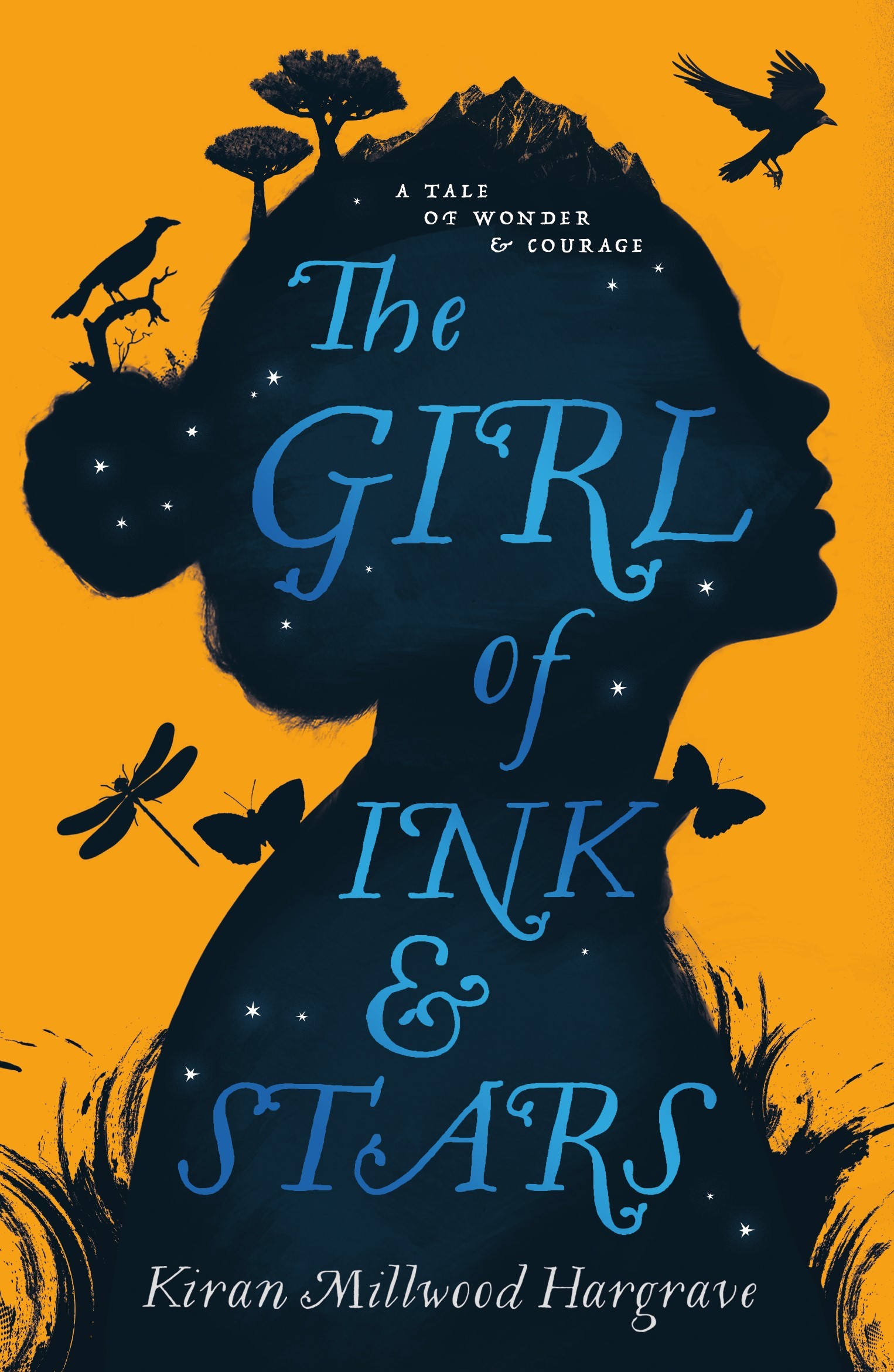
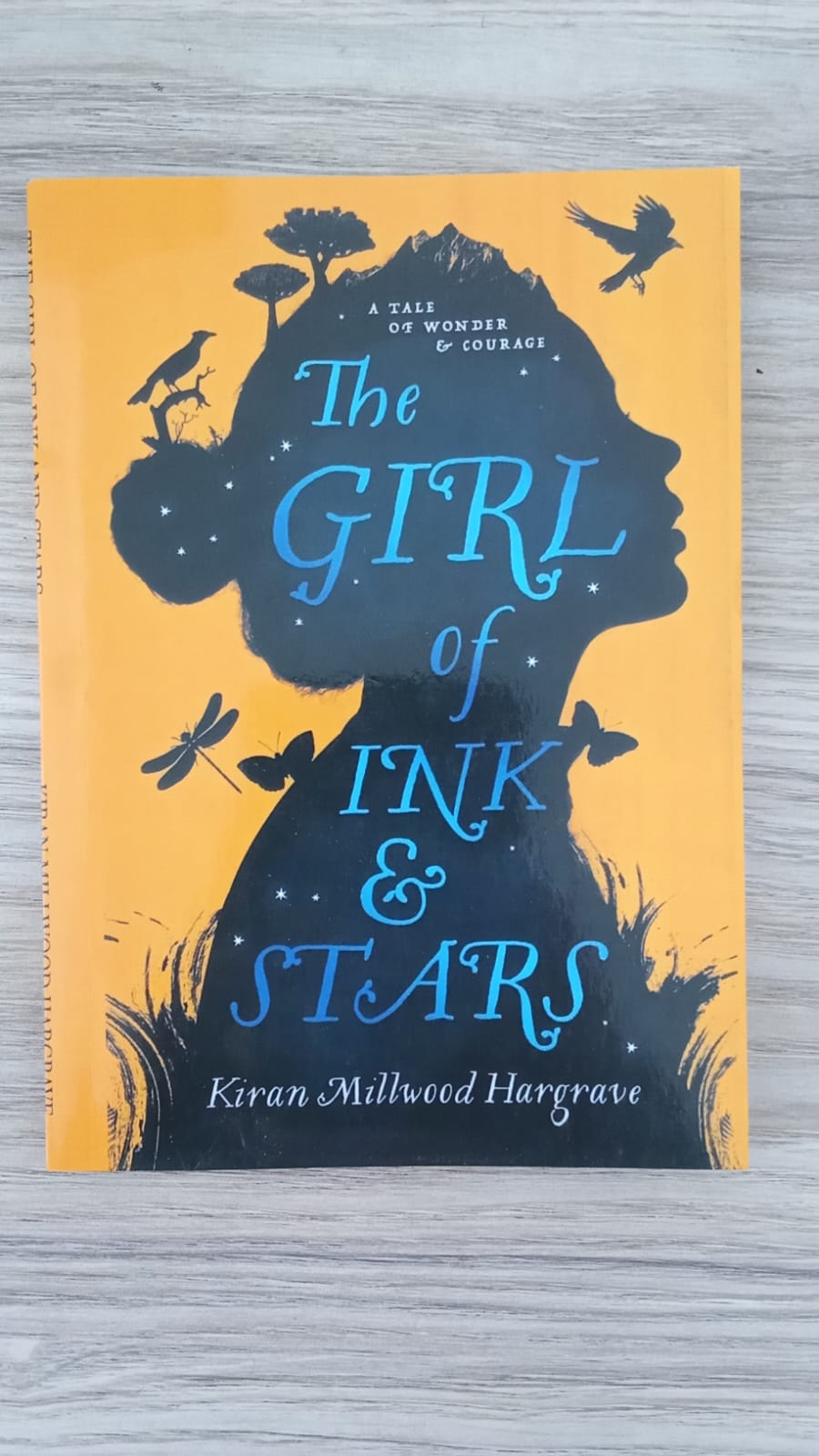
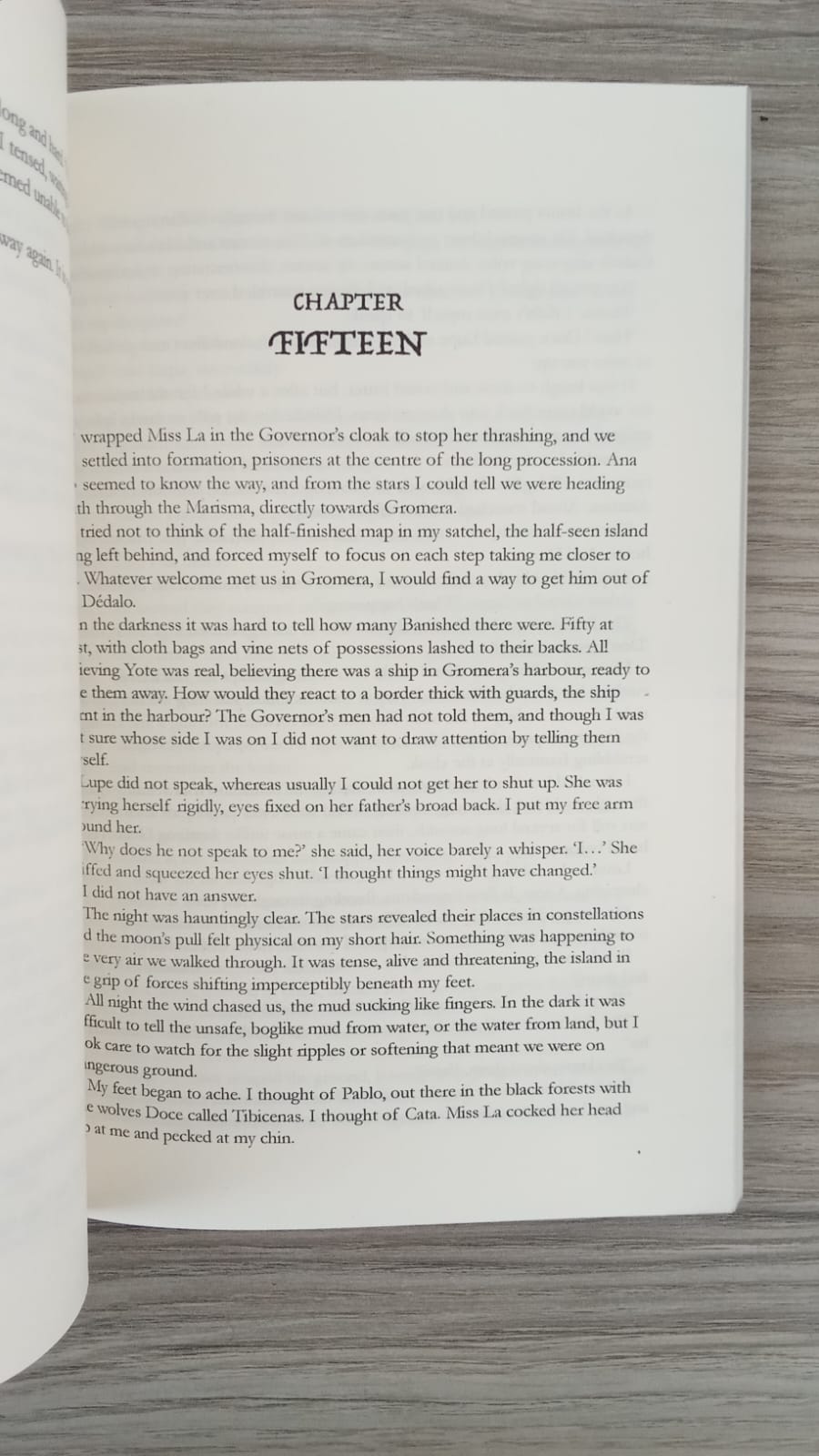
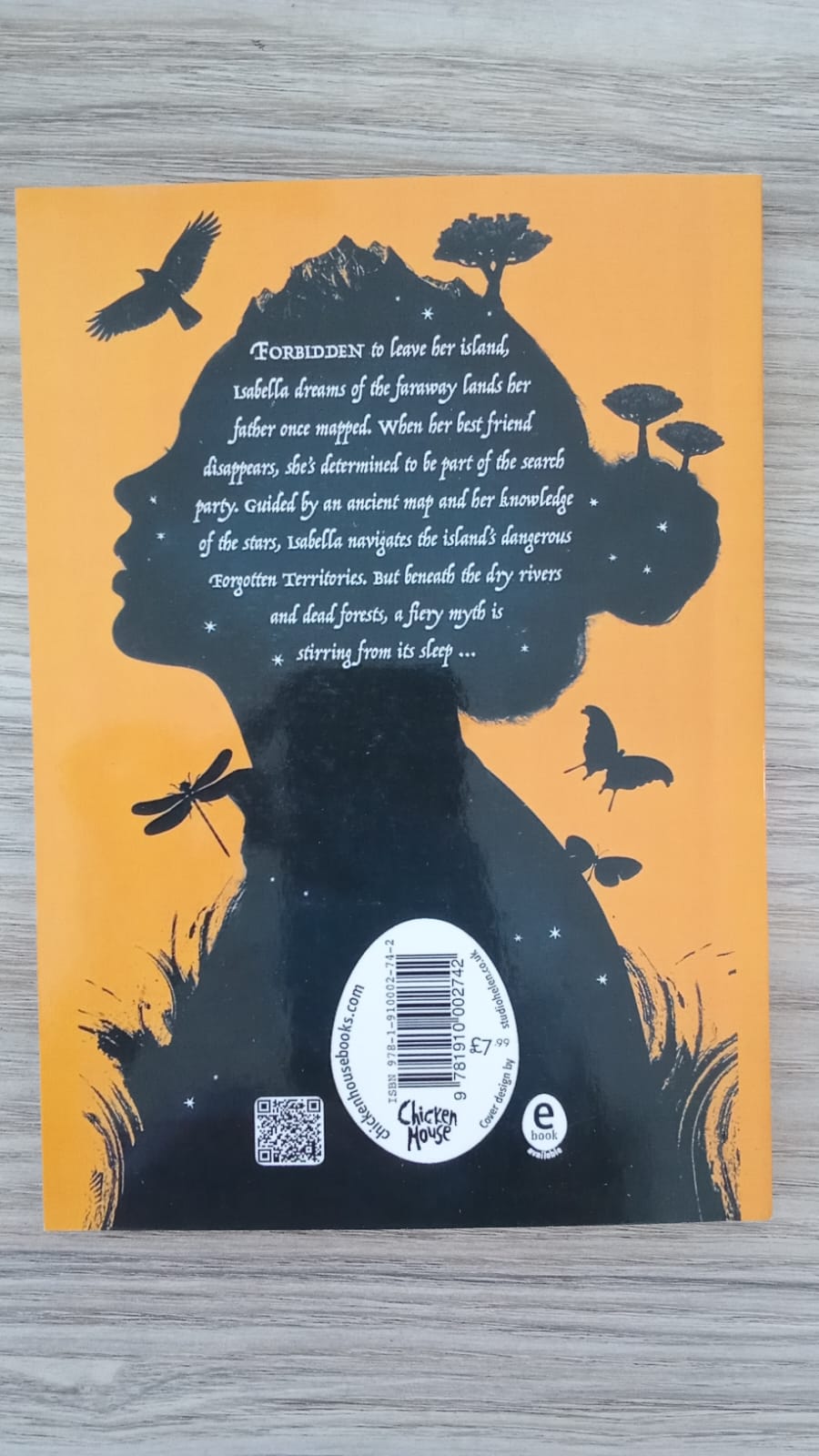
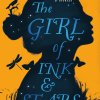
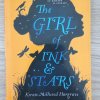

Girl Of Ink And Stars by Kiran Millwood Hargrave
රු2,300.00
3 X Rs. 766.67 or 8% Cashback with


or 3 X රු766.67 with


or up to 4 X රු575.00 with


A Practical Guide to Understanding Love 8 Rules of Love by Jay Shetty is a modern relationship and personal growth book that explains how to build meaningful connections in today’s fast-paced world. Instead of fairy-tale expectations, the book presents love as a skill that can be learned, practiced, and improved. The central idea of 8 Rules of Love is that successful relationships do not happen by accident. They grow from awareness, communication, patience, and emotional maturity. provide details of each book in this way Rather than searching endlessly for the “perfect person,” readers learn how to become the right partner first. Love Begins With Self-Understanding One of the earliest lessons in 8 Rules of Love is self-awareness. Many relationship problems occur because people do not understand their own emotions, needs, or patterns. Jay Shetty explains that before loving someone else, individuals must understand themselves. When people rely on relationships to fix loneliness or insecurity, pressure builds quickly. 8 Rules of Love teaches readers to develop inner stability so relationships feel supportive instead of stressful. The Eight Principles Explained The book organizes its guidance into clear stages of love — from attraction to long-term commitment. Each rule addresses a different emotional challenge. Readers learn how to: Understand attraction realistically Avoid unrealistic expectations Communicate honestly Resolve conflict respectfully Build trust gradually Because the structure follows the natural timeline of relationships, 8 Rules of Love feels practical rather than theoretical. Communication and Emotional Intelligence A major strength of 8 Rules of Love is its focus on communication. Many conflicts come from misunderstanding rather than disagreement. The book encourages listening to understand instead of listening to respond. By slowing conversations and observing emotions, couples prevent small issues from becoming major problems. Readers discover that empathy strengthens relationships more than winning arguments. Handling Conflict and Distance No relationship is free from difficulty. 8 Rules of Love explains that disagreements are normal — the real problem is avoidance or reaction without thought. The author teaches readers to pause before reacting and to focus on solutions rather than blame. This approach transforms conflict into growth. Through these methods, couples build resilience rather than resentment. Love in the Modern World Modern relationships face unique pressures: social media comparison, busy schedules, and unrealistic expectations. 8 Rules of Love addresses these directly. The book reminds readers that relationships are private journeys, not public performances. When people stop comparing, satisfaction increases naturally. Because of this perspective, 8 Rules of Love feels highly relevant today. Long-Term Connection and Commitment Beyond attraction, the book explores commitment and partnership. Love becomes stable when supported by respect and shared values. Readers learn that effort is not a sign of failure — it is a sign of care. Healthy relationships require attention just like health or career. Small daily actions maintain emotional connection over time. Who Should Read This Book This book is ideal for: Singles preparing for relationships Couples improving communication Readers interested in emotional intelligence Anyone wanting healthier connections The lessons apply to friendships and family relationships as well. Explore more relationship and self-growth books here: https://booklounge.lk/product-category/self-help/ Learn more about the author: https://www.jayshetty.me/ Lasting Impact After reading 8 Rules of Love, many readers feel calmer about relationships. Instead of chasing perfection, they build understanding step by step. Ultimately, 8 Rules of Love teaches that lasting relationships grow from awareness, patience, and consistent effort. i want this detailsGirl Of Ink And Stars by Kiran Millwood Hargrave
A Journey of Bravery and Discovery: The Girl of Ink and Stars
The Girl of Ink and Stars by Kiran Millwood Hargrave is a lyrical and atmospheric middle-grade fantasy that blends ancient folklore with a gripping tale of adventure. Far from a standard quest story, the book presents courage as something that is forged through loyalty, sacrifice, and the rediscovery of forgotten truths. The central idea is that stories are not just myths—they are maps to understanding our world and ourselves.
3 in stock
The Girl of Ink & Stars by Kiran Millwood Hargrave is a beautifully written children’s fantasy adventure about friendship, courage, maps, mythology, and a girl determined to find someone she loves.
Isabella Riosse has always dreamed of exploring.
Her father is a cartographer.
He once mapped distant lands.
He understands coastlines.
Mountains.
Routes.
Stars.
And the beautiful language of maps.
But Isabella cannot simply follow in his footsteps.
She lives on the island of Joya, where the Governor has forbidden ordinary people from travelling freely beyond the settlement.
The world outside feels mysterious.
Dangerous.
And increasingly forgotten.
Then Isabella’s closest friend Lupe disappears.
Suddenly the forbidden landscape is no longer simply somewhere Isabella dreams of exploring.
Someone she cares about is somewhere inside it.
When a search party is formed, Isabella volunteers to guide them.
She has something they desperately need.
Her father’s maps.
Her understanding of navigation.
And her ability to read the stars.
But the deeper Isabella travels into Joya, the clearer it becomes that the old stories about the island may not simply be stories.
Something dangerous is awakening beneath the earth.
Why Read The Girl of Ink & Stars?
The Girl of Ink & Stars is an excellent choice for children who enjoy fantasy, adventure, mystery, friendship, mythology, and courageous young heroines.
Readers can expect:
- Isabella Riosse
- Lupe
- The island of Joya
- Maps and cartography
- Navigation by stars
- Friendship
- Adventure
- Mystery
- Monsters
- Ancient myths
- A legendary fire demon
- Volcanoes
- Dangerous landscapes
- Courage
- Loyalty
- Family
- Beautiful atmospheric writing
Chicken House categorizes the book as action/adventure, fantasy, and mystery, and recommends it for readers aged approximately 10+.
The Girl of Ink & Stars and Isabella Riosse
Isabella is the heart of the novel.
She is intelligent.
Curious.
Determined.
And fascinated by maps.
Because her father is a cartographer, Isabella has grown up hearing about places beyond Joya.
That knowledge makes her confinement even harder.
She knows there is a larger world.
She can imagine it.
She can study it.
But she cannot freely experience it.
That gives her a powerful desire to explore.
When Lupe disappears, Isabella finally receives the opportunity to move beyond the familiar boundaries of her life.
But it comes under frightening circumstances.
This is not a holiday.
It is a rescue mission.
The Girl of Ink & Stars and Lupe
Lupe is Isabella’s closest friend.
Their friendship is not always perfect.
Like real friends, they can disagree.
Become angry.
Misunderstand each other.
And say things they later regret.
But when Lupe disappears, Isabella does not simply stay behind.
She chooses to help find her.
That decision drives the entire story.
Friendship therefore becomes more than a pleasant background theme.
It becomes motivation.
Isabella is willing to enter dangerous territory because someone she cares about may be in danger.
Friendship in The Girl of Ink & Stars
One of the strongest themes in The Girl of Ink & Stars is loyalty.
It is easy to call someone your friend when everything is comfortable.
Friendship becomes more meaningful when something goes wrong.
Isabella’s journey asks:
How far would you go for someone you care about?
What would you risk?
Would you still help someone after an argument?
Would you put yourself in danger?
These questions give the adventure an emotional centre.
The story is not simply about exploring a magical island.
It is about refusing to abandon a friend.
The Girl of Ink & Stars and Maps
Maps are one of the most beautiful elements of the novel.
For Isabella, maps are not boring pieces of paper.
They represent possibility.
A map says:
There is something beyond here.
A mountain.
A river.
A path.
A coastline.
A place you have never seen.
Maps also represent knowledge.
Someone travelled.
Observed.
Measured.
Remembered.
Then created something that could guide another person.
As a cartographer’s daughter, Isabella understands that maps can keep people alive.
That knowledge becomes extremely important once the search enters unfamiliar territory.
Reading the Stars
Navigation is not only about ink.
It is also about stars.
Before modern GPS systems, travellers often relied on natural signs to understand direction.
The stars could become guides.
For Isabella, that knowledge is practical.
But it is also symbolic.
She is a girl surrounded by restrictions.
Yet when she looks upward, there is still something larger than the rules controlling her island.
That gives the title The Girl of Ink & Stars a beautiful meaning.
Ink represents maps.
Stars represent navigation.
Together, they are tools that allow Isabella to find her way.
The author herself explains that ink and stars are two of a cartographer’s tools.
The Island of Joya
Joya is mysterious from the beginning.
Something is wrong.
Songbirds have disappeared.
Animals behave strangely.
The island’s past has become tangled with legends.
People are forbidden from exploring freely.
The Governor controls movement.
And large areas are treated as dangerous or forgotten.
This creates immediate tension.
What is being hidden?
What happened before?
Why is the interior so dangerous?
And are the myths actually describing something real?
The Girl of Ink & Stars and the Forgotten Territories
When Lupe disappears into the island’s interior, Isabella must leave the more familiar parts of Joya behind.
The official description calls these regions the Forgotten Territories.
They are wild.
Dangerous.
And filled with uncertainty.
The search party encounters a landscape of dry rivers, smoking mountains, and other signs that something powerful lies beneath the surface.
This changes the novel from a simple missing-person mystery into a larger fantasy adventure.
The deeper Isabella travels, the larger the danger becomes.
The Fire Demon
Beneath Joya, an ancient threat is awakening.
The book draws on volcanic mythology and legends connected to the Canary Islands.
Kiran Millwood Hargrave has explained that the idea for the novel developed partly from a visit to La Gomera in the Canary Islands after a forest fire.
She was inspired by the volcanic landscape, lava tubes, and local myths involving a volcano spirit and demon dogs.
Those real-world influences help give the fantasy setting a distinctive atmosphere.
The magic feels connected to landscape.
Fire.
Stone.
Mountains.
And the earth itself.
The Girl of Ink & Stars and Myth
Myths are important throughout the novel.
Children may initially think of mythology as old stories.
Interesting.
But fictional.
In The Girl of Ink & Stars, the boundary between myth and reality becomes uncertain.
What if people call something a myth simply because it happened so long ago that nobody remembers the truth?
What if old stories contain warnings?
What if forgotten legends describe dangers that still exist?
The novel uses mythology not merely as decoration but as part of the mystery Isabella needs to understand.
The Girl of Ink & Stars and Courage
Isabella is brave.
But bravery does not mean she never feels afraid.
That distinction matters.
A fearless character may seem impressive.
A frightened character who continues moving can feel much more relatable.
Isabella enters dangerous places because there is something more important than remaining comfortable.
Her friend needs help.
Her island may be threatened.
The truth needs to be discovered.
That is courage.
Courage Is Not Being the Strongest
Isabella is not a warrior with enormous physical power.
Her strengths are different.
Knowledge.
Observation.
Navigation.
Memory.
Determination.
She knows maps.
She understands stars.
She pays attention.
The story therefore sends a valuable message to younger readers.
Being useful does not always mean being physically strongest.
Knowledge can save lives.
Thinking can be heroic.
The Girl of Ink & Stars and Knowledge
Isabella’s father teaches her skills that initially seem connected with curiosity.
Later, they become essential.
This is another strong lesson.
You may not always know when something you learn will become useful.
Reading.
Geography.
Maps.
Navigation.
Stories.
History.
Knowledge creates possibilities.
For Isabella, learning becomes survival.
The Girl of Ink & Stars and Family
Isabella’s relationship with her father is another emotional element.
He is a cartographer.
His stories fill her imagination.
Through him, she knows about a world larger than Joya.
Yet he is also a father worried about his daughter.
Adventure may seem exciting to Isabella.
For a parent, danger looks very different.
This creates a tension familiar in children’s adventure stories.
Young people want independence.
Parents want safety.
Both emotions can come from love.
The Governor
The Governor represents authority on Joya.
His arrival has changed the island.
Movement is restricted.
People cannot simply explore as they once might have done.
His rules create frustration and fear.
But his connection to Lupe also makes the situation more complicated.
The novel therefore explores how power can affect ordinary lives.
Who gets to travel?
Who controls information?
Who decides which places are forbidden?
And what happens when authority fails to protect the people it governs?
The Girl of Ink & Stars and Freedom
Freedom is an important underlying theme.
Isabella dreams about the world beyond her boundaries.
Maps constantly remind her that other places exist.
That makes restrictions more painful.
A person who has never imagined another possibility may accept confinement more easily.
Isabella knows there is more.
That knowledge makes her restless.
The story therefore connects exploration with freedom.
The Girl of Ink & Stars and Discovery
Every adventure begins with uncertainty.
You cannot truly discover something if you already know exactly what will happen.
Isabella moves into territory she does not fully understand.
Maps help.
Stars help.
But they cannot answer every question.
She must adapt.
Observe.
Make decisions.
And continue when the route becomes difficult.
That combination of knowledge and uncertainty is what gives exploration its excitement.
A Fantasy Inspired by Real Places
One particularly interesting fact about The Girl of Ink & Stars is that its fantasy landscape has real geographical inspiration.
Hargrave has explained that the Canary Islands, especially La Gomera, played a major role in the book’s creation.
The volcanic environment, burned forests, sea views, and myths all influenced Joya.
That makes the setting feel both magical and strangely believable.
Readers are exploring an invented island.
But parts of its atmosphere come from places that actually exist.
The Girl of Ink & Stars and Beautiful Writing
This is not only an adventure novel.
It is also known for lyrical writing.
The descriptions of maps, stars, landscapes, birds, mountains, and myths give the book a strong visual quality.
Chicken House describes Kiran Millwood Hargrave’s children’s novels as combining beautiful prose with strong plotting, and her debut quickly gained significant critical recognition.
For children beginning to explore more literary fantasy, this can be a particularly rewarding read.
Is The Girl of Ink & Stars Suitable for Children?
Yes.
Chicken House lists The Girl of Ink & Stars for approximately ages 10+.
The U.S. publisher similarly recommends it for ages 10 and up / Grade 5 and above.
Parents should know that the story includes:
- Danger
- Missing children
- Monsters
- Volcanic threats
- Death-related themes
- Grief
- Dark mythology
- Frightening moments
However, it remains children’s fantasy rather than adult horror.
Is The Girl of Ink & Stars a Series?
The Girl of Ink & Stars is generally treated as a standalone novel.
Kiran Millwood Hargrave has written several other acclaimed children’s books, but Isabella’s adventure is not the opening volume of a numbered series.
That makes it a good choice for readers who want a complete fantasy adventure without committing to several books.
The Girl of Ink & Stars and The Cartographer’s Daughter
Some customers may encounter another title for this story.
Kiran Millwood Hargrave explains that the book was originally titled The Cartographer’s Daughter.
Her U.S. and Canadian publisher initially used that title, while Chicken House in the UK chose The Girl of Ink & Stars.
Hargrave explains that she liked the UK title because it focuses on Isabella herself and because “ink” and “stars” are tools of cartography.
Later U.S. editions have also appeared under The Girl of Ink & Stars. Penguin Random House currently lists a U.S. Yearling paperback under that title.
Award-Winning Children’s Fantasy
The Girl of Ink & Stars received major recognition after publication.
It won:
- Waterstones Children’s Book Prize 2017 – Younger Fiction
- Waterstones Children’s Book Prize 2017 – Overall Winner
- British Book Awards – Children’s Book of the Year
It was also nominated or shortlisted for several other children’s-literature awards.
These awards helped establish Kiran Millwood Hargrave as a major children’s author.
7 Magical Reasons to Read The Girl of Ink & Stars
1. A Brave Young Cartographer
Isabella uses intelligence, maps, and navigation rather than simply physical strength.
2. A Powerful Friendship
Her search begins because Lupe is missing and Isabella refuses to abandon her.
3. Maps and Stars
Cartography gives the fantasy adventure a distinctive identity.
4. An Atmospheric Island Setting
Joya is filled with mountains, forbidden territories, strange animals, myths, and secrets.
5. Ancient Mythology
A legendary fire demon turns the search for one missing girl into a much larger danger.
6. Award-Winning Storytelling
The book won the overall 2017 Waterstones Children’s Book Prize and the British Book Awards Children’s Book of the Year.
7. A Complete Standalone Adventure
Readers can experience Isabella’s journey without needing to buy several sequels.
What You Can Expect From The Girl of Ink & Stars
Readers can expect:
- Isabella Riosse
- Lupe
- Joya
- Fantasy
- Adventure
- Mystery
- Cartography
- Maps
- Stars
- Navigation
- Friendship
- Family
- Courage
- Ancient myths
- Monsters
- Volcanic landscapes
- A fire demon
- Beautiful descriptive writing
- Strong female characters
Who Should Read The Girl of Ink & Stars?
The Girl of Ink & Stars is ideal for:
Children aged around 10+.
Middle-grade fantasy readers.
Young adventure readers.
Children interested in maps.
Readers who enjoy mythology.
Fans of mystery.
Readers who like strong friendships.
Children who prefer courageous female protagonists.
School libraries.
Classroom reading collections.
Fans of beautifully written children’s fantasy.
Readers who enjoy authors such as Philip Pullman or other atmospheric middle-grade fantasy writers may particularly appreciate the combination of myth, adventure, and lyrical storytelling.
A Magical Adventure About Maps, Courage and Friendship
The Girl of Ink & Stars begins with a girl who longs to explore.
Isabella has maps.
Knowledge.
Stories.
And dreams about places beyond the limits imposed on her.
But dreaming about adventure and actually entering the unknown are very different things.
When Lupe disappears, Isabella has a reason to cross the boundary.
She joins the search.
Uses her father’s maps.
Reads the stars.
And ventures deeper into Joya.
What she discovers is larger than one missing friend.
The island itself holds secrets.
Old myths begin to feel real.
The landscape becomes increasingly dangerous.
And something ancient appears to be waking beneath the mountains.
Through it all, Isabella must rely on courage, intelligence, friendship, and the knowledge passed down by her father.
For young readers who enjoy magical islands, maps, mysteries, mythology, courageous heroines, monsters, friendship, and beautifully atmospheric adventures, The Girl of Ink & Stars is a memorable standalone fantasy.
Book Details
Title: The Girl of Ink & Stars
Author: Kiran Millwood Hargrave
Genre: Children’s Fantasy / Adventure / Mystery
Main Character: Isabella Riosse
Major Supporting Character: Lupe
Setting: Island of Joya
Recommended Age: approximately 10+
Original UK Publisher: Chicken House
Original UK Publication Date: May 5, 2016.
UK Chicken House Paperback Edition
ISBN-13: 9781910002742
Format: Paperback
Publisher: Chicken House
Publication Date: May 5, 2016
Age Recommendation: 10+.
Chicken House’s rights catalogue lists this paperback at 240 pages.
U.S. Yearling Paperback Edition
A later U.S. paperback edition is:
ISBN-13: 9780553535310
Format: Paperback
Publisher: Yearling
Publication Date: April 10, 2018
Pages: 240
Dimensions: approximately 5 3/16 × 7 5/8 inches
Recommended Age: 10+.
Ebook Edition
The original Chicken House ebook is listed as:
ISBN-13: 9781910655580
Publication Date: May 5, 2016.
Edition Note
Page counts can vary between editions and digital formats.
For example, Chicken House’s print catalogue lists 240 pages, while some digital listings show different pagination due to ebook formatting.
Use the ISBN printed on your physical copy before adding exact page count, dimensions, or edition details to your WooCommerce product page.
Learn more about The Girl of Ink and Stars by Kiran Millwood Hargrave on the official Chicken House Books website.
Explore more fantasy books at Bargain Books.
Be the first to review “Girl Of Ink And Stars by Kiran Millwood Hargrave”
Related products
රු3,000.00
3 X Rs. 1,000.00 or 8% Cashback with
or 3 X රු1,000.00 with
or up to 4 X රු750.00 with
-49%
Out of stock
Children & Young Adult
Original price was: රු3,400.00.රු1,750.00Current price is: රු1,750.00.
3 X Rs. 583.33 or 8% Cashback with
or 3 X රු583.33 with
or up to 4 X රු437.50 with
Out of stock
රු1,550.00
3 X Rs. 516.67 or 8% Cashback with
or 3 X රු516.67 with
or up to 4 X රු387.50 with
Out of stock
Fantasy
3 X Rs. 0.00 or 8% Cashback with
or 3 X රු0.00 with
or up to 4 X රු0.00 with
-6%
Original price was: රු8,700.00.රු8,200.00Current price is: රු8,200.00.
3 X Rs. 2,733.33 or 8% Cashback with
or 3 X රු2,733.33 with
or up to 4 X රු2,050.00 with

Out of stock
රු2,500.00
3 X Rs. 833.33 or 8% Cashback with
or 3 X රු833.33 with
or up to 4 X රු625.00 with
Out of stock
රු1,800.00
3 X Rs. 600.00 or 8% Cashback with
or 3 X රු600.00 with
or up to 4 X රු450.00 with
-15%
Contemporary romance
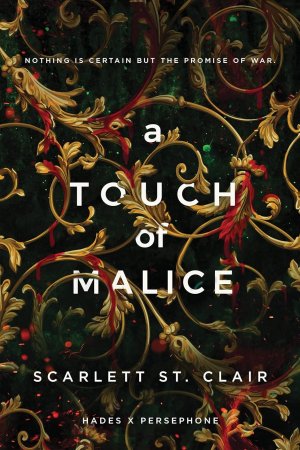
A Touch of Malice: The world of New Athens and the Greek gods by Scarlett St. Clair
Original price was: රු2,600.00.රු2,200.00Current price is: රු2,200.00.
3 X Rs. 733.33 or 8% Cashback with
or 3 X රු733.33 with
or up to 4 X රු550.00 with
Reviews
There are no reviews yet.