
No products in the cart.
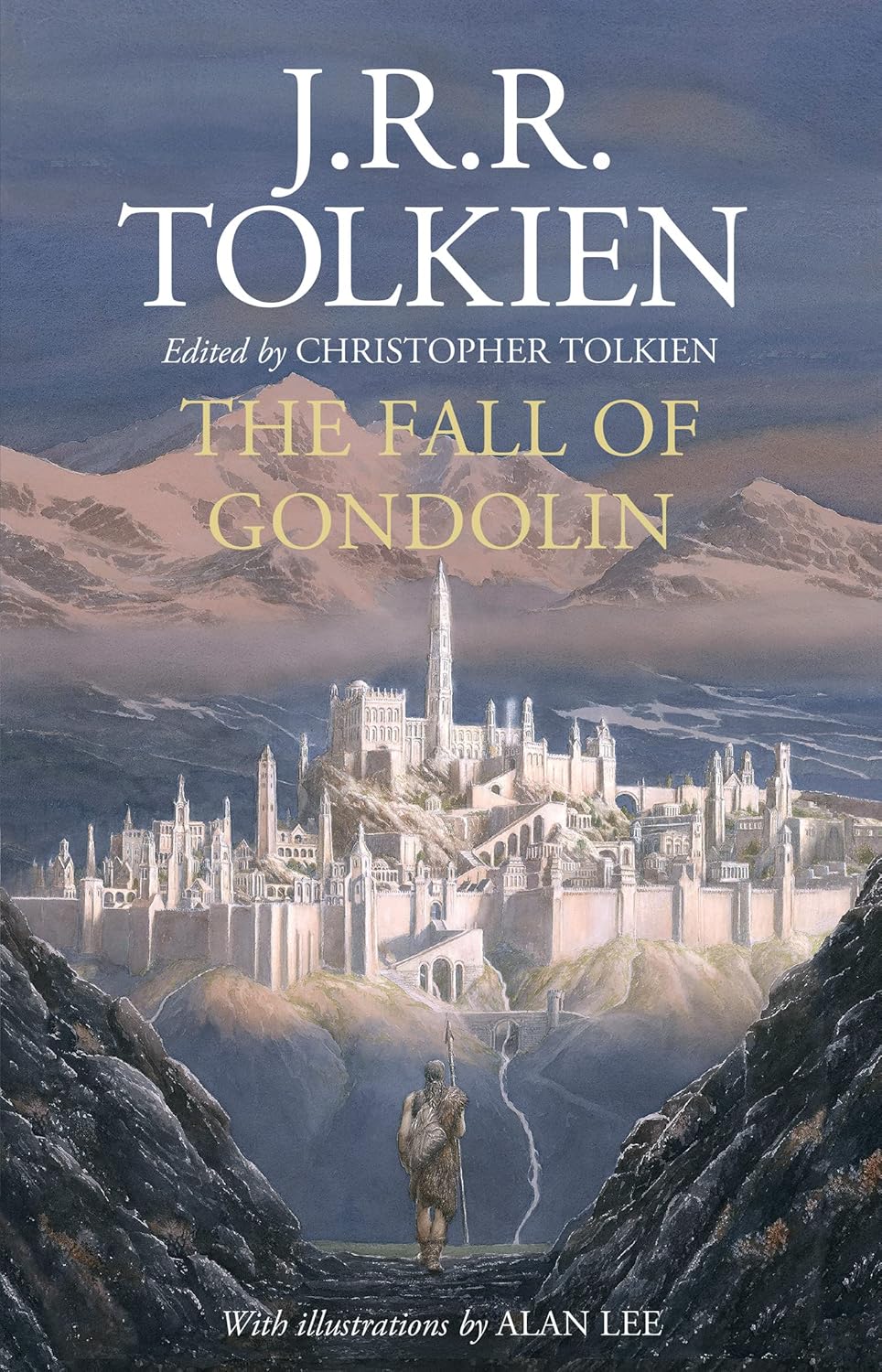
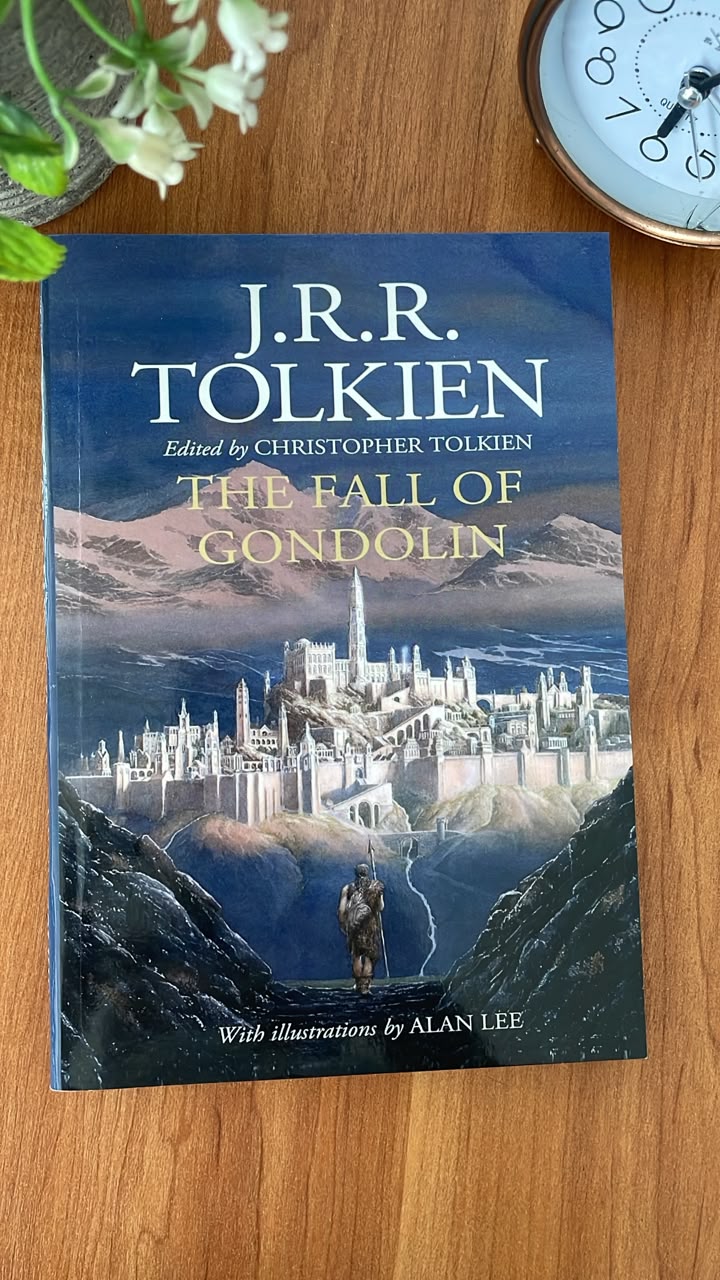
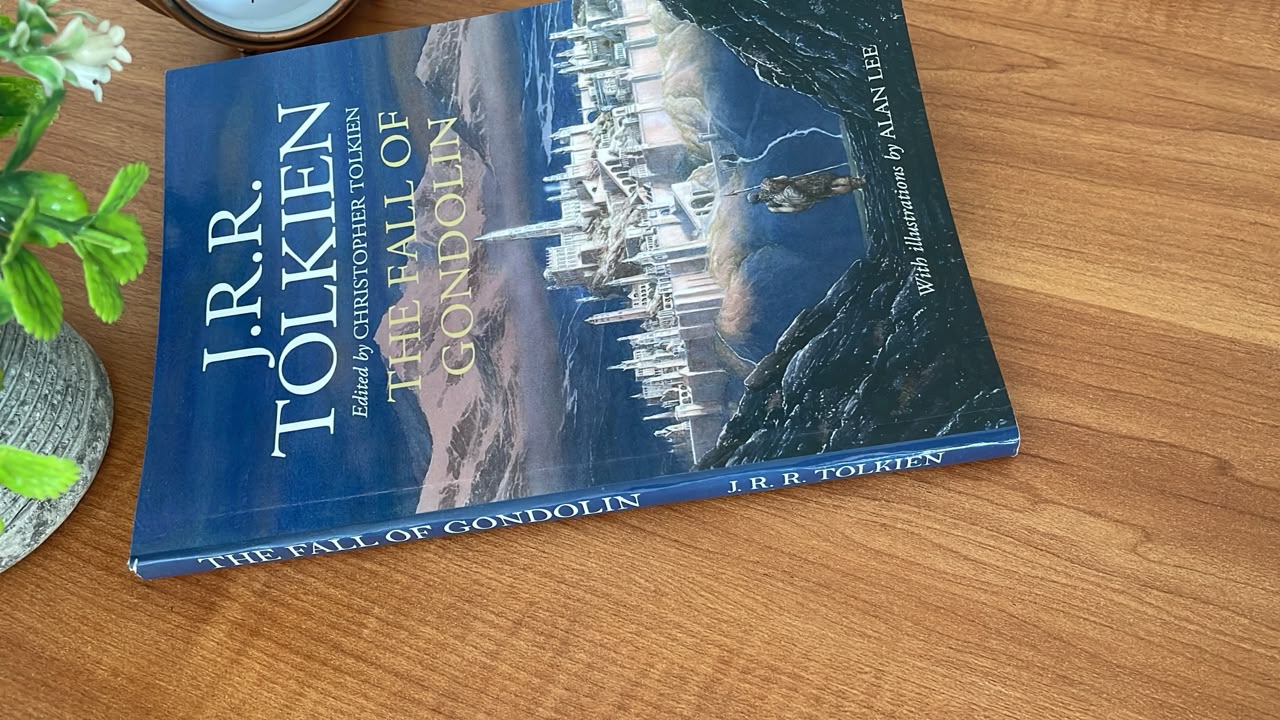


Fall Of Gondolin by J.R.R. Tolkien and Christopher Tolkien
රු1,950.00
3 X Rs. 650.00 or 8% Cashback with


or 3 X රු650.00 with


or up to 4 X රු487.50 with


Lasting Impact
After reading The Fall of Gondolin, readers gain a deeper appreciation for Tolkien’s world and the rich history behind Middle-earth. The story remains one of the most tragic and powerful tales in his legendarium.
Ultimately, the book shows that even the greatest kingdoms can fall — but their stories continue to inspire long after they are gone.
2 in stock
The Fall of Gondolin by J.R.R. Tolkien is an epic fantasy tale from the ancient history of Middle-earth.
Long before Frodo.
Long before the One Ring.
Long before the events of The Lord of the Rings, there was Gondolin.
A magnificent hidden city.
A king determined to protect it.
An enemy desperate to find it.
And a man named Tuor whose destiny becomes connected with its survival.
The Fall of Gondolin tells one of the foundational stories of Tolkien’s First Age and reveals how tragedy, courage, betrayal and hope shaped the mythology that later led toward The Hobbit and The Lord of the Rings.
Why Read The Fall of Gondolin?
The Fall of Gondolin is essential for readers who want to explore deeper into Tolkien’s Middle-earth.
The story takes place thousands of years before the War of the Ring.
The great enemy is not Sauron.
It is Morgoth, the first Dark Lord.
Morgoth commands immense military power from his fortress of Angband and desperately wants to discover the hidden Elven city of Gondolin.
Opposing him is Ulmo, one of the mighty Valar.
At the centre of this struggle stands Tuor.
His journey eventually carries him toward Gondolin and into one of the most dramatic stories of Tolkien’s Elder Days.
The Fall of Gondolin and the First Age
The First Age is one of the most legendary periods in Tolkien’s mythology.
This is the era of:
Elves.
Men.
Valar.
Morgoth.
Balrogs.
Dragons.
Great kingdoms.
Ancient wars.
And heroes whose actions influence the future of Middle-earth.
The Fall of Gondolin belongs to this much older world.
The Tolkien Estate identifies it as one of Tolkien’s three major “Great Tales,” together with Beren and Lúthien and The Children of Húrin.
The Hidden City of Gondolin
Gondolin is one of the most remarkable cities in Tolkien’s mythology.
It was built and populated by the Noldorin Elves.
Its ruler is King Turgon.
The city is deliberately hidden from Morgoth.
For years, Morgoth searches for it.
But Gondolin remains concealed.
The official HarperCollins description characterizes it as a beautiful and undiscoverable city protected from the forces of darkness.
That secrecy is both its greatest protection and the source of enormous tension.
Readers know that a city this powerful cannot remain hidden forever.
Morgoth in The Fall of Gondolin
Morgoth is one of the greatest villains in Tolkien’s legendarium.
Sauron, the main Dark Lord of The Lord of the Rings, was originally his servant.
During the period of The Fall of Gondolin, Morgoth is the dominant power threatening much of Middle-earth.
He rules from Angband.
He commands armies.
He fears Gondolin.
And he wants to destroy King Turgon and his hidden kingdom.
The battle between Morgoth’s power and Gondolin’s resistance creates the background for the entire tragedy.
Meet Tuor
Tuor is one of the central heroes of The Fall of Gondolin.
He is also the cousin of Túrin, whose tragic story is told in The Children of Húrin.
Tuor becomes connected with Ulmo’s plans.
Guided toward Gondolin, he undertakes a dangerous journey that leads him into the hidden city.
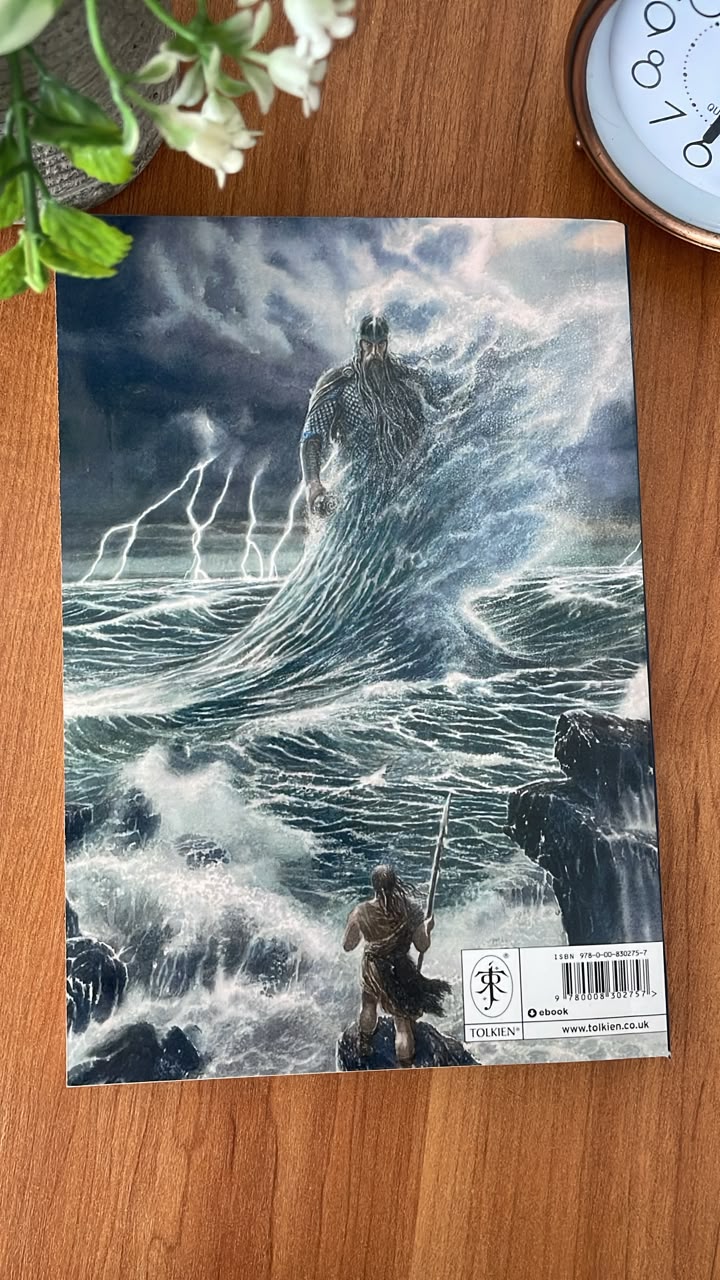
One of the story’s most memorable moments occurs when Ulmo himself appears before Tuor from the ocean during a storm.
This encounter makes it clear that Tuor’s journey is not accidental.
He has a role to play in events much larger than himself.
The Fall of Gondolin and Ulmo
Ulmo is one of the Valar.
He is associated with the waters of the world.
Unlike many of the other powers who remain distant from the conflicts of Middle-earth, Ulmo continues to take an interest in the fate of Elves and Men.
His connection with Tuor becomes crucial.
Through Tuor, Ulmo attempts to influence the future of Gondolin.
This gives The Fall of Gondolin a mythological scale far beyond an ordinary fantasy adventure.
Godlike powers.
Kings.
Heroes.
Dark Lords.
And hidden kingdoms all become connected.
King Turgon
Turgon is the King of Gondolin.
He has created an extraordinary kingdom protected from the outside world.
For years, secrecy keeps his people safe.
But safety can create confidence.
And confidence can become dangerous.
Turgon faces one of the most difficult problems in leadership:
How do you protect something precious when the circumstances around you are changing?
The city has survived because it remains hidden.
Yet the danger outside continues to grow.
This tension gives the story much of its tragic power.
The Fall of Gondolin and Idril
Idril is Turgon’s daughter.
She becomes deeply connected with Tuor and with the future of Gondolin.
Her role becomes increasingly important as danger approaches the city.
Idril represents courage, foresight and survival.
She is also connected to one of the most important bloodlines in Tolkien’s entire mythology.
Her family’s story eventually reaches far beyond the destruction of Gondolin.
For readers familiar with The Lord of the Rings, these ancient family connections make The Fall of Gondolin particularly rewarding.
A Story of Betrayal
Gondolin survives because its location is secret.
That means Morgoth cannot simply discover it through ordinary military power.
He needs information.
Eventually, treachery gives him what he has been searching for.
Bodleian Libraries’ description notes that Morgoth learns what he needs through an act of betrayal and is then able to launch a devastating assault on the hidden city.
This turns secrecy from Gondolin’s greatest strength into something terrifyingly fragile.
One person’s actions can threaten an entire civilization.
The Battle for Gondolin
Once Morgoth discovers the city, the scale of the story changes dramatically.
The hidden kingdom faces overwhelming force.
Orcs attack.
Balrogs appear.
Dragons join the destruction.
Bodleian’s description specifically identifies Balrogs, dragons and countless Orcs among the forces involved in Morgoth’s attack.
This makes The Fall of Gondolin one of Tolkien’s most spectacular stories of war.
The battle is not simply about winning territory.
It is about the destruction of something beautiful that seemed protected from the outside world.
The Fall of Gondolin and Tragedy
Readers already know something important from the title.
Gondolin falls.
This is not a story built around whether the city survives.
The emotional power comes from discovering how it happens.
Who fights?
Who betrays?
Who survives?
What is saved?
What is lost?
That structure gives the book the feeling of an ancient legend.
The ending is known.
But the journey remains powerful.
Courage Against Impossible Odds
Tolkien frequently writes about courage when victory appears impossible.
Characters may understand that they cannot completely defeat the enemy.
Yet they still fight.
They protect others.
They resist.
They preserve something for the future.
The Fall of Gondolin contains this kind of heroism throughout its climactic events.
Courage becomes meaningful precisely because success is uncertain.
The Fall of Gondolin and Hope
Although the story is tragic, it is not completely hopeless.
Tuor and Idril escape with their child Eärendel, looking back at the burning ruins of Gondolin as they flee.
That child becomes enormously important to the larger mythology of Middle-earth.
The destruction of one kingdom therefore does not mean the end of everything.
Something survives.
A family continues.
A future remains possible.
This mixture of tragedy and hope is one of Tolkien’s greatest strengths as a storyteller.
Eärendel and the Future
The escape of Eärendel connects The Fall of Gondolin with events far beyond the city itself.
Tolkien never completed the full standalone “Tale of Eärendel,” although the 2018 book includes material showing how that story developed from his other writings.
For serious Tolkien readers, this connection is fascinating.
The story is not isolated.
It becomes part of the huge network of histories, legends and family lines that eventually shape later Middle-earth.
The Earliest Roots of Middle-earth
One reason The Fall of Gondolin is historically important is its age.
Tolkien began writing the earliest version in 1917, while on sick leave from military service during the First World War.
That means Gondolin existed in Tolkien’s imagination decades before the publication of The Lord of the Rings.
The Tolkien Estate describes the tale as one of the earliest stories that eventually developed into The Silmarillion.
Readers are therefore seeing some of the earliest foundations of Middle-earth.
More Than One Version of the Story
It is important to understand how this book is structured.
The Fall of Gondolin is not presented simply as one conventional modern novel.
Christopher Tolkien brings together different versions his father wrote across many years.
Readers can see how the tale changed.
The original story.
Later summaries.
Revisions.
The final unfinished version.
The 2018 HarperCollins edition contains sections including The Original Tale, The Story Told in the Quenta Noldorinwa, The Last Version, and material explaining the evolution of the story.
This makes the book especially valuable to readers interested in Tolkien’s creative process.
Christopher Tolkien and The Fall of Gondolin
Christopher Tolkien devoted decades to organizing and publishing his father’s unpublished writings.
His work produced major books including The Silmarillion, Unfinished Tales, The History of Middle-earth, The Children of Húrin, Beren and Lúthien, and The Fall of Gondolin.
The Tolkien Estate notes that The Fall of Gondolin, published in 2018, was Christopher Tolkien’s final publication.
That gives this volume special significance in the history of Tolkien publishing.
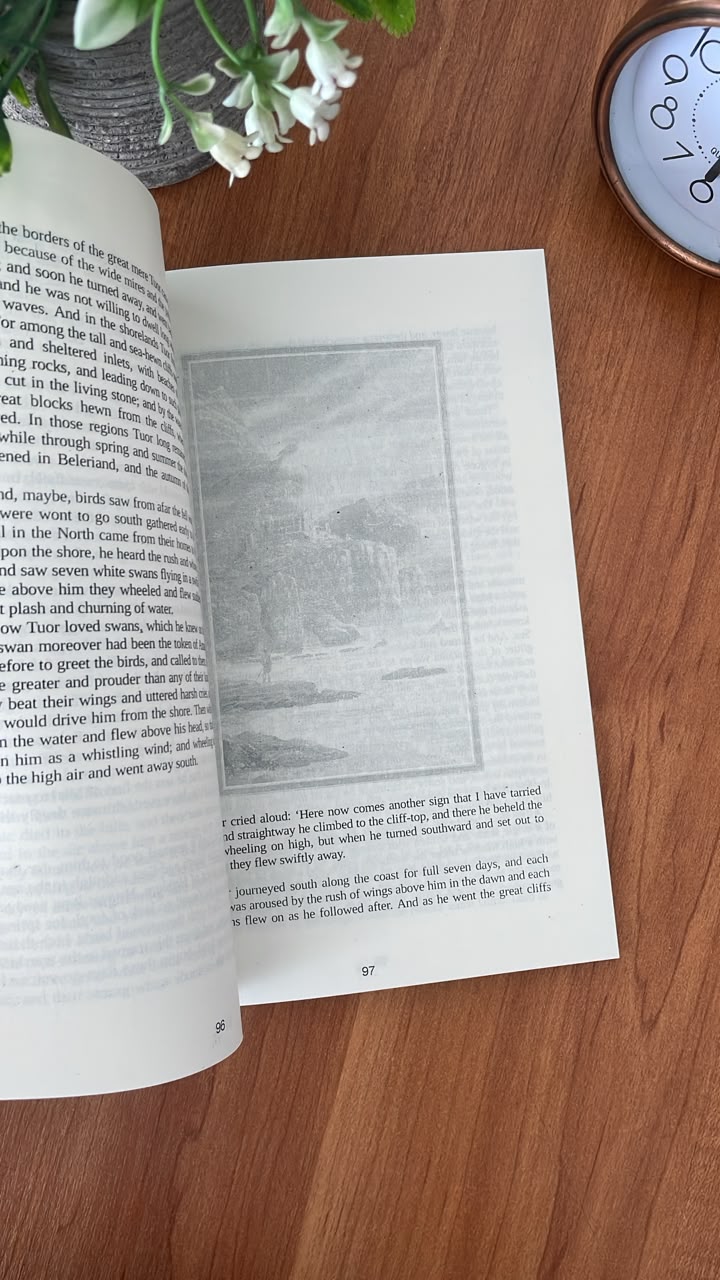
Illustrations by Alan Lee
The book is illustrated by Alan Lee.
Lee is closely associated with the visual world of Tolkien and has illustrated several important Middle-earth editions.
His artwork helps give the book the atmosphere of an ancient illustrated legend.
Cities.
Mountains.
Warriors.
Landscapes.
Mythological moments.
For collectors, the Alan Lee illustrations are one of the strongest features of many editions of The Fall of Gondolin.
The Fall of Gondolin for Lord of the Rings Fans
Readers who only know The Hobbit and The Lord of the Rings may find this book especially interesting.
It reveals just how deep Middle-earth’s history goes.
Sauron is not the beginning.
The One Ring is not the beginning.
The kingdoms of the Third Age are not the beginning.
Thousands of years of mythology exist behind them.
The Fall of Gondolin allows readers to step into those Elder Days and experience one of their greatest tragedies.
7 Powerful Reasons to Read The Fall of Gondolin
- Explore Ancient Middle-earth – The story takes readers into the First Age, long before The Lord of the Rings.
- Discover One of Tolkien’s Great Tales – It is one of the three major First Age stories alongside Beren and Lúthien and The Children of Húrin.
- Meet Tuor and Idril – Their story plays an important role in the wider history of Middle-earth.
- Experience an Epic Battle – Morgoth attacks Gondolin with Orcs, Balrogs and dragons.
- See Tolkien’s Creative Process – Different versions show how the story evolved across decades.
- Enjoy Alan Lee’s Illustrations – The acclaimed Tolkien illustrator brings the ancient world to life.
- Discover the Roots of Middle-earth – Tolkien began the original Gondolin story in 1917, making it one of his earliest major Middle-earth tales.
What You Can Expect From The Fall of Gondolin
Readers can expect:
- J.R.R. Tolkien
- Middle-earth
- First Age
- Tuor
- Idril
- King Turgon
- Morgoth
- Ulmo
- Eärendel
- Gondolin
- Elves
- Men
- Orcs
- Dragons
- Balrogs
- Betrayal
- Epic battles
- Ancient mythology
- Tragedy
- Heroism
- High fantasy
Who Should Read The Fall of Gondolin?
The Fall of Gondolin is ideal for Tolkien fans.
Readers of The Silmarillion will appreciate seeing different versions of one of its major stories.
Fans of The Lord of the Rings who want to explore the deeper history of Middle-earth may find it especially rewarding.
Fantasy readers who enjoy lost kingdoms, ancient wars, mythology and tragic heroes should also appreciate it.
The structure may be more demanding than a conventional fantasy novel because Christopher Tolkien presents several stages in the development of the tale.
For readers interested in Tolkien’s writing process, however, that becomes one of the book’s greatest strengths.
An Epic Tale From the First Age
The Fall of Gondolin tells the story of one of Middle-earth’s most magnificent hidden kingdoms.
Morgoth wants it destroyed.
Ulmo seeks to influence its fate.
Tuor journeys toward it.
Turgon rules it.
Idril fights for its future.
Betrayal exposes it.
And war ultimately transforms it into legend.
Yet something survives the destruction.
That survival connects Gondolin with the future history of Tolkien’s world.
For readers who want to travel beyond The Hobbit and The Lord of the Rings into the ancient legends behind them, The Fall of Gondolin by J.R.R. Tolkien is an essential addition to a Middle-earth collection.
Book Details
Title: The Fall of Gondolin
Author: J.R.R. Tolkien
Editor: Christopher Tolkien
Illustrator: Alan Lee
Genre: Epic Fantasy / High Fantasy / Middle-earth
Setting: First Age of Middle-earth
Standalone Publication: 2018
Publisher: HarperCollins.
Paperback Edition Details
A HarperCollins paperback edition is listed as:
ISBN-13: 9780008302801
Format: Paperback
Pages: 304.
Hardcover Edition
The original 2018 UK hardcover is associated with:
ISBN-13: 9780008302757
Format: Hardcover
Publisher: HarperCollins
Publication Date: August 30, 2018
Pages: approximately 304.
Edition Note
Several editions of The Fall of Gondolin exist, so ISBN, binding and minor page-count details can vary.
For your website, use the ISBN printed on your physical copy before entering edition-specific information. https://yourwebsite.com/the-fall-of-gondolin/
Be the first to review “Fall Of Gondolin by J.R.R. Tolkien and Christopher Tolkien”
Related products
-32%

Out of stock
Contemporary romance
Original price was: රු3,250.00.රු2,200.00Current price is: රු2,200.00.
3 X Rs. 733.33 or 8% Cashback with
or 3 X රු733.33 with
or up to 4 X රු550.00 with
Out of stock
රු14,500.00
3 X Rs. 4,833.33 or 8% Cashback with
or 3 X රු4,833.33 with
or up to 4 X රු3,625.00 with
Out of stock
Fantasy
3 X Rs. 0.00 or 8% Cashback with
or 3 X රු0.00 with
or up to 4 X රු0.00 with
Out of stock
Contemporary Fiction
රු2,150.00
3 X Rs. 716.67 or 8% Cashback with
or 3 X රු716.67 with
or up to 4 X රු537.50 with
Out of stock
රු2,000.00
3 X Rs. 666.67 or 8% Cashback with
or 3 X රු666.67 with
or up to 4 X රු500.00 with
Fantasy
රු2,400.00
3 X Rs. 800.00 or 8% Cashback with
or 3 X රු800.00 with
or up to 4 X රු600.00 with
-10%
Out of stock
Original price was: රු5,000.00.රු4,500.00Current price is: රු4,500.00.
3 X Rs. 1,500.00 or 8% Cashback with
or 3 X රු1,500.00 with
or up to 4 X රු1,125.00 with
-50%
Out of stock
Children & Young Adult
Original price was: රු3,400.00.රු1,700.00Current price is: රු1,700.00.
3 X Rs. 566.67 or 8% Cashback with
or 3 X රු566.67 with
or up to 4 X රු425.00 with
Reviews
There are no reviews yet.