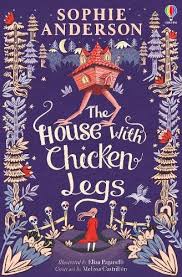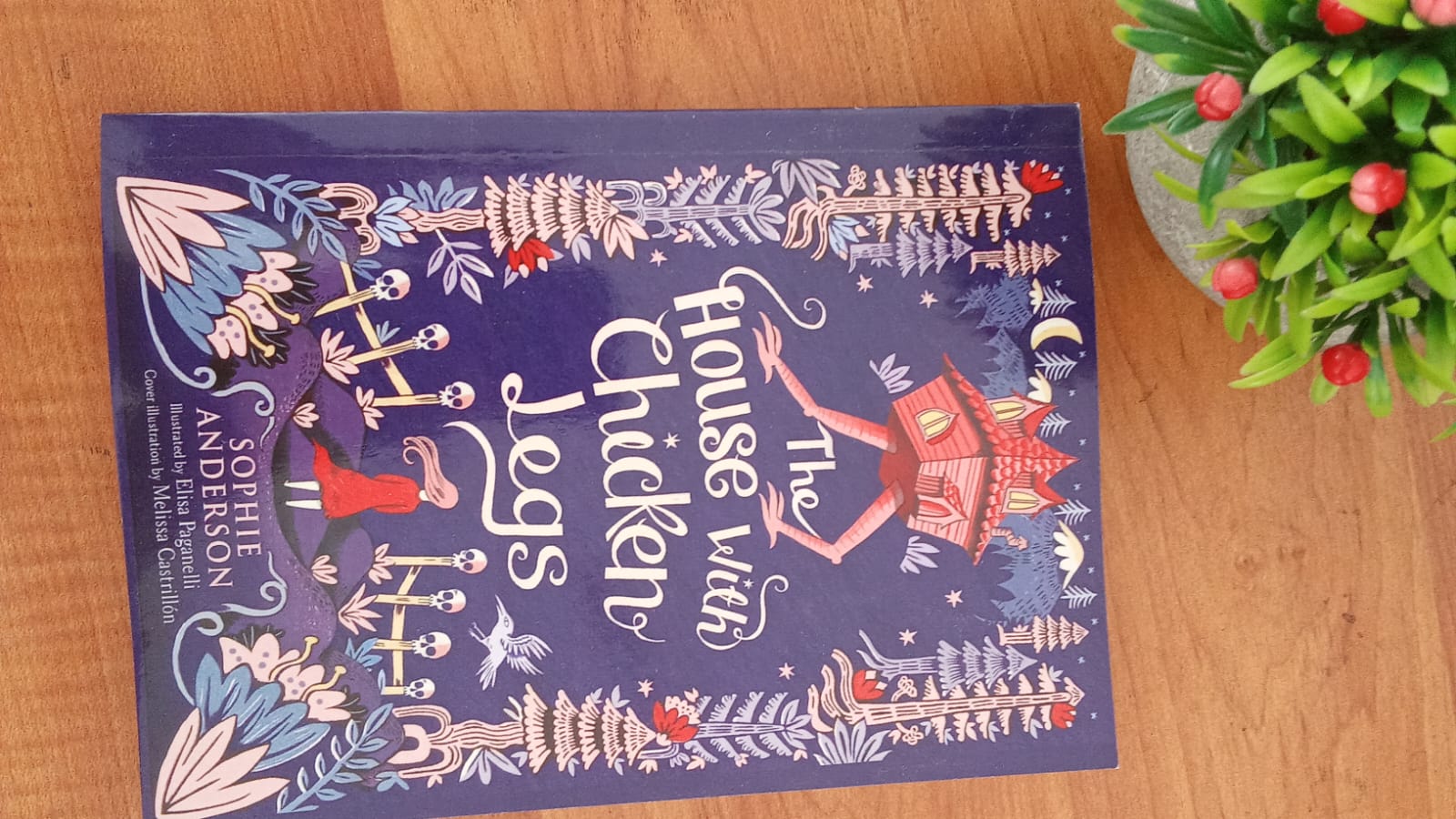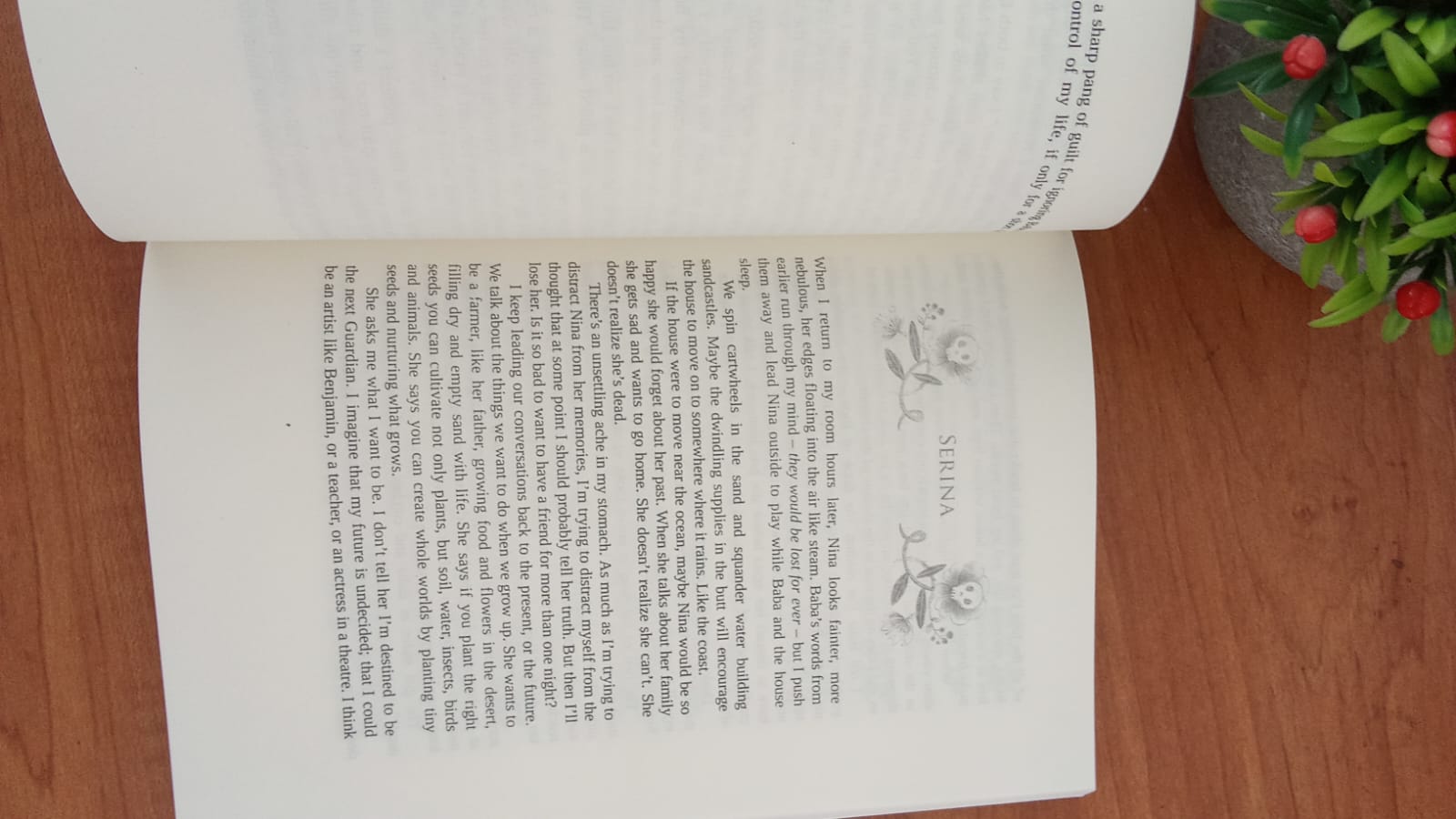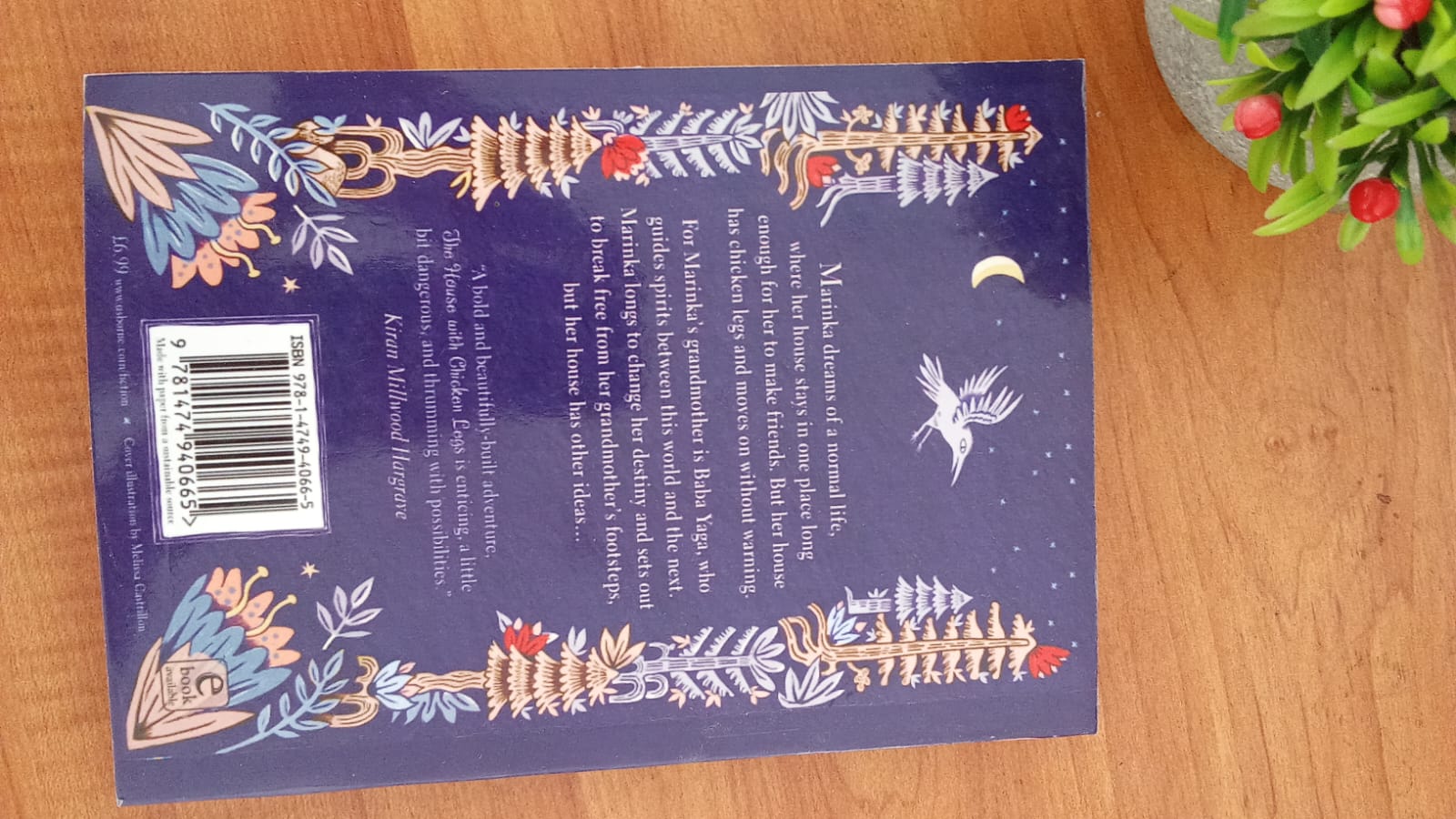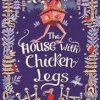
The House with Chicken Legs by Sophie Anderson is a magical and emotional fantasy adventure inspired by the traditional stories of Baba Yaga. Filled with friendship, family, destiny, mystery, humour, folklore, and an unforgettable house that can walk on enormous chicken legs, the novel follows twelve-year-old Marinka as she dreams of living an ordinary life.
Marinka’s home is anything but ordinary.
Her house has chicken legs.
It can move from place to place without warning, carrying Marinka and her grandmother to remote corners of the world.
For many children, a magical travelling house might sound exciting.
For Marinka, however, it makes one thing extremely difficult.
Making friends.
Every time she begins imagining what a normal life could be like, the house may simply stand up and move somewhere else.
There is another reason Marinka’s life is unusual.
Her grandmother is a Yaga—a guardian whose responsibility is to help the dead move safely from the world of the living into the afterlife.
The House with Chicken Legs by Sophie Anderson – Book Overview
The House with Chicken Legs by Sophie Anderson follows Marinka as she struggles between the future expected of her and the life she wants for herself.
Marinka has been raised by her grandmother, Baba.
Baba loves her deeply, but she also expects Marinka to eventually become a Yaga.
That would mean continuing the family responsibility of guiding the dead.
Marinka does not want that future.
She wants ordinary experiences.
She wants to attend school.
She wants friends who remain long enough to share secrets and adventures.
She wants a home that stays in one place.
Most importantly, she wants to have some choice over what her future becomes.
This desire creates the emotional heart of the story.
Marinka and Her Dream of a Normal Life
Marinka is the central character in The House with Chicken Legs by Sophie Anderson.
She may live in a magical house, but many of her feelings are completely relatable.
She feels lonely.
She wants friendship.
She becomes frustrated when adults decide what her future should be.
She wonders why she must follow traditions simply because they have existed for generations.
These emotions make Marinka easy to understand even though her circumstances are fantastical.
Her story explores an important question:
Should your future be determined by what your family expects, or should you have the freedom to discover your own path?
A House That Walks on Chicken Legs
One of the most memorable elements of The House with Chicken Legs by Sophie Anderson is the house itself.
This is not an ordinary building.
It moves.
It plays.
It reacts.
It carries Marinka and Baba across different landscapes.
In many ways, the house becomes a character of its own.
Marinka has a complicated relationship with it.
Sometimes the house feels like a companion.
Other times, its constant travelling makes her feel trapped.
Each move makes permanent friendship more difficult.
The magical house therefore represents both freedom and restriction.
It can travel almost anywhere, yet Marinka cannot decide where she truly belongs.
Baba and the Yaga Tradition
Baba plays an important role in The House with Chicken Legs by Sophie Anderson.
She is Marinka’s grandmother, guardian, teacher, and family.
As a Yaga, Baba has an important responsibility.
The dead arrive at their home, where she welcomes them before helping them continue on their final journey.
For Baba, this role has meaning.
It is part of who she is.
Naturally, she expects Marinka to eventually continue the tradition.
But Marinka sees the situation differently.
What Baba views as a meaningful destiny feels like a limitation to Marinka.
Their different perspectives create tension without making either character simply right or wrong.
Baba wants to prepare Marinka.
Marinka wants the freedom to choose.
Friendship and Loneliness
Friendship is one of the strongest themes in The House with Chicken Legs by Sophie Anderson.
Marinka’s unusual lifestyle means she rarely has opportunities to build lasting friendships.
The dead visit the house, but they cannot remain.
The house itself can be playful, but it cannot replace having another child to talk to.
Marinka desperately wants a real human friend.
That desire influences many of her decisions.
When she finally sees an opportunity for friendship, she is willing to break important rules.
Her choices show how powerful loneliness can become.
People may take risks simply because they want to feel connected to someone else.
Breaking the Rules
Rules exist for important reasons in Marinka’s world.
But The House with Chicken Legs by Sophie Anderson also explores what happens when rules collide with emotional needs.
Marinka knows what Baba expects.
She understands that there are responsibilities connected to being a Yaga.
Still, she wants something different.
This leads her to make choices that have serious consequences.
The story does not simply say that rules are bad or that children should ignore adults.
Instead, it explores how difficult it can be when tradition does not leave enough space for individual desires.
A Journey Toward Destiny
Destiny is another important theme in The House with Chicken Legs by Sophie Anderson.
Marinka has been told what her future will be.
She is expected to become a Yaga.
She is expected to continue guiding the dead.
But knowing what other people expect is very different from choosing that future yourself.
Marinka’s journey becomes about understanding what destiny really means.
Is destiny something fixed?
Can traditions change?
Can someone respect their family while still choosing a different path?
These questions give the novel emotional depth beyond its magical setting.
Life, Death and the Afterlife
Although The House with Chicken Legs by Sophie Anderson is written for younger readers, it explores the subject of death in a gentle and imaginative way.
Baba’s role involves helping spirits move from life into the afterlife.
Death is therefore part of Marinka’s everyday world.
The novel approaches the topic through warmth, celebration, memory, and connection rather than focusing only on fear.
This can help young readers think about difficult subjects in a thoughtful fantasy setting.
The story explores the idea that saying goodbye can be painful while still being a natural part of life.
Family and Expectations
Family relationships are central to The House with Chicken Legs by Sophie Anderson.
Marinka loves Baba.
Baba loves Marinka.
Their conflict exists because they imagine Marinka’s future differently.
This makes their relationship believable.
Family members may genuinely care for one another while still disagreeing about important choices.
Parents and grandparents sometimes want children to continue traditions.
Children may want to create something different.
The novel explores how love, responsibility, and independence can exist together even when they create conflict.
Inspired by Baba Yaga Folklore
The House with Chicken Legs by Sophie Anderson draws inspiration from traditional stories connected to Baba Yaga.
In Slavic folklore, Baba Yaga is famously associated with a mysterious house that stands on chicken legs.
Sophie Anderson reimagines these familiar folkloric elements through Marinka’s story.
Rather than simply reproducing an old fairy tale, the novel uses folklore to explore modern themes such as belonging, identity, loneliness, family expectations, and finding your own path.
This makes the book an excellent choice for readers who enjoy fairy-tale reimaginings and folklore-inspired fantasy.
Magic and Adventure
There is plenty of magical adventure throughout The House with Chicken Legs by Sophie Anderson.
Readers encounter:
- A travelling house with chicken legs
- Baba Yaga-inspired folklore
- Spirits and the afterlife
- Magical journeys
- Friendship
- Family secrets
- Dangerous choices
- Strange destinations
- Humour
- Mystery
- Emotional discoveries
- Questions about destiny
The story combines magical wonder with meaningful character development.
Finding Where You Belong
Belonging is one of the most powerful ideas in The House with Chicken Legs by Sophie Anderson.
Marinka’s house travels constantly.
This means she technically has a home everywhere and nowhere at the same time.
She begins questioning what home actually means.
Is home a building?
A location?
A family?
A friendship?
Or is it somewhere you choose?
This question becomes more important as Marinka encounters people and experiences outside the world Baba has created for her.
Finding belonging becomes connected to understanding herself.
Growing Up and Making Choices
Growing up often means discovering that adults do not have every answer.
The House with Chicken Legs by Sophie Anderson captures this experience through fantasy.
Marinka begins the story believing that her future has already been decided.
As events unfold, she learns that choices carry consequences.
Freedom does not simply mean doing whatever you want.
It also means taking responsibility for what happens afterward.
This gives Marinka’s journey a meaningful coming-of-age element.
She must learn not only what she wants, but what she is willing to do to create that future.
Why Read The House with Chicken Legs by Sophie Anderson?
The House with Chicken Legs by Sophie Anderson is a wonderful choice for readers who enjoy:
- Children’s fantasy
- Magical adventures
- Baba Yaga stories
- Fairy tales and folklore
- Strong young heroines
- Friendship stories
- Family relationships
- Moving houses
- Mystery
- Coming-of-age stories
- Emotional fantasy
- Stories about destiny
- Magical realism
- Adventure and humour
The novel combines imaginative fantasy with emotional themes that readers of different ages can appreciate.
Who Should Read This Book?
The House with Chicken Legs by Sophie Anderson may especially appeal to:
- Young fantasy readers
- Middle-grade readers
- Children who enjoy magical stories
- Fans of fairy-tale retellings
- Readers interested in folklore
- Fans of Baba Yaga stories
- Children who enjoy adventurous heroines
- Readers who like emotional family stories
- Teachers looking for imaginative children’s fiction
- Parents looking for meaningful fantasy books
The book has been marketed for middle-grade readers, with Scholastic listing it for ages approximately 8–12.
An Award-Nominated Magical Adventure
The House with Chicken Legs by Sophie Anderson has also received significant recognition, including shortlist placements for major children’s-book awards such as the Waterstones Children’s Book Prize, CILIP Carnegie Medal, British Book Awards Children’s Fiction Book of the Year, Blue Peter Book Awards, and Branford Boase Award.
Its combination of folklore, emotional storytelling, humour, adventure, and imaginative world-building has helped make it a memorable modern children’s fantasy.
A Magical Story About Choosing Your Own Path
The House with Chicken Legs by Sophie Anderson begins with a girl who believes her future has already been decided.
Marinka lives in an extraordinary house.
She is surrounded by magic.
She has a loving grandmother.
Yet she wants something she does not have: the freedom to discover who she wants to become.
Her desire for friendship pushes her beyond the rules that have controlled her life.
Those choices lead to danger, loss, adventure, and a deeper understanding of family and responsibility.
Through Marinka’s journey, the novel explores friendship, grief, love, destiny, independence, tradition, and belonging.
For readers looking for a beautifully imaginative children’s fantasy filled with magic, folklore, emotional depth, adventure, and an unforgettable house that actually walks on chicken legs, The House with Chicken Legs by Sophie Anderson is a wonderful choice.
Learn more about The House with Chicken Legs by Sophie Anderson on the official Usborne website.
Explore more children’s fantasy books at Bargain Books.


Reviews
There are no reviews yet.