
No products in the cart.
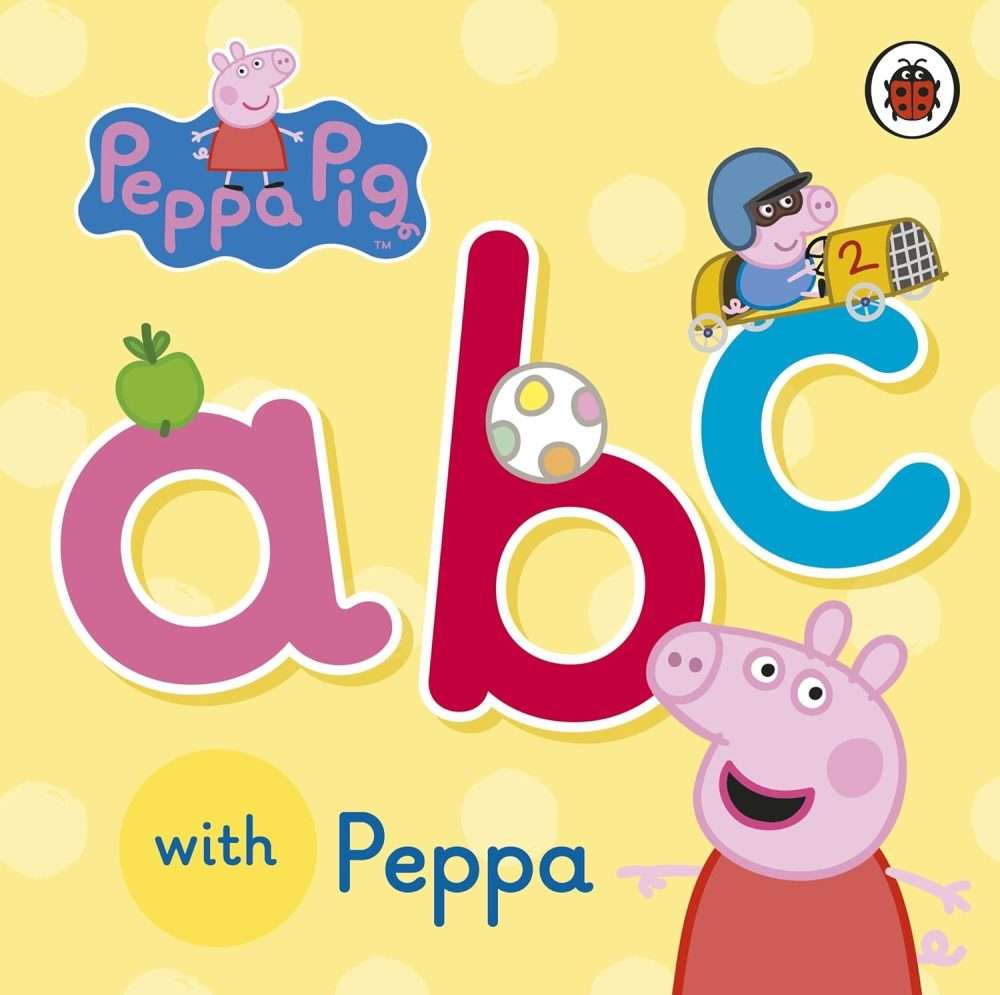
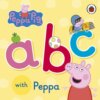
Peppa Pig: ABC with Peppa


රු2,500.00
3 X Rs. 833.33 or 8% Cashback with


or 3 X රු833.33 with


or up to 4 X රු625.00 with


| Field | Information |
|---|---|
| Title | Peppa Pig: ABC with Peppa |
| Author / Series | Based on the character Peppa Pig (Imprint: Ladybird) |
| Publisher / Imprint | Penguin Books / Ladybird |
| Publication Date | 28 May 2014 |
| ISBN‑13 | 978‑0723292098 |
| Format | Board Book |
| Pages | 16 pages |
| Dimensions | Approximately 17.7 cm × 17.5 cm × 1.3 cm (177 mm × 175 mm × 13 mm) |
| Weight | Approx. 242 g |
| Recommended Age Group | Very young children, toddlers beginning to learn the alphabet |
| Description / Feature | A colourful and chunky board book that introduces the ABC in simple text and pictures — perfect for little hands. |
5 in stock
Peppa Pig: ABC with Peppa
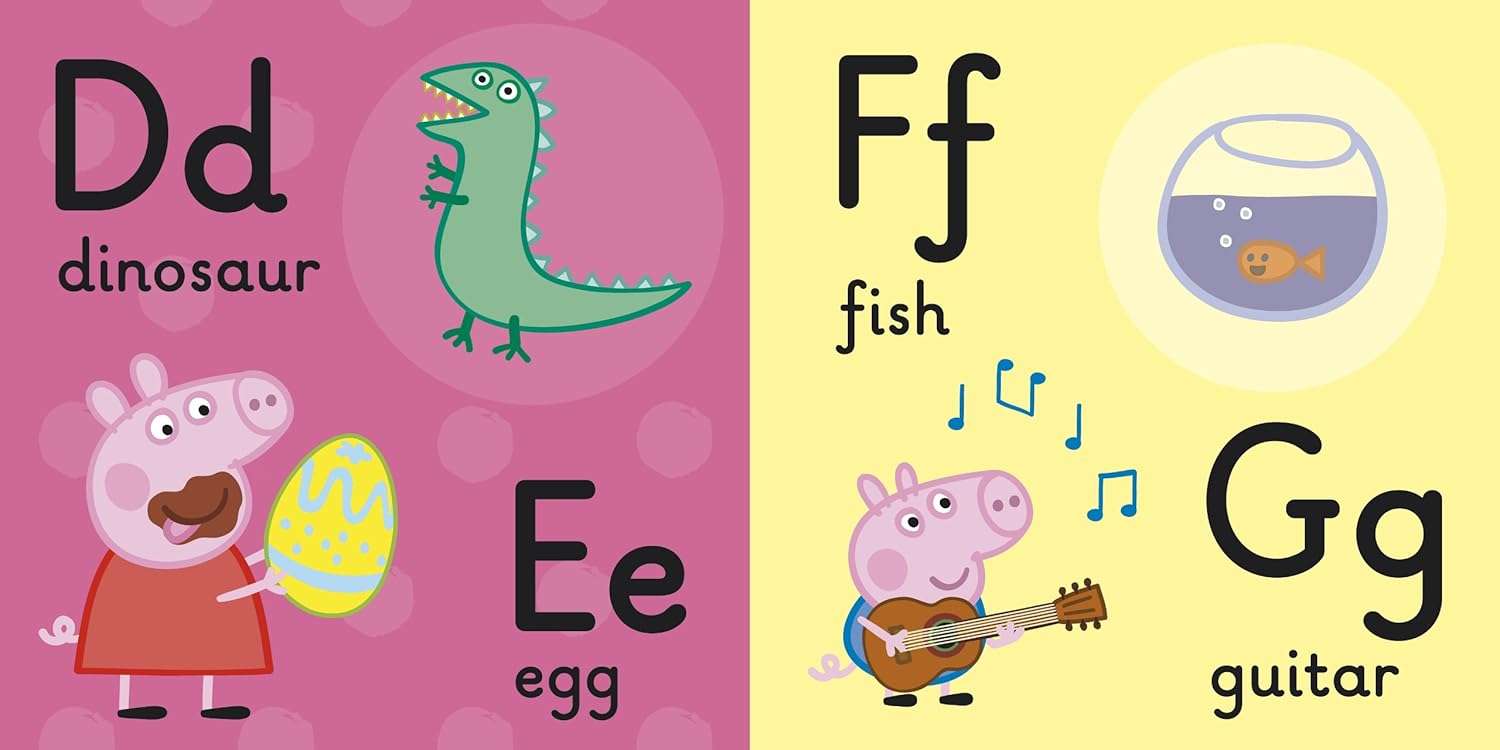
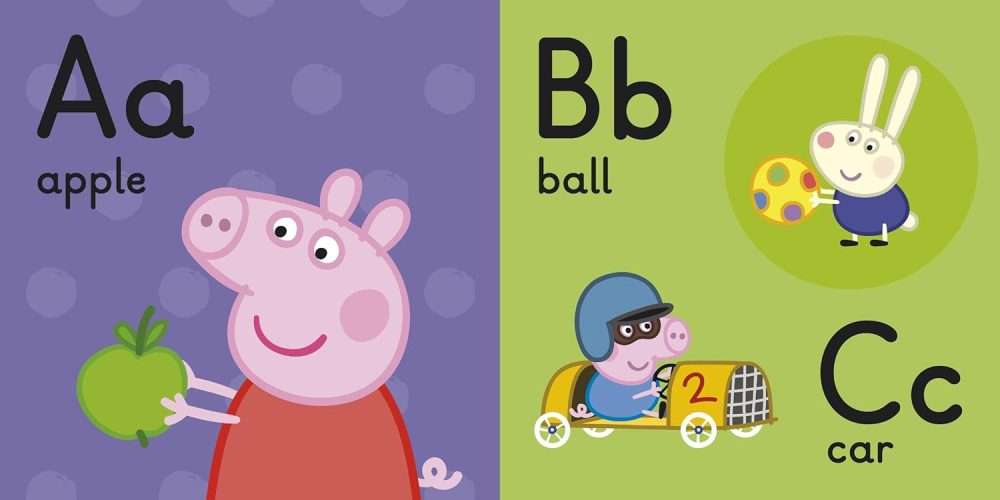
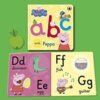
Peppa Pig: ABC with Peppa is a colourful first alphabet board book that helps toddlers and preschool children become familiar with the letters from A to Z. Featuring Peppa Pig, George, and other recognisable characters, this cheerful early-learning title introduces the alphabet through simple text and bright pictures.
The sturdy board-book format is designed for young children beginning to hold books, turn pages, point to pictures, and repeat familiar sounds. Parents can read each letter aloud, name the accompanying objects, and encourage children to join in.
Published by Ladybird, Peppa Pig: ABC with Peppa offers a friendly introduction to alphabet learning for young Peppa Pig fans. It can be shared at home, during travel, in nursery, or as part of a preschool learning routine.
Learn the Alphabet with Peppa and George
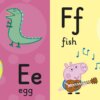
Peppa and George guide children through the ABC in an easy-to-follow sequence. Each section connects letters with colourful pictures and familiar vocabulary, helping young readers understand that written letters are associated with spoken sounds and words.
Parents can point to each letter while saying its name clearly. They can then draw attention to the corresponding illustration and repeat the featured word.
Adults can ask simple questions such as:
- “Which letter can you see?”
- “What sound does this letter make?”
- “Can you say the word with me?”
- “What letter comes next?”
- “Can you find the letter P?”
- “Which letter starts your name?”
- “Can you point to something beginning with B?”
These short questions encourage children to observe, listen, repeat, and respond.
A First Introduction to A–Z
Peppa Pig: ABC with Peppa is described by Ladybird as a first-concept book created for the youngest Peppa Pig fans. Its straightforward words and pictures make the alphabet approachable without overwhelming early learners. Penguin UK
The book can help children become familiar with:
- The letters from A to Z
- Alphabetical order
- Letter names
- First letter sounds
- Words beginning with different letters
- Matching letters with pictures
- Recognising letters in everyday surroundings
- Listening and repeating
Young children are not expected to remember every letter immediately. Regular, relaxed exposure helps alphabet knowledge develop gradually.
Building Early Letter Recognition
Before children can read words independently, they need to notice that letters have different shapes. Some are formed with straight lines, while others contain curves and circles.
Parents can encourage children to examine each letter and discuss what it looks like. They might ask whether it is tall, round, curved, or made from straight lines.
Children can trace the printed letters with a finger while saying their names. This simple activity may support:
- Visual letter recognition
- Fine motor control
- Hand-eye coordination
- Awareness of letter shapes
- Early pre-writing movements
- Memory and concentration
Tracing with a finger introduces the idea of letter formation without requiring a pencil.
Introducing First Letter Sounds
Learning a letter’s name is useful, but children also benefit from hearing its sound. Parents can say the featured word slowly and emphasise its first sound.
For example:
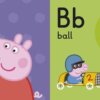
“B-b-ball starts with B.”
The activity should remain playful rather than becoming a formal test. If a child is not ready to repeat the sound, simply hearing it during regular reading still provides valuable exposure.
Adults can think of other simple words beginning with the same letter and invite children to suggest their own examples.
Supporting Early Vocabulary
The pictures provide opportunities to teach words as well as letters. Parents can name each illustrated object, character, animal, or action and encourage the child to repeat it.
They can extend the discussion by introducing descriptive words connected with:
- Colours
- Shapes
- Sizes
- Animals
- People
- Everyday objects
- Actions
- Places
For example, an adult might identify an object, describe its colour, and then repeat its starting letter.
This type of conversation helps children understand that alphabet learning is connected to real words and familiar experiences.
Learning Through Familiar Characters
Peppa Pig and George make alphabet practice friendly and recognisable. Children who enjoy the television series may be more interested in exploring letters alongside characters they already know.
The illustrations can also be used for simple searching games:
- Find Peppa.
- Point to George.
- Look for an animal.
- Find something red.
- Point to the largest object.
- Find two pictures that look similar.
- Identify something beginning with a chosen sound.
These activities encourage careful observation and make repeated reading more varied.
Alphabet Learning Through Repetition
Toddlers and preschool children often learn through repetition. Reading ABC with Peppa regularly allows them to hear the letters in the same order and become familiar with the accompanying pictures.
During early reading sessions, children may mainly observe and listen. Later, they may begin repeating individual letters, supplying the next letter, or naming the illustrated objects before the adult does.
Parents can encourage participation with phrases such as:
- “Let’s say the alphabet together.”
- “You found the letter A.”
- “What comes after C?”
- “That word begins with M.”
- “Can you trace this letter?”
- “Would you like to read it again?”
Positive encouragement helps children associate alphabet learning with enjoyment and confidence.
Extend the Learning at Home
Parents can connect the book with letters found in everyday surroundings. Children can search for alphabet shapes on packaging, signs, clothing, toys, and household objects.
Try these simple activities:
- Find the first letter of the child’s name.
- Make letters using building blocks.
- Trace letters in sand or flour.
- Form letters with play dough.
- Match magnetic letters.
- Sing the alphabet song.
- Draw a favourite letter.
- Find objects beginning with a chosen sound.
- Sort picture cards by their starting letters.
- Create a simple homemade alphabet poster.
These activities make letters more memorable by involving movement, touch, sound, and play.
Supporting Early Childhood Development
Exploring Peppa Pig: ABC with Peppa may encourage:
- Alphabet recognition
- Awareness of letter sounds
- Early vocabulary
- Listening and communication
- Visual concentration
- Memory and sequencing
- Fine motor control
- Hand-eye coordination
- Pre-reading confidence
- Parent-child interaction
- Preparation for nursery and school
Every child develops at a different pace. Some may quickly recognise several letters, while others concentrate mainly on the characters and pictures. Both forms of engagement are valuable.
A Chunky Board Book for Little Hands
The thick board pages are easier for young children to handle than ordinary paper pages. They provide a sturdy format for repeated reading and early independent exploration.
The approximately 17.7 × 17.7 cm square design is compact enough for little hands while providing clear space for letters and colourful illustrations.
A younger child may enjoy pointing to familiar characters, while an older preschooler may begin naming letters, identifying first sounds, and suggesting additional words.
Part of Peppa’s First-Concept Collection
ABC with Peppa can be paired with other early-learning Peppa Pig books, including:
- Peppa Pig: 123 with Peppa
- Peppa Pig: Colours
- Peppa Pig: Shapes
- First-word books
- Wipe-clean letter activities
- Phonics readers
Ladybird also published a digital four-book Learn with Peppa bundle containing ABC with Peppa, 123 with Peppa, Colours, and Shapes. Learn with Peppa collection – Penguin UK
Together, these titles help children explore several important preschool concepts through consistent characters and simple activities.
About Peppa Pig
Peppa Pig is the main character in the popular preschool animated series. She lives with Mummy Pig, Daddy Pig, and her younger brother George.
The stories follow Peppa, her family, and her friends through humorous everyday experiences involving play, school, holidays, family activities, and jumping in muddy puddles.
Ladybird publishes many Peppa Pig books, including board books, storybooks, sound titles, sticker activities, colouring books, phonics readers, and educational resources.
Who Should Read ABC with Peppa?
This book is suitable for:
- Toddlers aged approximately two years and above
- Preschool children learning the alphabet
- Young Peppa Pig fans
- Children beginning to recognise letters
- Parents looking for a first ABC book
- Nurseries and early-learning centres
- Families building a first board-book library
- Anyone searching for an educational toddler gift
The official publisher confirms the book’s ISBN, format, publication date, page count, dimensions, weight, and Ladybird imprint. Penguin UK
Book Links
Buy or view the book at Bargain Books:
View the official publication information:
ABC with Peppa – Penguin UK
Explore more Peppa Pig books at Book Lounge:
Peppa Pig Books – Book Lounge Search
A Colourful First Alphabet Book
Peppa Pig: ABC with Peppa provides toddlers with a friendly introduction to letters from A to Z. Its simple text, colourful illustrations, strong pages, and familiar characters make early alphabet practice accessible and enjoyable.
Whether shared during family reading, used for home learning, or added to a nursery collection, this chunky board book can help children build alphabet awareness, vocabulary, visual concentration, and confidence with their earliest literacy skills.
Be the first to review “Peppa Pig: ABC with Peppa”
Related products
Out of stock
Children & Young Adult
රු1,750.00
3 X Rs. 583.33 or 8% Cashback with
or 3 X රු583.33 with
or up to 4 X රු437.50 with
Out of stock
Children & Young Adult
Famous Five: Five Go Off in a Caravan – Book 5 by Enid Blyton | Classic Children’s Adventure
රු800.00
3 X Rs. 266.67 or 8% Cashback with
or 3 X රු266.67 with
or up to 4 X රු200.00 with
-10%
Out of stock
Children & Young Adult
Lord of the rings triology (Single Book) by J. R. R. Tolkien
Original price was: රු5,000.00.රු4,500.00Current price is: රු4,500.00.
3 X Rs. 1,500.00 or 8% Cashback with
or 3 X රු1,500.00 with
or up to 4 X රු1,125.00 with
-25%
Out of stock
Children & Young Adult
Original price was: රු2,000.00.රු1,500.00Current price is: රු1,500.00.
3 X Rs. 500.00 or 8% Cashback with
or 3 X රු500.00 with
or up to 4 X රු375.00 with
-16%
Out of stock
Children & Young Adult
Original price was: රු32,000.00.රු27,000.00Current price is: රු27,000.00.
3 X Rs. 9,000.00 or 8% Cashback with
or 3 X රු9,000.00 with
or up to 4 X රු6,750.00 with
Out of stock
Children & Young Adult
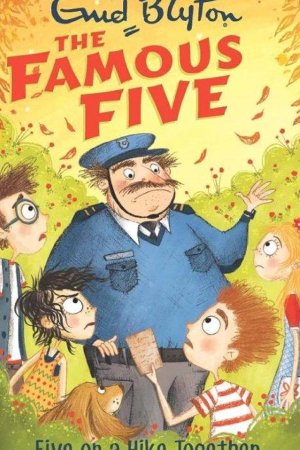
Famous Five Vol 10: Five on a Hike Together by Enid Blyton | Classic Children’s Adventure Book
රු800.00
3 X Rs. 266.67 or 8% Cashback with
or 3 X රු266.67 with
or up to 4 X රු200.00 with
Out of stock
Adventure Fiction
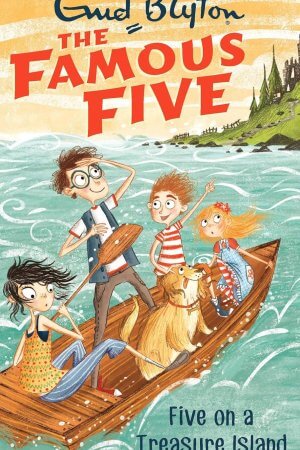
Famous Five: Five on a Treasure Island by Enid Blyton | Book 1 of the Classic Adventure Series
රු800.00
3 X Rs. 266.67 or 8% Cashback with
or 3 X රු266.67 with
or up to 4 X රු200.00 with
Out of stock
Children & Young Adult
රු2,100.00
3 X Rs. 700.00 or 8% Cashback with
or 3 X රු700.00 with
or up to 4 X රු525.00 with
Reviews
There are no reviews yet.