
No products in the cart.
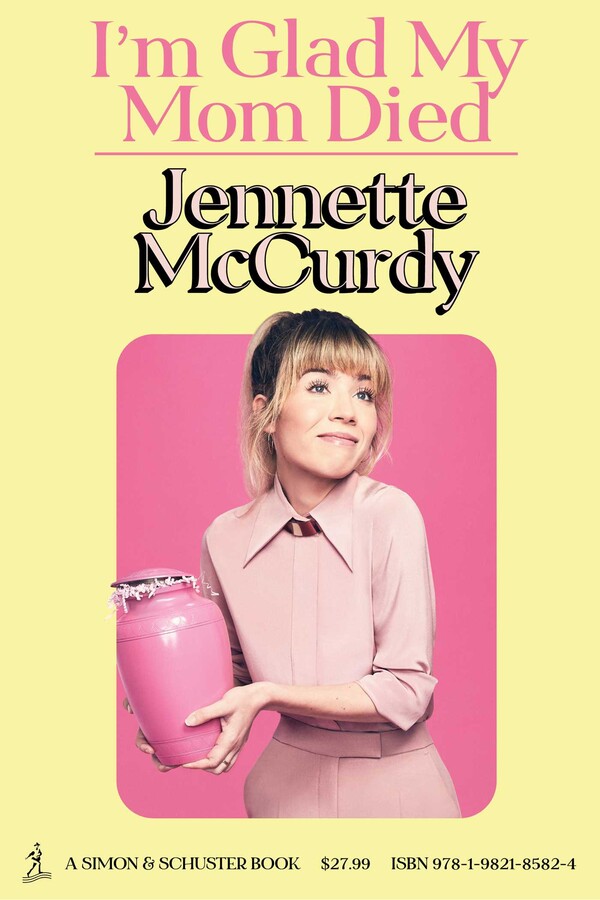
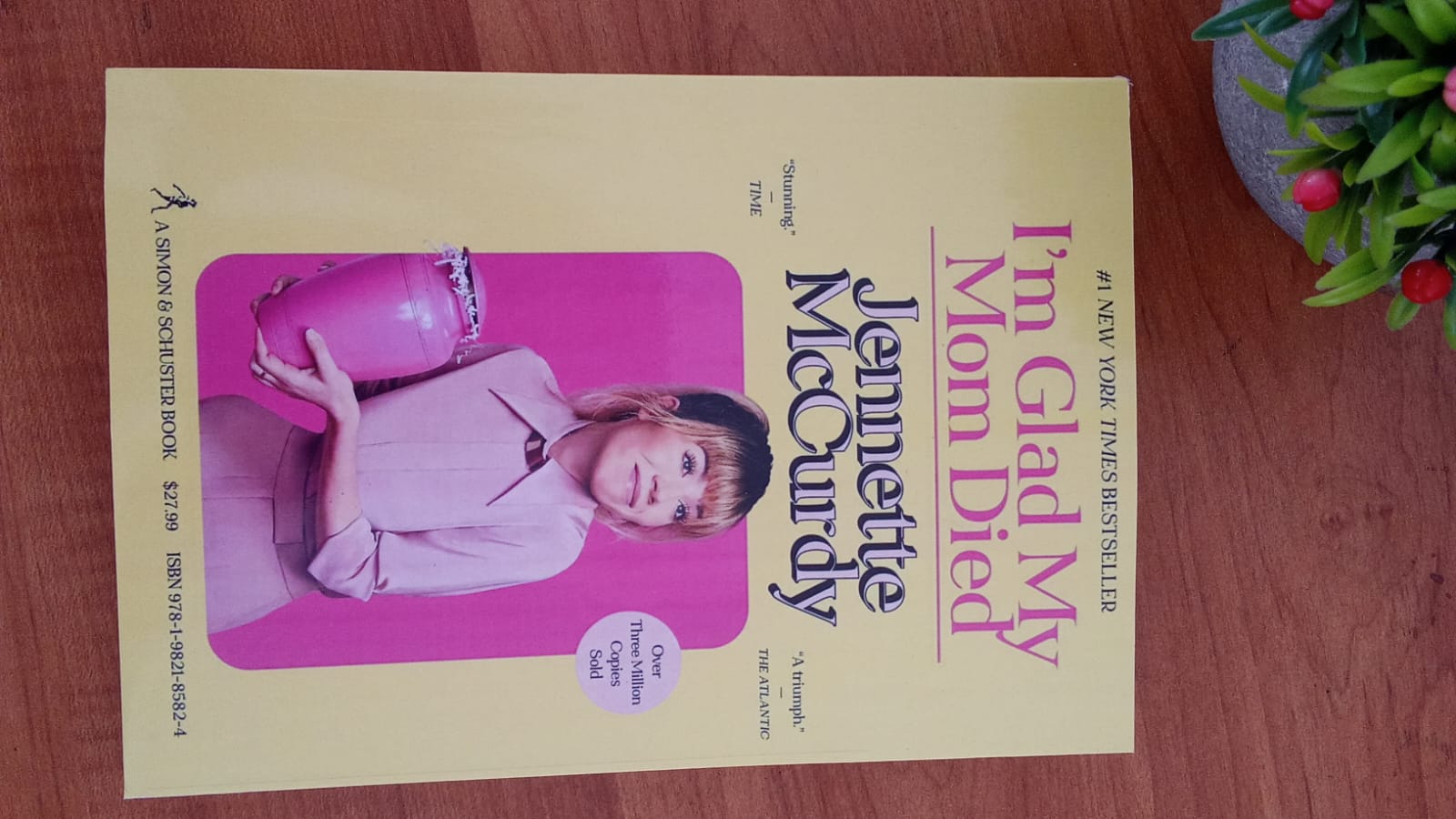
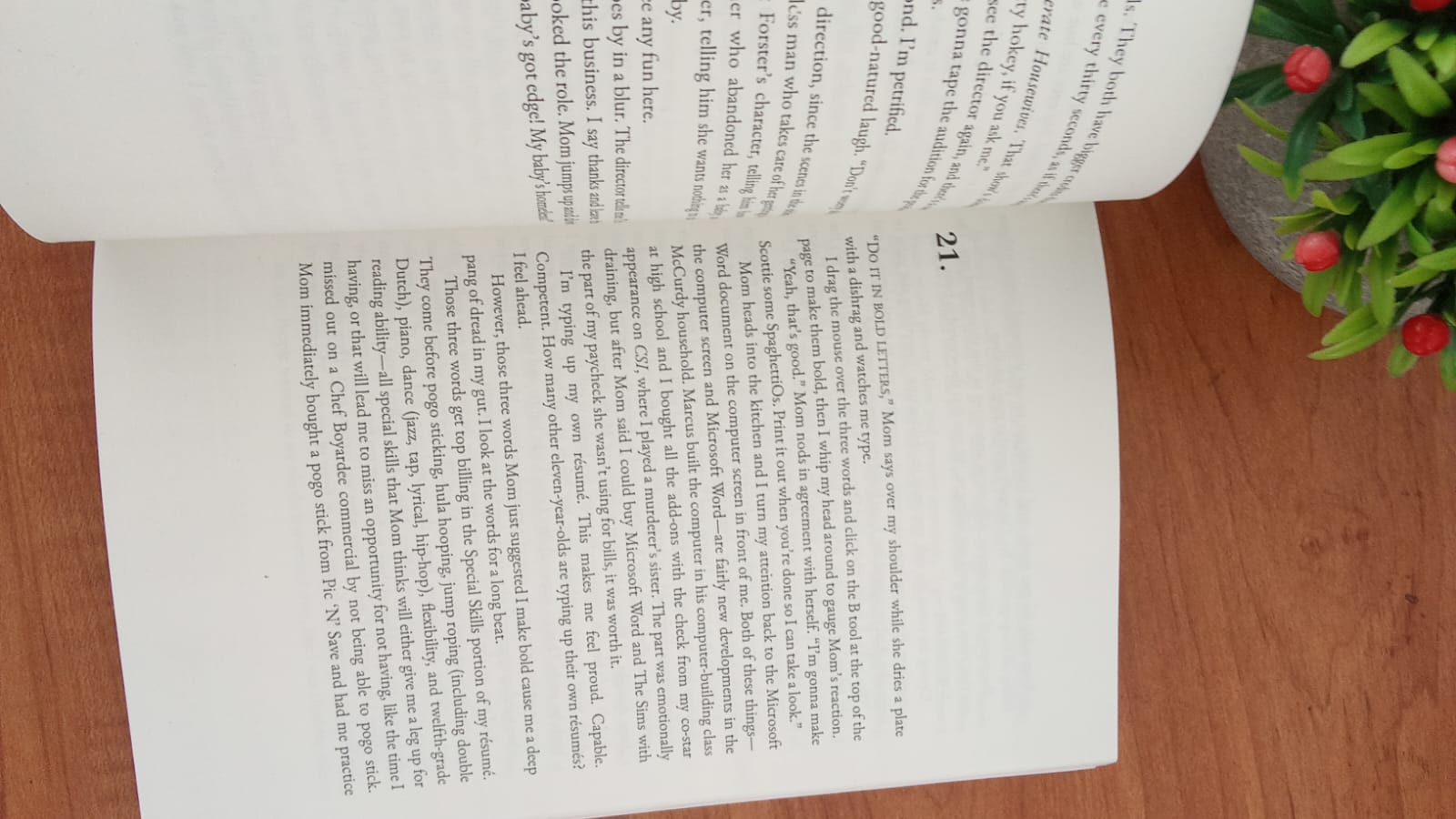
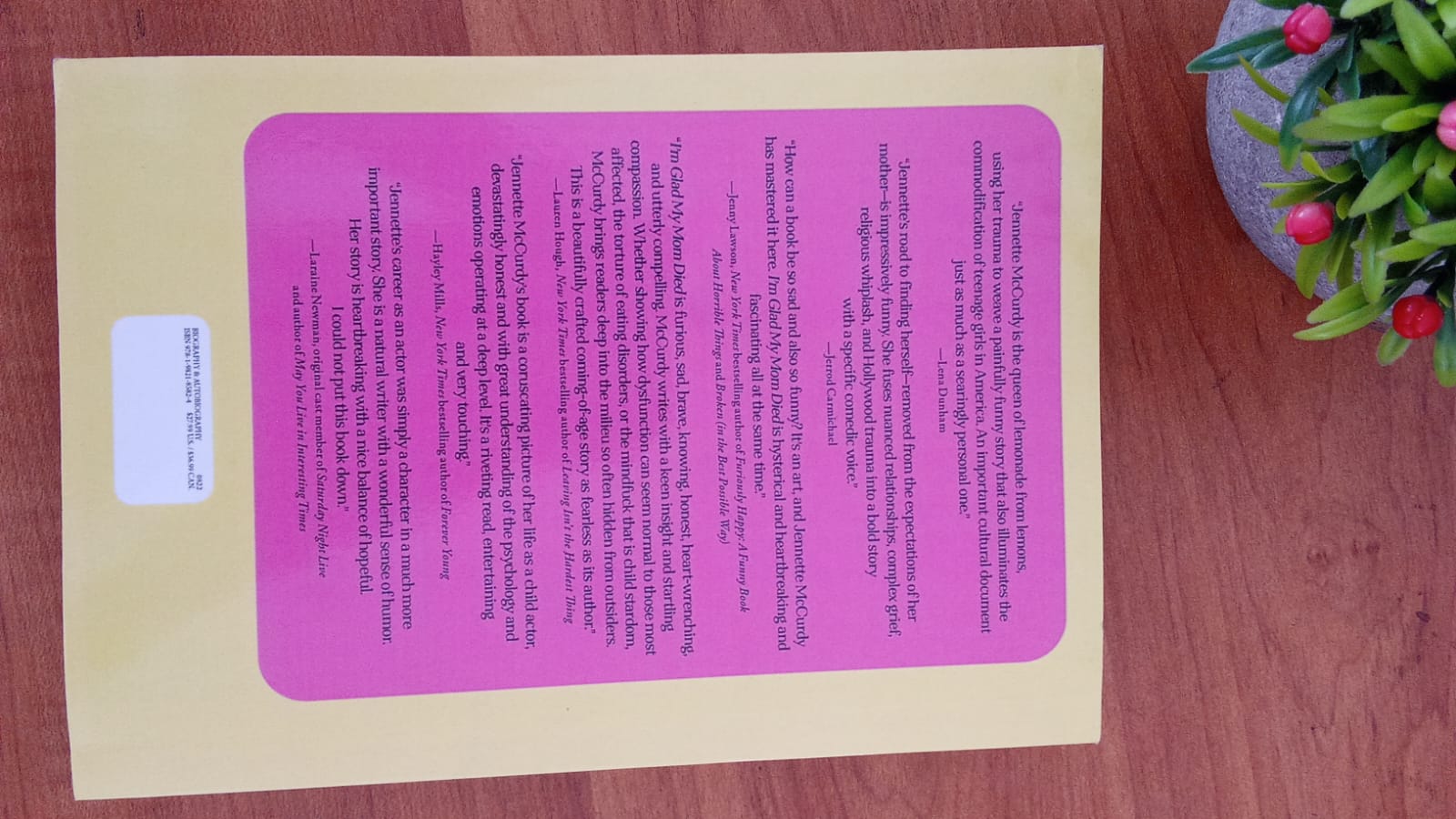
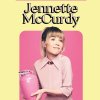
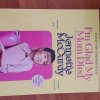
I Glad My Mom Died by Jennette McCurdy
රු1,950.00
3 X Rs. 650.00 or 8% Cashback with


or 3 X රු650.00 with


or up to 4 X රු487.50 with


I’m Glad My Mom Died by Jennette McCurdy is a heartbreaking, darkly funny memoir about the former iCarly star’s experiences with child fame, a controlling mother, eating disorders, addiction, grief, therapy, and her difficult journey toward independence, healing, and reclaiming her own identity.
2 in stock
Purchase & earn 20 points!
Category: Self-Help & Psychology
I’m Glad My Mom Died by Jennette McCurdy is a brutally honest, heartbreaking, darkly funny, and unforgettable memoir about child stardom, family trauma, control, eating disorders, addiction, grief, identity, therapy, and learning how to build a life that finally belongs to you.
Jennette McCurdy became famous to millions of viewers as a young television actor, especially through her roles in iCarly and Sam & Cat.
From the outside, her childhood looked extraordinary.
She was successful.
Recognizable.
Working in television.
Earning money.
Living a life many young people might dream about.
But behind that public image was a much more complicated reality.
Jennette had begun acting largely because it was what her mother wanted.
Her mother dreamed of having a famous daughter.
Jennette wanted to make her mother happy.
That desire gradually shaped nearly every part of her childhood.
Her career.
Her appearance.
Her eating.
Her personal boundaries.
Her money.
Her relationships.
Even the way Jennette understood herself.
I’m Glad My Mom Died by Jennette McCurdy tells the story of what happened when a child’s desire to please a parent became entangled with fame, pressure, control, and emotional dependency.
It is not simply a celebrity memoir.
It is a story about learning to recognize unhealthy relationships, questioning the version of yourself created by other people, and eventually discovering who you are when you stop living entirely for someone else’s expectations.
I’m Glad My Mom Died by Jennette McCurdy – Book Overview
I’m Glad My Mom Died by Jennette McCurdy begins with Jennette’s childhood and her intense relationship with her mother, Debra.
Jennette’s mother dreamed of her becoming a star.
At around six years old, Jennette began attending acting auditions.
But acting was not necessarily Jennette’s own dream.
What mattered most to her was making her mother happy.
That dynamic becomes central to the entire memoir.
Jennette learns early that approval can be connected to performance.
If she succeeds, her mother is happy.
If she looks a certain way, her mother approves.
If she follows instructions, conflict can be avoided.
Over time, these expectations begin affecting Jennette’s relationship with food, her body, work, money, privacy, and independence.
As her acting career grows, the pressure does not disappear.
Success creates new problems.
The public sees fame.
Jennette experiences anxiety, resentment, confusion, and a growing sense that she is living a life designed for someone else.
Becoming a Child Actor
Child stardom is one of the major themes in I’m Glad My Mom Died by Jennette McCurdy.
Jennette began auditioning at a very young age.
The entertainment industry can be especially complicated for children because adults make most major decisions.
Agents.
Managers.
Parents.
Directors.
Producers.
Children are expected to perform professionally while still developing emotionally.
Jennette describes the strange experience of becoming responsible for adult-level work before she fully understood what she wanted for herself.
Auditions could mean rejection.
Success could mean more pressure.
Every opportunity carried expectations.
For Jennette, acting gradually became connected to the idea that she needed to succeed in order to keep her mother happy.
That makes the memoir much more complicated than a traditional behind-the-scenes Hollywood story.
The Complicated Mother-Daughter Relationship
The title I’m Glad My Mom Died by Jennette McCurdy is intentionally shocking.
But the memoir gives readers the context necessary to understand why Jennette chose it.
Her relationship with her mother contained love, dependency, fear, admiration, manipulation, and control.
That emotional complexity matters.
Jennette does not simply present the relationship as easy to understand.
Children can deeply love a parent while also being harmed by that parent.
They can seek approval from someone whose behaviour causes pain.
They can defend someone while slowly realizing that certain experiences were not normal or healthy.
This contradiction becomes one of the most powerful parts of the book.
Jennette’s journey involves learning to see her childhood more clearly rather than only through the version of events she had been taught to accept.
Fame Does Not Guarantee Happiness
One of the strongest lessons in I’m Glad My Mom Died by Jennette McCurdy is that external success does not automatically create internal happiness.
Jennette became recognizable to millions of people.
She appeared on extremely popular television programs.
She earned money.
She gained fans.
She achieved what many people would call success.
Yet she was deeply unhappy.
This creates an important contrast.
The world may congratulate someone for achieving something they never truly wanted.
Success becomes complicated when the goal belongs to someone else.
The memoir asks readers to consider whether achievement is meaningful when it comes at the expense of personal freedom and emotional well-being.
iCarly and Television Fame
Jennette’s role as Sam Puckett on iCarly made her internationally famous.
For audiences, Sam was funny, energetic, rebellious, and memorable.
But I’m Glad My Mom Died by Jennette McCurdy reveals the difference between the character audiences watched and the person performing that character.
Acting requires separation between performer and role.
But child performers can have difficulty building an identity outside the characters that make them famous.
Fans may expect a performer to behave like the person they see on television.
Studios may want a particular image.
Parents may connect success with continued performance.
Jennette gradually becomes increasingly disconnected from acting itself.
The more successful she becomes, the clearer it becomes that fame is not solving the deeper problems in her life.
Eating Disorders and Control
One of the most serious themes in I’m Glad My Mom Died by Jennette McCurdy is disordered eating.
Jennette describes how food and body image became connected to control from a young age.
Her mother encouraged restrictive eating practices because she wanted Jennette to remain physically small and youthful-looking.
What begins as something presented as helpful gradually develops into a deeply harmful relationship with food and her body.
Later, Jennette struggles with other forms of disordered eating as well.
The memoir is powerful because it shows that eating disorders are often about much more than food.
Control.
Fear.
Identity.
Body image.
Approval.
Shame.
Emotional distress.
All of these can become connected.
Readers who are sensitive to discussions of eating disorders should be aware that these subjects are discussed candidly throughout the memoir.
Growing Up Without Boundaries
Personal boundaries are another major issue in the memoir.
Children need privacy and increasing independence as they grow older.
But Jennette describes a relationship in which those boundaries were frequently blurred or ignored.
I’m Glad My Mom Died by Jennette McCurdy explores what happens when someone grows up without learning that they are allowed to say no.
When controlling behaviour has always been normal, recognizing it as unhealthy can take time.
You may assume everyone lives this way.
You may feel guilty for wanting independence.
You may believe protecting yourself means hurting someone you love.
Jennette’s adult journey therefore involves learning something many people take for granted:
Her body, choices, relationships, career, and future belong to her.
Losing Her Mother
When Jennette’s mother dies, the relationship does not suddenly become simple.
Grief can become especially complicated when the relationship with the person who died contained both love and harm.
I’m Glad My Mom Died by Jennette McCurdy explores this difficult reality.
Jennette experiences grief.
But she also eventually begins questioning parts of her childhood that she had previously accepted.
Without her mother’s constant influence, she has space to reconsider her own life.
Who is she if she is no longer trying to please her mother?
Does she actually want to act?
What does she want from relationships?
What does she think about her childhood?
These questions become central to her recovery.
Grief Is Not Always Simple
Many people imagine grief as straightforward sadness.
Someone dies.
You miss them.
You mourn.
But complicated relationships can create complicated grief.
I’m Glad My Mom Died by Jennette McCurdy illustrates this clearly.
A person can miss someone and feel relieved.
Love someone and resent them.
Grieve someone while recognizing that their absence creates freedom.
These emotions can exist simultaneously.
This is one reason the provocative title has such emotional importance.
It captures a feeling that might seem unacceptable without context but becomes understandable as Jennette describes her experiences.
Therapy and Seeing the Past Differently
Therapy becomes an important part of Jennette’s journey.
For years, she sees many experiences through the framework she learned during childhood.
Gradually, she begins questioning that framework.
I’m Glad My Mom Died by Jennette McCurdy shows that recognizing harmful patterns can be difficult because familiarity often feels normal.
Therapy helps Jennette reconsider:
- Her relationship with her mother
- Her eating behaviours
- Her personal boundaries
- Her career
- Her identity
- Her romantic relationships
- Her understanding of love
Recovery does not happen immediately.
There are setbacks.
Resistance.
Confusion.
But gradually she begins separating her own desires from the expectations that shaped her childhood.
Leaving Acting Behind
One of the most meaningful decisions in I’m Glad My Mom Died by Jennette McCurdy is Jennette’s eventual movement away from acting.
For most of her life, acting had been treated as the centre of her identity.
People knew her as an actor.
Her mother had wanted her to be an actor.
Her financial life depended on acting.
Walking away therefore meant more than changing jobs.
It meant questioning the entire story she had been taught about herself.
What happens when the thing that made you successful is also the thing you never truly chose?
Leaving acting becomes an important act of independence.
It demonstrates that a successful career can still be the wrong career for the person living it.
Discovering Her Own Identity
Identity is one of the deepest themes in the memoir.
For much of her childhood, Jennette’s identity was shaped externally.
Daughter.
Child actor.
Television star.
Provider.
Celebrity.
But I’m Glad My Mom Died by Jennette McCurdy explores what happens when those labels begin disappearing.
Who is Jennette without her mother?
Who is she without acting?
Who is she when millions of viewers are no longer determining how they see her?
Building an identity as an adult becomes difficult because she has spent so much of childhood performing roles created by other people.
Writing becomes part of her way of reclaiming her own story.
The Dark Side of Childhood Fame
The memoir also raises important questions about the entertainment industry.
Children working professionally can face pressures that adults may already struggle to handle.
Rejection.
Public attention.
Appearance expectations.
Financial pressure.
Long working hours.
Competition.
Power imbalances.
I’m Glad My Mom Died by Jennette McCurdy provides a personal example of how these pressures can become especially difficult when a parent is also emotionally invested in the child’s success.
The book encourages readers to question the glamorous image often associated with childhood fame.
Being famous as a child does not necessarily mean having a happy childhood.
Humor in a Painful Story
Despite its serious subject matter, I’m Glad My Mom Died by Jennette McCurdy is often very funny.
Jennette uses dry, sharp, sometimes uncomfortable humour to tell her story.
This style creates an unusual reading experience.
One moment can be hilarious.
The next can be deeply disturbing.
The humour does not erase the seriousness of what happened.
Instead, it gives Jennette control over how she tells the story.
She is no longer simply the child experiencing events.
She is the adult author choosing the language used to describe them.
That control becomes part of the memoir’s power.
Reclaiming the Story
For years, other people controlled much of Jennette’s public image.
Television producers controlled characters.
Media controlled headlines.
Fans knew a version of her from television.
Her mother influenced many personal choices.
By writing I’m Glad My Mom Died by Jennette McCurdy, Jennette becomes the person telling her own story.
That is significant.
Memoir allows someone to revisit experiences from an adult perspective.
It does not change what happened.
But it changes who controls the narrative.
This makes the book not only a story about recovery but also an example of reclaiming authorship over one’s own life.
Success on Your Own Terms
The memoir challenges conventional ideas about success.
From the outside, Jennette had already succeeded as a teenager.
She was famous.
Working.
Financially successful.
Recognized.
Yet she eventually discovered that success meant something different to her.
I’m Glad My Mom Died by Jennette McCurdy suggests that real success may involve:
- Choosing your own career
- Creating healthy boundaries
- Understanding yourself
- Leaving harmful situations
- Healing your relationship with food
- Learning to make independent decisions
- Building relationships based on mutual respect
- Living according to your own values
Success becomes less about recognition and more about freedom.
Breaking Unhealthy Patterns
A major part of adulthood involves recognizing patterns inherited from childhood.
Some are useful.
Others are harmful.
Jennette gradually recognizes behaviours that once seemed ordinary but were deeply affecting her adult life.
I’m Glad My Mom Died by Jennette McCurdy demonstrates that understanding a pattern is only the first step.
Changing it can be much harder.
People may intellectually know something is unhealthy while still feeling emotionally attached to it.
Recovery requires repeated choices.
That makes Jennette’s journey realistic.
Healing is not presented as one dramatic breakthrough.
It is gradual.
Learning to Trust Yourself
When someone has spent years making decisions according to another person’s expectations, trusting themselves can become difficult.
What do I actually want?
Is this my opinion or someone else’s?
Am I being selfish?
Am I allowed to say no?
These questions become part of Jennette’s journey.
I’m Glad My Mom Died by Jennette McCurdy shows the importance of rebuilding personal trust.
Learning to trust yourself means accepting that your own feelings contain useful information.
Discomfort matters.
Boundaries matter.
Desires matter.
You are allowed to make choices without gaining everyone’s approval.
The Meaning Behind the Title
The title I’m Glad My Mom Died immediately attracts attention.
But after reading the memoir, it becomes clear that the title is not simply designed to shock.
It represents the complicated reality of Jennette’s relationship with her mother.
Her mother’s death brings grief.
But it also creates the possibility of independence.
Jennette begins confronting behaviours and experiences that she could not fully examine while still trapped inside the relationship.
The title reflects a difficult emotional truth:
Sometimes losing someone who controlled or harmed you can create both sadness and relief.
Those emotions do not cancel each other out.
Mature Content Warning
I’m Glad My Mom Died by Jennette McCurdy contains serious and potentially distressing subject matter.
Themes include:
- Emotional abuse
- Controlling parenting
- Disordered eating
- Eating disorders
- Addiction
- Alcohol misuse
- Family dysfunction
- Childhood fame
- Boundary violations
- Grief
- Illness and death
- Anxiety
- Difficult romantic relationships
- Therapy and recovery
Readers who are sensitive to these subjects may wish to review detailed content warnings before reading.
7 Powerful Lessons From I’m Glad My Mom Died
I’m Glad My Mom Died by Jennette McCurdy contains many difficult but meaningful lessons:
- External success does not guarantee happiness – Fame and money cannot replace emotional safety or personal freedom.
- Love and harm can exist in the same relationship – Recognizing unhealthy behaviour does not mean every feeling you had for someone was false.
- Boundaries are essential – Caring about someone does not require giving them unlimited control over your life.
- You are allowed to change direction – A career that made you successful does not have to remain your career forever.
- Healing takes time – Understanding trauma and changing long-established patterns is rarely immediate.
- Your identity belongs to you – You can question roles, expectations, and identities other people created for you.
- Telling your own story can be powerful – Reclaiming the narrative can become part of reclaiming your life.
Why Read I’m Glad My Mom Died by Jennette McCurdy?
I’m Glad My Mom Died by Jennette McCurdy is an excellent choice for readers interested in:
- Memoirs
- Celebrity memoirs
- Child actors
- Hollywood
- iCarly
- Sam & Cat
- Family relationships
- Mother-daughter relationships
- Mental health
- Eating disorders
- Recovery
- Personal growth
- Therapy
- Fame
- Identity
- Dark humour
- Inspirational true stories
The book is especially compelling because it combines an unusual celebrity story with universal questions about family, independence, self-worth, and learning to live according to your own values.
Who Should Read This Book?
I’m Glad My Mom Died by Jennette McCurdy may especially appeal to:
- Memoir readers
- Fans of Jennette McCurdy
- People who grew up watching iCarly
- Readers interested in child stardom
- Readers interested in complicated family relationships
- Psychology readers
- Readers exploring personal growth
- Fans of brutally honest memoirs
- Readers who appreciate dark humour
- People interested in fame and the entertainment industry
- Readers interested in therapy and recovery
- Anyone who enjoys powerful true stories about rebuilding a life
The book may be particularly meaningful to readers interested in the difference between the public image of success and the private reality behind it.
A Powerful Memoir About Reclaiming Your Life
I’m Glad My Mom Died by Jennette McCurdy begins with a title that seems shocking.
But underneath that title is a deeply complicated story.
Jennette was a child who wanted to make her mother happy.
That desire led her into acting.
Acting led to fame.
Fame brought recognition and financial success.
But underneath everything were pressure, control, disordered eating, blurred boundaries, and a growing disconnect between the life Jennette was living and the life she actually wanted.
After her mother’s death, Jennette begins confronting those experiences more honestly.
She questions acting.
She questions childhood memories.
She questions her relationship with food.
She enters therapy.
She begins creating boundaries.
And slowly, she learns to build an identity that belongs to her rather than to her mother, the entertainment industry, or an audience.
For readers interested in celebrity memoirs, child stardom, family trauma, recovery, identity, mental health, personal growth, and brutally honest storytelling, I’m Glad My Mom Died by Jennette McCurdy is an unforgettable memoir about the painful but liberating process of taking control of your own life
Learn more about I’m Glad My Mom Died by Jennette McCurdy on the official Simon & Schuster website.
Explore more memoir and biography books at Bargain Books.
Be the first to review “I Glad My Mom Died by Jennette McCurdy” Cancel reply
Related products
-24%
Out of stock
Non-Fiction & Knowledge
3 X Rs. 633.33 or 8% Cashback with
or 3 X රු633.33 with
or up to 4 X රු475.00 with
Out of stock
Autobiography
රු2,750.00
Purchase & earn 28 points!
3 X Rs. 916.67 or 8% Cashback with
or 3 X රු916.67 with
or up to 4 X රු687.50 with
-14%
Out of stock
Self-Help & Psychology
3 X Rs. 833.33 or 8% Cashback with
or 3 X රු833.33 with
or up to 4 X රු625.00 with
-34%

Self-Help & Psychology
3 X Rs. 516.67 or 8% Cashback with
or 3 X රු516.67 with
or up to 4 X රු387.50 with
Non-Fiction & Knowledge
රු1,550.00
Purchase & earn 16 points!
3 X Rs. 516.67 or 8% Cashback with
or 3 X රු516.67 with
or up to 4 X රු387.50 with
-19%
Out of stock
Non-Fiction & Knowledge
3 X Rs. 716.67 or 8% Cashback with
or 3 X රු716.67 with
or up to 4 X රු537.50 with
-34%
Non-Fiction & Knowledge
3 X Rs. 496.67 or 8% Cashback with
or 3 X රු496.67 with
or up to 4 X රු372.50 with
Non-Fiction & Knowledge
රු2,450.00
Purchase & earn 25 points!
3 X Rs. 816.67 or 8% Cashback with
or 3 X රු816.67 with
or up to 4 X රු612.50 with
Reviews
There are no reviews yet.