
No products in the cart.
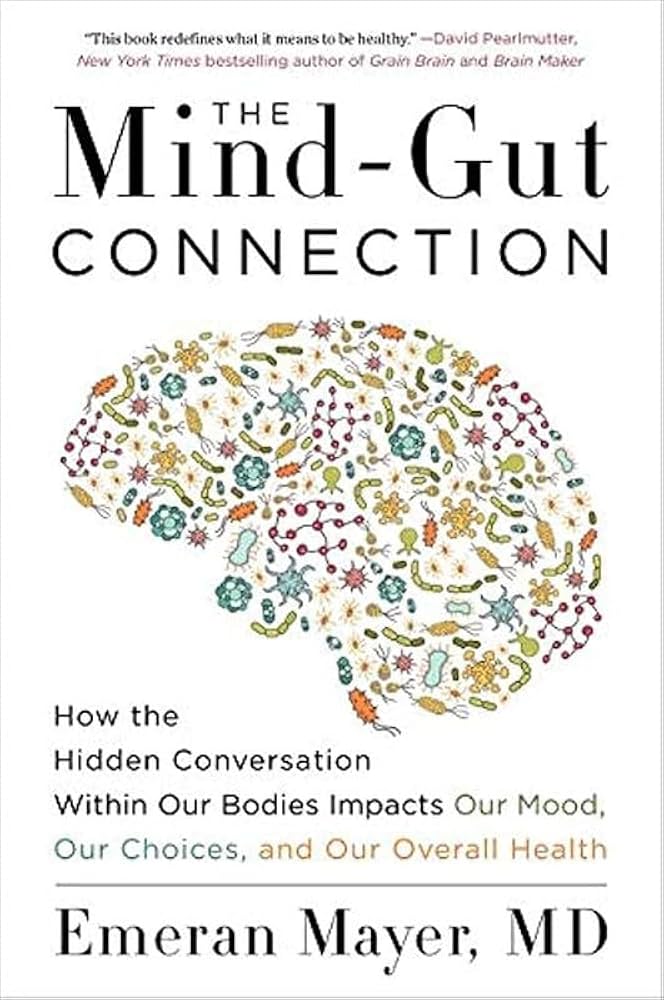
The Mind-Gut Connection by Emeran Mayer

රු1,950.00
3 X Rs. 650.00 or 8% Cashback with


or 3 X රු650.00 with


or up to 4 X රු487.50 with


The Mind-Gut Connection by Dr. Emeran Mayer is a fascinating popular science book exploring how the brain, digestive system and gut microbiome communicate to influence our physical health, emotions and overall wellbeing.
Have you ever experienced butterflies in your stomach before an important event or digestive discomfort during a stressful period?
These familiar experiences reflect a remarkable biological connection between the mind and gut.
Drawing on decades of research in gastroenterology and neuroscience, Dr. Emeran Mayer explains how the brain, digestive system and trillions of microorganisms interact through a complex network of biological signals.
The book explores the gut-brain axis, the enteric nervous system, stress, nutrition, the microbiome and the developing science of mind-body health.
Product Highlights:
- Written by renowned UCLA researcher Dr. Emeran Mayer
- Explains the science of the gut-brain connection
- Explores the gut microbiome and digestive health
- Discusses how stress can influence gastrointestinal function
- Introduces the enteric nervous system, often called the second brain
- Examines connections between nutrition and microbial health
- Explores the relationship between emotions and digestion
- Combines neuroscience, psychology and gastroenterology
- Suitable for readers interested in health and popular science
- Paperback edition with 336 catalogue pages
Buy The Mind-Gut Connection by Emeran Mayer online in Sri Lanka from BargainBooks and discover the fascinating science behind the conversation between your brain and your gut.
This book is intended for general education and should not replace professional medical advice or treatment.
8 in stock
The Mind-Gut Connection by Emeran Mayer
Discover the Extraordinary Connection Between Your Brain and Your Gut
The Mind-Gut Connection by Emeran Mayer is a fascinating exploration of the relationship between the brain, digestive system and gut microbiome—and how their constant communication may influence physical health, emotions, stress responses and overall wellbeing.
Written by renowned gastroenterologist and neuroscience researcher Dr. Emeran Mayer, this engaging popular science book brings together discoveries from medicine, psychology, microbiology and brain research to explain why the gut is much more than a system for digesting food.
Have you ever experienced butterflies in your stomach before an important event?
Have you felt digestive discomfort during a stressful period?
Or noticed that emotions sometimes seem to affect your appetite?
These familiar experiences offer clues to the remarkable communication taking place between the brain and the gastrointestinal system.
In The Mind-Gut Connection: How the Hidden Conversation Within Our Bodies Impacts Our Mood, Our Choices, and Our Overall Health, Mayer explores the science behind these everyday experiences.
He introduces readers to the complex network of nerves, hormones, immune signals and microorganisms involved in communication between the gut and brain.
The book also examines how lifestyle, food choices, early-life experiences and stress may influence these biological systems.
Combining scientific explanations with observations from clinical research, The Mind-Gut Connection encourages readers to look at digestive and emotional health as interconnected aspects of the human body.
What Is the Mind-Gut Connection?
The mind-gut connection describes the two-way communication between the brain and the digestive system.
The brain can influence digestive processes through neural and hormonal pathways.
Likewise, signals from the gastrointestinal tract can influence brain activity and the body’s responses to internal conditions.
This communication is often described as the gut-brain axis.
It involves several interconnected systems, including the central nervous system, enteric nervous system, autonomic nervous system, immune system and endocrine signalling pathways.
Dr. Emeran Mayer explains how these systems interact and why understanding their connections is important for modern health research.
Rather than treating the digestive tract as an isolated organ system, the book encourages readers to consider its relationship with the body as a whole.
The Gut as the Second Brain
The digestive tract contains an extensive network of nerve cells known as the enteric nervous system.
This network helps coordinate many digestive functions.
Because it can regulate some processes locally, it is sometimes described as the body’s second brain.
However, this nickname does not mean the gut thinks or makes decisions in the same way as the brain.
Instead, it highlights the complexity and importance of the nervous system within the gastrointestinal tract.
In The Mind-Gut Connection, Mayer explores how the enteric nervous system helps regulate digestion while communicating with the central nervous system.
Readers discover why digestive processes involve sophisticated biological control rather than simple mechanical movement.
Understanding the Gut Microbiome
The gut microbiome refers to the community of microorganisms, including bacteria, that inhabit the digestive system.
These organisms interact with their environment and participate in biological processes involving food metabolism and the immune system.
Scientists have investigated how the composition and activity of the gut microbiome may relate to different aspects of health.
Mayer introduces readers to this developing field.
He discusses research into microbial communication and how the microbiome may influence signals exchanged between the digestive tract and the brain.
The book explores the possibility that microbial activity contributes to broader patterns of physical and emotional wellbeing.
However, many specific mechanisms and clinical applications remain subjects of ongoing research.
How Stress Affects Digestion
Stress can influence digestive function in several ways.
During challenging situations, the body activates physiological responses involving the nervous system and stress hormones.
These responses may affect gut movement, sensitivity and other digestive processes.
People sometimes experience changes in appetite, nausea or abdominal discomfort during periods of intense stress.
The Mind-Gut Connection explores the biological pathways associated with these reactions.
Mayer explains why the relationship between stress and digestion is more complex than simply imagining symptoms.
The book helps readers understand that the brain and digestive tract communicate through real physiological processes.
Can Gut Health Influence Mood?
Researchers have become increasingly interested in possible connections between the gut microbiome and emotional health.
The gut communicates with the brain through multiple biological pathways, and scientists are investigating how these processes may relate to mood and behaviour.
The Mind-Gut Connection introduces readers to this research.
It examines the possibility that digestive and microbial processes contribute to the broader biological environment associated with emotional wellbeing.
However, it is important to distinguish scientific associations from proven treatments.
The book’s discussion of microbiome research should not be interpreted as evidence that changing gut bacteria alone can reliably treat anxiety, depression or other mental health conditions.
The Vagus Nerve and Gut-Brain Communication
The vagus nerve plays an important role in communication between the brain and several internal organs, including the gastrointestinal tract.
It carries signals that help the body coordinate important physiological processes.
Researchers have investigated its involvement in digestive regulation and gut-brain communication.
Mayer discusses neural signalling as part of the complex conversation between the digestive system and the brain.
The book helps readers appreciate that this communication is not controlled through a single pathway.
Instead, different nerves, chemical signals and biological systems work together.
Emotions and the Digestive System
Emotions can produce noticeable physical sensations.
Anxiety may be accompanied by digestive discomfort.
Excitement can create a fluttering sensation in the stomach.
Stressful experiences may temporarily influence appetite or bowel habits.
The book explores the biological basis of these experiences.
Mayer presents the digestive tract as an active participant in the body’s responses to emotional situations.
His explanations connect familiar experiences with scientific research.
Readers who enjoy understanding the relationship between psychology and physiology will find these discussions particularly interesting.
Why Early-Life Experiences Matter
Childhood and early development are important periods for biological and psychological growth.
The book explores how early experiences may influence the development of stress-response systems and patterns of gut-brain communication.
Mayer discusses research investigating the interactions between developmental environments, the nervous system and the microbiome.
These subjects raise questions about the long-term effects of stress and other environmental influences.
The book encourages readers to consider how health develops over time rather than treating adult symptoms as completely separate from earlier experiences.
Food, Diet and the Microbiome
Diet influences the environment in which gut microorganisms live.
Different foods contain nutrients, fibres and other compounds that interact with digestive processes and microbial communities.
The Mind-Gut Connection explores how dietary patterns may influence the composition and activity of the microbiome.
Mayer discusses the effects of modern eating habits and contrasts them with aspects of traditional diets.
He places particular emphasis on the potential benefits of varied, predominantly plant-based dietary patterns.
The book encourages readers to understand nutrition as an important part of the gut’s biological environment.
Plant-Based Foods and Digestive Health
Vegetables, fruits, legumes, whole grains and other plant foods contain dietary fibre and a range of nutrients.
Some fibres can be metabolised by gut microorganisms, producing compounds that may influence aspects of intestinal physiology.
Mayer discusses the importance of plant foods within his broader exploration of gut-brain health.
The book encourages readers to consider how food diversity and dietary patterns may support general wellbeing.
However, individual dietary needs differ.
Readers should not assume that every dietary recommendation is appropriate for every medical condition or digestive disorder.
Fermented Foods and Probiotics
Fermented foods and probiotics have attracted considerable interest because of their potential interactions with gut microorganisms.
Some fermented foods contain live microbes, while probiotic products contain specific strains intended to produce particular health effects.
Mayer discusses this area of research in the context of microbiome health.
However, the effects of probiotics are highly dependent on the strain, dose and condition being studied.
Not every probiotic product has demonstrated the same benefits.
The book provides an introduction to a growing scientific subject rather than a guarantee that supplements can resolve digestive or psychological problems.
The Modern Western Diet
Modern dietary patterns may contain high amounts of highly processed foods while providing relatively little fibre.
Researchers have investigated how these patterns influence gut microbial communities and metabolic health.
The Mind-Gut Connection explores this issue through comparisons with traditional eating patterns and discussions of human evolution.
Mayer considers how modern food environments may differ from conditions under which human biology developed.
The book encourages reflection on the relationship between food choices, the gut microbiome and long-term wellbeing.
Irritable Bowel Syndrome and the Gut-Brain Axis
Irritable bowel syndrome, commonly known as IBS, is a disorder of gut-brain interaction involving symptoms such as abdominal pain and changes in bowel habits.
It can involve multiple biological and psychological factors.
Mayer’s work as a gastroenterologist gives him experience studying the relationship between digestion and neural regulation.
The book explores why gut-brain communication is relevant to understanding certain digestive conditions.
It also demonstrates why symptoms should be considered within the broader context of physiology, environment and individual health.
The book is not a substitute for diagnosis or treatment by a qualified healthcare professional.
Intuition and Gut Feelings
The expression “gut feeling” is often used to describe an instinctive reaction.
People sometimes sense that a situation is uncomfortable before they can explain exactly why.
Mayer explores the relationship between physical sensations, emotions and intuitive decision-making.
His discussion connects biological signalling with psychological experiences.
The book encourages readers to think about the interaction between bodily awareness and judgement.
However, a gut feeling is not necessarily an accurate prediction.
Intuition can be influenced by experience, assumptions and emotional states.
The Role of the Immune System
The digestive tract interacts closely with the immune system.
Its lining provides an important barrier between the internal body and substances passing through the gastrointestinal tract.
Immune cells and microbial communities participate in the maintenance of this complex environment.
The Mind-Gut Connection discusses how these interactions may relate to inflammation and overall health.
The book helps readers understand why researchers are interested in the connections between immunity, digestion and microbial activity.
These relationships are scientifically important, although they do not support simplistic claims that one particular diet or supplement can prevent serious diseases.
Healthy Living and the Gut-Brain Relationship
The book discusses several lifestyle factors in connection with digestive and psychological wellbeing.
These include dietary patterns, stress management and attention to the body’s responses.
Its broader message encourages readers to see health as the result of interacting biological processes.
Food choices can influence digestion.
Stress may affect gastrointestinal function.
Sleep, physical activity and other aspects of daily life can also contribute to overall wellbeing.
The book’s practical discussions are intended to encourage readers to become more informed about these connections.
A Scientific Look at Mind-Body Health
The Mind-Gut Connection challenges the idea that physical and emotional health should always be considered completely separate.
The brain and digestive system interact through measurable biological processes.
This does not mean that all illnesses originate in the gut or that every symptom can be explained through the microbiome.
Instead, it demonstrates why researchers increasingly study the body as an interconnected system.
Mayer provides readers with an accessible introduction to this perspective.
Understanding the Limits of Microbiome Research
Microbiome science has developed rapidly, but many questions remain unresolved.
Researchers continue investigating the relationships between microbial communities, health conditions and environmental influences.
Associations observed in scientific studies do not automatically establish cause and effect.
Results from animal experiments may not translate directly to humans.
The effects of dietary or probiotic interventions may also differ considerably between individuals.
Readers will gain the most from The Mind-Gut Connection by treating it as an introduction to important scientific ideas while recognising that research has continued to advance since the book’s original publication.
Why Read The Mind-Gut Connection?
The Mind-Gut Connection by Emeran Mayer offers an engaging introduction to the relationship between the digestive tract and the brain.
It explains biological mechanisms involved in digestion, emotional responses and microbial activity.
The book also explores the role of diet, stress and early-life experiences.
Its combination of neuroscience, gastroenterology and popular science makes complex information accessible to general readers.
Anyone curious about the microbiome or the science behind common gut feelings will find plenty of interesting ideas to consider.
Who Should Read This Book?
This book is recommended for:
- Readers interested in gut health and digestive science
- Students of biology, psychology and nutrition
- Readers curious about the gut-brain axis
- People interested in the human microbiome
- Popular science and medical nonfiction enthusiasts
- Healthcare and wellness professionals seeking general background reading
- Readers who enjoy understanding the science behind everyday experiences
It may also appeal to readers of Gut by Giulia Enders, The Good Gut by Justin and Erica Sonnenburg, Why We Sleep by Matthew Walker and other accessible science books.
About the Author – Dr. Emeran Mayer
Dr. Emeran Mayer is a gastroenterologist, neuroscientist and researcher associated with the University of California, Los Angeles (UCLA).
He has spent decades investigating communication between the brain, digestive system and gut microbiome.
His research has contributed to the growing scientific interest in how biological and psychological processes interact.
He is also the author of The Gut-Immune Connection and other books exploring relationships between diet, microbiology and overall health.
In The Mind-Gut Connection, he brings together scientific research and clinical perspectives to explain the hidden conversation taking place within the human body.
Buy The Mind-Gut Connection in Sri Lanka
The Mind-Gut Connection by Emeran Mayer is a valuable addition to any collection of popular science, health, psychology or nutrition books.
It offers readers an accessible way to understand how the brain, digestive system and gut microbiome interact.
From the science of stress and digestion to the potential influence of nutrition and microbial communities, the book explores important subjects in modern biological research.
Buy The Mind-Gut Connection by Emeran Mayer online in Sri Lanka from BargainBooks and discover the fascinating science connecting the brain and the gut.
Shop online at https://bargainbooks.lk/.
Be the first to review “The Mind-Gut Connection by Emeran Mayer”
Related products

Out of stock
Needs Category Review
රු950.00
3 X Rs. 316.67 or 8% Cashback with
or 3 X රු316.67 with
or up to 4 X රු237.50 with

Out of stock
Needs Category Review
රු950.00
3 X Rs. 316.67 or 8% Cashback with
or 3 X රු316.67 with
or up to 4 X රු237.50 with

Needs Category Review
රු1,950.00
3 X Rs. 650.00 or 8% Cashback with
or 3 X රු650.00 with
or up to 4 X රු487.50 with

Out of stock
Needs Category Review
රු1,700.00
3 X Rs. 566.67 or 8% Cashback with
or 3 X රු566.67 with
or up to 4 X රු425.00 with

Needs Category Review
Naruto Manga Book Set of 28 – 48 Volumes by Masashi Kishimoto witout box
රු16,900.00
3 X Rs. 5,633.33 or 8% Cashback with
or 3 X රු5,633.33 with
or up to 4 X රු4,225.00 with

Needs Category Review
රු2,750.00
3 X Rs. 916.67 or 8% Cashback with
or 3 X රු916.67 with
or up to 4 X රු687.50 with

Needs Category Review
රු1,950.00
3 X Rs. 650.00 or 8% Cashback with
or 3 X රු650.00 with
or up to 4 X රු487.50 with

Needs Category Review
රු1,650.00
3 X Rs. 550.00 or 8% Cashback with
or 3 X රු550.00 with
or up to 4 X රු412.50 with
Reviews
There are no reviews yet.