
No products in the cart.
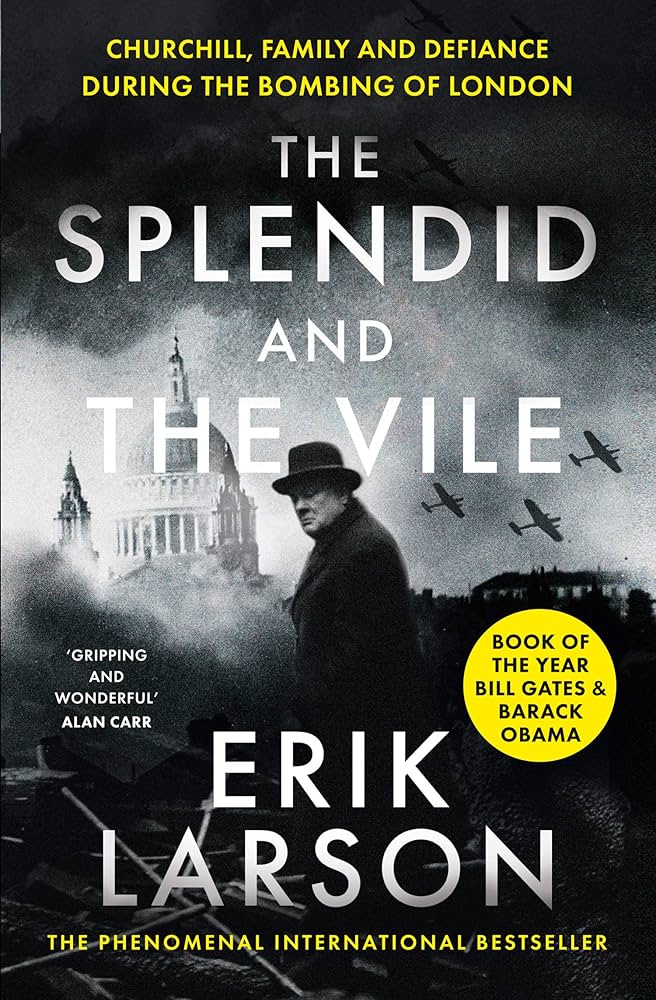
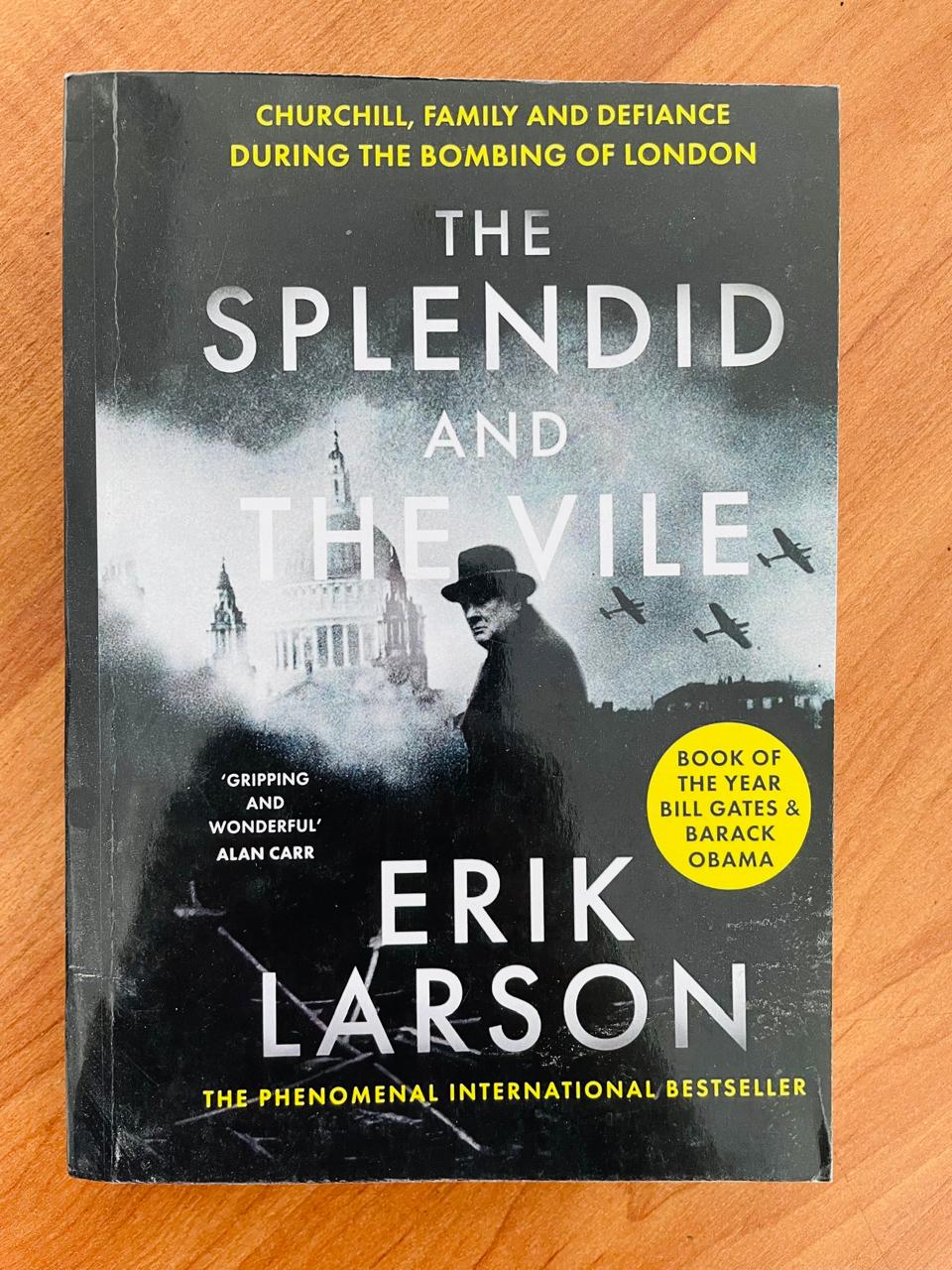
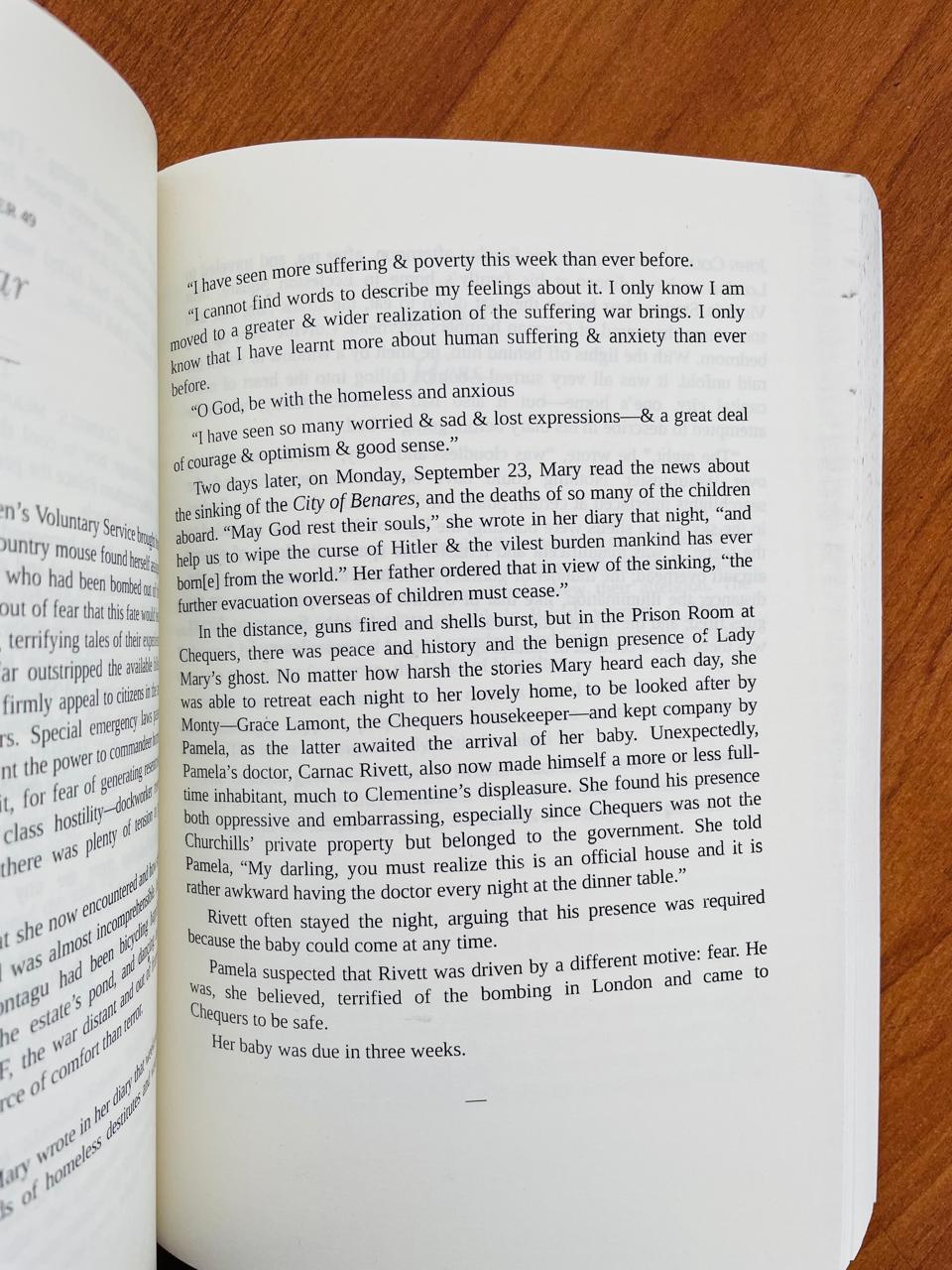
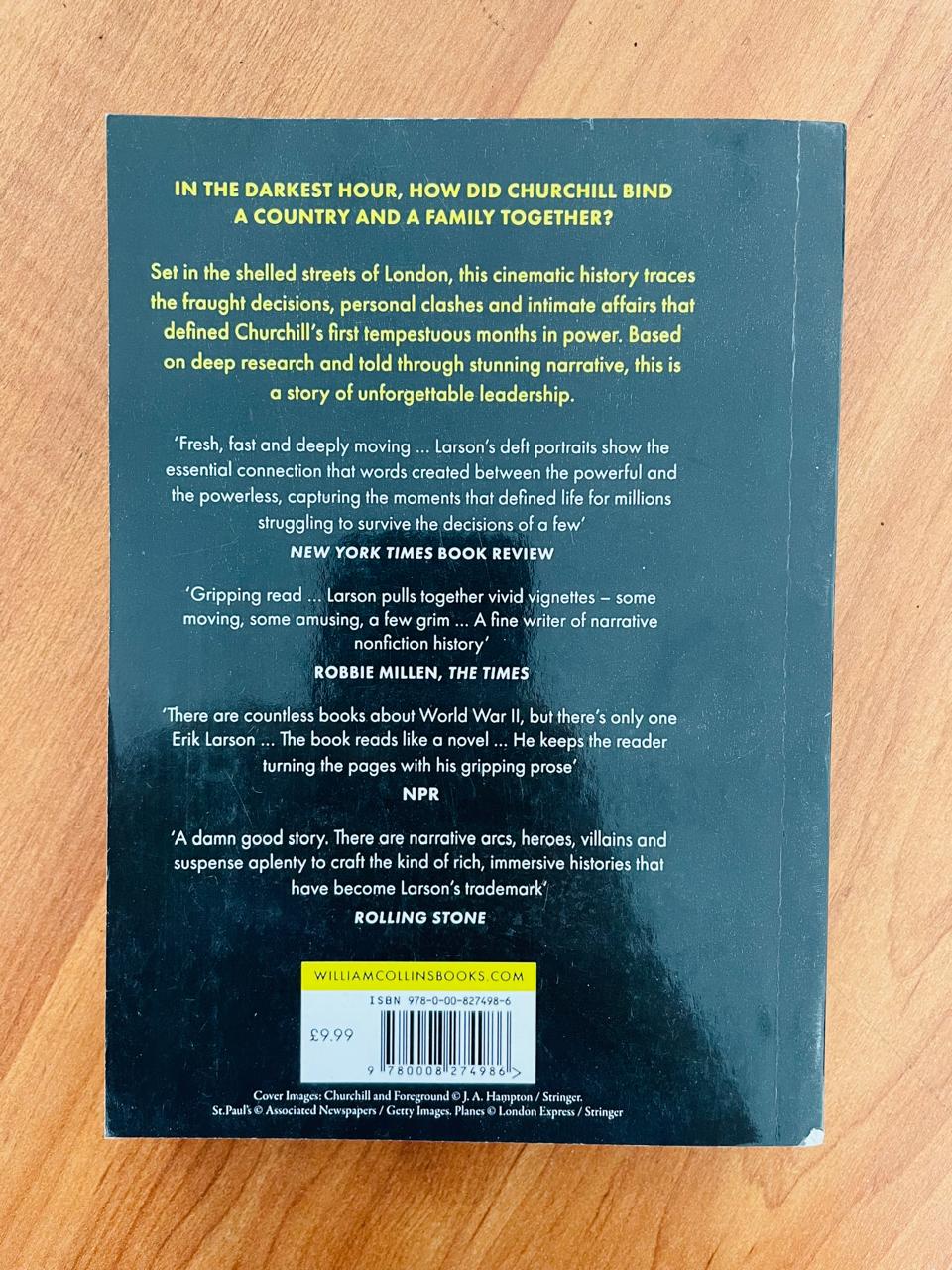
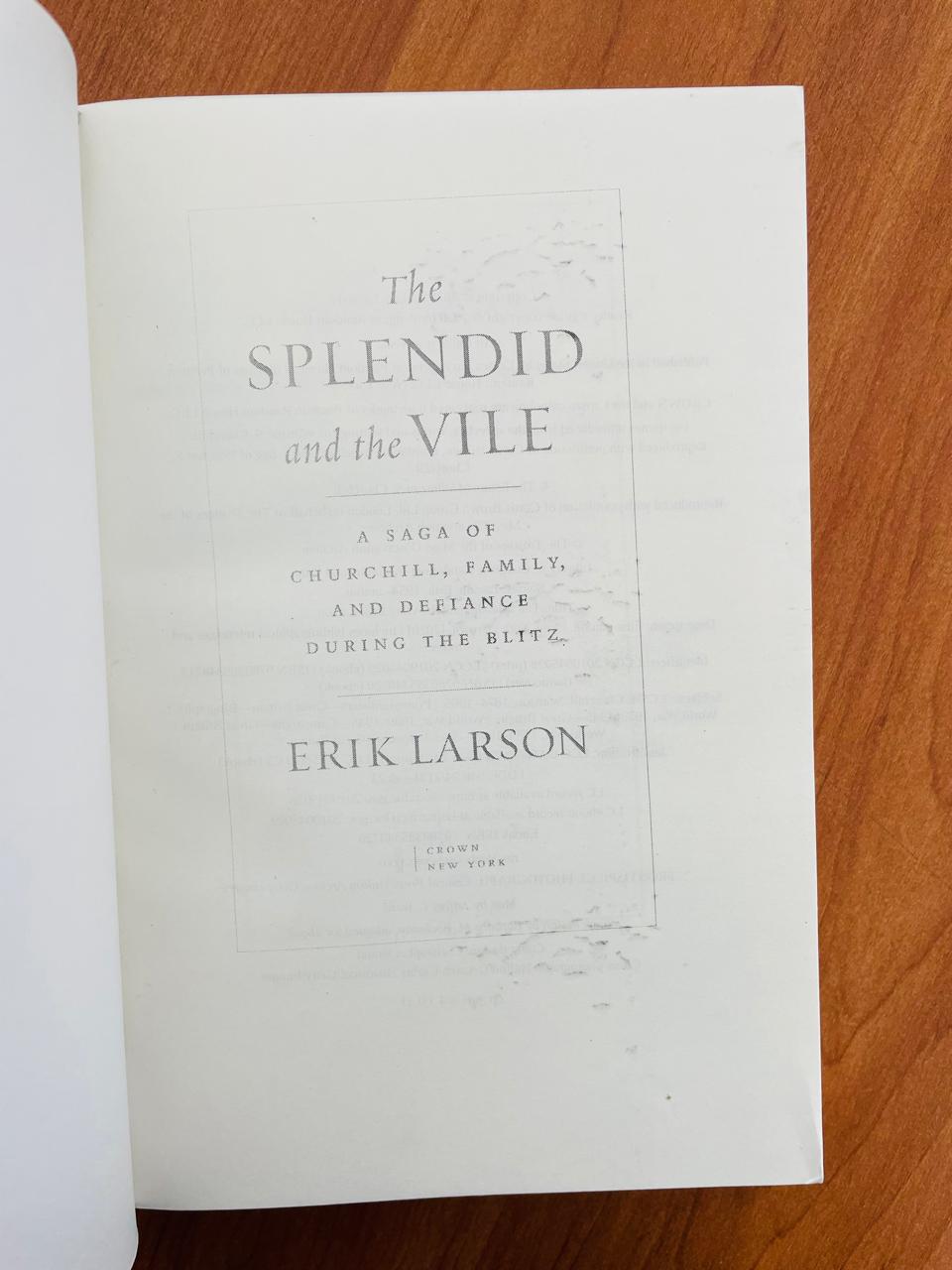
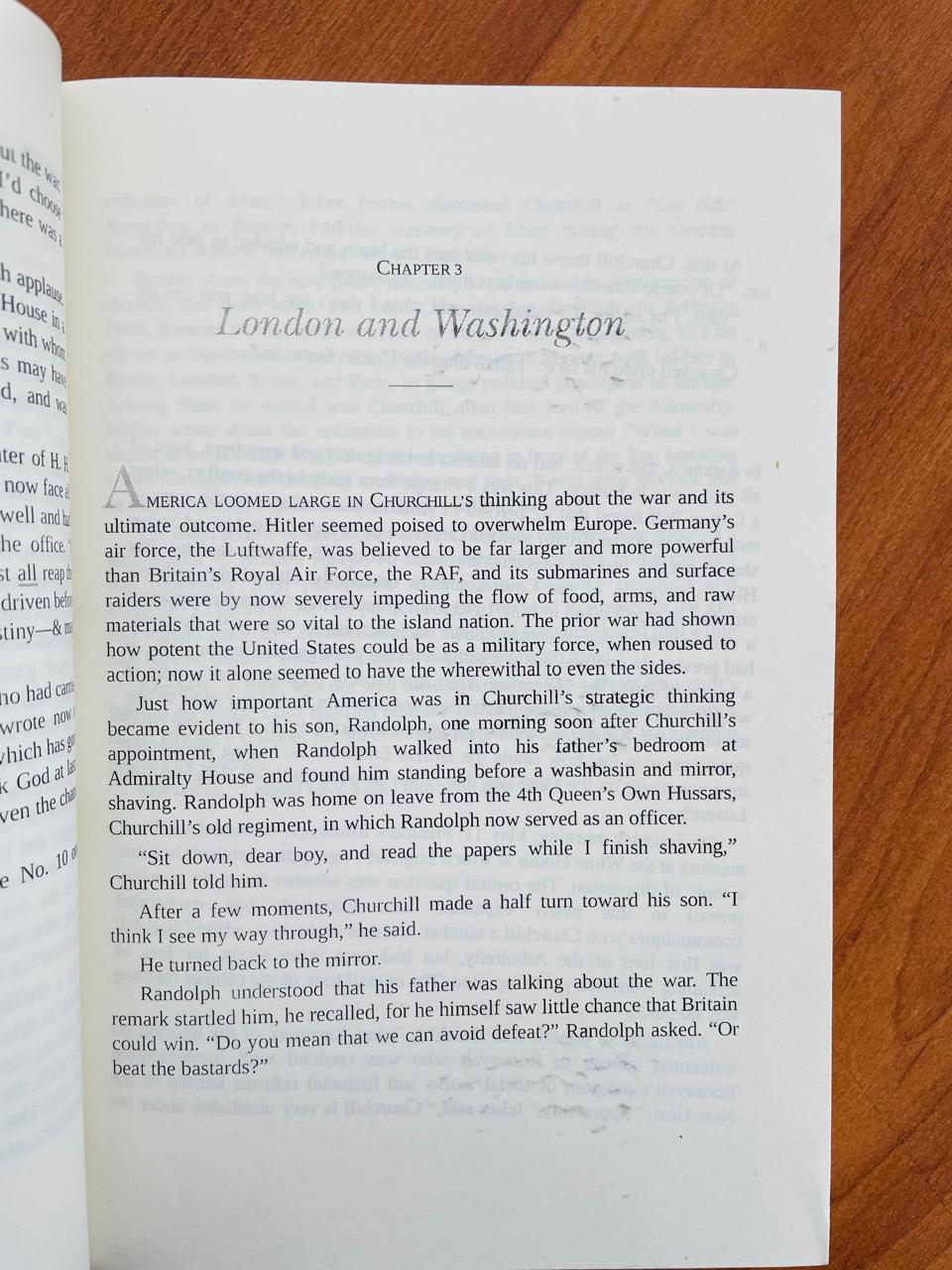
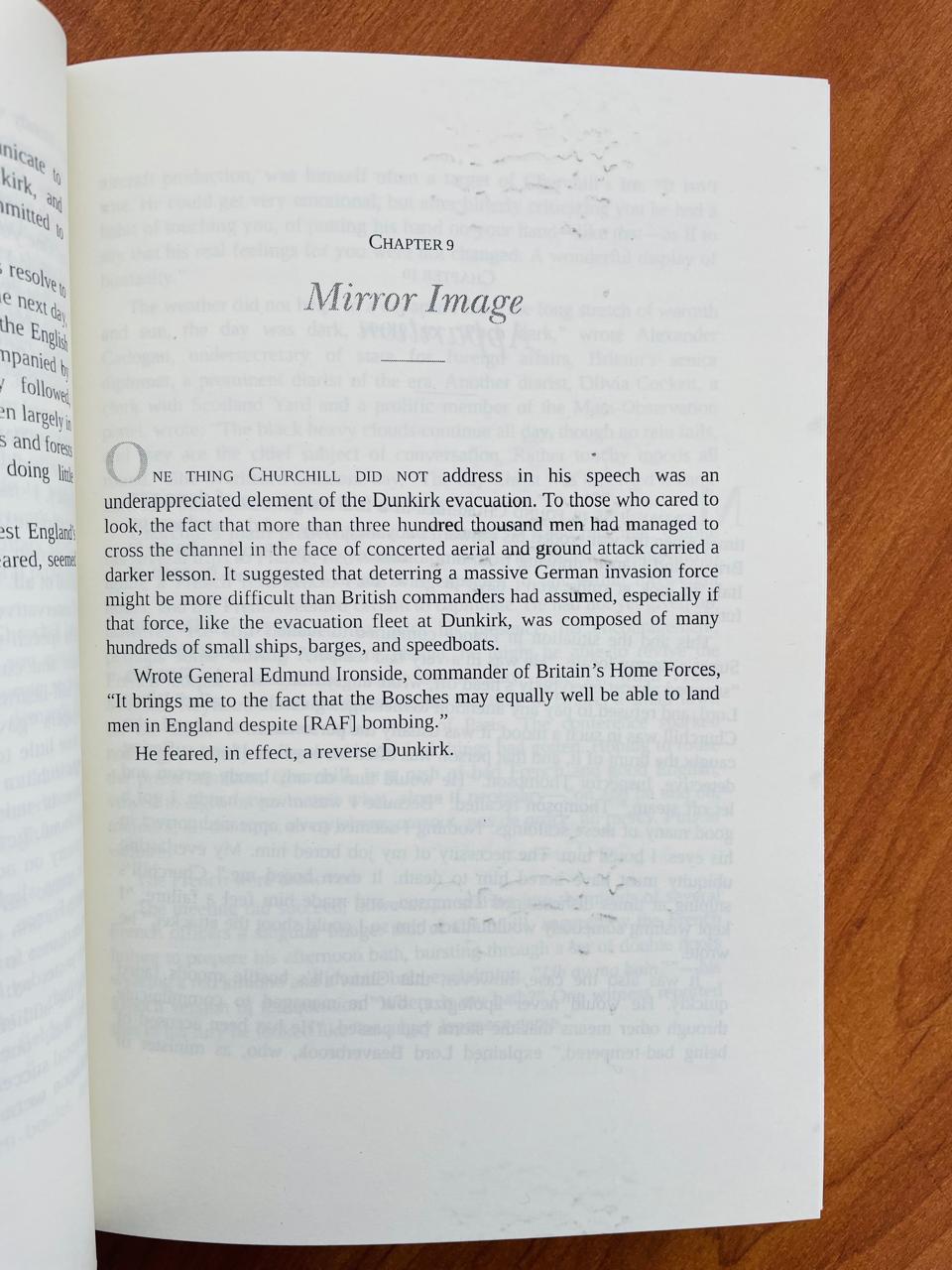
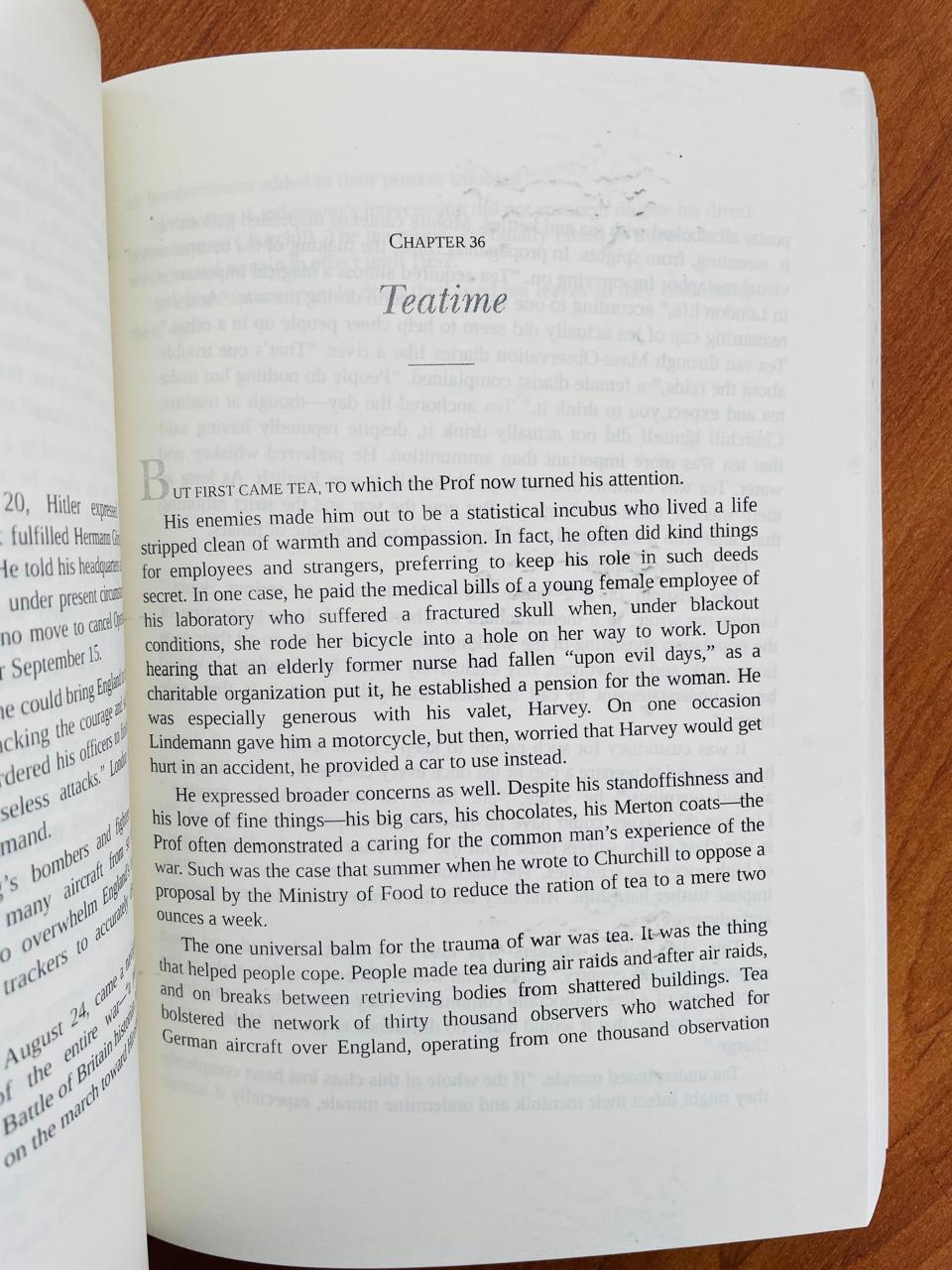


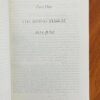
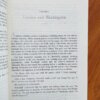
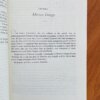
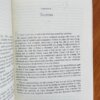



The Splendid and the Vile by Erik Larson
The Splendid and the Vile by Erik Larson is a gripping work of narrative history about Winston Churchill, his family, and Britain during one of the darkest periods of the Second World War.
The book focuses on Churchill’s first year as prime minister.
It was a year marked by invasion threats, devastating air raids, political pressure, and enormous uncertainty.
Erik Larson transforms these historical events into an intimate story about leadership, courage, family, fear, and survival.
About The Splendid and the Vile
In May 1940, Winston Churchill became prime minister of Britain.
On the same day, Adolf Hitler’s forces invaded Holland and Belgium.
Britain soon faced one of the greatest crises in its history.
France fell.
The evacuation from Dunkirk became necessary.
Germany prepared to attack Britain from the air.
Churchill now had to convince an exhausted country that surrender was not an option.
Britain During the Blitz
The Splendid and the Vile takes readers into London during the German bombing campaign known as the Blitz.
Night after night, bombs fell across the city.
Homes were destroyed.
Families were separated.
Thousands of civilians were killed.
Yet ordinary life continued.
People worked, travelled, formed relationships, and tried to maintain a sense of normality.
Larson shows both the horror of war and the determination of those living through it.
7 Powerful Lessons from The Splendid and the Vile
1. Leadership Matters Most During Crisis
Churchill became prime minister when Britain was facing extraordinary danger.
His speeches and decisions played a major role in maintaining public confidence.
The book shows that leadership is not simply about giving orders.
It also involves communication, emotional strength, judgment, and the ability to give people hope.
2. Courage Does Not Mean Absence of Fear
The people of Britain were frightened.
Bombing raids were deadly and unpredictable.
Churchill and his family also lived under constant threat.
Courage in the book often means continuing despite fear rather than pretending fear does not exist.
This makes the story deeply human.
3. Words Can Influence History
Churchill understood the power of language.
His speeches helped shape how Britain understood the war.
He used words to encourage resistance and strengthen morale.
Larson demonstrates how communication can become an essential leadership tool during difficult periods.
4. Private Life Continues During Public Crisis
One of the most interesting parts of The Splendid and the Vile is its focus on Churchill’s family.
Readers see his wife Clementine, his daughter Mary, his son Randolph, and other members of his circle.
They experience relationships, arguments, romance, fear, and family tension while history unfolds around them.
This gives the book a personal dimension beyond military and political events.
5. Resilience Is Built Day by Day
Britain did not survive the Blitz through one dramatic moment.
Resilience developed through countless ordinary decisions.
People went back to work.
Communities rebuilt damaged areas.
Families continued living despite uncertainty.
The book shows how endurance can become a collective habit.
6. Strategy Requires Patience
Churchill understood that Britain could not fight Germany alone forever.
He needed stronger support from the United States.
President Franklin D. Roosevelt became increasingly important to Britain’s future.
Diplomacy therefore became as important as military strategy.
Churchill had to strengthen the relationship without knowing exactly when greater American support would arrive.
7. History Is Made by Individuals
Major historical events are often described through dates, battles, and governments.
Erik Larson takes a different approach.
He focuses on individuals.
Through diaries, letters, personal conversations, and private experiences, history becomes more immediate.
Readers see how enormous events affected real people.
Winston Churchill as Prime Minister
Churchill entered office at an extremely difficult moment.
Germany had already conquered much of Europe.
Britain faced the possibility of invasion.
Political pressure was intense.
Churchill had to coordinate military strategy while also maintaining public confidence.
He understood that Britain’s willingness to continue fighting depended partly on morale.
His public speeches became one of his most powerful tools.
Churchill and His Family
The book is not only a political biography.
Larson spends significant time with Churchill’s family.
Clementine Churchill offers support while also challenging her husband when necessary.
Their daughter Mary experiences the war as a young woman.
Randolph Churchill faces his own personal and financial difficulties.
These family stories create a more intimate portrait of Churchill.
He is presented not only as a wartime leader but also as a husband, father, friend, and complicated human being.
London Under Attack
The bombing of London forms one of the most dramatic backgrounds of the story.
Air-raid sirens became part of everyday life.
People slept in shelters and underground stations.
Buildings disappeared overnight.
Yet London continued functioning.
Government offices remained active.
Families adjusted their routines.
This contrast between destruction and normal life gives the narrative much of its emotional power.
Politics and Diplomacy
The Splendid and the Vile also explores international politics.
Churchill knew that American support could become crucial.
His relationship with Franklin Roosevelt therefore carried enormous importance.
Messages, diplomatic conversations, and personal relationships all influenced the larger political situation.
The book shows that wars are shaped not only on battlefields.
They are also influenced by negotiation, trust, communication, and timing.
The Human Side of History
Erik Larson is known for writing nonfiction with the pace and detail of a novel.
He uses diaries, archival records, letters, and intelligence reports to reconstruct everyday moments.
This allows readers to experience history through individuals rather than only through statistics.
The result is a book that feels both informative and highly readable.
Who Should Read This Book?
The Splendid and the Vile is ideal for readers interested in World War II.
It may also appeal to readers who enjoy biography, leadership, politics, British history, and narrative nonfiction.
Readers who usually find traditional history books too academic may appreciate Larson’s storytelling style.
The book is particularly suitable for anyone interested in Winston Churchill and Britain during the Blitz.
About Erik Larson
Erik Larson is an American author known for narrative nonfiction.
His books combine extensive historical research with character-driven storytelling.
His other works include The Devil in the White City, Dead Wake, In the Garden of Beasts, Isaac’s Storm, and The Demon of Unrest.
Readers can learn more about the book on the official Penguin Random House page for The Splendid and the Vile.
Product Details
Title: The Splendid and the Vile
Subtitle: A Saga of Churchill, Family, and Defiance During the Blitz
Author: Erik Larson
Genre: History / World War II / Biography / Narrative Nonfiction
Language: English
Publisher: Crown
Original Publication: 2020
A common Crown paperback edition carries ISBN 9780385348737 and contains 624 pages.
The original Crown hardcover edition carries ISBN 9780385348713 and contains 608 pages.
Always check the ISBN and format printed on your physical copy before entering final WooCommerce specifications.
Explore More History Books
The Splendid and the Vile brings one of the most important periods of modern history to life through the experiences of Churchill, his family, advisers, and ordinary people.
The story is about war.
But it is equally about leadership, family, resilience, fear, courage, and the ability to continue during extraordinary uncertainty.
Readers interested in similar titles can explore more History Books at Bargain Books.
For readers who enjoy deeply researched history told with the energy of a novel, The Splendid and the Vile is a compelling account of Britain during the Blitz.
Be the first to review “splendid and the vile by Erik Larson”
Related products
-33%

Non-Fiction & Knowledge
Original price was: රු2,850.00.රු1,900.00Current price is: රු1,900.00.
3 X Rs. 633.33 or 8% Cashback with


or 3 X රු633.33 with


or up to 4 X රු475.00 with


Out of stock
Autobiography
රු2,750.00
3 X Rs. 916.67 or 8% Cashback with
or 3 X රු916.67 with
or up to 4 X රු687.50 with
-24%

Non-Fiction & Knowledge
Original price was: රු2,300.00.රු1,750.00Current price is: රු1,750.00.
3 X Rs. 583.33 or 8% Cashback with
or 3 X රු583.33 with
or up to 4 X රු437.50 with
-24%

Out of stock
Non-Fiction & Knowledge
Original price was: රු2,500.00.රු1,900.00Current price is: රු1,900.00.
3 X Rs. 633.33 or 8% Cashback with
or 3 X රු633.33 with
or up to 4 X රු475.00 with
-17%
Out of stock
Non-Fiction & Knowledge
Original price was: රු2,900.00.රු2,400.00Current price is: රු2,400.00.
3 X Rs. 800.00 or 8% Cashback with
or 3 X රු800.00 with
or up to 4 X රු600.00 with

Out of stock
Non-Fiction & Knowledge
රු1,600.00
3 X Rs. 533.33 or 8% Cashback with
or 3 X රු533.33 with
or up to 4 X රු400.00 with

Non-Fiction & Knowledge
රු1,700.00
3 X Rs. 566.67 or 8% Cashback with
or 3 X රු566.67 with
or up to 4 X රු425.00 with
Non-Fiction & Knowledge
රු2,250.00
3 X Rs. 750.00 or 8% Cashback with
or 3 X රු750.00 with
or up to 4 X රු562.50 with
Reviews
There are no reviews yet.