
No products in the cart.

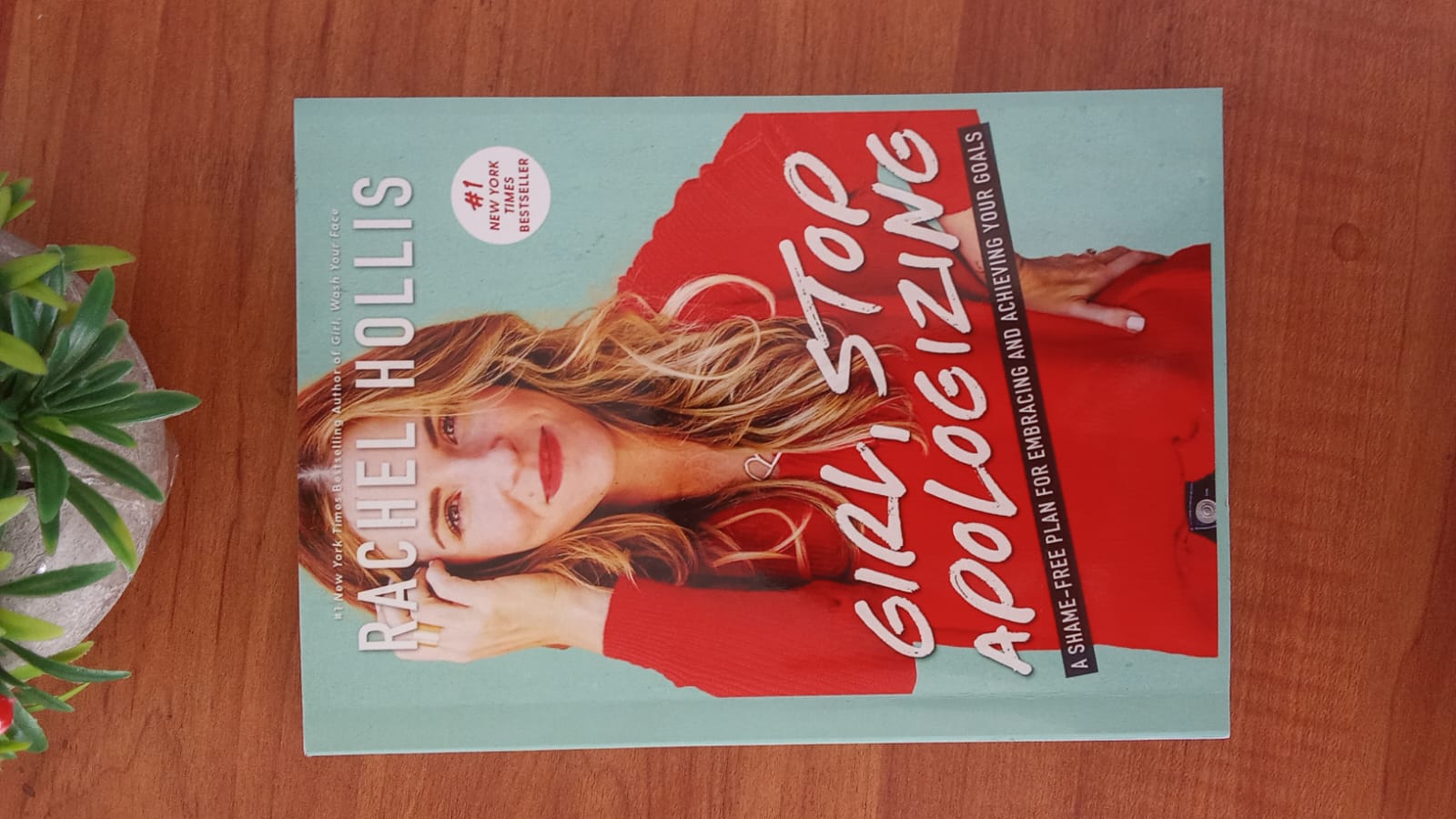
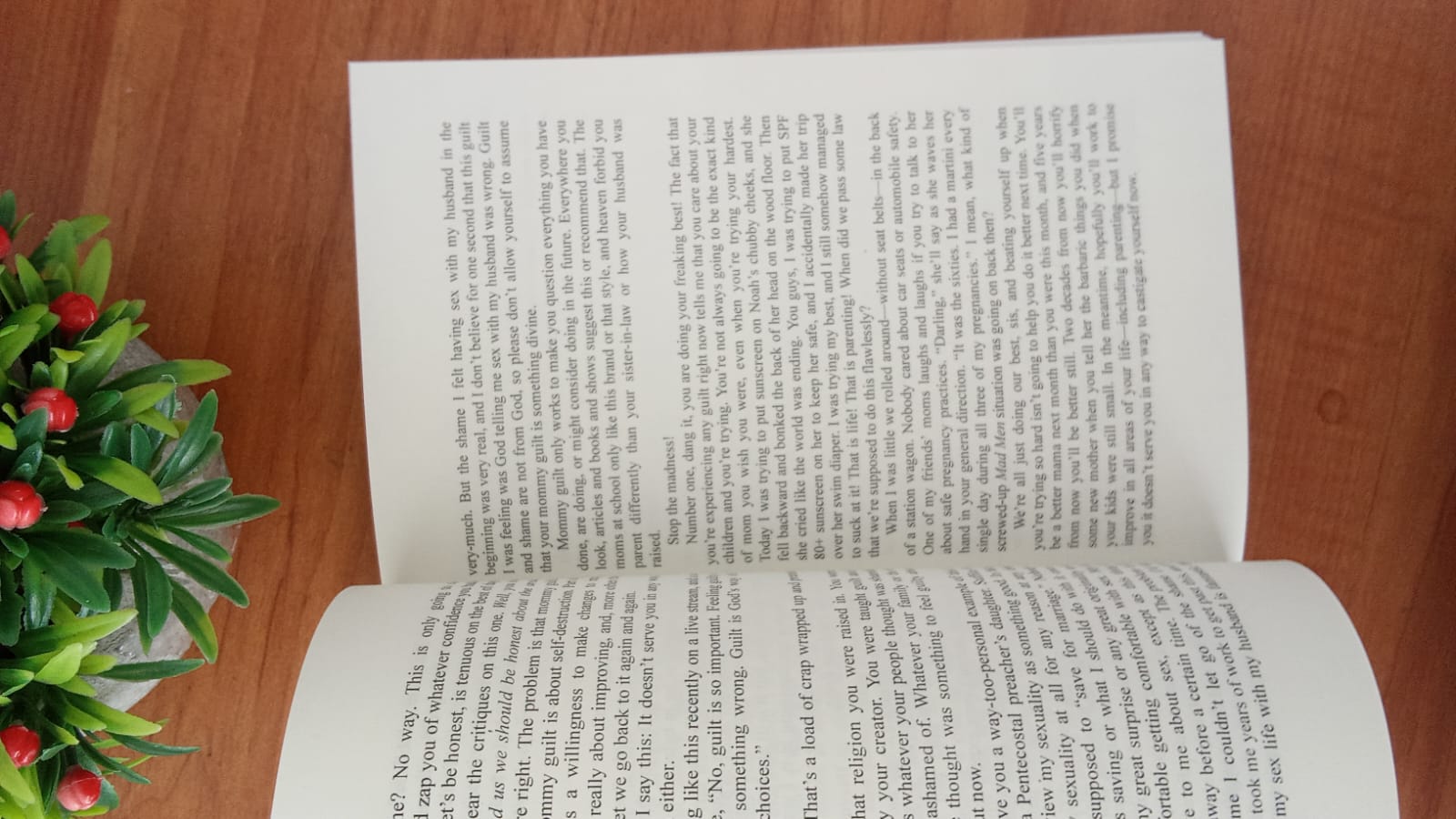
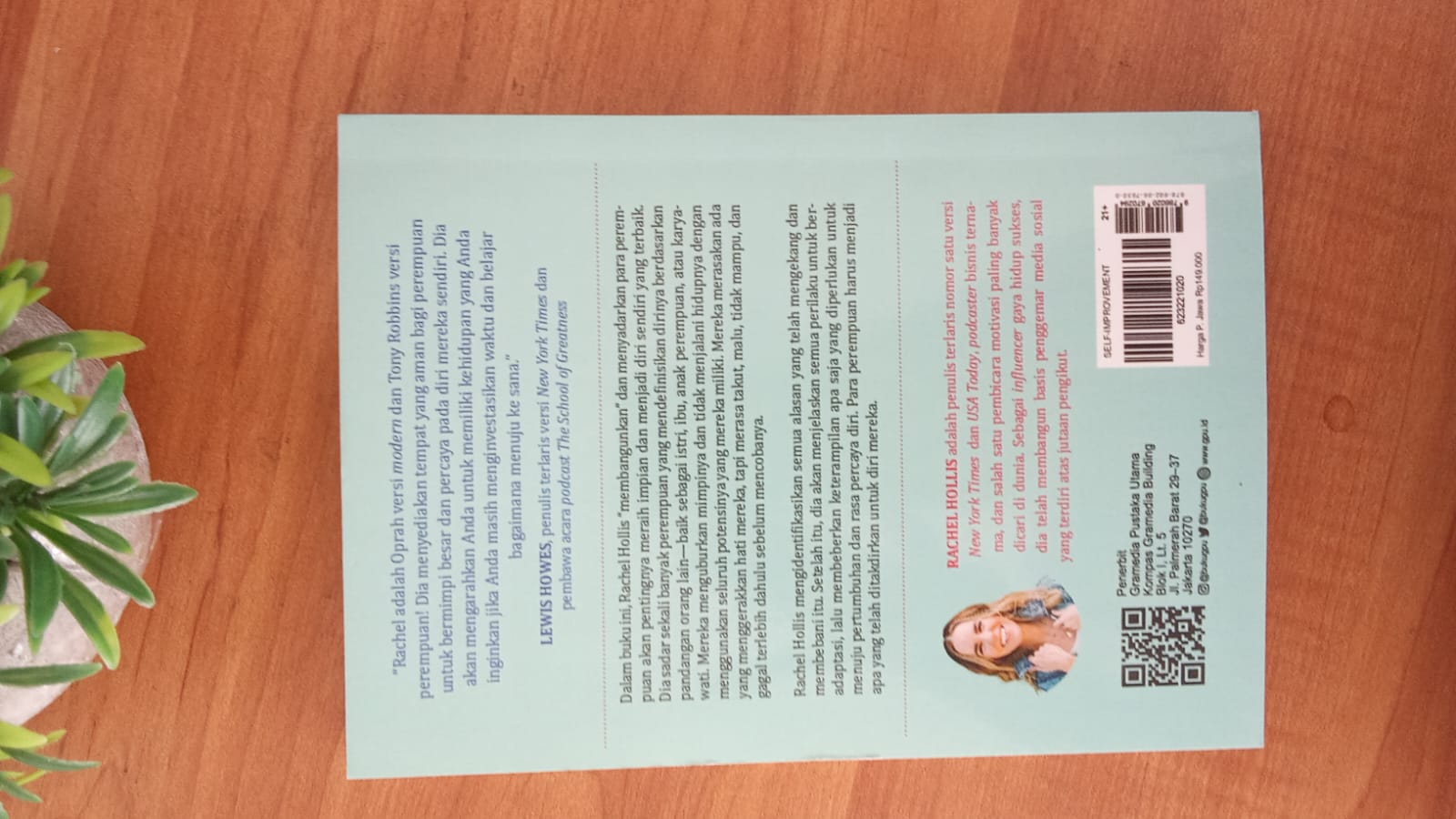




Girl Stop Apologizing by Rachel Hollis


රු1,650.00
3 X Rs. 550.00 or 8% Cashback with


or 3 X රු550.00 with


or up to 4 X රු412.50 with


Product Short Description:
Girl, Stop Apologizing by Rachel Hollis is an empowering self-help book that encourages women to stop doubting themselves and start chasing their goals with confidence. Through practical advice and motivation, the book teaches how to overcome fear, let go of excuses, and build habits that lead to success. Perfect for readers who want to take control of their life and unlock their full potential.
6 in stock
Girl, Stop Apologizing by Rachel Hollis is a motivational personal-growth book about learning to take your own ambitions seriously.
Many people have dreams.
Start a business.
Change careers.
Write a book.
Become healthier.
Earn more.
Create something.
Study something new.
Travel.
Build a better future.
Yet having a dream and actively pursuing it are very different things.
Fear appears.
Responsibilities appear.
Other people’s opinions appear.
You start wondering:
What if I fail?
What if people judge me?
What if I am not talented enough?
What if pursuing what I want makes me selfish?
Girl, Stop Apologizing challenges readers to stop automatically treating their goals as something they need to justify.
Rachel Hollis argues that many women have been taught to define themselves mainly through their relationships and responsibilities to other people rather than asking what they personally want to build, achieve, or become.
Why Read Girl, Stop Apologizing?
Girl, Stop Apologizing is designed for readers who know they want something more from life but continue talking themselves out of pursuing it.
Readers can expect themes involving:
- Goal setting
- Confidence
- Ambition
- Personal growth
- Fear of failure
- Fear of judgment
- Boundaries
- Persistence
- Productivity
- Planning
- Motivation
- Asking for help
- Saying no
- Leadership
- Self-belief
The book combines personal stories with practical motivational advice.
It is less about discovering one secret to success and more about changing the habits and beliefs that repeatedly stop you from taking action.
Girl, Stop Apologizing and Your Own Goals
A central question in the book is surprisingly simple:
What do you actually want?
Not what your family expects.
Not what friends think sounds impressive.
Not what social media says you should want.
What do you want?
That question can be difficult.
People sometimes become so focused on responsibilities that their own goals start to feel embarrassing.
They think:
I should be satisfied.
I already have enough.
Other people have bigger problems.
Wanting more makes me ungrateful.
Girl, Stop Apologizing challenges that mindset.
Being grateful for what you have and wanting to grow are not necessarily opposites.
You can appreciate your current life while still pursuing another goal.
Girl, Stop Apologizing and Excuses
The first major section of the book focuses on excuses.
Some excuses sound reasonable.
“I don’t have enough time.”
“I don’t know how.”
“I’m not ready.”
“I’m not good enough.”
“Someone has already done it.”
“What if I fail?”
“What will people think?”
Sometimes these are genuine obstacles.
But sometimes they become convenient explanations that prevent us from trying.
Hollis asks readers to identify the excuses they repeatedly use and question whether those explanations are truly stopping them—or protecting them from discomfort.
Fear of Failure
Failure is uncomfortable.
You may lose:
Time.
Money.
Confidence.
Reputation.
Opportunity.
But avoiding every possibility of failure creates another problem.
You also avoid the possibility of success.
Girl, Stop Apologizing encourages readers to stop treating failure as proof that they should never have tried.
Instead, failure can become information.
What worked?
What did not?
What should change?
What did you learn?
Then try again more intelligently.
Girl, Stop Apologizing and Other People’s Opinions
Many goals are abandoned before they begin because of imagined judgment.
“What will everyone think?”
Maybe people will laugh.
Maybe they will criticize.
Maybe they will think the idea is unrealistic.
Maybe they will not understand.
But those people do not necessarily have to live with the consequences of you abandoning your goal.
That distinction matters.
Other people’s opinions can contain useful advice.
But they should not automatically become instructions for your life.
Stop Waiting for Permission
Some people unconsciously wait for permission.
Permission to:
Start.
Apply.
Create.
Lead.
Ask.
Change direction.
Become ambitious.
You may be waiting for someone to say:
“Yes, you’re talented enough.”
“Yes, you should try.”
“Yes, your idea matters.”
Girl, Stop Apologizing pushes readers toward greater personal responsibility.
Sometimes nobody is going to officially invite you to pursue the life you want.
You have to begin.
Girl, Stop Apologizing and Confidence
Confidence is one of the book’s recurring themes.
But confidence does not always appear before action.
Sometimes it comes after action.
You try.
You survive.
You learn.
You improve.
Then confidence grows.
Waiting until you feel completely confident can therefore become another form of procrastination.
You may need to act while still nervous.
You Do Not Need to Feel Ready
Imagine waiting until you feel 100% ready to start a business.
There will always be another thing to learn.
Another risk.
Another uncertainty.
Another reason to delay.
Preparation matters.
But endless preparation can become avoidance.
At some point, action becomes necessary.
Girl, Stop Apologizing and Goal Setting
Dreams become more useful when they become specific.
“I want a better life.”
is vague.
“I want to save Rs. 500,000.”
is clearer.
“I want to write a book.”
is clearer than:
“I want to become creative.”
Specific goals allow you to ask:
What is the next step?
How will I measure progress?
What skills do I need?
What should happen this month?
What should happen this week?
The book repeatedly emphasizes turning aspiration into practical action.
A Dream Needs a Plan
Motivation feels powerful.
But motivation changes.
One day you feel unstoppable.
The next day you feel tired.
If your progress depends entirely on motivation, consistency becomes difficult.
Planning creates structure.
You can decide:
What you are trying to achieve.
What actions matter.
When you will do them.
What obstacles are likely.
How you will respond.
A dream begins becoming a goal when action is attached to it.
Girl, Stop Apologizing and Behaviour
The second major section of Girl, Stop Apologizing moves from excuses into behaviours.
Knowing why you are stuck is useful.
Changing what you repeatedly do is more important.
Hollis discusses behaviours such as asking for help and learning to say no as part of making room for meaningful goals.
This is important because people often try to add goals without changing anything else.
Their schedule is already full.
Then they add:
Exercise.
Study.
Business.
Writing.
Another project.
Something eventually collapses.
Sometimes progress requires addition.
Sometimes it requires subtraction.
Learn to Say No
Every yes costs something.
Time.
Energy.
Attention.
Money.
You cannot say yes to everything.
If a new commitment has no cost, it was probably not a real commitment.
Setting boundaries means understanding what deserves your limited resources.
That does not mean becoming selfish.
It means recognizing that priorities require trade-offs.
Girl, Stop Apologizing and Asking for Help
Independence can become another trap.
Some people believe:
“If I am truly capable, I should be able to do everything myself.”
That idea sounds strong.
In practice, it can limit growth.
Successful projects often require other people.
Mentors.
Employees.
Friends.
Family.
Experts.
Partners.
Communities.
Asking for help does not automatically mean you are incapable.
It can mean you understand your limitations and know how to use resources wisely.
Stop Trying to Be Everything to Everyone
Trying to satisfy everyone creates impossible standards.
Perfect employee.
Perfect partner.
Perfect parent.
Perfect friend.
Perfect entrepreneur.
Perfect house.
Perfect body.
Perfect attitude.
No mistakes.
No missed commitments.
Eventually the pressure becomes exhausting.
Girl, Stop Apologizing encourages readers to think more deliberately about what actually deserves priority.
Girl, Stop Apologizing and Skills
The third major section focuses on skills that support progress.
The book’s contents and reviews highlight areas including:
Planning.
Confidence.
Persistence.
Effectiveness.
Positivity.
Leadership.
This is an important shift.
Success is not presented only as a personality trait.
Skills can be developed.
If you are disorganized, you can learn planning.
If you communicate poorly, you can improve communication.
If you lack knowledge, you can study.
If you struggle with leadership, you can practise.
That makes improvement more practical.
Girl, Stop Apologizing and Planning
Planning converts goals into steps.
Suppose your goal is:
Start an online business.
That sounds enormous.
Break it down:
Choose product.
Research competitors.
Calculate costs.
Create brand.
Build website.
Arrange payments.
Prepare marketing.
Launch.
Now each step can be broken down again.
Large goals become less intimidating once they become smaller actions.
Girl, Stop Apologizing and Persistence
Most meaningful goals take longer than expected.
That creates a dangerous period.
The excitement disappears.
Results are slow.
You wonder whether continuing is worth it.
This is where persistence matters.
Persistence does not mean repeating a failing strategy forever.
It means remaining committed to the goal while adjusting your approach.
Try.
Measure.
Learn.
Change.
Continue.
Girl, Stop Apologizing and Effectiveness
Being busy and being effective are not the same thing.
You can spend an entire day:
Answering messages.
Attending meetings.
Scrolling.
Organizing files.
Fixing tiny problems.
Then realize nothing important moved forward.
Effectiveness means identifying the actions that actually produce meaningful progress.
Ask:
What matters most?
What creates the biggest result?
What can wait?
What can someone else do?
What should stop completely?
Girl, Stop Apologizing and Positivity
Positive thinking alone cannot guarantee success.
You still need:
Action.
Skills.
Timing.
Resources.
Planning.
Effort.
But your internal narrative affects whether you begin and whether you continue.
If every setback becomes:
“See? I knew I couldn’t do it.”
you may stop.
If it becomes:
“That didn’t work. What can I change?”
you retain options.
The difference is not pretending problems do not exist.
It is deciding what meaning you assign to them.
Girl, Stop Apologizing and Leadership
Leadership appears among the skills Hollis encourages readers to develop.
Leadership does not necessarily require a corporate title.
You may lead:
A team.
A business.
A household.
A community project.
A creative project.
Or simply yourself.
Leadership requires decision-making.
Responsibility.
Communication.
Boundaries.
And the ability to keep moving when not everyone agrees with you.
Stop Comparing Your Beginning to Someone Else’s Success
Comparison can destroy motivation.
You begin something.
Then see another person who has been working for ten years.
They have:
More customers.
More money.
More followers.
More experience.
More confidence.
You compare their chapter ten with your chapter one.
Then conclude that you are failing.
A more useful comparison is:
Am I improving from where I started?
Girl, Stop Apologizing and Perfectionism
Perfectionism can look responsible.
Sometimes it is fear wearing a professional outfit.
You keep editing.
Planning.
Researching.
Preparing.
Waiting.
Nothing is ever ready enough.
Eventually perfectionism prevents progress.
A finished imperfect project often teaches you more than a perfect idea that never leaves your notebook.
Progress Before Perfection
This does not mean producing careless work.
Quality matters.
But perfection has no clear finish line.
Improvement does.
Publish.
Measure.
Learn.
Improve.
Repeat.
That cycle creates experience.
Girl, Stop Apologizing and Boundaries
Goals require time.
Time requires boundaries.
If every request from another person automatically becomes your responsibility, your own goals will always receive whatever is left.
Often that means nothing.
Healthy boundaries help protect:
Work time.
Rest.
Family time.
Creative time.
Personal development.
Saying no to something may allow you to say yes to something more important.
Girl, Stop Apologizing and Motivation
One useful takeaway from the book is that motivation should not be treated as a permanent emotional state.
Nobody feels inspired every morning.
Successful action often happens despite:
Tiredness.
Fear.
Boredom.
Doubt.
Uncertainty.
This is where routines and discipline become important.
Motivation can start something.
Systems help continue it.
Is Girl, Stop Apologizing Only for Women?
The book is explicitly written primarily for women.
Its examples and arguments often focus on expectations placed on women as wives, mothers, daughters, employees, and caregivers.
However, several of its broader lessons can apply to anyone interested in:
Goal setting.
Confidence.
Boundaries.
Persistence.
Planning.
Leadership.
And personal development.
Male readers can still find useful ideas, but they should know who the book’s intended audience is.
Is Girl, Stop Apologizing a Sequel?
It follows Rachel Hollis’s bestselling Girl, Wash Your Face, and bibliographic records sometimes identify it as the second book associated with that line of work.
However, you do not need to read Girl, Wash Your Face first.
Girl, Stop Apologizing can be read independently.
The two books share themes of self-belief and personal growth, but this book concentrates more heavily on goals, ambition, behaviours, and practical skills.
Girl, Wash Your Face vs Girl, Stop Apologizing
A simple distinction is:
Girl, Wash Your Face focuses strongly on beliefs and personal narratives that may be holding you back.
Girl, Stop Apologizing moves further into ambitions and what readers can do to pursue them.
If a customer already enjoyed Girl, Wash Your Face, this is a natural next Rachel Hollis book.
Is Girl, Stop Apologizing Practical?
Yes, although it remains primarily motivational self-help.
The structure is relatively practical.
It identifies:
Excuses to examine.
Behaviours to change.
Skills to build.
Publishers Weekly highlighted specific practices including asking for help, saying no, organization, optimism, and other action-oriented strategies.
Readers looking for highly academic behavioural science may prefer a different book.
Readers looking for energetic encouragement combined with actionable goal-setting ideas are closer to the intended audience.
7 Powerful Lessons From Girl, Stop Apologizing
1. Decide What You Actually Want
You cannot build a meaningful plan around a goal you chose only to satisfy someone else.
2. Stop Letting Fear Make Every Decision
Fear of failure and judgment can be useful information, but they do not have to control your direction.
3. Turn Dreams Into Specific Goals
A dream becomes easier to pursue when you attach measurable actions and deadlines to it.
4. Learn to Say No
Every commitment consumes time and energy.
Protect what matters.
5. Ask for Help
Trying to do everything yourself can slow progress rather than prove independence.
6. Build Skills Instead of Waiting to Feel Ready
Planning, persistence, effectiveness, confidence, positivity, and leadership can all be developed.
7. Believe That Your Goals Deserve Serious Effort
The central message of Girl, Stop Apologizing is that readers should stop treating their ambitions like something they need to apologize for and begin taking practical responsibility for pursuing them.
What You Can Expect From Girl, Stop Apologizing
Readers can expect:
- Goal setting
- Personal growth
- Motivation
- Confidence
- Ambition
- Self-belief
- Boundaries
- Saying no
- Asking for help
- Planning
- Persistence
- Leadership
- Productivity
- Fear of failure
- Overcoming excuses
- Women and ambition
Who Should Read Girl, Stop Apologizing?
Girl, Stop Apologizing is ideal for:
Women pursuing personal goals.
Entrepreneurs.
Young professionals.
Business owners.
Readers struggling with confidence.
People who procrastinate because of fear.
Readers trying to set better boundaries.
Women returning to personal goals after focusing heavily on other responsibilities.
Fans of Rachel Hollis.
Readers who enjoyed Girl, Wash Your Face.
People who prefer energetic motivational books rather than academic self-help.
A Powerful Reminder to Take Your Goals Seriously
Girl, Stop Apologizing begins with a simple challenge.
Stop automatically apologizing for wanting more.
Wanting to build something does not mean you hate what you already have.
Wanting a career does not mean you do not care about family.
Wanting personal time does not automatically make you selfish.
Wanting success does not require everyone around you to understand your ambition.
But dreams also require responsibility.
You have to define the goal.
Challenge the excuses.
Change the behaviours that keep interfering.
Build useful skills.
Plan.
Say no.
Ask for help.
Keep going.
And accept that failure, criticism, and uncertainty may be part of the process.
For readers interested in confidence, personal development, goal setting, productivity, ambition, boundaries, and turning intentions into action, Girl, Stop Apologizing offers an energetic motivational push toward taking your own goals more seriously.
Book Details
Title: Girl, Stop Apologizing
Full Title: Girl, Stop Apologizing: A Shame-Free Plan for Embracing and Achieving Your Goals
Author: Rachel Hollis
Genre: Self-Help / Personal Growth / Motivation / Success
Publisher: HarperCollins Leadership
First Published: March 2019
Main Structure: Excuses to Let Go Of, Behaviors to Adopt, Skills to Acquire.
Common Hardcover Edition
The commonly catalogued English hardcover edition is:
ISBN-13: 9781400209606
ISBN-10: 1400209609
Format: Hardcover
Publisher: HarperCollins Leadership
Publication Year: 2019
Pages: commonly catalogued as 240 pages.
Other Edition Note
Bibliographic databases contain some differences in pagination and format.
For example, one Google Books record for ISBN 9781400209606 lists 216 pages, while Publishers Weekly and Goodreads catalogue the hardcover at 240 pages. Another Google Books record for ISBN 9781400209613 lists 240 pages.
For your WooCommerce product page, use the ISBN and page count physically printed on your copy rather than relying on another retailer’s listing.
Learn more about Girl, Stop Apologizing by Rachel Hollis on the official HarperCollins website.
Explore more personal development books at Bargain Books.
Be the first to review “Girl Stop Apologizing by Rachel Hollis”
Related products

Non-Fiction & Knowledge
රු1,900.00
3 X Rs. 633.33 or 8% Cashback with
or 3 X රු633.33 with
or up to 4 X රු475.00 with

Self-Help & Psychology
රු2,200.00
3 X Rs. 733.33 or 8% Cashback with
or 3 X රු733.33 with
or up to 4 X රු550.00 with

Non-Fiction & Knowledge
රු2,250.00
3 X Rs. 750.00 or 8% Cashback with
or 3 X රු750.00 with
or up to 4 X රු562.50 with
-33%

Self-Help & Psychology
Original price was: රු2,300.00.රු1,550.00Current price is: රු1,550.00.
3 X Rs. 516.67 or 8% Cashback with
or 3 X රු516.67 with
or up to 4 X රු387.50 with
-34%

Self-Help & Psychology
Original price was: රු2,350.00.රු1,550.00Current price is: රු1,550.00.
3 X Rs. 516.67 or 8% Cashback with
or 3 X රු516.67 with
or up to 4 X රු387.50 with

Out of stock
Self-Help & Psychology
රු1,500.00
3 X Rs. 500.00 or 8% Cashback with
or 3 X රු500.00 with
or up to 4 X රු375.00 with

Non-Fiction & Knowledge
රු1,950.00
3 X Rs. 650.00 or 8% Cashback with
or 3 X රු650.00 with
or up to 4 X රු487.50 with
Out of stock
Self-Help & Psychology
රු1,900.00
3 X Rs. 633.33 or 8% Cashback with
or 3 X රු633.33 with
or up to 4 X රු475.00 with
Reviews
There are no reviews yet.