
No products in the cart.
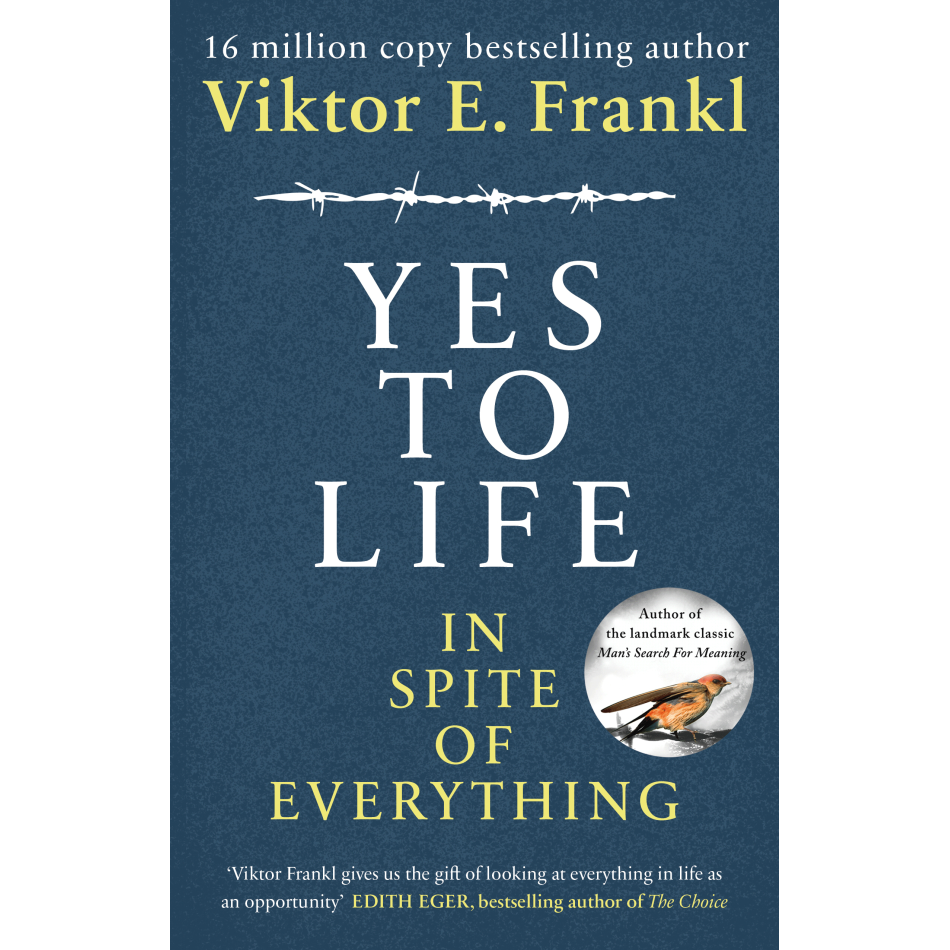

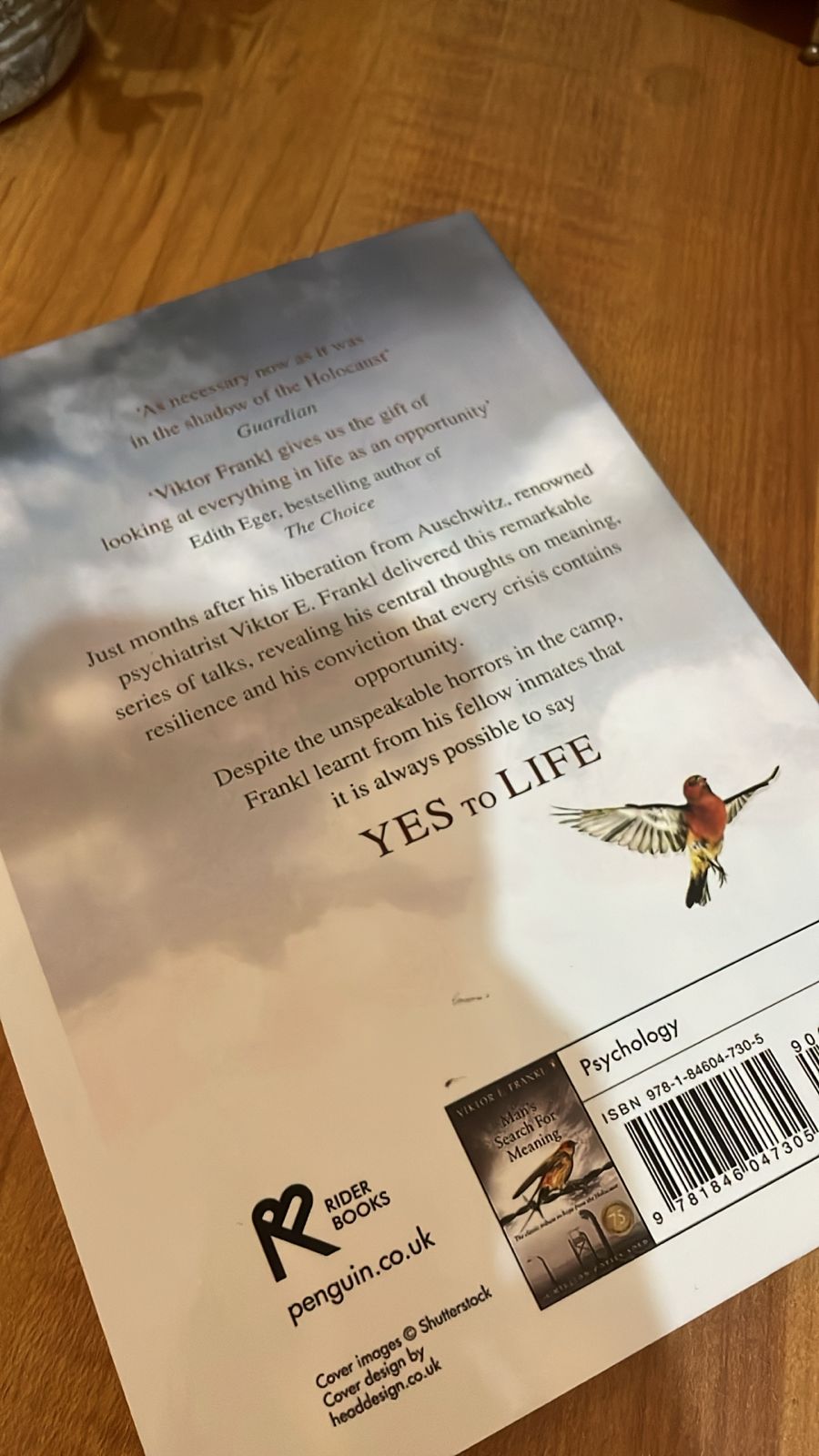

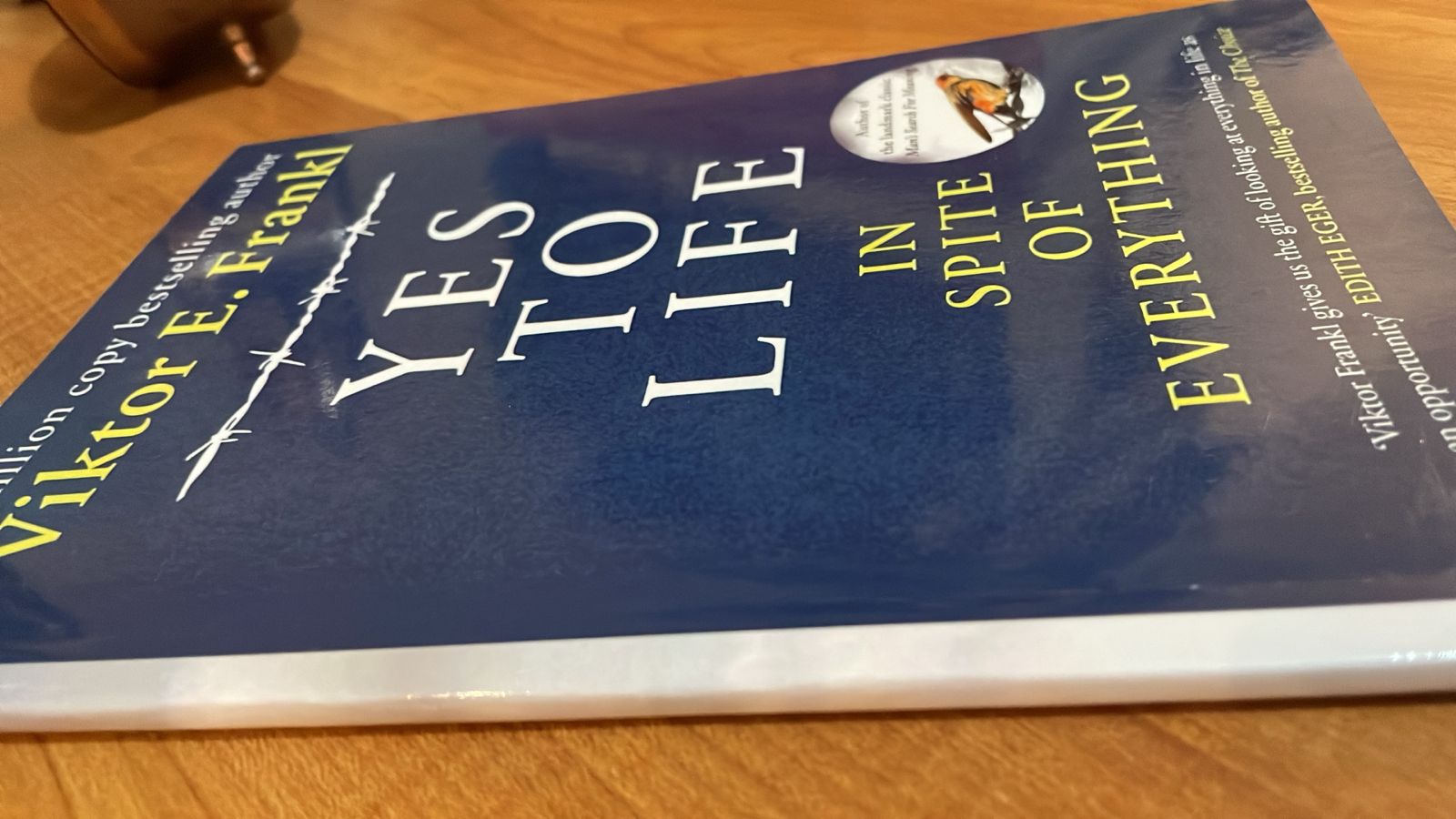
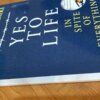




Yes to Life by Viktor E. Frankl
Yes to Life by Viktor E. Frankl is a short but powerful book about meaning, hope, responsibility, resilience, and choosing to embrace life even when circumstances are painful.
The book is based on public lectures Frankl delivered in Vienna after World War II.
These lectures explore a central question.
How can a person still say yes to life when life becomes difficult?
About Yes to Life
Yes to Life presents Frankl’s ideas about meaning in an accessible form.
He argues that life can still contain meaning during suffering.
That does not mean suffering is good.
It means people may still have choices about how they respond to circumstances they cannot fully control.
This idea later became closely connected with Frankl’s approach to logotherapy.
7 Powerful Lessons from Yes to Life
1. Life Can Still Have Meaning During Difficulty
One of the strongest ideas in Yes to Life is that meaning does not disappear simply because life becomes painful.
Circumstances can change suddenly.
Health can change.
Relationships can change.
Plans can fail.
Frankl argues that meaning can still be found through how a person responds.
2. Responsibility Gives Life Direction
Freedom is important.
But Frankl connects freedom with responsibility.
People cannot always choose what happens.
They may still have choices about their response.
That responsibility can give direction during uncertainty.
3. Suffering Does Not Have to Define a Person
Pain can become part of someone’s life.
But it does not have to become their entire identity.
Frankl encourages readers to see themselves as more than the difficulties they have experienced.
A person can still have values.
Goals.
Relationships.
And future possibilities.
4. Meaning Is Personal
There is no single purpose that applies equally to everyone.
Meaning may come from work.
Love.
Family.
Creativity.
Service.
Learning.
Or responsibility toward another person.
The important question is not simply, “What is the meaning of life?”
It is also, “What is life asking of me now?”
5. Love Can Give Life Meaning
Relationships are an important source of meaning.
Caring for another person can give life direction.
Love can also help people see possibilities beyond their own immediate struggles.
Frankl treats human connection as something deeply important.
6. Your Attitude Still Matters
Some situations cannot be changed immediately.
In those moments, attitude becomes especially important.
This does not mean pretending everything is fine.
It means recognizing the difference between what can be controlled and what cannot.
That distinction can reduce helplessness.
7. Hope Requires Action
Hope is not only positive thinking.
Frankl connects hope with responsibility.
A person still has to choose.
Act.
Create.
Help.
Love.
And respond.
That makes hope practical rather than passive.
The Background of the Book
The lectures behind Yes to Life were delivered shortly after Frankl’s liberation from Nazi concentration camps.
He had experienced extraordinary loss.
Yet the lectures do not focus only on despair.
They focus on whether life can still be affirmed after suffering.
That historical context gives the book unusual emotional weight.
Meaning and Purpose
Meaning is the central theme.
Frankl does not suggest that everyone must discover one enormous purpose.
Meaning can be found in ordinary responsibilities.
A job.
A relationship.
A creative project.
Helping another person.
Even small responsibilities can matter.
Logotherapy
Frankl developed a psychological approach known as logotherapy.
It emphasizes the human search for meaning.
The basic idea is that meaning can help people endure difficult circumstances.
Yes to Life introduces many ideas that connect with this philosophy.
Freedom and Choice
Frankl distinguishes between external freedom and internal response.
External freedom can be limited.
A person may face illness.
Loss.
Poverty.
War.
Or circumstances beyond personal control.
But some degree of inner choice may still remain.
That idea appears repeatedly throughout the book.
Responsibility
Frankl believes freedom without responsibility is incomplete.
A meaningful life requires participation.
People are responsible for how they use their time.
How they treat others.
And how they respond to the possibilities available to them.
This makes responsibility a positive idea rather than only a burden.
Work and Creation
Creating something can provide meaning.
Work can matter.
Art can matter.
Teaching can matter.
Building something can matter.
The important point is contribution.
A person can create value through what they bring into the world.
Love and Human Connection
Meaning can also come through relationships.
Frankl places great importance on love.
Seeing another person deeply can create purpose.
Relationships can also help people endure difficult periods.
This makes connection one of the book’s strongest themes.
Facing Suffering
Frankl is careful about suffering.
The goal is not to seek pain.
If suffering can be removed, it should be removed.
But some suffering cannot be avoided.
In those situations, the question becomes how a person responds.
This is where dignity and meaning can become important.
Life as a Question
One of Frankl’s distinctive ideas is that people should not only ask what they expect from life.
They should also ask what life expects from them.
This changes the perspective.
Instead of waiting for meaning to appear, a person responds through action and responsibility.
Hope Without Denial
Yes to Life is hopeful.
But it is not based on denying suffering.
Frankl acknowledges tragedy.
Loss.
Death.
And uncertainty.
Hope comes from continuing to respond meaningfully despite those realities.
Why the Book Still Matters
The book remains relevant because uncertainty is universal.
People face career problems.
Relationship difficulties.
Illness.
Financial pressure.
Grief.
And unexpected change.
Frankl’s ideas encourage readers to focus on meaning and responsibility rather than assuming happiness must always come first.
Who Should Read This Book?
Yes to Life is ideal for readers interested in psychology, philosophy, personal development, meaning, resilience, and existential thinking.
Readers who enjoyed Man’s Search for Meaning may especially appreciate it.
It is also suitable for readers who want a short, reflective book rather than a long self-help manual.
About Viktor E. Frankl
Viktor E. Frankl was an Austrian neurologist, psychiatrist, author, and the founder of logotherapy.
He is best known for Man’s Search for Meaning.
His work focuses heavily on meaning, responsibility, freedom, and human resilience.
Readers can learn more through the [official Beacon Press page for Yes to Life](https://www.beacon.org/
Be the first to review “Yes to life by Viktor E. Frankl”
Related products
Out of stock
Non-Fiction & Knowledge
රු2,200.00
3 X Rs. 733.33 or 8% Cashback with


or 3 X රු733.33 with


or up to 4 X රු550.00 with


Out of stock
Non-Fiction & Knowledge
101 Essays That Will Change the Way You Think by Brianna Wiest
රු1,950.00
3 X Rs. 650.00 or 8% Cashback with
or 3 X රු650.00 with
or up to 4 X රු487.50 with
-28%

Non-Fiction & Knowledge
Osho Books Set | Inspirational Spiritual Paperback Collection by Osho
Original price was: රු12,200.00.රු8,750.00Current price is: රු8,750.00.
3 X Rs. 2,916.67 or 8% Cashback with
or 3 X රු2,916.67 with
or up to 4 X රු2,187.50 with
Reviews
There are no reviews yet.