
No products in the cart.
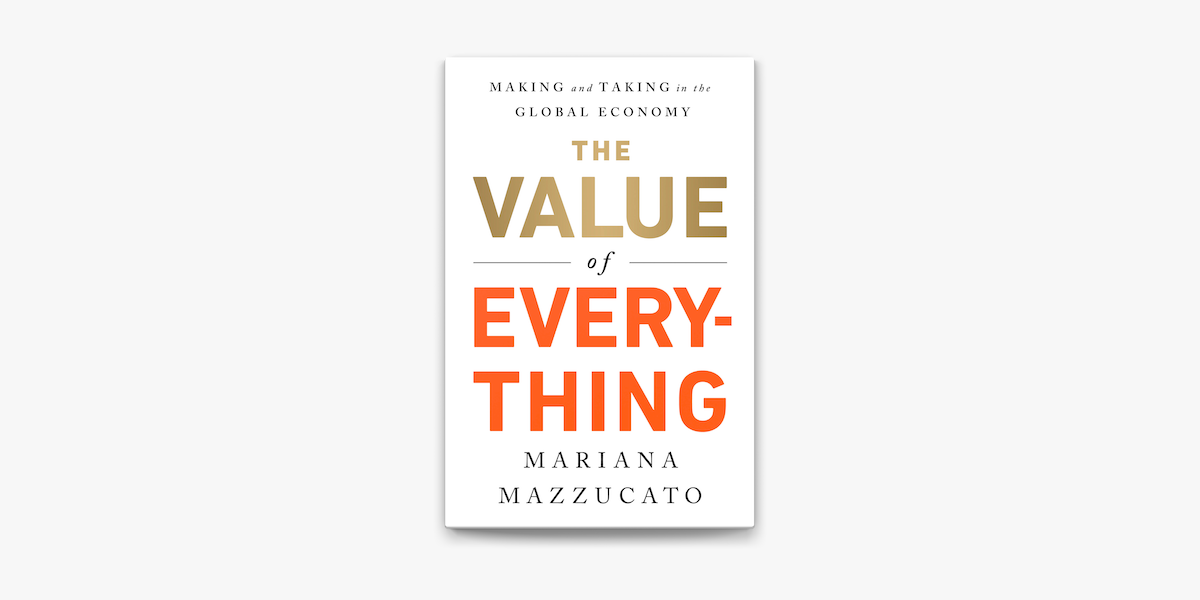
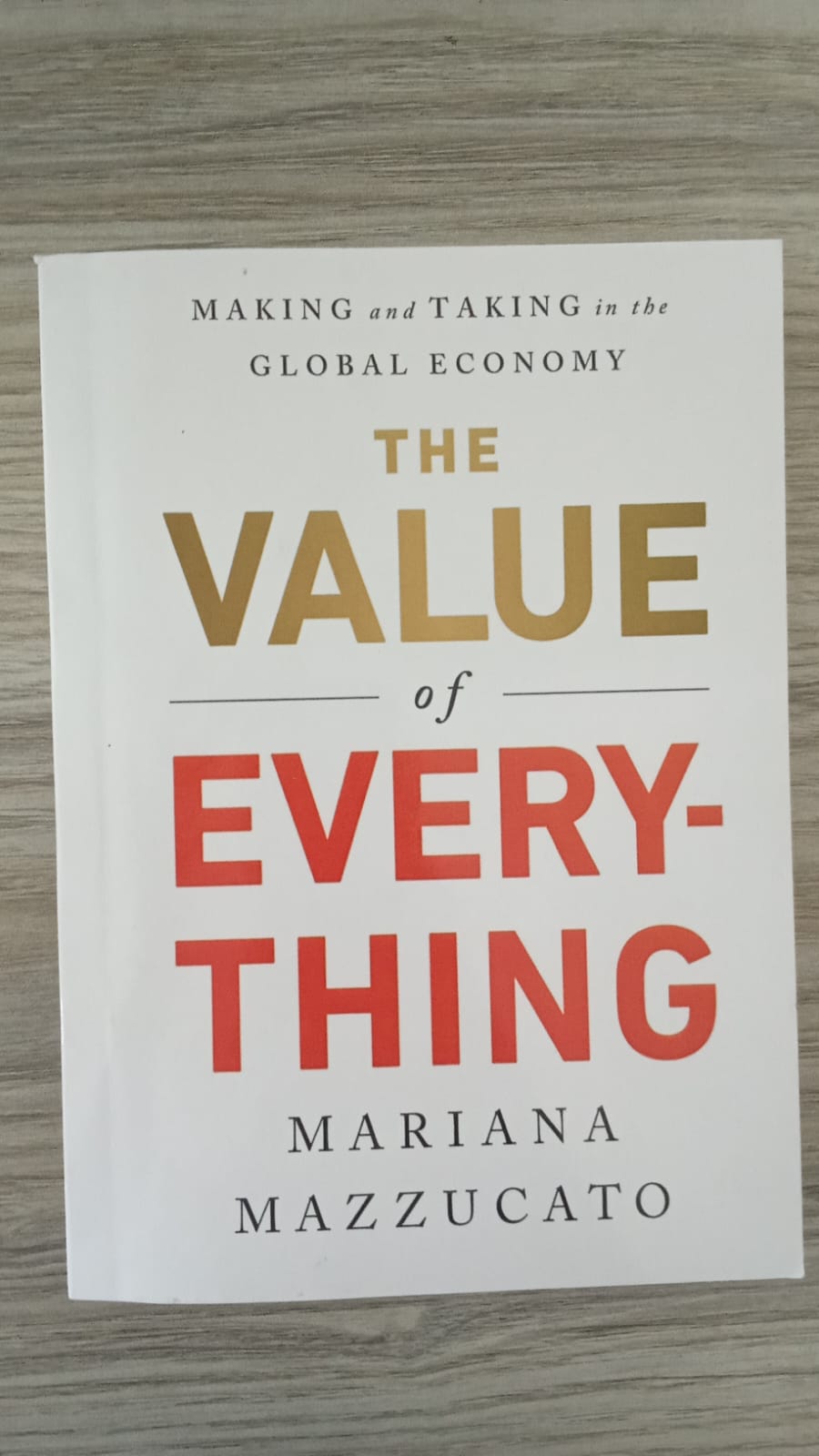
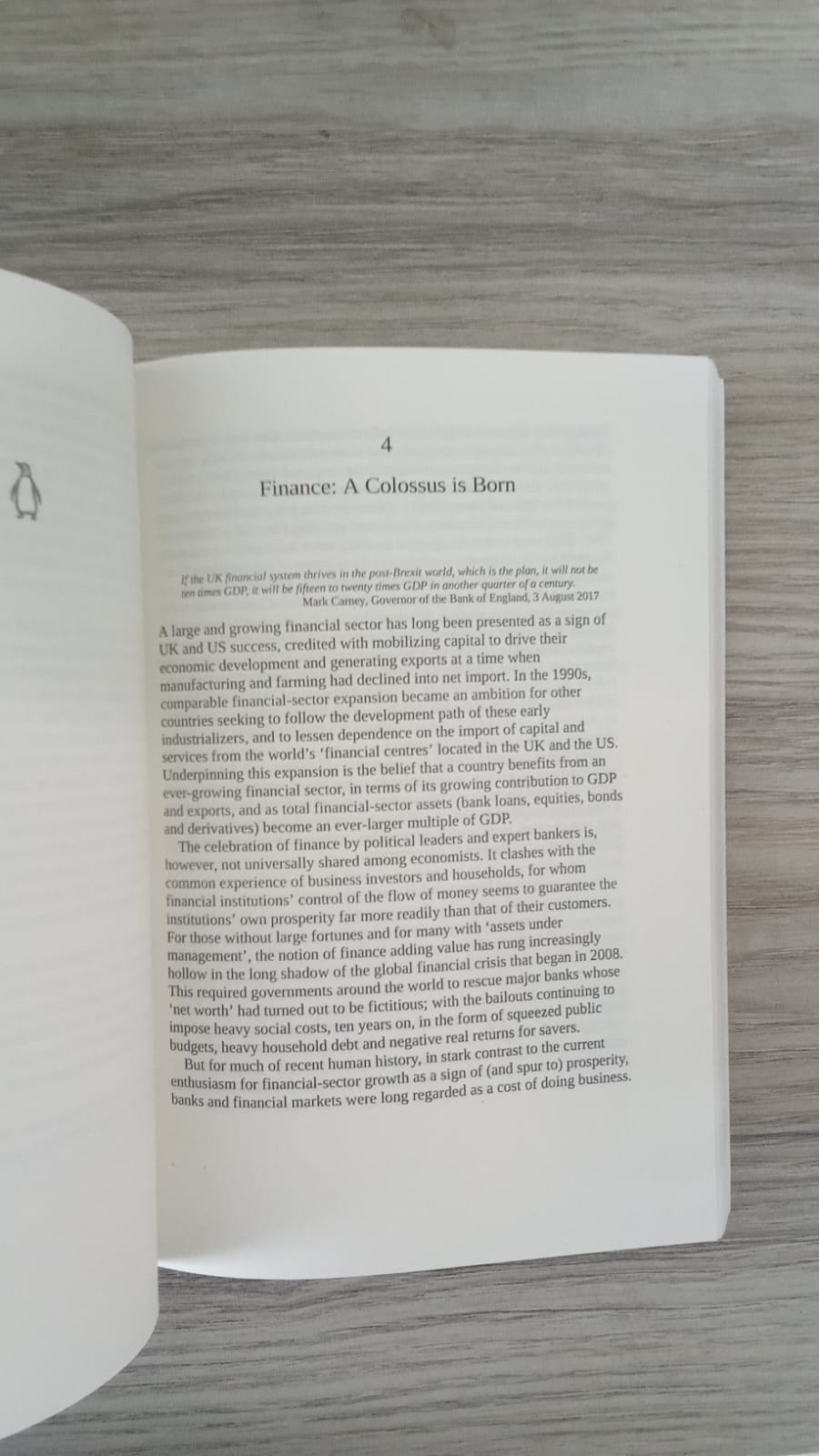
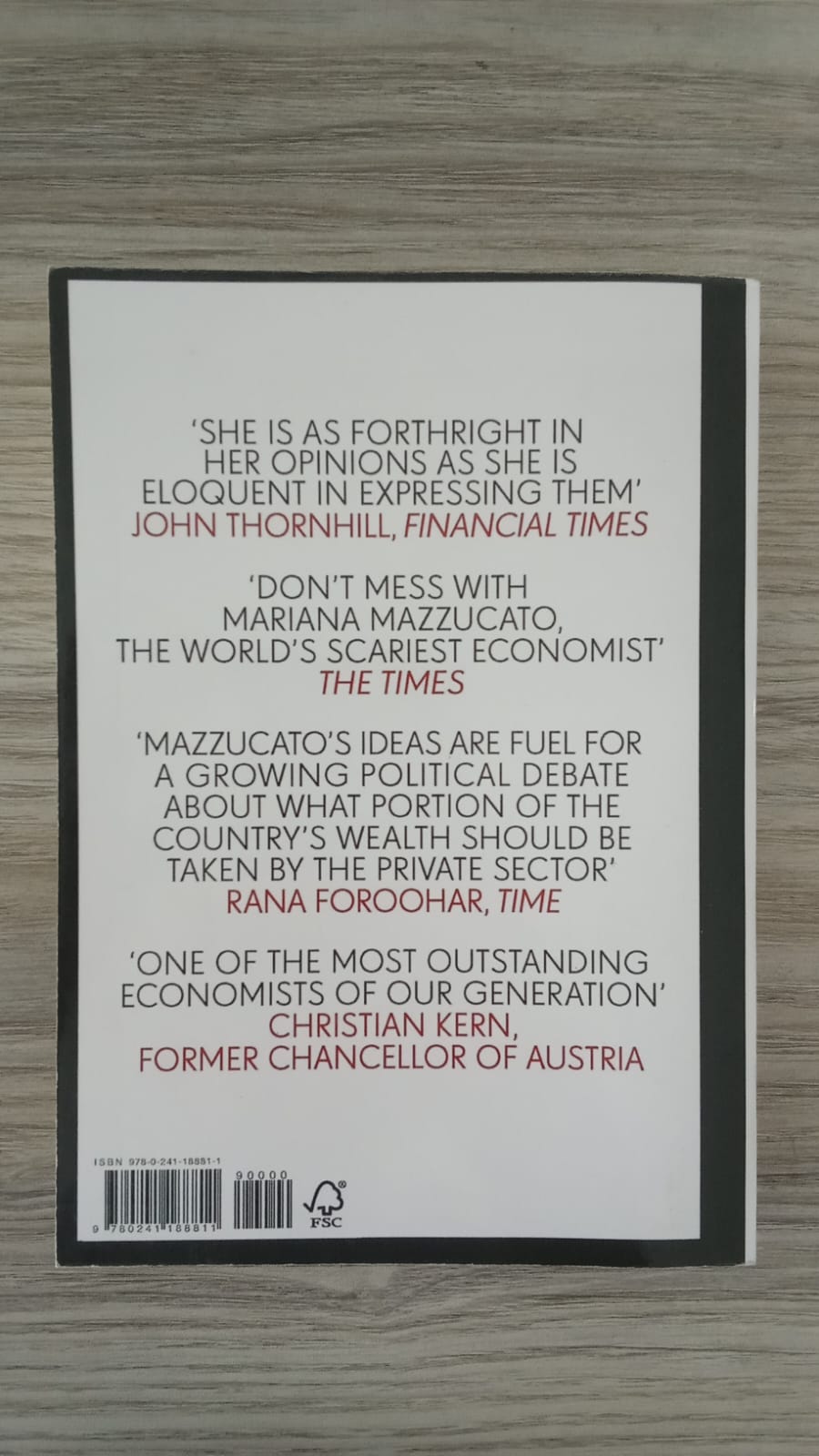
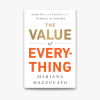
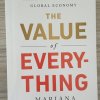


Value of Everything by Mariana Mazzucato
රු1,950.00
3 X Rs. 650.00 or 8% Cashback with


or 3 X රු650.00 with


or up to 4 X රු487.50 with


A New Perspective on Economics – Value of Everything by Mariana Mazzucato
Value of Everything by Mariana Mazzucato is a powerful and thought-provoking economics book that challenges how modern society defines value. Instead of accepting that market price equals worth, the book questions who truly creates value and who simply extracts it. In today’s economy—where finance, technology, and services dominate—this book offers a fresh perspective on how wealth is generated and distributed.
5 in stock
The Value of Everything by Mariana Mazzucato
The Value of Everything by Mariana Mazzucato is a thought-provoking economics book about how societies decide what counts as valuable.
The book asks a deceptively simple question.
Who actually creates wealth?
And who merely extracts it?
Mazzucato argues that modern economies often confuse the two.
About The Value of Everything
The Value of Everything examines the history of economic thinking around value.
Older economists spent a great deal of time asking what value actually meant.
Modern economics often focuses more heavily on price.
Mazzucato argues that this shift created problems.
If something has a high market price, that does not automatically mean it contributes equally to society.
7 Powerful Ideas from The Value of Everything
1. Price and Value Are Not the Same
One of the central ideas in The Value of Everything is that price does not always measure true value.
A financial product can be highly profitable.
A public service may generate no direct profit.
That does not automatically mean the financial product is more valuable to society.
Mazzucato argues that economies need a broader conversation about what creates real value.
2. Value Creation Matters
Value creation happens when people, companies, and institutions produce something useful.
That may include goods.
Services.
Knowledge.
Technology.
Infrastructure.
Innovation.
The book argues that strong economies depend on real value creation rather than only financial extraction.
3. Value Extraction Can Look Like Success
Some activities generate large profits without necessarily creating equal social value.
This is what Mazzucato calls value extraction.
The book looks closely at finance, pharmaceuticals, and large corporations.
Her argument is that wealth can sometimes be captured from existing systems rather than created through genuine innovation.
4. Finance Should Serve the Real Economy
Finance plays an important role.
It helps companies invest.
It provides credit.
It helps people manage risk.
But Mazzucato argues that finance can become disconnected from productive activity.
When financial activity becomes focused mainly on extracting fees or short-term gains, it may weaken long-term investment.
5. Government Can Create Value Too
One of Mazzucato’s most important arguments is that governments are often treated only as spenders or regulators.
She challenges that view.
Public institutions can fund research.
Build infrastructure.
Support scientific breakthroughs.
Create markets.
Reduce risk for private companies.
That means the public sector can participate directly in value creation.
6. Innovation Is Often Collective
Many major innovations are not created by one company working alone.
Universities contribute.
Governments contribute.
Researchers contribute.
Private companies contribute.
Workers contribute.
Mazzucato argues that innovation is often the result of a wider ecosystem.
Understanding that changes how we think about who deserves the rewards.
7. We Need Better Measures of Progress
GDP and market prices can tell us useful things.
But they do not capture everything.
Pollution can increase economic activity.
Unpaid care work may not appear clearly in economic statistics.
The book asks whether our measures of growth reflect what actually improves society.
What Does Value Mean?
The word “value” seems obvious.
But economists have debated it for centuries.
Classical economists asked where value came from.
Was it labor?
Production?
Scarcity?
Utility?
Modern economics moved increasingly toward market prices as a practical measure.
Mazzucato argues that this shift made it easier to assume that whatever earns money must be valuable.
Value Creation vs. Value Extraction
This distinction sits at the heart of The Value of Everything.
Value creation adds something meaningful.
Value extraction captures income without necessarily adding an equivalent amount of new value.
The line is not always simple.
A financial service may create value.
But excessive fees may extract value.
A pharmaceutical company may create valuable medicines.
But pricing practices may raise questions about who benefits from publicly funded research.
Finance and the Economy
Mazzucato spends significant time discussing finance.
Financial markets are important.
But she argues that finance should support productive investment.
Problems can appear when financial engineering becomes more profitable than building products, services, or long-term innovation.
This can shift incentives.
Companies may focus more on short-term financial results.
Long-term investment may suffer.
Shareholder Value
One major topic is the idea that companies should primarily maximize shareholder value.
Mazzucato questions whether this approach is always healthy.
Companies depend on more than shareholders.
Workers matter.
Customers matter.
Governments matter.
Suppliers matter.
Communities matter.
The book argues for a broader understanding of who contributes to value creation.
Innovation and the Public Sector
Mazzucato is known for emphasizing the role governments play in innovation.
Public funding has contributed to major technological advances.
Research programs often support ideas before private companies are willing to take the risk.
This means innovation is often more collaborative than popular business stories suggest.
Pharmaceutical Pricing
The pharmaceutical industry is another important example.
Drug companies can create enormous value through research and development.
But public research often contributes too.
Mazzucato asks whether pricing reflects the full range of contributors.
The debate is not simply about profit.
It is about how rewards are shared.
Silicon Valley and Technology
Technology companies are often described as pure value creators.
Mazzucato asks readers to look more carefully.
Some genuinely create transformative products.
But the book also questions whether all profits reflect equal levels of contribution.
Platform power, market concentration, and intellectual property can shape how value is distributed.
The Role of Government
Government is often described as inefficient.
Private business is often described as innovative.
Mazzucato argues that reality is more complicated.
Governments fund research.
Create infrastructure.
Train workers.
Support universities.
Set rules.
And sometimes take risks the private sector avoids.
That does not mean government always performs well.
It means its contribution should not be ignored.
Rethinking Capitalism
The Value of Everything is not an argument against markets.
It is an argument about how markets are designed.
Rules matter.
Institutions matter.
Tax systems matter.
Ownership matters.
Incentives matter.
The book asks whether current systems reward the kinds of activities society actually wants more of.
Economic Growth
Growth is usually treated as positive.
But the book asks what kind of growth is taking place.
Is it based on productive investment?
Innovation?
Education?
Infrastructure?
Or mainly on financial extraction?
This distinction matters because not all growth produces the same long-term benefits.
Inequality
Value extraction can contribute to inequality.
When economic rewards become concentrated among those who control assets rather than those who help create value, income and wealth gaps can widen.
Mazzucato argues that debates about inequality should therefore include questions about how value is defined.
Who Creates Wealth?
One of the strongest themes in the book is that wealth is often collectively produced.
Workers contribute.
Public institutions contribute.
Private companies contribute.
Researchers contribute.
Consumers contribute.
Infrastructure matters too.
The book asks how rewards should be distributed when creation is collective.
Why This Book Matters
The Value of Everything challenges assumptions readers may take for granted.
High profit does not automatically equal high social value.
Public spending does not automatically equal waste.
Private-sector activity does not automatically equal innovation.
The book asks readers to examine these claims instead of accepting them as obvious.
Who Should Read This Book?
The Value of Everything is ideal for readers interested in economics, capitalism, business, finance, public policy, innovation, inequality, and government.
Students of economics may find the historical discussion especially useful.
Business readers may appreciate the chapters on finance, innovation, and shareholder value.
Readers interested in public policy may also find the discussion of government and public investment valuable.
About Mariana Mazzucato
Mariana Mazzucato is an economist and professor known for her work on innovation, public value, and the role of the state in economic development.
Her books include The Entrepreneurial State, The Value of Everything, Mission Economy, and The Big Con.
Readers can learn more through the official Mariana Mazzucato page for The Value of Everything.
Product Details
Title: The Value of Everything
Subtitle: Making and Taking in the Global Economy
Author: Mariana Mazzucato
Genre: Economics / Business / Public Policy / Capitalism
Language: English
Original Publication: 2018
Common UK Paperback Edition
Publisher: Penguin
ISBN-13: 9780141980768
Format: Paperback
Pages: 384
Publication Date: April 4, 2019
Dimensions: 197 × 129 × 24 mm
Weight: 274 g
Penguin confirms these specifications for the UK paperback edition.
US Trade Paperback Edition
Publisher: PublicAffairs
ISBN-13: 9781541758247
Format: Trade Paperback
Pages: 384
Publication Date: May 12, 2020
Hachette confirms these specifications for the U.S. paperback edition.
Important Edition Note
A revised U.S. trade paperback is scheduled for January 26, 2027 with ISBN 9781541609730.
Since that edition is still in the future as of September 2026, do not use that ISBN for your current stock unless you are creating a preorder listing.
Always check the barcode on your physical copy before entering final WooCommerce specifications.
Explore More Economics Books
The Value of Everything asks readers to reconsider how modern economies define wealth.
Who creates it?
Who captures it?
And who decides what counts as valuable?
The book argues that answering those questions matters for innovation, inequality, business, and public policy.
Readers can explore more Business, Finance & Economics Books at Bargain Books.
For readers interested in capitalism, finance, innovation, inequality, and the deeper meaning of economic value, The Value of Everything is a thought-provoking introduction to one of the most important debates in modern economics.
Be the first to review “Value of Everything by Mariana Mazzucato”
Related products
Economics
රු1,950.00
3 X Rs. 650.00 or 8% Cashback with
or 3 X රු650.00 with
or up to 4 X රු487.50 with
Economics
රු2,200.00
3 X Rs. 733.33 or 8% Cashback with
or 3 X රු733.33 with
or up to 4 X රු550.00 with
Reviews
There are no reviews yet.