
No products in the cart.
-21%
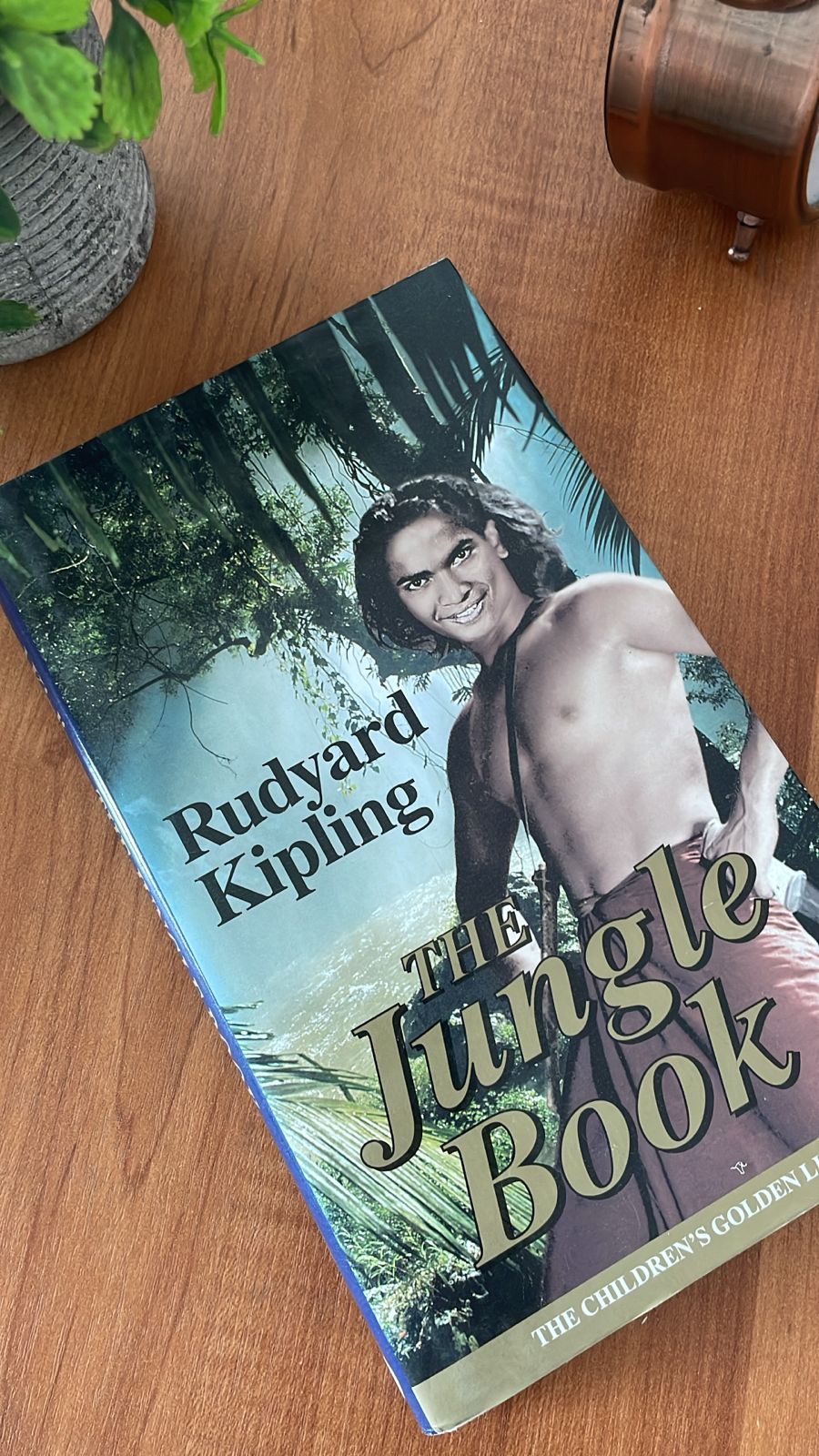
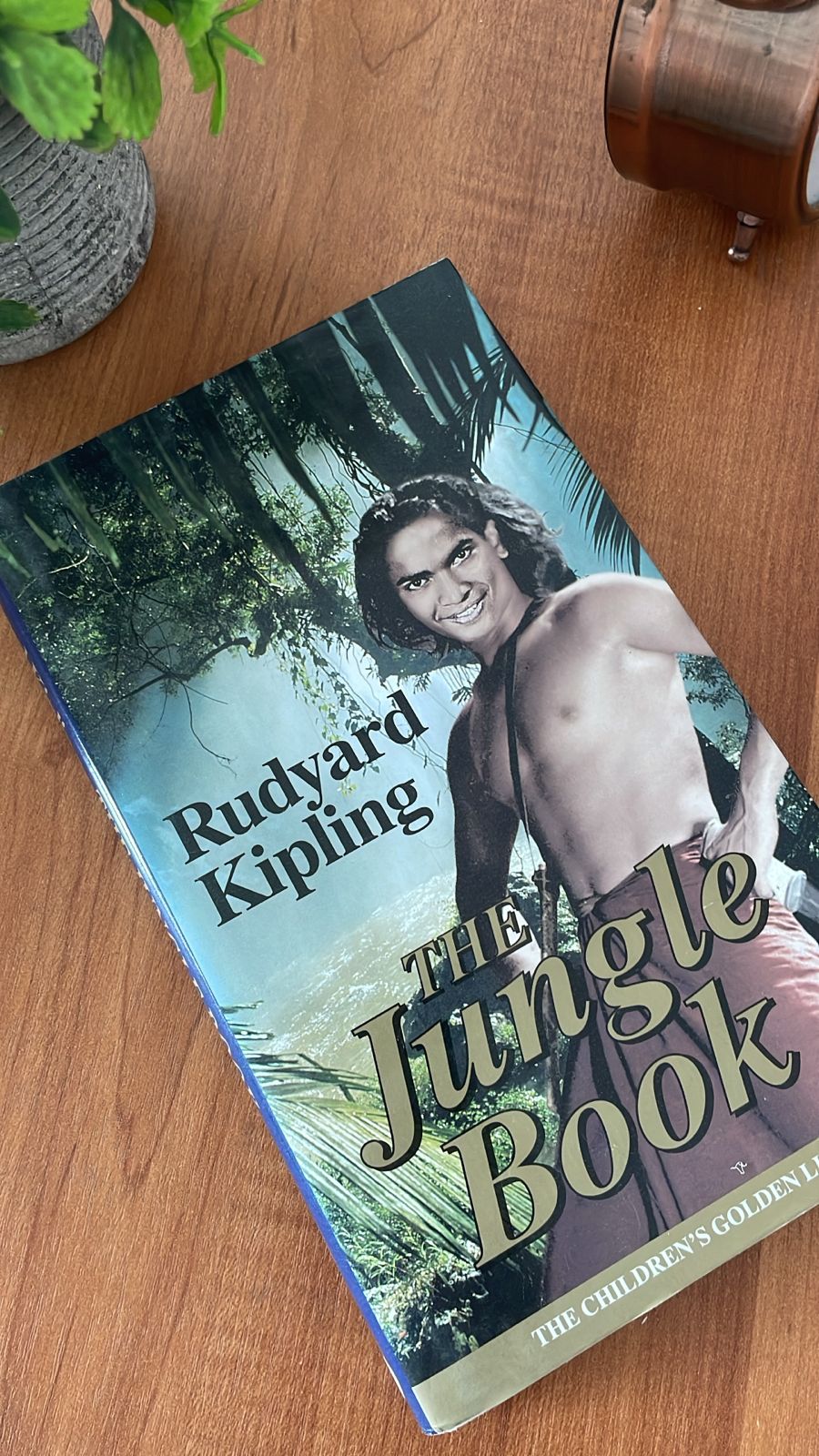


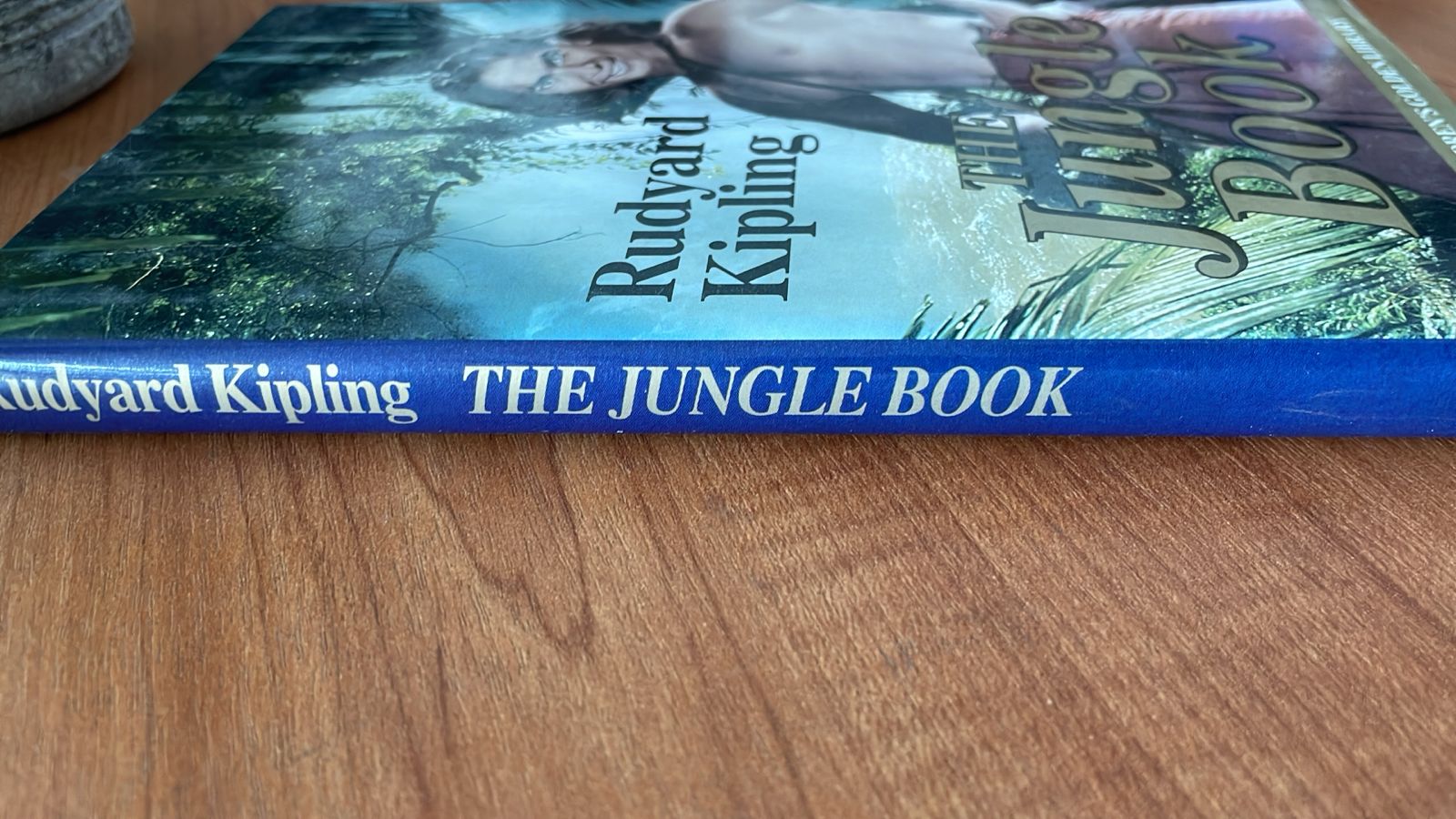
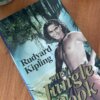


The Jungle Book by Rudyard Kipling

Original price was: රු2,400.00.රු1,900.00Current price is: රු1,900.00.
3 X Rs. 633.33 or 8% Cashback with


or 3 X රු633.33 with


or up to 4 X රු475.00 with


“Dive into the enchanting world of the ‘Jungle Book’ by Rudyard Kipling. This timeless classic takes you on a thrilling adventure through the jungles of India, where Mowgli, the man-cub raised by wolves, encounters a captivating array of animals and faces the challenges of the wild. Kipling’s vivid storytelling and memorable characters make this a must-read for all ages.
5 in stock
The Jungle Book by Rudyard Kipling is one of the most famous classics of children’s and adventure literature, bringing readers into a vivid world of jungles, animals, danger, friendship, courage, survival, loyalty and unforgettable storytelling.
First published in 1894, the book is a collection of interconnected and standalone stories featuring animals and human characters.
Its most famous stories follow Mowgli, a boy raised among wolves in the Indian jungle.
Mowgli learns the laws of the jungle with the help of powerful and memorable companions such as Baloo the bear and Bagheera the black panther.
But the jungle also contains enemies.
Most notably:
Shere Khan, the dangerous tiger who views Mowgli as a threat.
Through Mowgli’s adventures and the other stories collected in the book, Rudyard Kipling explores themes including:
Friendship.
Courage.
Belonging.
Identity.
Family.
Nature.
Survival.
Responsibility.
Loyalty.
Growing up.
The Jungle Book by Rudyard Kipling has influenced generations of readers and has inspired numerous films, television adaptations, animated productions and retellings.
It remains an excellent introduction to classic literature for readers who enjoy animal stories, adventure and imaginative worlds.
The Jungle Book by Rudyard Kipling – Book Overview
The Jungle Book by Rudyard Kipling is not simply one continuous Mowgli novel.
It is a collection of stories.
Several of its best-known tales centre on Mowgli and his life among the animals of the jungle, while others introduce different characters and adventures.
Among the stories are tales associated with:
- Mowgli
- Baloo
- Bagheera
- Shere Khan
- Kaa
- Rikki-Tikki-Tavi
- The White Seal
- Toomai
This variety makes the book especially enjoyable.
One story may focus on jungle survival.
Another may feature bravery.
Another may explore loyalty between animals and humans.
The collection creates a world in which animals speak, communities follow their own rules and every character has a distinct personality.
Mowgli
Mowgli is the most famous character associated with The Jungle Book by Rudyard Kipling.
He is a human child who grows up among wolves.
Instead of learning about the world from human society, Mowgli learns from the animals surrounding him.
This gives him a unique identity.
He is human.
But the jungle is also his home.
This creates one of the most important questions in his story:
Where does Mowgli truly belong?
His experiences explore the relationship between identity and community.
Mowgli learns that belonging is not always determined simply by birth.
It can also be shaped by:
Experience.
Friendship.
Love.
Responsibility.
Shared rules.
Baloo
Baloo is one of the most beloved characters in The Jungle Book by Rudyard Kipling.
He is the bear who helps teach Mowgli about the Law of the Jungle.
Baloo represents knowledge, teaching and guidance.
He cares deeply about Mowgli, but he also understands that jungle life requires discipline.
Survival is not simply about being strong.
Mowgli must understand:
Rules.
Warnings.
Animal calls.
Danger.
Respect.
Baloo’s role demonstrates the importance of education.
Knowledge can protect someone just as effectively as physical strength.
Bagheera
Bagheera is the powerful black panther who becomes another important protector and guide for Mowgli.
He is intelligent.
Experienced.
Strong.
Observant.
Bagheera understands both the dangers of the jungle and Mowgli’s unusual position within it.
Throughout The Jungle Book by Rudyard Kipling, Bagheera represents wisdom combined with strength.
He does not always need to fight.
Often, he understands situations before others do.
His relationship with Mowgli adds warmth and loyalty to the story.
Shere Khan
Every great adventure needs danger.
In Mowgli’s stories, much of that danger comes from Shere Khan.
Shere Khan is a tiger who becomes Mowgli’s most famous enemy.
He sees the human child as something that does not belong.
His presence creates tension throughout Mowgli’s jungle life.
Where Baloo and Bagheera protect and teach, Shere Khan threatens.
This conflict gives The Jungle Book by Rudyard Kipling much of its adventure and suspense.
Shere Khan is dangerous because he combines physical power with determination.
Mowgli must therefore rely on more than strength to survive.
He must use:
Intelligence.
Courage.
Knowledge of the jungle.
Support from allies.
Kaa
Kaa is another memorable animal from the jungle stories.
The enormous python adds mystery and danger to the world Kipling creates.
Kaa is powerful and intelligent.
His presence reminds readers that the jungle is not a simple place where animals can easily be divided into friendly and dangerous categories.
Different characters have different motivations.
This complexity makes the jungle feel like a functioning society rather than simply a background for adventure.
The Law of the Jungle
One of the most famous ideas associated with The Jungle Book by Rudyard Kipling is the Law of the Jungle.
The phrase is sometimes used today to suggest a world where only the strongest survive.
But within Kipling’s stories, the idea is more structured.
The animals have rules.
Responsibilities.
Traditions.
Expectations.
These laws help members of the jungle community live together.
Mowgli must learn these rules if he wants to survive.
The idea therefore connects strongly with:
Community.
Discipline.
Responsibility.
Respect.
Growing Up
Mowgli’s story is also a coming-of-age story.
He begins as a child.
He must gradually understand who he is.
Growing up requires more than becoming physically stronger.
He must learn:
When to trust.
When to fight.
When to listen.
When to make his own decisions.
The Jungle Book by Rudyard Kipling therefore works as both an adventure story and a story about maturity.
Belonging
Belonging is one of the strongest themes in the book.
Mowgli is human.
But he grows up among wolves.
This creates a tension between two worlds.
The jungle has raised him.
Yet he is different from the animals.
This raises questions that remain relevant to readers today:
What makes somewhere home?
Is family determined only by blood?
Can someone belong to more than one world?
The Jungle Book by Rudyard Kipling explores these ideas through adventure rather than heavy explanation.
Friendship
Mowgli survives because he is not alone.
Baloo teaches him.
Bagheera protects him.
The wolves become part of his family.
Different characters support him at different moments.
This makes friendship one of the central strengths of the story.
The book shows that courage does not always mean facing everything alone.
Sometimes strength comes from knowing who stands beside you.
Courage
Danger appears throughout The Jungle Book by Rudyard Kipling.
Mowgli faces threats that would frighten almost anyone.
But courage does not mean he never experiences fear.
It means he learns how to act despite danger.
Readers see courage in different forms:
Physical courage.
Moral courage.
Protecting others.
Standing up against enemies.
Making difficult choices.
Intelligence Over Strength
Many animals are physically stronger than Mowgli.
That means he cannot survive through strength alone.
He must think.
Observe.
Learn.
Plan.
This is an important lesson throughout The Jungle Book by Rudyard Kipling.
Intelligence can be more powerful than size.
Knowledge of the environment can defeat an apparently stronger opponent.
This makes Mowgli’s victories more satisfying because they often depend on understanding rather than brute force.
Family
Family in The Jungle Book is broader than traditional definitions.
Mowgli’s wolf family cares for him despite the fact that he is human.
Baloo and Bagheera become mentor-like figures.
These relationships suggest that family can also be created through:
Protection.
Care.
Loyalty.
Shared experience.
This is one reason Mowgli’s story continues to connect with readers.
Nature
The jungle is almost a character itself.
It is beautiful.
Dangerous.
Alive.
Unpredictable.
Animals hunt.
Communities cooperate.
Predators threaten.
Seasons change.
The Jungle Book by Rudyard Kipling presents nature as something that deserves attention and respect.
Mowgli survives because he learns how the jungle works.
Ignoring its rules can have consequences.
Rikki-Tikki-Tavi
One of the most famous non-Mowgli stories in The Jungle Book by Rudyard Kipling is Rikki-Tikki-Tavi.
This story follows a courageous mongoose.
Rikki-Tikki-Tavi becomes involved in protecting a human household from dangerous snakes.
The story has become a classic in its own right.
It explores:
Courage.
Duty.
Loyalty.
Quick thinking.
Protection.
Readers who know The Jungle Book only through Mowgli adaptations may be surprised to discover how much more the original collection contains.
The White Seal
Another story moves away from the jungle entirely.
The White Seal follows a young seal and explores danger, survival and the search for safety.
This story demonstrates the range of The Jungle Book by Rudyard Kipling.
Kipling does not limit the collection to one animal community.
Instead, he uses different creatures and environments to tell stories about courage, identity and survival.
Toomai of the Elephants
Toomai of the Elephants introduces another memorable side of Kipling’s world.
The story explores the relationship between humans and elephants and adds another layer of mystery and wonder to the collection.
Elephants are presented as intelligent and powerful creatures with lives beyond what humans easily understand.
This contributes to the sense that nature in The Jungle Book possesses its own secrets.
Animals With Human Personalities
One of the most memorable elements of the book is Kipling’s use of animal characters.
These animals speak and reason.
But they also retain characteristics associated with their species.
Baloo is not simply a human disguised as a bear.
Bagheera’s movements and power matter.
Shere Khan’s identity as a tiger creates real danger.
Kipling blends imagination with animal behaviour to create memorable personalities.
Adventure
Adventure runs throughout The Jungle Book by Rudyard Kipling.
Readers encounter:
Predators.
Escapes.
Battles.
Dangerous journeys.
Animal rivalries.
Unexpected challenges.
This makes the book especially appealing to young readers who enjoy fast-moving classic stories.
Classic Children’s Literature
Although adults can enjoy the book, The Jungle Book has become one of the most recognizable works of classic children’s literature.
Its combination of:
Adventure.
Animals.
Danger.
Humour.
Friendship.
Memorable characters.
makes it accessible to younger audiences.
At the same time, older readers can notice deeper themes around identity, society, belonging and responsibility.
Rudyard Kipling’s Storytelling
Rudyard Kipling’s storytelling combines adventure with imaginative world-building.
The animals have:
Rules.
Personalities.
Relationships.
Conflicts.
Communities.
This gives the jungle its own social structure.
Readers are not simply watching a child wandering through nature.
They are entering an entire world.
That is one reason The Jungle Book by Rudyard Kipling continues to be read more than a century after its original publication.
From Book to Film
The Jungle Book has inspired numerous adaptations.
The most famous include Disney’s animated The Jungle Book and later live-action and computer-generated adaptations.
Characters such as:
Mowgli.
Baloo.
Bagheera.
Shere Khan.
Kaa.
have become internationally recognizable.
However, the original The Jungle Book by Rudyard Kipling differs from many adaptations.
The book contains additional stories and sometimes presents characters and situations differently.
Readers familiar only with the films can therefore discover a much broader world in the original text.
Book Versus Disney Adaptations
Disney adaptations introduced millions of people to Mowgli.
But readers should not expect the original book to be identical.
Film adaptations often:
Change personalities.
Simplify storylines.
Add songs.
Combine events.
Remove characters.
Change tone.
The original The Jungle Book by Rudyard Kipling can feel darker and more adventurous in places.
It also includes stories beyond Mowgli’s adventures.
This makes reading the original worthwhile even for people who already know the films.
Is The Jungle Book Only About Mowgli?
No.
This is an important point.
Mowgli is the most famous character and several stories follow his adventures.
But The Jungle Book by Rudyard Kipling is a collection containing other stories as well.
These include famous tales such as:
Rikki-Tikki-Tavi
The White Seal
Toomai of the Elephants
Readers therefore get more than one type of adventure.
The Jungle Book and The Second Jungle Book
Readers who enjoy Mowgli’s adventures can continue with:
The Second Jungle Book
Published after the first collection, it contains additional stories, including more adventures associated with Mowgli.
Recommended reading order:
1. The Jungle Book
2. The Second Jungle Book
Starting with The Jungle Book by Rudyard Kipling provides the best introduction to Mowgli, the jungle characters and Kipling’s fictional world.
Timeless Characters
A major reason the book survives is its characters.
Baloo.
Bagheera.
Shere Khan.
Kaa.
Mowgli.
Rikki-Tikki-Tavi.
These names remain recognizable generations after publication.
Strong characters allow old stories to remain emotionally accessible even when language, culture and publishing styles change.
Lessons About Responsibility
Freedom in the jungle does not mean doing anything you want.
Characters belong to communities.
Communities have expectations.
Mowgli’s education involves understanding responsibility as well as survival.
This makes The Jungle Book by Rudyard Kipling a story about freedom balanced with duty.
Loyalty
Loyalty repeatedly determines who survives difficult situations.
Characters protect friends.
Stand beside family.
Support allies.
The contrast between loyalty and betrayal creates many of the book’s emotional moments.
Good and Evil Are Not Always Simple
Shere Khan clearly represents one of the major threats to Mowgli.
But the broader collection contains many animal characters whose motivations are more complicated.
Some help because it benefits them.
Some change sides.
Some follow their instincts.
This makes Kipling’s animal world more interesting than a simple division between heroes and villains.
A Book for Animal Lovers
Readers who enjoy stories about animals may particularly appreciate The Jungle Book by Rudyard Kipling.
Animals are not simply background characters.
They are central to the stories.
They have:
Voices.
Personalities.
Communities.
Responsibilities.
Relationships.
This gives the collection enormous appeal for readers fascinated by wildlife and nature.
7 Powerful Reasons to Read The Jungle Book
There are many reasons readers continue to enjoy The Jungle Book by Rudyard Kipling, but seven stand out:
- Mowgli’s adventure is unforgettable – A human boy raised by wolves creates one of literature’s most famous coming-of-age stories.
- The characters are iconic – Baloo, Bagheera, Shere Khan, Kaa and Mowgli have remained famous for generations.
- It combines adventure with meaningful themes – Friendship, courage, belonging, family, responsibility and identity appear throughout the stories.
- It contains more than the Mowgli story – Readers also discover classics such as Rikki-Tikki-Tavi, The White Seal and Toomai of the Elephants.
- The jungle feels like its own world – Animals have laws, relationships, communities and traditions.
- It is an important literary classic – The book has influenced generations of children’s literature and numerous adaptations.
- It appeals to different ages – Younger readers can enjoy the animals and adventures while older readers can explore deeper themes of identity, society and belonging.
Why Read The Jungle Book by Rudyard Kipling?
The Jungle Book by Rudyard Kipling is an excellent choice for readers interested in:
- Classic literature
- Children’s classics
- Adventure stories
- Animal stories
- Mowgli
- Baloo
- Bagheera
- Shere Khan
- Jungle adventures
- Friendship
- Courage
- Nature
- Coming-of-age stories
- Family
- Survival
- Disney adaptations
It is particularly suitable for readers who want to discover the original stories behind characters they may already know from film and television.
Who Should Read This Book?
The Jungle Book by Rudyard Kipling may especially appeal to:
- Young readers
- Classic-literature readers
- Adventure fans
- Animal lovers
- Parents buying classics for children
- Teachers and students
- Readers interested in Mowgli
- Disney fans
- Readers who enjoy short-story collections
- Fans of coming-of-age stories
- Readers interested in nature and wildlife
- Collectors of classic literature
Enter the Legendary World of Mowgli and the Jungle
The Jungle Book by Rudyard Kipling has remained famous because its stories combine imagination with timeless human themes.
Mowgli may grow up among animals, but his questions are deeply human.
Who am I?
Where do I belong?
Who can I trust?
What does it mean to grow up?
Baloo teaches.
Bagheera protects.
Shere Khan threatens.
The wolves provide family.
The jungle itself challenges Mowgli to become stronger, wiser and more independent.
Beyond Mowgli, readers encounter brave mongooses, mysterious elephants, seals and other unforgettable characters.
Together, these stories create a collection filled with:
Adventure.
Danger.
Friendship.
Nature.
Courage.
Loyalty.
And imagination.
For children discovering classic literature, adults revisiting a childhood favourite, Disney fans curious about the original source material, or anyone who enjoys adventurous animal stories, The Jungle Book by Rudyard Kipling remains a timeless and rewarding read.
Learn more about The Jungle Book by Rudyard Kipling on the official Penguin website.
Explore more classic and children’s books at Bargain Books.
| Author | Rudyard Kipling |
|---|---|
| Type | Paperback Printed Book |
| ISBN/ISSN | 8172344228, 978-8172344221 |
| Language | English |
| Pages | 176 |
Be the first to review “The Jungle Book by Rudyard Kipling”
Related products
Damaged & Imperfect Books
රු1,300.00
3 X Rs. 433.33 or 8% Cashback with
or 3 X රු433.33 with
or up to 4 X රු325.00 with
Damaged & Imperfect Books
රු1,300.00
3 X Rs. 433.33 or 8% Cashback with
or 3 X රු433.33 with
or up to 4 X රු325.00 with
Damaged & Imperfect Books
රු1,300.00
3 X Rs. 433.33 or 8% Cashback with
or 3 X රු433.33 with
or up to 4 X රු325.00 with
Damaged & Imperfect Books
රු1,300.00
3 X Rs. 433.33 or 8% Cashback with
or 3 X රු433.33 with
or up to 4 X රු325.00 with
Damaged & Imperfect Books
රු1,300.00
3 X Rs. 433.33 or 8% Cashback with
or 3 X රු433.33 with
or up to 4 X රු325.00 with
-10%
Out of stock
Children & Young Adult
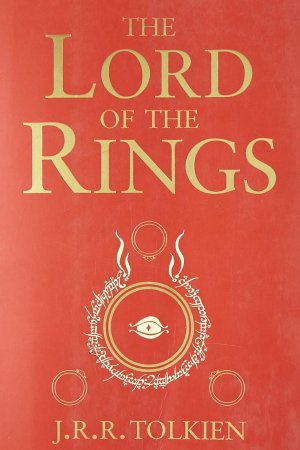
Lord of the rings triology (Single Book) by J. R. R. Tolkien
Original price was: රු5,000.00.රු4,500.00Current price is: රු4,500.00.
3 X Rs. 1,500.00 or 8% Cashback with
or 3 X රු1,500.00 with
or up to 4 X රු1,125.00 with
Damaged & Imperfect Books
රු1,300.00
3 X Rs. 433.33 or 8% Cashback with
or 3 X රු433.33 with
or up to 4 X රු325.00 with
Out of stock
Children & Young Adult
රු1,750.00
3 X Rs. 583.33 or 8% Cashback with
or 3 X රු583.33 with
or up to 4 X රු437.50 with
Reviews
There are no reviews yet.