
No products in the cart.
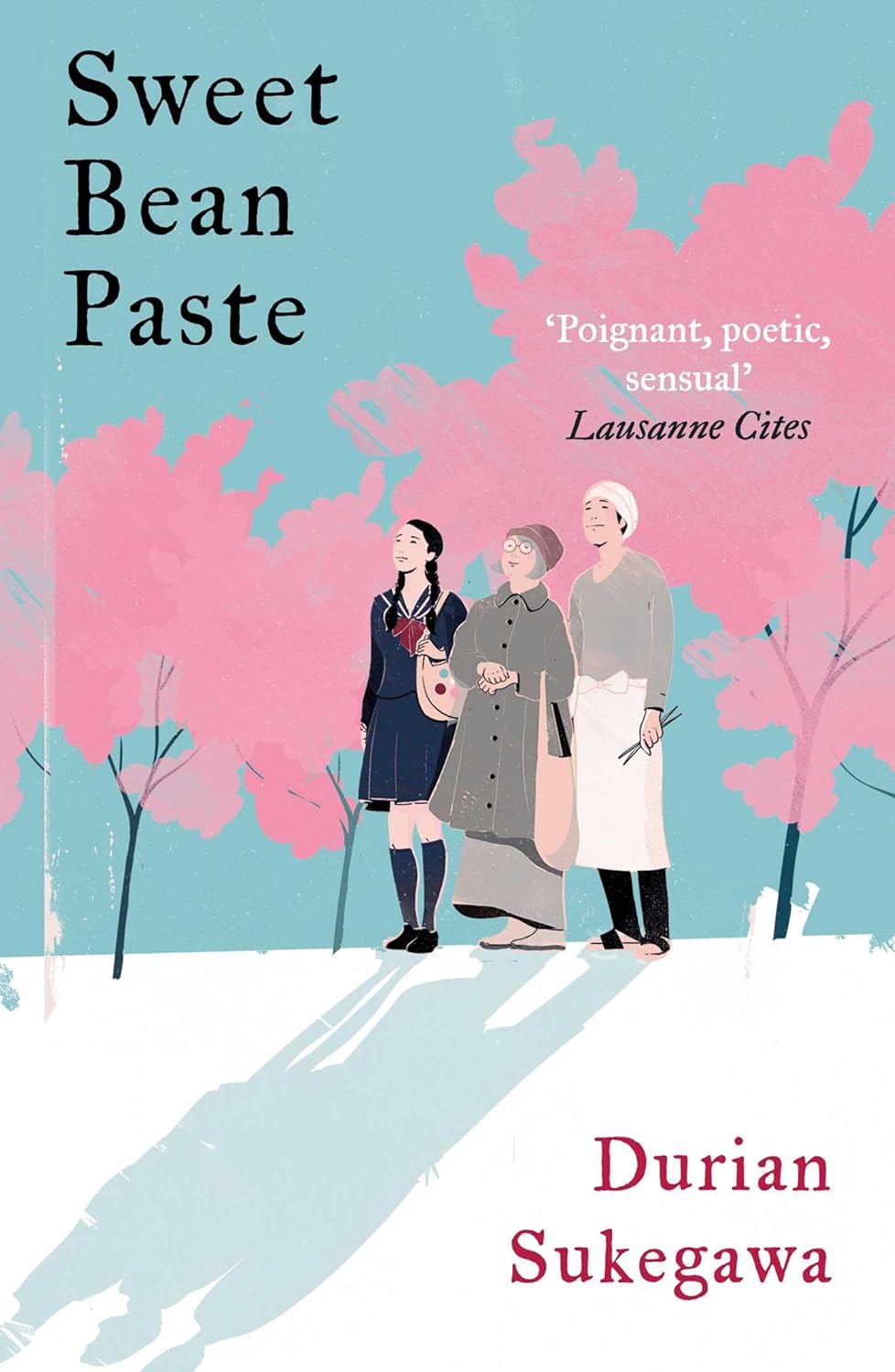
Sweet Bean Paste: The International Bestseller by Durian Sukegawa – A Heartwarming Tale of Friendship and Redemption


රු1,600.00
3 X Rs. 533.33 or 8% Cashback with


or 3 X රු533.33 with


or up to 4 X රු400.00 with


Sweet Bean Paste: The International Bestseller by Durian Sukegawa is a beautifully poignant novel about life, love, and human connection. Set in a small Tokyo dorayaki shop, the story follows the unlikely relationship between a lonely man, a mysterious older woman, and a young girl, all bound together by the art of making sweet bean paste. This touching narrative, translated by Alison Watts, explores themes of acceptance, redemption, and the power of simple acts of kindness.
Emotionally Powerful Story: The novel explores themes of love, loss, forgiveness, and redemption, offering readers a deeply emotional journey.
Beautifully Crafted Relationships: At the heart of the book is the unlikely bond between Sentaro, an isolated shopkeeper, Tokue, an elderly woman with a tragic past, and Keiko, a young girl. Their relationships evolve as they come together through their shared love of making sweet bean paste.
Themes of Human Connection: The book emphasizes the power of human connection and the unexpected ways that people can touch each other’s lives, even in the most ordinary of settings.
Rich Cultural Setting: Set in a small Tokyo dorayaki shop, the novel provides a vivid depiction of Japanese culture, especially the tradition of making sweet bean paste, which serves as a metaphor for healing and transformation.
Lyrical, Thoughtful Writing: Durian Sukegawa’s prose, translated by Alison Watts, is poetic and reflective, drawing readers into the emotional depth of the story.
A Journey of Healing: The story illustrates how personal scars and painful pasts can be healed through kindness, understanding, and shared experiences.
Sensory and Evocative Descriptions: The novel immerses readers in the sensory world of food, particularly the art of making sweet bean paste, capturing the sensory beauty of the process and its symbolic role in life’s emotional transformations.
A Unique and Inspiring Character Arc: Tokue’s backstory, full of tragedy and resilience, brings a unique and inspiring perspective to the novel, showing how one can find beauty and purpose despite life’s hardships.
Universally Relatable Themes: The book resonates universally, as it deals with issues such as aging, loneliness, the desire for acceptance, and the redemptive power of love and human connection.
An International Bestseller: As a widely praised bestseller, Sweet Bean Paste has captured the hearts of readers globally, making it a must-read for fans of literary fiction and stories about human resilience and connection.
These highlights showcase Sweet Bean Paste as a touching, soul-stirring novel that blends heartfelt storytelling with themes of healing, human connection, and the beauty of life’s simplest moments.
Out of stock
Email when stock available
Sweet Bean Paste by Durian Sukegawa
Sweet Bean Paste by Durian Sukegawa is a quiet, deeply moving Japanese novel about friendship, loneliness, social prejudice, second chances, and the small moments that give life meaning.
The story centers on Sentaro.
He works in a small dorayaki shop, making the popular Japanese pancakes filled with sweet red bean paste.
Sentaro is not passionate about the job.
He is simply trying to get through each day.
Then an elderly woman named Tokue enters his life.
That meeting changes everything.
About Sweet Bean Paste
Sweet Bean Paste begins with Sentaro living a repetitive and emotionally empty life.
His past has left him with regret.
His present feels limited.
He spends his days preparing dorayaki and serving customers, without much hope that anything will change.
Tokue is very different.
She is elderly, cheerful, observant, and deeply skilled at making an, the sweet red bean paste used in dorayaki.
She asks Sentaro for a job.
At first, he is reluctant.
But after tasting her bean paste, he realizes that she has an extraordinary ability.
The Art of Making Sweet Bean Paste
Tokue does not treat cooking as a mechanical task.
She pays attention to the beans.
She respects the ingredients.
She believes that food should be prepared patiently.
Her approach is slow and careful.
This surprises Sentaro.
He is used to completing the job quickly.
Tokue teaches him that the process matters.
The quality of the food begins to improve.
So does the shop.
7 Powerful Reasons to Read Sweet Bean Paste
1. A Beautiful Story About Friendship
The relationship between Sentaro and Tokue is at the heart of the novel.
They come from very different stages of life.
Yet they gradually understand each other.
Their friendship is quiet.
It develops through work, conversation, and shared routines.
This makes it feel natural and sincere.
2. A Powerful Story About Stigma
Sweet Bean Paste explores the way society can isolate people because of illness and prejudice.
Tokue has experienced discrimination for much of her life.
Her story reveals how fear and misunderstanding can separate people from communities.
The novel approaches this subject with compassion rather than sensationalism.
3. Food Becomes More Than Food
Dorayaki is not simply part of the setting.
It becomes a symbol of care.
Tokue’s method of preparing sweet bean paste reflects her approach to life.
She pays attention.
She listens.
She respects what is in front of her.
The food carries that patience.
4. Small Moments Matter
This is not a story built around constant action.
Its strength comes from ordinary moments.
Cooking.
Listening.
Watching the seasons change.
Sharing food.
These moments gradually become meaningful.
The novel reminds readers that a quiet life can still contain beauty.
5. The Characters Feel Human
Sentaro is imperfect.
He is tired, uncertain, and carrying regret.
Tokue is warm, but her life has also been shaped by pain.
Neither character is presented as simple.
Their humanity makes the story emotionally powerful.
6. It Explores Second Chances
Both Sentaro and Tokue have experienced lives that did not follow the paths they expected.
The novel asks whether people can still find meaning after disappointment.
The answer is not simple.
But the story suggests that new connections can change how people see themselves.
7. It Encourages Compassion
One of the strongest lessons in Sweet Bean Paste is the importance of seeing people beyond labels.
A person may be judged by illness.
Another may be judged by past mistakes.
But those labels do not describe an entire life.
The novel encourages readers to look more closely.
Meet Sentaro
Sentaro is the manager of the dorayaki shop.
He does not own the business.
He works there partly because of obligations connected to his past.
His life feels stuck.
He is not particularly hopeful.
He also does not expect much from the future.
Tokue changes his routine.
At first, he sees her mainly as an unusual elderly woman who wants a job.
Later, he begins to see her as someone with wisdom and experience he has never encountered before.
Meet Tokue
Tokue is one of the most memorable characters in the novel.
She is patient.
She is kind.
She notices things other people ignore.
Her skill at making sweet bean paste gives her a way to contribute.
But she also carries a painful history.
The gradual revelation of that history gives the novel emotional depth.
Prejudice and Isolation
A major theme in Sweet Bean Paste is social exclusion.
Tokue’s life has been shaped by the stigma surrounding Hansen’s disease, historically known as leprosy.
For many years, people with the condition faced severe discrimination and forced isolation in Japan.
The novel uses Tokue’s experience to explore what happens when society treats people as problems rather than individuals.
This history gives the story serious emotional weight.
Listening to the World
Tokue often encourages a different way of paying attention to life.
She listens to nature.
She notices trees.
She watches the seasons.
She treats ordinary things with respect.
Sentaro begins to see the world differently because of her.
This theme gives the book a reflective quality.
The story asks readers to slow down.
The Meaning of Work
At first, Sentaro treats his job as something to endure.
Tokue sees work differently.
Making bean paste can be meaningful.
Cooking can be an act of care.
Serving food can connect people.
This shift changes how Sentaro thinks about the shop.
The job itself does not completely change.
His relationship to it does.
Food and Memory
Food often carries memory.
A smell can remind someone of childhood.
A taste can bring back a person.
In Sweet Bean Paste, dorayaki becomes connected to friendship and transformation.
The act of cooking creates memory.
That makes food part of the emotional structure of the novel.
A Quiet but Emotional Novel
Readers looking for fast action may find the pace gentle.
That is intentional.
The story develops slowly.
Its emotional effect comes from accumulation.
Small details gradually become important.
By the end, ordinary moments feel much more meaningful.
Who Should Read This Book?
Sweet Bean Paste is ideal for readers who enjoy literary fiction, Japanese fiction, emotional stories, and character-driven novels.
It may especially appeal to readers who enjoy quiet books with strong themes.
Fans of stories about food, friendship, healing, and second chances may also appreciate it.
Readers who enjoyed books such as Before the Coffee Gets Cold may find a similar gentle emotional atmosphere.
About Durian Sukegawa
Durian Sukegawa is a Japanese author, poet, performer, and broadcaster.
His writing often explores human dignity, social exclusion, and the emotional lives of ordinary people.
Sweet Bean Paste became internationally known and was adapted into the film An, directed by Naomi Kawase.
Readers can learn more about the English-language edition through the official Oneworld Publications page.
Product Details
Title: Sweet Bean Paste
Author: Durian Sukegawa
Translator: Alison Watts
Genre: Literary Fiction / Japanese Fiction / Contemporary Fiction
Language: English
Original Japanese Title: An
Original Publication: 2013
English Publisher: Oneworld Publications
A commonly sold English paperback edition carries ISBN 9781786071958.
Page counts may vary slightly by edition.
Always check the ISBN, format, and page count printed on your physical copy before entering final WooCommerce specifications.
Explore More Fiction Books
Sweet Bean Paste is ultimately a story about being seen.
Tokue wants to be treated as a person.
Sentaro wants to escape the weight of his past.
Their friendship gives both of them something important.
It gives them connection.
It gives them purpose.
And it changes the way they understand life.
Readers interested in more emotional and character-driven novels can explore Fiction & Literature Books at Bargain Books.
For readers who appreciate quiet storytelling, meaningful friendships, food-centered fiction, and stories about compassion, Sweet Bean Paste is a deeply rewarding novel.

Be the first to review “Sweet Bean Paste: The International Bestseller by Durian Sukegawa – A Heartwarming Tale of Friendship and Redemption”
Related products

Contemporary Fiction
රු1,900.00
3 X Rs. 633.33 or 8% Cashback with
or 3 X රු633.33 with
or up to 4 X රු475.00 with
-7%

Contemporary Fiction
Original price was: රු2,700.00.රු2,500.00Current price is: රු2,500.00.
3 X Rs. 833.33 or 8% Cashback with
or 3 X රු833.33 with
or up to 4 X රු625.00 with
-28%

Out of stock
Contemporary Fiction
Original price was: රු1,800.00.රු1,300.00Current price is: රු1,300.00.
3 X Rs. 433.33 or 8% Cashback with
or 3 X රු433.33 with
or up to 4 X රු325.00 with

Contemporary Fiction
රු3,050.00
3 X Rs. 1,016.67 or 8% Cashback with
or 3 X රු1,016.67 with
or up to 4 X රු762.50 with

Contemporary Fiction
රු2,400.00
3 X Rs. 800.00 or 8% Cashback with
or 3 X රු800.00 with
or up to 4 X රු600.00 with
-20%
Out of stock
Contemporary Fiction
Original price was: රු2,000.00.රු1,600.00Current price is: රු1,600.00.
3 X Rs. 533.33 or 8% Cashback with
or 3 X රු533.33 with
or up to 4 X රු400.00 with
-29%

Classics & Literary Fiction
Original price was: රු2,100.00.රු1,500.00Current price is: රු1,500.00.
3 X Rs. 500.00 or 8% Cashback with
or 3 X රු500.00 with
or up to 4 X රු375.00 with

Contemporary Fiction
රු1,900.00
3 X Rs. 633.33 or 8% Cashback with
or 3 X රු633.33 with
or up to 4 X රු475.00 with
Reviews
There are no reviews yet.