
No products in the cart.
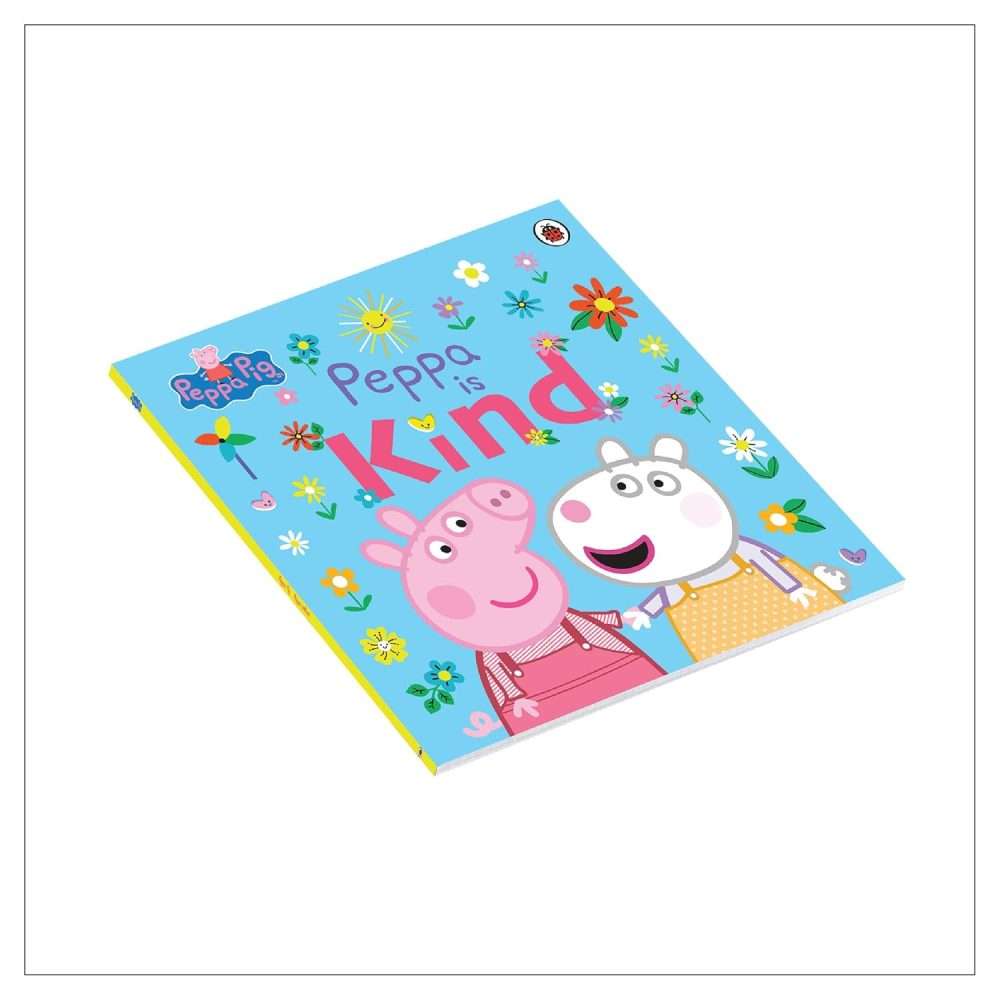
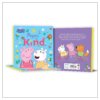
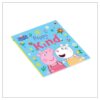
Peppa Pig: Peppa Is Kind
රු2,500.00
3 X Rs. 833.33 or 8% Cashback with


or 3 X රු833.33 with


or up to 4 X රු625.00 with


| Specification | Detail |
|---|---|
| Title | Peppa Pig: Peppa Is Kind |
| Author / Brand | Peppa Pig (licensed from the TV series) |
| Publisher / Imprint | Ladybird, Penguin Random House |
| Publication Date | 30 December 2021 |
| ISBN‑13 | 978‑0241476215 |
| Pages | 32 pages |
| Format | Paperback |
| Recommended Age | Around 3+ years (early years / preschool) |
| Dimensions | 25.4 cm × 24.9 cm × 0.5 cm |
| Weight | 200 g |
5 in stock
Peppa Pig: Peppa Is Kind
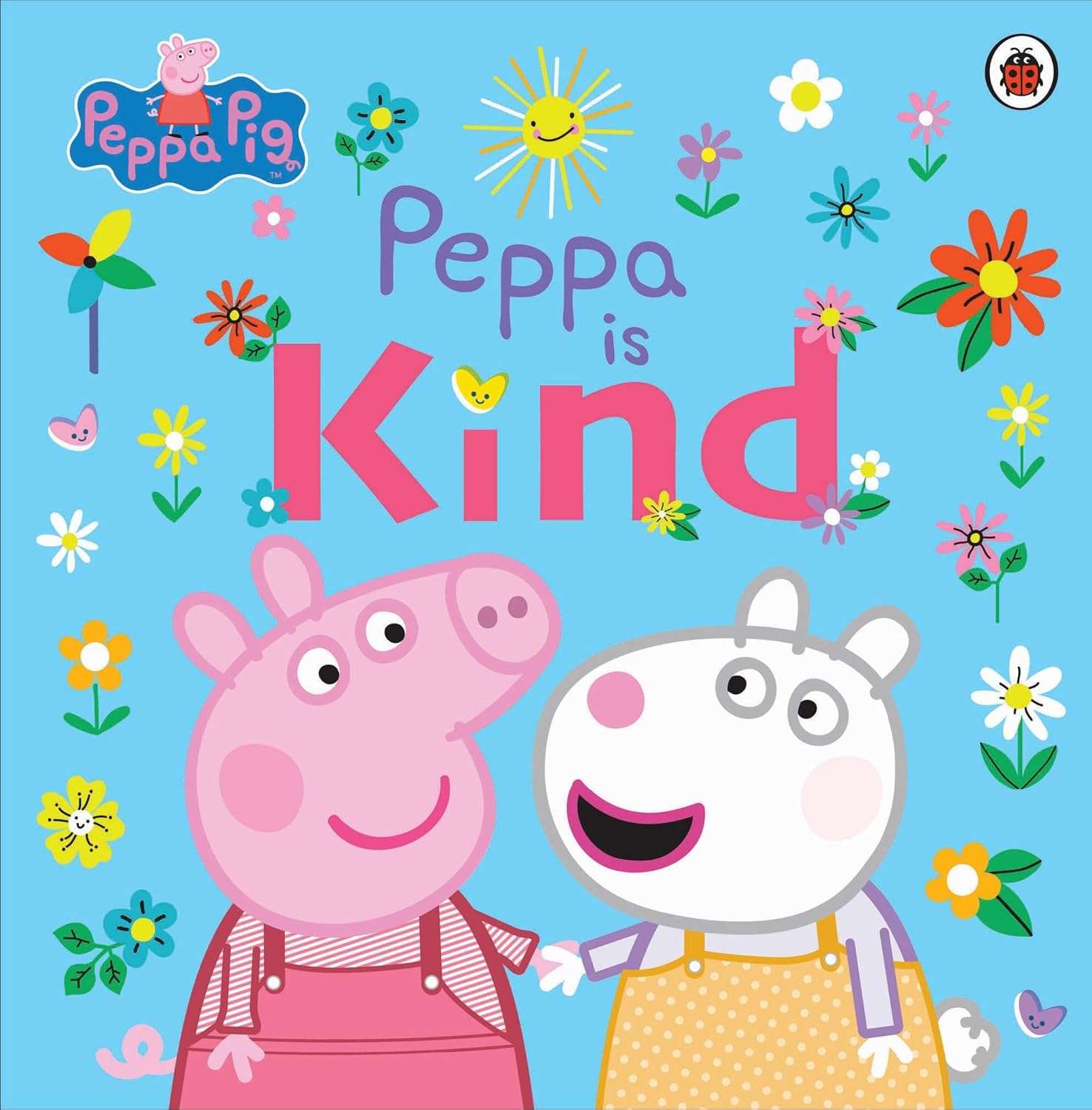
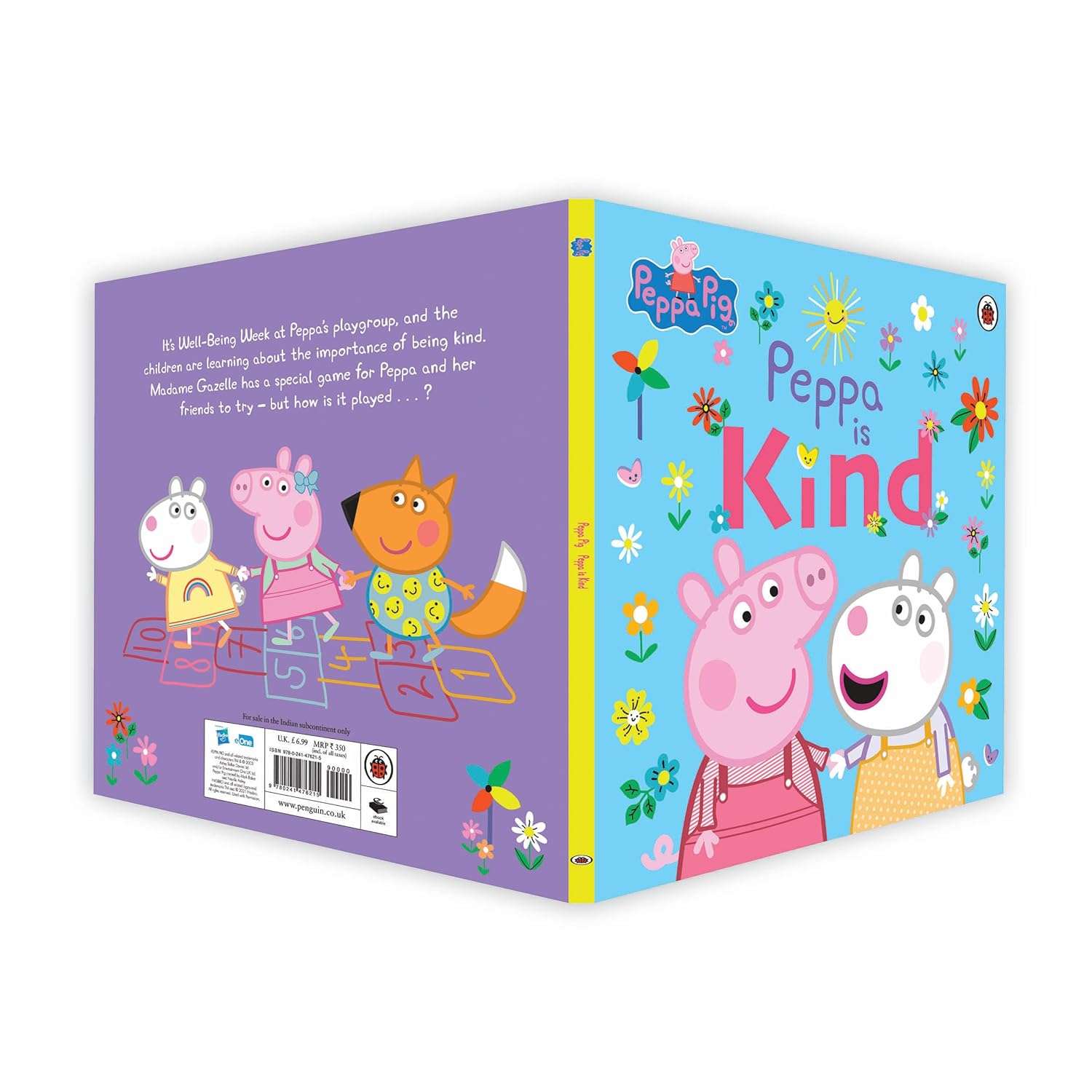
Peppa Pig: Peppa Is Kind is a gentle and uplifting picture book about kindness, empathy, feelings, and friendship. During Well-Being Week at playgroup, Peppa and her friends learn how to recognise when someone feels happy or sad and discover how thoughtful actions can make other people feel better.
Peppa develops a brilliant idea for spreading kindness everywhere. Through smiles, caring gestures, and attention to her friends’ feelings, she shows young children that kindness does not always need to be a grand action. Even something small can make a meaningful difference.
Created for children from approximately three years old, this heartwarming story is ideal for reading at home, in a nursery, or during a classroom discussion about emotions and positive behaviour.
The story takes place during Well-Being Week, when Peppa and her playgroup friends are learning about emotional health, friendship, and caring for others.
Young children experience many emotions but may not always know how to identify or describe them. Peppa’s playgroup activity provides an accessible way to introduce words connected with feelings.
Adults can discuss emotions such as:
- Happy
- Sad
- Excited
- Worried
- Lonely
- Calm
- Angry
- Proud
- Disappointed
- Loved
Children can practise matching these words with facial expressions or familiar experiences. They may also learn that different people can feel differently in the same situation.
An important part of kindness is noticing when someone may need support. Peppa and her friends talk about how they can recognise happiness and sadness.
Parents can encourage children to observe clues such as:
- Facial expressions
- Tone of voice
- Body language
- Whether someone is joining an activity
- Changes in usual behaviour
- Words the person uses
Adults should also explain that appearances do not always reveal exactly how someone feels. The kindest response may be to ask gently rather than make an assumption.
Useful questions include:
- “How do you think this character feels?”
- “What clues can you see?”
- “What could Peppa say?”
- “How would you help a sad friend?”
- “What makes you feel happy?”
- “Who can you talk to when you feel worried?”
Peppa Is Kind shows that simple actions can have a positive effect. Preschool children may not be able to solve every problem, but they can learn age-appropriate ways to care for others.
Examples of everyday kindness include:
- Smiling at someone
- Saying hello
- Sharing fairly
- Inviting someone to play
- Listening when a friend speaks
- Helping with a simple task
- Using polite words
- Comforting someone who feels sad
- Saying thank you
- Giving a sincere compliment
- Apologising after causing hurt
- Taking care of shared belongings
Adults can explain that genuine kindness involves respecting the other person. For example, children should ask before hugging because not everyone wants physical contact.
After discussing emotions and friendship, Peppa thinks of a way to spread kindness beyond a single moment. This gives the story a positive sense of purpose and encourages children to think about what they can do in their own lives.
Families or classrooms could create a simple kindness activity inspired by Peppa. Children might:
- Draw a picture for someone
- Help put toys away
- Thank a teacher
- Welcome a new child
- Make a kindness card
- Say something encouraging
- Help care for a plant
- Choose a book to share
- Complete an age-appropriate household task
The activity should focus on thoughtfulness rather than prizes or competition.
Empathy involves trying to understand another person’s feelings and responding with care. Preschool children are still developing this ability, so concrete examples can be helpful.
Adults can explain empathy using familiar situations:
- A friend falls and feels upset.
- Someone is left out of a game.
- A child loses a favourite object.
- A classmate feels nervous on their first day.
- A sibling feels disappointed.
- Someone is happy about an achievement.
Children can discuss what each person may feel and what a kind response might look like.
The purpose is not to make children responsible for managing everyone else’s emotions. Instead, it is to help them notice feelings, respond respectfully, and ask a trusted adult for help when a situation is beyond their ability.
Kindness also includes listening when children talk about their own emotions. Peppa Pig: Peppa Is Kind gives parents and caregivers a natural starting point for these conversations.
Adults can ask:
- “How are you feeling today?”
- “What made you smile?”
- “Did anything make you feel sad?”
- “What helps when you are worried?”
- “Who could you ask for help?”
- “What kind thing did someone do for you?”
- “What kind thing did you do?”
Children should know that all feelings are valid, even when certain behaviours are not acceptable. For example, feeling angry is normal, but hurting someone is not.
The story supports discussions about behaviours that help children participate in families, friendships, and classrooms.
These social skills include:
- Listening
- Taking turns
- Cooperating
- Sharing
- Respecting boundaries
- Speaking politely
- Including others
- Asking before taking something
- Offering help
- Repairing relationships after disagreements
Children need time, modelling, and repeated practice to develop these abilities. Reading about Peppa provides one helpful example, but adults also play an important role by demonstrating kindness in everyday life.
Sharing Peppa Is Kind may support:
- Emotional vocabulary
- Recognition of feelings
- Empathy
- Listening and concentration
- Story comprehension
- Social awareness
- Positive communication
- Friendship skills
- Conflict discussion
- Reflective thinking
The colourful pictures and familiar characters keep these important topics accessible to young readers.
Children should not be taught that being kind means agreeing to everything or ignoring their own discomfort. Healthy kindness includes personal boundaries and the ability to seek adult help.
Adults can explain that children may:
- Say no to unwanted physical contact
- Tell someone to stop an unsafe action
- Ask an adult for assistance
- Move away from unkind behaviour
- Express their own feelings respectfully
- Choose not to share personal or special items in certain situations
This balanced message helps children understand that caring for others and caring for themselves can exist together.
The Well-Being Week setting makes this book especially suitable for group reading in nurseries, preschools, and early primary classrooms.
Educators can use it to introduce:
- Feelings
- Friendship
- Kindness
- Classroom cooperation
- Inclusion
- Emotional wellbeing
- Respectful communication
After reading, children might draw a kind action, share an example, or work together to create a simple classroom kindness display.
At home, the story can become part of a calm bedtime routine or be revisited after a difficult social experience.
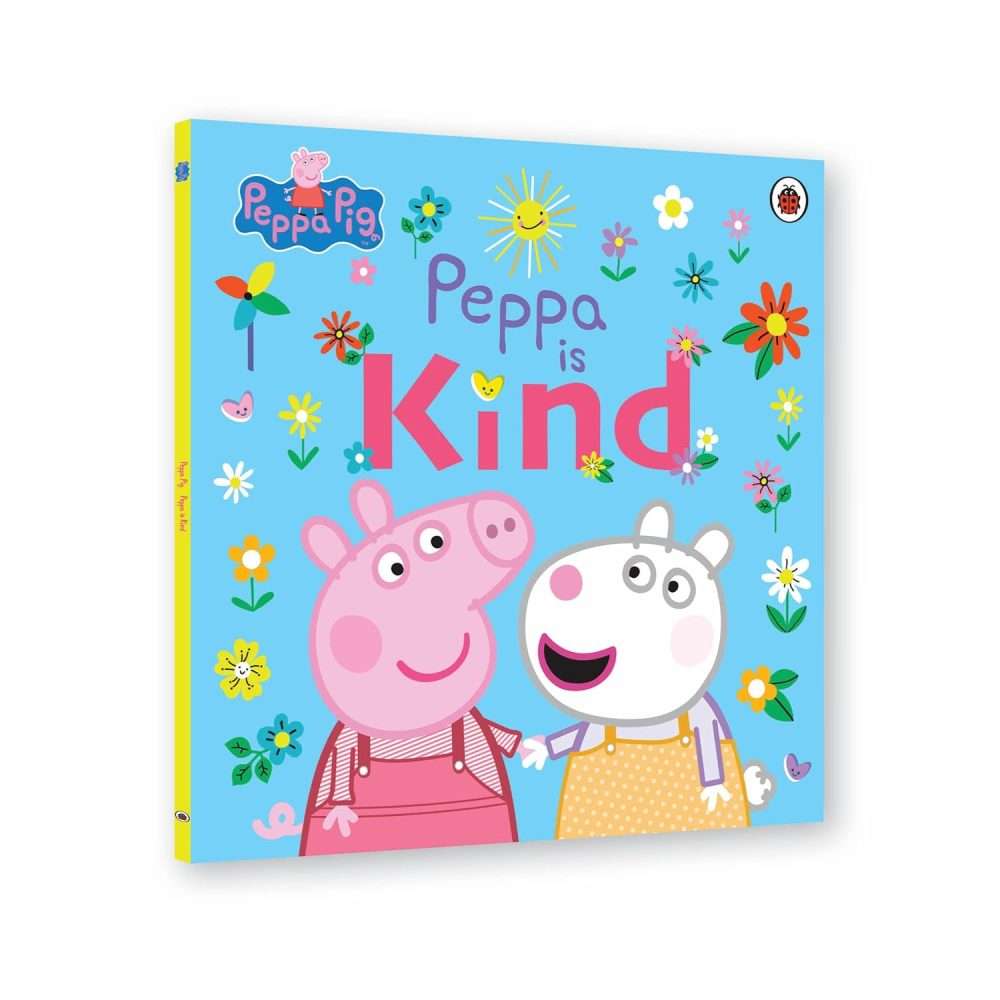
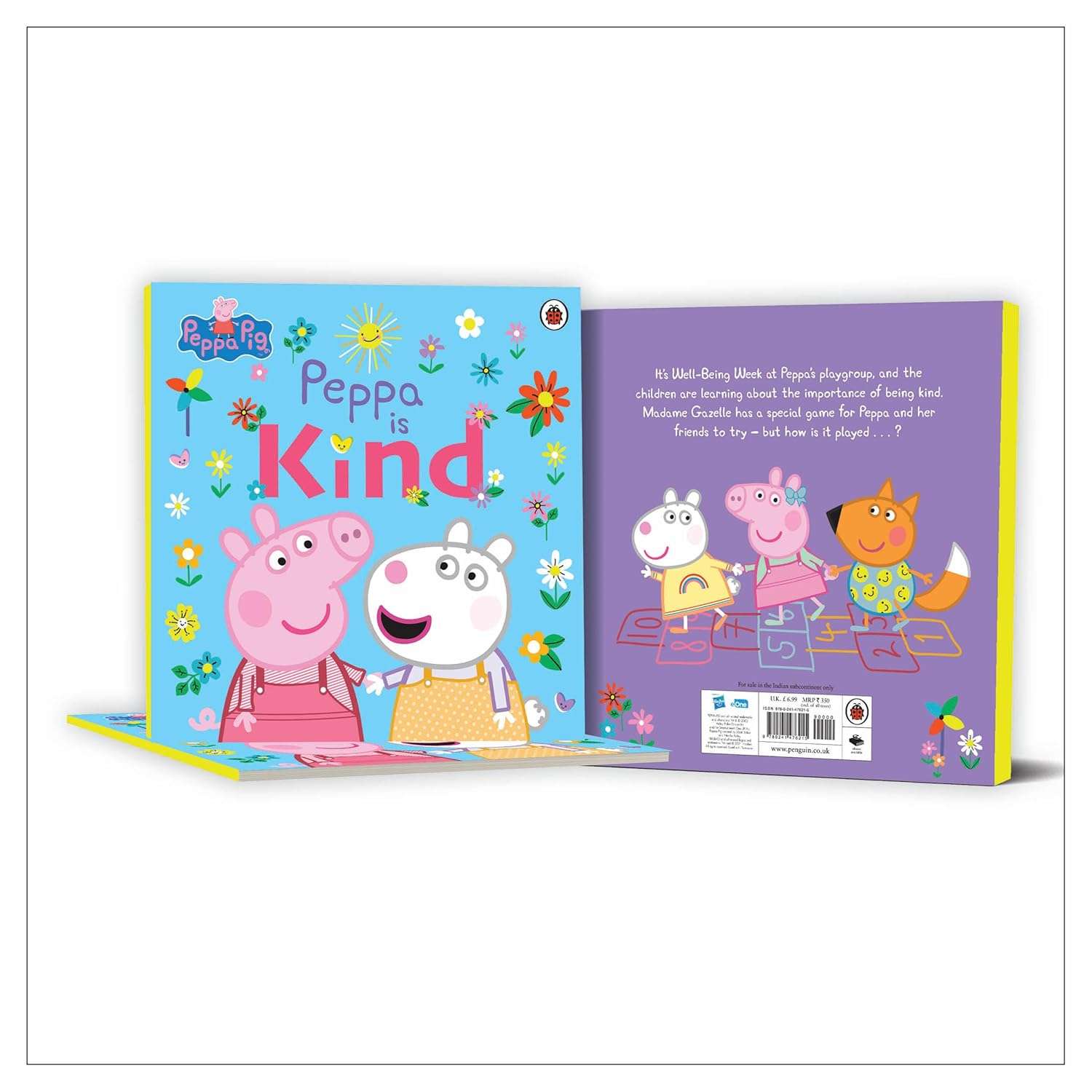
The approximately 25 cm square paperback format provides generous space for the colourful illustrations. The pictures can be seen clearly during family reading or a small classroom story session.
The 32-page length allows the story to explore its emotional theme in more detail while remaining manageable for preschool children.
Because this is a paperback picture book, younger readers should be encouraged to turn its pages carefully.
Peppa Pig: Peppa Is Kind makes a thoughtful present for:
- Children aged three years and above
- Young Peppa Pig fans
- Preschoolers learning about feelings
- Children developing friendship skills
- Families discussing kindness
- Nurseries and classroom libraries
- Birthday or Christmas gifts
- Early-years emotional-development collections
Its positive message gives the book lasting value beyond a single reading.
Peppa Pig is a popular preschool character who lives with Mummy Pig, Daddy Pig, and her little brother George. Her stories explore family activities, friendships, playgroup experiences, celebrations, and other familiar parts of childhood.
Peppa Pig books use accessible language, colourful illustrations, gentle humour, and recognisable situations to help young children explore stories and early-learning concepts.
This book is suitable for:
- Children from approximately three years old
- Toddlers and preschool readers
- Peppa Pig and George fans
- Children learning to name emotions
- Families discussing empathy
- Preschool teachers and caregivers
- Children experiencing friendship challenges
- Anyone looking for an uplifting read-aloud story
These details and the story information are confirmed by the official Penguin UK publication page.
Be the first to review “Peppa Pig: Peppa Is Kind”
Related products

Out of stock
Children & Young Adult
Famous Five: Five Go to Smuggler’s Top – Book 4 by Enid Blyton
රු800.00
3 X Rs. 266.67 or 8% Cashback with
or 3 X රු266.67 with
or up to 4 X රු200.00 with
Out of stock
Children & Young Adult
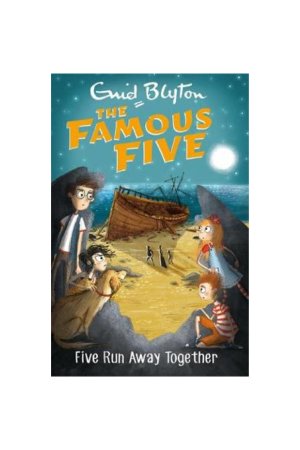
Famous Five: Five Run Away Together (Book 3) by Enid Blyton | Paperback Edition
රු800.00
3 X Rs. 266.67 or 8% Cashback with
or 3 X රු266.67 with
or up to 4 X රු200.00 with

Out of stock
Children & Young Adult
රු1,750.00
3 X Rs. 583.33 or 8% Cashback with
or 3 X රු583.33 with
or up to 4 X රු437.50 with
Out of stock
Children & Young Adult
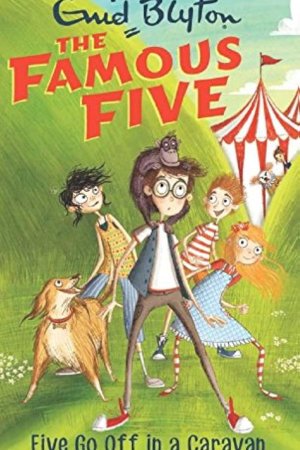
Famous Five: Five Go Off in a Caravan – Book 5 by Enid Blyton | Classic Children’s Adventure
රු800.00
3 X Rs. 266.67 or 8% Cashback with
or 3 X රු266.67 with
or up to 4 X රු200.00 with
Out of stock
Children & Young Adult
රු2,100.00
3 X Rs. 700.00 or 8% Cashback with
or 3 X රු700.00 with
or up to 4 X රු525.00 with
-21%
Children & Young Adult
Original price was: රු2,400.00.රු1,900.00Current price is: රු1,900.00.
3 X Rs. 633.33 or 8% Cashback with
or 3 X රු633.33 with
or up to 4 X රු475.00 with
Out of stock
Children & Young Adult
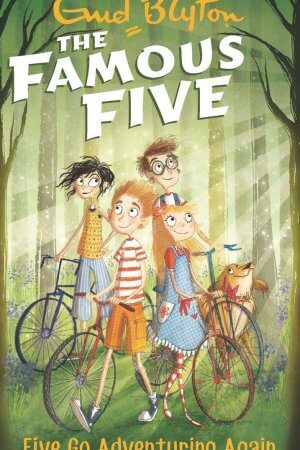
Famous Five: Five Go Adventuring Again by Enid Blyton | Book 2 of the Classic Adventure Series
රු800.00
3 X Rs. 266.67 or 8% Cashback with
or 3 X රු266.67 with
or up to 4 X රු200.00 with
Out of stock
Children & Young Adult
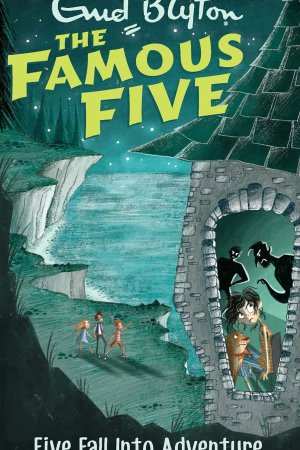
Famous Five Vol 9: Five Fall into Adventure by Enid Blyton | Classic Children’s Adventure Book
රු800.00
3 X Rs. 266.67 or 8% Cashback with
or 3 X රු266.67 with
or up to 4 X රු200.00 with
Reviews
There are no reviews yet.