
No products in the cart.
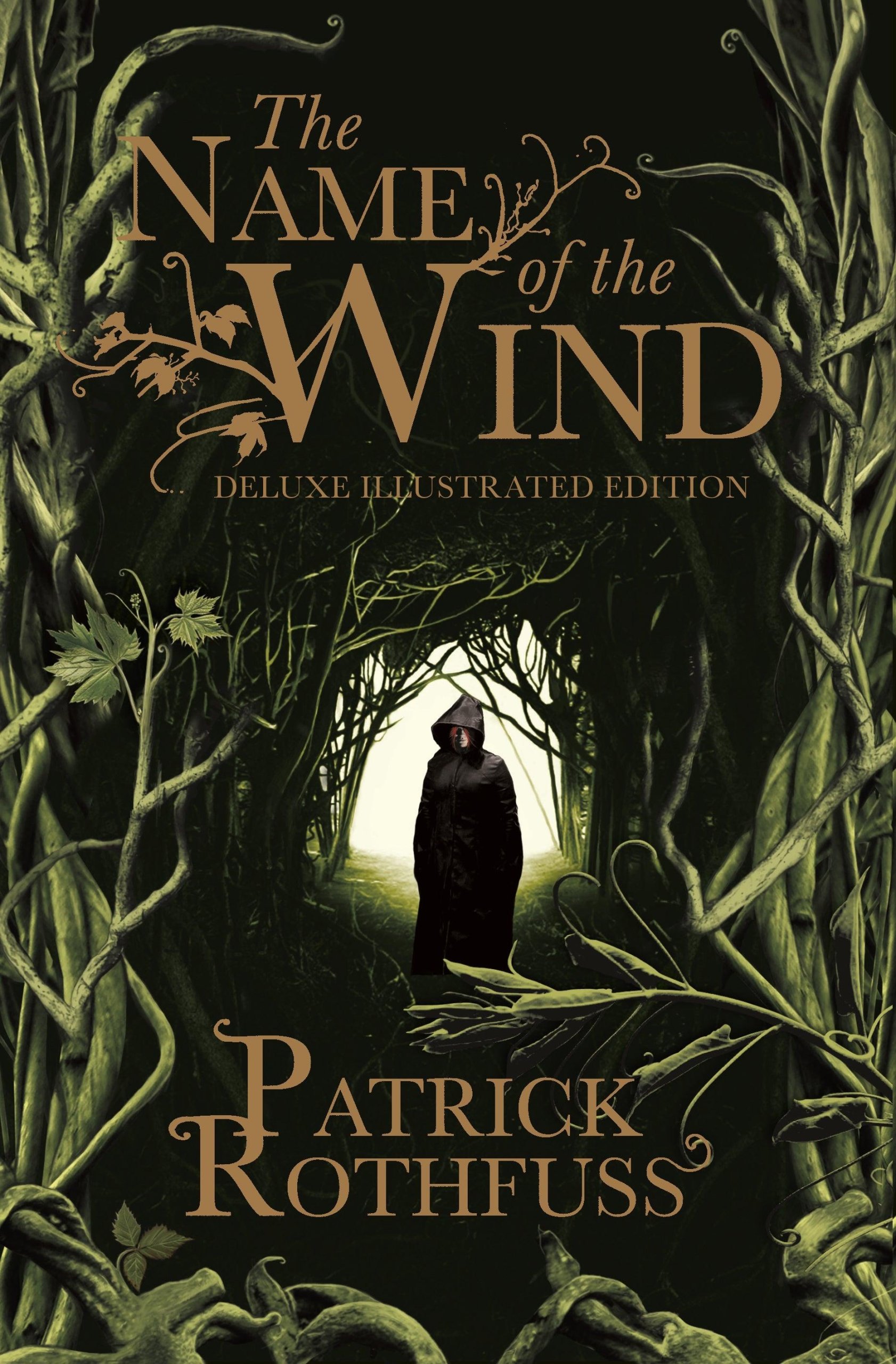



The Name of the Wind by Patrick Rothfuss
The Name of the Wind by Patrick Rothfuss is an epic fantasy novel that blends magic, mystery, and deeply personal storytelling. Rather than a simple hero’s journey, the book presents the life of a legendary figure as a layered and emotional narrative. It explores how stories are shaped, how legends are built, and how truth often hides beneath myth.
The Story Behind the Legend
At the heart of the novel is Kvothe, a mysterious innkeeper who is secretly one of the most famous—and infamous—figures in his world. When a traveling storyteller known as the Chronicler finds him, Kvothe agrees to tell the true story of his life.
What follows is not a tale of instant greatness, but a slow and detailed journey from childhood to legend. The novel shows that heroes are not born perfect—they are shaped by experience, hardship, and choices.
A Childhood Marked by Loss
Kvothe’s early life is filled with warmth as he grows up in a troupe of traveling performers. However, tragedy strikes when his family is brutally killed by a mysterious group known as the Chandrian.
This moment defines his life. Instead of a straightforward revenge story, the book focuses on survival, resilience, and the emotional scars left behind.
It teaches that pain often becomes the foundation for strength—but never disappears completely.
The Pursuit of Knowledge and Power
A large portion of the story follows Kvothe’s time at the University, where he studies magic, science, and philosophy.
Unlike typical fantasy magic, the system here is logical and disciplined. Magic is treated as a skill that requires intelligence, focus, and control.
This section reflects a deeper message:
👉 Knowledge is power, but it comes with responsibility and consequences.
Kvothe’s brilliance helps him rise quickly, but his pride and impulsiveness often create new problems.
Storytelling and Truth
One of the most unique aspects of The Name of the Wind is its structure. The story is told by Kvothe himself, meaning readers must question what is truth and what is exaggeration.
This adds depth to the narrative:
- Legends may not be accurate
- Reputation can distort reality
- Truth is often complex
The novel invites readers to think critically about how stories are told and remembered.
Love, Music, and Humanity
Beyond magic and adventure, the book is deeply human. Kvothe’s love for music and his connection with Denna add emotional richness to the story.
These elements show that even extraordinary individuals struggle with:
- Love
- Identity
- Belonging
The novel balances grand fantasy with intimate, personal moments.
Struggle, Pride, and Consequences
Kvothe is not a perfect hero. His intelligence is matched by arrogance, and his decisions often lead to trouble.
The book highlights an important idea:
👉 Talent alone is not enough—wisdom and humility matter just as much.
This makes the character feel real and relatable, even in a magical world.
Why It Stands Out
The Name of the Wind is widely praised for:
- Beautiful, poetic writing style
- Deep character development
- A unique and logical magic system
- Emotional storytelling within a fantasy setting
It appeals to both fantasy lovers and readers who enjoy thoughtful, character-driven narratives.
Who Should Read This Book
This book is ideal for:
- Fans of epic fantasy
- Readers who enjoy slow, detailed storytelling
- Those interested in character-driven narratives
- Anyone who appreciates lyrical writing
Explore More
Explore more fantasy and fiction books here:
https://bargainbooks.lk
Learn more about the author:
Patrick Rothfuss
Lasting Impact
After reading The Name of the Wind, many readers reflect on the nature of talent, ambition, and storytelling itself.
Ultimately, the novel shows that greatness is not just about power—it is about the journey, the choices made, and the stories that survive long after.
Be the first to review “Name Of The Wind by Patrick Rothfuss”
Related products
-33%

Self-Help & Psychology
Original price was: රු2,300.00.රු1,550.00Current price is: රු1,550.00.
3 X Rs. 516.67 or 8% Cashback with


or 3 X රු516.67 with


or up to 4 X රු387.50 with

-29%

Self-Help & Psychology
Original price was: රු1,750.00.රු1,250.00Current price is: රු1,250.00.
3 X Rs. 416.67 or 8% Cashback with
or 3 X රු416.67 with
or up to 4 X රු312.50 with

Non-Fiction & Knowledge
රු1,500.00
3 X Rs. 500.00 or 8% Cashback with
or 3 X රු500.00 with
or up to 4 X රු375.00 with
-28%

Self-Help & Psychology
Original price was: රු1,800.00.රු1,300.00Current price is: රු1,300.00.
3 X Rs. 433.33 or 8% Cashback with
or 3 X රු433.33 with
or up to 4 X රු325.00 with

Self-Help & Psychology
රු2,200.00
3 X Rs. 733.33 or 8% Cashback with
or 3 X රු733.33 with
or up to 4 X රු550.00 with

Out of stock
Self-Help & Psychology
රු1,900.00
3 X Rs. 633.33 or 8% Cashback with
or 3 X රු633.33 with
or up to 4 X රු475.00 with
-24%

Non-Fiction & Knowledge
Original price was: රු2,300.00.රු1,750.00Current price is: රු1,750.00.
3 X Rs. 583.33 or 8% Cashback with
or 3 X රු583.33 with
or up to 4 X රු437.50 with
-24%

Out of stock
Non-Fiction & Knowledge
Original price was: රු2,500.00.රු1,900.00Current price is: රු1,900.00.
3 X Rs. 633.33 or 8% Cashback with
or 3 X රු633.33 with
or up to 4 X රු475.00 with
Reviews
There are no reviews yet.