
No products in the cart.
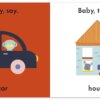
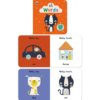
Baby Touch: Words
රු2,990.00
3 X Rs. 996.67 or 8% Cashback with


or 3 X රු996.67 with


or up to 4 X රු747.50 with


| Attribute | Description |
|---|---|
| Title | Baby Touch: Words |
| Series | Baby Touch |
| Publisher | Ladybird (Penguin Random House UK) |
| Format | Board Book |
| Pages | 10 |
| Dimensions | 18.2 cm × 1.6 cm × 18.2 cm |
| Weight | 233 g |
| ISBN-13 | 9780241379165 |
| ISBN-10 | 0241379164 |
| Recommended Age | 0+ months |
| Illustrator | Lemon Ribbon Studio |
| Publication Date | August 8, 2019 |
| Language | English |
| Category | Baby Books, Touch-and-Feel Books, Early Learning |
5 in stock
Baby Touch: Words by Ladybird
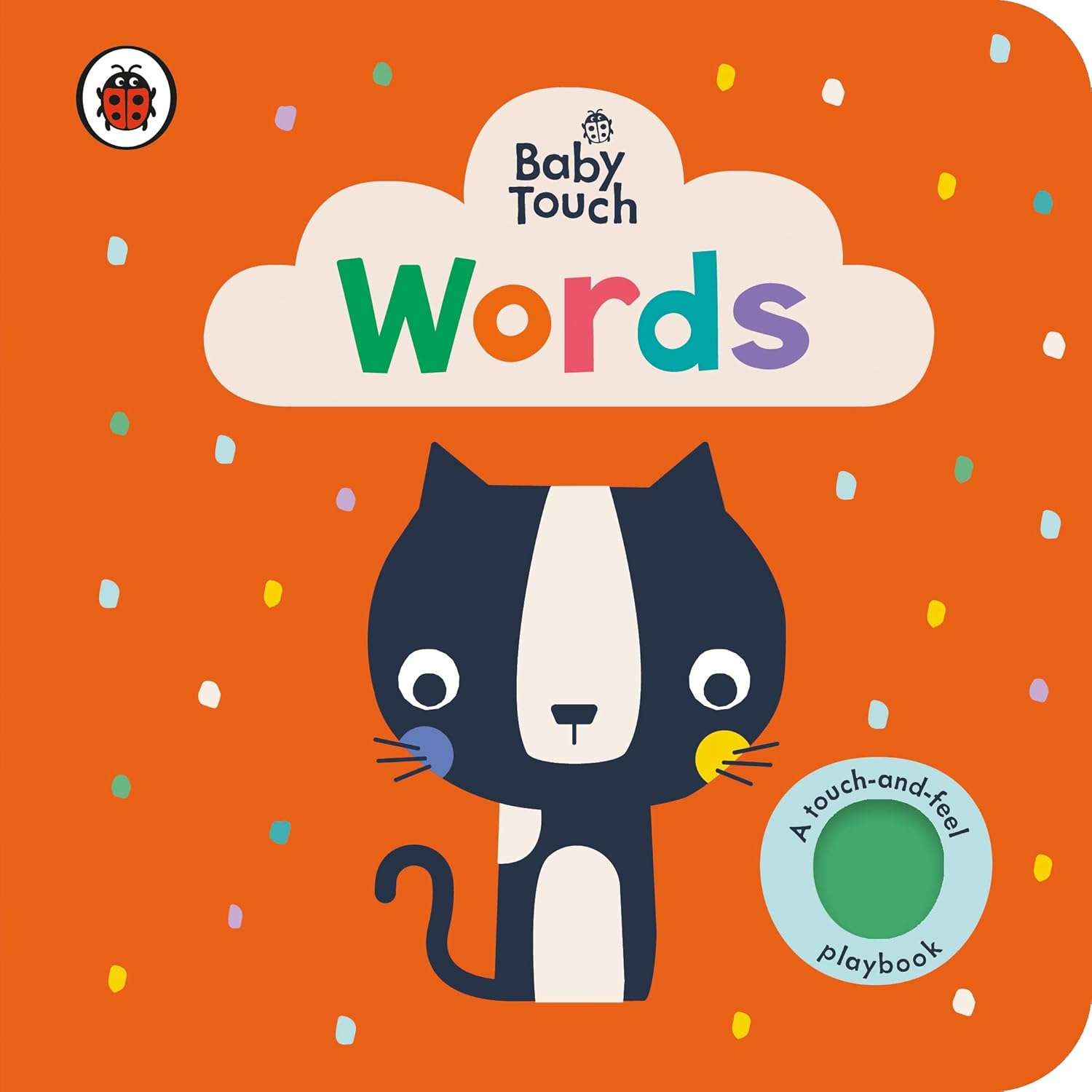
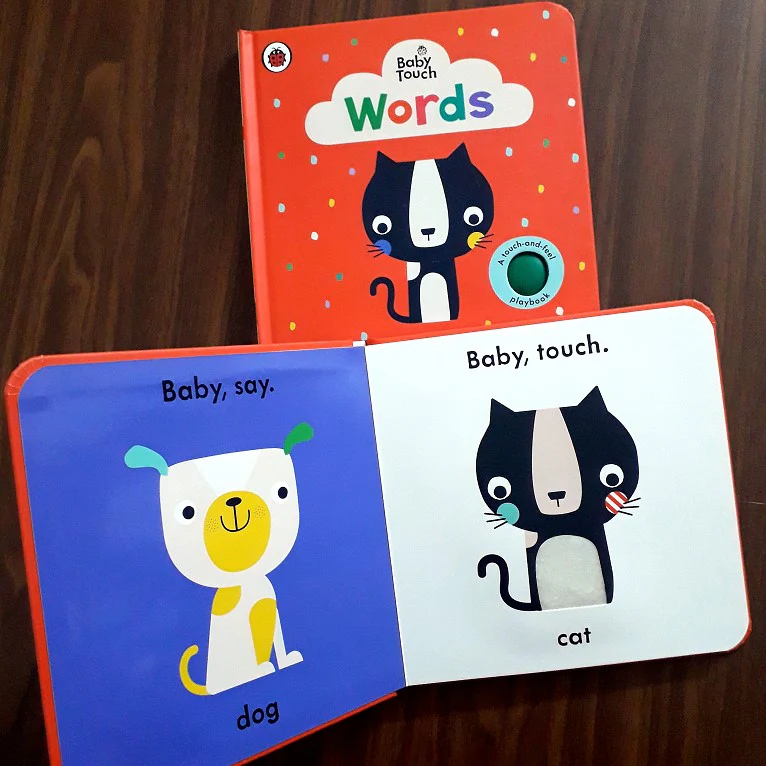
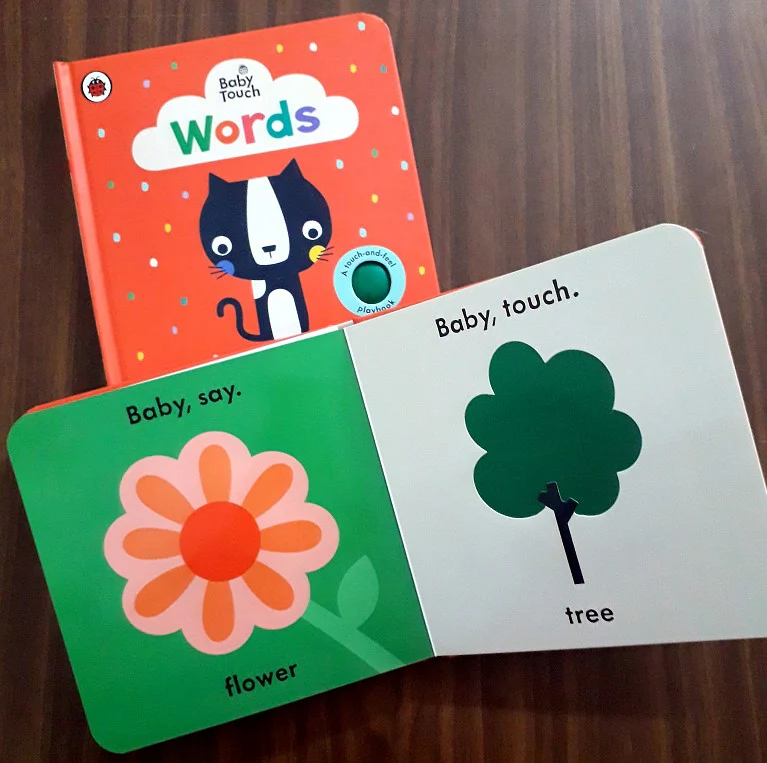
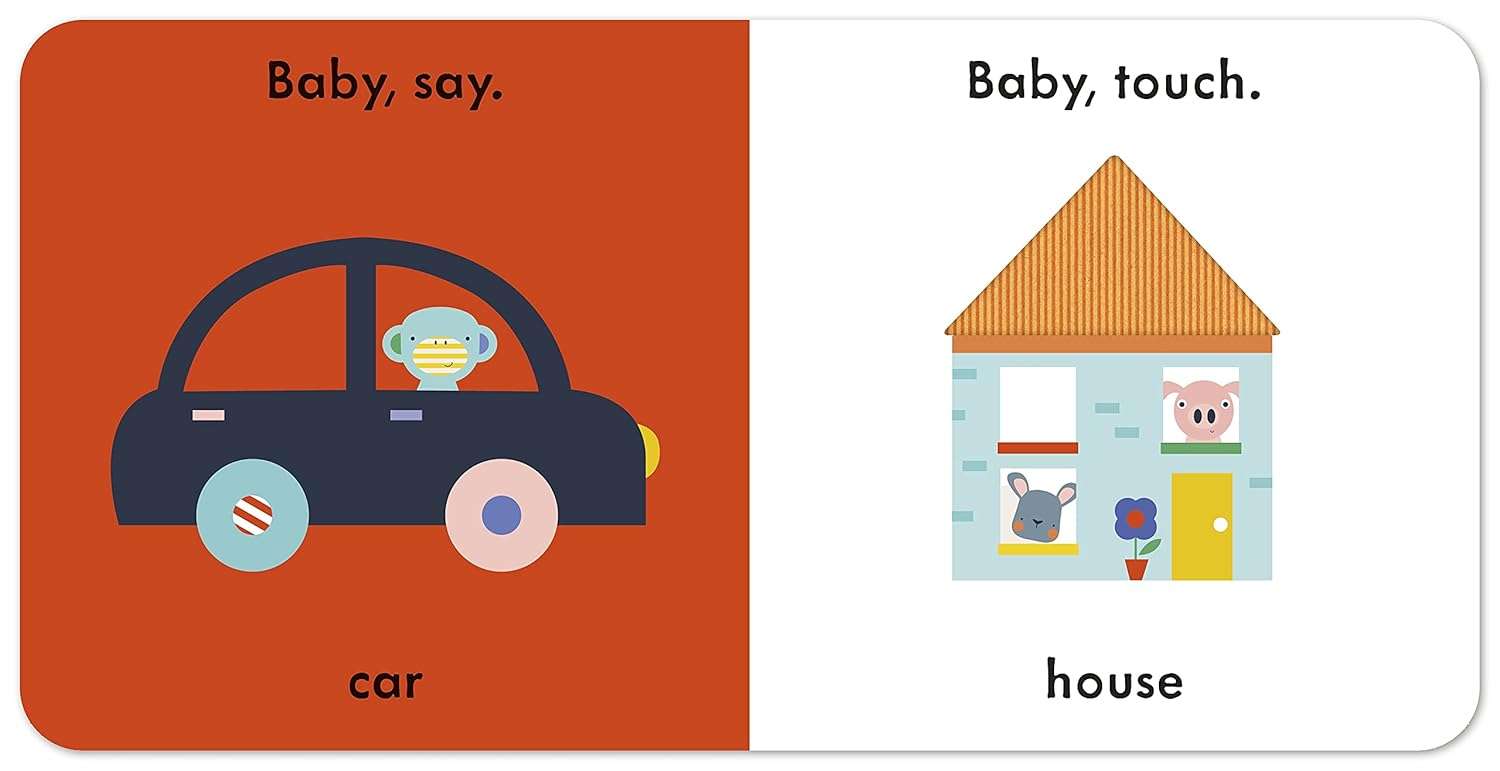
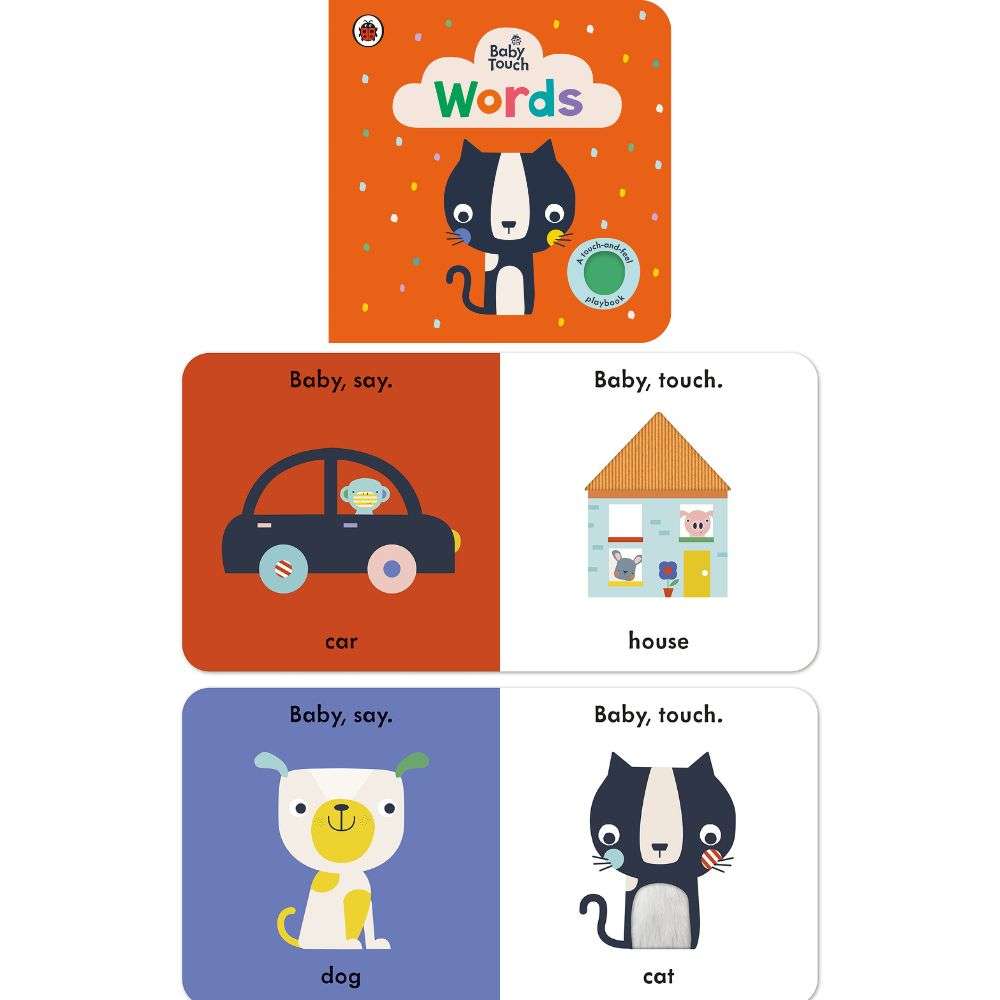
Baby Touch: Words is a bold and colourful touch-and-feel board book created to introduce babies and toddlers to important first words. Published by Ladybird as part of the bestselling Baby Touch series, this interactive early-learning book combines simple vocabulary, bright pictures, sturdy pages, and a large tactile area on every double-page spread.
Children can discover familiar words such as mummy, daddy, dog, and teddy while touching different textures and observing the colourful illustrations. These everyday subjects make Baby Touch: Words easy for parents to connect with a baby’s home, family, toys, and surroundings.
Designed for children from birth, the book encourages babies to look, listen, touch, and respond while developing sensory awareness, early communication, and fine motor skills.
Introducing Important First Words
Baby Touch: Words focuses on familiar people, animals, and objects that babies may encounter in everyday life. Key words include:
- Mummy
- Daddy
- Dog
- Teddy
Parents can point to each picture, say the word slowly, and allow the child time to look at and touch the page.
A baby does not need to repeat the words immediately. Listening to the same vocabulary during regular reading sessions helps make speech sounds and meanings more familiar.
Learning the Word “Mummy”
“Mummy” is a warm and familiar first word for many babies. Parents can point to the picture and then connect it to the child’s own family.
They might say:
- “Here is Mummy.”
- “Can you find Mummy?”
- “Mummy loves you.”
- “Can you wave to Mummy?”
These simple phrases help children connect the spoken word with a familiar person and relationship.
Learning the Word “Daddy”
The book also introduces the word “Daddy.” Adults can point to the picture and use the child’s own experiences to make the word meaningful.
Suitable prompts include:
- “Where is Daddy?”
- “Can you say hello to Daddy?”
- “Daddy is smiling.”
- “Can you wave?”
Family members can personalise the activity by naming other important people, including grandparents, siblings, and caregivers.
Meeting the Dog
The dog provides an enjoyable introduction to animal vocabulary. Parents can say “dog” clearly and imitate a playful barking sound.
They might ask:
- “Can you find the dog?”
- “What sound does a dog make?”
- “Can you say woof?”
- “Where are the dog’s ears?”
- “Does the dog have a tail?”
Animal noises can be easier for toddlers to imitate than complete words, making them a useful and entertaining early communication activity.
Finding the Teddy Bear
The teddy bear represents a familiar comfort object and toy. Parents can point to the picture and compare it with the child’s own teddy or favourite soft toy.
They can introduce additional words such as:
- Soft
- Cuddly
- Bear
- Toy
- Hug
- Sleep
Families can finish the activity by giving a real teddy a cuddle or saying goodnight to it.
Large Touch-and-Feel Areas
A generously sized tactile feature appears on every double-page spread in Baby Touch: Words. These sensory areas encourage children to interact physically with the pictures.
Parents can guide a younger baby’s fingers across the textures while describing how they feel:
- Soft
- Smooth
- Furry
- Shiny
- Bumpy
- Rough
The large patches are easier for young babies to discover than very small tactile details. As children develop, they may begin finding and touching each surface without assistance.
Connecting Words with Sensory Experiences
Touch-and-feel features help connect language with physical sensations. When a parent says “soft teddy” while the child touches a soft patch, the baby experiences the meaning through both hearing and touch.
This multi-sensory approach can make shared reading more engaging. It encourages babies to participate rather than only listen passively.
Parents can repeat descriptive combinations such as:
- Soft teddy
- Furry dog
- Shiny picture
- Smooth page
- Bumpy texture
These short phrases introduce both nouns and describing words.
Bright and Bold Illustrations
The bold pictures in Baby Touch: Words are designed to capture babies’ attention. Clear images and strong colours can help young children focus on the central person, animal, or object.
Parents can use the illustrations to introduce additional vocabulary connected with:
- Colours
- Facial features
- Body parts
- Clothing
- Animals
- Toys
- Everyday actions
For example, adults can name the dog’s ears, the teddy’s arms, or the colours shown around the picture.
Encouraging Early Communication
Babies communicate before they can say complete words. Looking, smiling, pointing, reaching, and making sounds are all meaningful responses.
Parents can encourage communication by asking a question and pausing before answering it. This gives the child an opportunity to react.
Reading Baby Touch: Words may support:
- Listening
- Eye contact
- Pointing
- Vocal experimentation
- Turn-taking
- Word recognition
- Social interaction
Adults can respond positively to every attempt, even when the child’s sound does not yet resemble the complete word.
Learning Through Repetition
Babies and toddlers often enjoy hearing the same words and exploring the same pictures repeatedly. Familiarity helps children remember where each picture appears and anticipate what an adult will say.
After several readings, parents can pause before naming a familiar object. An older baby may point to the correct picture, make a sound, or try to complete the word.
The book does not need to be read in exactly the same way each time. Adults can add family names, animal sounds, actions, or simple questions.
Supporting Fine Motor Development
Touching the tactile patches, pointing to pictures, and turning the strong board pages encourage controlled hand and finger movements.
Exploring Baby Touch: Words may support:
- Reaching and pointing
- Finger strength and control
- Hand-eye coordination
- Grasping and releasing
- Early page-turning skills
- Independent book handling
Younger babies may need adult assistance, while toddlers can gradually begin exploring the pages independently.
Supporting Early Childhood Development
The combination of simple words, clear pictures, large textures, and family interaction engages several developing abilities.
Regularly sharing Baby Touch: Words may encourage:
- Early vocabulary
- Familiar-person recognition
- Animal and object recognition
- Sensory awareness
- Fine motor development
- Hand-eye coordination
- Visual concentration
- Listening and communication
- Social interaction
- Curiosity and exploration
The book introduces these skills naturally through play and shared conversation.
Connecting the Book with Everyday Life
Parents can reinforce the words by identifying matching people, animals, and objects outside the book.
For example:
- Point to Mummy when saying “Mummy.”
- Wave to Daddy when saying “Daddy.”
- Identify a dog safely from a distance.
- Find the child’s own teddy bear.
- Match colours from the book with toys at home.
Connecting pictures with real experiences helps children understand that words can represent people and objects in the world around them.
Shared Reading and Family Bonding
Baby Touch: Words is designed for parents, grandparents, siblings, and caregivers to enjoy with babies. Adults can name each picture, guide the child’s fingers, imitate sounds, and respond to their reactions.
These shared moments provide opportunities for eye contact, smiles, affection, and conversation. Positive early reading experiences can help babies associate books with comfort, attention, and enjoyment.
The book can be enjoyed during:
- Tummy time
- Quiet play
- Bedtime reading
- Travel
- Family visits
- Nursery activities
- Early-learning sessions
A Durable Book for Little Hands
The sturdy board pages are appropriate for babies and toddlers who are still learning to handle books carefully. Thick pages are easier for small fingers to hold and turn than ordinary paper pages.
Its compact square design makes Baby Touch: Words convenient for keeping at home or carrying in a baby bag.
A newborn may focus on the bright pictures, while an older toddler may identify familiar objects, repeat words, describe textures, and turn the pages independently.
A Thoughtful Early-Learning Gift
This first-words book makes a practical present for:
- Baby showers
- Newborn celebrations
- First birthdays
- Christmas
- Christenings
- Nursery starters
- Children beginning their first library
It offers sensory entertainment and early-learning value in a durable, baby-friendly format.
About Ladybird Books
Ladybird is a respected children’s publishing imprint known for creating entertaining and educational books for young readers. Its catalogue includes sensory books, first-concept titles, bedtime stories, activity books, and popular character collections.
The Baby Touch series uses bold artwork, simple language, sturdy pages, and tactile elements to encourage babies to learn through looking, listening, touching, and playing.
Who Should Read Baby Touch: Words?
This book is suitable for:
- Babies from birth
- Infants developing their senses
- Toddlers learning first words
- Children recognising familiar people and objects
- Babies who enjoy touch-and-feel books
- Parents encouraging early communication
- Nurseries and early-learning centres
- Anyone searching for an educational baby gift
The edition specifications and principal features are confirmed by the official Penguin UK publication page.
Book Links
Buy or view the book at Bargain Books:
https://bargainbooks.lk/
View the official publication information:
Baby Touch: Words – Penguin UK
Explore more books from the collection:
Baby Touch Series – Penguin UK
A Bright First-Words Book
Baby Touch: Words combines familiar first words with bold pictures and large tactile areas. Its interactive design encourages babies to look, listen, touch, and respond while supporting early vocabulary, sensory awareness, visual concentration, communication, and fine motor development.
Whether enjoyed during tummy time, family play, travel, or bedtime reading, this sturdy board book offers an engaging introduction to everyday language. It is a valuable addition to a baby’s first library and a thoughtful educational gift for curious young learners.
Be the first to review “Baby Touch: Words”
Related products
Out of stock
Children & Young Adult
Famous Five Vol 11: Five Have a Wonderful Time – Enid Blyton | Classic Children’s Adventure Book
රු800.00
3 X Rs. 266.67 or 8% Cashback with
or 3 X රු266.67 with
or up to 4 X රු200.00 with

Out of stock
Children & Young Adult
රු2,500.00
3 X Rs. 833.33 or 8% Cashback with
or 3 X රු833.33 with
or up to 4 X රු625.00 with
Out of stock
Children & Young Adult
රු2,100.00
3 X Rs. 700.00 or 8% Cashback with
or 3 X රු700.00 with
or up to 4 X රු525.00 with

Out of stock
Children & Young Adult
රු3,200.00
3 X Rs. 1,066.67 or 8% Cashback with
or 3 X රු1,066.67 with
or up to 4 X රු800.00 with
Out of stock
Children & Young Adult
Famous Five: Five Run Away Together (Book 3) by Enid Blyton | Paperback Edition
රු800.00
3 X Rs. 266.67 or 8% Cashback with
or 3 X රු266.67 with
or up to 4 X රු200.00 with

Out of stock
Children & Young Adult
රු1,950.00
3 X Rs. 650.00 or 8% Cashback with
or 3 X රු650.00 with
or up to 4 X රු487.50 with
-21%

Children & Young Adult
Original price was: රු2,400.00.රු1,900.00Current price is: රු1,900.00.
3 X Rs. 633.33 or 8% Cashback with
or 3 X රු633.33 with
or up to 4 X රු475.00 with

Out of stock
Children & Young Adult
Famous Five Vol 9: Five Fall into Adventure by Enid Blyton | Classic Children’s Adventure Book
රු800.00
3 X Rs. 266.67 or 8% Cashback with
or 3 X රු266.67 with
or up to 4 X රු200.00 with
Reviews
There are no reviews yet.