
No products in the cart.
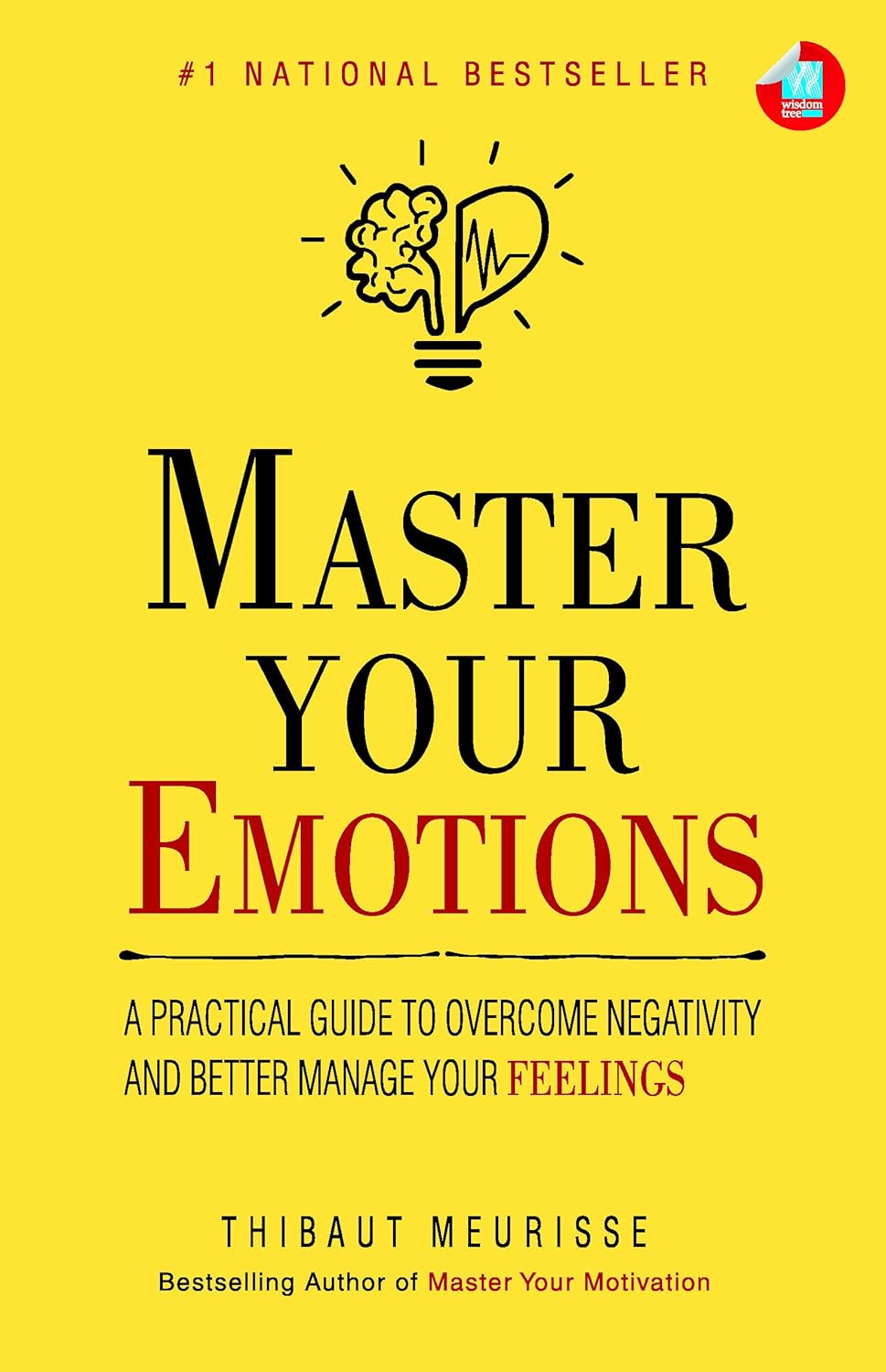
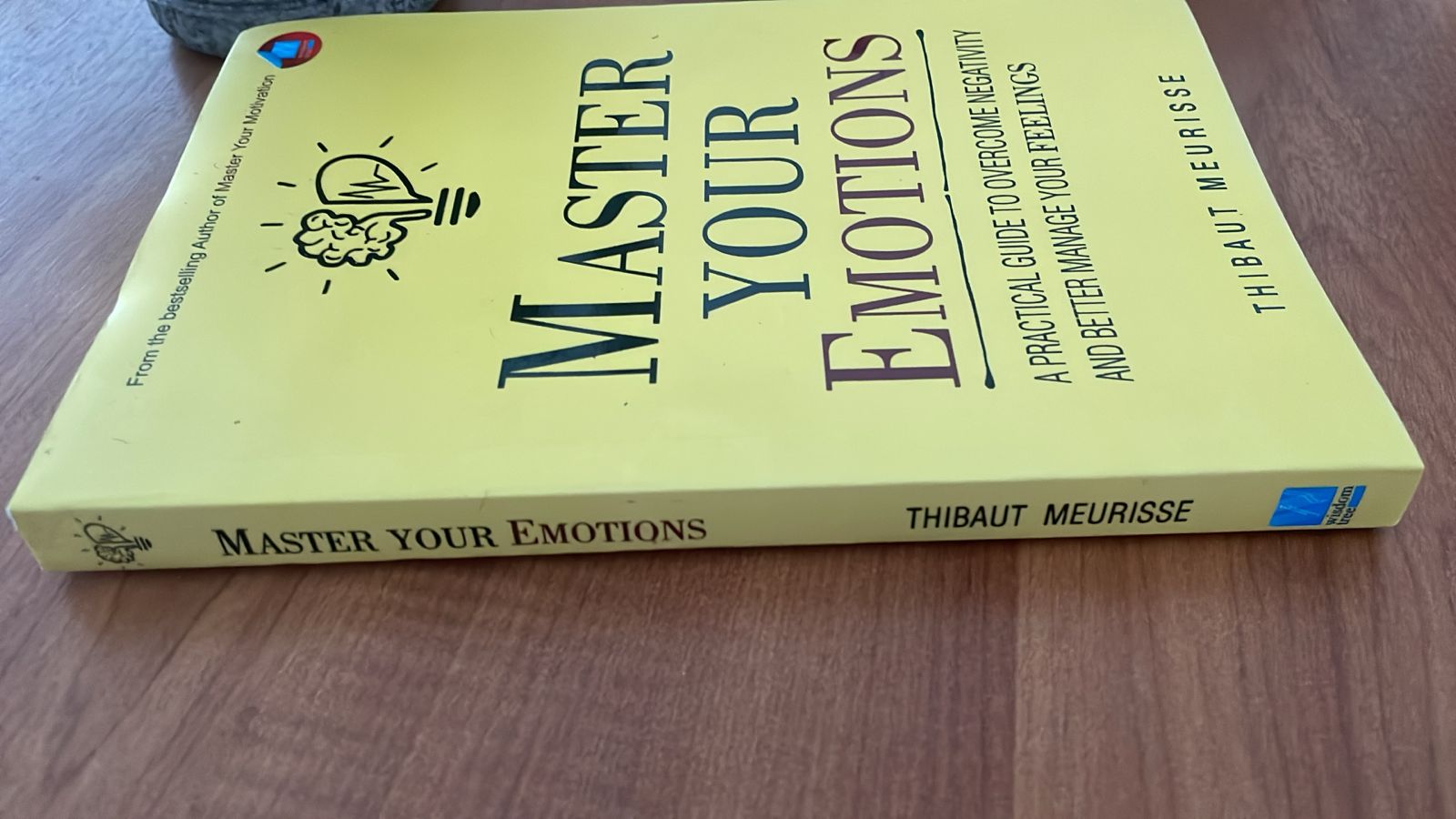


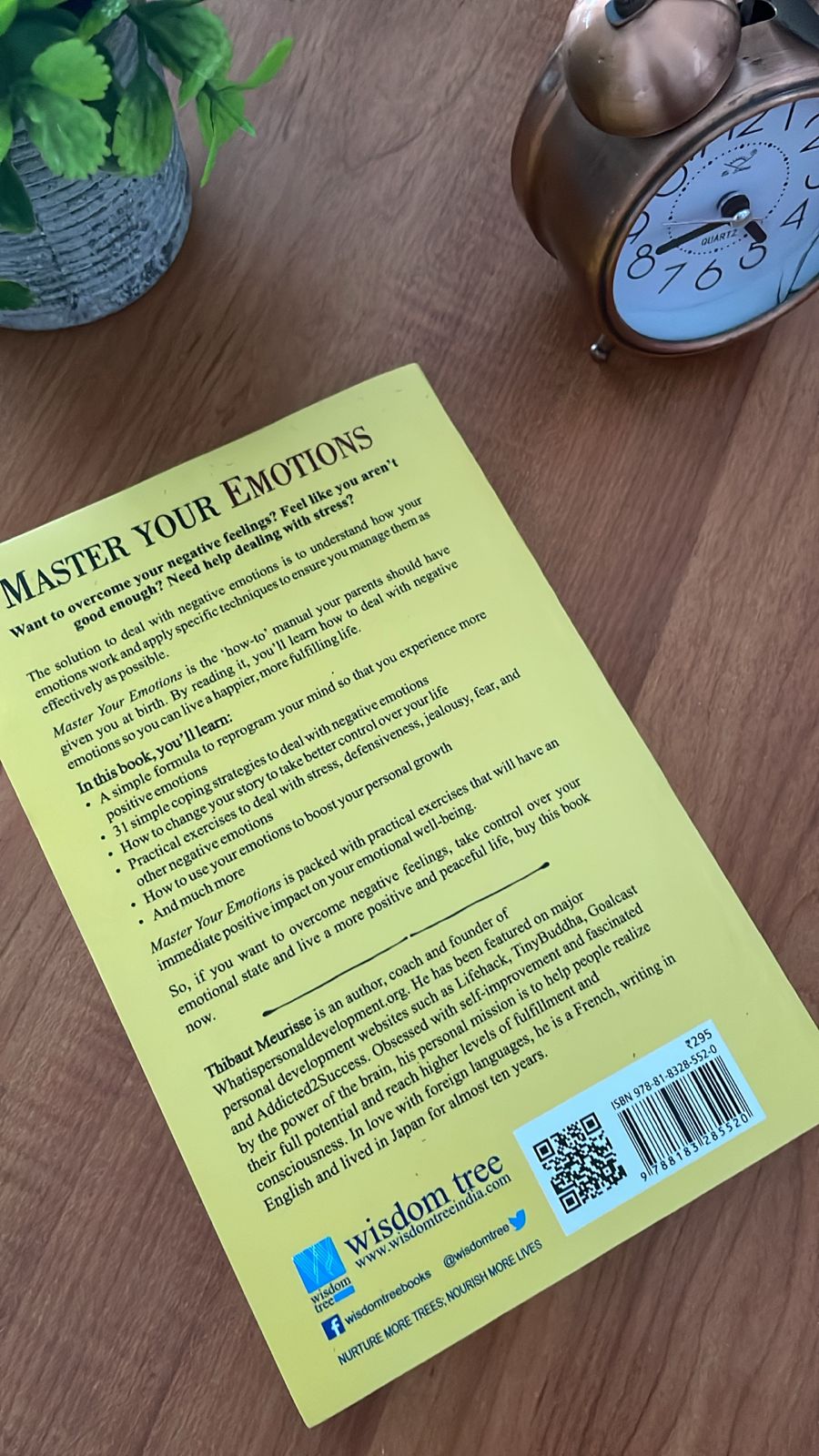

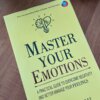
Master Your Emotions by Thibaut Meurisse – A Practical Guide to Emotional Mastery and Personal Growth

රු1,750.00
3 X Rs. 583.33 or 8% Cashback with


or 3 X රු583.33 with


or up to 4 X රු437.50 with


Master Your Emotions by Thibaut Meurisse is a practical self-help guide to understanding and managing negative emotions more effectively. Exploring emotional triggers, negative thinking, expectations, anxiety, anger, self-talk, mindfulness and resilience, Thibaut Meurisse shows readers how to create greater distance from temporary feelings and respond with more awareness. Ideal for students, professionals, entrepreneurs and anyone interested in emotional intelligence, self-awareness, stress management and personal growth.
5 in stock
Master Your Emotions by Thibaut Meurisse is a practical personal-development guide designed to help readers understand their emotions, reduce unnecessary negativity and respond to difficult situations with greater awareness and control.
Everyone experiences emotions such as:
Anger.
Fear.
Anxiety.
Frustration.
Jealousy.
Sadness.
Stress.
Disappointment.
The problem is not that these emotions exist.
The problem begins when they start controlling:
Your decisions.
Your relationships.
Your work.
Your confidence.
Your daily mood.
Thibaut Meurisse explains that emotions are not random forces appearing from nowhere.
They are influenced by:
Thoughts.
Expectations.
Interpretations.
Beliefs.
Habits.
Environment.
Physical condition.
The way we interpret events can dramatically affect the emotions we experience.
Two people can experience the same situation and respond completely differently.
One may become angry.
Another may remain calm.
One may see rejection as proof that they are worthless.
Another may see it as temporary feedback.
Master Your Emotions by Thibaut Meurisse encourages readers to stop treating emotions as uncontrollable commands and instead learn how to observe, understand and manage them more effectively.
The book combines ideas about emotional awareness, psychology, mindset, negative thinking, self-talk, expectations and practical exercises into an accessible guide for everyday life.
Master Your Emotions by Thibaut Meurisse – Book Overview
Master Your Emotions by Thibaut Meurisse begins with a simple but important idea:
You experience emotions.
But you are not your emotions.
Feeling angry does not mean you are an angry person.
Feeling afraid does not mean you are weak.
Feeling disappointed does not mean your future is hopeless.
Emotions are temporary experiences.
Learning to create a little distance between yourself and the emotion can make it easier to choose your response.
What Are Emotions?
Emotions are part of the human experience.
They can provide information.
Fear may warn us about danger.
Anger may signal that a boundary has been crossed.
Sadness may appear after loss.
Excitement may encourage action.
The goal is not to eliminate emotion.
The goal is to understand it.
Emotional Mastery Does Not Mean Never Feeling Bad
One misunderstanding would be believing emotional mastery means becoming happy all the time.
That is unrealistic.
Life includes:
Failure.
Rejection.
Conflict.
Loss.
Stress.
Uncertainty.
Strong emotions are natural responses to difficult experiences.
Mastery means learning how to experience emotions without allowing every emotion to dictate your behavior.
You Are Not Your Emotions
One of the most useful ideas in Master Your Emotions by Thibaut Meurisse is separating identity from temporary emotional states.
Instead of:
“I am anxious.”
you can think:
“I am experiencing anxiety.”
Instead of:
“I am a failure.”
you can think:
“I am disappointed about this result.”
The distinction may seem small, but it creates psychological space.
Observe Before Reacting
When an emotion appears, many people immediately react.
Someone criticizes you.
You respond angrily.
Someone ignores a message.
You assume they are upset.
Something goes wrong.
You immediately imagine the worst.
Learning to pause can interrupt this cycle.
The Power of a Pause
Before reacting, ask:
What exactly happened?
What am I feeling?
What story am I telling myself?
Do I know that story is true?
What response would help rather than worsen the situation?
A few seconds of awareness can sometimes prevent hours of regret.
Thoughts Influence Emotions
A major theme in Master Your Emotions by Thibaut Meurisse is the relationship between thinking and feeling.
Imagine your manager says:
“Can we talk tomorrow?”
One person thinks:
“I am definitely being fired.”
Anxiety appears.
Another thinks:
“They probably want to discuss a project.”
The emotional response is different even though the external event is identical.
Interpretation Matters
Events influence us.
But our interpretation of events also matters enormously.
The same event can mean:
Failure.
Feedback.
Rejection.
Redirection.
depending on how it is interpreted.
This does not mean every negative event should be turned into artificial positivity.
It means checking whether your interpretation is accurate.
Negative Thinking
Negative thoughts can become automatic.
“I can’t do this.”
“Everything always goes wrong.”
“Nobody respects me.”
“I will never improve.”
These thoughts can feel factual because they have been repeated so often.
But repetition does not make them true.
Challenge Automatic Thoughts
Ask:
What evidence supports this thought?
What evidence contradicts it?
Am I exaggerating?
Am I predicting the future?
Am I treating one event as permanent?
A more balanced interpretation can reduce emotional intensity.
Emotional Triggers
Everyone has triggers.
Certain:
Words.
People.
Situations.
Memories.
Behaviors.
can create powerful emotional reactions.
Understanding your triggers gives you more control.
Identify Your Triggers
Keep track of situations where your emotions become unusually strong.
Ask:
What happened?
Who was involved?
What did I think?
What did I feel?
How did I respond?
Patterns eventually become visible.
Awareness Comes Before Change
You cannot change a pattern you never notice.
This is why emotional awareness is so important in Master Your Emotions by Thibaut Meurisse.
First notice.
Then understand.
Then change.
Negative Emotions
The book spends considerable time examining negative emotional states.
These may include:
Anger.
Envy.
Fear.
Resentment.
Anxiety.
Frustration.
Sadness.
Each emotion has different causes and requires different responses.
Anger
Anger often appears when people believe:
Something is unfair.
Someone crossed a boundary.
They were disrespected.
Their expectations were violated.
Anger can provide useful information.
But acting impulsively while angry can create additional problems.
Manage Anger
Before acting:
Pause.
Breathe.
Identify the cause.
Avoid sending the message immediately.
Avoid making major decisions at peak emotional intensity.
Then decide what response actually serves your goal.
Anxiety
Anxiety often focuses on the future.
What if I fail?
What if I lose this?
What if something goes wrong?
The mind imagines possibilities and reacts emotionally as though those possibilities are already happening.
Return to What You Can Control
When anxiety grows, separate:
What you control.
From what you do not.
You may control:
Preparation.
Effort.
Communication.
Your next action.
You may not control:
Other people’s opinions.
Every future outcome.
Unexpected events.
Focus energy where action is possible.
Fear
Fear can protect us.
But fear can also become overprotective.
It may prevent:
Applying for a job.
Speaking publicly.
Starting a business.
Meeting new people.
Trying something unfamiliar.
The question is whether the danger is real or simply uncomfortable.
Courage
Courage does not mean removing fear completely.
It means taking appropriate action despite fear.
Small repeated actions can gradually reduce emotional resistance.
Sadness
Sadness should not automatically be treated as a problem to eliminate.
Loss, disappointment and grief can naturally create sadness.
Sometimes emotional health means allowing yourself to feel rather than immediately trying to escape.
Emotional Acceptance
Acceptance means recognizing:
This is what I feel right now.
without immediately judging yourself for feeling it.
Fighting emotions can sometimes make them stronger.
Jealousy and Envy
Jealousy and envy can reveal information.
Perhaps someone else’s success reminds you of something you want.
Instead of only criticizing them, ask:
What exactly am I reacting to?
What can this teach me about my own desires?
Comparison
Modern life encourages constant comparison.
Income.
Career.
Appearance.
Relationships.
Followers.
Lifestyle.
Comparing your private reality to someone else’s public image can create unnecessary dissatisfaction.
Social Media
Social media can intensify emotional comparison.
People usually share:
Success.
Trips.
Achievements.
Celebrations.
Not every:
Failure.
Argument.
Debt.
Anxiety.
Rejection.
Remember that you may be comparing your complete life with someone’s edited highlights.
Gratitude
Gratitude changes attention.
It does not mean pretending problems do not exist.
It means deliberately noticing what is also going well.
A person can feel:
Grateful.
And ambitious.
Satisfied.
And still want improvement.
These are not contradictions.
Expectations
Expectations strongly influence emotions.
You expect someone to behave a certain way.
They do not.
You feel disappointed.
You expect a project to succeed.
It fails.
You feel frustrated.
Sometimes emotional pain comes not only from reality but from the gap between reality and expectation.
Unrealistic Expectations
Problems appear when expectations become rigid.
People should always understand me.
Things should always go according to plan.
I should never fail.
Life should be fair.
Reality rarely follows such rules.
Focus on Preferences Instead of Demands
Instead of:
“This must happen.”
try:
“I strongly prefer this outcome, but I can respond if it does not happen.”
The second mindset creates flexibility.
Self-Talk
The way you speak to yourself influences your emotional state.
Imagine making a mistake and saying:
“You are useless.”
Would you speak to a close friend that way?
Often, people use harsher language with themselves than they would ever use with someone they care about.
Change the Inner Conversation
A better response might be:
“I made a mistake.”
“What can I learn?”
“What should I do differently?”
This is honest without being destructive.
Self-Worth
One unsuccessful event does not determine your entire value.
A failed:
Exam.
Relationship.
Business idea.
Interview.
Project.
is an event.
It is not your complete identity.
Stop Seeking Constant Approval
Depending entirely on external approval creates emotional instability.
If someone praises you:
You feel valuable.
If someone criticizes you:
You feel worthless.
A healthier foundation includes internal standards.
Define Your Own Values
Ask:
What kind of person do I want to be?
What do I value?
Honesty?
Growth?
Kindness?
Discipline?
Courage?
Responsibility?
Living according to values can create greater emotional stability than chasing approval.
Let Go of What You Cannot Control
One of the most practical lessons from Master Your Emotions by Thibaut Meurisse is accepting the limits of control.
You cannot control:
The past.
Other people’s thoughts.
Other people’s behavior.
Weather.
Every outcome.
The economy.
Unexpected change.
Trying to control the uncontrollable creates frustration.
Control Your Response
You often retain some influence over:
Your actions.
Preparation.
Boundaries.
Communication.
Attitude.
Where you place attention.
That is where energy becomes useful.
Acceptance
Acceptance is not the same as approval.
You can accept:
“This happened.”
while also deciding:
“I do not want this to happen again.”
Acceptance means seeing reality clearly enough to respond intelligently.
Responsibility
Emotional responsibility means recognizing that other people influence your emotions without giving them total ownership of your emotional life.
Instead of:
“You made me angry.”
consider:
“I became angry because of what happened, and now I need to decide how I respond.”
This creates more agency.
Emotional Responsibility Is Not Self-Blame
Not everything is your fault.
Other people may behave badly.
Unfair situations happen.
Emotional responsibility simply asks:
What can I do now?
Environment
Your environment influences your emotional state.
People.
News.
Social media.
Workplaces.
Physical spaces.
Repeated exposure to negativity can affect mood.
Protect Your Attention
Attention is limited.
If you begin every morning with:
Arguments.
Negative news.
Comparison.
Social media outrage.
your emotional state may be influenced before the day truly begins.
Be intentional about what receives your attention.
People Around You
Spend time with people who encourage:
Growth.
Responsibility.
Honesty.
Constructive thinking.
You do not need friends who agree with everything.
But constant negativity can become contagious.
Physical State
Mind and body are connected.
Poor sleep can increase irritability.
Hunger can affect patience.
Lack of exercise can influence mood.
Stress can affect the body.
Emotional management should therefore include basic physical care.
Sleep
When tired, small problems often feel larger.
Good sleep supports:
Emotional regulation.
Concentration.
Decision-making.
Patience.
Mental health.
Exercise
Physical movement can support mood and stress management.
Exercise does not solve every emotional problem, but it can become one useful part of a broader emotional-health routine.
Breathing
Slow breathing can help reduce physiological arousal during stressful moments.
When the body calms, clearer thinking may become easier.
Mindfulness
Mindfulness involves paying attention to present experience without immediately judging it.
You notice:
Thoughts.
Emotions.
Physical sensations.
The goal is observation rather than instant reaction.
Thoughts Are Not Commands
A thought appears:
“You should quit.”
That does not mean you must quit.
Another appears:
“They hate you.”
That does not make it true.
Thoughts are mental events.
They deserve evaluation.
Emotions Are Temporary
Strong emotions often create the feeling:
“I will always feel this way.”
But emotions change.
Anger fades.
Fear shifts.
Sadness changes.
Remembering this can make difficult moments easier to tolerate.
Emotional Momentum
Emotions can feed themselves.
You become irritated.
Then think about every other irritating thing.
The emotion grows.
Breaking the cycle early is easier than waiting until it becomes overwhelming.
Journaling
Writing can help identify emotional patterns.
A simple journal might include:
What happened?
What did I think?
What did I feel?
What did I do?
What would I prefer to do next time?
This builds awareness.
Naming Emotions
Sometimes people only know:
“I feel bad.”
Try being more specific.
Am I:
Angry?
Embarrassed?
Lonely?
Disappointed?
Afraid?
Jealous?
Overwhelmed?
Specific language creates clarity.
Emotional Vocabulary
The more accurately you can identify an emotion, the more effectively you can respond.
Fear may require courage.
Loneliness may require connection.
Exhaustion may require rest.
Anger may require a boundary.
Different emotions need different responses.
Resilience
Resilience is the ability to recover after difficulty.
It does not mean never being affected.
A resilient person may still:
Cry.
Feel discouraged.
Need support.
The difference is that difficulty does not permanently end forward movement.
Recovering From Setbacks
After a setback, ask:
What happened?
What can I learn?
What is still possible?
What is the next useful action?
These questions create movement.
Failure
Failure often produces emotional pain because people attach identity to outcomes.
“I failed.”
can quickly become:
“I am a failure.”
Those statements are not the same.
Failure Is an Event
A more useful approach is:
The strategy failed.
The attempt failed.
The result was poor.
Now:
What needs improvement?
This keeps self-worth separate from one outcome.
Rejection
Rejection can be painful because humans naturally want belonging and acceptance.
But rejection may reflect:
Timing.
Fit.
Preferences.
Circumstances.
Competition.
It does not necessarily prove personal inadequacy.
Relationships
Emotional awareness improves relationships.
Instead of reacting immediately, people can learn to communicate:
What happened.
What they felt.
What they need.
What boundary matters.
Clearer emotional communication reduces unnecessary conflict.
Communication
Rather than:
“You never care about me!”
try:
“When this happened, I felt ignored. Can we talk about it?”
The second statement gives the other person more useful information.
Boundaries
Healthy emotional management sometimes requires boundaries.
You cannot control someone’s behavior.
But you can decide:
What you accept.
What you participate in.
When you leave.
How you respond.
Forgiveness
Holding resentment can keep an emotional wound active.
Forgiveness may help someone release that burden.
But forgiveness does not require:
Reconciliation.
Trust.
Removing boundaries.
Remaining in harmful situations.
Letting Go
Letting go often means accepting that the past cannot be rewritten.
You can learn from it.
You can respond differently.
But you cannot return and create another version.
Peace sometimes begins with stopping the argument with what already happened.
Present Moment
Many negative emotions involve mentally leaving the present.
Anxiety lives heavily in imagined futures.
Regret lives in the past.
Returning attention to the present can reduce unnecessary mental suffering.
Ask What Is Happening Right Now
Not:
What might happen next month?
Not:
What should have happened yesterday?
What is actually happening right now?
Often, the present problem is smaller than the mental story surrounding it.
Motivation
Emotion influences motivation.
When you feel good, action can feel easy.
But waiting for the right emotion creates inconsistency.
Sometimes action needs to come first.
Action Can Change Emotion
You may not feel motivated to exercise.
You begin walking.
Mood improves.
You may not feel motivated to work.
You begin for ten minutes.
Momentum appears.
Behavior can influence emotion just as emotion influences behavior.
Habits
Emotional mastery is easier when supported by consistent habits.
Possible habits include:
Journaling.
Exercise.
Sleep.
Meditation.
Reflection.
Reducing negative media.
Practicing gratitude.
The goal is not perfection.
It is stability.
Morning Routine
A calm morning can influence the entire day.
Instead of immediately checking:
Notifications.
Social media.
News.
try beginning with:
Quiet.
Planning.
Reading.
Exercise.
Reflection.
Evening Reflection
Ask yourself:
What emotion affected me most today?
Why?
How did I respond?
What would I do differently?
Daily reflection turns ordinary experience into learning.
Emotional Intelligence
Master Your Emotions by Thibaut Meurisse overlaps strongly with the concept of emotional intelligence.
Emotional intelligence includes abilities such as:
Recognizing emotions.
Understanding emotions.
Regulating emotions.
Understanding other people’s emotions.
Communicating effectively.
These skills matter in both personal and professional life.
Emotional Intelligence at Work
Workplaces create emotional challenges.
Deadlines.
Criticism.
Competition.
Difficult customers.
Conflicts.
Pressure.
People with stronger emotional regulation may be better able to respond professionally rather than impulsively.
Leadership
Leaders influence the emotional climate of teams.
A manager who panics can spread panic.
A manager who remains calm can create stability.
Leadership therefore requires emotional self-awareness.
Anger at Work
Sending an angry email can create consequences that last much longer than the emotion itself.
A useful rule:
Do not make permanent decisions during temporary emotional peaks.
Entrepreneurs and Emotions
Business ownership can create extreme emotional swings.
One day:
Large sale.
Excitement.
Next day:
Customer complaint.
Stress.
Then:
Unexpected expense.
Fear.
Entrepreneurs need emotional stability because the business environment is naturally unpredictable.
Separate Business Results From Self-Worth
A bad sales month does not mean:
You are worthless.
It means:
The business had a bad month.
Analyze it.
Improve it.
Continue.
Money and Emotions
Financial decisions can become highly emotional.
Fear can cause panic selling.
Excitement can encourage reckless spending.
Envy can create unnecessary purchases.
Emotional awareness can improve financial decision-making.
Consumer Psychology
Sometimes people buy things to change emotional states.
Bored?
Buy.
Sad?
Shop.
Want status?
Buy.
Recognizing the emotional reason behind spending can improve self-control.
Dopamine and Reward
Modern platforms are designed to provide frequent rewards.
Likes.
Notifications.
Short videos.
Messages.
These can train people to seek constant stimulation.
Reducing unnecessary stimulation may improve attention and emotional stability.
Stop Chasing Constant Pleasure
A good life cannot contain pleasure every minute.
Meaningful activities often require:
Boredom.
Patience.
Difficulty.
Discomfort.
Growth sometimes feels uncomfortable.
Discomfort Is Not Danger
One important emotional distinction is learning that discomfort and danger are different.
Public speaking may feel uncomfortable.
Starting something new may feel uncomfortable.
Difficult conversations may feel uncomfortable.
That does not necessarily mean they should be avoided.
Building Emotional Strength
Emotional strength develops through practice.
You experience discomfort.
You remain present.
You respond thoughtfully.
Your brain learns:
I can handle this.
Confidence grows.
Confidence
Confidence often develops after action, not before it.
Waiting to feel completely confident can become another form of avoidance.
Take a manageable action.
Then another.
Experience creates confidence.
Self-Discipline
Emotions influence behavior, but discipline helps maintain direction.
You may not feel like:
Studying.
Working.
Exercising.
Saving money.
Discipline allows values to guide behavior even when emotions are temporary.
Values Over Mood
Ask:
What does the person I want to become do in this situation?
That question shifts attention from:
What do I feel like doing?
to:
What matters?
Mental Diet
Just as physical food influences the body, information influences the mind.
Be careful about consuming endless:
Conflict.
Outrage.
Negativity.
Comparison.
Fear.
Your mental environment matters.
Choose Inputs Carefully
Read things that help you:
Learn.
Think.
Grow.
Understand.
That does not mean ignoring reality.
It means refusing to feed your mind exclusively with emotional chaos.
Simplify
Emotional overload sometimes comes from trying to manage too many things at once.
Too many:
Goals.
Commitments.
Notifications.
Responsibilities.
Simplifying can reduce unnecessary stress.
Priorities
Ask:
What matters most right now?
Not everything deserves equal emotional energy.
Perfectionism
Perfectionism can create chronic frustration.
Nothing feels good enough.
Every mistake feels unacceptable.
But perfection is impossible.
High standards are useful.
Impossible standards are exhausting.
Aim for Progress
Replace:
Perfect.
with:
Better.
Improvement is sustainable.
Perfection is usually not.
Emotional Independence
Emotional independence does not mean needing nobody.
It means your emotional state is not completely controlled by external approval.
You can appreciate praise without depending on it.
You can hear criticism without allowing it to define you.
Criticism
Not all criticism is valuable.
Ask:
Is it true?
Is it useful?
Is it coming from someone knowledgeable?
If yes:
Learn.
If no:
Let it go.
Build Self-Awareness
Self-awareness requires honesty.
What triggers you?
What do you avoid?
What are you insecure about?
Which emotional patterns repeatedly create problems?
Knowing yourself is the beginning of changing yourself.
The Ego
Sometimes negative emotions are connected to ego.
We want to be:
Right.
Respected.
Recognized.
Important.
When those desires are threatened, emotion appears.
Learning to notice ego reactions can prevent unnecessary conflict.
Stop Needing to Win Every Argument
Winning an argument can still damage a relationship.
Before responding, ask:
What is my goal?
To understand?
Solve the problem?
Protect a boundary?
Or simply prove I am right?
Perspective
A powerful emotional tool is changing perspective.
Ask:
Will this matter tomorrow?
Next month?
Next year?
Not every irritation deserves permanent emotional energy.
Mortality and Perspective
Remembering that life is finite can help clarify priorities.
Many daily frustrations become less important when viewed against the larger picture.
Gratitude for Ordinary Life
People often appreciate ordinary things only after losing them.
Health.
Family.
Time.
Freedom.
Friendship.
A peaceful morning.
Practicing gratitude can help notice value before it disappears.
Is Master Your Emotions a Psychology Book?
It contains psychology-based ideas, but it is primarily a practical self-help and personal-development book.
It is designed for ordinary readers rather than as a clinical psychology textbook.
Is Master Your Emotions Good for Beginners?
Yes.
Master Your Emotions by Thibaut Meurisse uses accessible language and practical explanations, making it suitable for readers who are new to:
Emotional intelligence.
Mindset.
Self-awareness.
Personal development.
Is Master Your Emotions About Suppressing Feelings?
No.
Healthy emotional management is not about pretending emotions do not exist.
Suppressing emotions and understanding emotions are very different.
The goal is greater awareness and better responses.
Is This Book Good for Anxiety?
Readers dealing with everyday worry may find some of its ideas useful, particularly around:
Thought patterns.
Expectations.
Attention.
Emotional awareness.
However, a self-help book is not a substitute for professional mental-health treatment when anxiety is severe, persistent or significantly affecting daily life.
Mental Health Considerations
Strong emotional difficulties may sometimes relate to conditions requiring professional care.
Examples include:
Severe depression.
Panic disorder.
Trauma.
Persistent anxiety.
Suicidal thoughts.
A book can be a helpful resource, but it should not replace qualified medical or psychological support when needed.
Thibaut Meurisse
Thibaut Meurisse is a personal-development author known for books focused on:
Emotions.
Focus.
Productivity.
Mindset.
Self-discipline.
Personal growth.
His writing generally emphasizes practical frameworks that readers can apply to everyday life.
Related Books by Thibaut Meurisse
Readers who enjoy Master Your Emotions by Thibaut Meurisse may also be interested in his other personal-development works dealing with:
Focus.
Motivation.
Thinking.
Self-discipline.
Personal growth.
7 Powerful Lessons From Master Your Emotions by Thibaut Meurisse
There are many lessons in Master Your Emotions by Thibaut Meurisse, but seven stand out:
- You experience emotions, but you are not your emotions – Creating distance between identity and temporary feelings can help you respond more thoughtfully.
- Your interpretation of events influences how you feel – Two people can experience the same event differently because they give it different meanings.
- Awareness comes before emotional control – Identifying triggers, thoughts and patterns makes change possible.
- Focus energy on what you can control – Other people and future outcomes cannot always be controlled, but your actions and responses often can.
- Negative emotions are information, not commands – Fear, anger and sadness may reveal something important without requiring immediate impulsive action.
- Your environment influences your emotional state – People, media, sleep, physical health and daily habits can all affect how you feel.
- Better emotional responses require practice – Emotional mastery is not achieved once; it develops through repeated awareness, reflection and deliberate action.
Why Read Master Your Emotions by Thibaut Meurisse?
Master Your Emotions by Thibaut Meurisse is an excellent choice for readers interested in:
- Emotional intelligence
- Self-help
- Personal development
- Emotional control
- Negative thinking
- Anxiety management
- Self-awareness
- Mindset
- Stress management
- Anger management
- Confidence
- Positive thinking
- Personal growth
- Mental resilience
- Self-discipline
- Overthinking
- Emotional triggers
- Mindfulness
- Better relationships
- Understanding emotions
It is particularly useful for readers who feel that negative emotions sometimes control their thoughts, decisions or behavior.
Who Should Read This Book?
Master Your Emotions by Thibaut Meurisse may especially appeal to:
- Personal-development readers
- Students
- Young professionals
- Entrepreneurs
- Business owners
- Managers
- People struggling with overthinking
- Readers interested in emotional intelligence
- People trying to manage stress
- Readers working on self-awareness
- People wanting greater emotional control
- Readers developing confidence
- Anyone interested in understanding their emotional patterns
- Beginners in self-help
- Readers looking for practical personal-growth strategies
Master Your Emotions by Thibaut Meurisse – Feel Your Emotions Without Letting Them Control Your Life
Master Your Emotions by Thibaut Meurisse offers a simple but powerful shift in perspective.
An emotion is real.
But it is not necessarily reality.
You may feel:
Rejected.
That does not mean everyone rejects you.
You may feel:
Afraid.
That does not mean danger is guaranteed.
You may feel:
Angry.
That does not mean immediate retaliation is wise.
You may feel:
Hopeless.
That does not mean the future is hopeless.
Emotions matter.
They deserve attention.
But they also deserve examination.
What caused this feeling?
What am I telling myself?
Is my interpretation accurate?
What can I control?
What response would make the situation better?
That pause between emotion and action is where emotional mastery begins.
The goal is not to become emotionless.
A life without emotion would also be a life without:
Joy.
Love.
Excitement.
Connection.
Compassion.
The goal is to develop a healthier relationship with emotions.
Feel them.
Understand them.
Learn from them.
Then decide how you want to respond.
For readers interested in emotional intelligence, self-awareness, mindset, resilience and practical personal growth, Master Your Emotions by Thibaut Meurisse provides an accessible guide to becoming less controlled by temporary feelings and more intentional about the way you think, act and live.
Learn more about Master Your Emotions by Thibaut Meurisse on the official Simon & Schuster website.
Explore more personal development books at Bargain Books.


Be the first to review “Master Your Emotions by Thibaut Meurisse – A Practical Guide to Emotional Mastery and Personal Growth”
Related products
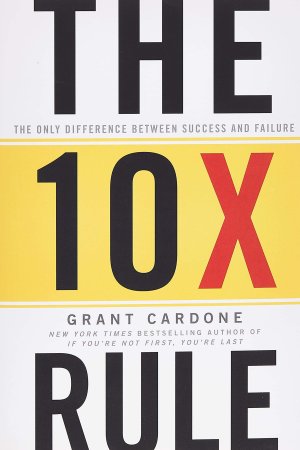
Non-Fiction & Knowledge
රු2,250.00
3 X Rs. 750.00 or 8% Cashback with
or 3 X රු750.00 with
or up to 4 X රු562.50 with
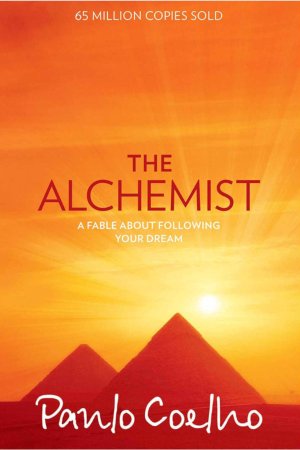
Self-Help & Psychology
රු1,500.00
3 X Rs. 500.00 or 8% Cashback with
or 3 X රු500.00 with
or up to 4 X රු375.00 with
-24%
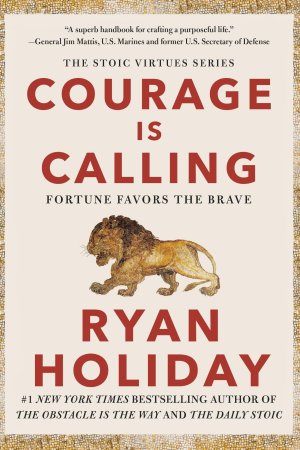
Out of stock
Non-Fiction & Knowledge
Original price was: රු2,500.00.රු1,900.00Current price is: රු1,900.00.
3 X Rs. 633.33 or 8% Cashback with
or 3 X රු633.33 with
or up to 4 X රු475.00 with
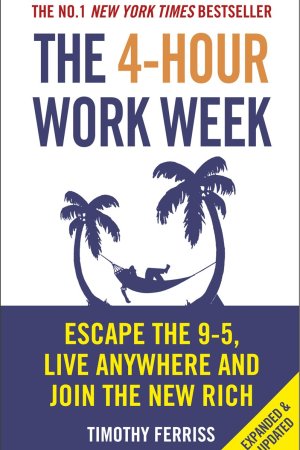
රු2,000.00
3 X Rs. 666.67 or 8% Cashback with
or 3 X රු666.67 with
or up to 4 X රු500.00 with
-34%
Non-Fiction & Knowledge
Original price was: රු2,250.00.රු1,490.00Current price is: රු1,490.00.
3 X Rs. 496.67 or 8% Cashback with
or 3 X රු496.67 with
or up to 4 X රු372.50 with
-19%
Out of stock
Non-Fiction & Knowledge
Original price was: රු2,650.00.රු2,150.00Current price is: රු2,150.00.
3 X Rs. 716.67 or 8% Cashback with
or 3 X රු716.67 with
or up to 4 X රු537.50 with
Self-Help & Psychology
රු1,900.00
3 X Rs. 633.33 or 8% Cashback with
or 3 X රු633.33 with
or up to 4 X රු475.00 with
Non-Fiction & Knowledge
රු1,550.00
3 X Rs. 516.67 or 8% Cashback with
or 3 X රු516.67 with
or up to 4 X රු387.50 with
Reviews
There are no reviews yet.