
No products in the cart.
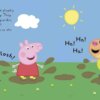
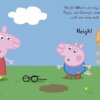
Peppa Pig: Peppa’s First Glasses
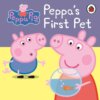
රු2,500.00
3 X Rs. 833.33 or 8% Cashback with


or 3 X රු833.33 with


or up to 4 X රු625.00 with


| Feature | Description |
|---|---|
| Title | Peppa Pig: Peppa’s First Glasses |
| Series / Imprint | Peppa Pig storybooks |
| Format | Paperback |
| Publication Date | 3 January 2013 |
| ISBN | 978-0-7181-9784-1 |
| Pages | 24 pages |
| Dimensions | 205 mm × 205 mm × 3 mm |
| Weight | 87 g |
| Age Range | Pre-school (toddlers/preschoolers) |
| Themes | Eye-health, first experiences (eye test), self-confidence, familiar characters |
2 in stock
Peppa Pig: Peppa’s First Glasses
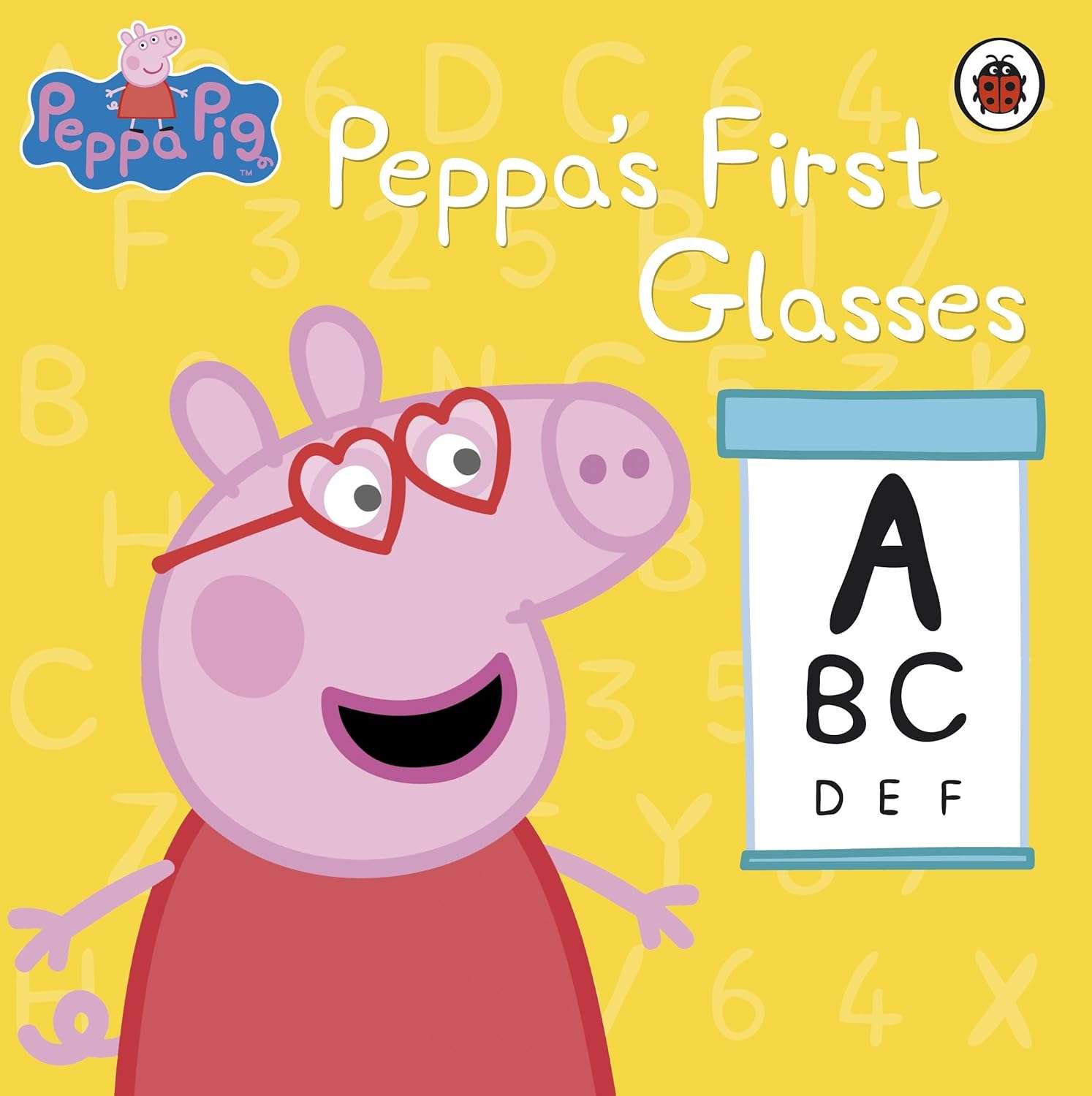
Peppa Pig: Peppa’s First Glasses is a funny and reassuring picture book about Peppa’s first visit to the optician. When Pedro Pony explains that he cannot see clearly without his glasses, Peppa begins to wonder whether she might need glasses too. Mummy Pig therefore takes her to see Mr Pony, the optician, for an eye test.
This relatable Peppa Pig story introduces preschool children to eye examinations in a friendly and familiar way. Young readers can follow Peppa as she learns what happens during an appointment, practises reading an eye chart, and discovers whether she really needs a pair of glasses.
Filled with colourful illustrations, gentle humour, and favourite characters from the animated series, Peppa’s First Glasses is ideal for children preparing for an eye test or learning why some people wear glasses.
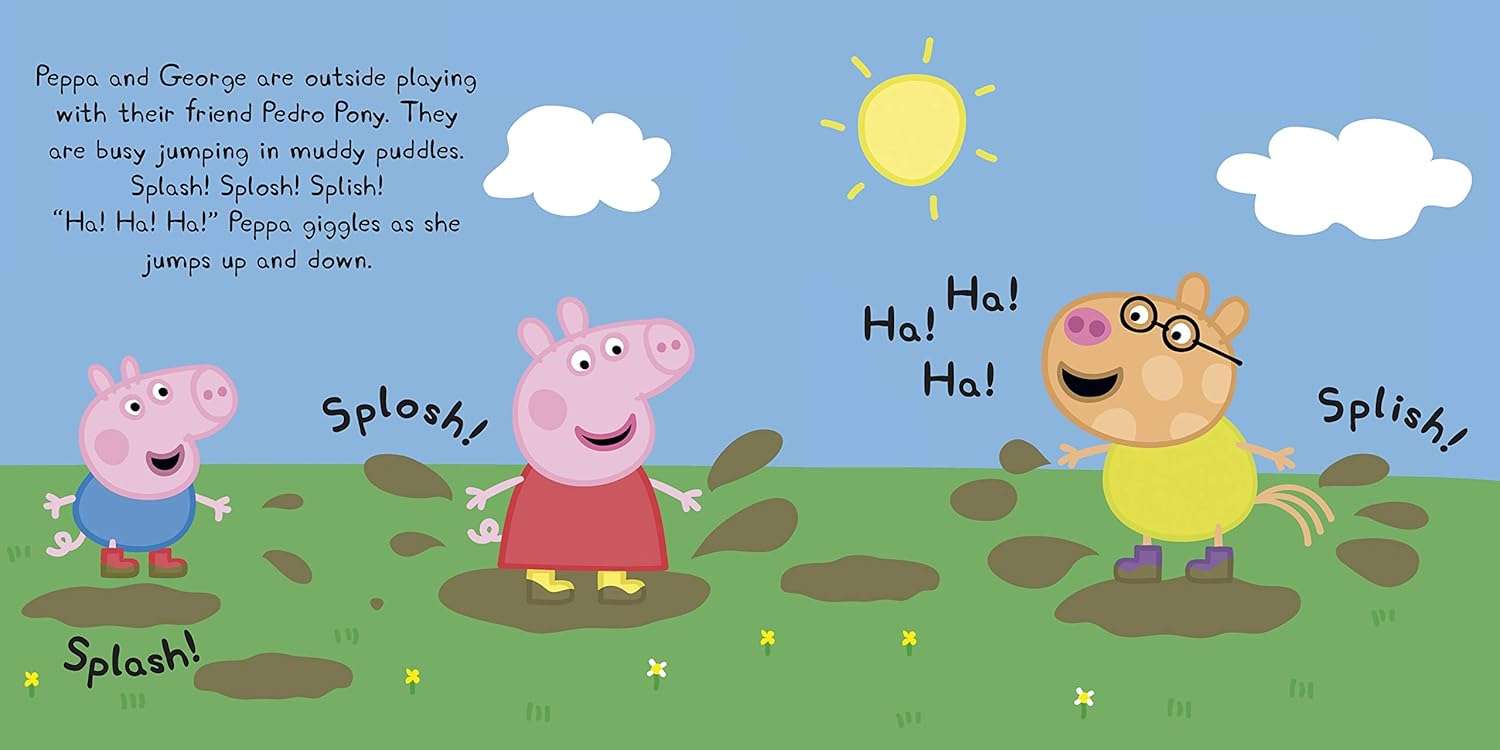
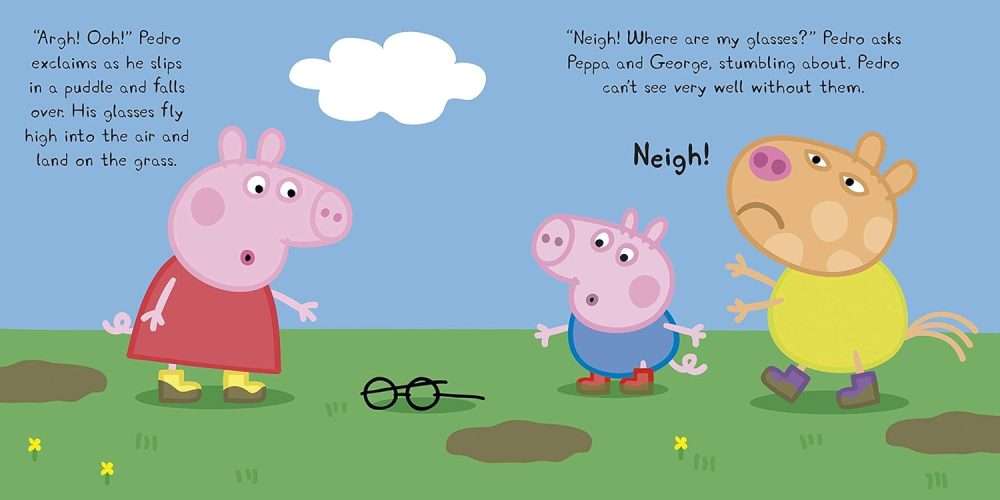
The story begins with Peppa’s friend Pedro Pony, who wears glasses because he cannot see very well without them. Peppa becomes interested in Pedro’s glasses and soon decides that she may have difficulty seeing too.
Like many curious preschoolers, Peppa wants to experience something new after seeing her friend doing it. Mummy Pig listens to her concern and arranges a visit to Mr Pony, who works as an optician.
The story encourages children to speak to a trusted adult if they are worried about their eyesight. It also shows that an eye test is the correct way to determine whether someone needs glasses.
For a young child, visiting an optician for the first time may feel unfamiliar. Peppa Pig: Peppa’s First Glasses makes this experience easier to understand by presenting it through a character children already know and trust.
During her appointment, Peppa takes part in a simple eye examination. Young readers can observe what happens and learn that the optician is there to help people see clearly.
Parents can use the story to introduce words such as:
- Optician
- Eyesight
- Eye test
- Glasses
- Lenses
- Eye chart
- Clear
- Blurry
Becoming familiar with these words before an appointment may help children feel more comfortable when they hear them in real life.
Peppa is enthusiastic about the possibility of wearing glasses, but wanting them does not necessarily mean that she needs them. Mr Pony must examine her eyesight before reaching a conclusion.
This creates a gentle mystery at the centre of the story: does Peppa really need her first pair of glasses?
Children can make predictions before reaching the ending. Parents might ask:
- “Why does Pedro wear glasses?”
- “Why does Peppa think she needs them?”
- “What do you think will happen during the eye test?”
- “Do you think Peppa needs glasses?”
- “Who can help us check our eyesight?”
- “How do glasses help some people?”
These questions can strengthen comprehension while encouraging children to explain their ideas.
Appointments can sometimes make young children nervous, particularly when they do not know what will happen. Peppa’s cheerful experience shows that an eye examination can be calm, interesting, and manageable.
The book can help children understand that:
- An eye test is designed to check how well someone can see
- The optician explains what the child needs to do
- A parent or caregiver can stay with the child
- It is acceptable to ask questions
- Some people need glasses, while others do not
- Wearing glasses is an ordinary part of life
Families can read the story before an upcoming appointment and talk about similarities between Peppa’s visit and what the child may experience. The exact tests performed may vary, but the story provides a helpful general introduction.
Pedro’s glasses are treated as a normal and useful part of his everyday life. They help him see more clearly and participate comfortably in activities with his friends.
This positive representation may be particularly valuable for children receiving their first glasses. Seeing a familiar character with a glasses-wearing friend can help them understand that there is nothing unusual or embarrassing about wearing them.
Parents can explain that glasses come in many colours and shapes. If a child is choosing their first pair, they might discuss which colour or style they would enjoy wearing.
The book may also encourage kindness towards friends and classmates who wear glasses. Children can learn that glasses are helpful tools and should never be taken, damaged, or teased about.
The colourful illustrations allow adults and children to discuss more than the main story. Young readers can look for facial expressions, familiar characters, objects inside the optician’s room, and details associated with the eye examination.
Parents can encourage observation by asking:
- “How does Peppa feel?”
- “Can you find Pedro’s glasses?”
- “What can you see in the optician’s room?”
- “Which eye is Peppa testing?”
- “What do you think Mummy Pig is saying?”
- “How do you think Pedro feels without his glasses?”
These conversations build vocabulary and help children interpret visual information.
Sharing Peppa Pig: Peppa’s First Glasses can support several early-learning abilities. Children listen to the story, study the illustrations, predict the outcome, and discuss Peppa’s experience.
Regular reading may encourage:
- Listening and concentration
- Story comprehension
- Early vocabulary
- Sequencing skills
- Prediction and reasoning
- Visual observation
- Emotional understanding
- Confidence discussing new experiences
- Positive attitudes towards health appointments
The story is educational without feeling like a formal lesson. Humour and familiar characters keep the experience enjoyable for preschool readers.
The short picture-book format makes this title particularly suitable for reading aloud. Adults can use different voices for Peppa, Pedro, Mummy Pig, and Mr Pony to make the story livelier.
Children who know the corresponding television episode may enjoy recognising the characters and events. Those encountering the story for the first time can still follow it easily through the clear illustrations and accessible language.
After several readings, children may begin remembering what happens next and retelling the story in their own words. This can strengthen confidence, memory, and narrative skills.
This book can be shared before a child’s routine eyesight check or first optician appointment. It gives parents a natural starting point for explaining why eye tests are important.
Adults can reassure children that they should answer the optician’s questions honestly. If something looks unclear, they should say so rather than guessing what they believe the adult wants to hear.
The story should not be used to assess a child’s vision at home. Concerns about eyesight should be discussed with a qualified eye-care professional.
Peppa’s First Glasses makes a practical and enjoyable present for:
- Children preparing for their first eye test
- Youngsters receiving their first glasses
- Preschool Peppa Pig fans
- Children interested in community helpers
- Families discussing health and wellbeing
- Nurseries and preschool classrooms
- Anyone building a child’s first story collection
Its everyday theme allows the book to remain relevant even after the child has completed an eye examination.
Peppa Pig is a popular preschool character who lives with Mummy Pig, Daddy Pig, and her younger brother George. Her stories follow family activities, friendships, playgroup experiences, celebrations, holidays, and other familiar childhood events.
Peppa Pig books use colourful illustrations, simple storytelling, and gentle humour to make everyday situations approachable for young readers. Stories about first experiences can help children discuss their questions and prepare for unfamiliar events.
This book is suitable for:
- Children aged three years and above
- Preschoolers preparing for an eye examination
- Children beginning to wear glasses
- Young Peppa Pig fans
- Parents introducing health-related vocabulary
- Nurseries, preschools, and early-learning centres
- Families looking for a reassuring read-aloud story
These specifications refer to the original 24-page paperback edition and are confirmed by the official Penguin UK publication page.
Be the first to review “Peppa Pig: Peppa’s First Glasses”
Related products
Children & Young Adult
The Famous Five Complete Box Set of 21 by Enid Blyton & Eileen Soper
රු9,900.00
3 X Rs. 3,300.00 or 8% Cashback with
or 3 X රු3,300.00 with
or up to 4 X රු2,475.00 with
Out of stock
Children & Young Adult
Famous Five: Five Run Away Together (Book 3) by Enid Blyton | Paperback Edition
රු800.00
3 X Rs. 266.67 or 8% Cashback with
or 3 X රු266.67 with
or up to 4 X රු200.00 with
-10%
Out of stock
Children & Young Adult
Lord of the rings triology (Single Book) by J. R. R. Tolkien
Original price was: රු5,000.00.රු4,500.00Current price is: රු4,500.00.
3 X Rs. 1,500.00 or 8% Cashback with
or 3 X රු1,500.00 with
or up to 4 X රු1,125.00 with
Out of stock
Children & Young Adult
රු1,950.00
3 X Rs. 650.00 or 8% Cashback with
or 3 X රු650.00 with
or up to 4 X රු487.50 with
-25%
Out of stock
Children & Young Adult
Original price was: රු2,000.00.රු1,500.00Current price is: රු1,500.00.
3 X Rs. 500.00 or 8% Cashback with
or 3 X රු500.00 with
or up to 4 X රු375.00 with
Out of stock
Children & Young Adult
රු2,100.00
3 X Rs. 700.00 or 8% Cashback with
or 3 X රු700.00 with
or up to 4 X රු525.00 with
Out of stock
Children & Young Adult
Famous Five Vol 10: Five on a Hike Together by Enid Blyton | Classic Children’s Adventure Book
රු800.00
3 X Rs. 266.67 or 8% Cashback with
or 3 X රු266.67 with
or up to 4 X රු200.00 with
-49%
Out of stock
Children & Young Adult
Original price was: රු3,400.00.රු1,750.00Current price is: රු1,750.00.
3 X Rs. 583.33 or 8% Cashback with
or 3 X රු583.33 with
or up to 4 X රු437.50 with
Reviews
There are no reviews yet.