
No products in the cart.
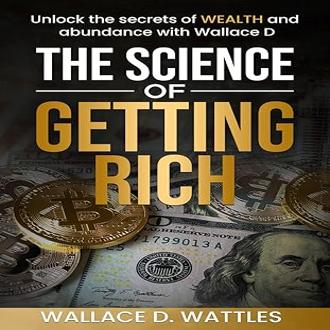
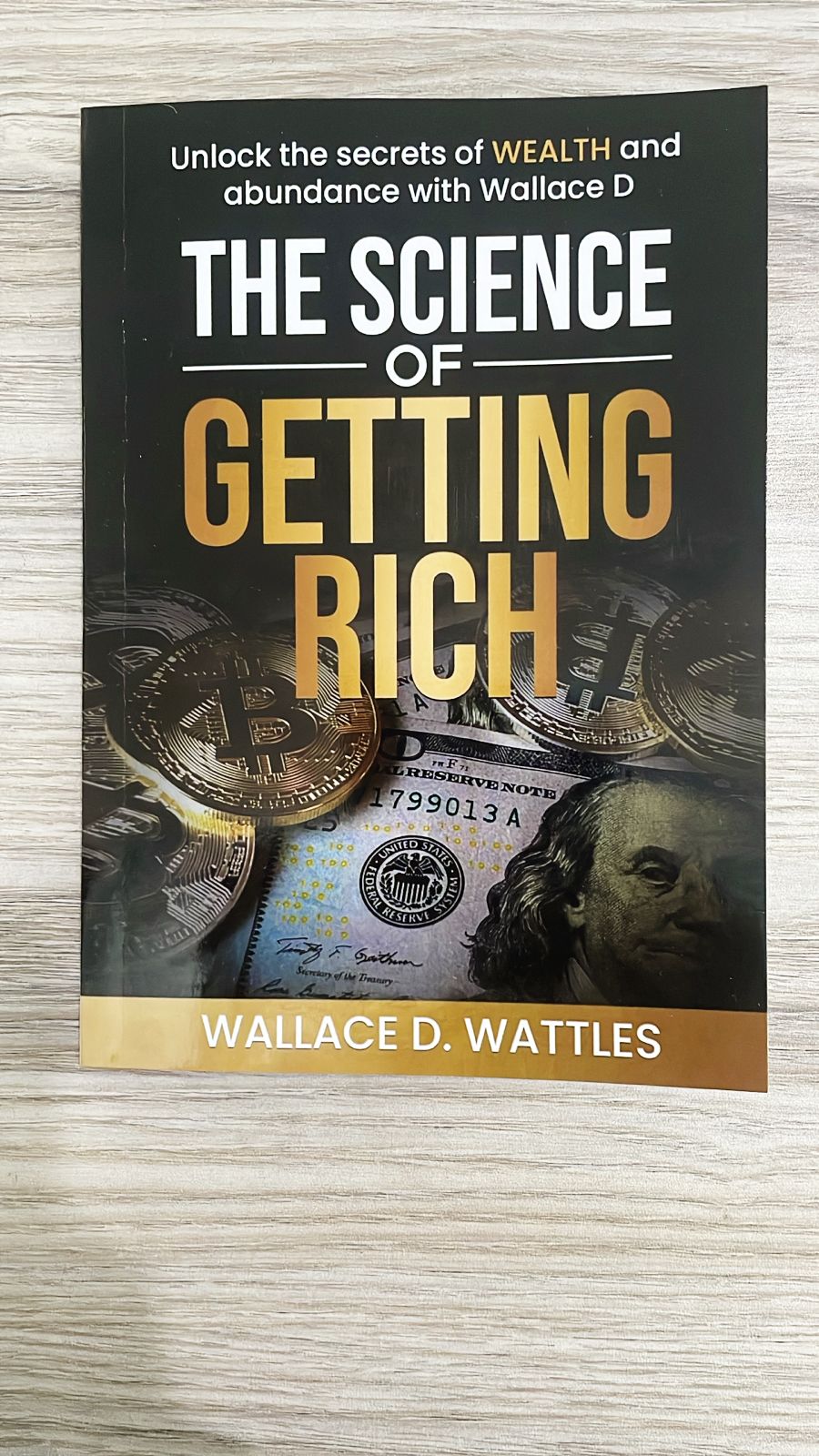
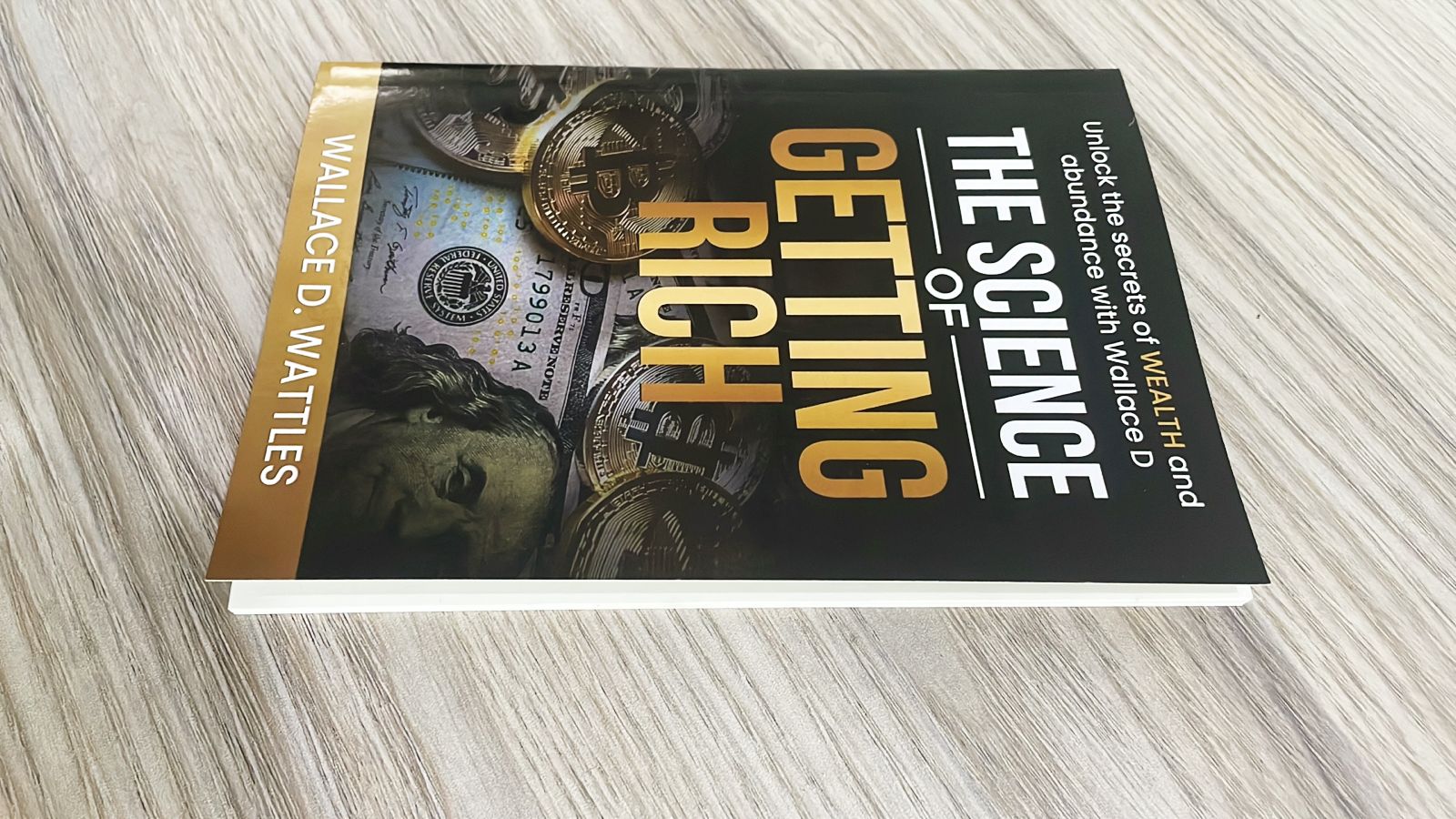

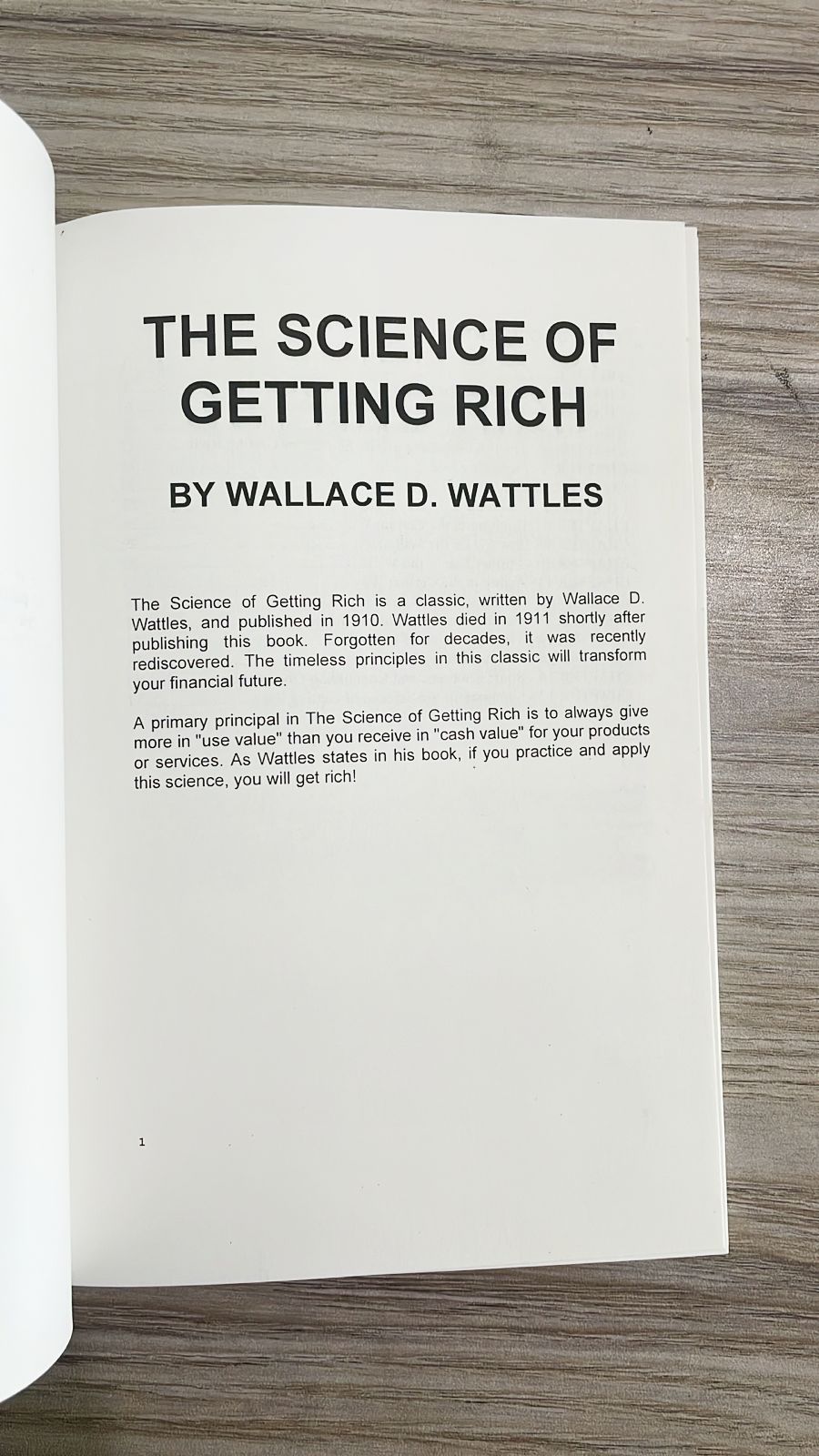

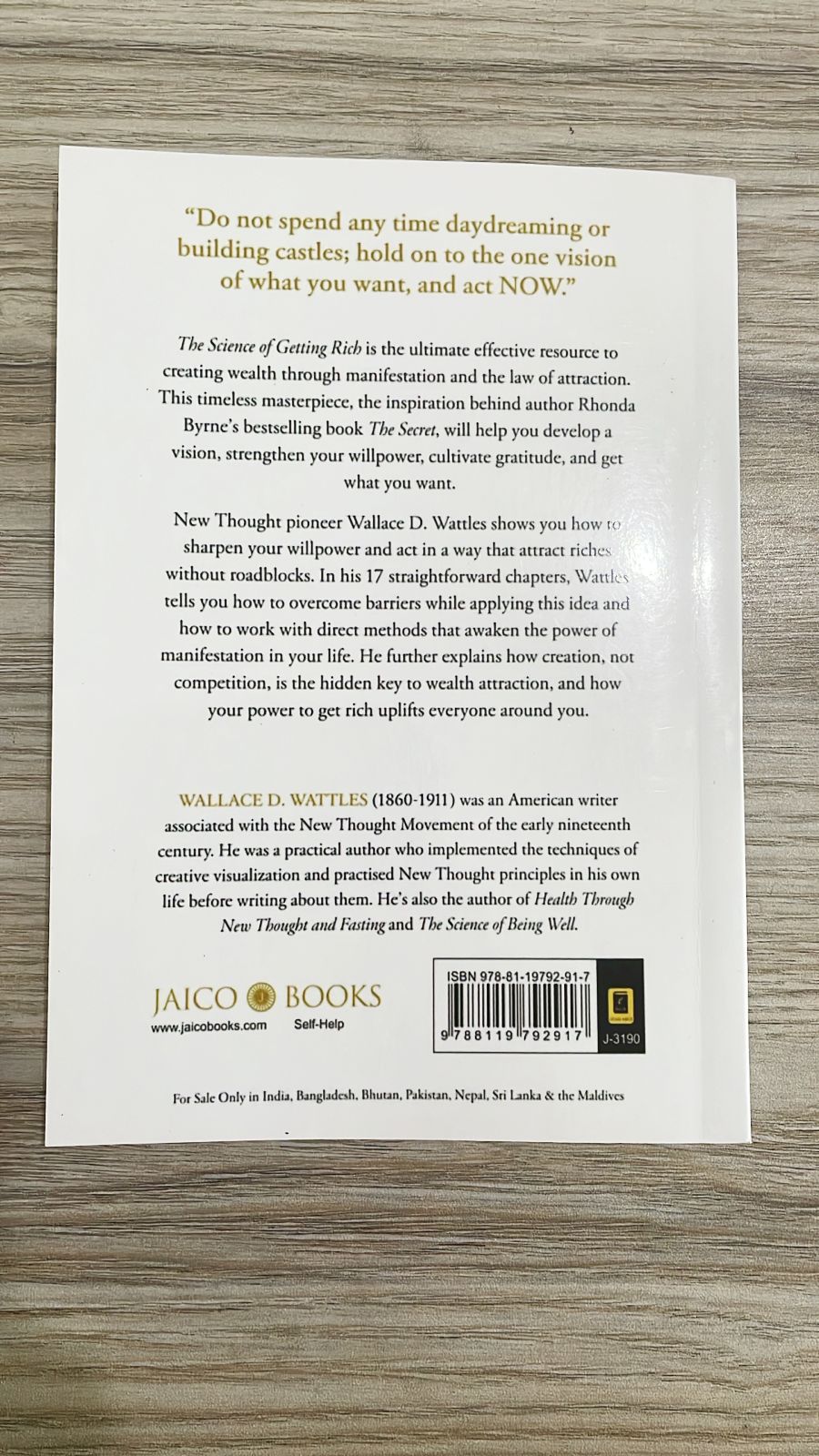
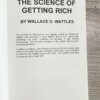

The Science of Getting Rich by Wallace D. Wattles
Science of Getting Rich by Wallace D. Wattles is a classic personal-development book about wealth, mindset, gratitude, opportunity, and purposeful action.
Originally published in 1910, the book presents Wattles’ philosophy on how people can improve their financial circumstances by changing the way they think and act.
Rather than focusing mainly on budgeting, investing, or modern financial techniques, the book approaches wealth from a mindset and New Thought perspective.
Its ideas later influenced many books in the personal-development and prosperity genre.
About Science of Getting Rich
Science of Getting Rich is divided into seventeen relatively short chapters.
Wallace D. Wattles argues that financial success is not simply a matter of luck.
Instead, he believes people can improve their circumstances by developing a clear vision, maintaining gratitude, acting effectively, and creating value.
One of his most repeated ideas is what he calls doing things in a “Certain Way.”
This involves combining focused thought with purposeful action.
The book encourages readers not merely to wish for a better life, but to act efficiently toward the opportunities available to them.
7 Powerful Ideas from Science of Getting Rich
1. Become Clear About What You Want
The book encourages readers to develop a clear idea of what they want to achieve.
Vague goals can make it difficult to know what action to take.
A clearer goal can help direct attention and effort.
Wattles therefore places considerable emphasis on maintaining a definite vision of the desired result.
2. Practise Gratitude
Gratitude is one of the most important themes in the book.
Wattles argues that people should appreciate the opportunities and resources already available to them.
Gratitude can also shift attention away from constant dissatisfaction.
From a practical perspective, appreciating progress can help people notice useful opportunities and relationships that might otherwise be overlooked.
3. Take Purposeful Action
Thinking alone is not enough.
The book repeatedly emphasizes action.
Readers are encouraged to do today’s work effectively rather than waiting endlessly for ideal circumstances.
This makes action an important part of Wattles’ philosophy.
Progress comes from combining intention with useful effort.
4. Focus on Creating Rather Than Competing
One of the more distinctive ideas in Science of Getting Rich is the contrast between creation and competition.
Wattles encourages readers to think about creating additional value instead of assuming that success must always come at someone else’s expense.
This idea can be applied to entrepreneurship.
A business can grow by developing useful products, improving services, solving problems, and finding new opportunities.
5. Become More Effective at Your Work
The book discusses what Wattles calls efficient action.
This means making today’s actions count.
Instead of constantly worrying about everything that could happen in the future, readers are encouraged to focus on doing the present task as well as possible.
Consistent improvement can gradually create better opportunities.
6. Choose Work That Allows Growth
Wattles also discusses the importance of finding the right business or occupation.
Skills, interests, circumstances, and opportunities can all influence financial progress.
The book encourages readers to continue developing their abilities.
Greater skill can increase the value someone is able to provide.
That can create new professional or entrepreneurial possibilities.
7. Develop a Growth-Oriented Mindset
A major theme throughout the book is the belief that improvement is possible.
Wattles encourages readers to avoid becoming completely defined by their current circumstances.
The book instead promotes a mindset focused on development.
This can encourage readers to continue learning, improving skills, and taking constructive action.
Mindset and Wealth
Science of Getting Rich is primarily a mindset-oriented book.
It is not a modern personal-finance manual.
Readers will not find detailed explanations of investment portfolios, retirement accounts, budgeting software, or contemporary tax strategy.
Instead, Wattles explores the relationship between thought, belief, opportunity, and action.
This distinction is important.
Some of the book’s claims come from the New Thought movement and should be understood as philosophical or motivational ideas rather than scientifically established laws of wealth creation.
Readers may find the book most useful as a historical self-development text.
The Importance of Action
One useful theme is Wattles’ emphasis on acting now.
People can spend years waiting for the perfect opportunity.
They may believe they need more money, more connections, a different job, or ideal circumstances before beginning.
The book challenges this attitude.
Start with the opportunities that are available.
Do today’s work well.
Then look for the next opportunity to advance.
This principle remains relevant for business, careers, and personal goals.
Creating Value
The book also encourages an attitude of increase.
In practical terms, this can be understood as trying to leave customers, colleagues, or other people with greater value than they had before interacting with you.
Businesses succeed when customers believe they receive something useful.
Employees become valuable when they solve important problems.
Entrepreneurs grow when they create products or services people genuinely want.
This makes value creation one of the more practical ways to interpret Wattles’ philosophy.
Gratitude and Perspective
Gratitude receives an entire chapter in the original book.
Wattles connects gratitude with maintaining a constructive mental state.
Modern readers may interpret this as a reminder to recognize progress while continuing to pursue improvement.
Constant comparison can make even successful people feel dissatisfied.
Taking time to recognize what is already working can create a healthier perspective.
That does not mean ignoring financial problems.
It means approaching those problems without allowing frustration to completely control your thinking.
Who Should Read This Book?
Science of Getting Rich may appeal to readers interested in personal development, wealth mindset, entrepreneurship, motivation, and classic success literature.
It may also interest readers who enjoyed Think and Grow Rich or The Secret.
The book is relatively short and direct.
Its chapter structure makes it easy to read one concept at a time.
Entrepreneurs may appreciate its focus on action and creating value.
Readers interested in the history of self-help literature may also find it particularly interesting.
About Wallace D. Wattles
Wallace D. Wattles was an American writer associated with the New Thought movement.
He was born in 1860 and wrote several books about personal development and prosperity.
His best-known works include The Science of Getting Rich, The Science of Being Well, and The Science of Being Great.
His writing later influenced other authors in the success and self-development field.
Readers can learn more about the book through the official Penguin Random House page for The Science of Getting Rich.
Product Details
Title: The Science of Getting Rich
Author: Wallace D. Wattles
Original Publication Year: 1910
Language: English
Genre: Personal Development / Wealth / Success / Self-Help
Themes: Wealth Mindset, Gratitude, Purposeful Action, Opportunity, Personal Growth
Because many publishers have released different editions of this public-domain classic, page count, ISBN, dimensions, and binding can vary.
Check the ISBN printed on your physical copy before entering edition-specific product details.
Explore More Business and Finance Books
Science of Getting Rich remains an influential title in the history of personal-development literature.
Its central message combines focused thinking with gratitude, purposeful action, personal improvement, and creating value.
Readers should approach its claims as self-help philosophy rather than guaranteed or scientifically proven financial methods.
Its strongest practical ideas encourage readers to clarify their goals, improve their skills, act consistently, and look for ways to create more value.
Readers interested in money, entrepreneurship, business, and personal success can explore more Business, Finance & Economics Books at Bargain Books.
For anyone interested in classic books about prosperity and the psychology of success, Science of Getting Rich offers an accessible introduction to Wallace D. Wattles’ influential ideas.
Be the first to review “Science of Getting Rich by Wallace D. Wattles”
Related products

Out of stock
Damaged & Imperfect Books
රු950.00
3 X Rs. 316.67 or 8% Cashback with


or 3 X රු316.67 with


or up to 4 X රු237.50 with


Out of stock
Business
රු1,300.00
3 X Rs. 433.33 or 8% Cashback with
or 3 X රු433.33 with
or up to 4 X රු325.00 with
Out of stock
Business, Finance & Economics
රු1,990.00
3 X Rs. 663.33 or 8% Cashback with
or 3 X රු663.33 with
or up to 4 X රු497.50 with
Motivation & Success
රු1,950.00
3 X Rs. 650.00 or 8% Cashback with
or 3 X රු650.00 with
or up to 4 X රු487.50 with
Business
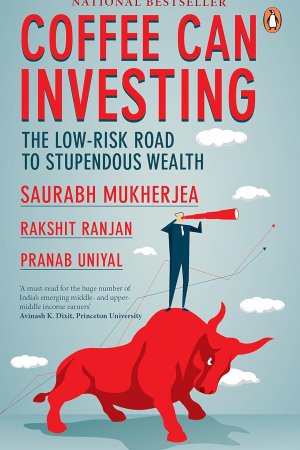
Coffee Can Investing by Sanjay Bakshi – A Simple, High-Reward Strategy for Building Long-Term Wealth
රු1,750.00
3 X Rs. 583.33 or 8% Cashback with
or 3 X රු583.33 with
or up to 4 X රු437.50 with

Out of stock
රු1,750.00
3 X Rs. 583.33 or 8% Cashback with
or 3 X රු583.33 with
or up to 4 X රු437.50 with
-17%

Out of stock
Original price was: රු2,900.00.රු2,400.00Current price is: රු2,400.00.
3 X Rs. 800.00 or 8% Cashback with
or 3 X රු800.00 with
or up to 4 X රු600.00 with

Money Management
රු1,750.00
3 X Rs. 583.33 or 8% Cashback with
or 3 X රු583.33 with
or up to 4 X රු437.50 with
Reviews
There are no reviews yet.