
No products in the cart.
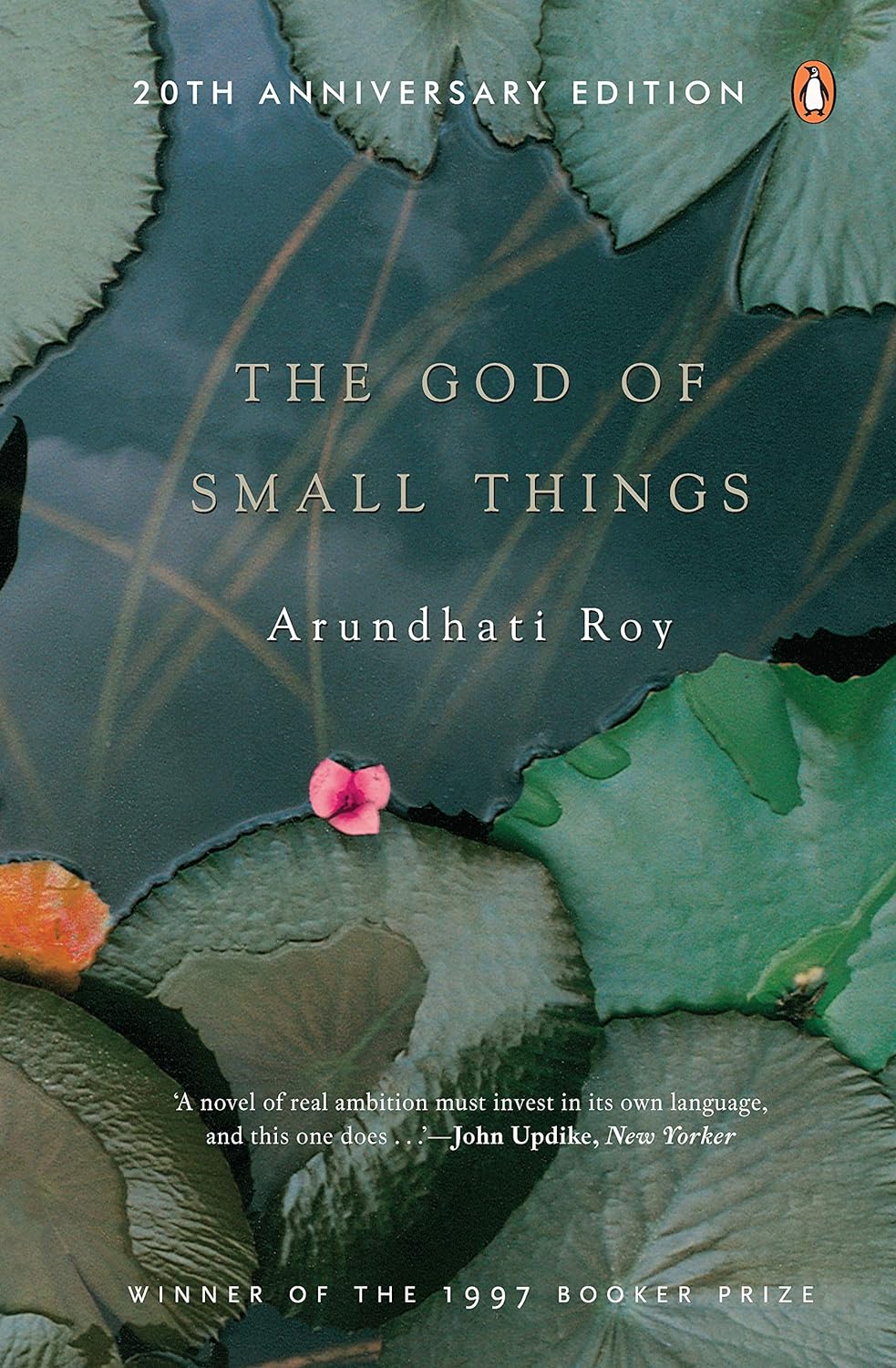
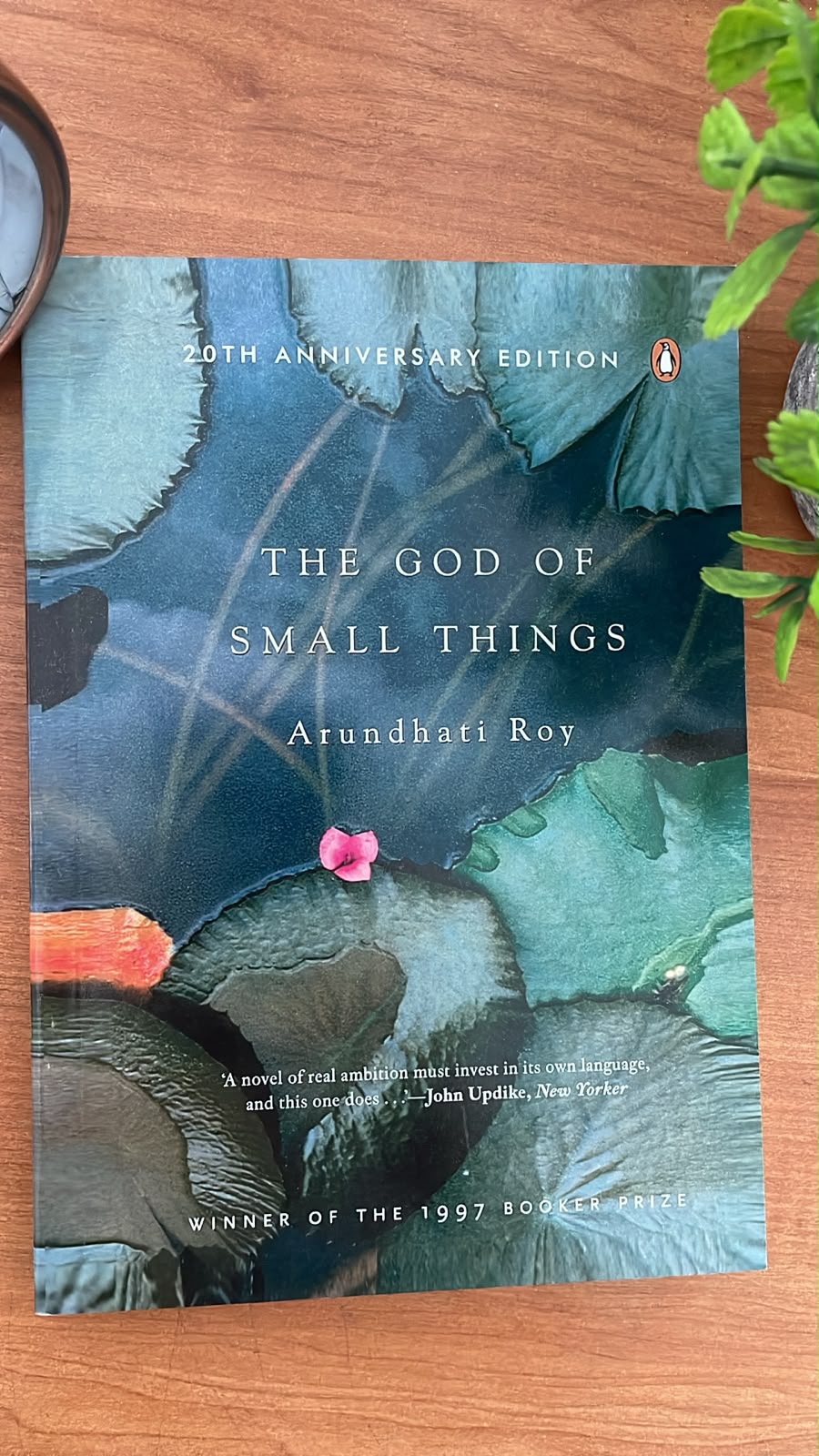
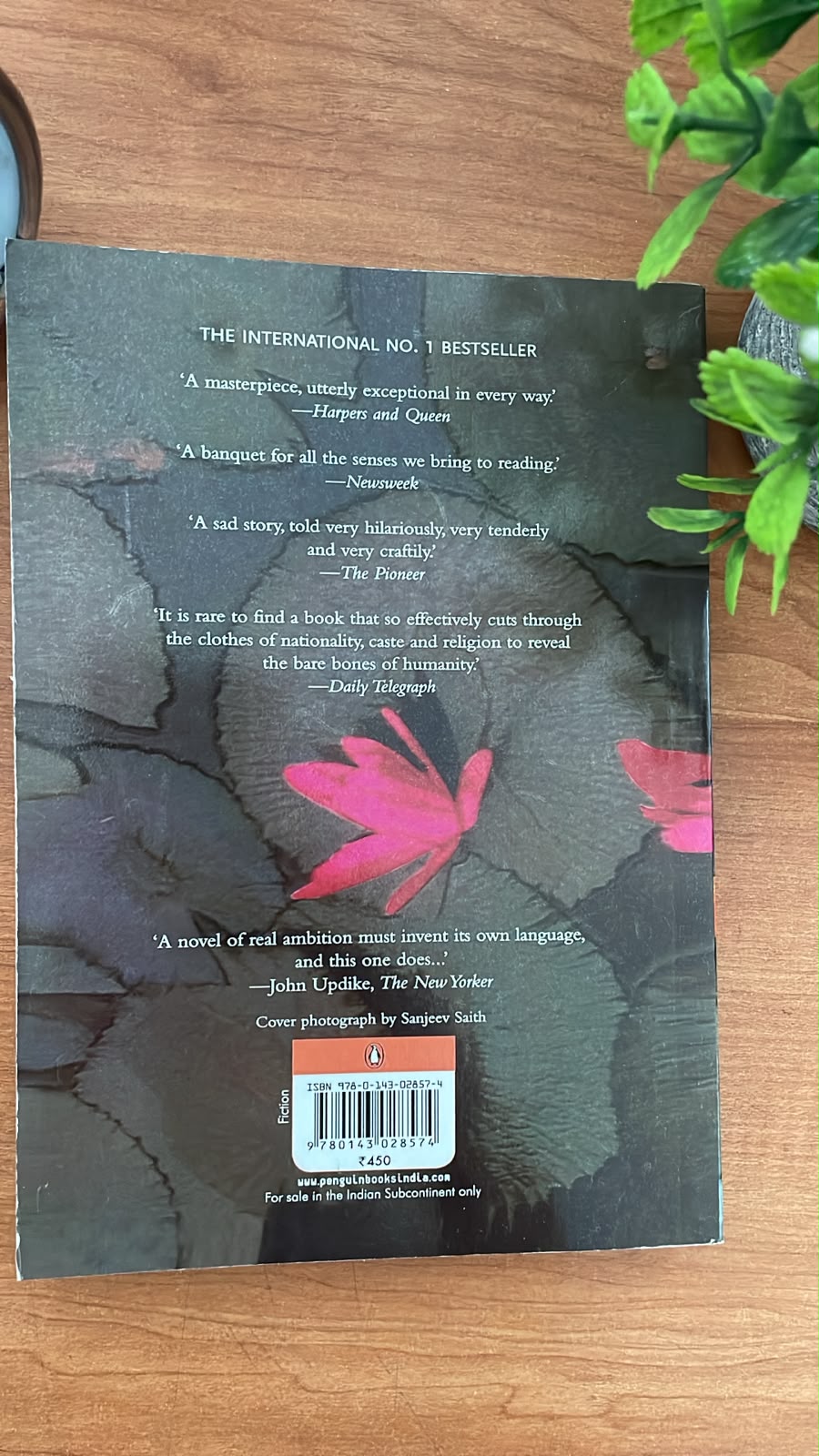
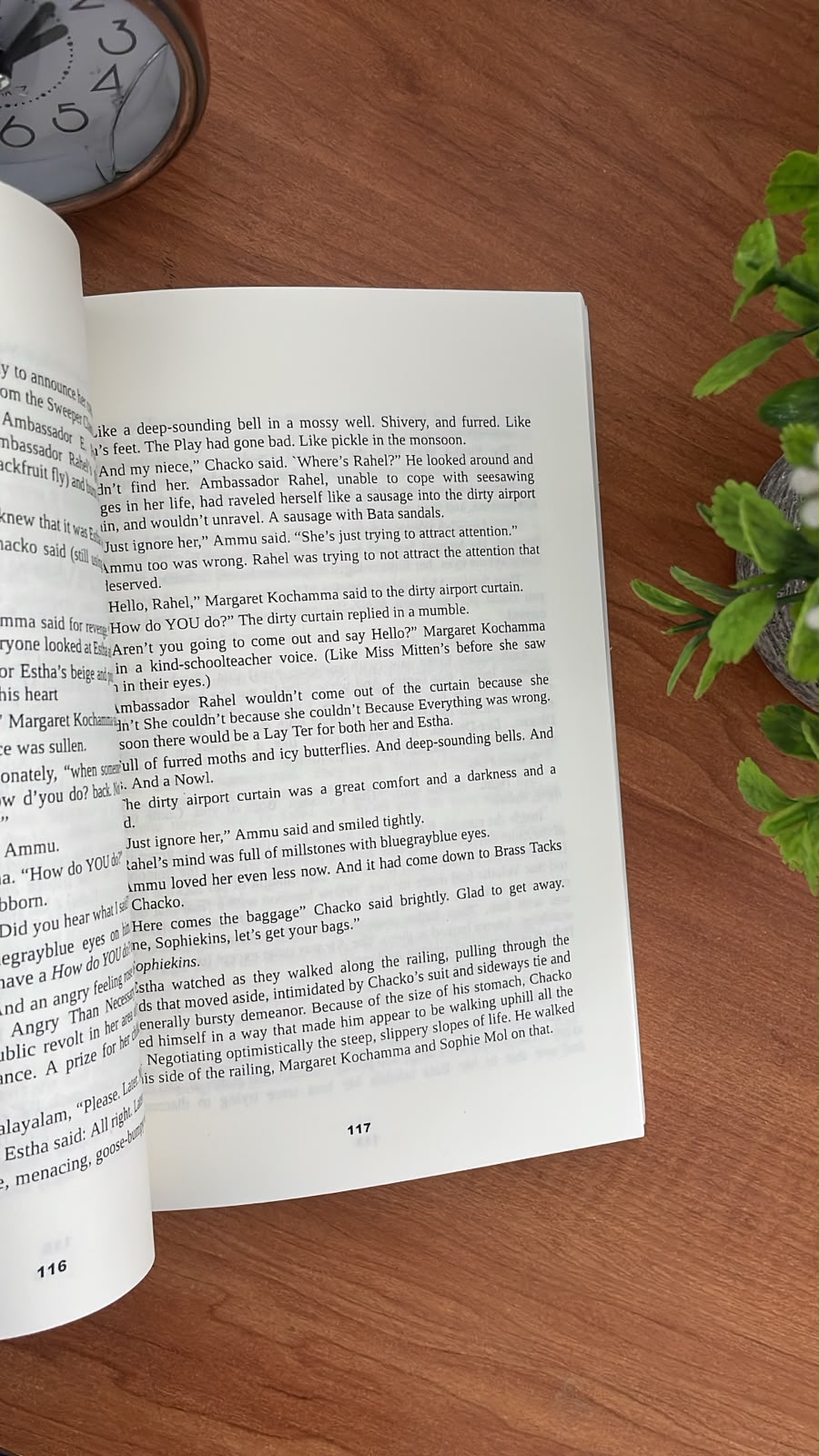









The God of Small Things by Arundhati Roy
The God of Small Things by Arundhati Roy is a beautifully written literary novel about childhood, family, love, loss, memory, and the social rules that shape people’s lives. Set mainly in Kerala, India, the story follows twins Estha and Rahel as they grow up within a complicated family whose lives are permanently changed by a series of heartbreaking events.
Winner of the 1997 Booker Prize, this unforgettable novel combines an intimate family story with wider themes involving society, class, relationships, politics, and forbidden love. Arundhati Roy tells the story through memories and different periods of time, slowly revealing how one important period during the twins’ childhood changed their family forever.
Why Read The God of Small Things?
One of the most memorable aspects of The God of Small Things is the way the story is seen through the experiences of children.
Estha and Rahel are twins growing up in a family filled with strong personalities, hidden conflicts, expectations, and painful memories. Through their eyes, ordinary moments can feel enormous while events that adults consider important can appear confusing or strange.
This perspective gives the novel its distinctive emotional power.
The book explores how seemingly small decisions, conversations, relationships, and moments can have consequences that last for many years. As the story develops, readers gradually understand the connections between the family’s past and present.
A Powerful Family Story
At its heart, The God of Small Things is a story about a family.
The twins live among relatives whose relationships are shaped by love, disappointment, jealousy, tradition, and personal history. When their cousin Sophie Mol arrives to visit the family, a chain of events begins that will permanently affect everyone involved.
Rather than telling the story in a simple chronological order, Arundhati Roy moves between different periods of the characters’ lives.
Readers discover pieces of the past gradually, almost like completing a puzzle.
This structure creates mystery and emotional tension while allowing the reader to understand how childhood experiences continue influencing Estha and Rahel as adults.
Love, Society and the Rules People Follow
Another important theme in The God of Small Things is the idea that society creates rules about who people are allowed to love and how relationships should work.
The novel examines social expectations, family reputation, class differences and the consequences that can occur when people challenge established boundaries.
Romantic love, parental love, sibling relationships and family loyalty all appear throughout the story.
Some relationships bring comfort, while others create conflict or tragedy.
Through these different connections, the novel asks readers to consider how much freedom people truly have when family expectations and social traditions influence their choices.
Set in Kerala, India
Kerala plays an important role in the atmosphere of the novel.
The natural surroundings, weather, rivers, homes and local communities are described with rich and memorable imagery. The setting gives the story a strong sense of place while also helping readers understand the cultural and social world surrounding the characters.
Arundhati Roy’s writing style is particularly distinctive.
She experiments with language, repetition, unusual descriptions and the way children understand words. This gives the novel a lyrical quality that separates it from a conventional family drama.
Readers who enjoy books where the writing style itself is an important part of the experience may particularly appreciate this novel.
An Award-Winning Modern Classic
The God of Small Things became internationally recognized after publication and won the Booker Prize for Fiction.
The novel established Arundhati Roy as an important literary voice and continues to be widely read by people interested in Indian literature, literary fiction and award-winning novels.
Although the book deals with serious subjects, it also contains moments of childhood curiosity, humour, affection and beauty.
This combination of warmth and sadness gives the story much of its emotional impact.
Who Should Read The God of Small Things?
This novel may be an excellent choice for readers who enjoy:
- Literary fiction
- Award-winning novels
- Indian literature
- Family sagas
- Emotional stories
- Complex family relationships
- Stories about childhood and memory
- Social and cultural themes
- Forbidden love stories
- Non-linear storytelling
- Beautiful and lyrical writing
- Thought-provoking fiction
Readers who enjoy novels that slowly reveal their meaning rather than fast-paced action may especially appreciate this book.
Is The God of Small Things Worth Reading?
For readers looking for a thoughtful novel with memorable characters and deeper themes, The God of Small Things offers much more than a straightforward family story.
It explores the ways childhood experiences can remain with people throughout their lives and how decisions that appear small at the time can eventually create enormous consequences.
The relationship between Estha and Rahel gives the novel its emotional centre, while the surrounding family relationships create a complicated world of love, secrets, conflict and tragedy.
The result is a novel that encourages readers to think about family, society, memory and the invisible rules that influence human relationships.
Buy The God of Small Things in Sri Lanka
If you are searching for The God of Small Things in Sri Lanka, this Booker Prize-winning novel deserves a place in your literary fiction collection.
Arundhati Roy’s combination of beautiful writing, unforgettable characters and powerful themes has made the book a modern literary classic.
Whether you are discovering Arundhati Roy for the first time, collecting award-winning fiction or simply looking for a meaningful novel that stays in your mind long after the final page, The God of Small Things is an excellent choice.
Learn more about The God of Small Things by Arundhati Roy on the official Penguin Random House website.
Explore more literary fiction books at Bargain Books.
Be the first to review “God of Small Things by Arundhati Roy”
Related products

Out of stock
Classics & Literary Fiction
රු4,300.00
3 X Rs. 1,433.33 or 8% Cashback with


or 3 X රු1,433.33 with


or up to 4 X රු1,075.00 with


Out of stock
Classics & Literary Fiction
රු1,700.00
3 X Rs. 566.67 or 8% Cashback with
or 3 X රු566.67 with
or up to 4 X රු425.00 with
-14%

Classics & Literary Fiction
Original price was: රු1,800.00.රු1,550.00Current price is: රු1,550.00.
3 X Rs. 516.67 or 8% Cashback with
or 3 X රු516.67 with
or up to 4 X රු387.50 with

Out of stock
Classics & Literary Fiction
රු1,750.00
3 X Rs. 583.33 or 8% Cashback with
or 3 X රු583.33 with
or up to 4 X රු437.50 with
-16%

Classics & Literary Fiction
Original price was: රු3,200.00.රු2,700.00Current price is: රු2,700.00.
3 X Rs. 900.00 or 8% Cashback with
or 3 X රු900.00 with
or up to 4 X රු675.00 with
-19%

Out of stock
Classics & Literary Fiction
Original price was: රු2,600.00.රු2,100.00Current price is: රු2,100.00.
3 X Rs. 700.00 or 8% Cashback with
or 3 X රු700.00 with
or up to 4 X රු525.00 with
-28%

Out of stock
Classics & Literary Fiction
Original price was: රු1,800.00.රු1,300.00Current price is: රු1,300.00.
3 X Rs. 433.33 or 8% Cashback with
or 3 X රු433.33 with
or up to 4 X රු325.00 with
-48%

Out of stock
Classics & Literary Fiction
Original price was: රු3,000.00.රු1,550.00Current price is: රු1,550.00.
3 X Rs. 516.67 or 8% Cashback with
or 3 X රු516.67 with
or up to 4 X රු387.50 with
Reviews
There are no reviews yet.