
No products in the cart.

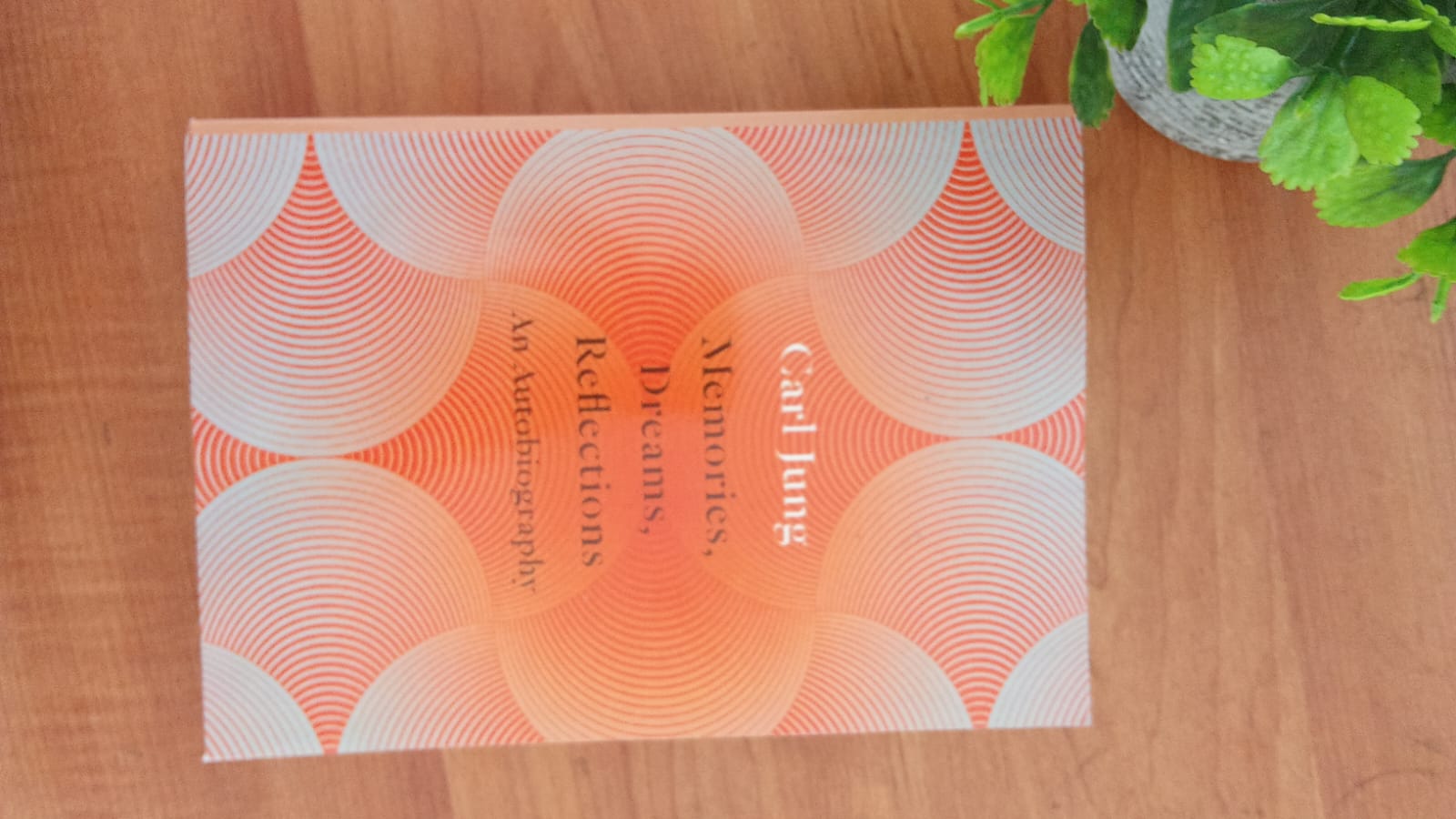
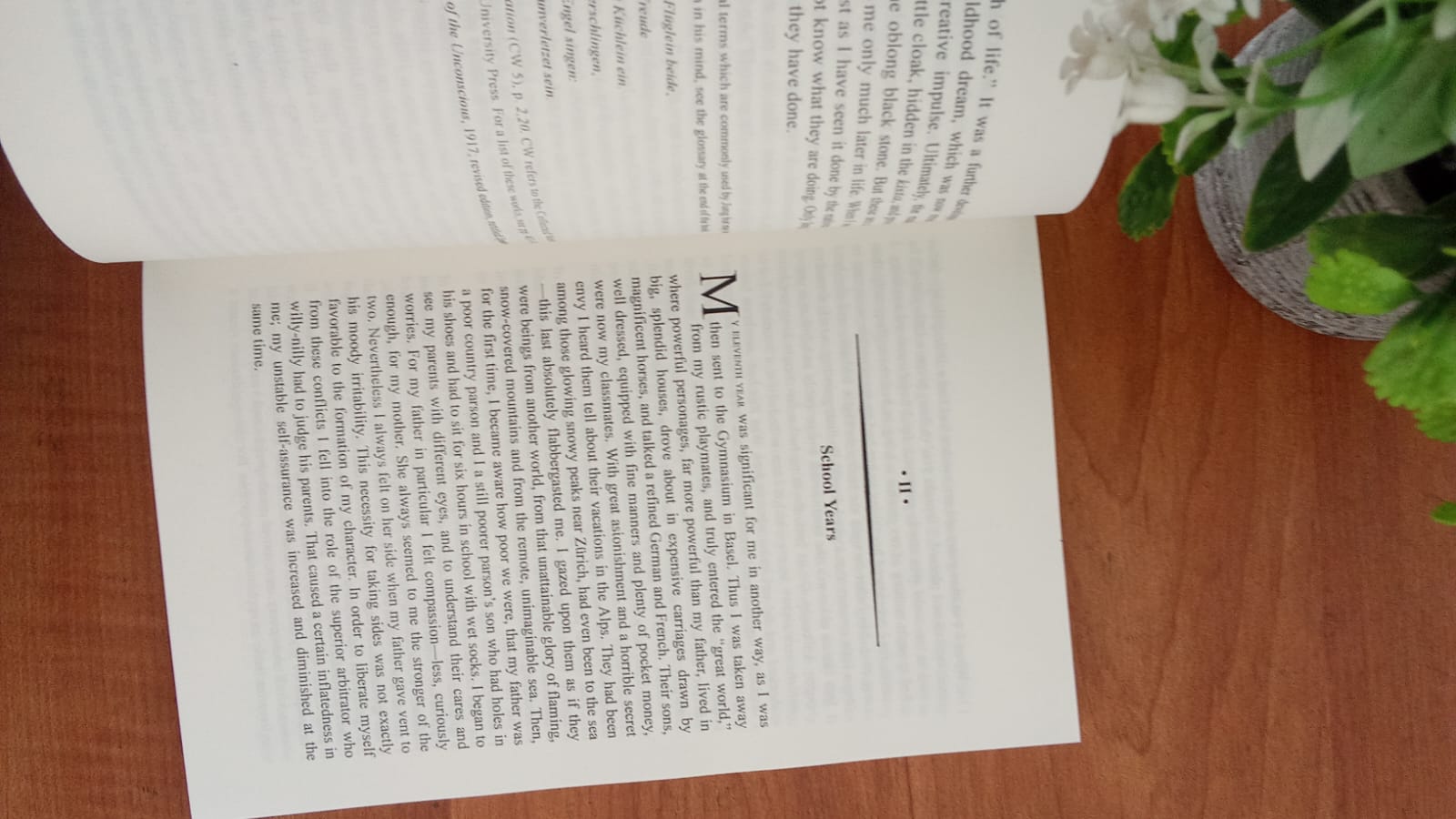
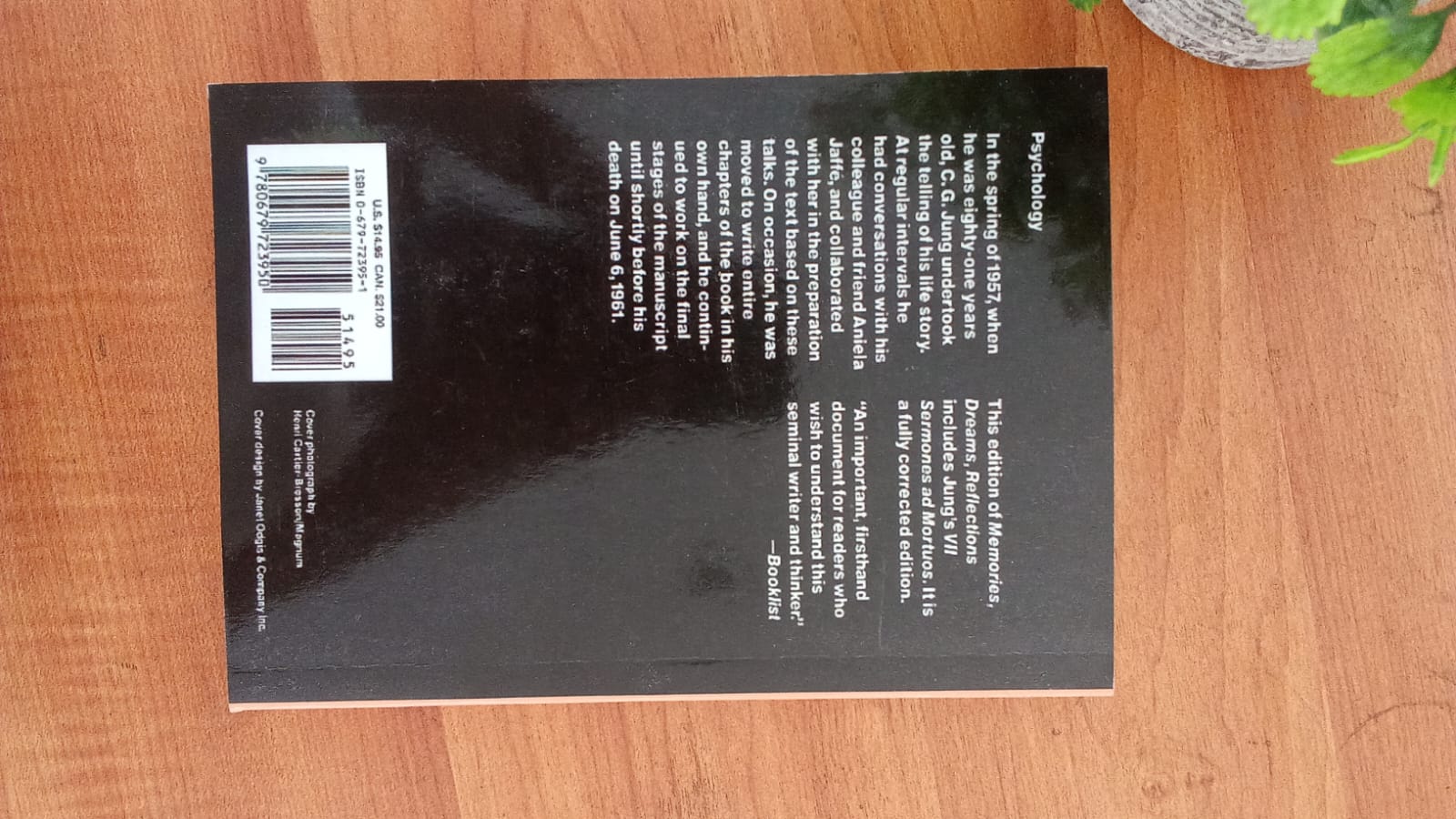




Memories dreams reflections by Carl G. Jung


රු2,200.00
3 X Rs. 733.33 or 8% Cashback with


or 3 X රු733.33 with


or up to 4 X රු550.00 with


A Deep Journey Into the Mind of Carl Jung
Memories, Dreams, Reflections is the deeply personal and philosophical autobiography of Carl Gustav Jung, one of the most influential thinkers in the field of Analytical Psychology. Unlike a traditional autobiography, this book explores Jung’s inner world—his dreams, visions, childhood memories, and spiritual reflections—offering readers a rare glimpse into the mind that shaped modern psychology.
6 in stock
Memories, Dreams, Reflections by Carl Gustav Jung is a deeply introspective and philosophical work that explores the inner life, experiences, and psychological insights of one of the most influential thinkers in modern psychology. Rather than being a conventional autobiography, the book presents Jung’s life through memories, dreams, and reflections that reveal how his ideas and theories developed over time.
Instead of focusing only on external events, Memories, Dreams, Reflections explores the inner journey of the human mind. The central idea is that understanding oneself requires deep reflection, awareness of the unconscious, and openness to personal transformation.
Self-Discovery Through Inner Exploration
One of the most powerful themes in Memories, Dreams, Reflections is the importance of self-discovery. Jung emphasizes that true understanding comes not from external achievements but from exploring one’s inner world.
He explains that:
- Dreams carry meaningful messages from the unconscious
- Personal experiences shape identity in profound ways
- Reflection is essential for psychological growth
Rather than ignoring inner thoughts, Jung encourages readers to engage with them and learn from them.
The Role of Dreams and the Unconscious
A central concept in Jung’s work is the unconscious mind. In this book, he shares many personal dreams and explains how they influenced his thinking.
Readers learn that:
- Dreams are not random—they reveal hidden truths
- Symbols and images carry psychological meaning
- The unconscious mind plays a major role in behavior
Through these ideas, Memories, Dreams, Reflections introduces readers to Jung’s unique approach to psychology in a personal and accessible way.
Life Experiences That Shaped Jung’s Ideas
The book traces Jung’s life from childhood to his later years, highlighting key moments that shaped his theories.
It explores:
- His early fascination with spirituality and symbolism
- His professional journey in psychology
- His relationship and differences with Sigmund Freud
- His travels and encounters with different cultures
These experiences provide context for his ideas, showing how theory and life are closely connected.
Psychology, Spirituality, and Meaning
Unlike many scientific works, Memories, Dreams, Reflections blends psychology with spirituality. Jung believed that understanding the mind also involves exploring meaning, purpose, and the human soul.
The book discusses:
- The search for meaning in life
- The connection between psychology and religion
- The importance of balance between conscious and unconscious
This makes the book not only psychological but also philosophical and spiritual.
Personal Growth and Transformation
A key message of the book is that personal growth is a lifelong process. Jung introduces the idea of individuation—the journey of becoming one’s true self.
Readers discover that:
- Growth requires facing fears and inner conflicts
- Self-awareness leads to emotional balance
- Transformation comes through understanding, not avoidance
Rather than offering quick solutions, the book encourages deep and meaningful change.
A Unique Autobiographical Style
Unlike traditional autobiographies, this book is structured around thoughts and reflections rather than strict timelines.
It includes:
- Personal memories
- Interpretations of dreams
- Philosophical insights
Because of this, Memories, Dreams, Reflections feels more like a conversation with the author than a standard life story.
Who Should Read This Book
This book is ideal for:
- Readers interested in psychology and human behavior
- Those exploring self-awareness and personal growth
- Students of philosophy and spirituality
- Anyone curious about the unconscious mind
It is especially valuable for readers who enjoy deep, reflective reading rather than fast-paced narratives.
Explore More Self-Help & Psychology Books
Explore more books here:
https://bargainbooks.lk
Lasting Impact
After reading Memories, Dreams, Reflections, many readers feel inspired to reflect on their own inner lives. The book does not provide simple answers but encourages deeper questioning and awareness.
Be the first to review “Memories dreams reflections by Carl G. Jung”
Related products
-24%
Out of stock
Non-Fiction & Knowledge
Original price was: රු2,100.00.රු1,600.00Current price is: රු1,600.00.
3 X Rs. 533.33 or 8% Cashback with
or 3 X රු533.33 with
or up to 4 X රු400.00 with

Non-Fiction & Knowledge
රු1,950.00
3 X Rs. 650.00 or 8% Cashback with
or 3 X රු650.00 with
or up to 4 X රු487.50 with
-13%

Out of stock
Non-Fiction & Knowledge
Original price was: රු3,900.00.රු3,400.00Current price is: රු3,400.00.
3 X Rs. 1,133.33 or 8% Cashback with
or 3 X රු1,133.33 with
or up to 4 X රු850.00 with

රු2,000.00
3 X Rs. 666.67 or 8% Cashback with
or 3 X රු666.67 with
or up to 4 X රු500.00 with
-19%

Out of stock
Non-Fiction & Knowledge
Original price was: රු2,650.00.රු2,150.00Current price is: රු2,150.00.
3 X Rs. 716.67 or 8% Cashback with
or 3 X රු716.67 with
or up to 4 X රු537.50 with

Non-Fiction & Knowledge
රු1,700.00
3 X Rs. 566.67 or 8% Cashback with
or 3 X රු566.67 with
or up to 4 X රු425.00 with

Out of stock
Autobiography
රු2,750.00
3 X Rs. 916.67 or 8% Cashback with
or 3 X රු916.67 with
or up to 4 X රු687.50 with
-26%
Non-Fiction & Knowledge
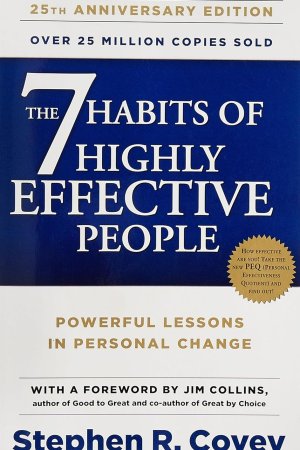
The 7 Habits of Highly Effective People by Stephen R. Covey – Blue Cover
Original price was: රු2,300.00.රු1,700.00Current price is: රු1,700.00.
3 X Rs. 566.67 or 8% Cashback with
or 3 X රු566.67 with
or up to 4 X රු425.00 with
Reviews
There are no reviews yet.