No products in the cart.
-19%
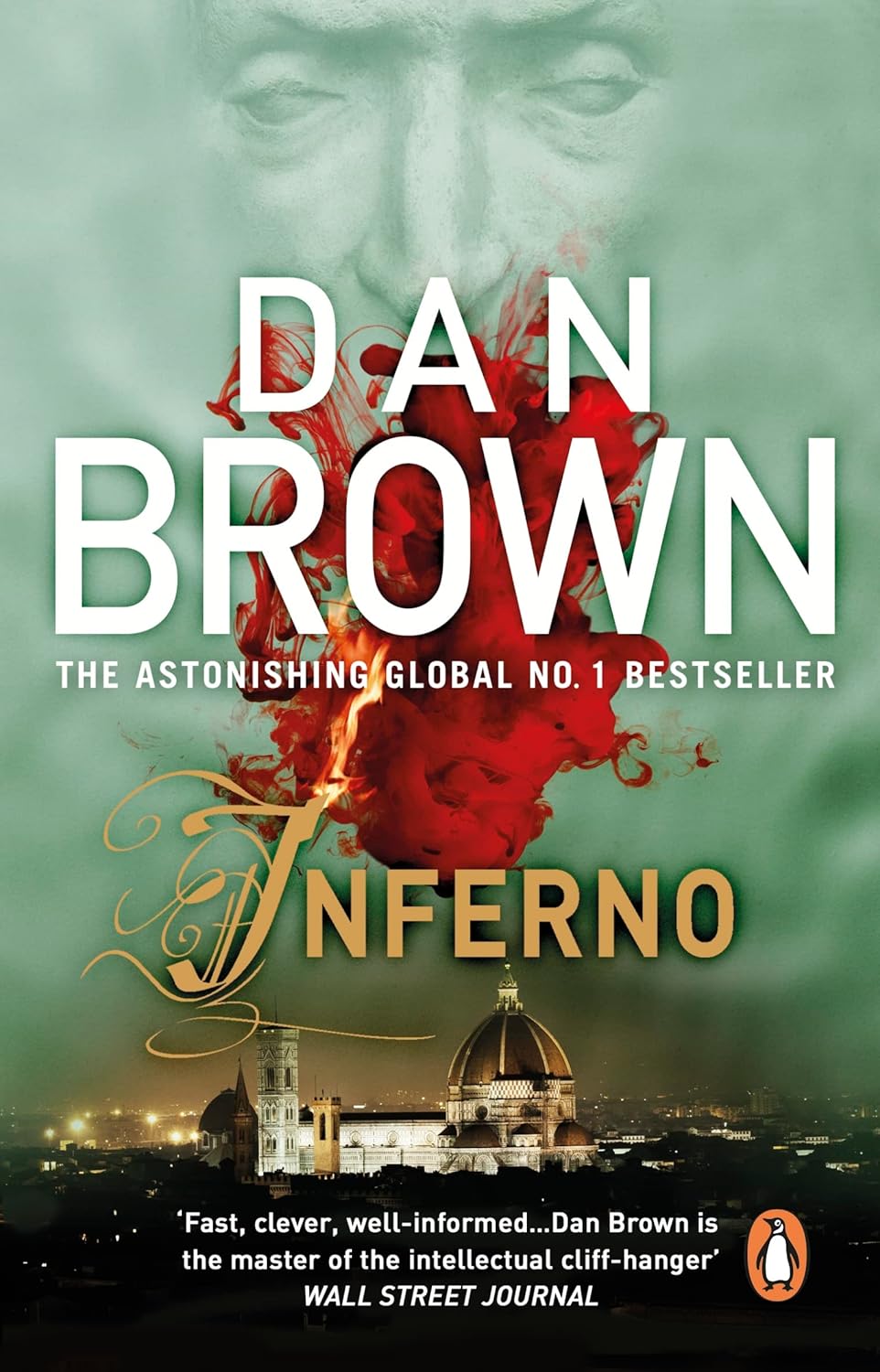

Inferno by BROWN DAN – A Gripping Thriller of Mystery and Secrets”


Original price was: රු2,100.00.රු1,700.00Current price is: රු1,700.00.
3 X Rs. 566.67 or 8% Cashback with


or 3 X රු566.67 with


or up to 4 X රු425.00 with


Inferno by Dan Brown is a gripping Robert Langdon thriller that begins when the Harvard symbologist awakens in a Florence hospital with no memory of the previous thirty-six hours. With doctor Sienna Brooks, he follows a dangerous trail of clues inspired by Dante’s Inferno, Renaissance art, hidden codes, science, and a mysterious threat capable of changing the world.
Out of stock
Email when stock available
Inferno by Dan Brown is a fast-paced mystery thriller combining Renaissance art, ancient literature, secret codes, history, science, conspiracy, and a terrifying threat capable of changing the world.
Harvard professor Robert Langdon wakes inside a hospital in Florence, Italy.
He is injured.
Confused.
And unable to remember the previous thirty-six hours.
He does not understand why he is in Italy.
He does not remember what happened to him.
And he has no idea why dangerous people appear to be pursuing him.
Before Langdon can recover, he is forced to flee with Dr. Sienna Brooks, a brilliant young physician who may be one of the few people capable of helping him understand what is happening.
Their search for answers quickly becomes connected to one of the greatest works in Western literature:
Dante Alighieri’s Inferno.
What begins as an attempt to recover Langdon’s memory develops into a dangerous international puzzle involving coded messages, Renaissance masterpieces, historical landmarks, hidden clues, advanced science, and a mysterious figure convinced that humanity is approaching a crisis.
Inferno by Dan Brown delivers exactly what readers expect from a Robert Langdon thriller: intellectual puzzles, breathtaking locations, historical mysteries, scientific questions, rapid twists, and the constant feeling that one forgotten detail may hold the key to everything.
Inferno by Dan Brown – Book Overview
Inferno by Dan Brown begins in Florence, one of the world’s great centres of Renaissance history and art.
Robert Langdon awakens in a hospital with very little understanding of how he arrived there.
Even more disturbing is the discovery that part of his recent memory is missing.
Langdon is accustomed to solving mysteries.
But this time, he is part of the mystery himself.
Why is he in Florence?
Why was he injured?
What happened during the missing hours?
And why does someone appear determined to kill him?
When danger reaches the hospital, Langdon escapes with Sienna Brooks.
Their investigation leads toward a strange object, hidden messages, works of Renaissance art, and clues connected with Dante’s vision of Hell.
The deeper they investigate, the clearer it becomes that this is not simply an academic puzzle.
Something much larger may be at stake.
Robert Langdon Returns
Robert Langdon is once again at the centre of Inferno by Dan Brown.
Langdon is a Harvard professor specializing in symbols, iconography, religion, art, and historical meaning.
His knowledge makes him especially useful when ordinary-looking objects contain hidden messages.
A painting may contain a clue.
A poem may contain a warning.
An architectural feature may reveal a hidden route.
A historical reference may explain a modern danger.
But Inferno places Langdon in a difficult position.
Normally, he begins with knowledge and tries to solve an external mystery.
This time, he begins without part of his own memory.
That makes him vulnerable.
Langdon must solve the mystery while also questioning what he himself may have done before waking in the hospital.
Meet Sienna Brooks
Sienna Brooks becomes Langdon’s main companion during the investigation.
She is intelligent, resourceful, medically trained, and capable of thinking quickly under pressure.
Her knowledge complements Langdon’s expertise.
Langdon understands history, symbols, literature, and art.
Sienna brings a scientific and medical perspective.
Together, they begin connecting pieces of a mystery that crosses several different disciplines.
Their partnership becomes especially important because Langdon cannot rely completely on his own memory.
He needs someone who can help him analyse what is happening while they remain ahead of those pursuing them.
Dante’s Inferno
The title Inferno by Dan Brown refers directly to Dante Alighieri’s Inferno, the first part of The Divine Comedy.
Dante’s work imagines a journey through Hell, divided into different circles associated with different forms of sin and punishment.
Dan Brown uses this literary masterpiece as the intellectual foundation of the thriller.
Lines from Dante.
Images inspired by Hell.
Historical references.
Symbols.
Artistic interpretations.
These become clues.
Readers do not need to have read The Divine Comedy before beginning Inferno.
Brown provides enough context to understand the references.
However, readers familiar with Dante may enjoy recognizing additional layers.
Florence as a Major Character
Florence is much more than a background setting in Inferno by Dan Brown.
The city’s architecture, museums, churches, palaces, streets, and Renaissance history become part of the mystery.
Langdon’s search moves through locations connected with some of history’s greatest artists and thinkers.
Florence is ideal for a Robert Langdon thriller because almost every corner carries layers of history.
A building can be beautiful while also hiding political history.
A painting can be admired aesthetically while containing symbolic meaning.
A famous landmark may also contain forgotten passages and stories.
Dan Brown transforms this historical richness into a giant puzzle.
Renaissance Art and Hidden Clues
Art plays a major role throughout Inferno by Dan Brown.
For Langdon, artwork is rarely simply decoration.
Artists work within historical contexts.
They use symbols.
Religious references.
Political messages.
Mythology.
Literature.
Sometimes a detail that appears unimportant can change the meaning of an entire image.
This is one of the most enjoyable parts of Dan Brown’s thrillers.
Readers are encouraged to look more carefully.
A familiar artwork suddenly becomes evidence.
A famous building becomes part of a code.
The historical world becomes interactive.
Science Meets History
Inferno by Dan Brown is not only about ancient literature and Renaissance art.
Modern science plays a crucial role.
This creates one of the novel’s strongest contrasts.
Dante represents medieval ideas.
Florence represents Renaissance culture.
The modern threat involves advanced scientific thinking.
The story therefore connects past and future.
Ancient questions about death, morality, punishment, and human behaviour begin intersecting with modern questions about technology, population, medicine, and scientific responsibility.
This mixture gives the novel more than one level of suspense.
Langdon must understand historical clues to confront a modern problem.
A Global Threat
As Langdon and Sienna investigate, they gradually realize that the mystery may involve consequences extending far beyond Florence.
The person behind the puzzle is not motivated simply by money.
That makes the threat more dangerous.
Someone driven by ideology can become extremely difficult to predict.
Inferno by Dan Brown explores what happens when intelligence, scientific capability, and extreme conviction come together.
The antagonist believes humanity faces a serious problem.
The disturbing question is not simply whether the problem exists.
It is whether anyone has the moral right to impose a radical solution on everyone else.
Overpopulation and Ethics
One of the central ideas explored in Inferno by Dan Brown is population growth.
The novel uses this subject to create difficult ethical questions.
What happens when a global problem appears to be getting worse?
How far should governments go to respond?
What responsibilities do scientists have?
Can one individual ever justify making a decision affecting millions or billions of people?
Brown turns these questions into thriller material.
The result is a story where the villain’s reasoning can sometimes sound disturbingly logical even when the methods are extreme.
That moral uncertainty makes the mystery more interesting.
Codes and Puzzles
Dan Brown is famous for puzzle-driven thrillers, and Inferno by Dan Brown contains plenty of them.
The characters encounter:
- Historical clues
- Literary references
- Symbols
- Altered images
- Hidden messages
- Architectural clues
- Works of art
- Riddles
- Secret locations
Each discovery moves the story toward another question.
Readers frequently receive enough information to attempt solving parts of the mystery alongside Langdon.
This creates the feeling of participating in the investigation rather than simply watching it happen.
Memory and Identity
Langdon’s missing memory creates another important theme.
Memory helps create identity.
We know who we are partly because we remember what we have experienced and decided.
What happens when part of that disappears?
Inferno by Dan Brown puts Langdon in the uncomfortable position of learning information about himself that he cannot personally remember.
He must decide whether to trust evidence.
Other people.
His instincts.
And fragments of memory.
This makes the opening sections especially suspenseful because neither Langdon nor the reader has access to the complete truth.
Who Can Langdon Trust?
Trust becomes increasingly difficult.
When information is missing, almost everyone becomes suspicious.
A person who appears helpful may be hiding something.
Someone who appears dangerous may have motives Langdon does not understand.
Inferno by Dan Brown repeatedly changes what readers believe about different characters.
This keeps the story moving.
Every explanation may contain another layer.
Every alliance may be temporary.
Every new fact can change the interpretation of everything that came before it.
Art, History and Tourism
One reason Robert Langdon books have such broad appeal is that they combine thriller storytelling with cultural history.
Inferno by Dan Brown introduces readers to artworks, buildings, literary references, and historical figures while maintaining a fast pace.
Readers interested in:
- Florence
- Renaissance history
- Italian art
- Dante Alighieri
- Architecture
- Museums
- European history
may especially enjoy the novel.
The history is integrated into the mystery rather than presented like a textbook.
Philosophy and Moral Questions
Underneath the chase sequences and puzzles, Inferno by Dan Brown contains larger philosophical questions.
Can a terrible act be justified if someone believes it prevents a greater disaster?
Does intelligence make someone morally responsible for using their knowledge carefully?
Who gets to decide what is best for humanity?
When does scientific progress become dangerous?
These questions do not always have comfortable answers.
That gives the novel something to think about after the puzzle itself has been solved.
Fast-Paced Thriller Structure
Inferno by Dan Brown is built for momentum.
Short chapters.
Changing locations.
Revelations.
Cliffhangers.
Pursuit.
Codes.
New evidence.
Readers are constantly given another reason to continue.
This style is particularly suitable for people who say they struggle with slower novels.
Brown rarely allows one situation to remain stable for long.
A solution opens another mystery.
A safe location becomes dangerous.
A trusted explanation changes.
The pacing gives the novel a cinematic quality.
Robert Langdon Series Reading Order
Inferno by Dan Brown is part of the Robert Langdon series.
The current reading order is:
1. Angels & Demons
Langdon investigates symbols connected with the Illuminati and a threat to the Vatican.
2. The Da Vinci Code
A murder at the Louvre leads Langdon into a mystery involving art, religion, history, and secret organizations.
3. The Lost Symbol
Langdon investigates a mystery involving Washington, D.C., Freemasonry, symbols, and hidden knowledge.
4. Inferno
Langdon wakes in Florence with missing memories and becomes involved in a Dante-inspired global mystery.
5. Origin
Langdon faces questions surrounding humanity’s origins and future.
6. The Secret of Secrets
Langdon returns in another mystery involving symbols, science, and hidden knowledge.
Each novel contains its own central mystery, so readers can enjoy Inferno by Dan Brown as a standalone thriller even without reading every previous book.
Inferno Movie Adaptation
Inferno by Dan Brown was adapted into a major motion picture released in 2016.
Tom Hanks returned as Robert Langdon, having previously portrayed the character in adaptations of The Da Vinci Code and Angels & Demons.
Readers who have seen the film may still enjoy the novel because the book provides significantly more detail about Langdon’s thoughts, historical clues, scientific questions, and the larger mystery.
The novel and film also differ in notable ways, making the book worthwhile even for viewers familiar with the adaptation.
7 Powerful Reasons to Read Inferno
There are many reasons thriller readers may enjoy Inferno by Dan Brown:
- Robert Langdon returns with a completely new challenge – This time, he begins the mystery without remembering how he became involved.
- Dante’s Inferno drives the mystery – One of literature’s greatest works becomes the foundation for a modern thriller.
- Florence provides an extraordinary setting – Renaissance art, architecture, museums, and hidden history become part of the investigation.
- The puzzles are addictive – Codes, symbols, literature, and artworks continuously move the mystery forward.
- Science and history collide – Modern scientific ideas are connected with ancient literature and historical clues.
- The moral questions are surprisingly complex – The story explores population, responsibility, scientific ethics, and the dangers of extreme solutions.
- The pace rarely slows down – Short chapters, twists, pursuit, and cliffhangers make it easy to keep reading.
Why Read Inferno by Dan Brown?
Inferno by Dan Brown is an excellent choice for readers interested in:
- Mystery thrillers
- Dan Brown books
- Robert Langdon
- Dante Alighieri
- Renaissance art
- Florence
- Italian history
- Conspiracy fiction
- Codes and puzzles
- Science thrillers
- Historical mysteries
- Literary references
- Fast-paced fiction
- Suspense
- Global conspiracies
It is especially suitable for readers who enjoy thrillers where solving intellectual puzzles is just as important as escaping physical danger.
Who Should Read This Book?
Inferno by Dan Brown may especially appeal to:
- Dan Brown fans
- Robert Langdon readers
- Mystery readers
- Thriller fans
- Readers interested in history
- Art lovers
- Dante readers
- Fans of conspiracy fiction
- Readers interested in Italy
- Readers who enjoy puzzles
- Fans of archaeological and historical mysteries
- Readers who enjoyed The Da Vinci Code
- Readers who like fast-paced adventure
- Fans of book-to-film thrillers
It is particularly recommended for readers who enjoy discovering real historical and artistic references while following a fictional mystery.
A High-Stakes Race Through History, Art and Science
Inferno by Dan Brown begins with Robert Langdon opening his eyes in Florence and realizing that part of his life has disappeared from his memory.
He does not know why he is there.
He does not know what happened.
And he does not understand why dangerous people are searching for him.
The answers lead toward Dante.
Renaissance masterpieces.
Hidden symbols.
Scientific ideas.
Secret routes.
And a global threat created by someone convinced that humanity’s future requires radical action.
With Sienna Brooks beside him, Langdon must reconstruct the missing pieces, determine whom he can trust, and understand the meaning behind a trail of clues before time runs out.
For readers who love historical mysteries, coded messages, conspiracy thrillers, Renaissance art, Dante, science, Italy, and fast-paced adventures, Inferno by Dan Brown is an addictive Robert Langdon thriller that turns literature and history into a race against time.


Be the first to review “Inferno by BROWN DAN – A Gripping Thriller of Mystery and Secrets””
Related products

Out of stock
රු1,900.00
3 X Rs. 633.33 or 8% Cashback with
or 3 X රු633.33 with
or up to 4 X රු475.00 with

Out of stock
3 X Rs. 0.00 or 8% Cashback with
or 3 X රු0.00 with
or up to 4 X රු0.00 with
Out of stock
Fiction & Literature
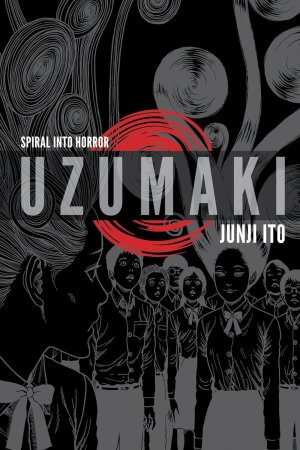
Uzumaki (3 in 1 Deluxe Edition): Includes vols. 1, 2 & 3 by Junji Ito (Hardcover)
රු3,950.00
3 X Rs. 1,316.67 or 8% Cashback with
or 3 X රු1,316.67 with
or up to 4 X රු987.50 with
-14%

Fiction & Literature
Original price was: රු3,450.00.රු2,950.00Current price is: රු2,950.00.
3 X Rs. 983.33 or 8% Cashback with
or 3 X රු983.33 with
or up to 4 X රු737.50 with

Out of stock
Fiction & Literature
රු2,500.00
3 X Rs. 833.33 or 8% Cashback with
or 3 X රු833.33 with
or up to 4 X රු625.00 with
Out of stock
Fiction & Literature
රු1,750.00
3 X Rs. 583.33 or 8% Cashback with
or 3 X රු583.33 with
or up to 4 X රු437.50 with
-18%
Fiction & Literature
Original price was: රු2,750.00.රු2,250.00Current price is: රු2,250.00.
3 X Rs. 750.00 or 8% Cashback with
or 3 X රු750.00 with
or up to 4 X රු562.50 with

Fiction & Literature
රු1,990.00
3 X Rs. 663.33 or 8% Cashback with
or 3 X රු663.33 with
or up to 4 X රු497.50 with
Reviews
There are no reviews yet.