
No products in the cart.
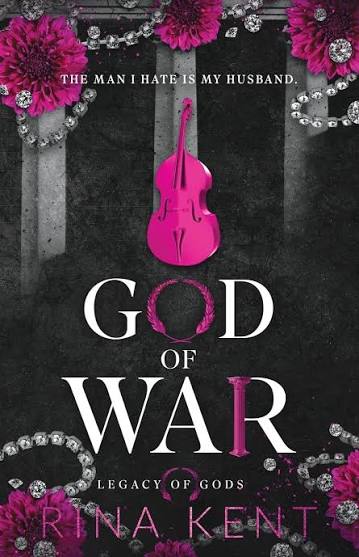
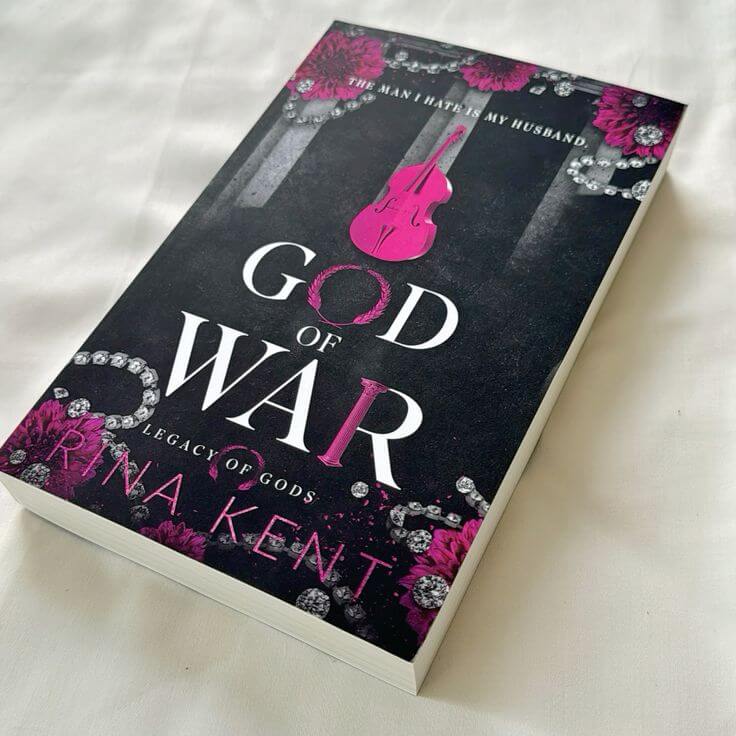
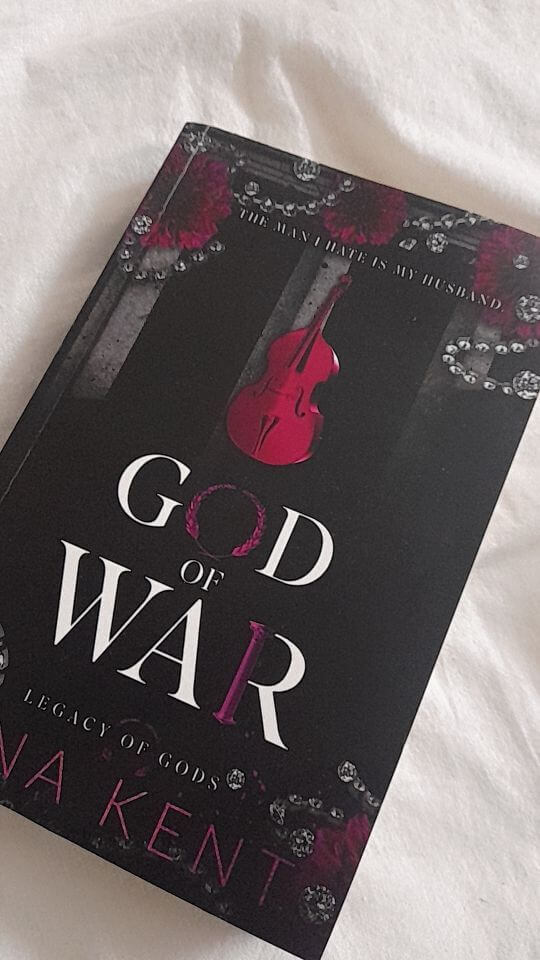
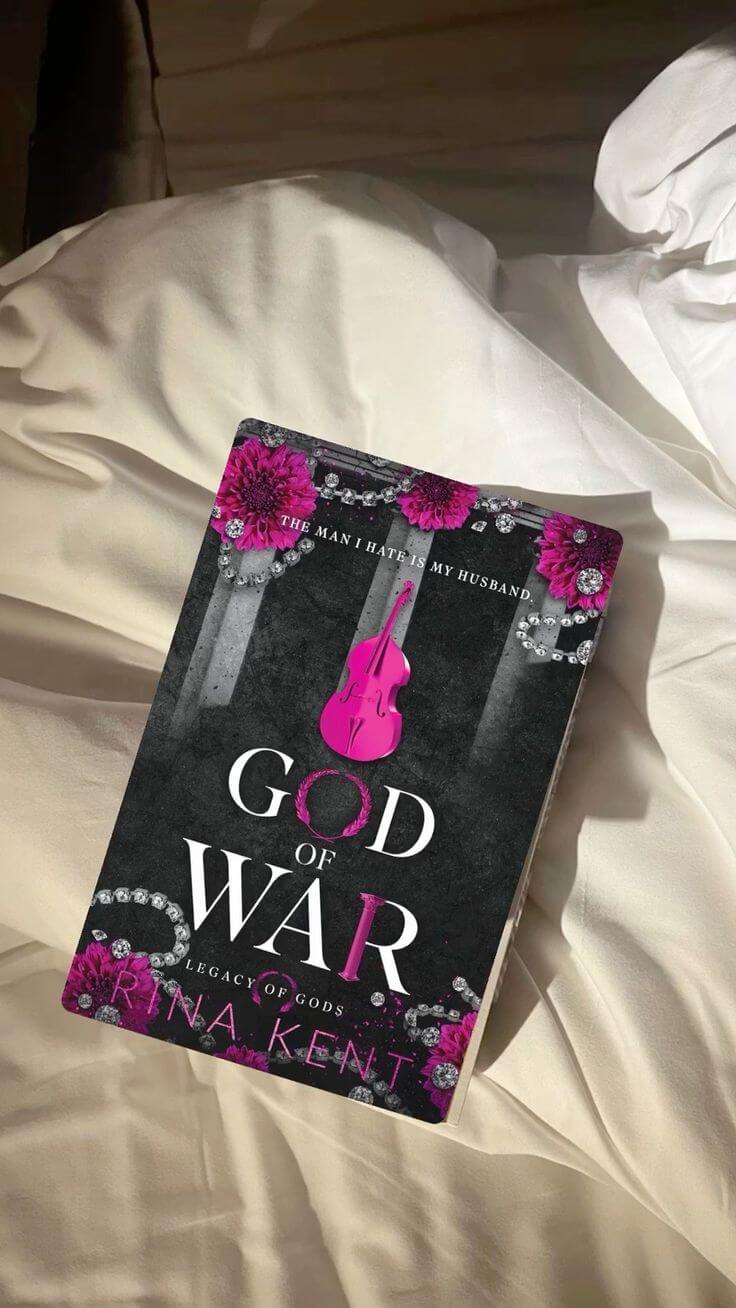
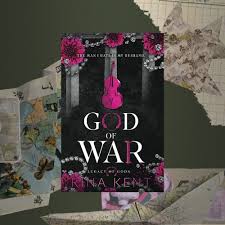
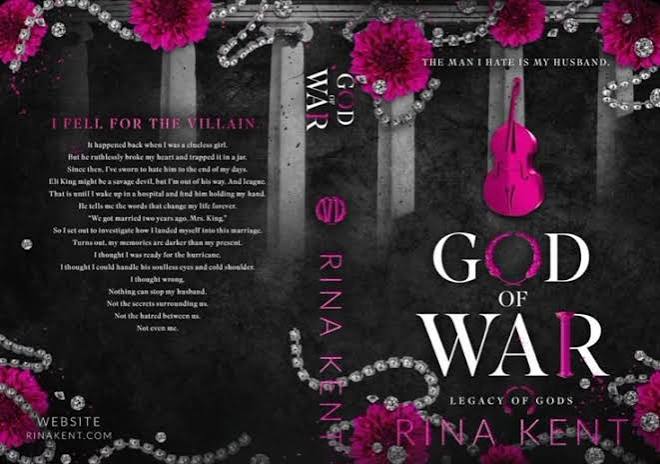






God of War by Rina Kent


රු2,100.00
3 X Rs. 700.00 or 8% Cashback with


or 3 X රු700.00 with


or up to 4 X රු525.00 with


God of War by Rina Kent is Legacy of Gods Book 6, featuring Eli King and Ava Nash in an enemies-to-lovers, marriage-of-convenience dark romance.
Ava wakes to discover she has been married to Eli for two years—but she cannot remember how it happened. As she searches for answers, the secrets of their past begin to surface.
Series: Legacy of Gods #6
Format: Paperback
Pages: 592
Audience: Adult / 18+
24 in stock
God of War by Rina Kent
God of War by Rina Kent is the sixth and final book in the Legacy of Gods series, bringing the interconnected dark-romance saga to its conclusion with the story of Eli King and Ava Nash.
Rina Kent officially describes the book as an enemies-to-lovers, marriage-of-convenience romance, combining long-held resentment, buried history, memory loss and a relationship that is far more complicated than it initially appears.
Like the rest of the Legacy of Gods series, this is an adult dark romance featuring morally grey characters, psychologically intense relationships and strong connections to the wider Rina Kent universe.
Eli King and Ava Nash
The central couple in God of War is Eli King and Ava Nash.
Ava has known Eli for years and carries painful memories connected to their past. She believes she understands exactly why she should stay away from him.
Then everything changes.
After waking in a hospital, Ava discovers something she never expected: Eli tells her that they have been married for two years.
The problem is that Ava cannot remember how their marriage happened.
That mystery becomes one of the central drivers of the story. As Ava tries to uncover what took place during the period she cannot remember, she begins discovering that her past with Eli is far darker and more complicated than she realised.
Rina Kent’s official synopsis centres the novel around Ava’s investigation into this hidden part of her life and Eli’s determination to keep hold of the relationship between them.
Enemies to Lovers
One of the key tropes in God of War is enemies to lovers.
Ava believes she has every reason to hate Eli, while Eli is hardly presented as a gentle or straightforward romantic hero. Their relationship is built around years of tension, resentment and attraction.
This dynamic is central to the novel’s appeal for readers who enjoy dark romance where the romantic leads begin from a place of mistrust or hostility rather than immediate affection.
Marriage of Convenience
The book also uses a marriage-of-convenience / mysterious-marriage setup.
Unlike a typical arranged-marriage romance where both characters consciously enter the relationship, Ava begins the story without fully remembering how her marriage to Eli came about.
That missing history creates suspense around the relationship itself.
Readers gradually discover details about their past as Ava does, making the romance and the mystery closely connected.
Memory Loss and Hidden History
Memory loss plays an important role in the story.
Ava knows that something significant happened in the years she cannot fully remember, but she does not initially understand how or why her relationship with Eli changed.
This creates questions around:
- Trust
- Identity
- Control
- Relationship history
- Hidden motivations
- Emotional vulnerability
- Past trauma
- Whether memory changes how someone sees a relationship
Because the mystery surrounding Ava’s memories is part of the reading experience, this description intentionally avoids revealing later developments.
Legacy of Gods Reading Order
God of War is Book 6, the final book in the main Legacy of Gods series.
The official reading order is:
- God of Malice
- God of Pain
- God of Wrath
- God of Ruin
- God of Fury
- God of War
Rina Kent’s official reading-order guide confirms this sequence.
Although Rina Kent notes that God of War can technically be read on its own, she recommends beginning with God of Malice for better understanding of the interconnected characters and world.
Tropes and Themes
Readers can expect elements including:
- Enemies to lovers
- Marriage of convenience
- Memory loss
- Dark romance
- Morally grey hero
- Possessive romance
- Powerful family connections
- Interconnected characters
- Psychological tension
- Hidden secrets
- Past relationship history
- Obsession
- Emotional conflict
The Final Legacy of Gods Story
Because God of War is the sixth Legacy of Gods book, it carries more weight for readers who have followed the entire series.
Characters and families from earlier novels already have established relationships and histories. Eli and Ava’s story therefore works not only as their own romance but also as the final central couple in the Legacy of Gods sequence.
Readers who begin with God of Malice will have significantly more context for the personalities, family relationships and conflicts that appear here.
Adult Content and Content Considerations
God of War is intended for adult readers.
Penguin explicitly describes it as a dark unconventional romance and recommends checking the author’s content warnings before reading.
The novel includes mature sexual content, psychological intensity, possessive behaviour, difficult relationship dynamics and darker subject matter.
These elements are part of the fictional dark-romance genre and should not be treated as examples of healthy real-world relationship behaviour.
Can God of War Be Read as a Standalone?
Technically, yes.
Rina Kent states that the book can be read independently, but recommends starting with God of Malice for better understanding of the world.
For WooCommerce, the most accurate description is:
Standalone central romance within an interconnected six-book series; best read after Books 1–5.
Who May Enjoy God of War?
This novel may particularly appeal to readers who enjoy:
- Dark romance
- Enemies-to-lovers stories
- Marriage-of-convenience romance
- Memory-loss plots
- Morally grey antiheroes
- Possessive romance
- BookTok romance
- Interconnected family sagas
- Mafia-adjacent romance universes
- Rina Kent’s wider Rinaverse
About Rina Kent
Rina Kent is a New York Times, USA Today and international bestselling romance author known for enemies-to-lovers stories, unapologetic antiheroes and interconnected dark-romance series.
Penguin describes her work as dark, angsty and intense, with a particular focus on villains and antiheroes.
Her series include Royal Elite, Legacy of Gods, Empire, Deception, Monster and several other connected romance titles.
For customers searching for God of War by Rina Kent in Sri Lanka, this UK paperback is the final Legacy of Gods novel and provides the conclusion to the six-book series in a 592-page edition.
Be the first to review “God of War by Rina Kent”
Related products
-26%

Contemporary romance
Original price was: රු1,950.00.රු1,450.00Current price is: රු1,450.00.
3 X Rs. 483.33 or 8% Cashback with
or 3 X රු483.33 with
or up to 4 X රු362.50 with

Out of stock
Classics & Literary Fiction
රු1,500.00
3 X Rs. 500.00 or 8% Cashback with
or 3 X රු500.00 with
or up to 4 X රු375.00 with
-26%

Classics & Literary Fiction
Original price was: රු1,900.00.රු1,400.00Current price is: රු1,400.00.
3 X Rs. 466.67 or 8% Cashback with
or 3 X රු466.67 with
or up to 4 X රු350.00 with

Out of stock
Fiction & Literature
රු1,750.00
3 X Rs. 583.33 or 8% Cashback with
or 3 X රු583.33 with
or up to 4 X රු437.50 with
-22%

Out of stock
Fiction & Literature
Original price was: රු2,250.00.රු1,750.00Current price is: රු1,750.00.
3 X Rs. 583.33 or 8% Cashback with
or 3 X රු583.33 with
or up to 4 X රු437.50 with
-20%

Contemporary romance
Original price was: රු2,050.00.රු1,650.00Current price is: රු1,650.00.
3 X Rs. 550.00 or 8% Cashback with
or 3 X රු550.00 with
or up to 4 X රු412.50 with

Out of stock
Children & Young Adult
රු3,200.00
3 X Rs. 1,066.67 or 8% Cashback with
or 3 X රු1,066.67 with
or up to 4 X රු800.00 with
-28%

Out of stock
Classics & Literary Fiction
Original price was: රු1,800.00.රු1,300.00Current price is: රු1,300.00.
3 X Rs. 433.33 or 8% Cashback with
or 3 X රු433.33 with
or up to 4 X රු325.00 with
Reviews
There are no reviews yet.