No products in the cart.
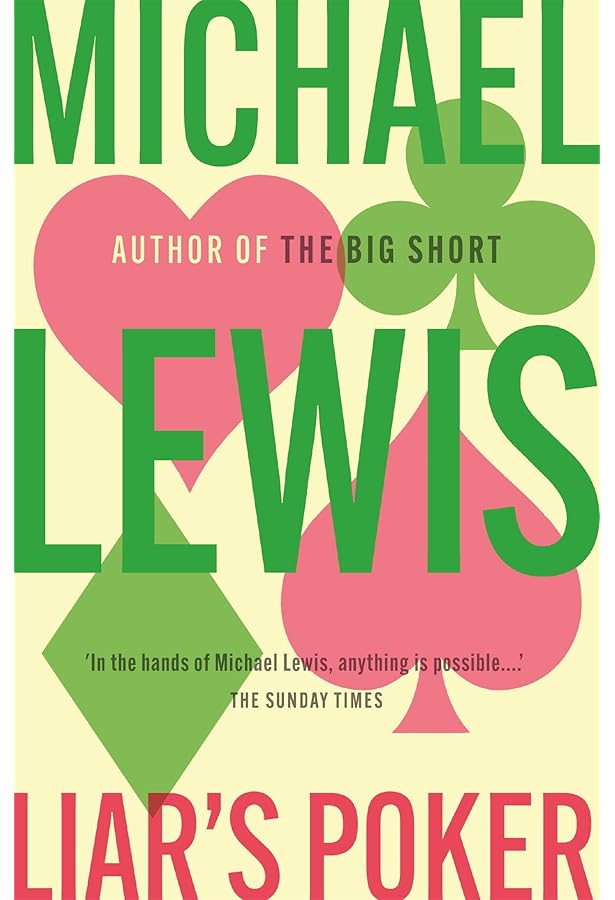
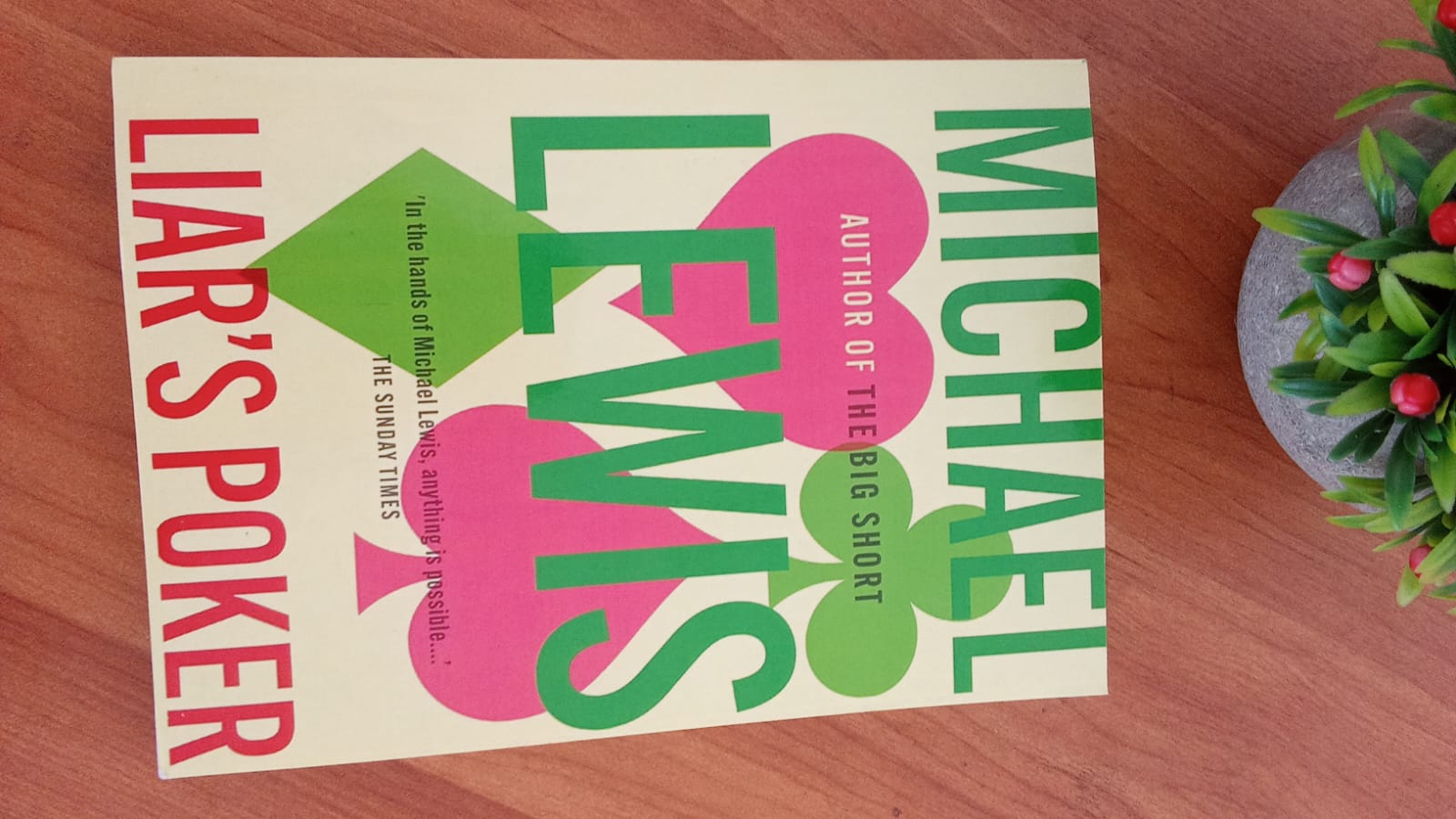
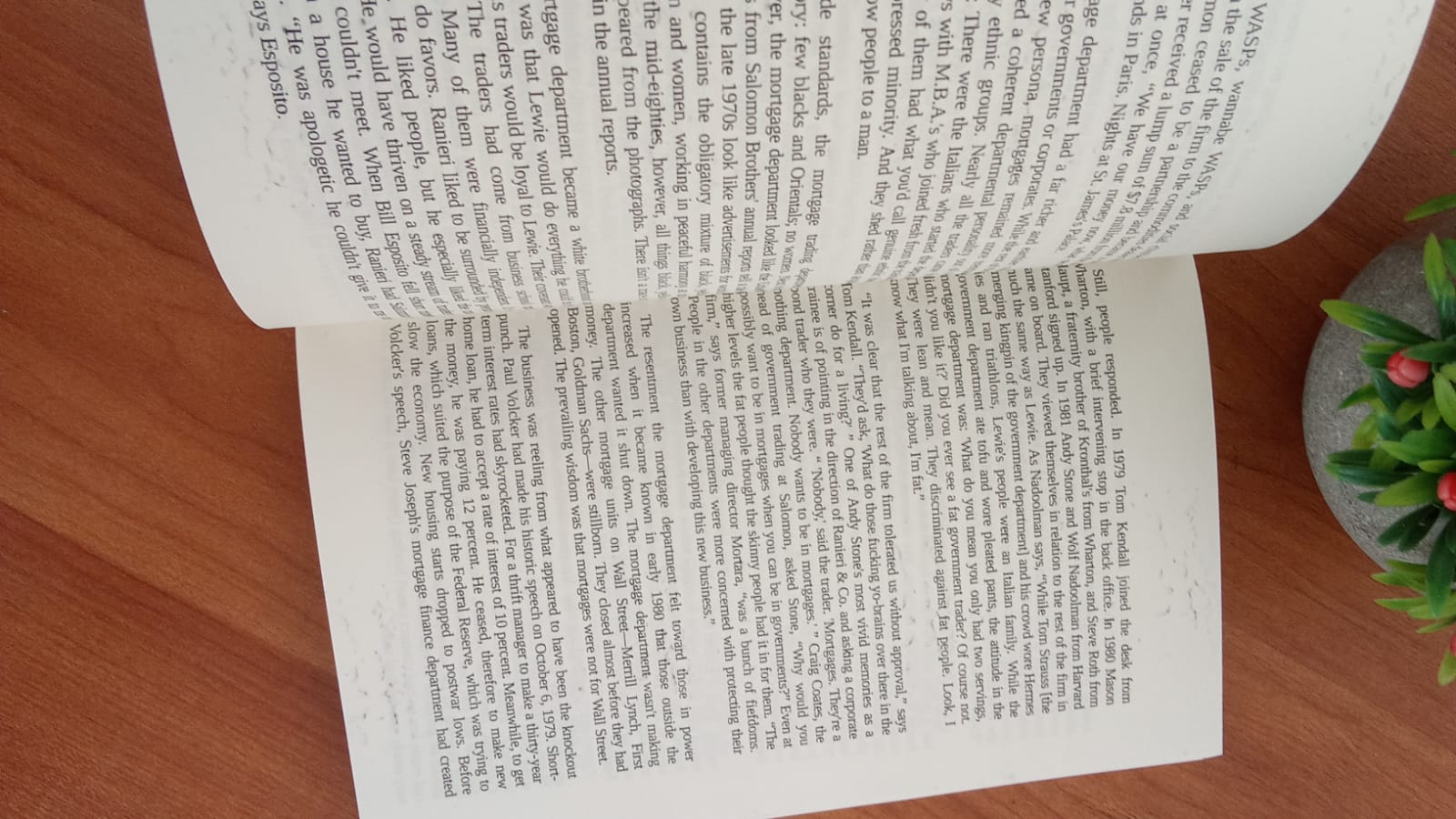
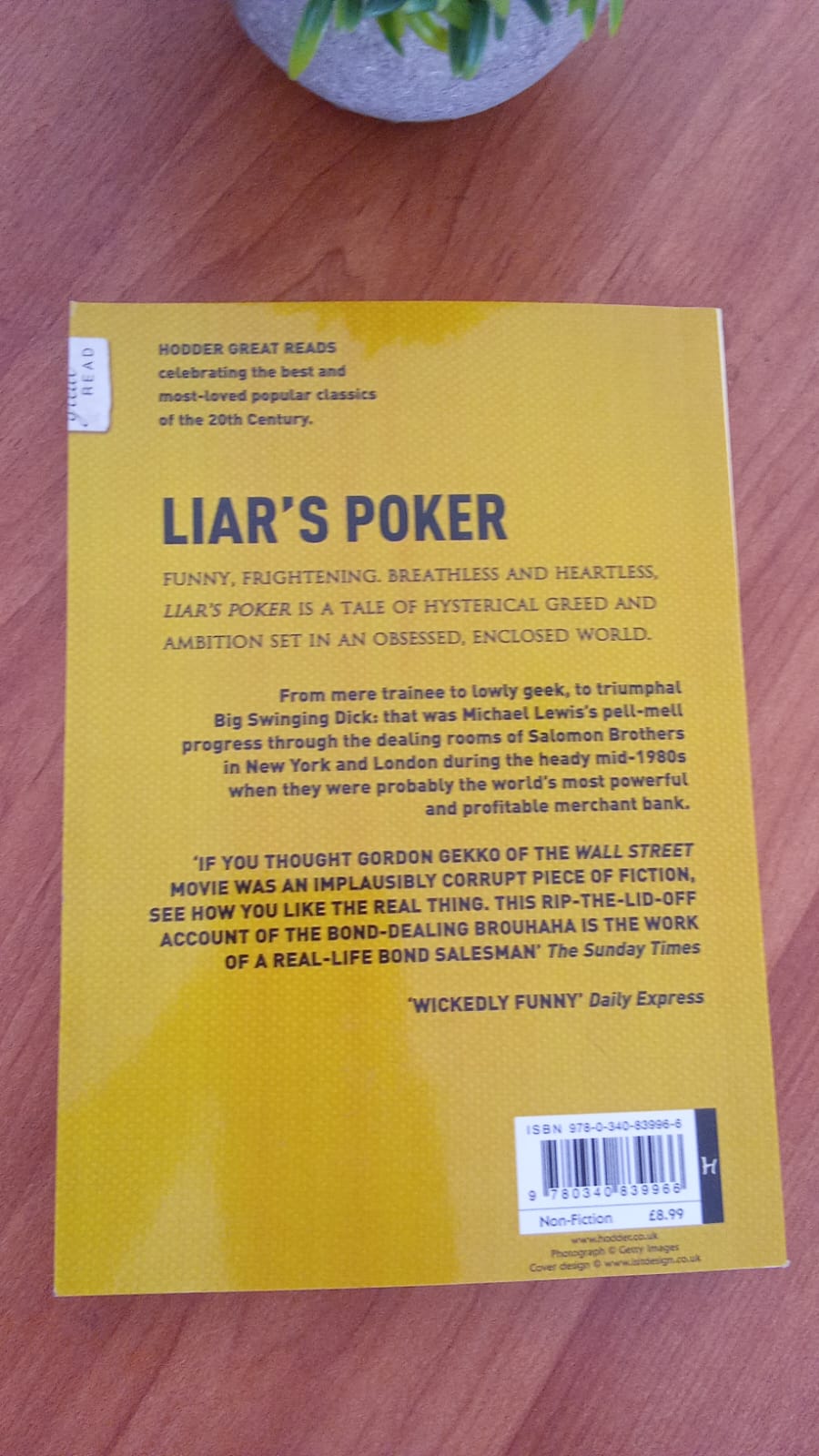


Liar’s Poker by Michael Lewis


රු1,950.00
3 X Rs. 650.00 or 8% Cashback with


or 3 X රු650.00 with


or up to 4 X රු487.50 with


Product Short Description:
The Big Short by Michael Lewis is a compelling real-life account of the 2008 financial crisis, told through the stories of investors who predicted the collapse of the housing market. The book breaks down complex financial concepts into simple, engaging narratives while highlighting the power of critical thinking and independent decision-making. Perfect for readers interested in finance, economics, and real-world insights.
6 in stock
Liar’s Poker by Michael Lewis
Liars Poker by Michael Lewis is an entertaining and revealing nonfiction book about Wall Street, investment banking, bond trading, ambition, money, risk, and corporate culture.
The book draws heavily on Lewis’s own experiences working at Salomon Brothers during the financial boom of the 1980s.
It provides readers with a fascinating look inside one of Wall Street’s most powerful investment firms.
Why Read Liars Poker?
Liars Poker is an excellent choice for readers interested in finance, business, economics, investing, and Wall Street history.
However, this is not a traditional investing manual.
Michael Lewis tells a story.
He introduces readers to the personalities, incentives, rivalries, and behaviour that shaped the financial industry during an extraordinary period.
Michael Lewis Enters Wall Street
Before becoming a bestselling author, Michael Lewis studied at Princeton University and the London School of Economics.
He then joined Salomon Brothers.
According to his official website, Lewis spent three years at the firm and progressed from a new trainee to a bond salesman.
That firsthand experience became the foundation of the book.
Inside Salomon Brothers
Salomon Brothers was one of the most important Wall Street investment firms of its era.
Lewis takes readers inside its culture.
Competition was intense.
Money was enormous.
Personalities could be aggressive.
Success was often measured by how much revenue someone produced for the firm.
Wall Street in the 1980s
Liars Poker captures a period when financial markets were changing rapidly.
Bond markets were expanding.
Investment banks were becoming increasingly powerful.
Traders could generate extraordinary profits.
That environment attracted ambitious people hoping to make enormous amounts of money.
Lewis presents this period from the viewpoint of someone who experienced it from inside the industry.
Money and Ambition
Money is naturally one of the major themes.
Many characters are motivated by compensation, bonuses, status, and competition.
But the book also explores what happens when financial incentives become extremely powerful.
People can begin measuring themselves almost entirely through money.
That creates some of the book’s funniest and most uncomfortable moments.
The Culture of Trading
Trading floors can appear mysterious to outsiders.
The book helps readers understand their culture through stories rather than technical explanations.
Traders compete for information.
Salespeople compete for clients.
Departments compete with each other.
Everyone wants to demonstrate that they are more valuable than the person sitting nearby.
This creates an environment filled with pressure and ego.
What Is Liar’s Poker?
The title comes from a bluffing game associated with traders.
It involves making increasingly aggressive claims while trying to determine whether another player is bluffing.
The game becomes an appropriate metaphor for the competitive culture Lewis describes.
Confidence matters.
Risk matters.
Reading other people matters.
And sometimes winning depends on convincing someone that you know more than you actually do.
Risk and Reward
Liars Poker also explores the relationship between risk and reward.
Large financial institutions can earn enormous profits when trades work.
Losses can also become significant when decisions go wrong.
Lewis shows how financial professionals sometimes become comfortable taking risks because they operate in environments where aggressive behaviour is rewarded.
The book therefore raises interesting questions about incentives.
Learning Financial Markets Through Storytelling
Readers do not need to be professional investors to enjoy the book.
Lewis explains financial culture through people and situations.
Instead of presenting pages of equations, he tells stories about bankers, traders, clients, managers, and deals.
That storytelling style makes complicated financial subjects easier to approach.
Greed and Competition
Greed is another major theme.
People often want more money even after earning amounts that would already seem extraordinary to most readers.
Competition can intensify that behaviour.
A person may feel successful until someone sitting nearby earns a larger bonus.
That psychological side of finance is one of the most interesting parts of the book.
Corporate Culture
Liars Poker is also a study of corporate culture.
The behaviour rewarded by an organization can influence the behaviour of the people working inside it.
If aggressive risk-taking earns praise, more employees may take risks.
If revenue matters more than everything else, employees may begin treating other considerations as secondary.
These lessons remain relevant far beyond investment banking.
Wall Street Personalities
Michael Lewis has a talent for describing memorable personalities.
Readers meet ambitious traders, powerful executives, nervous trainees, and people attempting to survive an extremely competitive environment.
Some characters are impressive.
Others are absurd.
Many are both.
Their personalities help make the book entertaining even for readers who normally avoid finance books.
Finance Without Being a Textbook
One reason Liars Poker remains accessible is that it does not read like an academic finance textbook.
It is closer to memoir, business history, and financial journalism.
Readers learn about markets while following Lewis’s personal journey.
That makes it useful for business students as well as general readers.
Lessons About Incentives
One of the strongest lessons from the book is that incentives matter.
People often respond to whatever behaviour produces rewards.
If a company rewards short-term profits, employees may focus heavily on short-term profits.
If an organization rewards risk-taking, people may become increasingly comfortable with risk.
Understanding incentives can help readers better understand both companies and financial markets.
Lessons About Confidence
Finance often rewards confidence.
But confidence and competence are not always the same thing.
The book repeatedly shows how strongly people can project certainty even when markets remain unpredictable.
This is an important lesson for investors.
Someone sounding confident does not automatically mean their prediction is correct.
About Michael Lewis
Michael Lewis is a bestselling nonfiction author whose books cover subjects including finance, sports, psychology, technology, and government.
His works include The Big Short, Moneyball, Flash Boys, The Undoing Project, and Going Infinite. His official website also identifies Liar’s Poker as a Wall Street story based partly on his own experience as a bond salesman at Salomon Brothers.
His writing is particularly known for explaining complicated subjects through compelling characters and stories.
Perfect for Readers Interested In
Liars Poker is a strong choice for readers interested in:
- Wall Street
- Finance
- Investment banking
- Bond trading
- Business history
- Economics
- Financial markets
- Corporate culture
- Michael Lewis books
- Investing
- Money and greed
- Business memoirs
It is especially suitable for readers who enjoy true stories about the people behind financial markets.
Build Your Finance Collection
Readers who enjoy Liars Poker may also want to explore The Big Short and Flash Boys by Michael Lewis.
You can add internal links to your Business, Economics, Finance, and Investing Books categories.
These internal links can also help improve your Rank Math internal-link score.
Buy Liars Poker in Sri Lanka
Looking for Liars Poker in Sri Lanka?
Michael Lewis’s Wall Street classic is an excellent choice for readers interested in investment banking, financial markets, trading culture, risk, ambition, greed, and business history. https://wwnorton.com/books/9780393338690
Be the first to review “Liar’s Poker by Michael Lewis”
Related products
-24%
Out of stock
Non-Fiction & Knowledge
Original price was: රු2,500.00.රු1,900.00Current price is: රු1,900.00.
3 X Rs. 633.33 or 8% Cashback with
or 3 X රු633.33 with
or up to 4 X රු475.00 with
Non-Fiction & Knowledge
රු2,450.00
3 X Rs. 816.67 or 8% Cashback with
or 3 X රු816.67 with
or up to 4 X රු612.50 with
-26%
Non-Fiction & Knowledge
The 7 Habits of Highly Effective People by Stephen R. Covey – Blue Cover
Original price was: රු2,300.00.රු1,700.00Current price is: රු1,700.00.
3 X Rs. 566.67 or 8% Cashback with
or 3 X රු566.67 with
or up to 4 X රු425.00 with

Non-Fiction & Knowledge
රු1,950.00
3 X Rs. 650.00 or 8% Cashback with
or 3 X රු650.00 with
or up to 4 X රු487.50 with
-21%
Non-Fiction & Knowledge
7 Secrets to Investing Like Warren Buffett by Mary Buffett & Sean Seah
Original price was: රු1,900.00.රු1,500.00Current price is: රු1,500.00.
3 X Rs. 500.00 or 8% Cashback with
or 3 X රු500.00 with
or up to 4 X රු375.00 with
-33%

Self-Help & Psychology
Original price was: රු2,300.00.රු1,550.00Current price is: රු1,550.00.
3 X Rs. 516.67 or 8% Cashback with
or 3 X රු516.67 with
or up to 4 X රු387.50 with

Out of stock
Self-Help & Psychology
රු2,200.00
3 X Rs. 733.33 or 8% Cashback with
or 3 X රු733.33 with
or up to 4 X රු550.00 with

Out of stock
Non-Fiction & Knowledge
රු1,500.00
3 X Rs. 500.00 or 8% Cashback with
or 3 X රු500.00 with
or up to 4 X රු375.00 with
Reviews
There are no reviews yet.