
-
×
 Christmas Carol by Charles Dickens
1 × රු1,550.00
Christmas Carol by Charles Dickens
1 × රු1,550.00
Subtotal: රු1,550.00
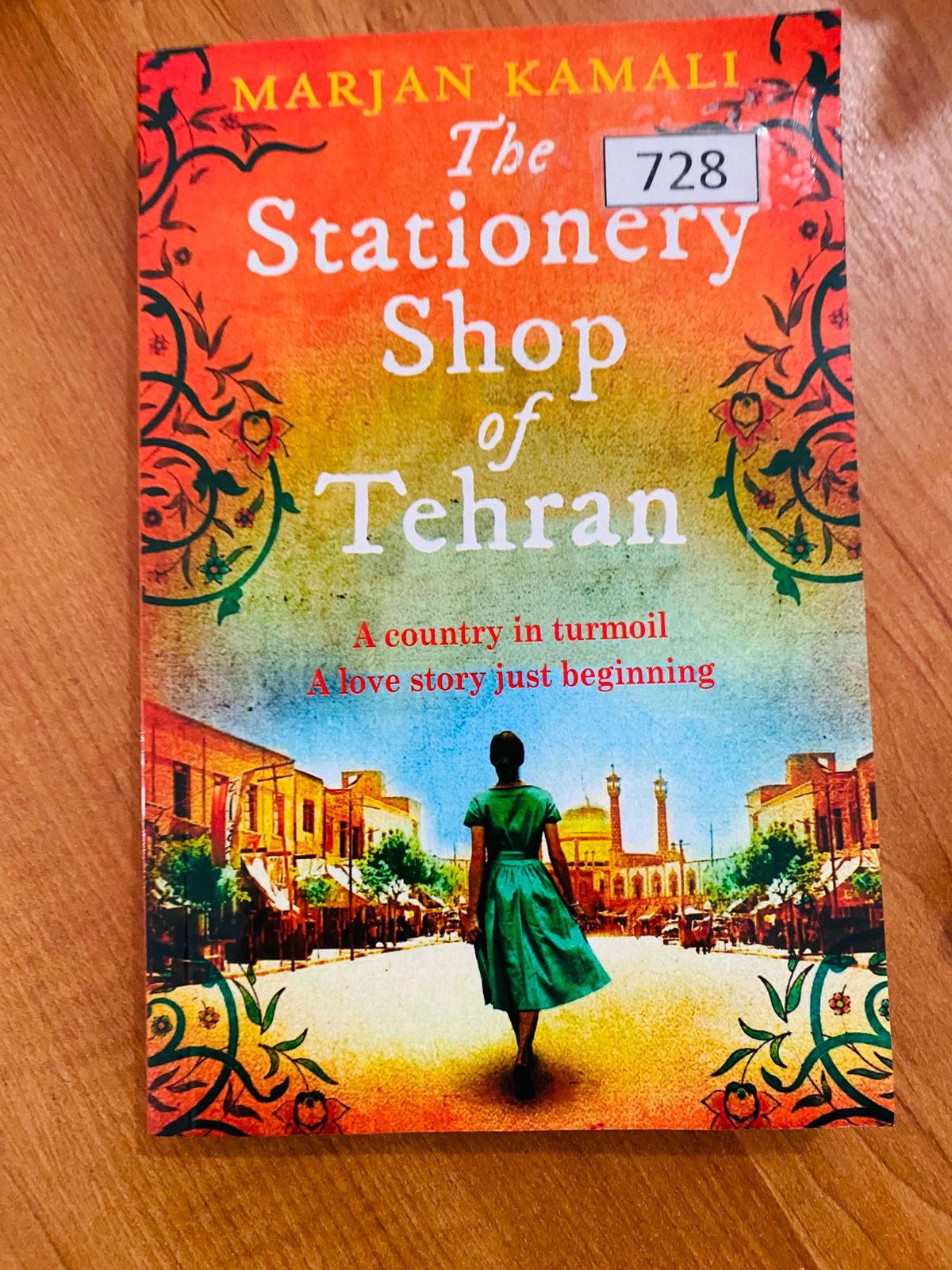
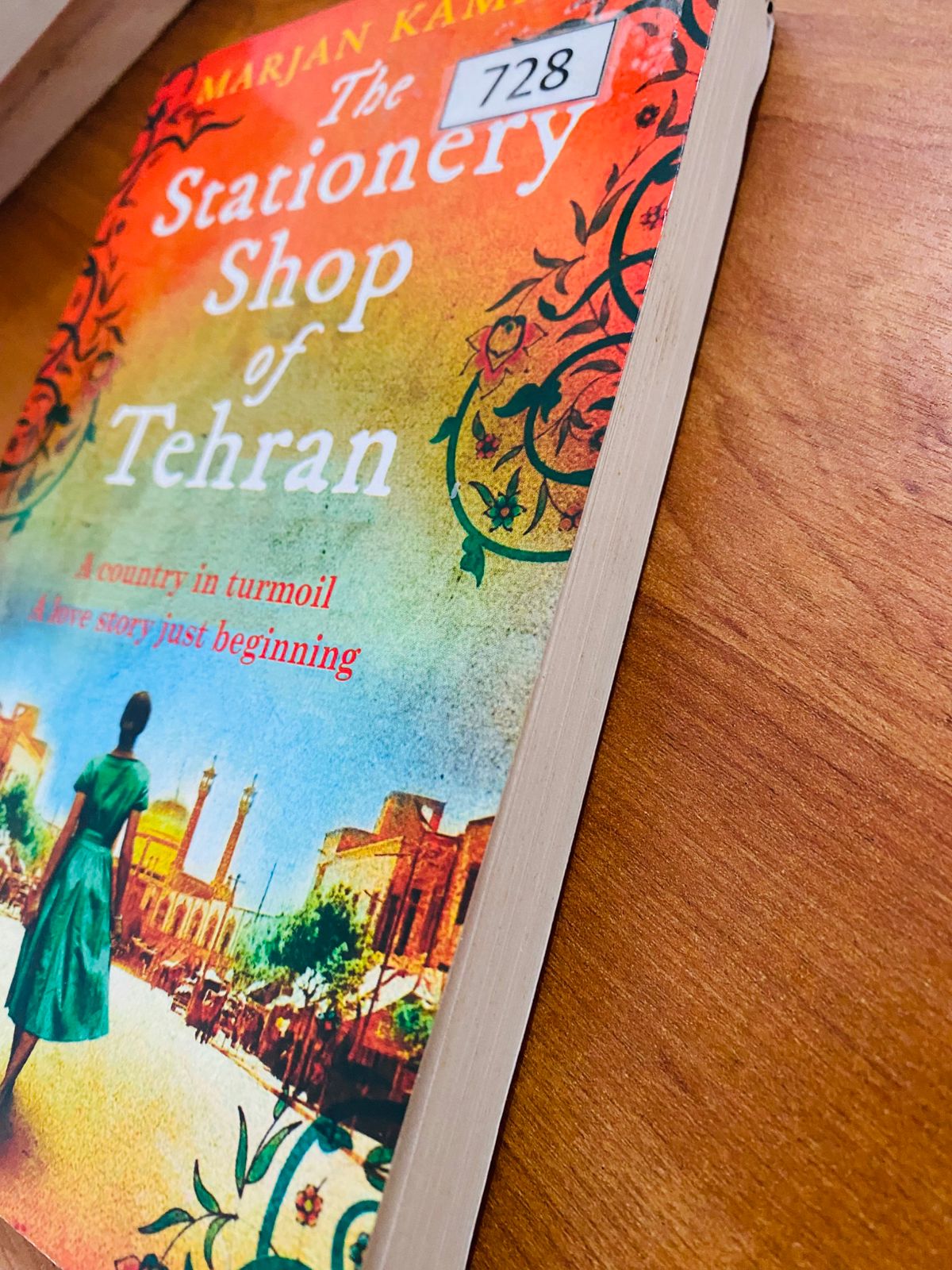
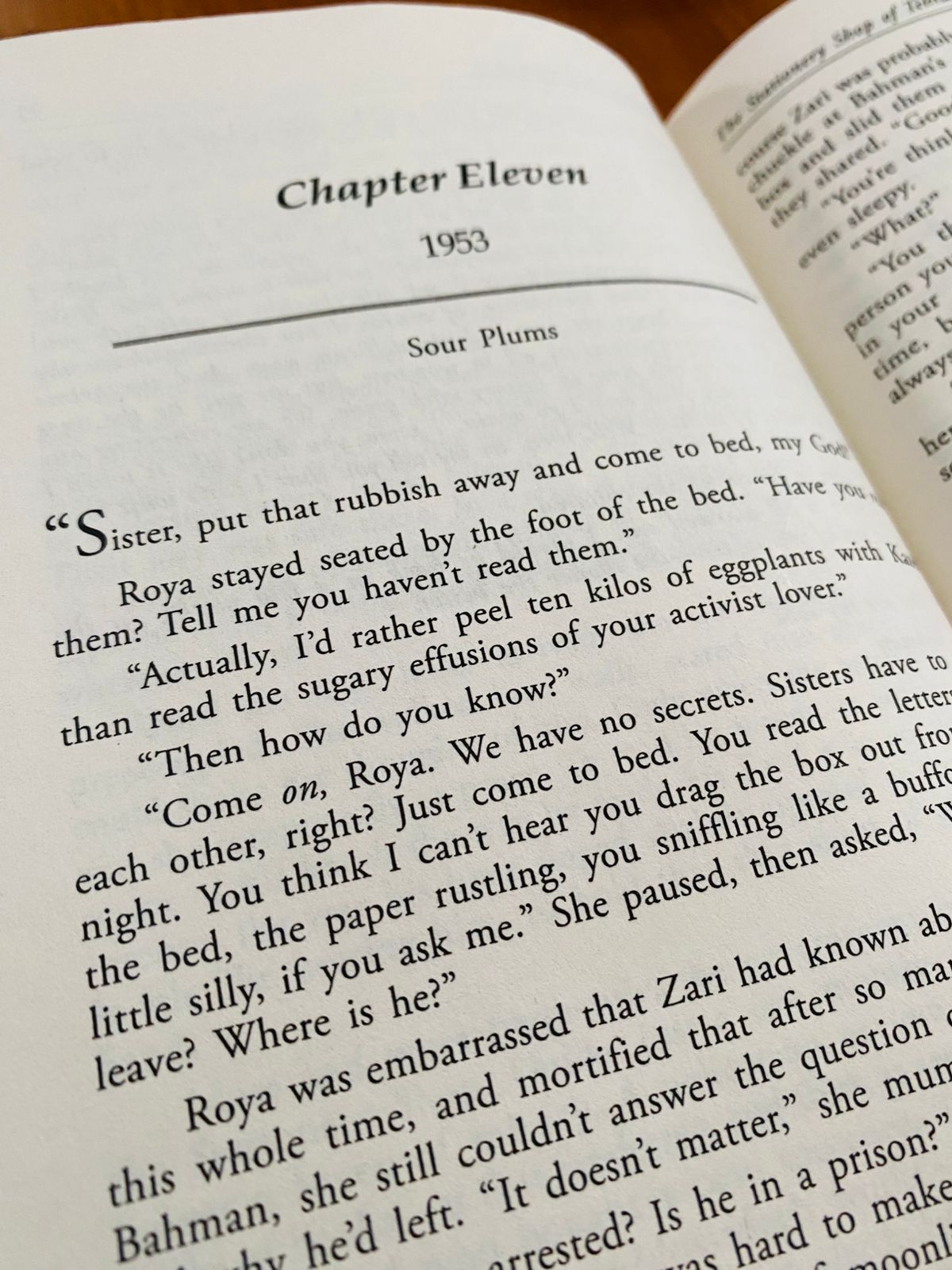
The Stationery Shop of Tehran by Marjan Kamali is a deeply emotional and beautifully written novel that explores love, loss, fate, and the impact of political turmoil on personal lives. Set in 1950s Iran during a time of national unrest, this story follows two young lovers whose lives are forever changed by circumstances beyond their control.
At the center of the novel is Roya, a dreamy and idealistic teenager living in Tehran. She finds comfort and inspiration in books, poetry, and intellectual conversations, which lead her to Mr. Fakhri’s stationery shop. This small shop becomes a refuge for thinkers, dreamers, and romantics. It is here that Roya meets Bahman, a passionate and ambitious young man who shares her love for literature and ideals of justice.
Their romance blossoms quickly, fueled by poetry, shared dreams, and the hopeful spirit of youth. Kamali captures the intensity of first love with remarkable sensitivity, making the reader feel every emotion—joy, anticipation, and vulnerability. The stationery shop itself becomes a symbol of possibility, representing a safe space where love and ideas can flourish even as the outside world grows increasingly unstable.
However, the backdrop of the story is Iran’s political upheaval, particularly the coup d’état of 1953. As protests erupt and chaos fills the streets, the country’s instability begins to seep into Roya and Bahman’s personal lives. A single missed meeting, caused by the violence and confusion of the times, alters the course of their future forever. This moment of separation becomes the emotional core of the novel.
Years later, Roya emigrates to the United States, builds a new life, and tries to move forward. Yet the memory of Bahman and the unanswered questions surrounding their separation linger in her heart. Kamali masterfully explores how unresolved love can echo across decades, shaping identity, relationships, and emotional growth.
One of the novel’s greatest strengths is its exploration of fate versus choice. The Stationery Shop of Tehran asks whether love alone is enough to overcome external forces such as politics, family expectations, and timing. It also examines how misunderstandings and silence can change lives in irreversible ways.
Marjan Kamali’s writing is lyrical yet accessible, painting vivid images of Tehran’s streets, cafés, and intellectual circles. The cultural details add depth and authenticity, offering readers insight into Iranian society, traditions, and history. At the same time, the emotions portrayed are universal, making the story relatable to readers from any background.
The later chapters of the novel bring a sense of closure and reflection. When Roya finally confronts the truth about what happened all those years ago, the story shifts from longing to understanding. This resolution is both heartbreaking and healing, emphasizing themes of forgiveness, acceptance, and the power of truth.
The Stationery Shop of Tehran is ideal for readers who enjoy historical fiction, romantic dramas, and emotionally rich storytelling. It will appeal to fans of character-driven novels that explore how personal lives intersect with historical events.
This book is not just a love story; it is a meditation on memory, regret, and resilience. Marjan Kamali reminds readers that even when love does not last in the way we expect, it can still shape who we become. The Stationery Shop of Tehran is a poignant and unforgettable novel that stays with readers long after the final page.

Uncategorized




Uncategorized

Uncategorized

Uncategorized

Uncategorized

Uncategorized

Uncategorized
Uncategorized





Reviews
There are no reviews yet.