No products in the cart.
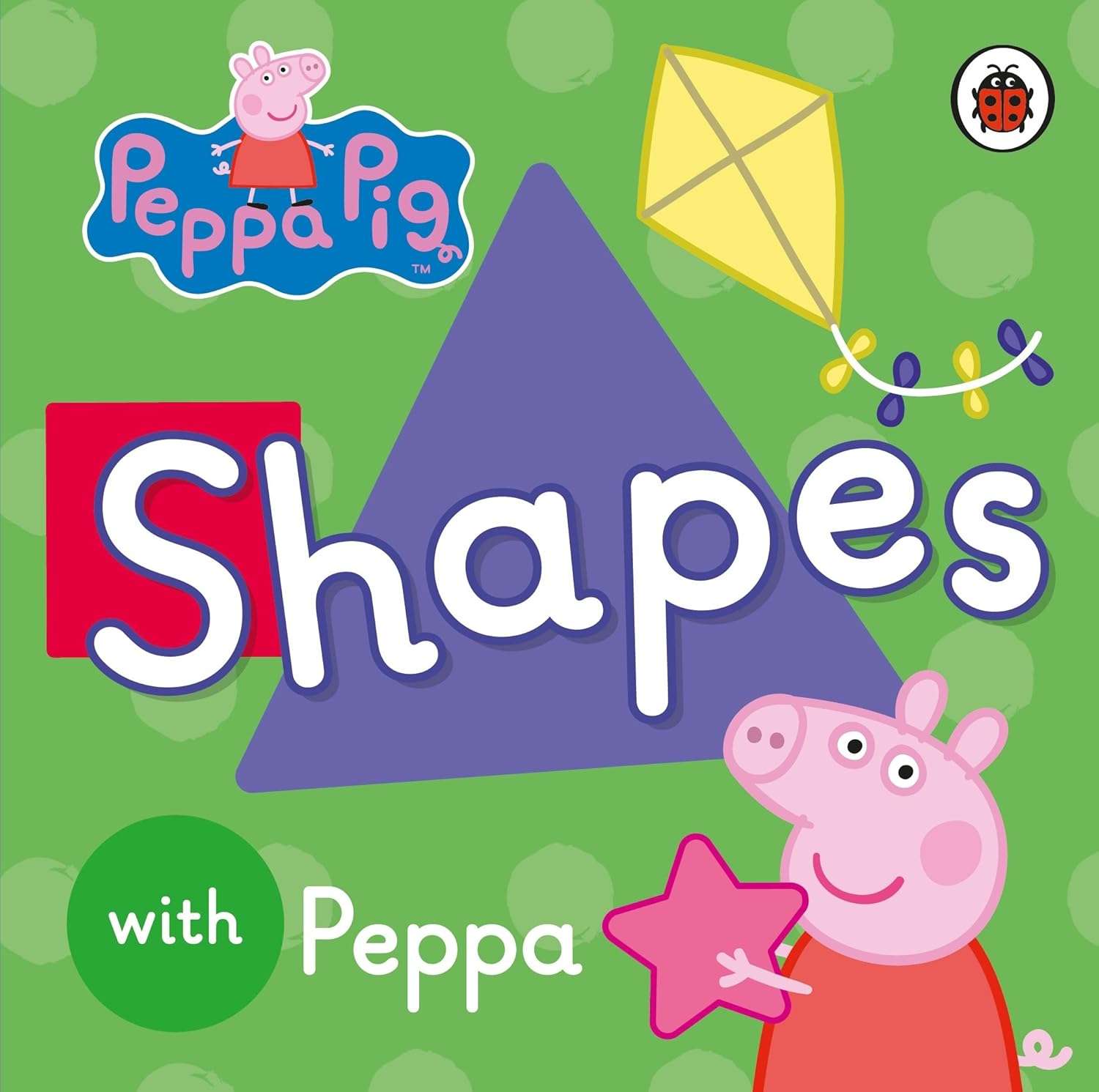

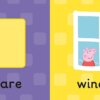
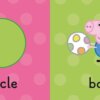
Peppa Pig : Shapes
රු2,500.00
3 X Rs. 833.33 or 8% Cashback with


or 3 X රු833.33 with


or up to 4 X රු625.00 with


Introduce early shape recognition with the Peppa Pig Shapes Board Book, a colourful first-concept book created for very young Peppa Pig fans.
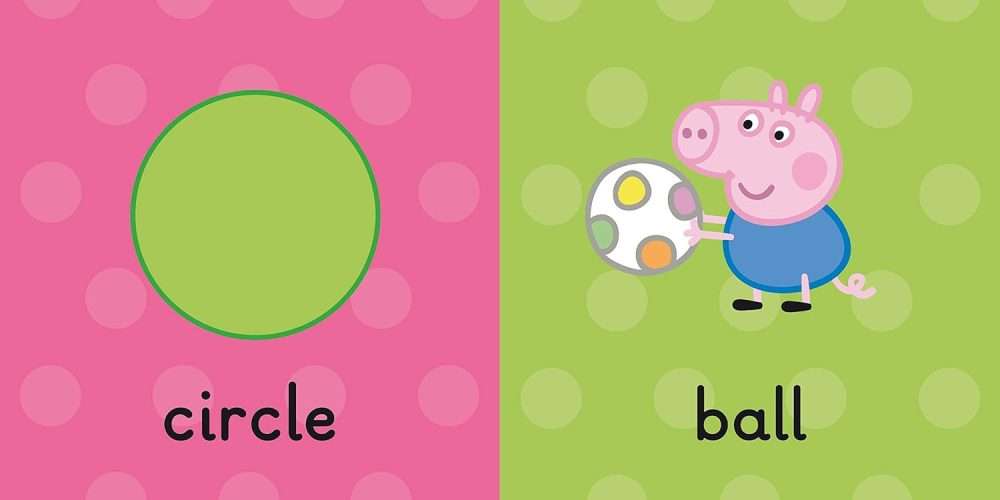
Simple text and bright pictures help children begin identifying and discussing different shapes. Its chunky board pages are easy for little hands to hold and turn, making the book suitable for shared reading and repeated early-learning sessions.
Product details:
- Author: Peppa Pig
- Series: Peppa Pig
- Publisher/Imprint: Ladybird
- Format: Chunky board book
- Pages: 16
- Language: English
- ISBN-13: 9780723297802
- ISBN-10: 0723297800
- Publication date: 2 July 2015
- Dimensions: 17.7 × 1.6 × 17.6 cm
- Publisher-listed weight: 280 g
- Learning areas: Shapes, observation and early vocabulary
- Suitable for: Shared reading and early concept learning
5 in stock
Peppa Pig: Shapes – First Concept Board Book
Peppa Pig Shapes Board Book is a colourful first-concept book designed to introduce very young children to shapes through simple text, clear pictures and familiar Peppa Pig characters. Its sturdy, chunky pages are suitable for little hands, making it a practical choice for repeated shared reading and early-learning activities.
Children can look carefully at the illustrations, listen as an adult names each shape and begin connecting shape words with objects they recognise. The cheerful Peppa Pig presentation helps make an important early mathematical concept friendly and enjoyable.
Peppa Pig Shapes Board Book introduces shape learning through an approachable combination of words and colourful pictures.
Parents, caregivers and teachers can encourage children to observe each page before naming the shapes they see. Young learners may point to the pictures, repeat shape names and compare them with objects around the home or classroom.
Simple questions can make the reading session more interactive:
- Which shape can you see?
- Is this shape round or straight?
- How many sides does it have?
- Can you find another shape like it?
- Which object has the same shape?
- Is this shape large or small?
- Which shape is your favourite?
There is no need to ask every question during one session. Select a few that match the child’s attention span and current understanding.
Recognising shapes is an important early-learning skill because children see shapes throughout their everyday surroundings.
The Peppa Pig Shapes Board Book helps children notice that objects can have different outlines and features. Some may have curved edges, while others have straight sides or pointed corners.
Adults can extend the learning experience by discussing common shapes such as:
- Circles
- Squares
- Triangles
- Rectangles
- Stars
- Hearts
- Ovals
These examples can be explored using safe household objects, toys, building blocks or drawings. Adults should choose examples that are easy for the child to see and handle.
The objective is not to test the child but to help them become comfortable hearing and using shape names.
The book uses simple text and illustrations suitable for children who are beginning to explore first concepts.
Children who cannot yet read independently can still participate by looking, pointing, listening and repeating words. Adults can read each page aloud and give the child enough time to examine the pictures.
The familiar Peppa Pig characters can encourage children to return to the book repeatedly. Repeated reading provides additional opportunities to recognise shapes and remember their names.
Peppa Pig Shapes Board Book can therefore be used as both an enjoyable character book and an early-learning resource.
This title is presented in a chunky board-book format.
Board pages are generally easier for small hands to hold and turn than thin paper pages. The sturdy format is useful for repeated shared reading, although children should still be encouraged to handle the book carefully.
The compact square design makes the book suitable for:
- Children’s bookshelves
- Reading corners
- Family story time
- Preschool learning
- Quiet afternoon activities
- Supervised journeys
- Bedtime reading
- Early-learning collections
Keep the book away from food, liquids, excessive heat and moisture to protect the pages and binding.
Shape learning also supports vocabulary development.
Children hear new descriptive words and begin using them when talking about pictures and objects. Adults can introduce words such as:
- Round
- Curved
- Straight
- Side
- Corner
- Point
- Large
- Small
- Same
- Different
Ask the child to repeat new words and use them while describing a shape. For example, a child might say that a circle is round or that a triangle has pointed corners.
Peppa Pig Shapes Board Book provides a friendly starting point for these conversations.
Children develop observation skills when they examine the differences between shapes.
They may notice that two shapes have different numbers of sides or that one has curved edges while another has straight lines. They can also compare shapes according to size, colour and position.
Useful comparison questions include:
- Are these shapes the same?
- Which shape is larger?
- Which one has more sides?
- Which shape has curved edges?
- Can you find two matching shapes?
- Which shape looks different?
Give children enough time to examine the illustrations before answering.
Shape learning becomes easier to understand when children connect it with familiar objects.
After reading the Peppa Pig Shapes Board Book, adults can organise a simple shape hunt around the home or classroom.
Children might look for:
- A round plate
- A square building block
- A rectangular book
- A triangular picture
- A circular clock
- A star decoration
- An oval mirror
Only use safe objects that the child can observe without risk. Heavy, sharp, breakable or electrical items should remain out of reach.
Children can point to each object, name its shape and explain why they selected it.
Shapes are part of early mathematics.
When children identify, group and compare shapes, they begin developing classification and spatial-thinking skills. These abilities can later support learning involving patterns, measurement, geometry and problem-solving.
The book’s simple first-concept approach allows children to become familiar with shape language before encountering more advanced activities.
Peppa Pig Shapes Board Book should be presented as an enjoyable introduction rather than a formal mathematics lesson.
Peppa Pig and her familiar world help make early-learning activities approachable.
Young Peppa Pig fans may be more interested in looking through a concept book when it contains characters and illustrations they already recognise.
Adults can ask children to find Peppa, George or other familiar characters while discussing the shapes shown on each page.
The pictures may also inspire additional conversation about colours, objects and actions.
This title is suitable for reading together with a parent, grandparent, caregiver, teacher or older sibling.
Shared reading allows adults to model shape vocabulary while children listen, point and respond. The adult can adapt each session according to the child’s age, confidence and attention span.
A simple reading routine could include:
- Look at the picture together.
- Name the shape clearly.
- Ask the child to repeat the word.
- Trace the outline with a finger.
- Find another similar shape.
- Praise the child’s effort.
Short, positive sessions may be more effective than expecting a young child to concentrate for a long period.
Pointing to pictures and tracing shape outlines with a finger can support hand-eye coordination.
Children can follow the edge of a printed shape while saying its name. This creates a physical connection between the word and the visual outline.
Adults can also draw a large simple shape on paper and ask the child to trace it with a finger or suitable crayon.
Any drawing activity should use child-safe materials and responsible adult supervision.
Peppa Pig Shapes Board Book provides a screen-free alternative to mobile phones, television, tablets and video games.
Children actively participate by looking, listening, pointing, comparing and speaking.
Related activities may include:
- Sorting building blocks by shape
- Drawing simple shapes
- Creating pictures from shapes
- Matching shape cards
- Finding shapes in a room
- Building patterns with blocks
- Naming shapes during a walk
- Cutting paper shapes with adult assistance
Scissors and other cutting tools must only be handled by a responsible adult or used under suitable supervision.
Young children often benefit from hearing the same words and concepts several times.
Repeated reading allows children to become familiar with the pictures and gradually remember more shape names. A child who initially listens may later begin pointing, naming and comparing independently.
Adults can vary the questions during each reading session. One day may focus on shape names, while another may explore colours, sizes or everyday objects.
Begin with only a few shapes and introduce additional vocabulary gradually.
Say each shape name slowly and clearly. Encourage the child to look carefully before answering.
Praise effort and participation, even when an answer is not correct. Calmly name the correct shape and invite the child to repeat it.
Connect the book with safe, familiar objects. This helps children understand that shapes are present throughout their everyday environment.
Keep learning sessions short, enjoyable and appropriate for the child’s developmental stage.
Product title: Peppa Pig: Shapes
SEO product title: Peppa Pig Shapes Board Book
Author: Peppa Pig
Series: Peppa Pig
Publisher/Imprint: Ladybird
Format: Chunky board book
Language: English
Page count: 16 pages
ISBN-13: 9780723297802
ISBN-10: 0723297800
Publication date: 2 July 2015
Dimensions: 177 × 16 × 176 mm
Publisher-listed weight: 280 grams
Learning areas: Shapes, observation, comparison and early vocabulary
Suitable for: Shared reading and first-concept learning
Peppa Pig Shapes Board Book combines familiar characters, simple text and colourful pictures in a sturdy format created for young learners.
Children can begin recognising and naming shapes while developing observation, vocabulary and comparison skills. The chunky pages are convenient for little hands and suitable for repeated shared reading.
Peppa Pig Shapes Board Book can also inspire shape hunts, matching games, drawing activities and conversations about the objects children see every day.
Choose Peppa Pig Shapes Board Book for a cheerful and accessible introduction to shapes with Peppa and her friends.
Explore our complete Peppa Pig books collection to discover more board books, first-concept titles and colourful early-learning adventures.
View the official publication details for
Peppa Pig Shapes Board Book on Penguin Books
Be the first to review “Peppa Pig : Shapes”
Related products

Out of stock
Children & Young Adult
රු1,600.00
3 X Rs. 533.33 or 8% Cashback with
or 3 X රු533.33 with
or up to 4 X රු400.00 with
Out of stock
Children & Young Adult
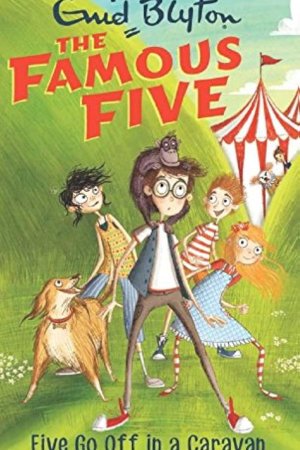
Famous Five: Five Go Off in a Caravan – Book 5 by Enid Blyton | Classic Children’s Adventure
රු800.00
3 X Rs. 266.67 or 8% Cashback with
or 3 X රු266.67 with
or up to 4 X රු200.00 with

Out of stock
Children & Young Adult
රු3,200.00
3 X Rs. 1,066.67 or 8% Cashback with
or 3 X රු1,066.67 with
or up to 4 X රු800.00 with
-16%
Out of stock
Children & Young Adult
Original price was: රු32,000.00.රු27,000.00Current price is: රු27,000.00.
3 X Rs. 9,000.00 or 8% Cashback with
or 3 X රු9,000.00 with
or up to 4 X රු6,750.00 with
Out of stock
Children & Young Adult
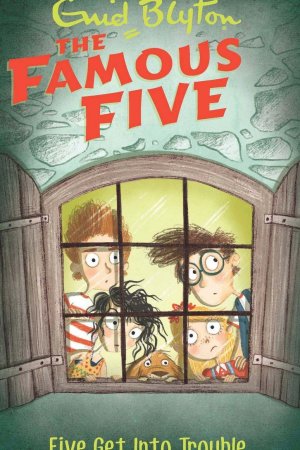
Famous Five Vol 8: Five Get into Trouble by Enid Blyton | Classic Children’s Adventure Book
රු800.00
3 X Rs. 266.67 or 8% Cashback with
or 3 X රු266.67 with
or up to 4 X රු200.00 with
Out of stock
Children & Young Adult
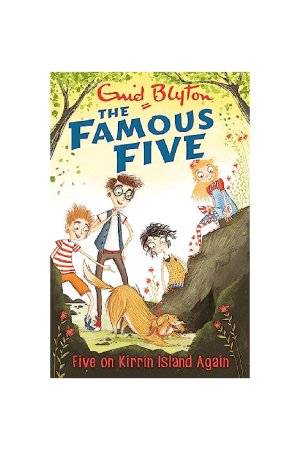
Famous Five Vol 6: Five on Kirrin Island Again by Enid Blyton | Classic Adventure Book
රු800.00
3 X Rs. 266.67 or 8% Cashback with
or 3 X රු266.67 with
or up to 4 X රු200.00 with
-21%

Children & Young Adult
Original price was: රු2,400.00.රු1,900.00Current price is: රු1,900.00.
3 X Rs. 633.33 or 8% Cashback with
or 3 X රු633.33 with
or up to 4 X රු475.00 with
Out of stock
Children & Young Adult
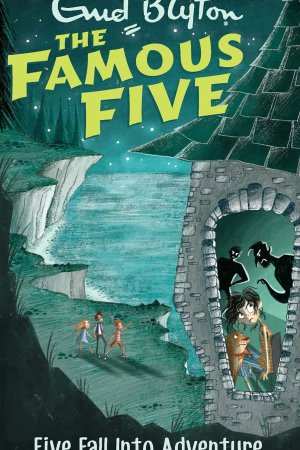
Famous Five Vol 9: Five Fall into Adventure by Enid Blyton | Classic Children’s Adventure Book
රු800.00
3 X Rs. 266.67 or 8% Cashback with
or 3 X රු266.67 with
or up to 4 X රු200.00 with
Reviews
There are no reviews yet.