
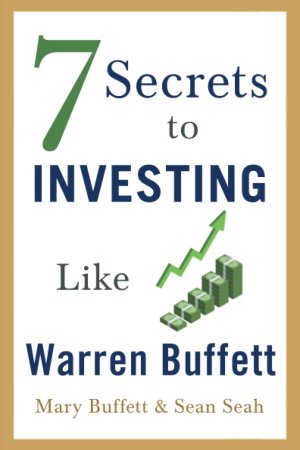
 7 Secrets to Investing Like Warren Buffett by Mary Buffett and Sean Seah
 Subtotal: රු1,500.00
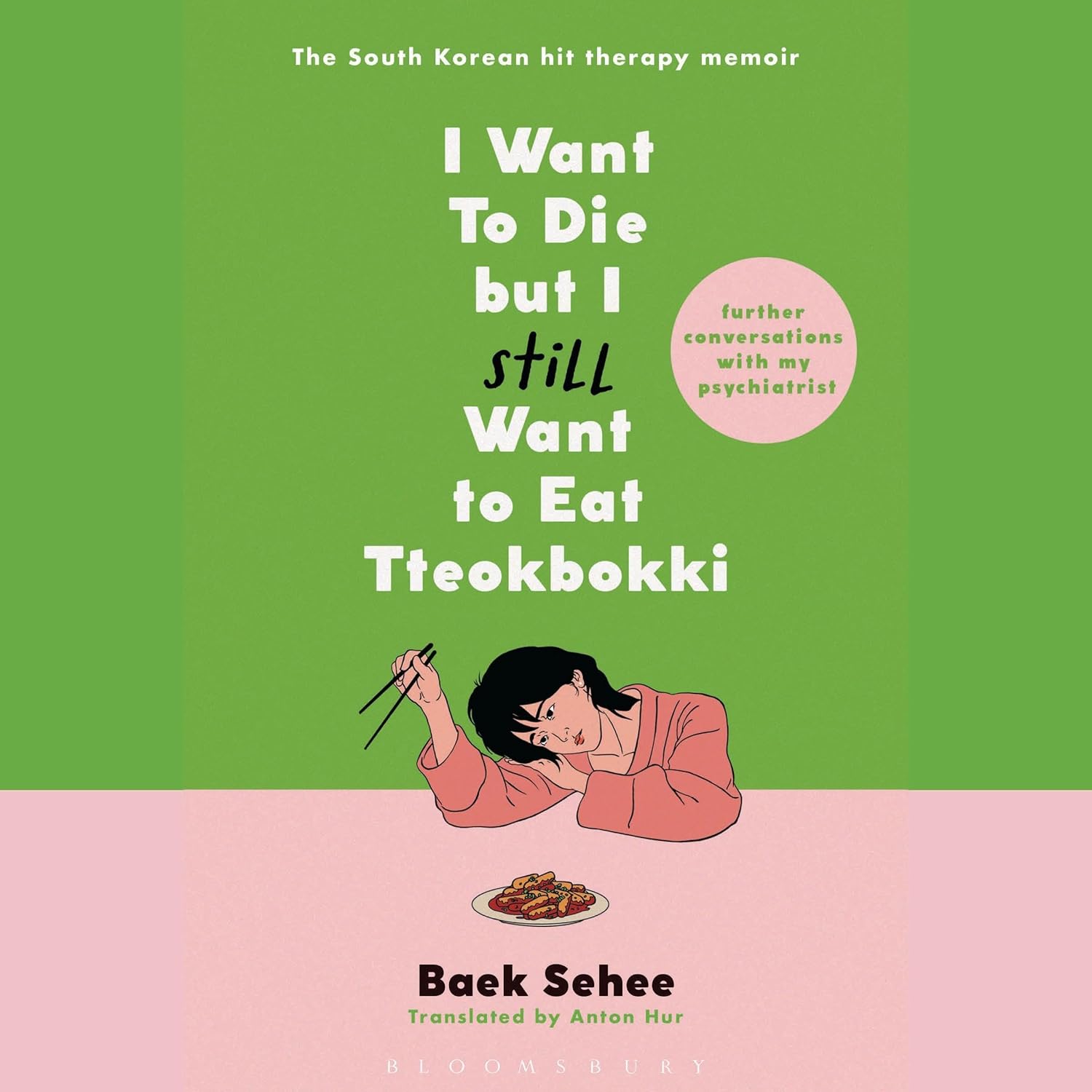
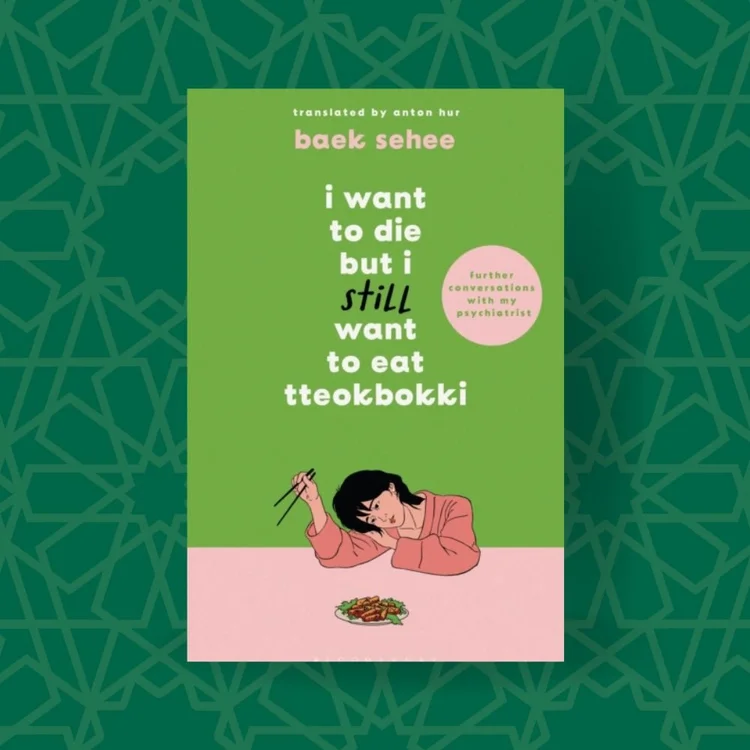
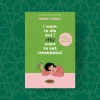
I Want To Die But I Still Want To Eat Tteokbokki by Baek Sehee and Anton Hur
රු1,750.00
or 3 X රු583.33 with


or up to 4 X රු437.50 with


or 3 installments of රු583.33 with 
A deeply honest book about mental health, therapy, and emotional struggle, sharing real conversations that comfort and reassure readers they are not alone.
5 in stock
Want To Die But I Still Want To Eat Tteokbokki by Baek Sehee and Anton Hur is a deeply honest and relatable book that explores mental health, depression, anxiety, and the quiet struggles of everyday life. Written in the form of therapy session conversations, the book offers a raw and unfiltered look into the author’s inner thoughts, emotional conflicts, and gradual journey toward self-understanding.
This book stands out because of its simplicity and emotional truth. Baek Sehee does not present herself as someone who has all the answers. Instead, she shares her confusion, contradictions, and vulnerability with refreshing honesty. The title itself reflects a feeling many people experience but struggle to explain—the desire to give up while still wanting to enjoy small, comforting moments in life.
The structure of the book is unique. It is based on real therapy sessions between the author and her psychiatrist, spanning several years. Through these conversations, readers gain insight into how therapy works, how mental health conditions are discussed, and how healing often happens slowly and imperfectly. This format makes the book feel intimate and personal, almost like reading a private diary.
One of the strongest aspects of I Want To Die But I Still Want To Eat Tteokbokki is how it normalizes mental health struggles. The book shows that depression and anxiety do not always look dramatic or extreme. Sometimes they exist quietly alongside everyday routines, work, relationships, and even moments of happiness. This honest portrayal helps readers feel seen and understood.
The book also explores themes of self-worth, emotional numbness, social pressure, and the fear of being misunderstood. Baek Sehee openly discusses her difficulty in identifying her own emotions and understanding why she feels the way she does. These reflections resonate strongly with readers who feel disconnected from their feelings or unsure of their mental state.
Anton Hur’s translation plays a key role in making the book accessible to a global audience. The language is clear, gentle, and emotionally accurate, preserving the tone and vulnerability of the original Korean text. The result is a book that feels calm, thoughtful, and deeply human.
This book is especially meaningful for readers interested in mental health, self-help, and personal growth. It does not promise quick solutions or instant happiness. Instead, it emphasizes patience, self-awareness, and the importance of seeking help. The book reassures readers that struggling does not mean failure and that wanting to live can coexist with painful thoughts.
This edition is an Indian locally published copy. It contains the same complete original content as the international edition, with no missing text or chapters. Any differences are limited to paper quality, cover finish, or printing style only. This makes the book more affordable and accessible for local readers.
I Want To Die But I Still Want To Eat Tteokbokki is suitable for young adults, adults, and anyone navigating emotional difficulties or seeking to better understand mental health. It is also helpful for readers who are curious about therapy but unsure what to expect. The book gently removes stigma and encourages open conversations about emotional well-being.
Many readers find comfort in the book’s calm tone and honest reflections. It is not overwhelming or heavy, despite its serious themes. Instead, it feels like a quiet companion, reminding readers that they are not alone in their thoughts and feelings.
Find Our More Books = bargainbooks.lk
Overall, I Want To Die But I Still Want To Eat Tteokbokki by Baek Sehee and Anton Hur is a powerful and compassionate book that offers understanding rather than answers. It is a meaningful read for anyone who has ever felt lost, conflicted, or emotionally tired, yet still hopeful in small ways.
Be the first to review “I Want To Die But I Still Want To Eat Tteokbokki by Baek Sehee and Anton Hur”
Related products
-28%
Self-Help
රු1,300.00
or 3 X රු433.33 with
or up to 4 X රු325.00 with
or 3 X රු433.33 with
රු2,750.00
or 3 X රු916.67 with
or up to 4 X රු687.50 with
or 3 X රු916.67 with
Self-Help
රු3,250.00
or 3 X රු1,083.33 with
or up to 4 X රු812.50 with
or 3 X රු1,083.33 with
රු2,950.00
or 3 X රු983.33 with
or up to 4 X රු737.50 with
or 3 X රු983.33 with
-24%
Out of stock
Non-fiction
රු1,900.00
or 3 X රු633.33 with
or up to 4 X රු475.00 with
or 3 X රු633.33 with
Out of stock
Non-fiction
රු1,500.00
or 3 X රු500.00 with
or up to 4 X රු375.00 with
or 3 X රු500.00 with
-39%
Self-Help
රු1,500.00
or 3 X රු500.00 with
or up to 4 X රු375.00 with
or 3 X රු500.00 with
-24%
Out of stock
Non-fiction
රු1,750.00
or 3 X රු583.33 with
or up to 4 X රු437.50 with
or 3 X රු583.33 with
Reviews
There are no reviews yet.